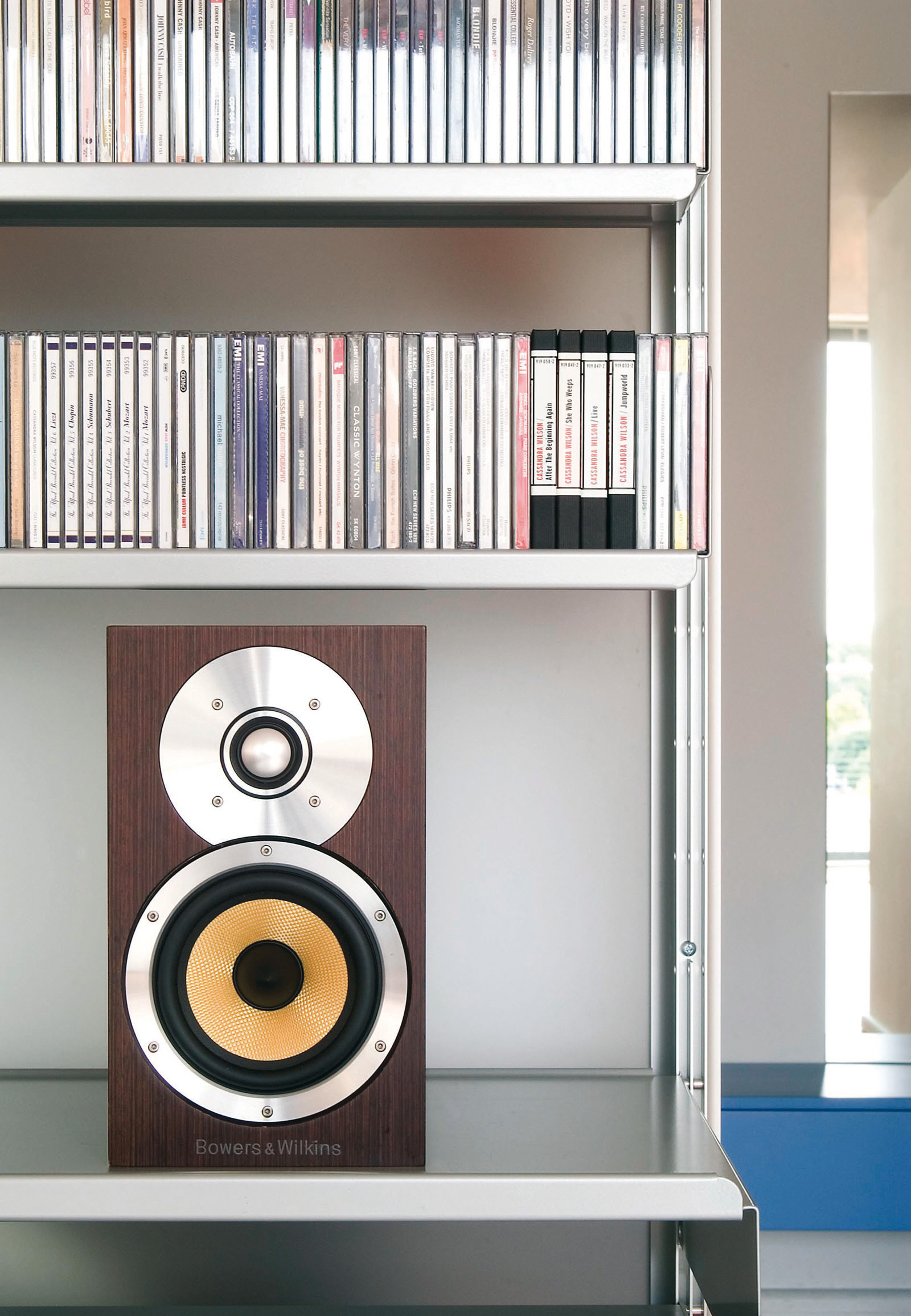
 Notice of Discontinuation of the B&W CM Series (link broken — via Wayback Machine)
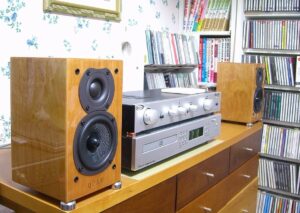
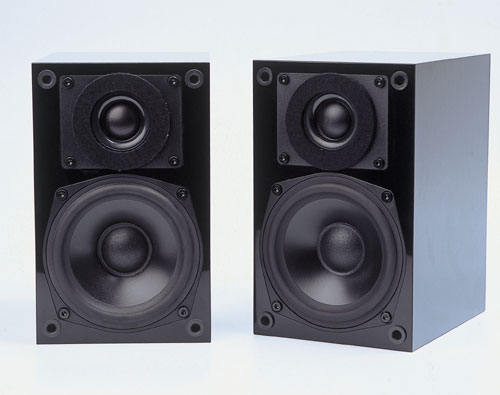
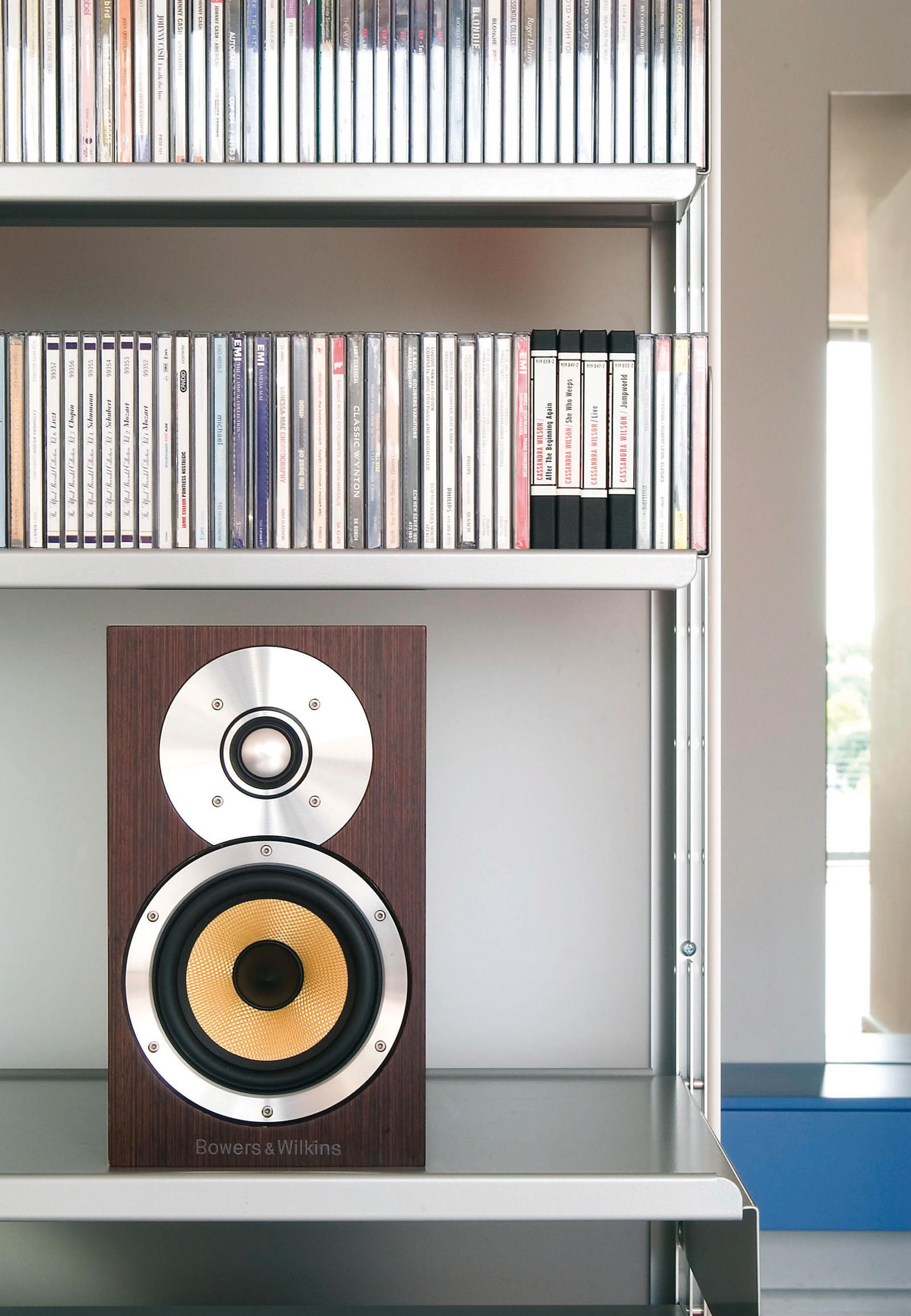 The B&W CM1 — the original and smallest model in the B&W CM Series, which I had been recommending on this site as a top pick for compact Hi-Fi for eight years since 2006 — appears to have had its entire CM Series lineup discontinued in Japan as of 30th May 2014, the CM1 included.
The top-of-the-range floorstander, the B&W CM10, had only been released the previous year, so my honest reaction was: why so suddenly??? It has been eight years since the original CM1 launched, and yes, it was probably about time for a new model or at least a minor revision — but still. Glancing at British audio sites, there didn’t seem to be any talk over there of production or sales ending at all. I do find myself wondering why Japan was the first to have sales discontinued, but in the domestic market, the new 600 Series had just launched with great fanfare — noticeably improved in sound quality over its predecessor and priced higher accordingly — and one can’t help noticing that this created a pricing overlap with the existing CM Series, which may well have been a factor in the sales strategy.
In terms of price-to-quality and performance ratio, the Bowers & Wilkins CM Series was outrageously good value — every model in the lineup, from the CM1 through to the CM5, CM7, CM8, CM9, and CM10, competed on equal terms with rival products at one-and-a-half to twice the street price, making the range something of a thorn in the side for other speaker manufacturers. And now, in the Japanese market, the prices had come to overlap entirely with B&W’s own new entry-level 600 Series and the mid-range PM1 — meaning the two ranges were, in a sense, cannibalising each other’s potential customers from a marketing standpoint as well.


 ポチップ
ポチップ
With a major promotional campaign for the newly revamped 600 Series about to get under way, perhaps the existence of the current CM Series — with its “too-cheap” pricing — had simply become inconvenient for both B&W and D&M. Or so one might uncharitably speculate.
 ポチップ
ポチップ
Because, well, a well-worn CM1 was actually cheaper at street price than the brand-new 686 S2. (The CM1 has been discontinued and sold out almost entirely by June. I’ve left some purchase links below just in case, but at this point it’s really only the odd ex-display unit or secondhand piece turning up through auction sites and used dealers — I doubt there’s any new stock left.)
Whatever the truth of the matter, I do hope the CM Series doesn’t simply vanish into discontinuation and disappear for good — but even if it were to return as a new CM S2 range after a production hiatus, given the current currency situation, I think it’s unlikely to come back at the same price points as before. D&M is a reputable distributor that tends to set street prices close to local market pricing, but to avoid cannibalising 600 Series sales, some degree of a price increase would probably be unavoidable. Even if prices went up by half again, given the CM Series’ sound quality, build quality, and sheer product value, one can only say that the original pricing was just too cheap to begin with — which is a frustrating thought.
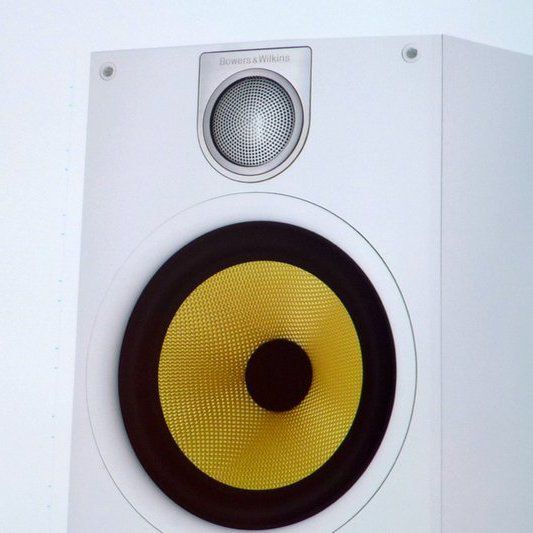
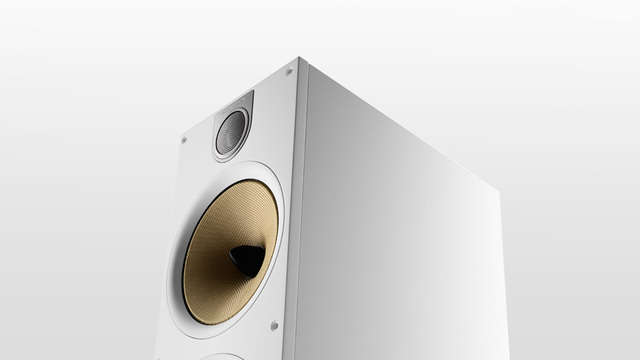
Reading the magazine coverage and such, the new 600 Series — the 686 S2, 685 S2, 684 S2, and 683 S2 — has been very well received. Mr. Sawada of Marantz, a very senior figure indeed, described the new series’ sound as, in a sense, “surpassing the entire CM Series, with the exception of the CM10.” Reviews here and there have been running with that line — “surpasses the CM Series!”, “closes right in on it” — but reading more carefully, it seems this is really about an extended frequency response and, in particular, qualitative improvements on the tweeter side. The old series already had a spec of up to 50 kHz, which I’d have thought was more than adequate for hi-res, but apparently the new tweeter’s response peak extends to 38,000 Hz, which allows the second- and third-order harmonic distortion it generates to be pushed further up, outside the range of musical content. (Looking at the graph, the old 600 Series tweeter peaked at around 32 kHz.)
But to my mind, it’s rather like a car model changeover — when an A/B-segment car goes through a generational update and gains in specs, interior quality, and refinement, it still hasn’t fundamentally become a C/D-segment car, has it? Funnily enough, as I was writing that, I noticed that Mr. Sawada had used exactly the same car analogy. To summarise his point in plain terms: even if the cabinet is cheap, raising its resonant frequency means it stops bothering you — a kind of lateral thinking, apparently.
 ポチップ
ポチップ
What has always bothered me about the 600 Series, and still does, is the cabinet quality and appearance. As the interview alludes to (albeit in veiled terms), the body is on the flimsy side — and the look of the old 600 Series, with that unmistakable air of “entry-level is fine like this, isn’t it?”, would surely be a hard sell to anyone who had been eyeing the CM Series with its more premium finish. On a personal note, I’ve always found it odd that even the smallest model in the 600 Series, the 685, is strangely large for an entry-level speaker — that’s always niggled at me. (In other words, I’d love to see a more affordable, genuinely compact model in the 21–27 cm height range that could fit comfortably even in a small rabbit-hutch flat — which is precisely why making the CM1 disappear is so…)
That said, the new 600 Series speakers were apparently designed by Steve Pearce, the same man who designed the CM Series. Which means that on sound alone, they’re almost certainly going to be right — and as much as it pains me to admit it, they’ll probably be one of those “oh, this actually sounds good” moments. Of the four models in the 600 Series, the one I’m most interested in is the 684 S2 — but only in white. It would look great beside a high-definition display, and there’s a certain neatness to the design proportions that I find appealing — that usual feeling of just being drawn to it. But then again, if I were going to get a 684 S2, I’d rather have the CM8 at a similar price — and there’s almost none of those left to be found now.

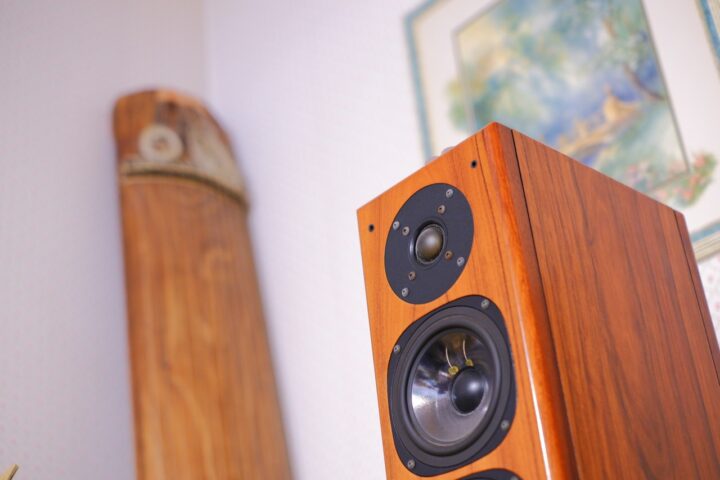
The CM8 came out in 2010, which was perhaps an awkward time for it — it never quite got the attention it deserved and was treated a bit like an also-ran. To my mind, though, it’s a slim, elegant-looking thing with a premium feel, and a speaker that far outclasses its price bracket whether you’re using it for home cinema or pure Hi-Fi. Something like this for under ¥200,000 a pair at street price is practically cheating.
At the end of the interview, I put the question again directly: had the new 600 Series truly surpassed the CM Series? Mr. Sawada’s answer was as follows: “As I mentioned with the car analogy, there is a clear difference in grade between the new 600 Series and the CM Series when it comes to things like the cabinet that supports the drive units. In terms of sheer physical substance — what audio enthusiasts would call ‘cost thrown at it’ — the CM Series is unquestionably superior. However, in terms of suitability for contemporary music sources, I do think the newer product has the advantage.”
And there it was — something that gets right to the heart of the matter. Do read to the end, everyone. It was a long piece, but very illuminating. Once you’ve read it, I suspect you’ll find yourself wanting a CM Series speaker — even secondhand, even at this late stage.
Someone once pointed out to the author that they’re always recommending B&W speakers to others, but never actually use one themselves — and well, the thing is, B&W sound is just so… correct. Being built to meet the demands of a studio monitor means it’s accurate and high-quality. No weaknesses in any direction, top to bottom. Their only real rivals are their own products, and even within that, the hierarchy is rather painfully stratified. These are speakers for sensible, musically serious people with sufficient financial means — and for someone as hopeless as the author of this compact Hi-Fi blog, they feel just a little out of reach; almost as if the speakers themselves were smiling politely and saying, “I’m afraid this isn’t quite for the likes of you.”
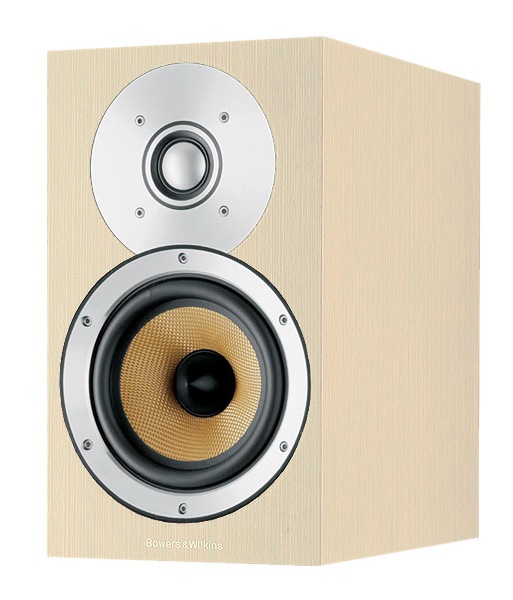
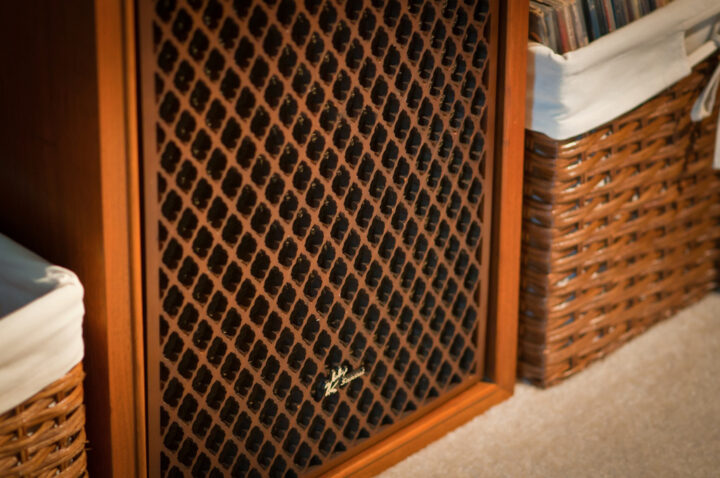
That said, it’s not as if I dislike the sound — I actually rather like it. If asked which model I love most, it would be the B&W 805V, made from the late 1980s through to the late 1990s. The 805V was, in its day, a proper studio monitor — but compared to the all-round, high-resolution B&W of today, it has a certain flavour of things not quite reaching in various directions, top and bottom alike. A tweeter that doesn’t push too hard, a Kevlar cone woofer with a slightly papery rustle to it, a cabinet that looks rather like a cheap flat-pack bookshelf, a front-firing bass reflex port panting away in a mild state of agitation. Every last bit of it is endearing — and for everyday listening, that level is quite enough for me, thank you.

Auto Translated by CS4.6

List of comments (3)
ものすごくお久しぶりです。
後継機が出るとしても、かなり値上がりしそうですね。
昔のCDM1シリーズみたいに、このままCMシリーズも消えゆくのでしょうか。
数年前にサブとして購入を検討しましたが、けっきょくKEF LS50にしました。
今になって思うと、円高→円安→増税で、だいぶ輸入オーディオもお高くなりました。
nu-maoさんこちらこそお久です。こちらは単調な生活送っているせいか、あまり時間が過ぎてる気がしていなかったりしますが…
iPhoneからの書き込みなので続きはまた後で、取り急ぎ失礼します。
戻ってきました・・・はひはひ。。。(暑い)
車検があるのでここ何日か自分で色々と整備していたもので・・・ブログを軽く放置。
という事であらためてお久しぶりです。2年ぶり?くらいでしょうか。KEF LS50ですか~。またえらい難易度高そうなスピーカーをっ…。 CM1でしたら誰にでも適当な機器とセッティングでそこそこ鳴らせそうですが、LS50はセンスの良い人が更にセンスの良い機器との組み合わせで色々とチューニングできないとなかなか難しそうな印象です・・・上級者向き?LS50、今買うと14万とかするんですねぇ。