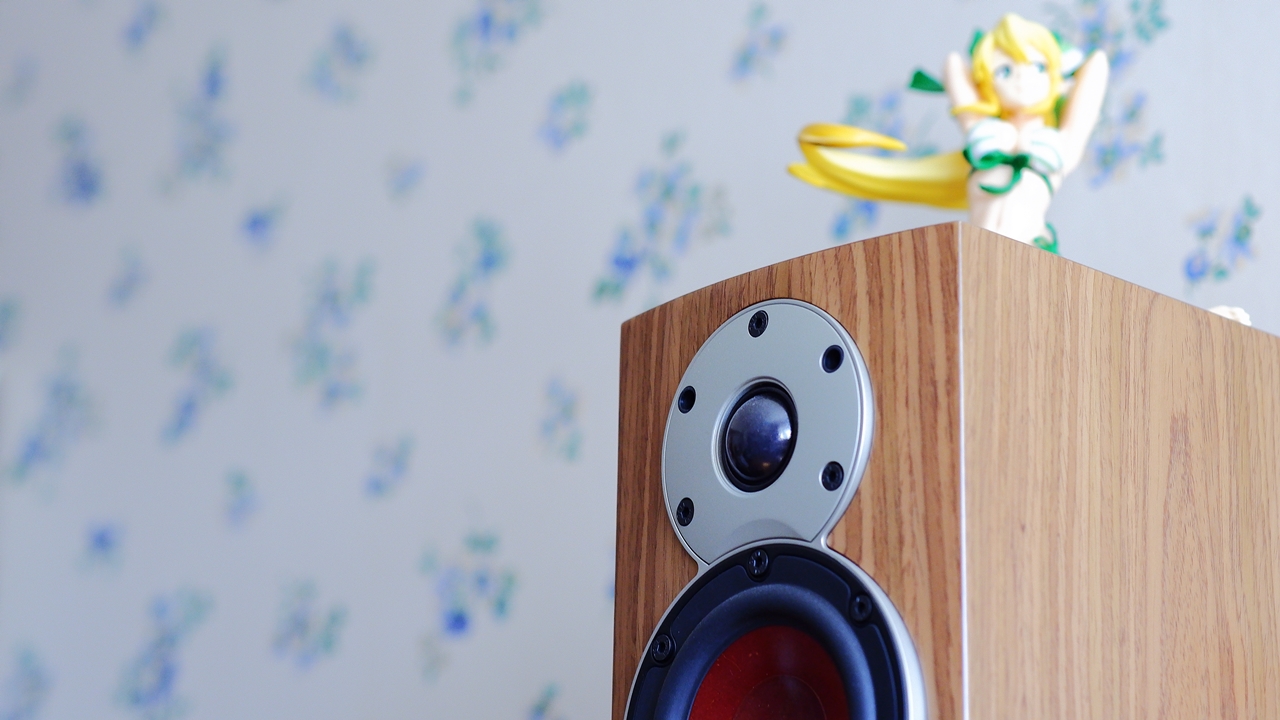
Loudspeakers are the most influential and eye-catching component, and naturally the item you want to spend most of your budget on. However, when it comes to the small and compact speakers recommended here on AUDIO STYLE — the site advocating a miniaturist approach to pure audio — things look a little different.
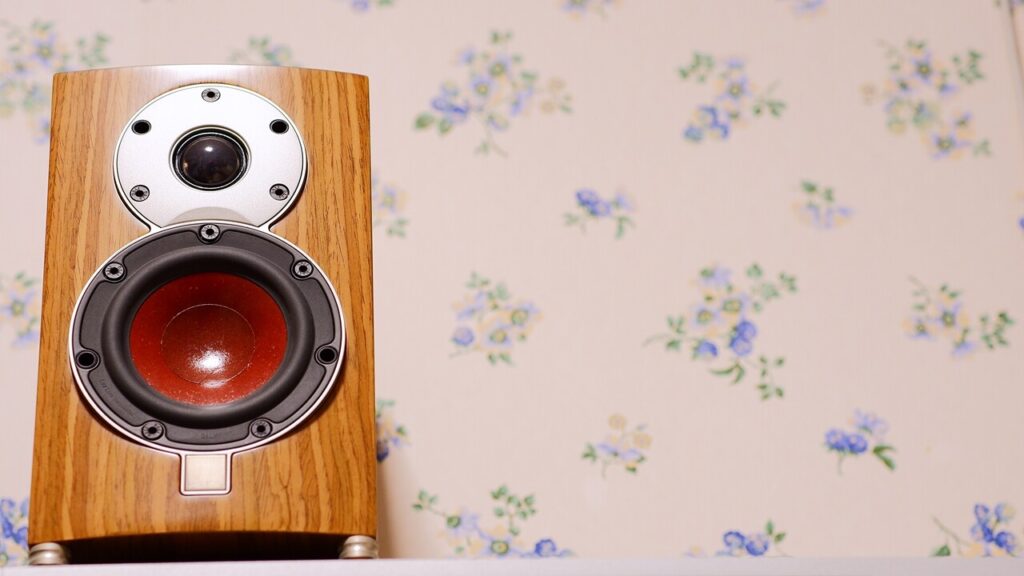
Most industrially manufactured speakers are typically produced using the same design, materials, components, and manufacturing processes, with different sizes making up a range aimed at various uses. Within the same brand line from the same manufacturer, the quality of parts and materials is broadly consistent from the smallest model to the largest. And as the size increases, so does the price. Conversely, the smaller the speaker, the cheaper it becomes — while the quality essentially stays the same — so it is quite often the case that, given how product lines are structured, the best value for money is found in the smallest or second-smallest model in the range.
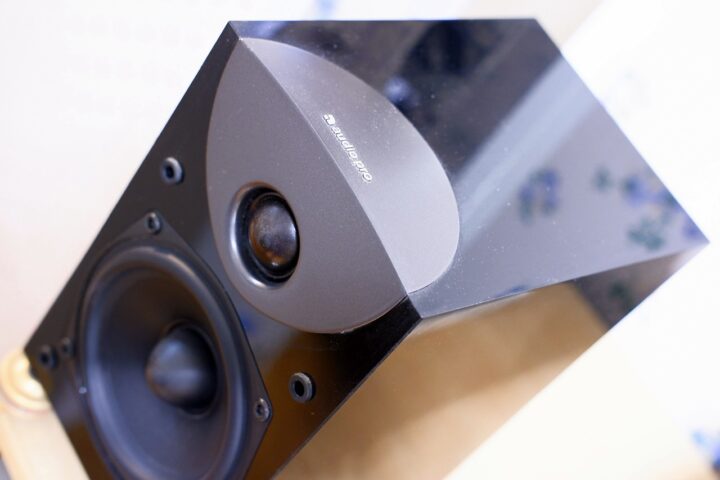
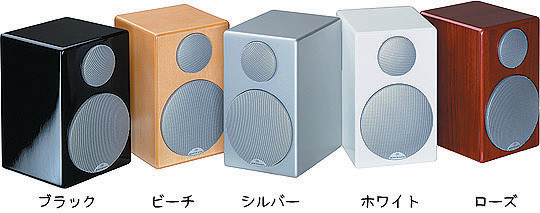
It is commonly assumed that larger speakers simply sound better than smaller ones — but in reality, speakers have significant strengths and weaknesses that vary considerably with size, and the ideal speaker size for music playback actually depends on the median listening volume a listener habitually chooses in daily use, and on the size of the room.


 ポチップ
ポチップ
Advantages and Disadvantages of Medium and Large Speakers
Medium to large floorstanding speakers can handle high volumes without strain, and are capable of reproducing large, realistic soundscapes with a sense of ease. In particular, the bass region below 100 Hz grows fuller as size increases, and this fullness translates into a musical expansiveness and low-frequency spatial reproduction that gives the listener a pleasurable sense of physical presence and scale — a sensation of sound arriving in waves. On the other hand, at the ultra-low to low volumes typical in domestic settings — generally below an average of 75 dB — the sound tends to become congested, and it can be difficult to shake the impression that the sound is simply stuck to the surface of the speaker cabinet.
These weaknesses can be addressed to a degree through careful placement in a dedicated listening room with proper acoustic treatment, or by pairing the speakers with higher-quality, high-end audio components. That said, the reality is that bringing a relatively large speaker closer to its ideal sound quality ultimately requires a great deal of trial and error — and a great deal of money. The upper limit of what is possible is high, but so is the threshold for getting there. That is what medium-to-large floorstanding speakers are.
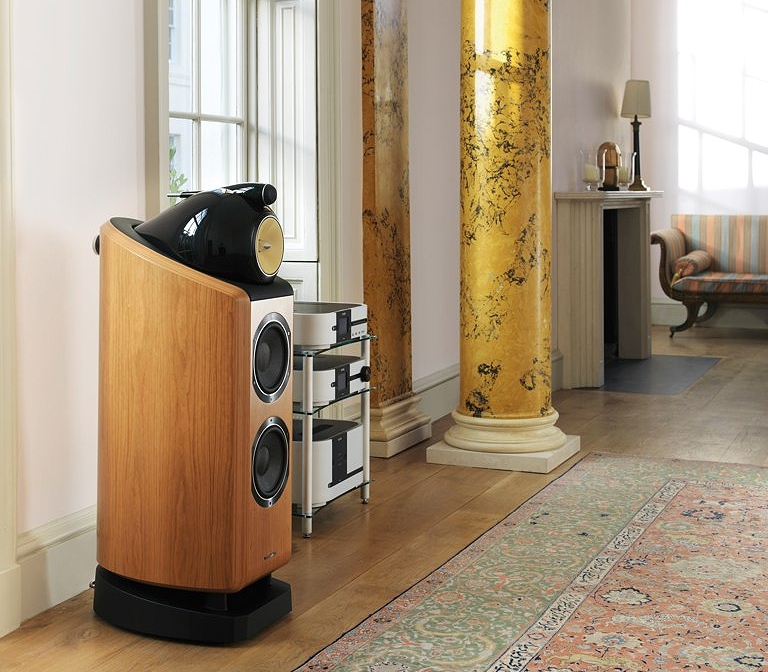
In particular, to avoid temporal smearing caused by the weight of the drive units, an amplifier with considerably higher drive capability — either a high-mass, high-current design or simply a high-quality one — will be needed to match the speaker in question. Naturally, the price of the amplifier required to achieve a satisfying sound rises dramatically as well.

Acoustically, because both the radiating surface area and the absolute mass of the cabinet are large, the colouration arising from the material character of the speaker itself — its resonances, their strength and complexity — also grows more pronounced as the speaker grows larger.
Large speakers also frequently employ multiple drive units for separate frequency bands, meaning the sound sources are scattered at varying distances from the tweeter, which takes them further from the kind of spatial accuracy that proper phase coherence demands. (In principle, a point source is ideal.) The dispersion of sound sources can be compensated to some degree by the listener sitting further back. However, because it is virtually impossible to perfectly align the subtly differing tonal characters of each driver, the timing of their output, unit-to-unit variations in phase shift within the crossover region, and left-right asymmetries, the tonal quality ends up differing across the frequency bands — and a strong character tends to emerge from the mixing of excess in-phase and out-of-phase components that were never present in the original source.
※ The colouration born of this complexity and chaos can sound like an appealing character, and may at times even give listeners the impression of greater information density and higher sound quality — but this is, in essence, the other side of the coin: the original signal is being distorted or masked. And it is precisely this ability to make listeners perceive such over-engineered, artificially constructed sound as a compelling personality that represents, in one sense, the true craft of high-end audio manufacturers. That said, the acoustic space created in this way — complete with its own invented character — is, if viewed dispassionately, neither faithful reproduction nor monitor sound; one might even call it a kind of magic conjured by a trickster of sorts.
Advantages and Disadvantages of Compact and Mini Speakers
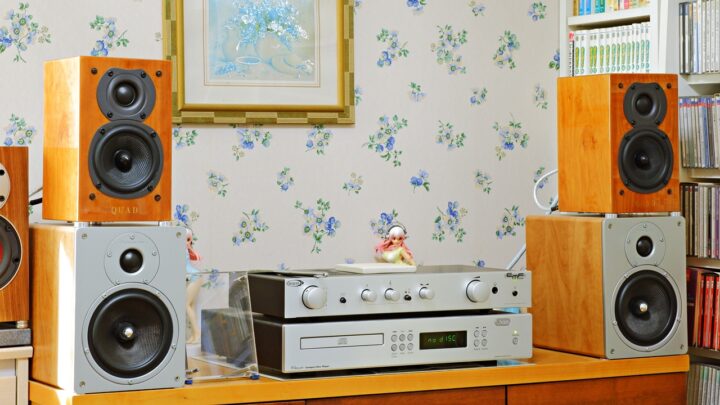
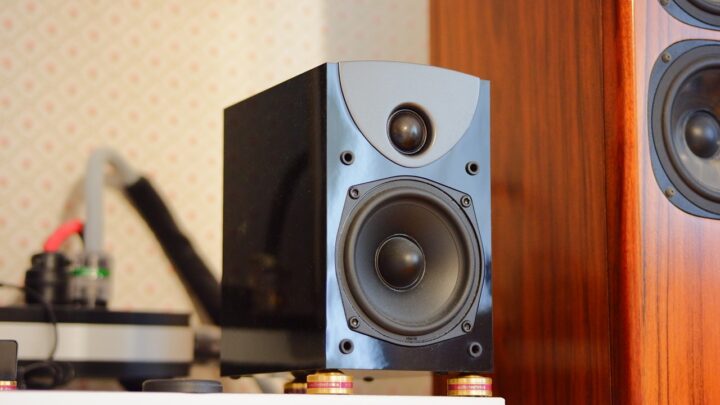
What compact speakers under 30 cm in height — and mini speakers — do well is linearity at low listening levels, and the physical phase errors becoming smaller as the design approaches a point source, resulting in superior precision in terms of imaging and soundstage.
We must not forget that recordings are made with extremely small pinpoint microphones. Furthermore, as the driver unit becomes smaller, the time-domain delay in the mid-to-low frequency range decreases, resulting in better response. Because the timing discrepancy between low and high frequencies is reduced, the nuances of musical expression — rhythm, phrasing, and the like — become easier to convey. One must accept certain compromises in the amount of bass below roughly 100Hz, and in the ability to reproduce very low frequencies below 50Hz (both in volume and headroom); however, precisely because the bass is on the lean side, heavy low-end thumping does not resonate so much through the room, and the fact that small speakers are far less likely to cause noise disturbance to those living nearby is a significant advantage that should not be overlooked.
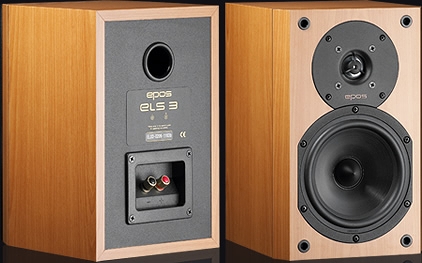
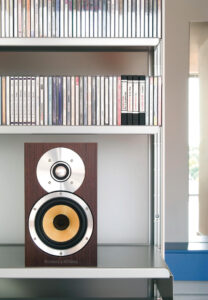
The majority of small to ultra-compact speakers fall into one of the following categories: the 2-way type, which uses just two driver units — a woofer handling the low frequencies and a tweeter handling the high frequencies; the full-range type, which uses a single driver unit; or the coaxial type, in which a tweeter unit is mounted at the centre of a full-range driver.
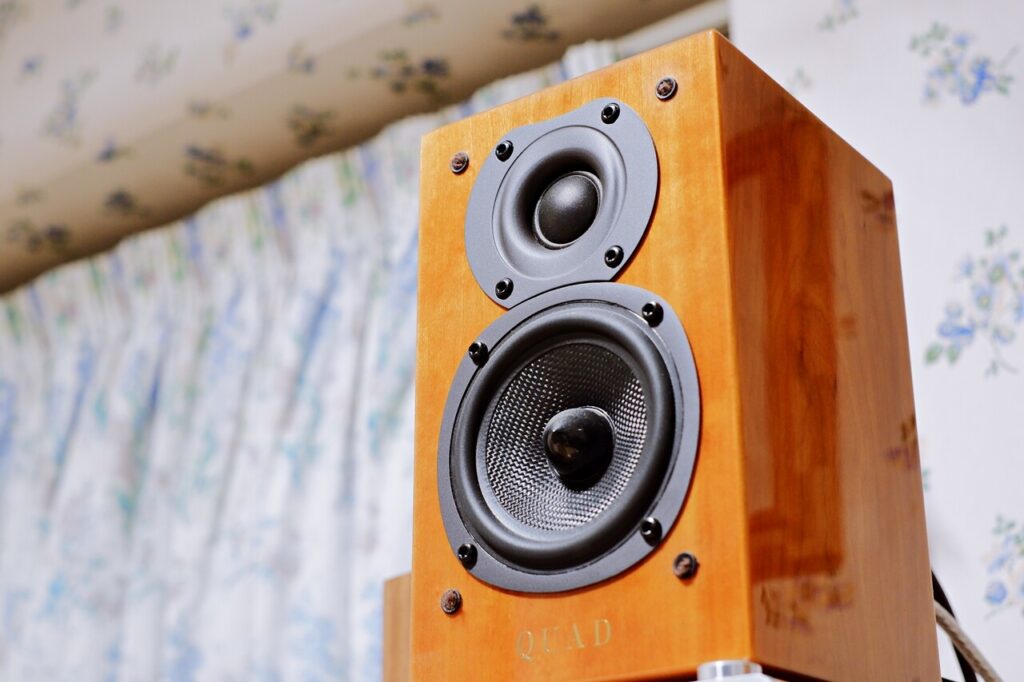
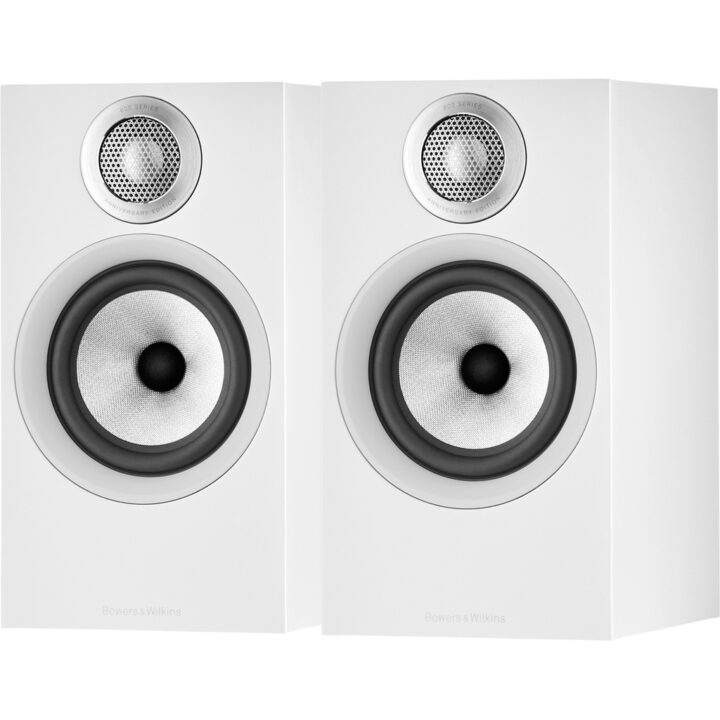
By the nature of a speaker’s construction, the tweeter unit responsible for reproducing the mid-to-high frequencies has no need for cabinet volume, and from an acoustic standpoint, the unwanted reflections and diffraction caused by the presence of an enclosure are more of a hindrance than a help. Designs such as those from B&W (Bowers & Wilkins), where the high-frequency unit is mounted outside the cabinet in a topknot-like arrangement, are intended to minimise phase disturbances in the high-frequency range as much as possible. For this reason, it is often the case that models with a smaller cabinet actually produce a cleaner, more transparent sound in the high frequencies. ※ The directionality and soundstage localisation of stereo and multi-channel surround are fundamentally defined by the accuracy of high-frequency reproduction.
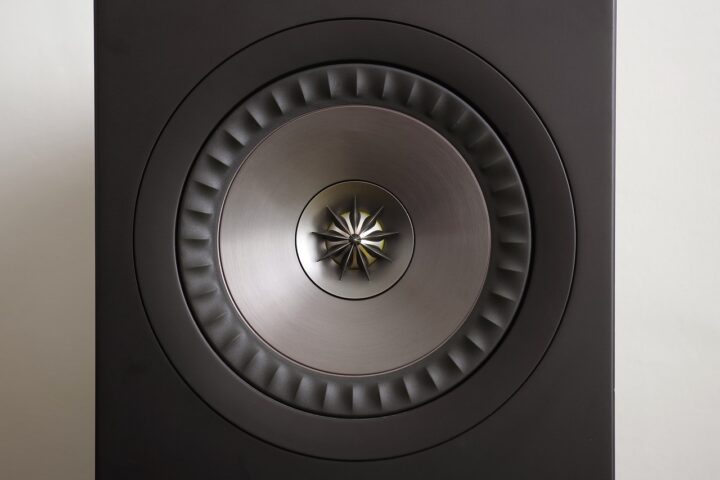
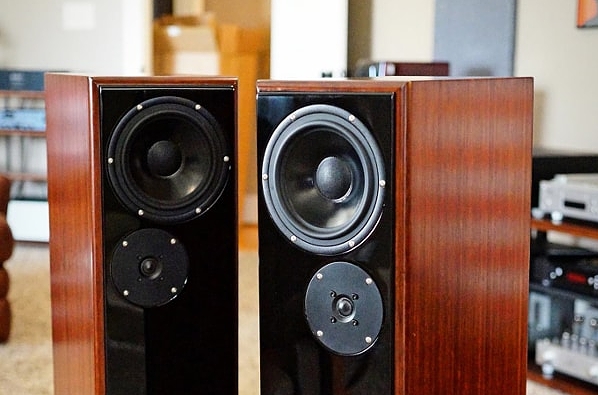
Small speakers are also often designed with surround use and low-volume listening in mind, and it is not uncommon for them to be tuned so that, under typical Japanese domestic conditions — where one is playing at very low volume most of the time, with only the occasional burst of moderate volume — they deliver clearer sound and a wider, more immersive soundstage that makes you forget the speakers are even there, compared to larger models. The amplifiers they are expected to be paired with tend to be entry-level units or AV receivers — relatively low-output, lower-priced equipment — so another advantage is that the sound is less likely to become thin and hollow due to insufficient drive when used with budget-end components.
 ポチップ
ポチップ
The low-frequency weakness of small speakers can, with the addition of a matching subwoofer from the same design family — two units if possible — be addressed to a point where, though placement becomes more demanding, it is possible to achieve bass reproduction that holds its own against mid-to-large speakers, while at the same time retaining the clarity at low volumes and the phase-coherent, three-dimensional high-frequency extension that small speakers do so well.

A Realistic Compromise — The Floorstanding Speakers
When compact speakers don’t offer enough extension in the low frequencies, yet the room lacks the space, ceiling height, and air volume needed to accommodate large floorstanding speakers — what is one to do in a typical Japanese living room? This is, of course, speaking strictly in terms of playback at low to moderate volumes, but even so, when one considers the balance of tonal quality, headroom, soundstage width, and linearity at low volumes, the practical compromise tends to be either a somewhat larger bookshelf speaker (roughly 30 to 40 cm in height) or the type of tall, slender speaker known as a floorstander.※ In my own case, I have a floorstanding speaker as the main system in a 16-tatami living room.
With floorstanding speakers, you can often do without dedicated speaker stands — which, for compact speakers, can be surprisingly expensive — and this helps keep the overall cost of the system down.
Most floorstanding speakers are designed around a compact speaker as their starting point, with additional driver units handling the mid and low frequencies — distributed across multiple drivers — so as to improve reproduction below the 150 Hz range, which is difficult territory for compact speakers. The result is a greater sense of ease in the spread of the soundstage, with more body and resolution in the mid to low frequencies. The drivers handling the mid and low range are, in most cases, relatively small woofer units of 16 cm or less — the same size as those used in compact speakers — so they do not demand the amplifier driving power that a full-scale large driver would. This is another advantage: one can expect punchy, nimble bass response comparable to that of a compact speaker.
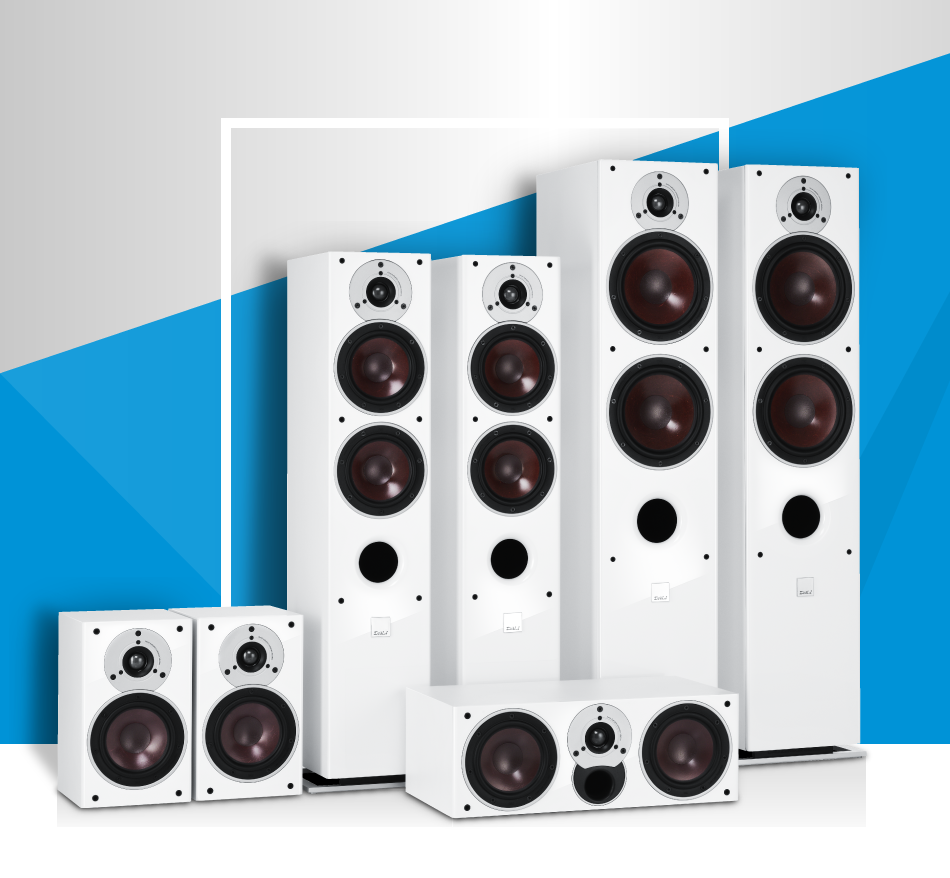
With floorstanding speakers and other designs that pack a large number of drivers into a single cabinet, there are various approaches: the 3-way or 4-way type, in which each driver handles a designated band — low, mid, or high — and the type that uses multiple drivers in phase with one another in a less conventional arrangement, lending the speaker a sense of ease closer to that of a larger driver.
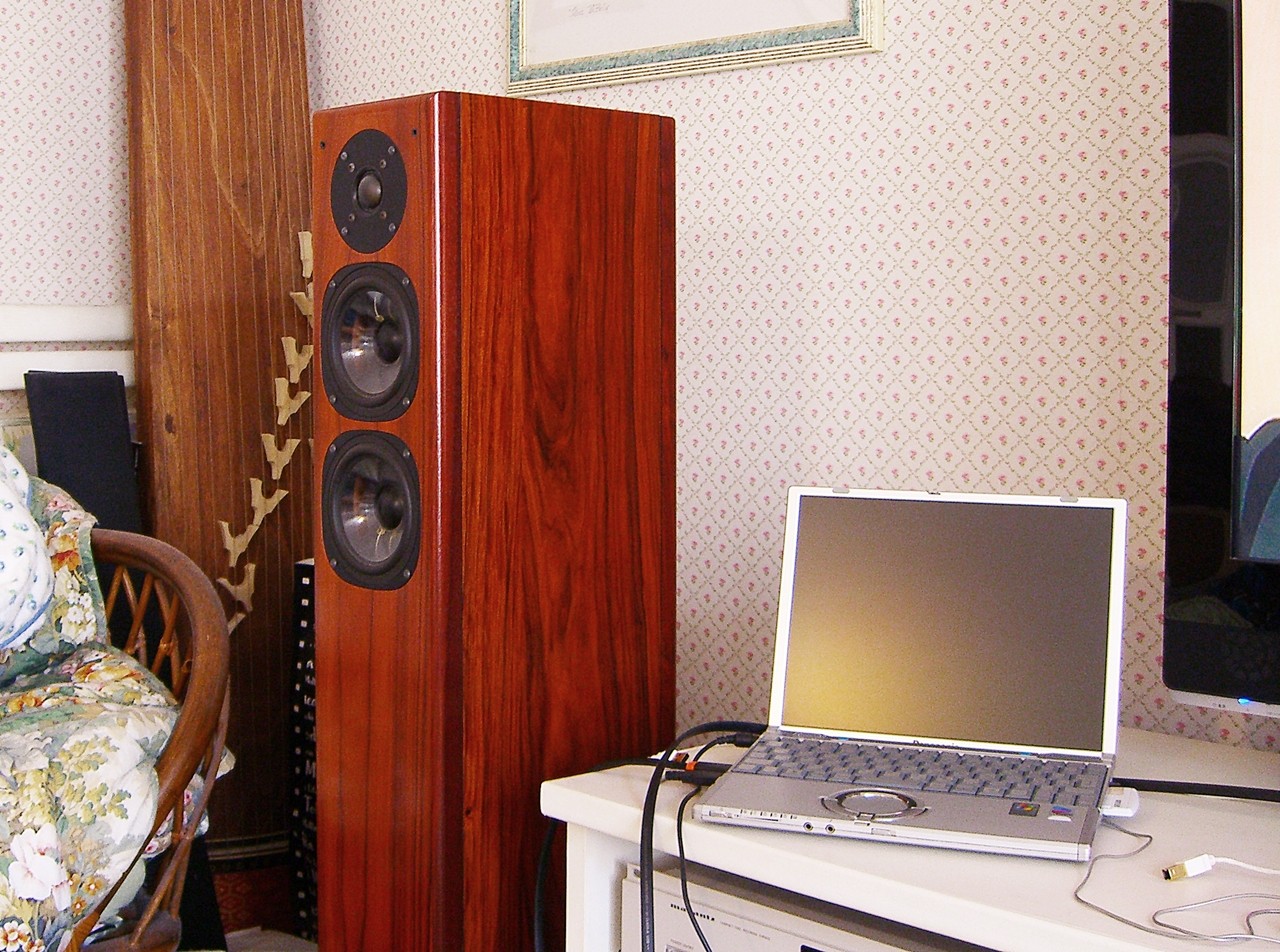
Floorstanding speakers do, however, have their weaknesses. As the number of drivers increases vertically, the sound sources become spread out rather than concentrated at a single point, which means the visual impression of the image within the soundstage tends to feel less natural compared with a compact speaker. There is also the issue of tonal unevenness between individual drivers, and the tendency for coloration to creep in around the crossover frequencies. On top of that, unit-to-unit variation in drivers and crossover networks can lead to frequency irregularities, unnatural resonances, excessive colouration, and cancellation caused by out-of-phase components — all of these are problems inherent to the design.
With multi-driver speaker systems, maintaining ideal precision in actual production is no simple matter. Unit-to-unit variation and the permissible tolerances for stereo matching in the finished product differ from manufacturer to manufacturer and from grade to grade. As a result, one cannot help feeling that the coloration arising from acoustic irregularities is to some degree disguised as a positive character trait — a richness, a sense of abundance in the sound. Because the response timing of each driver never aligns perfectly, there are also quite a few products that leave a somewhat disjointed impression. This is admittedly a matter of perception, but it is worth keeping in mind that tall-tower designs, compared with compact speakers of equivalent design (2-way coaxial types and so on), rather curiously tend to have a darker tonal colour and a less forthcoming, less willing-to-sing quality — a tendency for the music to feel, in a word, dull.
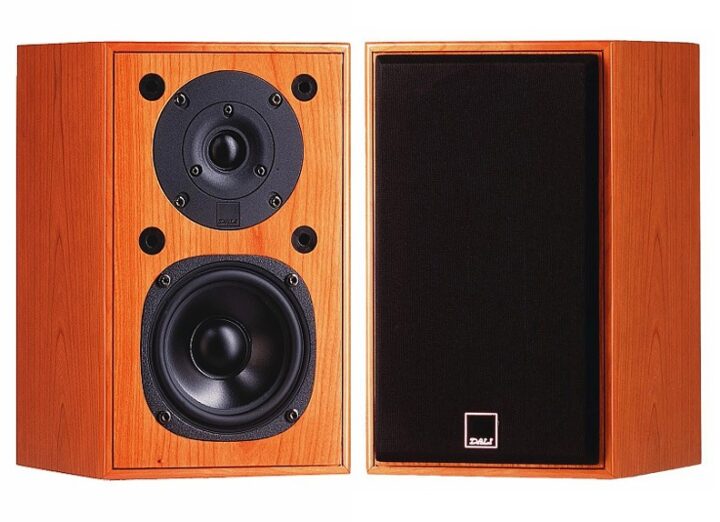
Of course, these tendencies as weaknesses can only ever be said to depend on the individual product — yet the fact remains that as the number of drivers increases, so too do the superfluous elements that pull the reproduction away from faithfully rendering the source (playing back the music contained in the original source, neither more nor less), and that is worth keeping somewhere in the back of one’s mind. Not least in order to avoid losing sight of whether one is straightforwardly enjoying the music as it was originally recorded, or enjoying the added creative colouration and resonances that the speaker itself has conjured into being.
High-Quality Headphones with a Headphone Amplifier vs. a Traditional Speaker System

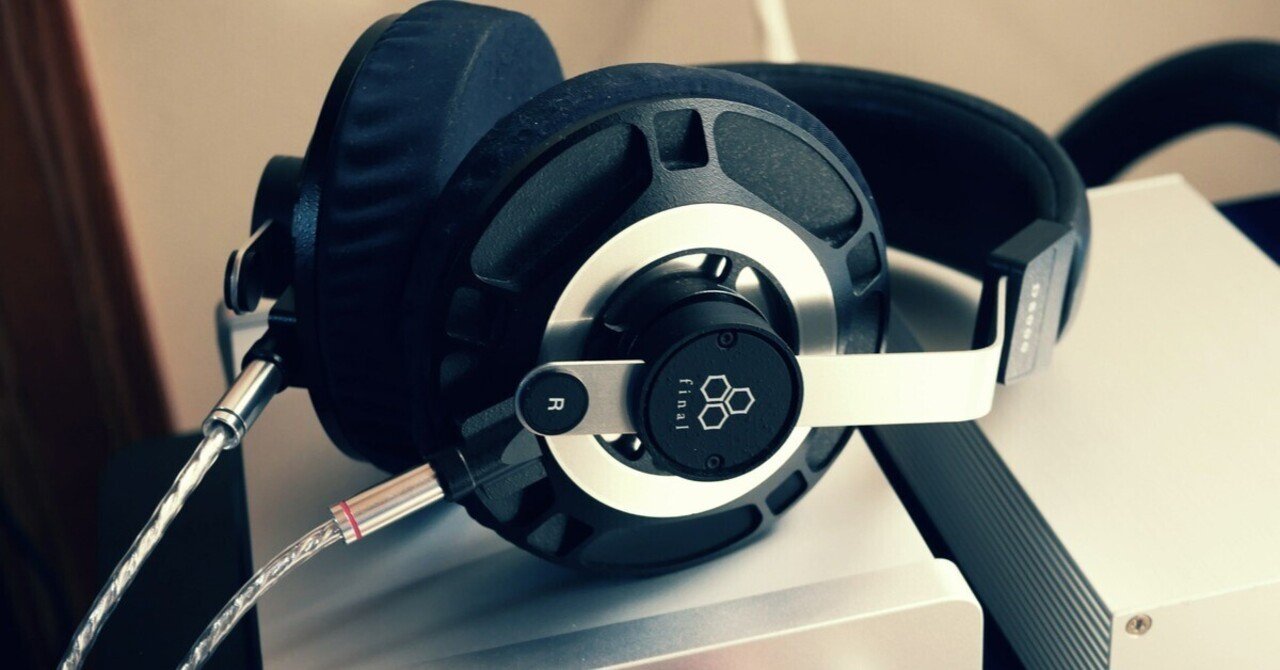
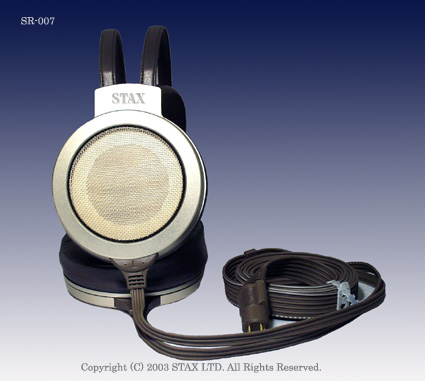
In Japan’s living environments — constrained as they are by so many limitations — the approach of investing in headphones and earphones rather than a stationary speaker-based audio system has grown considerably in recent years, particularly among younger listeners, and has become a far larger movement than the declining world of pure audio. If one were asked which offers the higher sound quality — an affordable compact speaker system or a well-made headphone setup at a roughly equivalent outlay — then, at the risk of being misunderstood, it is true that a high-quality headphone and headphone amplifier combination, in which finer details are more clearly and easily perceived, comes closer to what might acoustically be called high resolution, high-end sound.
 Amazon.co.jp Over-ear headphones bestseller ranking 【PR】
The advantage of a stationary audio system, on the other hand, is that music can be heard from anywhere in the room, which means one’s listening position and posture are barely constrained at all. And one must not overlook this: because the sound source is at a distance from the ears, one can go on listening to music for far longer without the ears becoming fatigued, and so long as one keeps the volume at a sensible level, it is possible to be immersed in music all day without risking harm to one’s hearing. There is also the matter that music is, by its nature, something to be felt through the whole body via the movement of air through space — not merely through the ears alone. The sensation of a three-dimensional sound field that envelops the body, including a generous sense of space and distance akin to a live performance, is a world that only speaker-based audio can provide. My own view is that, first and foremost for the sake of one’s ears, and then in order to come as close as possible to the genuine physical sensation and communicative power of live music, I would hope that listeners might enjoy their music primarily through a stationary speaker system — or at least in combination with one.
~ Summary ~
The ideal speaker size for achieving desirable sound quality ultimately comes down to a compromise — a balance struck between the volume levels a listener actually requires and the size of the room. For those fortunate enough to have a spacious, acoustically treated dedicated listening room, or who live in a detached house in the suburbs where they can enjoy high volume levels without a second thought, a larger speaker is what I would recommend (particularly as a main system).
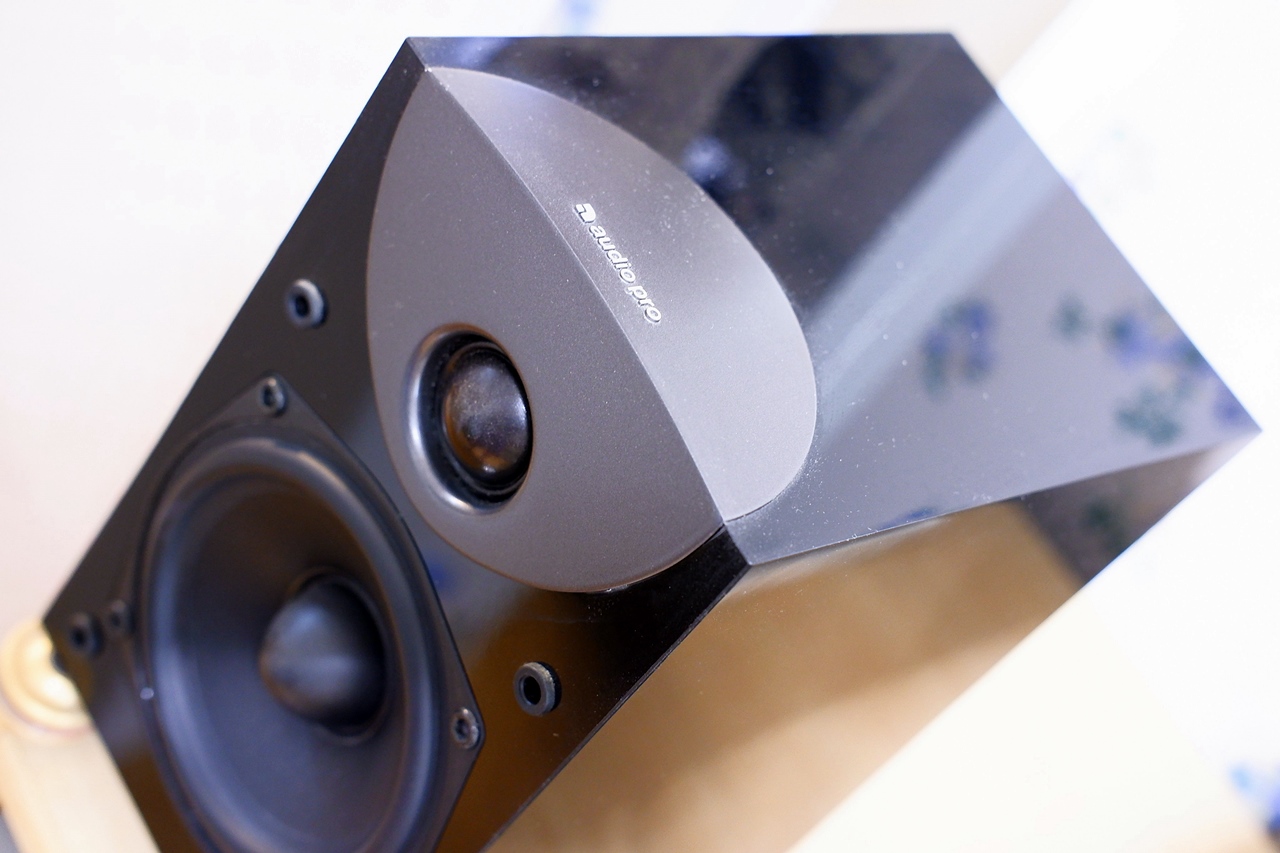
However, when one considers the extremely confined living environments typical in Japan, and the many restrictions on volume that come with them, the speaker size that would actually be most appropriate is, in truth, considerably smaller than most people tend to imagine. For use as a secondary system in a living room, study, or bedroom — where the primary purpose is to enjoy music at low (50–70 dB) to moderate (70–85 dB / under 90 dB at peaks) volume levels without disturbing those around you — compact speakers occupy far less of your living space, and are considerably more advantageous in terms of placement flexibility and the cost required to achieve genuine improvements in sound quality. ※ Figures in brackets are median values measured at the listening position using a smartphone.

It is for these reasons that this site, having pursued the question of what kind of speaker is best suited to Japan’s typically constrained living environments and the realities of living-room audio, has long recommended — primarily for music lovers — systems centred on compact speakers, mini speakers, and palm-sized speakers that can sit on a desktop: systems that offer high sound quality while serving as unobtrusive companions to everyday life.
Rather than following the all-too-familiar path of squeezing large speakers into a small living space, only to find both your daily life and your sound quality suffering for it, and ultimately discovering that audio and music reproduction itself has become a source of stress — it is far better to accept from the outset a compromise that makes genuine acoustic sense, and in doing so arrive at truly satisfying sound quality by the most direct route, leaving yourself free to lose yourself in the music. That, in short, is what “Miniature-Garden AUDIO STYLE” has to offer when it comes to choosing speakers.
Amazon.co.jp Best Sellers in Audio Speakers【PR】

Auto Translated by CS4.6