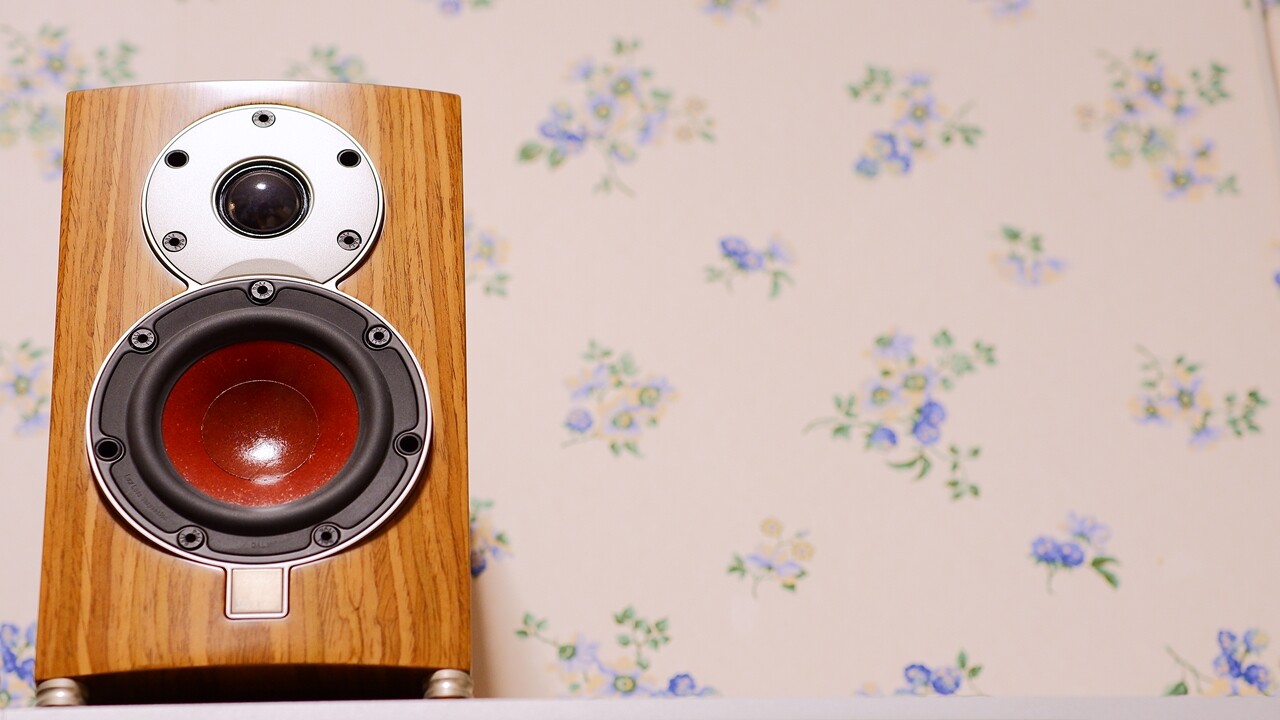
I have put together several minimal and compact Hi-Fi systems in my study, and one of them is built around a small valve pre-power amplifier sitting atop a YAMAHA Clavinova by the window — the Miuaudio MKTP-2 (CarotOne ERNESTOLO) — which I call Sub-System M. Since 2013, the speakers in that system had been the QUAD L-ite2, but the new DALI MENUET was brought in as a direct replacement for it.
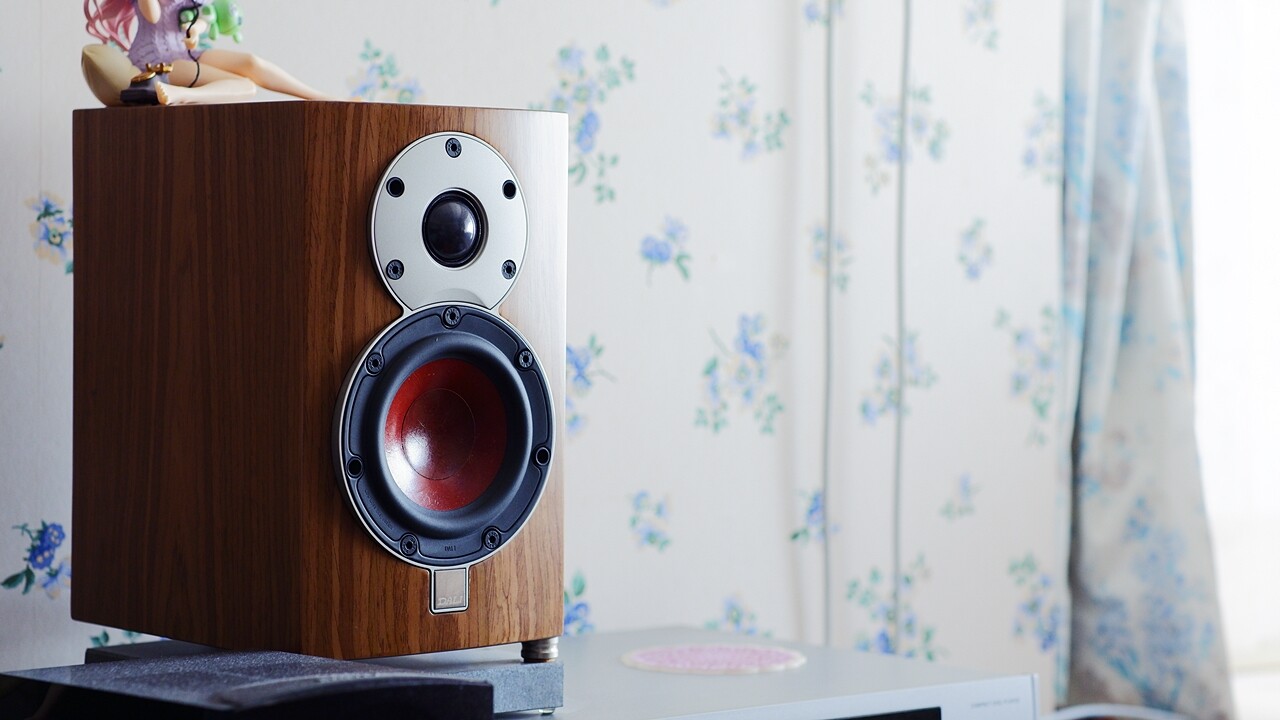
The truth is, right from when I introduced the Miuaudio MKTP-2 back in 2013, I had always intended to pair it with the DALI MENTOR MENUET (the previous SE model) — but various personal circumstances kept getting in the way. It was only after the new plain MENUET arrived as a model change in 2020 that I finally managed to bring one home, somewhat belatedly. A further two years then passed before this review came to be written, and for that I can only apologise — I am, as ever, a hopelessly slow writer…
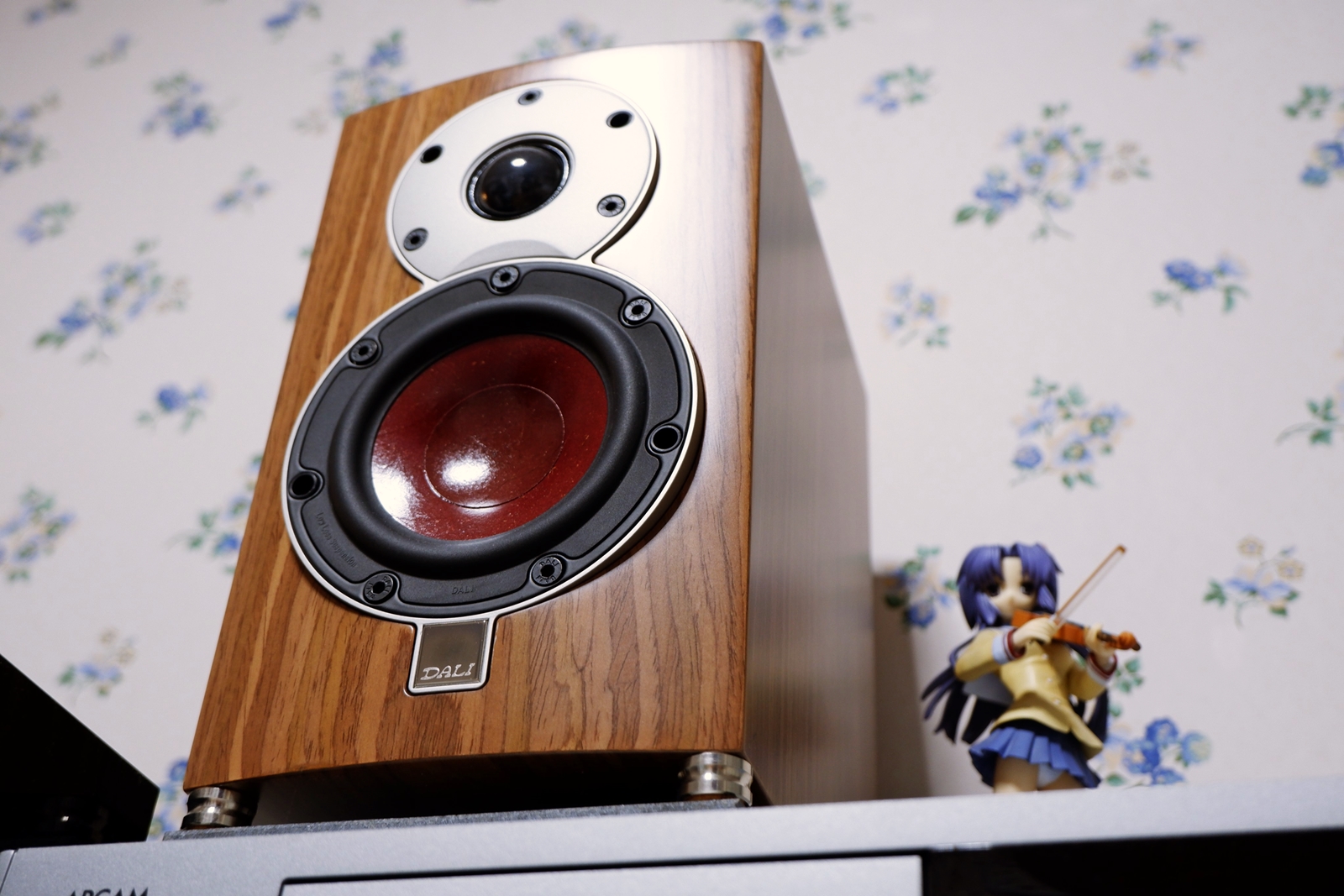
The difference between the original MENTOR MENUET, the MENTOR MENUET SE, and the new plain MENUET
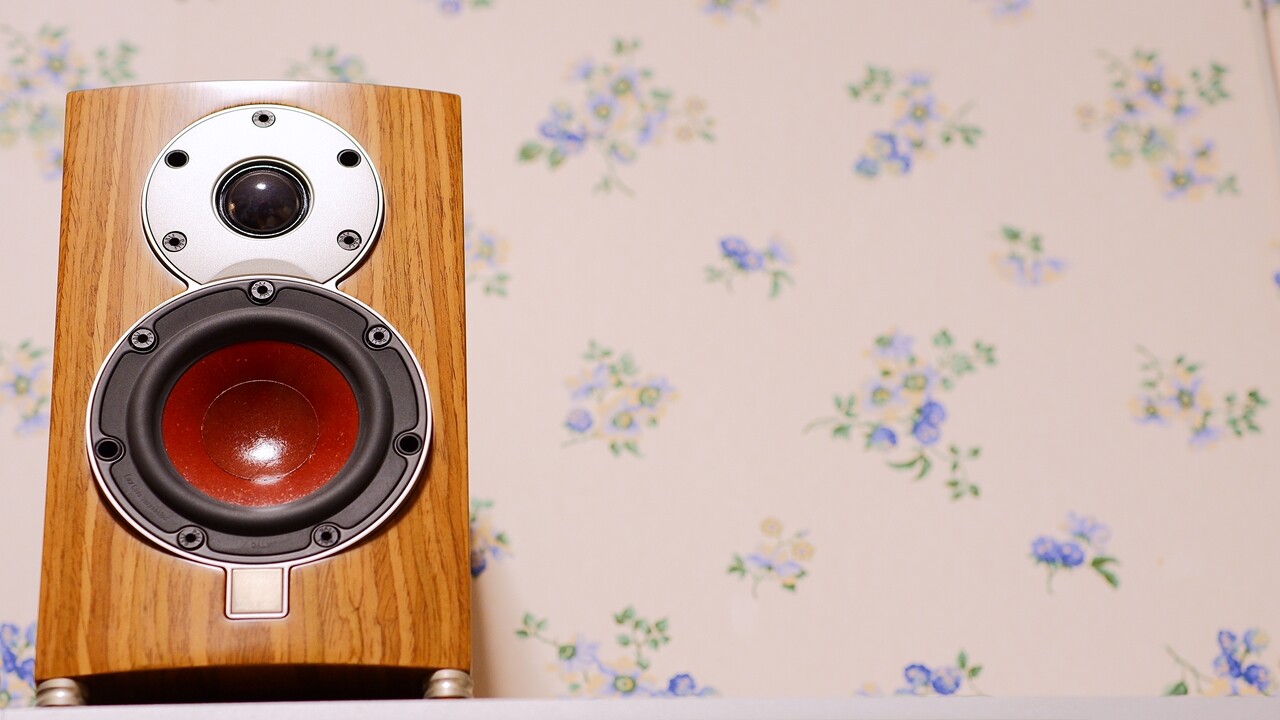
I had auditioned the new plain MENUET in a shop back in 2017, but by that point both the original MENTOR MENUET and the MENTOR MENUET SE had already been removed from the floor, so a direct side-by-side comparison was impossible. Going by memory, it did feel as though the soundstaging had improved somewhat over the old MENTOR MENUET, though it still seemed to fall short of the transparency and resolution that the SE model possessed. That said, the particular sense of musicality was, if anything, superior to the old SE — an impression that felt very much inherited from the original MENTOR MENUET. I have written several in-store listening impressions of the original MENTOR MENUET and MENTOR MENUET SE in the entries below.
 Comparative listening session across 23 compact speaker models. Part OneComparative listening session across 23 compact speaker models. Part Two
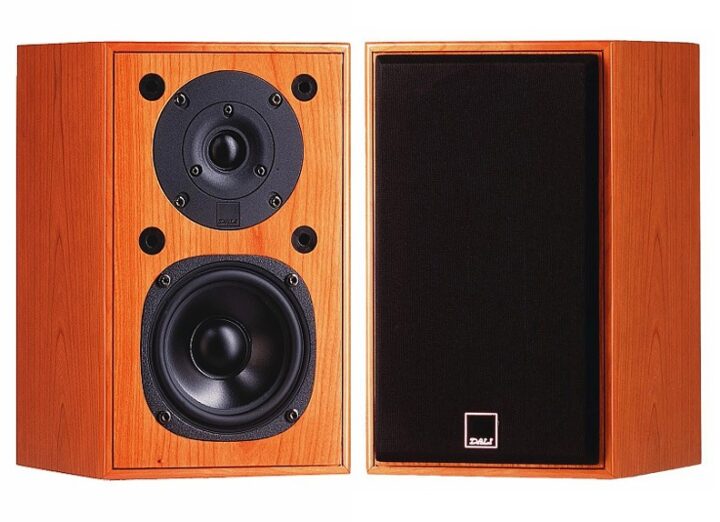
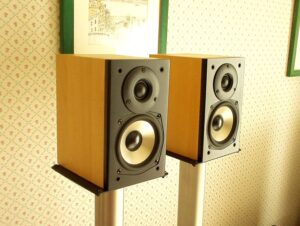
The new MENUET’s appearance carries no major changes from its predecessor — it looks like a minor revision at best, the kind you wouldn’t notice unless you placed both side by side. That said, while the internals do carry over from the predecessor MENTOR MENUET, it has been redesigned on a RUBICON basis, with newly developed drive units. The lineage in terms of cabinet materials, finishes, components, and manufacturing for each of the original MENTOR MENUET, the MENTOR MENUET SE, and the new standard MENUET apparently looks something like this.
MENTOR MENUET ≒ HELICON equivalent (released 2009)
MENTOR MENUET SE ≒ EPICON equivalent (released 2013)
MENUET (standard) ≒ RUBICON equivalent (released 2015)
Furthermore, the new MENUET SE released in 2020 could strictly be described as a hybrid specification drawing from both the RUBICON and the current flagship EPICON. The MENUET series occupies a particularly small cabinet even among compact bookshelf speakers at 250mm × 150mm × 230mm (H × W × D), with its own proprietary design — yet it sits at a higher grade than the ZENSOR, SPEKTOR, OBERON, and OPTICON series, and moreover, the MENUET series has consistently been manufactured in Denmark itself rather than in a Chinese factory.
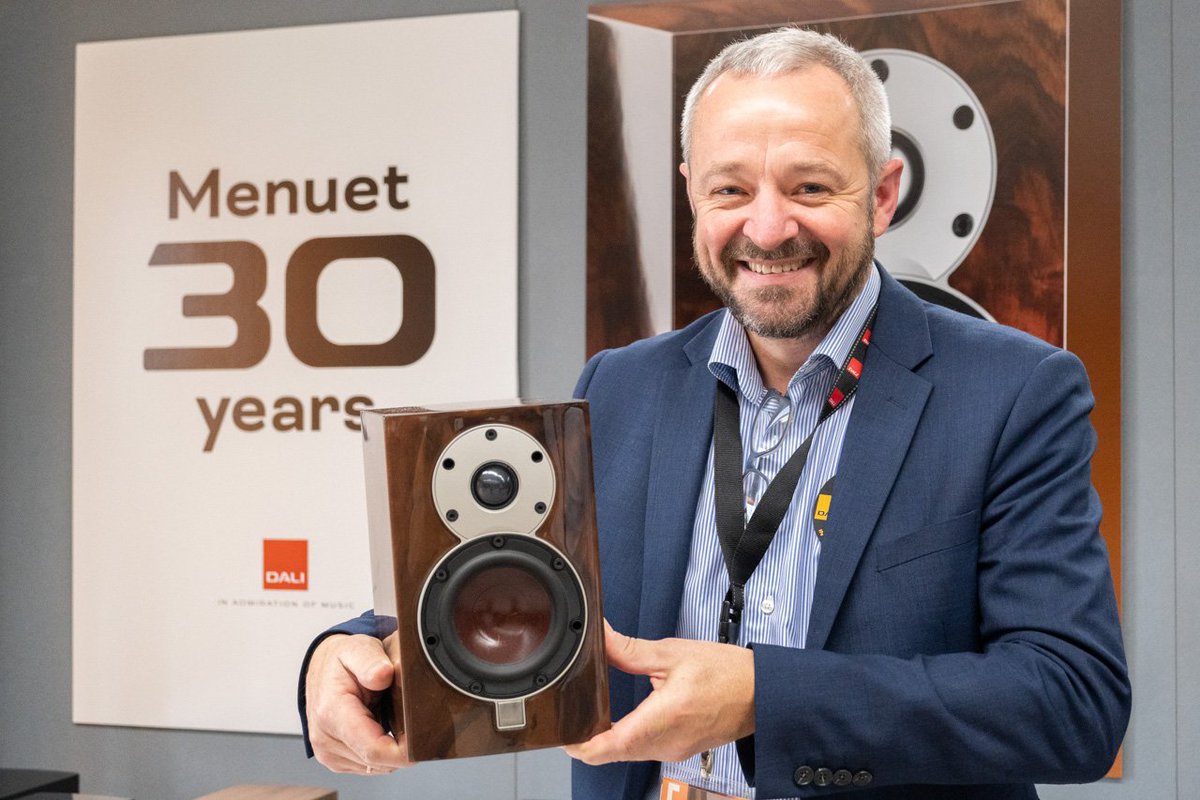
 DALI General Catalogue — D&M Official SiteDALI MENUET — Official Danish Site
DALI MENUET — Sound Quality Review
The DALI MENUET’s character lies in a warm, acoustic sound that is the polar opposite of anything metallic or sharp-edged — a thoroughly instrumental and musical sound, born of its wood-fibre cone material and the resonance of the cabinet itself. “Instrumental” here means, if I may put it this way, the kind of instruments found above all in classical music. It pairs exceptionally well with woodwinds in particular — clarinet, oboe, bassoon, flute, recorder — and with percussion, conveying a sense of realism that could hardly be bettered. Next would be the piano… or rather, more specifically, it seems to have a particular affinity for the fortepiano, the original instrument of the nineteenth century.
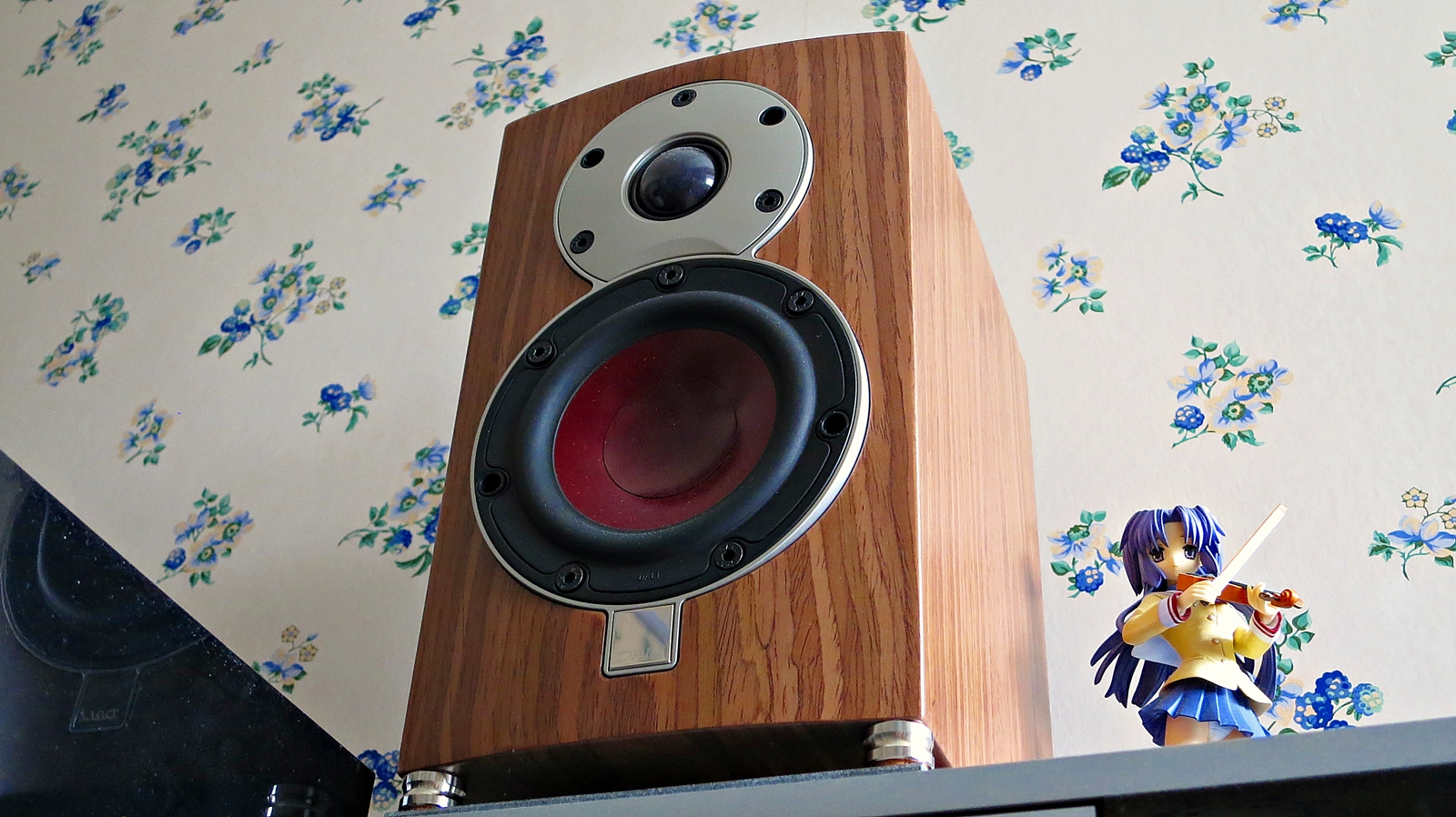
With string instruments, the blend of direct sound and hall tone feels natural and real, though the fundamental tones are somewhat smooth and the harmonic resolution is only moderate. The violin’s peakiness is kept to an agreeable degree; the body resonance of the cello just about comes through at a stretch; the contrabass, unsurprisingly, is beyond its capacity. Vocals are free of any sibilant harshness, and the speaker performs very convincingly with classical vocal music and opera. That said, it may not be the best match for studio-recorded pop material that demands pinpoint stereo imaging. The overall character is slightly matte and dominated by a woody quality, which means that metallic sounds and synthesised electronic music tend to lack definition; the speaker’s natural colouration adds a layer of acoustic warmth that doesn’t always suit them, and I find it is generally not well-suited to that kind of material.
The perceived frequency range does not give an impression of great width, which is only to be expected given the size. The bass has a tendency to overhang somewhat, yet the speaker makes good use of the downward-angled bass reflex port, combining an airy quality with the lively response of the wood-fibre cone’s pistonic motion. Below 100Hz — the rated figure is 59Hz — the deep bass is presented more as a mass of air than as something with solid, physical substance. There is no clear sense of outline, but thanks to the small driver diameter, the transient speed is surprisingly quick.
Sensitivity is 86dB at 4Ω. The 4.5-inch (115mm) wood-fibre cone, designed specifically for the MENUET, works beautifully — with bass instruments such as drums or contrabass, at perfectly ordinary low-to-moderate listening levels, the cone can be seen pistoning back and forth with considerable vigour, quite visibly so. Among the many compact speakers I own, the MENUET is the only one whose woofer moves with such crisp, lively animation.
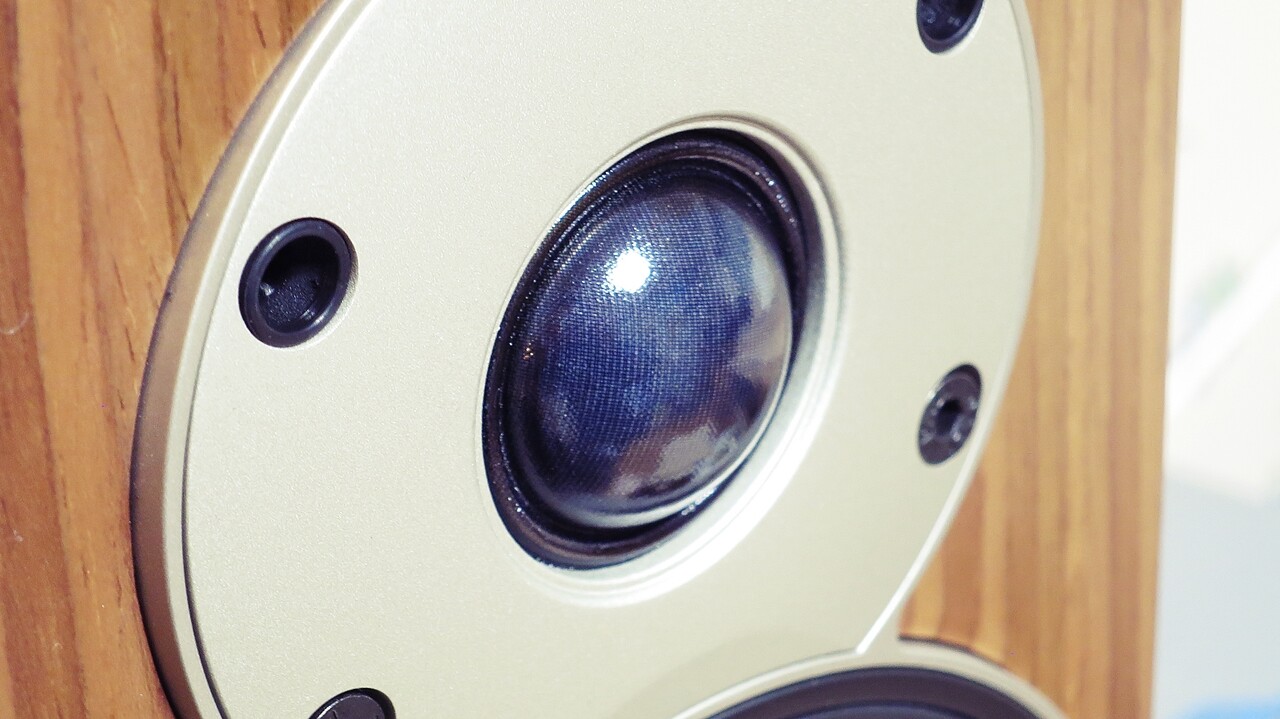
The midrange is warm in temperature and the image lines are on the thick side. This organic musical flow and the mellow midrange with its sense of vitality is, in fact, the greatest appeal of the MENUET. The 28mm tweeter, which handles frequencies above 3,000Hz, is a soft dome made of textile material with a distinctive glossy coating. Compared to other speakers in the same class that tend to emphasise hi-res, the resolution is slightly on the soft side. The upper treble is nominally rated at 25,000Hz (25kHz ±3dB) and is physically well extended, but — unusually for a modern speaker — there is no sense of unnatural emphasis in the high-frequency range, giving an impression of gentle, natural extension that spreads smoothly to the ear. Rather than the type that breaks the sound down into clearly separable bass, midrange, and treble, its appeal lies in the naturalness of the crossover transitions and how well the whole hangs together.
This is not a modern wide-range speaker with a flat-sounding soundstage; rather, it has a fairly pronounced kamaboko (mid-hump) character with a degree of forward projection — the equivalent, in lens terms, of strong barrel distortion. There is a good deal of resonance from the bass reflex port and cabinet colouration, and provided you pair it with the right amplifier, a surprisingly wide and deep soundstage opens up in all directions. ※ As mentioned at the outset, the pairing with CarotOne’s small valve amplifier is an excellent match. This characteristic distortion of the soundstage and the sense of spatial breadth is something not particularly felt with DALI’s more affordable small bookshelf models of a similar size — the ZENSOR PICO or SPEKTOR 1 — and represents a distinctive personality unique to the MENUET.
Furthermore, despite its small size, the raw dynamic range feels surprisingly wide, which means it can also be enjoyed at somewhat higher volumes — a hidden characteristic worth noting. Many small bookshelf speakers lack dynamic punch between loud and soft passages and can sound as if a compressor has been permanently applied, but the MENUET has comparatively good linearity in its volume response. If anything, at low volumes it tends to sound a little blurred, and a somewhat higher listening level (not blasting, but within sensible limits) yields a more lively and dynamically articulate sound. It is quite different from the type of ultra-compact speaker that trades dynamic range for crisp, clear sound even at the very lowest volumes, so I suspect that at the absolute minimum playback levels, or in near-field use, one would not actually be drawing out the best of what the MENUET has to offer.


On the new MENUET SE model released in 2020
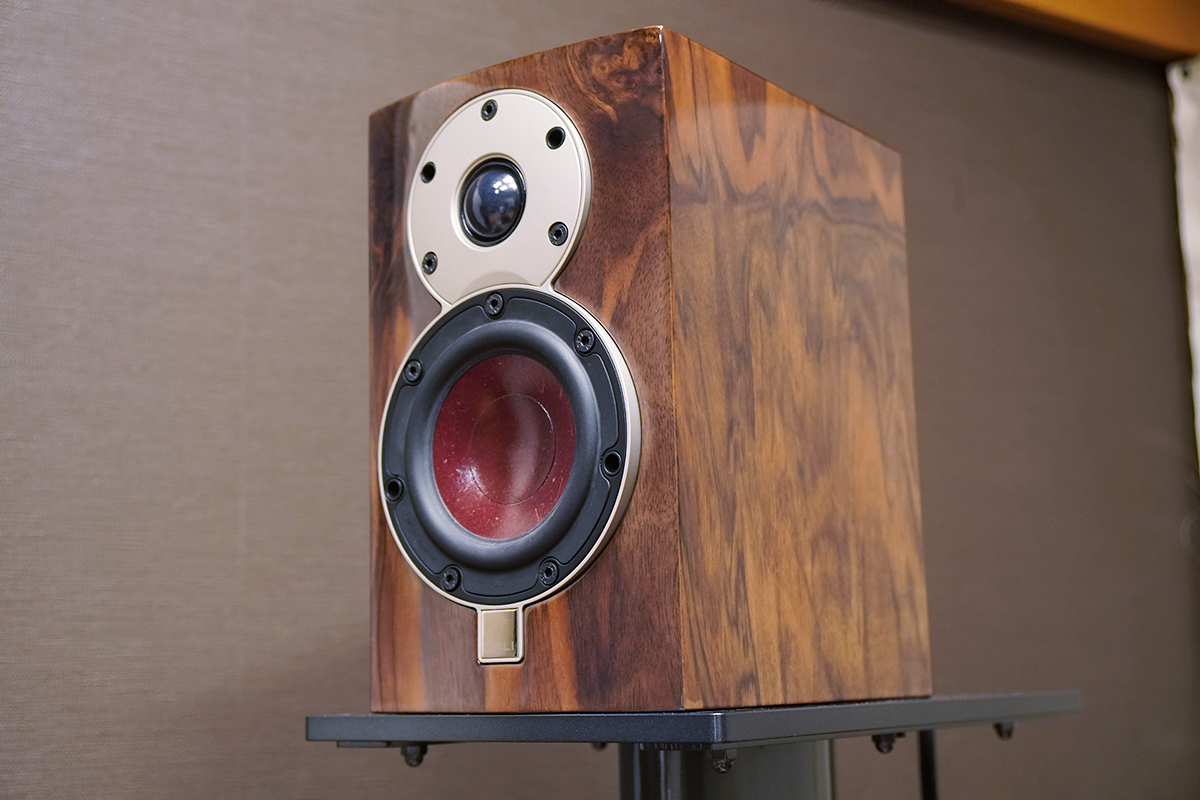
As it happened, the very month after I purchased this standard MENUET (February 2020), the importer D&M announced the new upper-grade MENUET SE, which came as quite a shock. Had I known, I would almost certainly have bought the SE instead. The key differences between the standard model and the MENUET SE are that the speaker terminals are upgraded to those from the top-of-the-range EPICON grade, and there are substantial improvements to the crossover network and internal wiring, including premium Mundorf capacitors from Germany ※ the previous MENTOR MENUET SE used SCR (Solen) capacitors. The SE is also the only version to feature a Wild Walnut high-gloss finish.

 ポチップ
ポチップ
DALI releases new bookshelf speaker “MENUET SE” — exterior revised and crossover network also upgraded
Internal wiring has been upgraded from ordinary copper wire to DALI’s original silver-plated oxygen-free copper. The crossover network board has also been changed to a more robust bakelite board. Capacitors are sourced from Germany’s Mundorf, with film capacitors used for the high frequencies and electrolytic capacitors for the low frequencies. The speaker terminals, too, differ from the regular model, adopting the larger EPICON-grade terminals. A brass serial number plate is fitted to the rear, bearing not only the engraved serial number but also the initials of the assembly and inspection staff member. (Quoted from Phile-web)
If I recall correctly, on the old standard MENTOR MENUET the crossover network board was made of wood — though I wonder whether that’s been carried over to the new standard model as well. That wood board is probably one of the things responsible for DALI’s characteristically warm sound and musicality, though it does seem likely that transparency and resolution are traded off in return. The old MENTOR MENUET SE used a fibre board, while the new MENUET SE uses bakelite, so in this respect too one can sense that it has been tuned towards higher sound quality.
Given the current state of things, I haven’t been able to do a proper comparative audition of the SE, and for now my only sonic impressions come via YouTube videos. From what I’ve heard in videos comparing the standard model and the SE side by side, the weaknesses of the standard model — a certain lack of openness and softness in resolution — have been considerably addressed, and the sense of moisture and lustre is greatly improved. ※ In the middle section of Yokkaichi Musen‘s video, from around the 3:44 mark, there is also a comparison with the old MENTOR MENUET SE — and hearing them side by side like this, the old SE seems rather more image-focused compared to the two new models, which have a wider soundstage. Also, because the new standard MENUET has less high-frequency emphasis, it gives the impression of playing back at a relatively slightly lower volume. ※ This may simply be a difference due to the degree of run-in on the review unit.
The previous MENTOR MENUET SE — produced as a DALI 30th anniversary model exclusively for the Japanese market (note: tuned for Japan in collaboration with DENON) — had its sound quality in terms of resolution and transparency modified to match its price point, yet in terms of musical expression it always struck me as somewhat cooler compared to the original DALI. With the new model, however, judging from video comparisons, the new MENUET SE sounds as though it effortlessly surpasses the standard model not only in sound quality but in musical expressiveness as well. That said, on the retail price front, with virtually no discounting of the SE model from the suggested retail price, there have been substantial price increases in both 2021 and 2022 in quick succession, making it rather difficult to justify from a value-for-money perspective…

As a standard model owner, I keep thinking I’d buy a network crossover kit sold separately that would let you DIY-upgrade to SE specification. Realistically speaking, though, I know that’s not going to happen…
How the MENUET’s Finish and Paintwork Affect the Sound
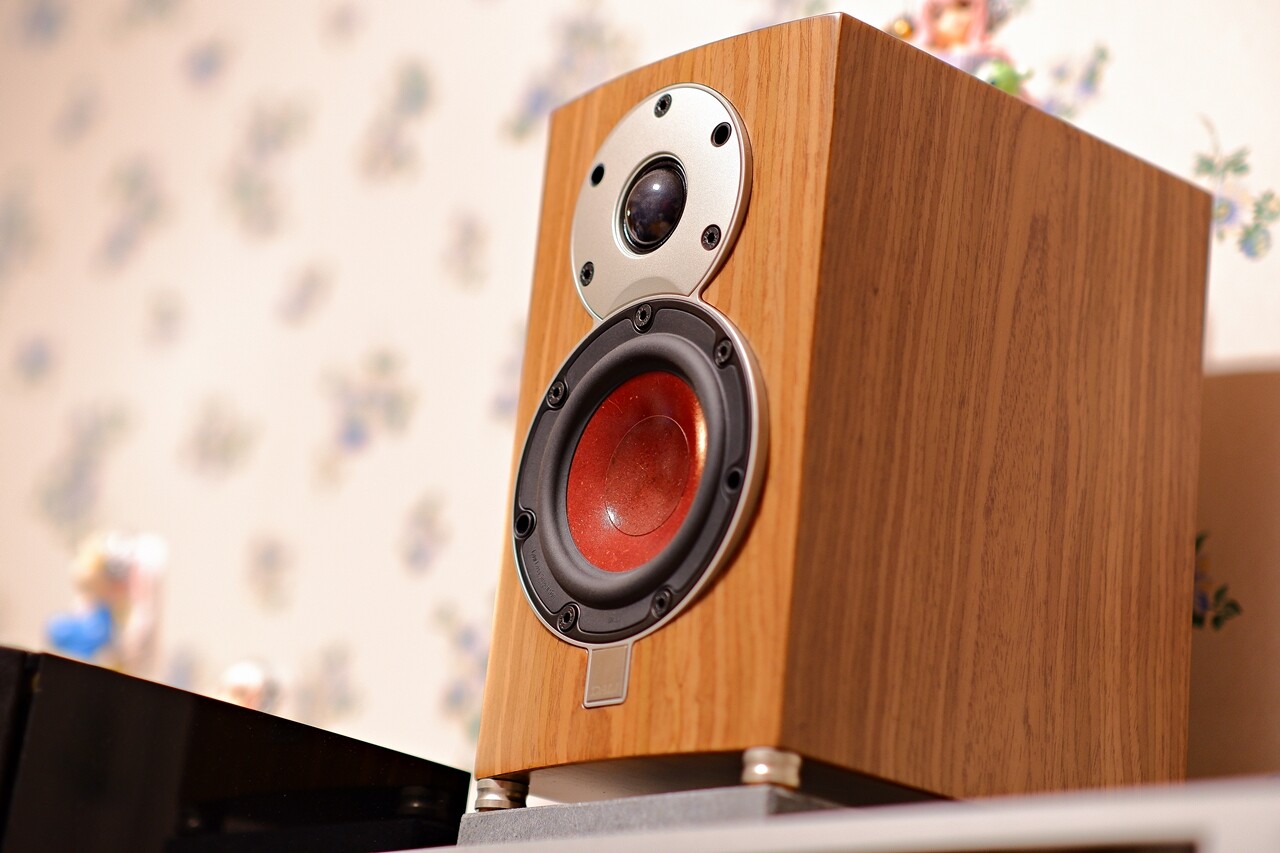
The current DALI MENUET is available in four colours in its home market for the standard model: Black, Rosso (red) veneer, Walnut veneer, and White. The colour lineup introduced to the Japanese domestic market consists of three: Rosso, Black, and Walnut — White being excluded. Of these, Black and White both feature a glossy high-gloss finish. As someone who also cares about interior aesthetics, I had originally wanted the White, but since it is not officially imported, I ended up choosing the Walnut.
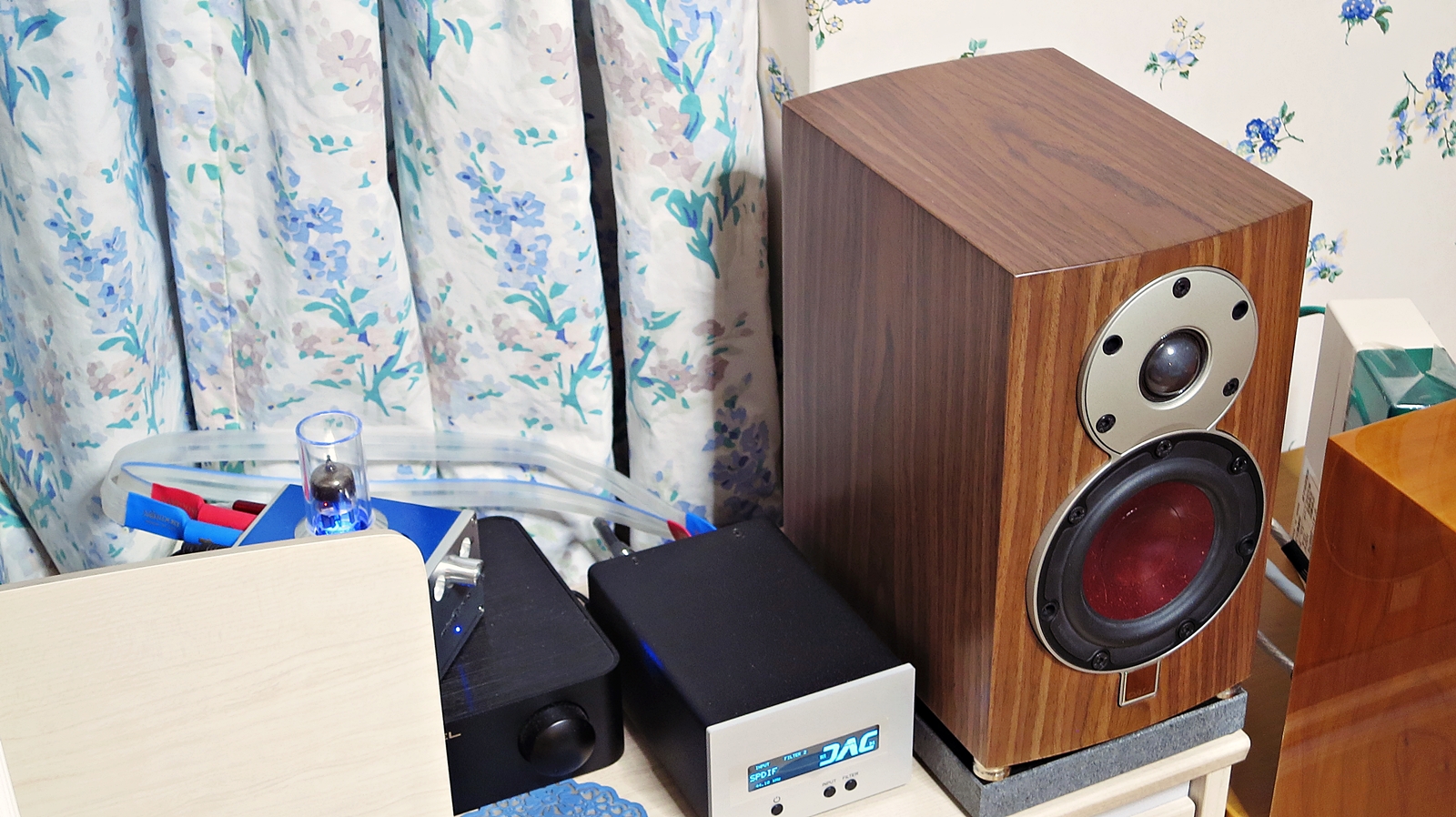
What catches my attention here is the question of how differences in finish might affect the sound. The Rosso and Walnut variants have veneer finishes — a smooth, semi-satin surface on both. The Black and White, on the other hand, as well as the SE model’s Wild Walnut, feature a multi-layer high-gloss finish applied over the walnut burl veneer, giving them a distinctly glossy appearance.
This is something that comes up often with speakers, but when comparing unfinished or semi-matte finishes against high-gloss, the high-gloss version of the same speaker tends to produce a lusher, more lustrous sound, and more often than not simply comes across as better-sounding. Also, from a finishing-cost standpoint, you quite frequently see manufacturers such as B&W charging a premium for high-gloss versions of the same speaker. So had I chosen black or white, I would have had the more sonically preferable high-gloss finish — but since I chose Walnut to suit the room’s interior, there is inevitably a stronger matte quality, a certain dullness, to the overall sound colour. . .
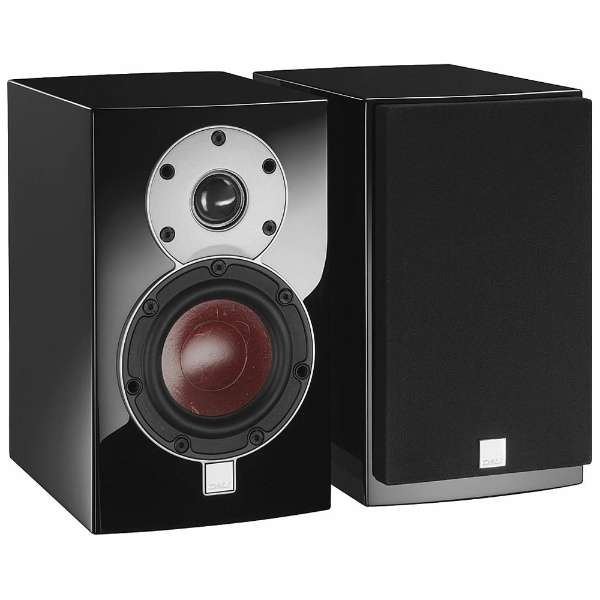
Personally, I would have liked to go for the gloss white model if at all possible — a mild frustration — but I imagine the white version was never officially imported into Japan on the assumption that white speakers don’t sell particularly well here. . . That said, the walnut veneer finish has a distinctly Scandinavian feel to it, clean and uncluttered, and it sits very well alongside the British furniture in my listening room, so I am genuinely fond of how it looks. This is, of course, entirely a matter of taste — if you prefer a sound that leans more towards the matte side to begin with, I would recommend either the MR/Rosso or the same MH/Walnut that I have. ※ Incidentally, Rosso appears to be the most popular choice in Japan.
Sound Quality Comparison: DALI SPEKTOR1, ZENSOR1, and ZENSOR PICO
Many readers will no doubt be curious about how the DALI MENUET differs from the DALI ZENSOR1, ZENSOR PICO, and SPEKTOR1 — all ultra-compact bookshelf speakers of broadly similar dimensions. These entry-level models are manufactured in China rather than in DALI’s home country, keeping production costs down, and the result is a remarkably high sound quality for the price — outstanding value for money, I think. Compared directly with the MENUET, both have a noticeably stronger matte quality to their sound, and a somewhat rougher texture. The older ZENSOR series in particular tends towards the dry side. In terms of absolute sonic quality, the gap is clearly more than two classes apart — and while it may not be as wide as the price difference would suggest, there is a real difference in capability.
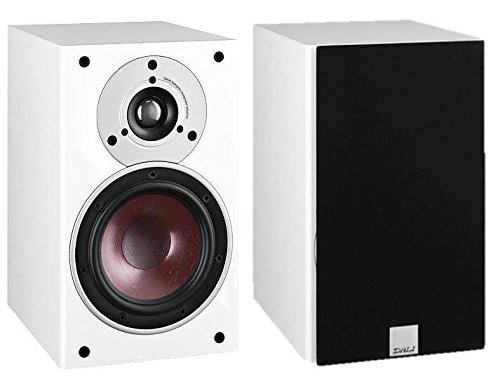
That said, neither the SPEKTOR1 nor the ZENSOR series exhibits the peculiar soundstage distortion that characterises the MENUET, and the way their frequency response spreads to the ear is thoroughly orthodox for speakers of their compact size. For that reason, in terms of versatile, well-rounded handling of a wider range of source material, I felt that the ZENSOR PICO, the ZENSOR1, and the SPEKTOR1 all surpass the MENUET series. Listeners who don’t listen much to classical music or live-recorded jazz — those who tend towards pop, anime songs, female vocals, or synthesised electronic sounds — will find the SPEKTOR1 or ZENSOR PICO more adaptable than the MENUET, and indeed they are well-made speakers that present such material in a gentle, easy-on-the-ear manner.

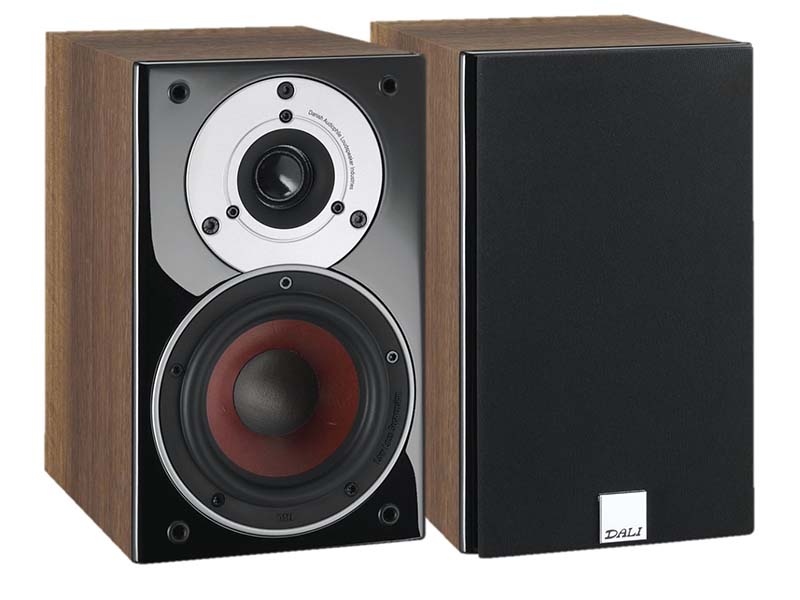
Both the ZENSOR and SPEKTOR are fine speakers, and the choice between them largely comes down to personal preference — but if I were pressed to choose one, I would give the nod to the SPEKTOR1 on the strength of its musicality. The SPEKTOR1 has a more lively, flowing sense of musical momentum than the ZENSOR, and in a certain sense it possesses a musicality that approaches the MENUET. The SPEKTOR1 is also available in white, which is part of why I have been quietly thinking about buying one for quite some time now. It has simply been put off because I currently have nowhere to put it — and in the meantime the actual selling price has crept up considerably, which leaves me feeling rather conflicted. That said, as a speaker available for around 30,000 yen a pair at street prices, it is very well made, and if you are choosing on the basis of musical expressiveness rather than resolution, I think the SPEKTOR1 remains the best buy in this class.
 ポチップ
ポチップ
~ Summary ~
The MENUET, despite its compact size, is at heart a speaker of very strong character, and it is one I would want in the hands of listeners who can embrace its abundant acoustic resonance and the added reverberation from cabinet coloration — people who know the sound of live instruments, with classical music at the centre of their listening. The sonic character has much in common with the acoustics of a classical concert hall, particularly a small hall of 300 to 500 seats — in the Tokyo area, venues such as Oji Hall, Philia Hall, and Fuchu-no-Mori Arts Theatre Wien Hall come to mind — and the more accustomed you are to attending classical concerts, the more that quality of the MENUET will strike you as genuinely and tangibly attractive. And it is not merely that the tonal character resembles live instruments and hall acoustics; you also get a musically organic, active, living kind of expression.
Conversely, when it comes to the sharply pinpoint imaging, resolution, and wide frequency range that Hi-Fi enthusiasts often prize, there are clearly many other speakers that do those things better, and the MENUET is simply not a speaker you choose with those flat, wide-range sonic qualities in mind. Its colouration is strong, which also makes it unsuitable for monitor-style use where you want recordings laid bare. I came to the MENUET fully aware of these characteristics — its personality, or rather its weaknesses — and was drawn to it nonetheless by the sheer strength of its musical expressiveness. More to the point, because its compatibility varies quite dramatically depending on the recording source, classical music included, I introduced it with the clear intention of using it purely as a secondary system. Put another way, expecting the MENUET alone to cover all music is asking too much, and from the perspective of enjoying music broadly, I would not really recommend choosing the MENUET as your one and only main speaker. Small as it is, this is a speaker that clearly demands a specific purpose and a specific kind of user.

Furthermore, the organic musicality and expressive power that are the MENUET’s greatest appeal are delicate qualities — easily spoiled by even a single weak point anywhere in the chain, whether that is the combination of equipment in the connected system, the cables, accessories, or the power supply, and once spoiled, they cease to come alive at all. If the setup goes wrong in the key areas, it simply becomes a dull, boxy-sounding speaker with nothing to recommend it, and so I would not in principle suggest it to anyone who does not immediately feel what “musicality” means. Conversely, for those of you who can clearly sense, as an instinct, that musicality matters above all else in audio reproduction — this is a speaker I would very much like you to hear, and to have close at hand. That is the DALI MINUET series. ※ Continues in the practical setup guide.
pastel_piano — DALI MENUET related tweets
 Category: Denmark / DALICategory: Speakers
Auto Translated by CS4.6

List of comments (1)
ダリらしさを最も感じるのはROYAL MENUET 2
マッキンやラックスマンの高級アンプで鳴らせるなら現行MENUET SEが、最強です!