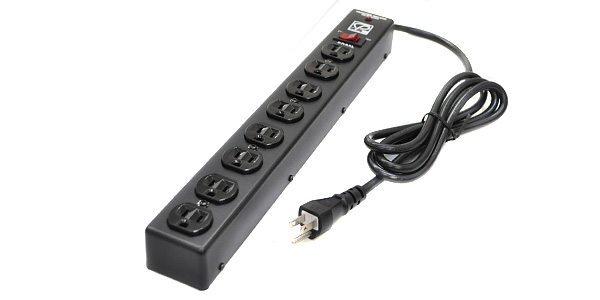
I had been looking for an affordable, high-quality power strip in the few-thousand-yen range, and I ended up buying the Soundhouse original power strip CLASSIC PRO PDS8 that I had been curious about for a while. I should mention upfront that this is a first impression before any burn-in.
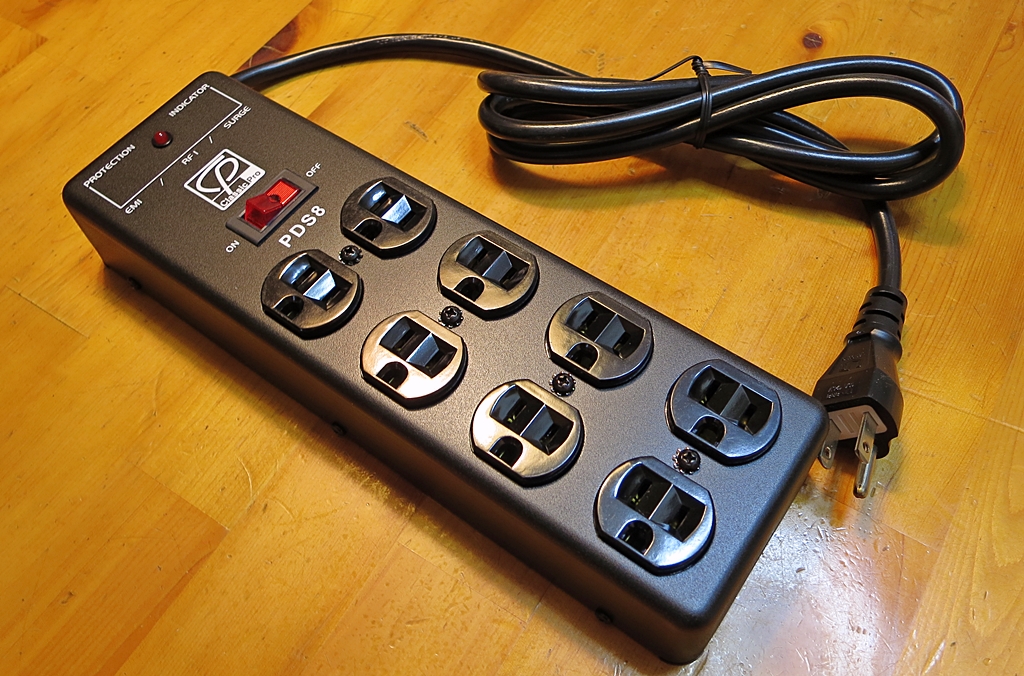
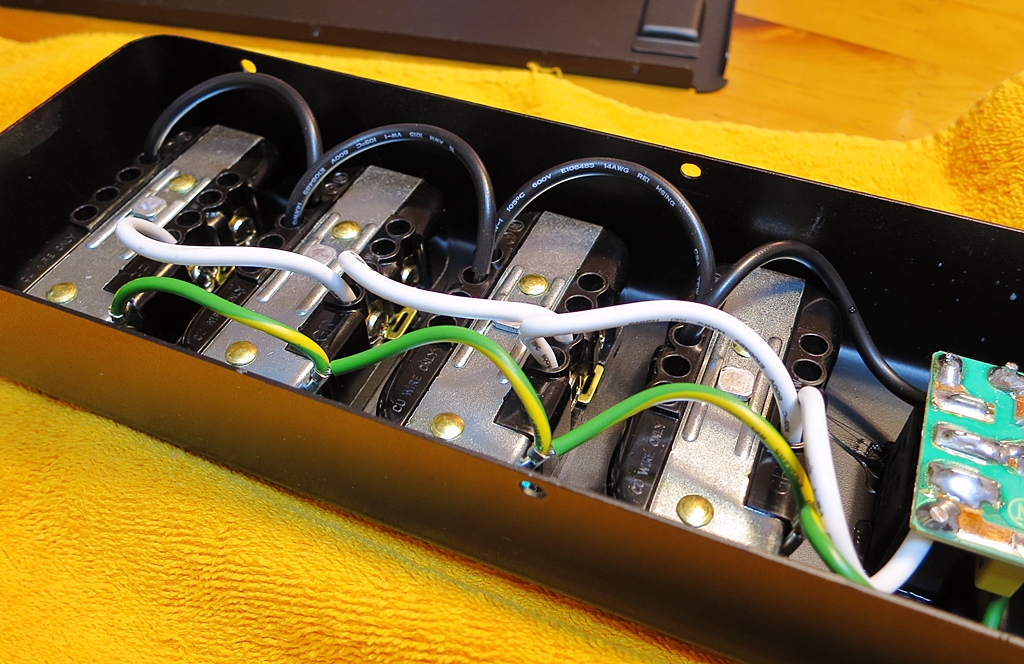
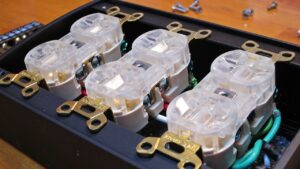
The chassis is a magnetic steel case with a strong sense of rigidity. Measured weight excluding the cable is 960 grams. It is manufactured in China, but the internal wiring is neat and tidy. The power cord is hardwired, available in two lengths: 1.6m and 3m. The cable gauge is 14AWG 2SQ, with quite ordinary stiffness. The wire is made by Kyoei. The internal wiring looks to be the same copper wire. If you were to attempt swapping the internal outlets, you would need to cut away the metal sections top and bottom, which makes it rather impractical. Despite the low price, it includes built-in EMI/RFI noise filtering and a surge filter. There is also a taller, vertical-format model with the same configuration, the CLASSIC PRO PDS8L, also in the line-up.
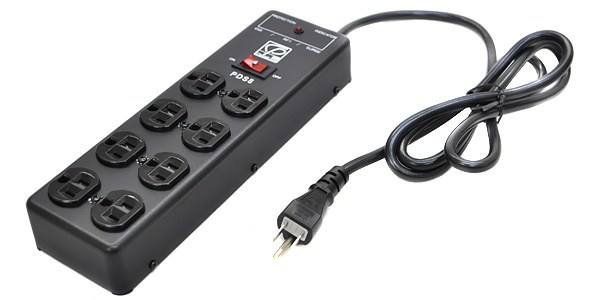
Sound Quality of the CLASSIC PRO PDS8
Well-defined outlines, crisp even at low volumes, with a clear sense of energy and pace — those would be its defining characteristics, I think. The tonal character is something like a supercharged version of the 10-yen coin isolator, and it does colour the sound rather noticeably. A faintly reddish soundfield, with image tones in a kind of brass hue. There is some moisture in the decay, but if anything it excels more at image delineation than at soundfield space. The images carry a metallic sheen and feel hard-edged. Image positioning is fairly centre-biased. The mid-to-low frequencies are clear and wide-ranging, with lively forward presence, though it is not what you would call a thick, gutsy sound. There is a slight edge-enhancement quality, and resolution is good. Information retrieval is moderate. The sense of soundfield is somewhat compact but with good transparency. Height in the soundfield does not come through easily. The muddiness, clouding, and sluggishness that tend to plague cheap power strips are largely absent here. It is the type of unit that draws you in with crisp, well-defined image presentation, a suitable degree of resonance, and a clear sense of energy.
While retaining the hi-res-like speed and resolution of a switching power supply, it beautifully fills in the thinness in the mid-to-low range of the ONKYO C-S5VL, making it feel as though the CD player has jumped up a whole class.
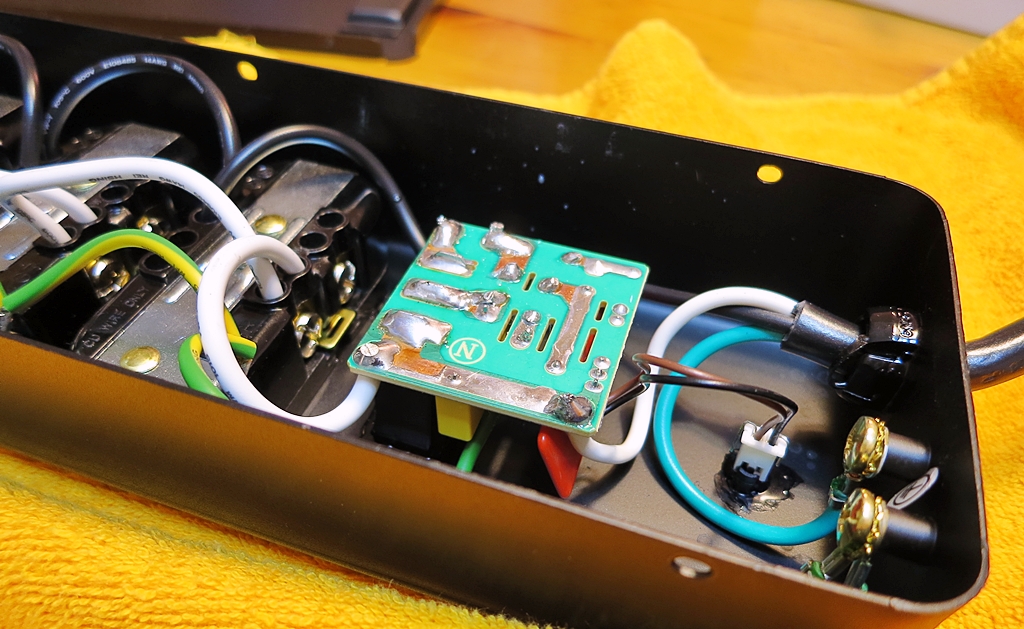
Whether it is the EMI/RFI noise filter doing its job, the perceived S/N ratio is quite respectable. The product is intended primarily for recording and instrument use, but I think it has sufficient quality for entry-level pure Hi-Fi purposes. That said, if you are after the kind of wide, beautiful, soft, low-distortion sound of high-end equipment, there will be dissatisfaction. The outlets are unplated and do not look especially premium at a glance, but the extremely firm-gripping hospital-grade outlets paired with the 2SQ cabtyre cord produce a direct, energetic sound that manages to keep excessive roughness and coarseness in check — and that balance is rather well struck, I would say.
Comparison with the FURMAN SS-6B / J1 project PT-4

 ポチップ
ポチップ
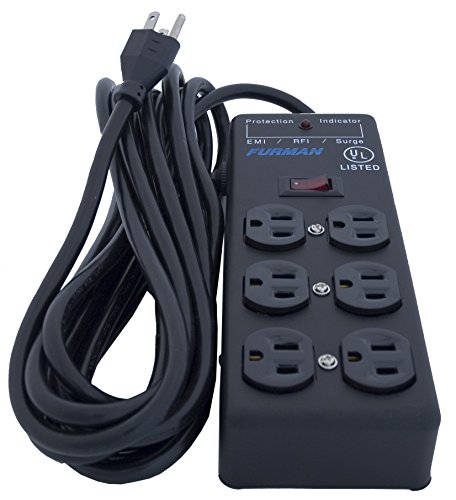
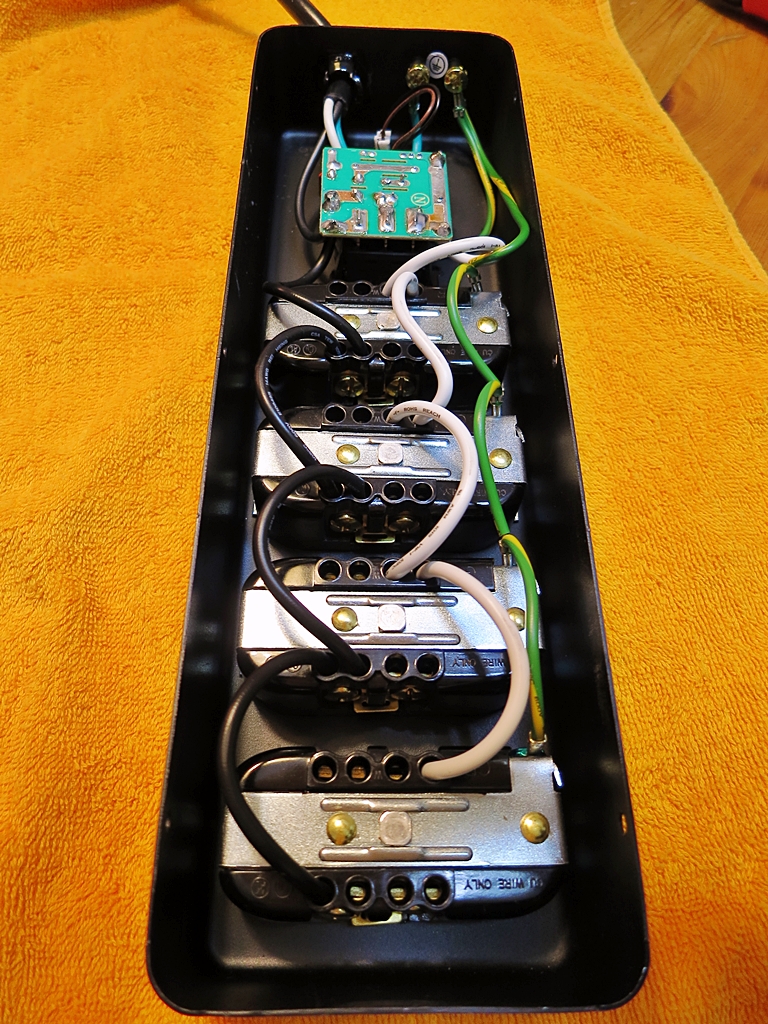 With eight outlets offering good value for money as a power strip, I think it is fair to call this a strong rival to the American-made FURMAN SS-6B. They do look remarkably similar at a glance, don’t they? It is a shame I was not able to compare both directly in the same environment this time, but looking at internal photos online, the steel chassis appears similar between the two, and once opened up, the quality of internal construction looks to favour the CLASSIC PRO PDS8. The 3-pin outlets used are completely different items. Though the noise filter boards do look rather similar… but that aside — if you have grown fed up with muddiness and sluggishness from other budget power strips, switching to the CLASSIC PRO PDS8 might well be the better choice. Compared to an ordinary OA power strip for a PC, the difference in quality is like chalk and cheese.
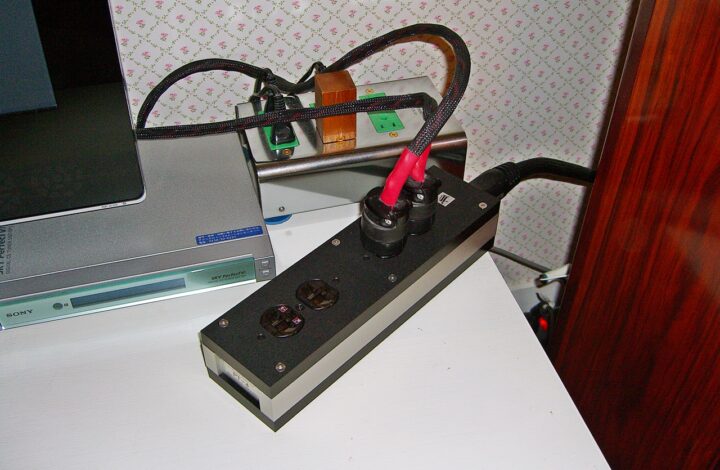
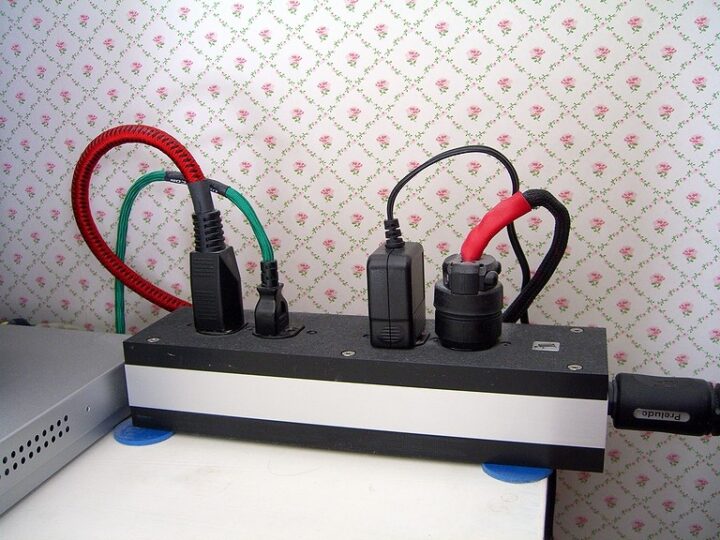
Compared to the CLASSIC PRO PDS8 — which is easy to hear, clear, and slightly hard-sounding, with a faint hint of distortion in the upper frequencies — my reference unit, the J1 project PT-4, has far less sense of distortion, though in terms of presentation it tends toward the subdued, and at first listen one cannot help but feel it is a touch lacking. However, the J1 project PT-4 does not become harsh even when the volume is turned up. It has a faintly dark depth and sense of shadow, and the soundfield unfolds broadly in all directions — front, back, left, right, and behind — and it is here that the appeal of high-end Hi-Fi-style sound shaping lies. The frequency response is flat, and the weight in the mid-to-low range tends to be thinner compared to the CLASSIC PRO PDS8. That said, when it comes to the deepest sub-bass extension, the J1 project PT-4 would appear to have the advantage.
 [PR] Soundhouse: Power Strip Bestseller Rankings
Effect of the CLASSIC PRO PDS8’s Built-in Noise Filter
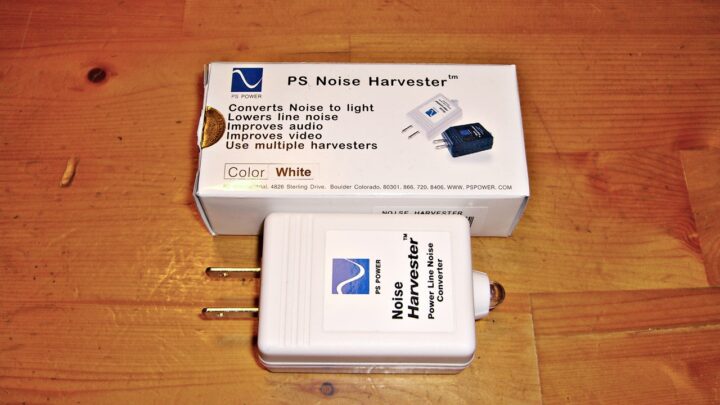
There is one thing that caught my attention. When I connected both the CLASSIC PRO PDS8 and the J1 PROJECT PT-4 in parallel from the same wall outlet — the PAD CRYOMAG — and powered everything up, I had the impression that the PT-4’s sonic drive was being sapped and its sound quality was suffering… The upper frequencies took on a rougher, more metallic edge, and the midrange felt somewhat hollowed out. This may well be the effect of the CLASSIC PRO PDS8’s built-in noise filter bleeding over to the PT-4 side.
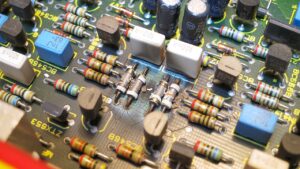
This is the British integrated amplifier in my main system. Image density increased, with a more punchy, V-shaped sound. Did the soundfield depth and width narrow? Imaging felt somewhat elevated. I had expected the bass weight to increase, but it felt more lacking rather than fuller. The upper midrange felt pushy and fatiguing. Unfortunately this combination simply did not work well together.
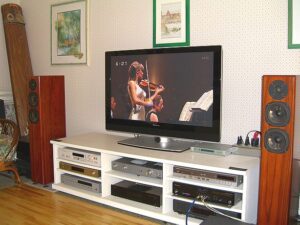
The visual noise reduced and the colours became more vivid, but in particular the reds took on a rather garish vermilion quality, and the yellows and greens became emphasised, so the colour balance was not quite to my taste… Still, with some adjustment, using it for video components such as LCD displays might not be a bad idea.
~ Summary ~
While the CLASSIC PRO PDS8 does add a certain colour to both image and soundfield, its straight, tight sense of density and crisp speed are genuinely appealing. As burn-in progresses from here, I would expect the hardness and sense of distortion to settle to some degree, with more warmth coming forward compared to the initial state. As an overall assessment, I would not find it unreasonable even at a street price of 10,000 to 12,000 yen. For clearly better performance than this, there is the Oyaide MTS-6 and the FURUTECH e-TP60, though the price range jumps up to the 10,000–20,000+ yen tier…
That the CLASSIC PRO PDS8 can be had at this price is surely down to Soundhouse’s considerable efforts to offer everything at low cost for musicians. Being able to pick one up for around 5,000 yen at present is genuinely good value, I think. When I bought mine, postage was required separately, but now orders over 2,000 yen — meaning even a single CLASSIC PRO PDS8 — qualify for free shipping.
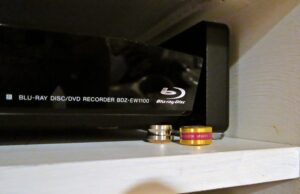
In my main system, compatibility issues with the J1 PROJECT PT-4 running in parallel meant I ultimately decided against using it there, but when I connected it to AV components such as a DVD recorder and a Blu-ray recorder, the somewhat lightweight, floaty sound settled down, dialogue became crisper and more clearly defined, and the sense of realism improved considerably. It also has capabilities not to be underestimated as a sub-system unit, and I am currently very much mulling over whether to add the same design in its taller format — the CLASSIC PRO PDS8L — separately for PC audio use. The PDS8L, being a narrower chassis, should have greater lateral rigidity, and with the mounting screws increasing from 6 to 8, there ought to be some difference in sound character as well. I have a vague feeling that the PDS8L might sit a touch higher in the frequency balance than the PDS8… ※ This is purely speculation, so it may well be otherwise.
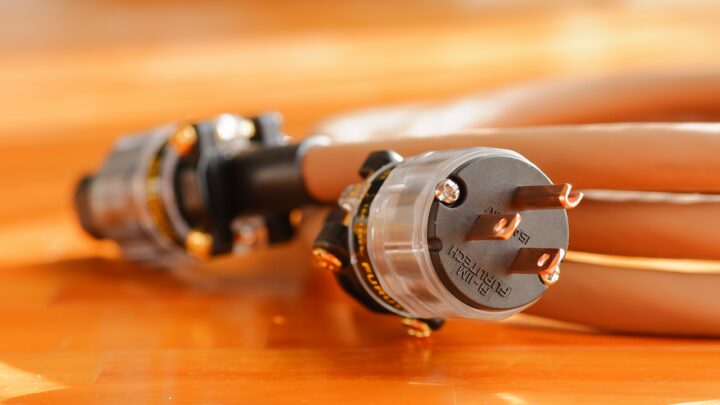
For those of you who can solder, replacing the captive power cord and the 3-pin outlet plug with higher-quality alternatives should yield noticeably better sound. Given the low cost of the power strip itself, something inexpensive in the hospital-grade category such as the Panasonic WF5018K or Meiko ME2591 would be perfectly adequate, I think. But cost-effectiveness aside, if you want even more dynamic weight, go for an unplated power plug. If you want to strip some colour from the sound and add a cooler, more refined quality to the resonance, a rhodium-plated power plug would be worth trying. Considering both price and the goal of compensating for the PDS8’s sonic weaknesses, something like the rhodium-plated version of the FURUTECH FI-15M Plus would seem like a good candidate.
 ポチップ
ポチップ
 Category: Power Cables & Power Accessories
Auto Translated by CS4.6
List of comments (2)
サウンドハウスのページで4560円 送料無料。
楽天で6600円 送料別。
危うくポチするとこでした。w
ジョーシンで買ったパソコン用で気にしてなかったけど こだわったほがいいかなぁ。思案中。
こだわった方が良いと思うです。電源系は一番聴感上の変化が判りやすいですよ♪これはあくまで使っているケーブルの質にも拠りますけれど、壁コン+電源ケーブル+電源ボックスのコンボは、相対的にシグナル系統よりも影響力強いと思いますです。電源が劣悪な環境って良くあるのですが皆さん気付かない事が多いのですよね。機器もケープルも何を使っても音が殆ど変わらなくなって???になったりします←こうなると根本的にクリーン電源とか必要になりますけれども。
あと、電源タップを上質なモデルにするのでしたら、同時に・・・むしろ先に壁コンセントも替えた方が良いです。とりあえずPanasonic WN1318かアメリカン電気 7110GDで十分効果が判りますので。これが効いたら次に電源ボックスで如何でしょうか?
http://www.amazon.co.jp/dp/B00A891HQ4/pastelaudio-22/
http://www.amazon.co.jp/dp/B009UOJ18O/pastelaudio-22/
http://www.amazon.co.jp/s/ref=azs_osd_ieajp?ie=UTF-8&tag=amznsearch.jp.ms-22&link%5Fcode=qs&index=aps&field-keywords=WN1318/pastelaudio-22/
交換方法はブレーカー落としてから絶縁手袋してドライバ1本でググれば判りますけれども、資格が必要ですので町の電器屋さんで3千円が相場です~。被覆を剥き直したり接点クリーニングしたりで介入されるのを嫌がらない人がいるお店がお勧め?