【A Guide to Personal Importing of Hi-Fi Products】
Exchange Rates|Voltage |English
You may well wonder why one would go to the trouble of buying British audio-visual products in North America, of all places — but depending on exchange rates, it can sometimes work out cheaper to buy from an American retailer than from the UK itself. On top of that, there are many brands and products that ceased to be imported into Japan after the bubble era and are simply no longer sold here. And then there is the most fundamental issue of all: the difference in mains voltage.
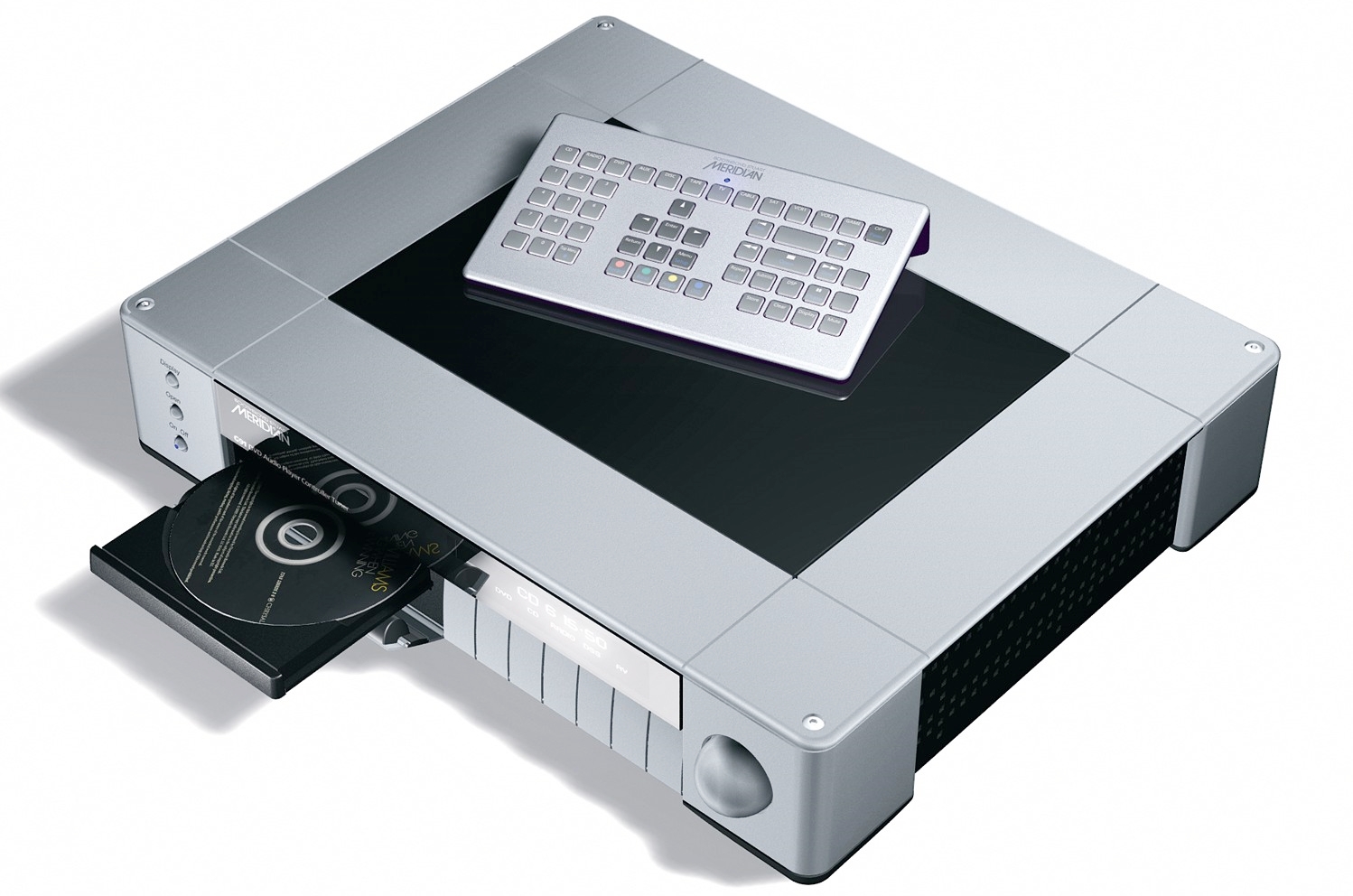
The mains voltage in Japan is 100V AC (strictly speaking, 101V ±6V) at 50/60Hz. The United States, by contrast, uses 117V–120V (60Hz). Taking into account parts of Canada and countries in Central and South America that use 110V as well, consumer electronics sold in the North and Central American market — including audio equipment — generally carry a nominal voltage rating of 110–120V. (A midpoint figure such as 115V is often stated.)
Even where the nominal voltage is quoted as 120V, that figure is never something you can count on getting precisely at every outlet. The actual voltage varies quite considerably depending on the distribution from the substation, the routing of the transmission lines, and the surrounding load conditions at any given moment — and consumer electronics are designed to cope with this constant fluctuation. In practice, products rated for 115V in the US market will very often work without any problem at all in Japan’s 100V environment, and there are indeed cases where the power supply section is completely identical between the US-market version and the Japanese export version of a piece of audio equipment.
【PR】
Note: Country-by-country voltage information found online is frequently inaccurate or contradictory — please treat the above links, like any such source, as a rough guide only.
However, the mains voltage in Britain (230–240V) and most other European countries falls in the 200V–240V range, which means that in order to use UK- or EU-specification appliances and audio equipment in Japan, you will need either a step-up transformer (100V to 200–230V), or a separate 200V circuit — drawn, for instance, from the kind of indoor 200V wiring used for air conditioning — dedicated to equipment that requires 200V or above. (Note: the wiring work itself is simply a matter of switching a single wire at the distribution board, but you will need to have it done by your electricity supplier.) Even then, Japan’s 200V supply (strictly 202V ±20V) may in some situations run slightly low, so whether things work correctly will honestly depend on your individual setup and is difficult to say with any certainty without trying it.
Equipment designed for 200–240V will not operate correctly on 100V, and in any case the availability of 200V wiring in ordinary Japanese homes is limited — so European audio equipment is simply not very practical to use in a typical Japanese household. On the other hand, equipment designed for around 115V will generally run without trouble at around 100V, which means that in practice, most electronics purchased in the United States can be used in Japan without any difficulty. Strictly speaking, resistive appliances such as electric heaters and irons may warm up slightly less effectively, but for audio equipment, this sort of voltage difference is unlikely in most cases to prevent the unit from working at all. If something does fail to operate normally in Japan, the likely causes are either that the equipment’s low-voltage tolerance margin happens to be on the narrow side, or that the voltage at the wall outlet has actually dropped as low as 90–95V. In such cases, a step-up transformer to bring the voltage up to around 115–117V should resolve things.


 ポチップ
ポチップ
There is quite a range of step-up transformers available, but for use with audio and visual equipment, you should avoid the small, inexpensive portable step-up transformers sold for travel use — their maximum wattage rating is too low. Even a compact step-up transformer may be sufficient to run a low-consumption device such as a CD/DVD player or preamplifier, but it tends not to be ideal from a sound quality standpoint. The ideal choice for Hi-Fi use would be a purpose-designed isolation transformer, though something marketed for musical instrument use can be had for roughly ¥10,000–¥30,000 with a capacity of 500W–1000W. Sound quality does seem to vary between products, but the general principle is that bigger and heavier is better, and ideally you want a transformer with a capacity at least double the total wattage of the equipment you intend to run through it. Beyond that, consulting the reviews and impressions of people who have actually used a given model would be a sensible approach.
Entries from Iyashi-no-Oto, who uses a Noguchi transformer → Clean Power 2 / The Effect of Clean Power. Isolation transformers are not limited to step-up or step-down types — 100V-in/100V-out models also exist, and connecting audio equipment through one rather than directly to the mains can apparently make a substantial difference to sound quality.
As for the drawbacks of running equipment slightly below its design voltage — in rare cases (where the voltage is very low) the unit may behave erratically, but the more common audio concern is that drive may be insufficient, preventing the equipment from performing at its best. When a 110–120V audio product is run at Japan’s 100V, the effect is most noticeable with amplification — integrated amplifiers and power amplifiers in particular — where the amp can lose some of its natural authority and seem, to the ear, a touch subdued. With Hi-Fi equipment, even if there are no faults or operational problems as such, putting sound quality first probably means it is worth at least going to the effort of using a 115–117V step-up transformer.

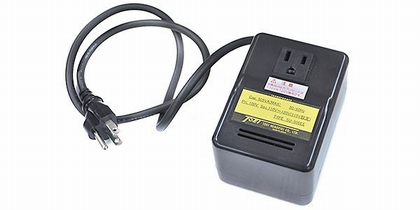
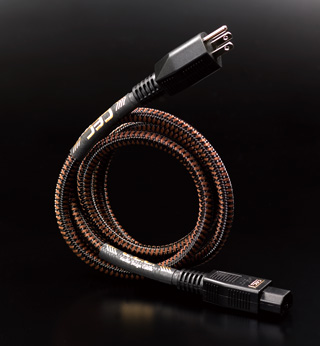
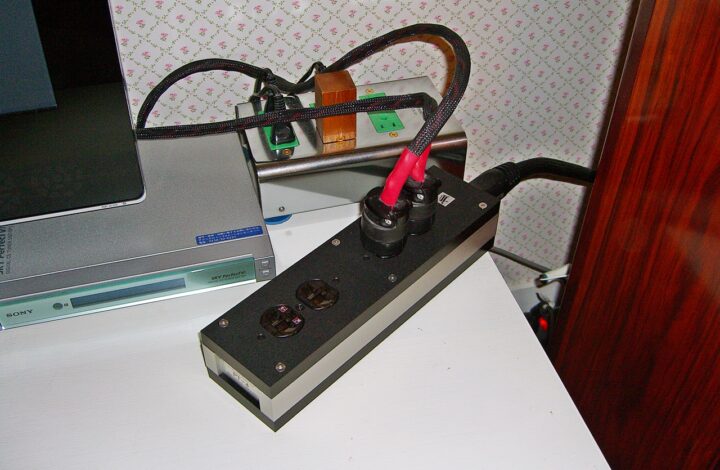
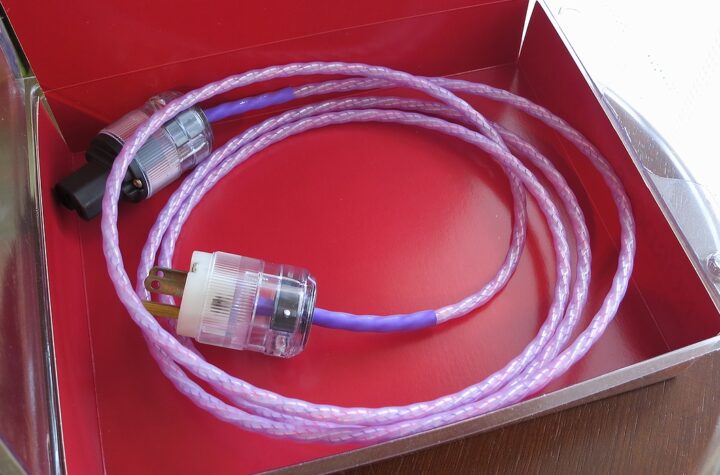
《When choosing a step-up transformer for audio use, opting for a model with a detachable 3-pin audio-grade power cable gives you more options for further sound quality improvement.》
That said, this is ultimately a matter of how a given setup sounds to a given listener’s ears — so in a system where the sound feels a little rough or forward in an unsatisfying way, running it at a slightly lower voltage might actually smooth things out rather nicely. As for CD players, there has long been a somewhat questionable piece of received wisdom from certain critics to the effect that low-voltage operation is actually preferable for obtaining a more delicate, less “digital” sound. On that basis — assuming, of course, that everything functions correctly — simply using a US-spec unit as-is in Japan is quite a reasonable option, I think. It is also worth noting that overseas, many well-known Hi-Fi brands — Cambridge Audio, NAD, ARCAM, and others — have released DVD players that are simply not available in Japan. Region coding is something you would need to sort out yourself, but the prospect of getting a DVD player with a distinctly different flavour of picture and sound quality from anything Japanese, at a comparatively affordable price, is not something to overlook. And if you are going to do it, using a British DVD player in US 115V spec — paired with imported DVDs — as a way of studying English is rather a charming idea, I think.
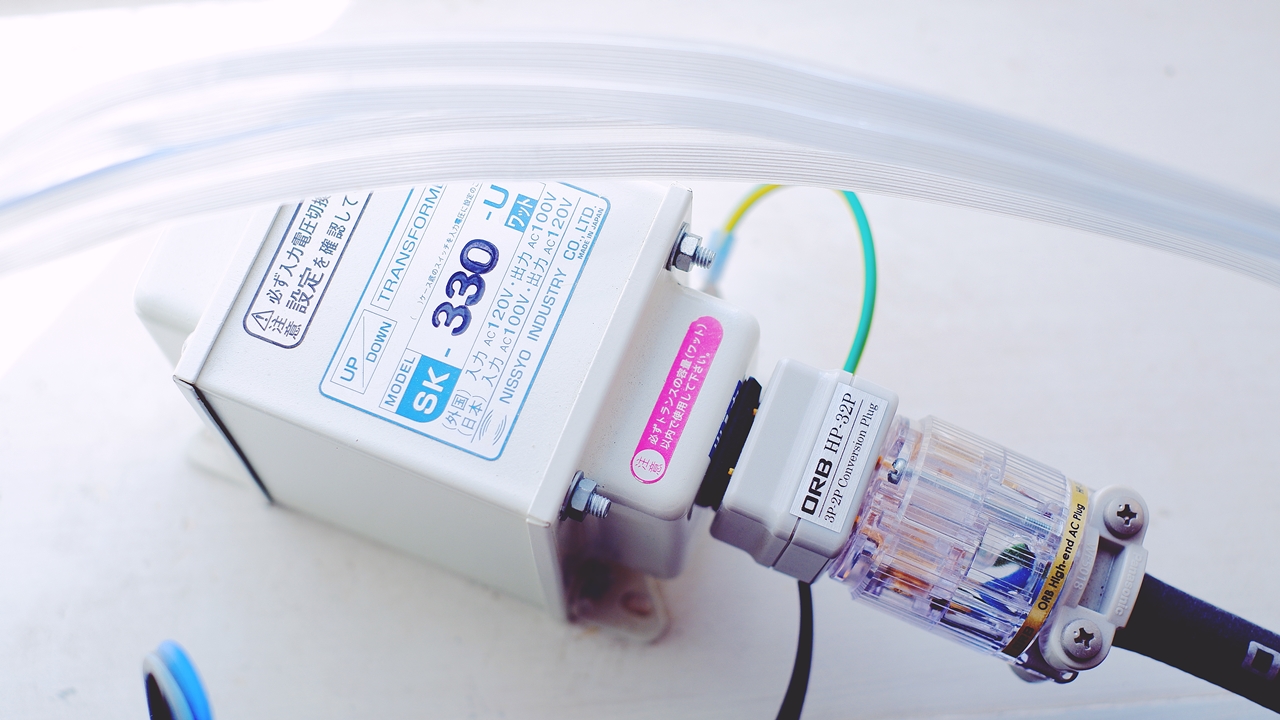
Japan’s 100V mains voltage is exceptionally low by world standards — the lowest among all major countries — and this turns out to be not particularly ideal from a Hi-Fi standpoint. When it comes to the sound quality of audio equipment, it is generally said that the same product will perform better at a higher voltage, and that 60Hz is preferable to 50Hz as well. Among high-end Hi-Fi enthusiasts, there are those who take this to its logical conclusion: having dedicated audio circuits wired separately from the domestic supply at the distribution board, running European equipment in its original local specification on 200V/60Hz, and stepping American products down from 200V to 117V — a thoroughly systematic approach to mains conditioning, all in the name of sound quality.
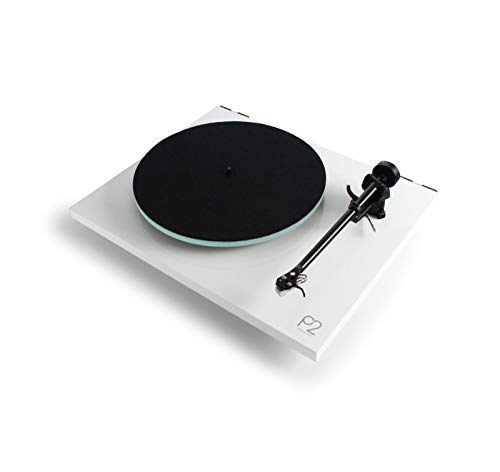
Japan’s mains frequency is 50Hz in eastern Japan and 60Hz in western Japan. Certain appliances that use motors — microwave ovens, electric fans, washing machines, and the like — do exist in versions restricted to one frequency or the other, but for audio equipment this is generally not something to worry about, with the exception of record players. With analogue turntables, the mains frequency matters for the same reasons as it does domestically, so imported models will require pulley changes or similar adjustments to match the local frequency — worth bearing in mind.
 ポチップ
ポチップ
The mains frequency in Europe and the UK is 50Hz, while North America uses 60Hz. Some time ago, I heard from someone at an import distributor that a particular European amplifier designed for 50Hz had been converted to 100V for the Japanese market, but then went into oscillation in 60Hz regions of Japan, requiring a further specification change after the fact. I live in a 50Hz area myself, so I have never encountered this personally, but it is perhaps worth keeping at the back of one’s mind as something that could occasionally go wrong. Generally speaking, though, 60Hz does tend to be considered preferable to 50Hz from a sound quality perspective in most cases.

Incidentally, for equipment that runs off an AC adaptor and operates on DC internally, the adaptor itself will in most cases accept 100–240V input (this is stated on the adaptor itself), which means it can be used anywhere in the world as long as you have the right plug shape — and plug adaptors are widely available. (I use a Yazawa HPJP5 adaptor to connect British audio equipment running off an AC adaptor to Japanese wall outlets.) For audio cables and other accessories that require no power, ordinary passive speakers (active speakers with built-in amplifiers that do not use an AC adaptor are excluded), and mains cables, there is essentially no need whatsoever to concern yourself with voltage or frequency specifications, regardless of where in the world the product was purchased.
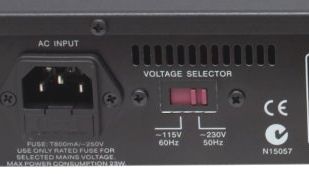
There are many countries in the world where two different voltages — 110V and 220V, for instance — are used side by side within the same country, and some audio equipment sold overseas accordingly comes fitted with a voltage selector switch. For some reason this switch tends to disappear on the Japanese-market version of the same product, but where a unit does have one, it can be switched to the 110V setting and used in Japan even if the unit was sold in a 200V market — which considerably broadens your options for buying at local prices wherever you happen to be.
Finally, a word on safety. Running a 120V-rated product on 100V, or a 230V product on 200V — in other words, operating equipment at a modestly lower voltage than its design rating — raises no particular safety concerns, aside from the possibility of unstable operation due to insufficient voltage. The reverse, however, is a different matter entirely: running equipment designed for 100V on 120V, or plugging it into a 200V outlet, risks overheating, fire, and damage to the equipment, and is extremely dangerous. There are those who claim — or who have claimed at various times — that running 100V audio equipment at 117V improves the sound, but please, resist the temptation: for your own safety, do not do it under any circumstances.
【A Guide to Personal Importing of Hi-Fi Products】
Exchange Rates|Voltage |English
Auto Translated by CS4.6
List of comments (18)
今回の電圧の話大変勉強になりました。いつになく姿勢を正して読んでしまう感じです。ってことは、日本に輸入されてる機器は、彼の地では本来のというか、もっと良い音で鳴っているということでしょうか?話は違いますが、巷には、マイ電柱を使用しておられる方もいるとか、そこまでいくと大事でどうかと思いますが。。。電源ケーブル、コンセント、ブレーカー、マイ電柱、行きつく先は発電所近くの田舎に転居?
ネットでうろ覚えですが家庭用の太陽光発電はよりクリーンな電源で云々という記事も見かけたことがあります。
自分的には、いってもコンセントですね。。
次回、個人輸入実践編楽しみにしてます。
電圧の件、勉強になりました。けっきょくAtollはフランスの部屋に置きっぱなしになっているのですが、欧州仕様のまま日本で遊び倒すのも面白そうですね。こちらのコンセントは3P仕様ですが、我が家でアースされているのは台所と風呂場だけです。たぶん電子レンジと洗濯機用です。レイアウト上、台所につないでいましたが、たしかに他のコンセントとはひと味違いますね。
Atollを選ぶ際に、ほかの機種も検討したのですが、現行のクリークとCaratの背面には電圧切り替えスイッチらしきものが付いていたように記憶しています。以前、海外対応だと勘違いしてエネループの充電器を差し込んで壊してしまいました。安物の延長タップにも、子供のいたずら防止のような対策がされているので、やはり命に関わるくらい危険なのでしょうね。たまに怖い思いをすることがあります。
>もぐさん
>もっと良い音で鳴っているということでしょうか?
電圧面も有利ですが、日本より部屋も広くて天井も高くて、電源も日本ほど色々なノイズで汚染されて無さそうですから。日本に輸入されているオーディオ機器は、100Vへの電圧変更により設計時に意図した音質(エネルギー感)よりもかなりナヨナヨした印象になっているのではないかと感じます。輸入オーディオで良く云われる大人しさとかヨーロッパ的な奥ゆかしさの本当の原因はこれではないかと。設計意図が素直に出ていたら、演奏でもそうですがあっちの人の方が濃くてバイタリティある音を出す筈ですし…。
家庭用で電源を何処までこだわるかは難しいところですね。MY電柱は凄いと思います。私も壁コンセントまでしか手を出していませんけれど、ブレーカーと配電盤の交換はやっても良いかしら?wブレーカーだけなら安いもんですし。特にオーディオ用とかでなくても、新しくするだけで良いと思っています。
とはいえどんなに拘っても商用電源を引く限り周囲の影響は避けられませんから、近未来を考えると理想的にはオーディオ/ビジュアル単独独立系統の太陽光発電と蓄電池になると思います。
>nu-maoさん
アースをきちんと取れば音場の背景が静かになるなどの効果があるみたいです。でも実はアース有無に限った事ではなく、どこのお宅もコンセントの場所それぞれみんな音が違ったりするのです…。 配電盤からの距離や経由するブレーカー、屋内配線の状況が各壁コンセントで異なりますし、壁コンセント自体の経年劣化具合も異なりますので♪
>現行のクリークとCaratの背面には電圧切り替えスイッチらしきものが付いていたように記憶しています。
どちらも100Vの日本仕様には切り替えスイッチ付いてないみたいです。日本の代理店さんがきちんと日本向けのロットへ電源仕様の変更を依頼されている証でもありますが、並行輸入派としてはなんとなく複雑な気分です(^^;
>欧州仕様のまま日本で遊び倒すのも面白そうですね。
気分の問題もあるかも知れませんが、オーディオに限った話ではなく、向こうのものって向こうで販売されているもの…直接あちらで手に入れた物の方が出来が良くありませんか? レコードもCDも同じ中身でEUプレスの方が音が良い事が多いですし、ワインも同じラベルなのに天と地ほど味が違ったりするし…。
2度目の登場、すいません。輸入つながりの話題として。今回初めて海外のCDP,アンプを購入して気になってきた点をひとつ。いままでのオンキョーのセットも国産としてはシンプルで端正で海外製品にひけをとらないデザインだったのですが・・プライマーを購入してあまりにもラックがイケてないことに今更ながら気が付きました。現在は、WAKATUKIのラックなのですが、その性能はともかくデザインが武骨なのですよね。でかい、重苦しい。
それこそ重厚長大の、音さえよければデザインは二の次、という感じ。まあ、そのために当時購入したんですが…。せっかくの欧州テイストがラックにいれると縮こまって台無しにみえます。
有名なクアドラスパイアは憧れますが、お値段が…。その分で何かオーディオアクセサリー買えるし。。。なんて、コスト配分考えたり。
こういった周辺機器?も安く購入・輸入できれば嬉しいなあ、と仕事中ふと思ったもので書き込みました。。。おやすみなさい。
Atollの説明書にはアースのあるコンセントにつなぐことが推奨されていました。実家のタンノイのSP端子にはアースがついているので、海外製品の場合、本来はつないだ方がいいのでしょうね。アースについては人によって意見が分かれるみたいですが、私はつなぐ派です。
私の駄耳でも国内盤と海外盤の違いは明確に感じることが多いです。ただフランスではCDの単価が高いので、日本で輸入盤を買うような感覚で大人買いはできませんでした。もっぱら10ユーロ前後の中古や廉価盤ばかりです。中古屋で日本盤のCDもたまに見かけますが、フルトヴェングラーとか往年の巨匠系が多いようです。
下戸なのでワインのことはよく分かりませんが、ジャムとかは防腐対策のため砂糖を多めに入れるような話を聞いたことがあります。味もかなり違うみたいです。食事は現地で新鮮なものを食べるのが一番おいしいでしょうね。チケット代が激安なので、オペラをたくさん観れたのが最高の思い出でした。
>モグさん
勿論ラックも海外通販出来ますよーd(^_-) 電源も関係ありませんし大抵は組み立て式で箱に入っている物ですから超余裕です。注意点としては重さがありますので航空便送料が意外と高い点でしょうか。ものによっては何だかんだと国内の割引価格の方が安いこともあり得る可かも。。。私もクァドラスパイアのオーディオラックに興味がありますので少し調べてみます。
若月製作所は2007年に倒産してしまったらしいですね。私もリビングのメインシステムはワカツキのAVラックを使っています。もう20年近く前に買った物ですが反りや歪みも出ず現役です。ただ、残念ながら素材はMDFではなくパーチクルボードです。元々黒かったものをインテリアに合わせ自分で白く塗り替えました。
北欧系のデザイン家具で安いものというIKEAを探してみると色々あるかも…中国生産で素材はそれなりですが、見た目的にはPRIMAREとも合うと思います。ちょっと調べたら北海道には出店してないみたいですね、、、むぅ。
>nu-maoさん
アースは一戸建てなどできちんと取れる環境でしたら繋ぐ方が良いと思います。うちはマンションでオーディオ周りのコンセントからはアースが取れないのですが、AV機器やFMチューナーに共同アンテナ端子が繋がっていますので、アンテナケーブルを繋いだ機器の音声RCAケーブルを介してオーディオ機器全体のアースが取れてしまっています。これって音に良いのかどうか謎ですけれどもシャーシ電位を計ると0.5V未満まで下がっています。サブシステムの方はアースが取れていませんので、アコースティックリバイブ RE-9/RE-9Ⅱみたいなアース機器があれば面白いのですが、安全性に問題があったのかいつのまにか無くなってしまいました。
クアドラスパイア憧れてます。見た目華奢ですが、うまく振動をのがしてるんでしょうか・・。部品点数、重量がかさむと国内のものが安い場合があるんですね。なるほどです。
ワカツキのラックはヤフオクで購入したんですが、倒産していたとは。。。その堅牢さは安心感があります。どっしり。
そうですIKEAないんですよ・・北海道には。ニトリは地元企業なんでそこらじゅうにありますが・・。IKEA製品はヤフオクに出品されてますが、以前、照明とパソコン用にデスクを購入しました。デザインは良いですが、お値段なりの作りですかね。北欧だし、雰囲気さえよければ、そしてお値段しだいでは購入も考えたいですが。
ただ、ワカツキが存在しないとなると、惜しくなってきます。が、あまりにもプライマーに似合わなすぎるのも事実で難しい……・・。
お手頃な値段で、できれば北欧製のものがあればいいんですが。となるとやはりIKEAしか選択肢がなくなりますか。。。。デンマークは家具も有名ですから、ありそうなもんですが。また、長文になってしまい申し訳ありませんが、もう一つだけ。以前、CD洗浄機購入されてましたが、効果ありましたか?ふと、思い出したので。
CDレンズクリーナーのお勧めもあれば教えていただければと。
>nu-maoさん
>>ただフランスではCDの単価が高いので、日本で輸入盤を買うような感覚で大人買いはできませんでした。
国内盤はともかく日本の輸入CDの極端な安さは一体どんなカラクリなんでしょうか…。各レコード会社と直接取引でロットも多い、HMVとタワーレコードの存在が大きいのかしら。。。
>モグさん
ニトリって北海道の企業だったんですか!知らなかったです。横浜近郊にもあちこちに出店しています。まぁIKEAに拘らなくてもそちらに家具の大型店があるかと思いますのでたまに観てみるのも一興かと。モダンデザインで色々と素敵な家具が世の中には溢れてますから。ただ、木材の素材によってはワカツキより音質が悪くなってしまうかも知れませんのでなかなか悩みどころかも!?。
>CD洗浄機
東芝の超音波洗浄機マイフレッシュTKS-200ですね。ロングランテストをしている最中です。ただ、想像していたのはやや音傾向が異なりました。CDに限らず使い勝手は良いのでCD/DVDコレクターさんは一台持っていて損はない!?と思うです。
>レンズクリーナー
う~ん、、、それ私も悩み中。このネタもブログエントリにしたら面白そうですね。PRIMARE CD21もCREEK CLASSIC CDもPC用のドライブですので天板開いて綿棒でという一番確実で安全な方法が使えないという事に気付きました…。私でしたらとりあえず予防用としてはAT-CDL51など、オーディオテクニカの湿式で一番上級のモデルを使っておきます。
http://www.phileweb.com/news/d-av/200604/24/15400.html
http://www.phileweb.com/news/d-av/200510/06/13985.html
http://www.amazon.co.jp/dp/B000FIHKNM/pastelaudio-22/ref=nosim
湿式のCD/DVDレンズクリーナーでエレコムのCK-CD6/CK-DVD9等は、レスキューブラシがありマトモにドライブが読み込めなくなった際の緊急復活用として定評があるみたいです。効果抜群らしいのでその分常用は怖いのですが、DVDレコーダーやPCの書き込みドライブで読み出しや書き込みエラーが出た際なんかには良いかも。
http://www2.elecom.co.jp/accessory/cleaning/media/index.asp
http://www.amazon.co.jp/dp/B000G1T70M/pastelaudio-22/ref=nosim
あとはホーリックのCD-RC1…こんなヤツ。 本当に効果があるかは判りませんが非接触ですのでブロア代わりに。。。余計に筐体内部のホコリを飛ばしそうですがw
http://store.shopping.yahoo.co.jp/joshin/4965899051150-42-7686.html
CDやDVDの読み取り不具合の原因は、空気中の油性、煙草、湿度、その他色々な含有物絡みの目に見えない汚れが、ディスク回転の風の流れ等々でレンズにコーティングされてしまうのが主因です。そういった経時蓄積的な曇りにはこれは効果が無いと思いますが、何かの拍子にハウスダストや小さなゴミがレンズに乗ってしった場合には、こんな方法は良いかも。レンズを傷つける心配がありませんから。
わたしもアメリカ製のアンプ数台持ってますが普通に100Vで鳴らした方が音が良いですね
調整は115Vでやりますそのまま100Vで使用します むかしプリアンプのマニュアルに~125Vまでと書いてあったので中国製のレギュレーターで123Vで使用して壊したことがあります それ以来115V以上にはしませんいつも100Vで使っていますとってもきれいな音が出ています電源コードの間に変な物を入れるのは音のために良くありません アメリカでそのまま115Vで使ってみたいといつも憧れてます
音工房Zの「Z・特別講義」リタイア爺著が非常に役に立ちます 無料で拝見できます
こんばんは。
大抵は50Hzより60Hzの方がオーディオ的に音が良いのは有名ですが、
電圧については、真空管アンプの場合、
低電圧気味の方が繊細で歪みの少ない音になるのかもですね。
ステップアップをする場合はちゃんとしたトランスを使った方が良いみたいです。
楽器用に適価で容量の大きな物が色々ありますし、
クリーン電源にステップアップ機能が付いている物もありますので、
そこら辺は使用している機材との相性次第でしょうか。
デジタル系など、100Vの低電圧では動作が不安定になる事もあったりします。
※うちのとある米国使用の115V仕様のCDプレーヤーは、
日時変動で電圧が下がると起動できない時があります。
以前屋内電圧が105~106Vくらいあったのですが・・・なんか最近低いみたいで。
音質的にも多分設計想定音質より弱々しく聞こえるので、
ここをステップアップしようかと目論んでます。
こんにちは。LPプレイヤーについて質問があります。。。
アメリカでCliffwoodという会社のプレイヤーを購入し、そのまま日本に持ち帰り使用しようとしましたところ、
回転数が遅く、きちんと再生すること(正確なスピードで聴くこと)が出来ません。簡単に調べたところ、アンペア数が
アメリカと日本(私が住んでいるのは関東の横浜です)では異なるため、スピードが遅くなっているようです。
海外からオーディオをいくつも輸入されていらっしゃるようですので、何か対処法があればご教授頂けましたら幸いです。
宜しくお願い申し上げます。
>>ニンニンさん
お話を読んだ感じアンペア数は関係なく、周波数の問題ではないでしょうか?
米国は60Hz、日本は糸魚川を境に東が50Hz/西が60Hzになっています。
横浜は50Hzですので、60Hz仕様のターンテーブルは使用できません。
https://www.vpiindustries.com/
メーカー(VPI)が輸出対応で両方の周波数に対応したプーリーを作っている場合は、
Cliffwoodのプーリー交換をすると使えますので、50Hz用プーリーの有無と、
プーリー交換の方法をメーカーに問い合わせてみてください。
モーターとの兼ね合いでプーリー交換出来ない機種の場合は、
「50Hz/60Hz周波数変換器」等を使うことも出来ますが、それなりに高価です。
個人的には、周波数変換器を使うくらいでしたら、
可能であればメーカーで有償修理扱いでの部品交換をしてもらった方が良いと思います。
早速のご返信、本当にありがとうございます!
速度が違うことをUSの購入店に伝えたところ、Pullyの問題ではないか、
ということで元々付いていたPullyとは別のPullyを送ってもらいました
(周波数のことは先方も認識していました)。最初の数回はそれで
速度の問題がクリアされたのですが、その後なぜかまた回転数が遅くなり、
未だに問題はクリアされておりません…
という状況なので、このプレイヤーを活かすためには50Hz/60Hz周波数変換器を
購入すべきなのでしょうか?もし購入すべきなら価格も手頃なものを
お教えいただくことは可能でしょうか?
何度も恐縮ですがご教授頂けましたら幸いです。
宜しくお願い申し上げます。
>>ニンニンさん
既にプーリー交換をされていたのですね。失礼しました。
プーリー交換が正しくされていると仮定して、速度低下はどんな感じでしょうか?
時間帯で速度が変わる、あるいはピッチが不安定と云うのであれば電圧不足が考えられると思います。
その場合には115V前後のステップアップトランスを使われると解決する可能性があります。
元々110-120Vで設計されオーディオ機器を日本の100Vで使う場合、
設計本来の音質とやや異なる力感に乏しい繊細な音質傾向になりがちです。
僕も米国仕様のCDプレーヤー等を使っていますが、
音質的理由からステップアップトランスを入れています。
また、日本の電圧は正常でも101±6Vとけっこう幅がありますので、
低めの場合115V仕様の機器は動かなかったりします。
https://www.soundhouse.co.jp/search/index?s_category_cd=380&i_type=c
ステップアップトランスは検索すると色々出てくると思いますので、
トランス式且つ、使われる機器の消費電力からみて、
ある程度余裕を持ったサイズのものであれば大丈夫です。
更に音質にこだわるのであれば、数千円のステップアップトランスよりも、
電圧変換可能なオーディオ用クリーン電源が色々あります。
実際にどの機種が良いかについては比較経験か無く判らないです。ごめんなさい。
http://kojo-seiko.co.jp/products/aray6mk2.html
50Hz/60Hz周波数変換器についても、
市販のオーディオ向けクリーン電源の中には、
出力周波数が切り替え可能だったり、
60Hzに変換して出力するものがあります。
但しいずれにしてもオーディオ用に吟味されたものはかなりのお値段です。
基本的に50Hzよりは60Hzの方が音質が良く、
電圧も機器が対応可能な範囲で高い方が良い音が出ます。
ただ、電圧不足が原因で無い場合はこれらの方法でも解決しないと思います。
プーリーとベルトの取り付けが正しいか確認した上で、
メーカーに改めてお問い合わせされる事をおすすめします。
ご返信感謝します!少し試してみますので
進展ありましたらまたご相談させてください。
いろいろとアドバイスありがとうございます。
服部航平