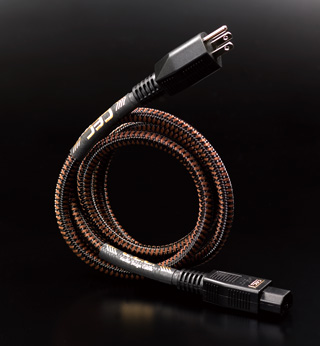
This time, a review of the FURUTECH ADL finished power cable Absolute Power-15 Plus. It is one of FURUTECH’s representative long-running products, positioned in the volume zone of audio-grade power cables aimed at the popular-price to mid-range segment.
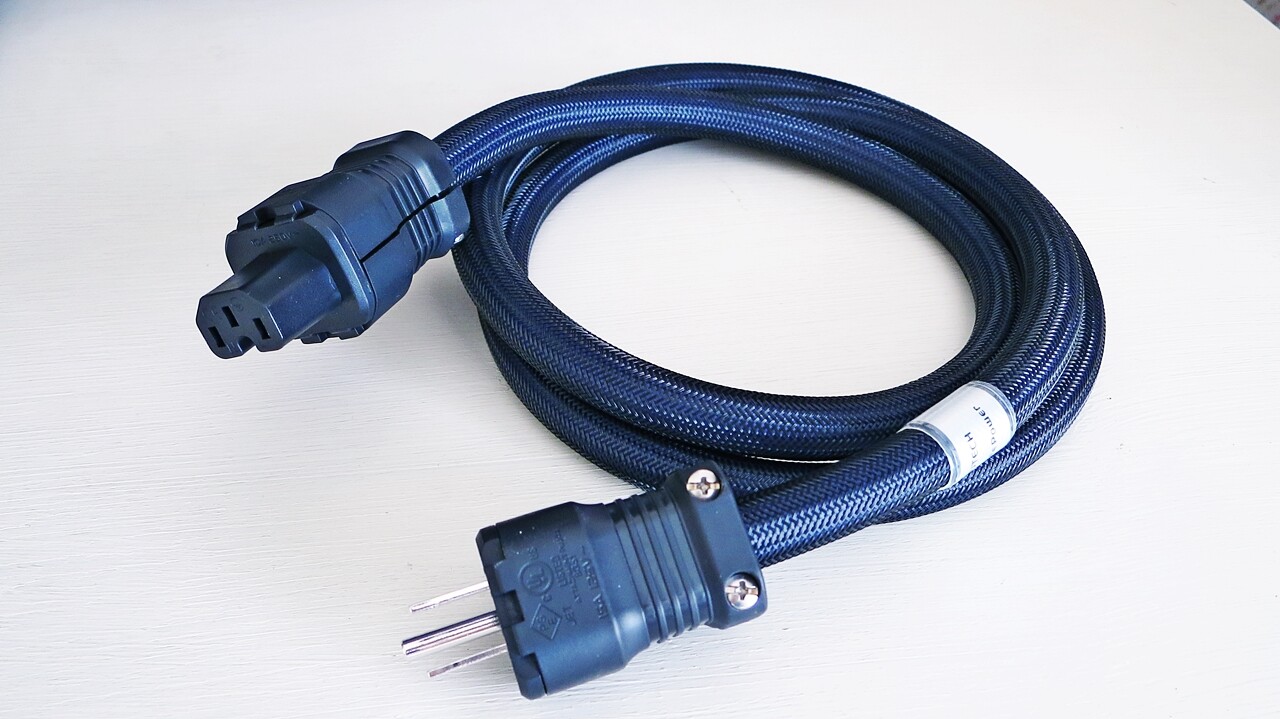
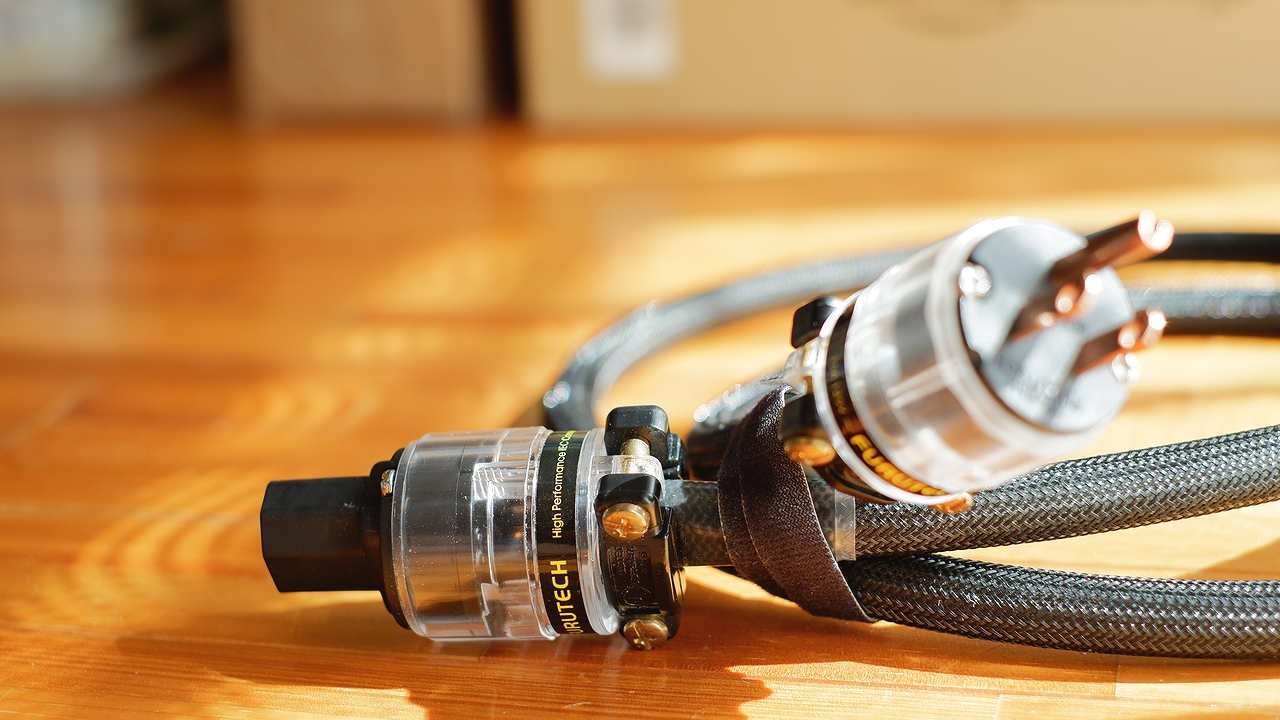
This Absolute Power-15 Plus. As it happens, it uses the exact same conductor FP-3TS20 as the higher-end FURUTECH Absolute Power ll-18 that I have been using for many years, with the only difference being the power plugs at each end, which are from FURUTECH’s lower-cost range — making it a cost-reduced, good-value version.
On the sound character of the Absolute Power-15 Plus
The sound shares a fair amount in common with the Absolute Power ll-18 (page under construction), and in terms of quality it gives the impression of a scaled-down version of the higher model. Compared to that model, the sense of bass depth and of resonance spilling and drifting freely is somewhat reduced, while the midrange and treble carry a brighter, charming and lively tonal character; the imaging is smooth, yet there is also a slightly leaner, tighter tendency to be noticed. High-frequency resolution is high despite the absence of any harshness, and sibilants in vocals do stand out a little, so even though the sound comes forward, there is no feeling of phase collapse, and a reasonable sense of depth is maintained.
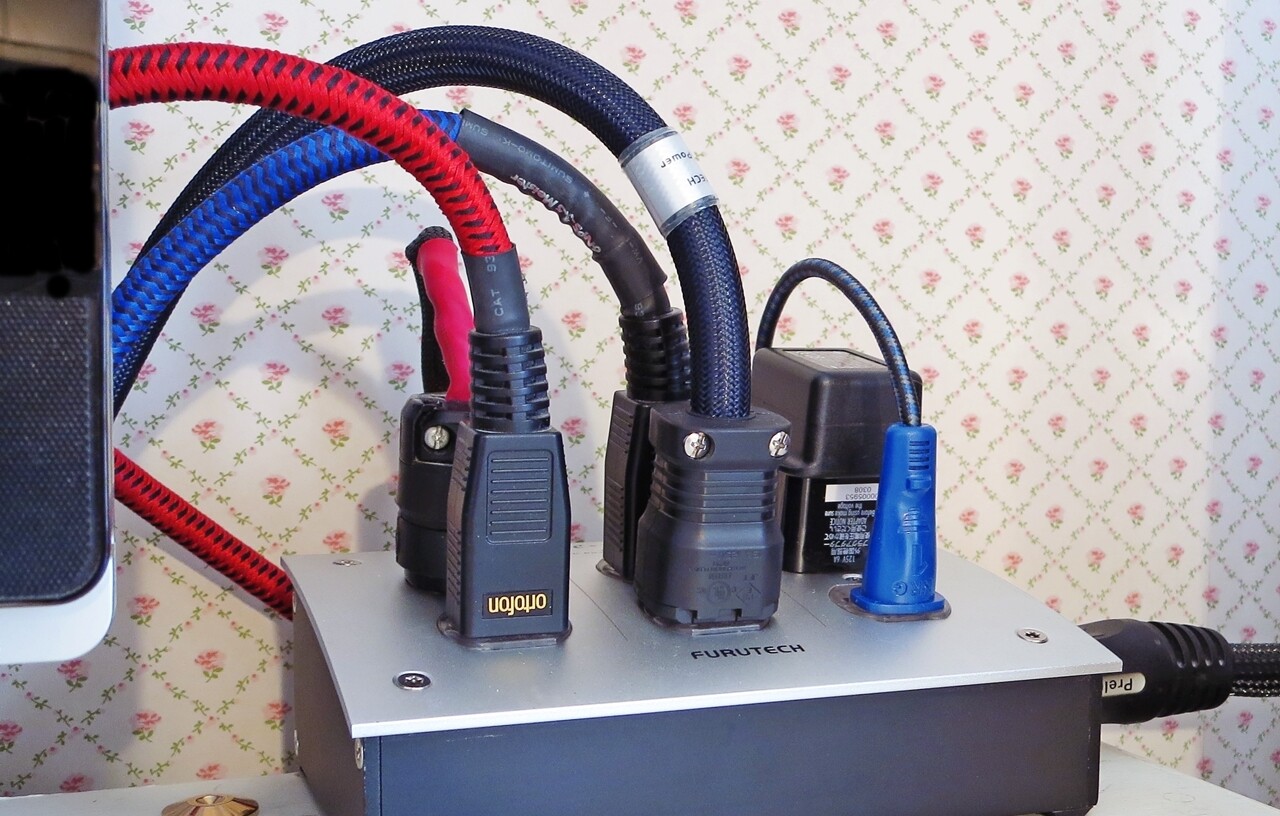
Compared to the pyramid-balanced Absolute Power ll-18, the bass here is shallower and the frequency balance feels closer to neutral — a sensible, unfussy sonic character of the sort one tends to hear with European-made audio equipment, one might say. . . When used on the main feed of the FURUTECH e-TP60, I feel the Absolute Power-15 Plus actually makes a better balanced pairing than the Absolute Power ll-18 does.
Differences between the Absolute Power-15 Plus and the Absolute Power ll-18
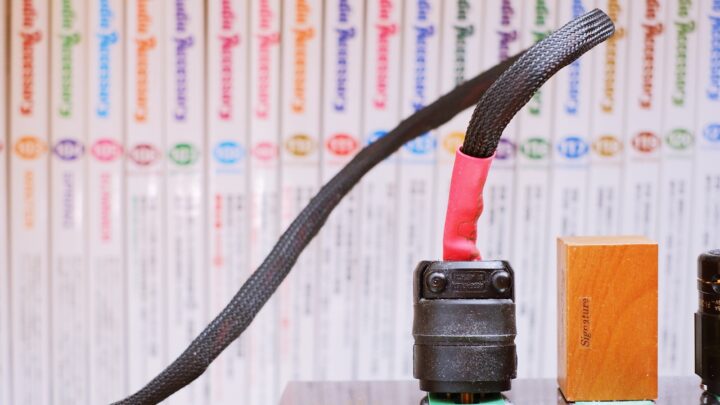
Both use the same conductor: FP-3TS20. 14AWG α-conductor (cross-section: 2.16 Sq.mm) ×3. The only difference is the length, 1.5m vs 1.8m. The FP-3TS20 is a long-selling FURUTECH premium power cable sold by the metre, and I believe it was already around by the mid-2000s. At a glance the cable looks enormously thick at 14.1mm — something you might associate with 5.5SQ or thereabouts — yet the actual conductor is 2.16SQ. In my experience, the rule of thumb with power cables is that thinner conductors tend to produce thinner bass, yet both the Absolute Power-15 Plus and especially the Absolute Power ll-18 deliver bass body that is every bit as substantial as the physical girth would suggest, which I find rather puzzling.
※ As one example, there are power cables such as the PS Audio XPD/1.8mk2 xStream which look enormously thick yet deliver less bass weight than expected, with a passive and rather fussy tonal character — so this is not a placebo effect arising from appearances.


 ポチップ
ポチップ
The sound quality difference from the choice of power plug and inlet plug is greater than you might expect
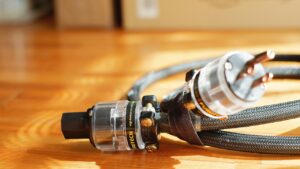
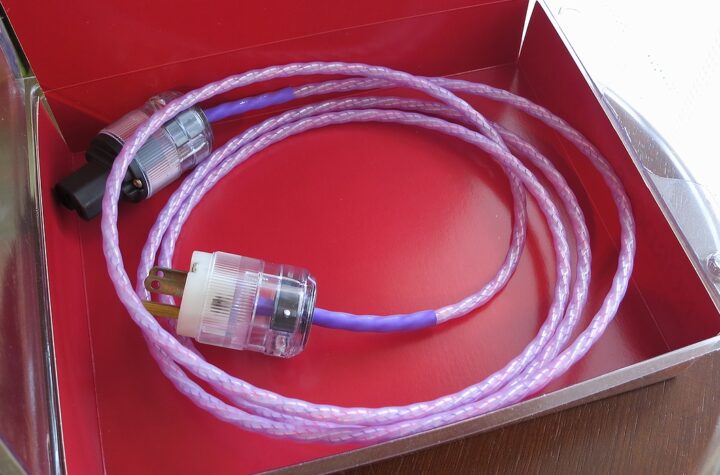
The connector terminals are crimped with high-quality rhodium-plated Y-lugs for power use by FURUTECH. The biggest difference lies in the power plugs fitted at each end:
That is how the specifications break down, and while the difference between the two cables is simply a matter of plug grade, the sense of sonic refinement and the perceived tonal balance turn out to differ more than one might expect. ※ I will review this separately at a later date, but the Absolute Power ll-18 has a pyramid-shaped balance — and although it too uses rhodium plating, the treble is smoother and the overall character is fuller and more solid. The Absolute Power-15 Plus, by contrast, is more neutral and tight, with a more versatile balance. The Absolute Power ll-18 has a fat, generally soft-toned image, whereas the Absolute Power-15 Plus does not bloom in the same way and carries a somewhat gritty impression that occasionally shows itself. And it seems fair to say that these differences in sonic character are essentially shaped by the nature of the power plug FI-15M Plus(R)/FI-15 Plus(R) itself.
 ポチップ
ポチップ
To be honest, it is rather surprising that a difference this large can emerge simply from the choice of power plug and inlet plug. As something of a hidden trick, those who are comfortable with DIY can upgrade the plugs afterwards to bring the cable up to Absolute Power ll-18 level. If you have brought in the Absolute Power-15 Plus due to budget constraints, keeping a plug upgrade in mind for later means you can enjoy it twice over in a sense. ※ This is entirely at your own risk, so please do bear in mind that disassembly will void the manufacturer’s warranty.
 ポチップ
ポチップ
How it differs from the FURUTECH The Astoria
The entry below is a sound quality comparison review of the FURUTECH The Astoria against the Absolute Power-15 Plus.
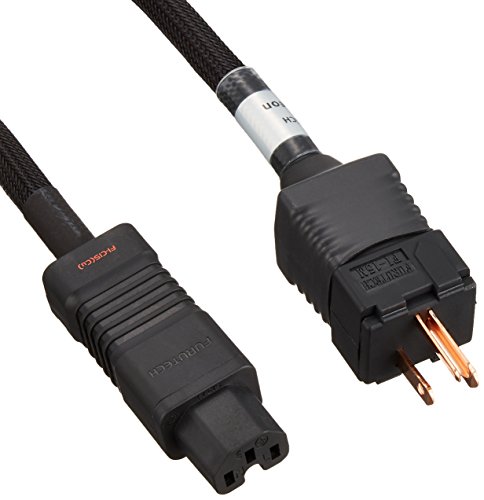
FURUTECH’s power cable lineup includes, alongside The Astoria, three different power cables at similarly accessible price points, which makes choosing between them rather a difficult decision.
The three products above were each designed at different times — the Absolute Power-15 Plus is the oldest, and The Odeon the most recently released.
 ポチップ
ポチップ
~ Summary ~
When the PC-Triple C versions — The Astoria and The Empire — were released, I was briefly worried that the older Absolute Power-15 Plus would be discontinued. However, since each model uses a different conductor and there are fundamental differences in their sonic character, I am happy to say that all three remain on sale to this day. Compatibility is everything in the world of Hi-Fi accessories. In any given individual environment, a cheaper or older model is not necessarily inferior. Where the character of the older μ-OFC conductor FP-3TS20 seems likely to be a good match, I think deliberately choosing the Absolute Power-15 Plus remains a perfectly valid option even now.
 ポチップ
ポチップ
That said, I cannot claim the FI-15 series power plug/inlet is entirely free from being a bottleneck in terms of sound quality. For that reason, with an eye to further quality improvement — at one’s own risk as a DIY undertaking — I personally would like to keep in mind the possibility of eventually swapping in a higher-grade power plug.
 Category: Power Cables & Power AccessoriesCategory: FURUTECH

Auto Translated by CS4.6