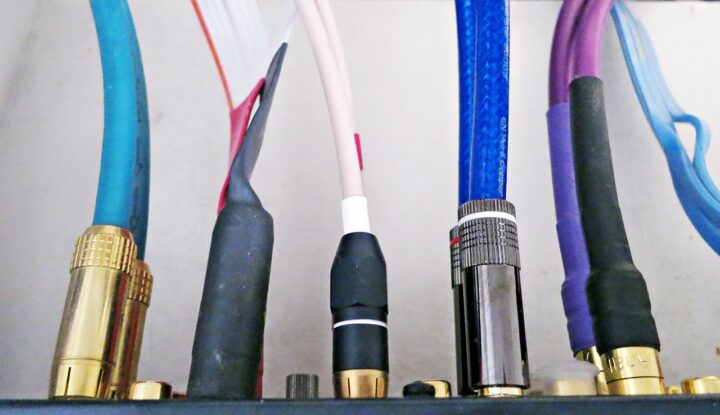
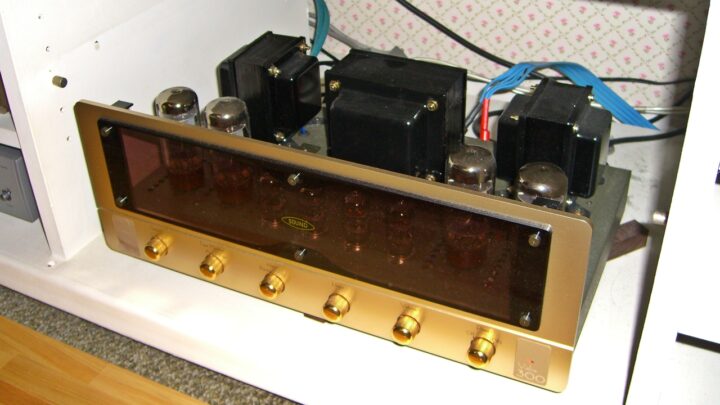
【Better Practices for Pure Hi-Fi Amplifiers】
7 Mistakes|15 Points to Watch
“7 mistakes to avoid with your stereo amplifier — common pitfalls that prevent your amplifier and system from performing at their best” — that’s the title. The article was posted just two days ago on the UK’s WHAT Hi-Fi, and since the content was genuinely useful and interesting, I’d like to offer some additional commentary from the perspective of the “AUDIO STYLE” author. Below, text in green is a quoted from the original. The original article is by Becky Roberts, editor of WHAT Hi-Fi.
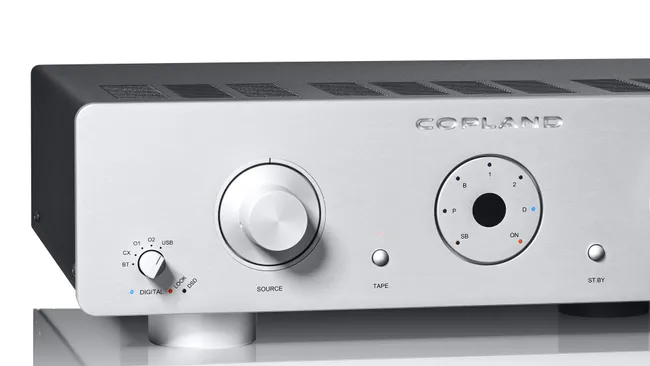
If you have built your dream hi-fi system and rushed to get it up and running to have music blaring out in front of you, you may well have mistakenly overlooked a key part of a stereo amplifier’s ideal set-up or features. Even if you have afforded the utmost care to set up your system, you may not have fully considered the optimal way in which your amplifier could work with the rest of your system.Below we have a short list of simple, common mistakes to avoid with your amplifier – a list that we imagine will only serve as a reminder for many but will hopefully be handy new advice for others too.
Don’t use the amplifier’s built-in DAC just because it has a digital input
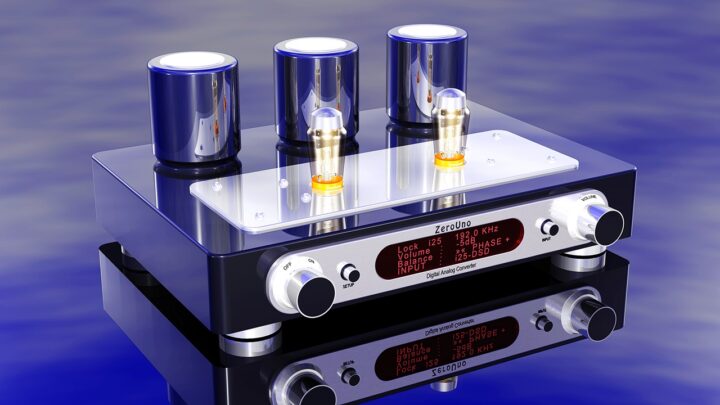
Integrated amplifiers and preamplifiers increasingly support digital connections as the prevalence and popularity of digital sources increase. But the digital-to-analogue (DAC) circuitry isn’t always as well engineered as the analogue sections, so if, for example, you have a CD player with both analogue and digital outputs, we would try both ways of connecting it to your amp to see which sounds better and thus which component in the chain has the higher-performing DAC.
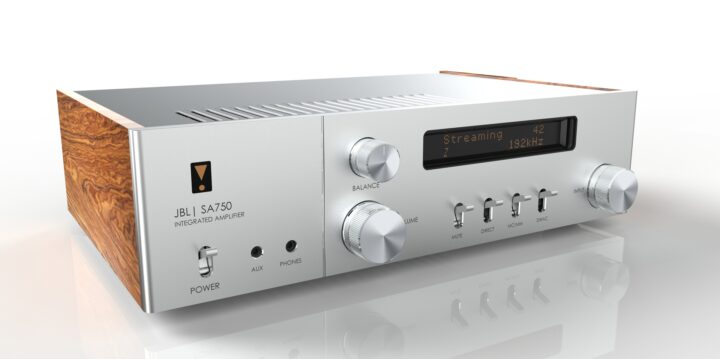
It must have been around the latter half of the 2000s that DACs began appearing in hi-fi amplifiers at accessible price points. In particular, among the latest integrated amplifiers and certain preamplifiers, models that incorporate a DAC board and D/A converter alongside wireless functionality such as Bluetooth have been gradually increasing.
Similarly, if you’re looking to upgrade your stereo amplifier, don’t buy one with digital connections, or Bluetooth for that matter, if you don’t need it. Part of an amplifier’s costs – always relayed to the buyer to some extent, of course – will be wasted. You’ll be paying for a convenience you don’t need, and you might get more performance-per-pound value opting for an all-analogue model. You can always buy an outboard DAC if you change your mind down the line, and we generally find their performance trumps that of an integrated DAC anyway.
In the case of many integrated amplifiers and preamplifiers built under cost constraints, adding a DAC board or supporting wireless and streaming feeds directly back into the cost of the circuitry. Let us compare, within the same manufacturer’s lineup and the same price bracket, a simple integrated amplifier or preamplifier against a model fitted with a digital board. A look inside the amplifiers will make it clear: across many manufacturers, the analogue amplifier circuitry in the multi-function model shows various cost reductions — smaller transformers and capacitors, reduced output capacity, lower-quality heatsinks, and so on. From this it seems fair to say that within the same class and price bracket, a product without an integrated multi-function digital circuit will deliver higher quality and better sound as an amplifier.
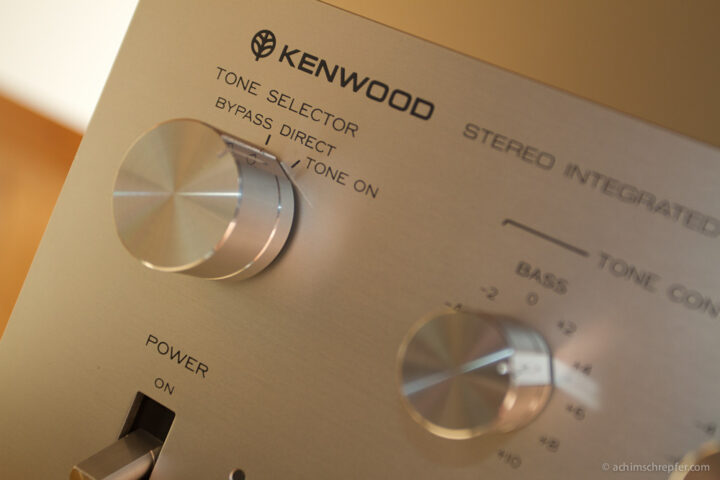
This is, in fact, something that was seen in a different form during the analogue era as well: fitting an amplifier with an MM/MC phono board for a record player was not only a disadvantage in terms of cost, but also a sonic one, since noise originating from the phono board degraded the sound — and so there were quite a few manufacturers and products that deliberately omitted it, or made it an optional add-on board instead. The same applies in the digital domain: keeping the digital and analogue circuits on separate power supplies and laying them out as far apart from each other as possible is, in principle, what orthodox pure Hi-Fi practice demands. This is because when the two are integrated, some degree of sonic interference from noise and similar sources becomes unavoidable.
Today’s digitally integrated products are feature-rich, carry a certain surface appeal as value-for-money propositions, and tend to be the strong sellers on the market — they give the impression of riding the trend. Yet it cannot be denied that that sense of value for money has a side to it that is only made possible by trimming the component costs of the analogue circuitry as a trade-off. On top of that, digitally integrated amplifiers cannot afford to spend much on the quality of the DAC circuitry either, which means there are quite a few cases where they simply cannot surpass the quality of the analogue output from a standalone DAC or standalone CD player. When one is seeking the maximum performance within a limited budget — the ability to face music squarely and without compromise — I feel that a conventionally simple amplifier design actually has the advantage.
Coaxial or Optical Digital Cable?
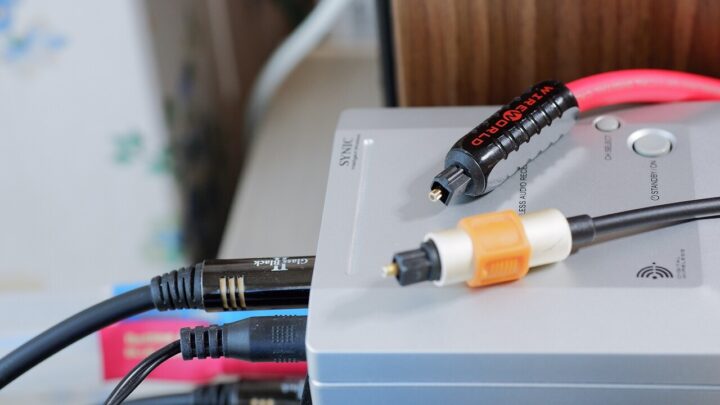
If you do want to use digital, think about whether to go coaxial or optical if your source/amp pairing gives you the choice. Coaxial digital uses electricity to transmit audio, while optical uses laser light to transfer signals. In our experience, the former connection tends to sound slightly better and also has a greater bandwidth available, meaning it can support higher quality audio up to 24-bit/192kHz whereas optical is usually restricted to 96kHz.
S/PDIF coaxial and optical digital inputs and outputs. As someone who deliberately uses both simultaneously between the same pair of devices, I would rather you not choose one or the other, but try connecting both. Most equipment provides both coaxial and optical connections for input and output alike — and yet, to insist exclusively on one method of connection is, to my mind, a rather foolish way of closing off the very possibilities for sound quality that one’s audio equipment has to offer.
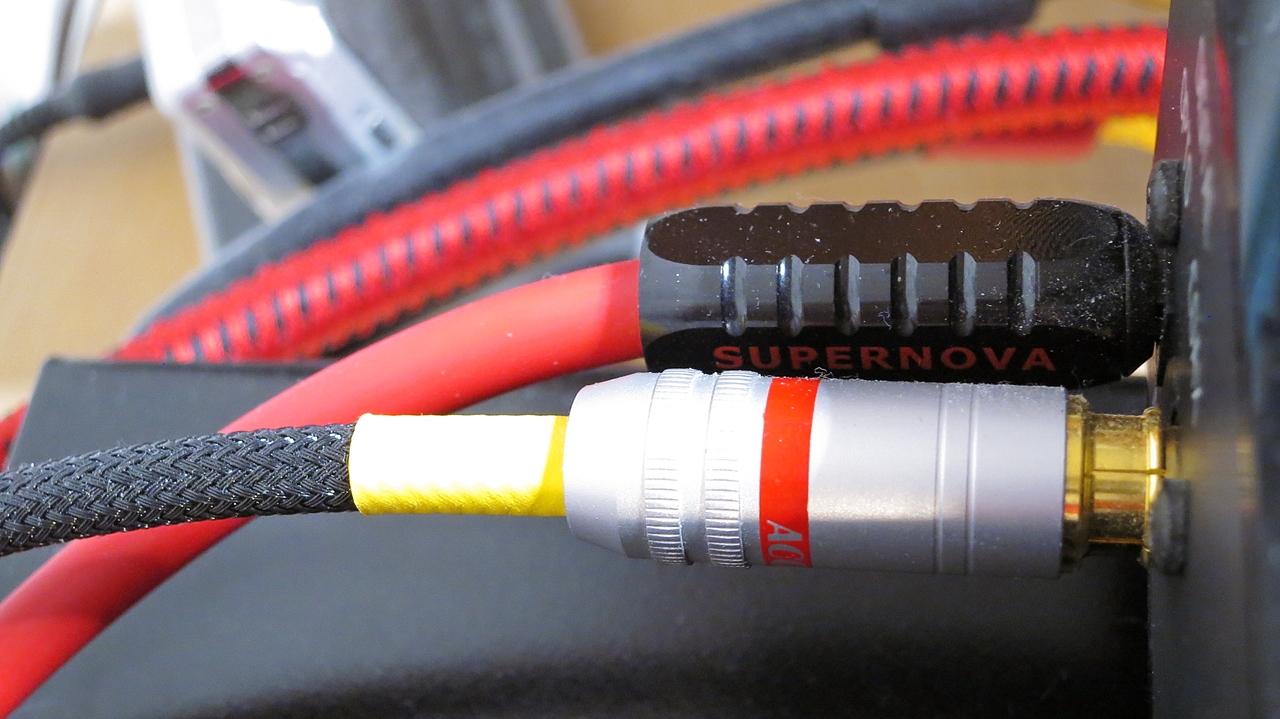
The sonic change that comes with different cables is rather like the digital filters discussed later — and yet in terms of what one actually hears, the difference is far greater than switching between digital filters. For those pursuing pure Hi-Fi, I would recommend connecting both a glass-fibre or quartz-core optical digital cable and a high-quality coaxial digital (or balanced digital) cable between the same pair of devices, so that you can switch between inputs according to the sonic character of the music you are listening to.
Don’t overlook digital filters
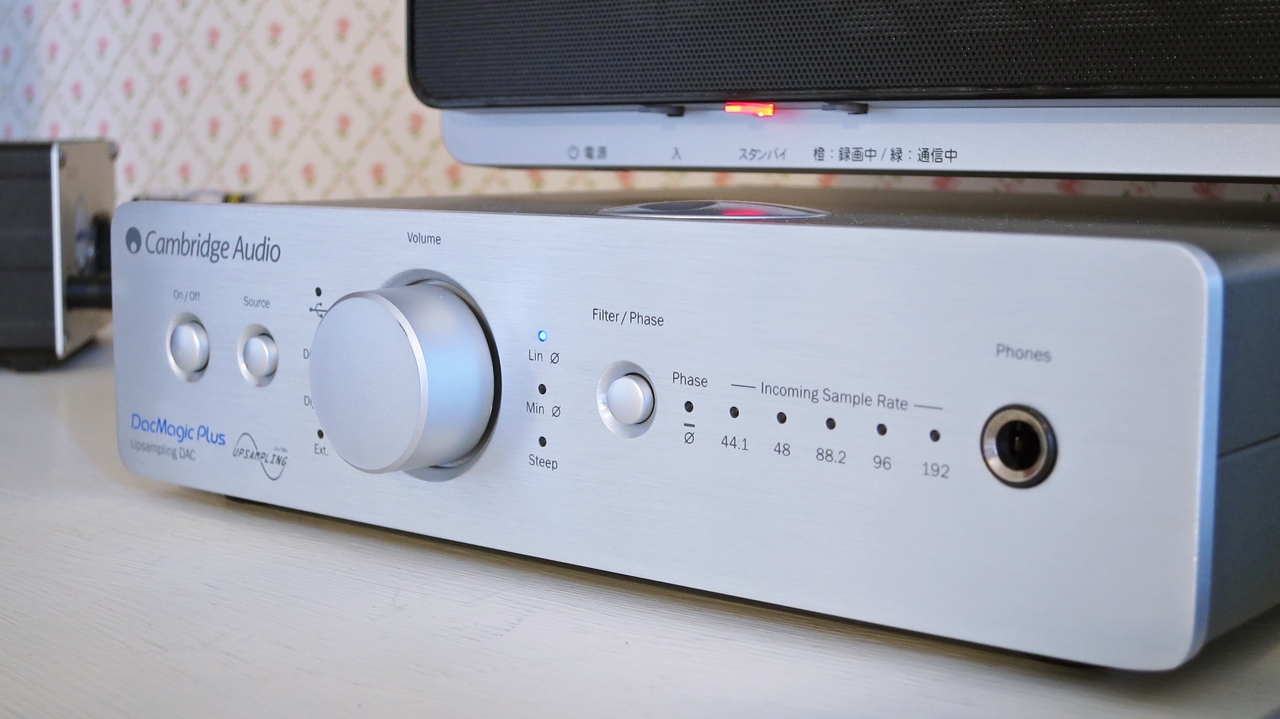
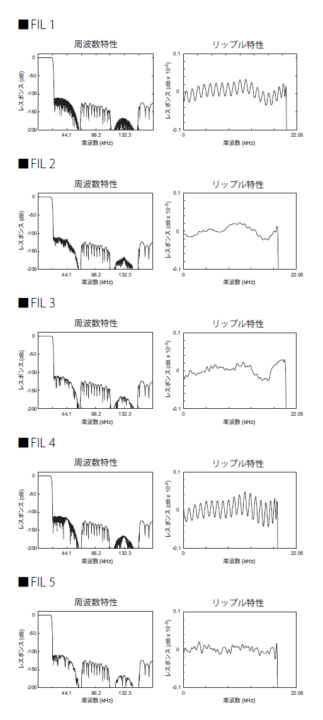
If your stereo amplifier is digital-friendly, it might well have a handful of digital filters that you can cycle through – they’re commonly variations of ‘fast’, ‘slow’, ‘linear phase’ or ‘minimum phase’. To put it very crudely, digital filters are the final part of digital-to-analogue conversion and work to reconstruct the waveform of the original signal by trying, in different ways, to remove the aliases (ghost images) of the signal that are inherently caused in the process. In our experience, switching between various filters doesn’t make a huge world of audible difference and, as our technical editor penned not long ago, having all these choices isn’t always very helpful. But they can offer subtle sonic variations that may suit your taste or system better than another, so it’s well worth spending an afternoon experimenting.
This only applies to units that are actually equipped with a digital filter switching function, but in practice, the digital filter switching found on SACD players and standalone DACs I own makes it possible to fine-tune the sound for each source — which for a listener like me, hypersensitive to sound and fussy about small differences, is precisely the kind of feature that hits the spot. To give one example: when the recording itself is unproblematic and sound quality is the priority, I choose sharp roll-off. For recordings that cause listening fatigue, I go with slow roll-off.
Don’t disregard system matching
An amplifier’s synergy with the pair of stereo speakers it is connected to is vitally important. The electrical compatibility between an amp and a pair of speakers lives or dies on three elements: an amp’s power output (how many watts it can feed to the speaker), a speaker’s impedance characteristics (how difficult the speaker is for the amp to drive, measured in ohms) and a speaker’s sensitivity (how loud a speaker will go for a given input, measured in dB).
You don’t want to be in a situation where an amplifier isn’t powerful enough to drive the speakers properly – this can result in a lack of dynamics and punch in the sound at best, and a pair of damaged tweeters at worse. Perhaps counterintuitively, a weaker amp driven to distortion is more likely to damage a pair of speakers than a really powerful amplifier driving them hard. It’s the distortion that does the damage, particularly to the tweeter. If you want your system to play louder, go for a more sensitive pair of speakers rather than a more powerful amplifier. That’s because an amplifier’s output has to double to match a 3dB increase in speaker sensitivity.
You should also consider the tonal characteristics of other components in your system, as, for example, if something has a lean tonal balance, it shouldn’t ideally be paired with something else with a lean balance. “You need every part of a system to pull in the same direction and have complementary characteristics if it is to shine,” reads our ‘the secret to matching the right components‘ advice.
In truth, the real challenge in pure Hi-Fi is perhaps the compatibility issue touched upon in the latter half of that passage. Even among audio components manufactured to a certain set of standards, unavoidable compatibility issues will always exist between individually designed pieces of equipment. In particular, regarding the relationship between speakers and amplifiers, I personally feel there is an ideal sweet spot in terms of drive power. It is not simply a matter of the amplifier’s wattage figure; factors such as the relationship between voltage and instantaneous current delivery, damping factor, and so on are all intricately intertwined — which is to say, one ultimately has no choice but to rely on trial and error with the actual equipment. When underpowered, the sound becomes diffuse; conversely, when overpowered, it sounds congested — and in either case, one cannot achieve the level of sound quality that the speakers and amplifier are inherently capable of. I believe that in order to draw out that freely expansive sound quality from the latent potential of an amplifier and speakers — as though a limiter had been lifted — finding the right combination and compatibility is fundamentally more important than simply accumulating price tags and grade levels of individual components.
Don’t think balanced is always better
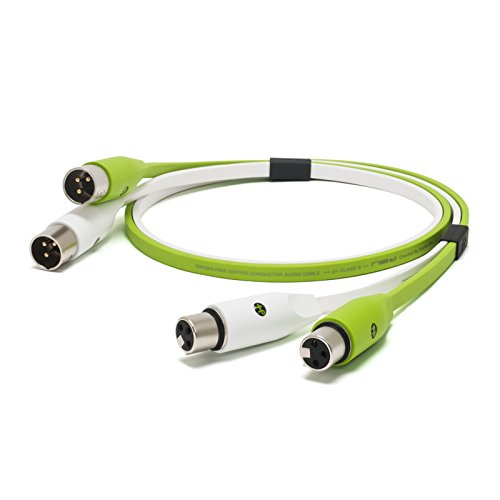
All stereo amplifiers have RCA line-level analogue inputs, though some – especially those higher up the price spectrum – might also have three-pin XLR analogue inputs that carry balanced audio signals. A balanced connection’s main advantage is that it is good at rejecting electrical noise and therefore is typically effective when used in electrically noisy environments or over very long cable runs. That said, balanced operation doesn’t always sound better, especially outside of true high-end territory – it all depends on how well the balanced circuitry in an amp has been designed. If your amplifier has both XLR and RCA connections, we would try both out before settling on a long-term preference.
This overlaps somewhat with the earlier discussion on digital cables, but if your components are equipped with both XLR balanced and RCA unbalanced inputs and outputs on each end, rather than asking which is better, why not try connecting both? In Hi-Fi, sound quality changes considerably not only depending on whether a balanced or unbalanced circuit is used, but also according to the type of cable. The source material being fed in, meanwhile, varies widely in its own sonic character. Given that you can already obtain two sonically distinct results from the same combination of equipment simply by switching between the two inputs, there is no need to abandon the option of switching cables to suit the sonic tendencies of different source material. By increasing the number of available input paths, it becomes possible to draw out multiple different sonic patterns from a single system — beyond just switching digital filters or using a certain kind of equaliser.

 ポチップ
ポチップ

Avoid placing it on any old surface
The surface your stereo amp sits on can make a world of difference to its performance. Generally speaking, glass shelving tends to encourage a more forward sound, while wooden supports typically result in a warmer and more rounded balance. More important than material, however, is that the surface it’s placed on is rigid, level and low-resonance – and therefore able to minimise the amount of disruptive vibration transferred to the amplifier. All that power under its hood can build up quite a temperature, so it’s also important to give an amp a few inches of breathing space from a wall or rack to stop it from running too hot or overheating.
Placing equipment on a flat, rigid board or rack is so obvious to any Hi-Fi enthusiast that it goes without saying — and yet there are perhaps more cases than one might expect of people setting up speakers and audio equipment in quite extraordinary places. As with any electrical appliance: keep it away from water. Do not place it in areas of high humidity, or where temperatures climb too high in summer or drop too low in winter. Avoid direct sunlight where possible.
When placing equipment on existing furniture not originally designed for Hi-Fi use, make sure the surface is level, and use the hardest, most resonant board or shelf available. Where the shelving or unit is of low rigidity — such as a basic flat-pack bookcase — fill any empty spaces with books or equipment to add mass, and place an audio board underneath wherever possible. (In almost all cases, with the exception of dedicated speaker stands, speakers should not be placed directly on a surface — always use insulators.) Inside racks and shelving units, ensure adequate clearance so that heat from equipment does not become trapped.

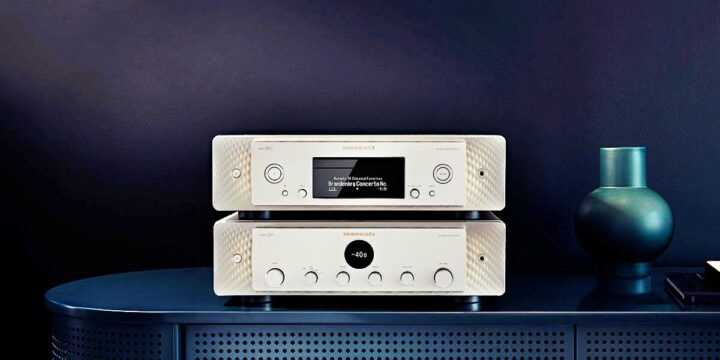
Incidentally, the idea that “you must never stack equipment on top of one another” is one of those theories that has been repeated in Hi-Fi circles for as long as anyone can remember. In my own case, however, having worked mainly with relatively lightweight and slim-profile overseas audio equipment, I have never followed this rule all that strictly. Even in official product images from audio manufacturers, stacked arrangements have been far from uncommon over the years — and I have had various experiences where placing one piece of equipment on top of another with a well-resonating chassis and top panel actually improved the sound of the upper unit as well, through a kind of synergistic effect.
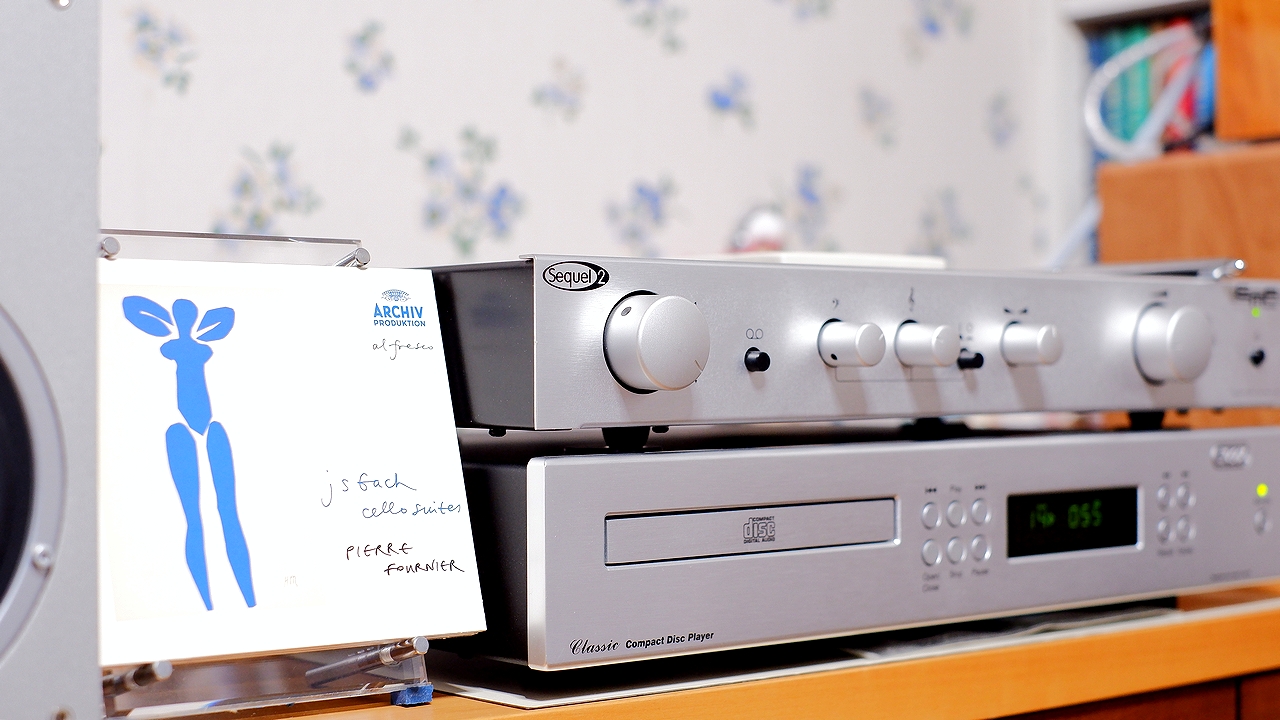
When stacking audio equipment directly due to space constraints, the important things are that the rigidity and load-bearing capacity of each piece are not being pushed beyond their limits, and that equipment generating significant heat is not placed on the bottom. The common arrangement is to have the amplifier on top with the CDP, DAC, or digital streamer below — though there are exceptions. Amplifiers tend to be thought of as the main heat producers, but in practice it varies considerably; many digital devices with low power consumption still run quite hot, and there are amplifiers — whether Class AB or Class D — that generate relatively little heat. Class A amplifiers and valve amplifiers, it must be said, do get hot…
Avoid keeping the display on
A small thing but it’s not unusual for any piece of equipment with an electrical display to sound better with that display turned off. That’s because the display can create some electrical noise that could interfere with the sound. If you don’t need it on, which is likely with a stereo amplifier as it often only shows input and volume information, turn it off if the option is there.
Products using LCD displays, and in recent years organic LED displays and the like, have become more common, but one of the long-established theories in Hi-Fi holds that switching off the LCD display — that is, cutting power to the display circuitry — improves sound quality. For this reason, CD players and similar equipment have for many years offered functions via remote control to dim the LCD display or switch it off entirely. As for the effect, having actually tried it, I find there are honestly some pieces of equipment where I cannot tell any difference, and others where, once you get used to it, things do sound rather different.
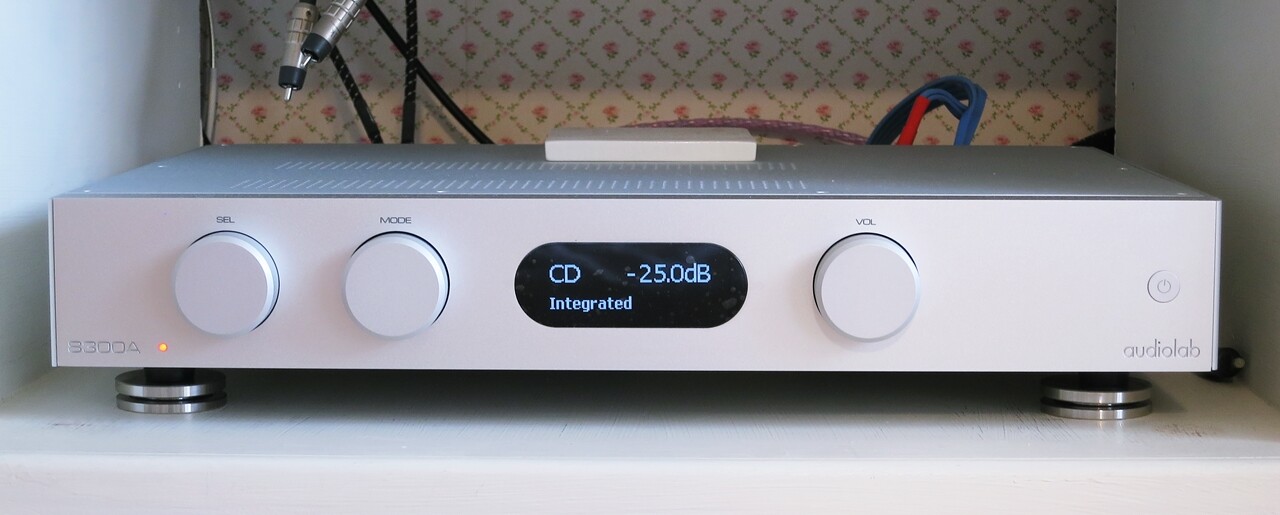
Among the equipment I own, the LED display on the AUDIOLAB 8300A integrated amplifier in particular sounds clearly better to my ear — in terms of perceived S/N ratio — when switched off. CD players, on the other hand, I tend to leave with the brightness turned down rather than switching them off completely. Also, quite apart from sound quality, LCD display panels are components that are not uncommonly prone to uneven brightness or outright failure with age, so running them switched off as much as possible seems a sensible measure against deterioration as well.

Avoid scrimping on cabling
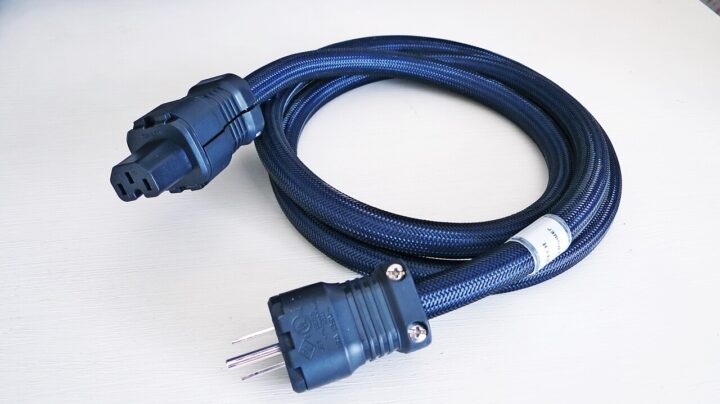
As a general rule, we recommend spending around 10 to 15 per cent of your hi-fi system cost on cabling – interconnect audio cables that connect sources and amplifiers, and speaker cables that connect amplifiers to speakers.Even budget electronics will sound better with some good interconnects, though the audible difference cabling makes usually does increase as the system’s price (and therefore sonic transparency) does. In the case of a stereo amp, upgrading the supplied mains cable could also be worth considering.Once they are all hooked up, avoid placing mains and signal cables too close to each other, too, as performance can suffer.
The amount of money needed for audio cables and various accessories is something you can only assess in hindsight, and there are no small number of cases where individual systems end up costing more or less than expected — which is why, here at the small-world “AUDIO STYLE”, I have deliberately avoided citing specific figures until now. In actual fact, partly because I keep spending on the equipment itself fairly restrained, the proportion of money going to cables and other accessories ends up being relatively large in my own system.
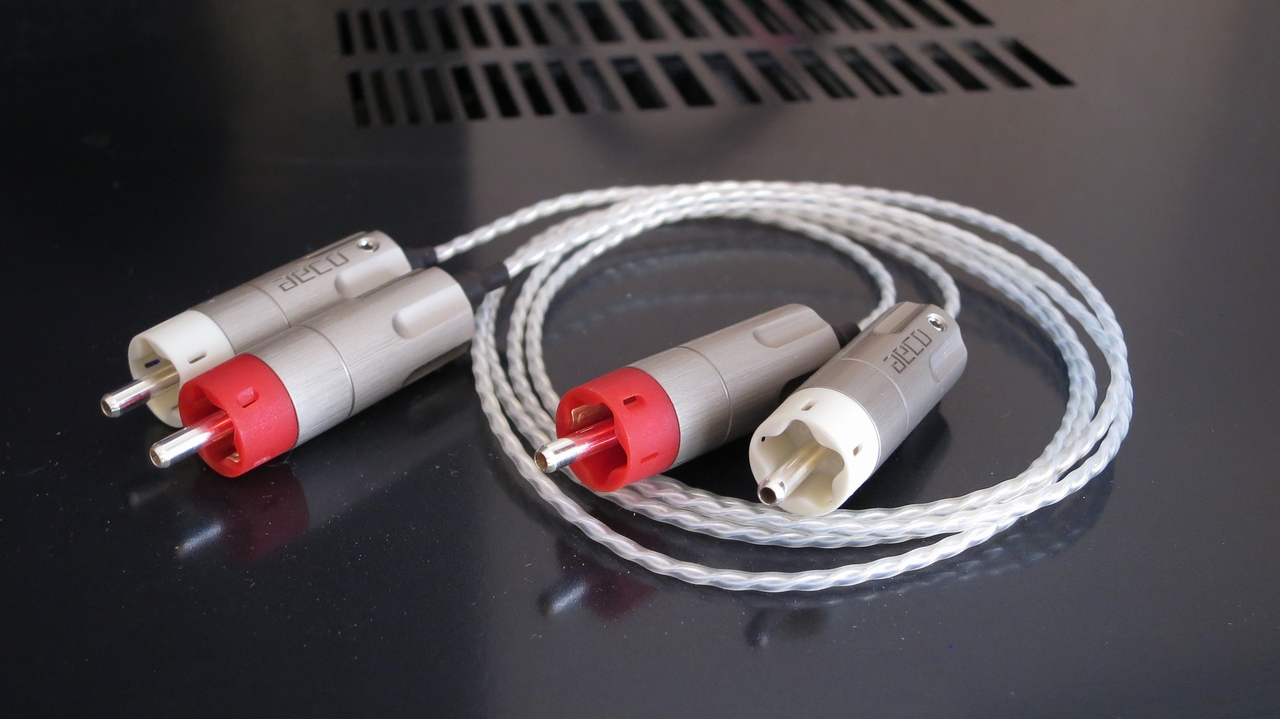
In modern Hi-Fi in particular, in addition to a set of speaker cables and analogue interconnects, one also needs to give thought to digital cables, power cables, connectors, insulators, and so on. When all of those are added in together, keeping the total within “around 10–15% of system cost” feels rather difficult, I must say. That said, for those just starting out or new to Hi-Fi, it is reassuring to see an authoritative review outlet like What Hi-Fi spell it out in concrete figures — stating clearly that interconnect cables plus speaker cables ideally representing “around 10–15% of system cost” is a useful and practical guideline to have.
 Category: Interconnect Cable ReviewsCategory: Speaker Cable ReviewsCategory: Digital Cable ReviewsCategory: Audio USB Cable Reviews
~ Summary ~
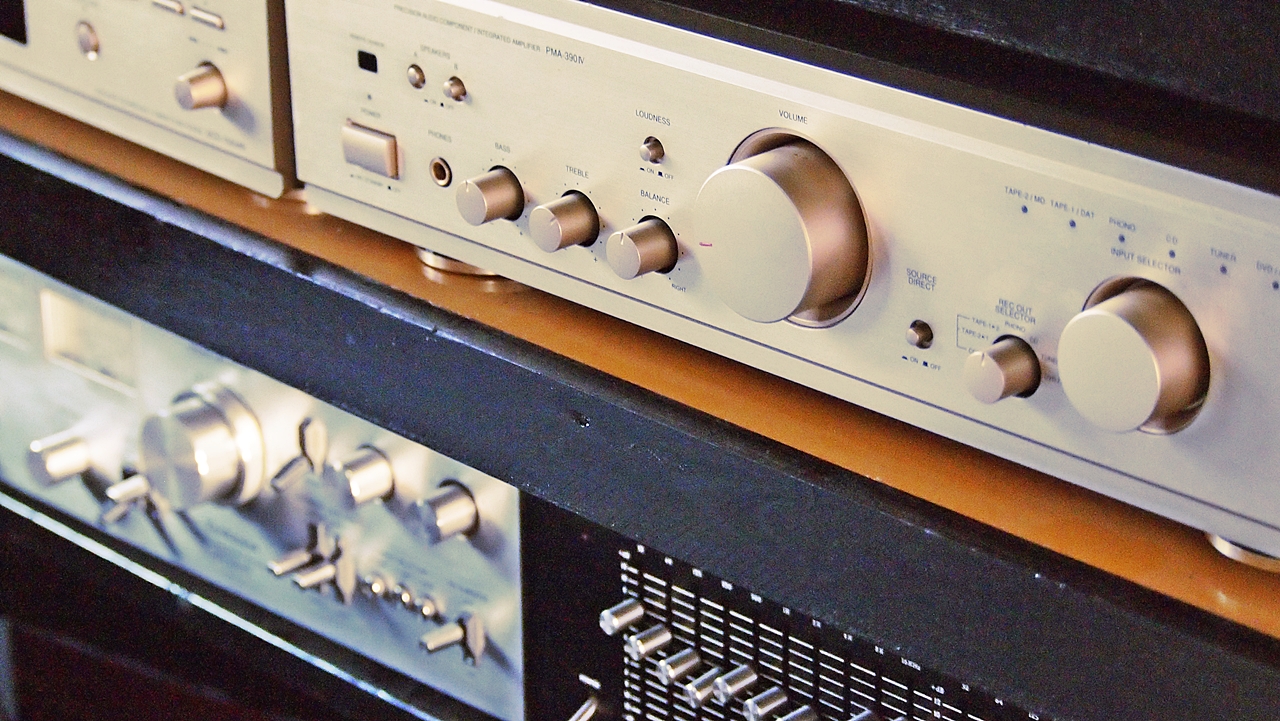
That covers the original WHAT Hi-Fi article, along with some additional thoughts from the AUDIO STYLE author’s own miniature-garden perspective. Next time, as a bonus instalment, I’d like to share a few points — from my own viewpoint — on 15 things Hi-Fi enthusiasts should bear in mind when running a pure audio amplifier, a topic that wasn’t touched upon in the WHAT Hi-Fi piece…
【Better Practices for Pure Hi-Fi Amplifiers】
7 Common Mistakes |15 Points to Watch


Auto Translated by CS4.6