Why do I cling to physical media? A piece that will probably make it clear
Part 1|Part 2
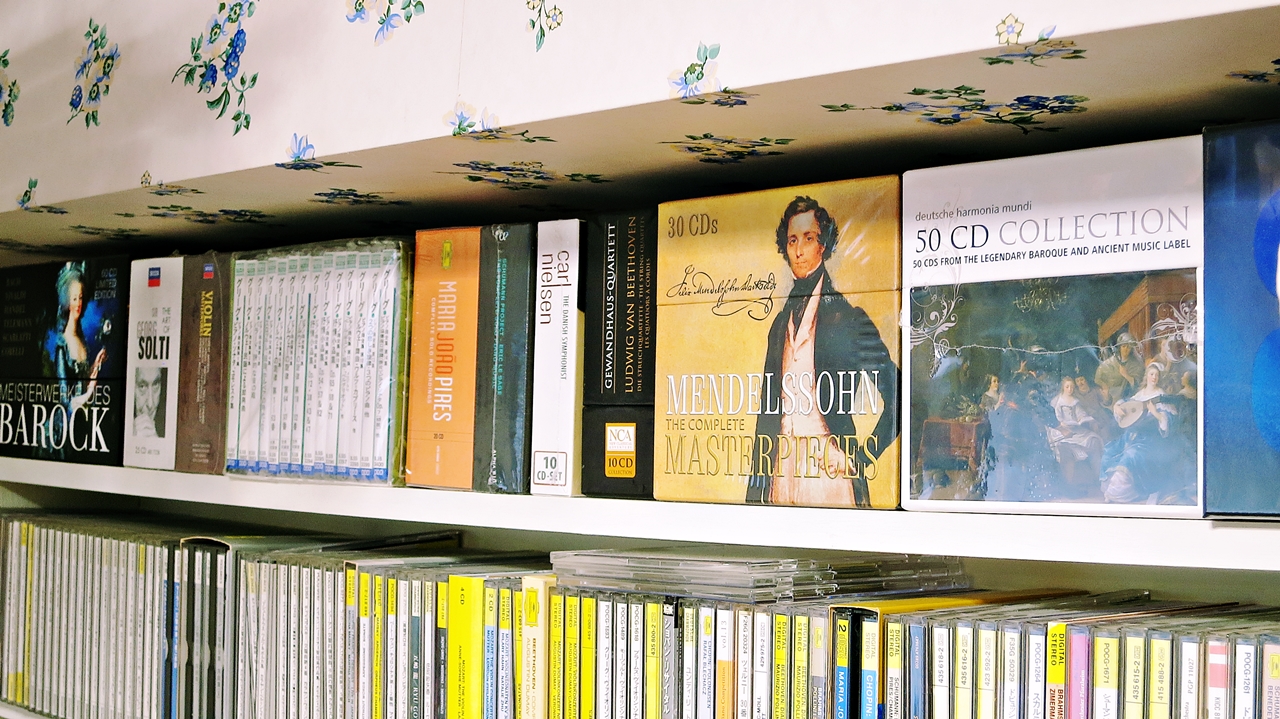
Like most classical music enthusiasts, I have picked up all manner of reissue budget box sets of import pressings over the years — and yet, for all that I reflexively lunge at them every time on account of the sheer cheapness, a certain proportion of these reissue boxes come with dubious remastering or normalisation applied, and when the resulting sound doesn’t sit well with my ears, the entire contents of a box I’ve just bought can turn out to be a complete write-off — which, as a CD collector, is rather a painful thing to go through.
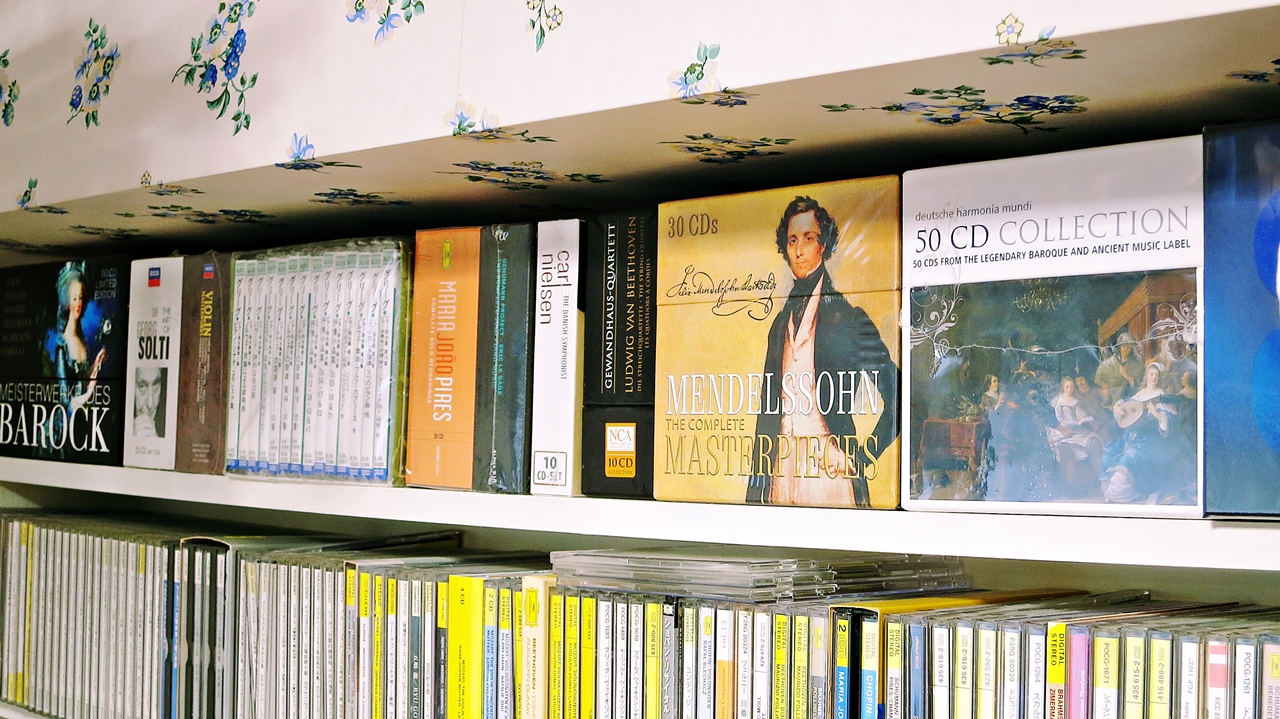
When that happens and there’s an album I absolutely must have to hand, I end up hunting down original used pressings that seem to offer a proper sound quality — searching online shops and the like — and ordering individual albums one by one from home and abroad. Since I’m after single discs, tracking each one down is quite an effort in itself, and while the item price is often next to nothing (a dollar or a pound or less in many cases), the international postage can easily end up costing more in total. I live in the Kantō region, so there are plenty of second-hand shops nearby that carry used CDs, but for health reasons I can’t really spend much time walking around, and domestic shops naturally stock far more Japanese pressings, which also tend to be oddly expensive. Since it became possible to search cheaply across online shops and auction sites the world over, I’ve stopped making regular trips to used CD shops the way I once did.
Differences in pressing quality and sound between domestic and overseas editions
This is purely going by my own standards, but with classical music CDs (and I imagine much the same applies to jazz), it does generally seem to me that the original first pressings and those close to them (meaning pressings produced during the same period without any change to the master stamper) are most often the highest in sound quality. Next come US pressings (though these are often barely distinguishable from European ones). There is a particular type of early West German import pressing from the 1980s through the early 1990s — usually without the ring-shaped ridge at the centre of the disc, the whole surface covered in silver — that has a distinctive tonal character: refined, full of resonance, carrying something of the atmosphere of Europe as it once was. When I find myself caring about the finer points of sound quality, nothing but a West German pressing from that era will do. It is rather strange that even with digital CDs — let alone analogue records — such differences exist. ※ That said, these early European pressings are delicate things, vulnerable to the high heat and humidity of a Japanese environment, and they do present no small number of issues in terms of quality and longevity.
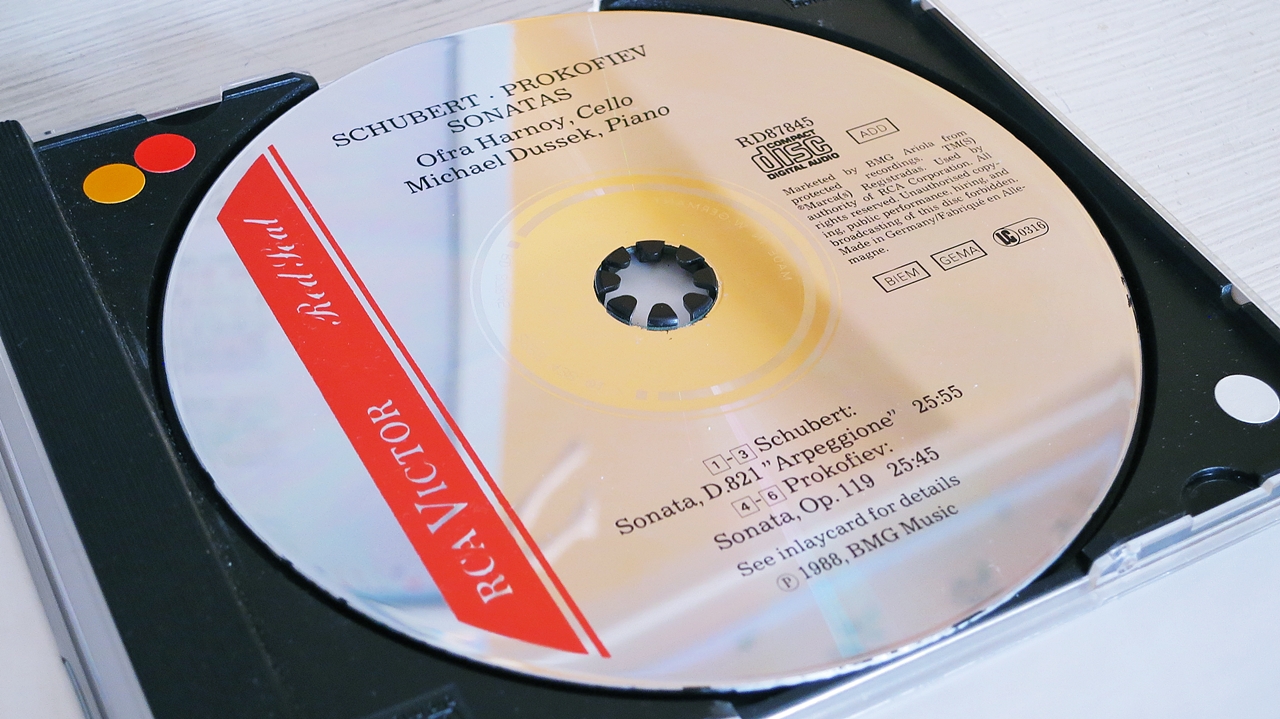
Most classical music import pressings are labelled Made in the EU, but with budget box sets there are apparently some pressed in China, and one does hear of quality issues in those cases. That said, Chinese pressings often seem not to declare their country of manufacture openly — or so it feels — and they don’t really register in my awareness. I find myself thinking: do I actually own any Chinese-pressed CDs? Looking at the import pressings I have here, the majority, including box sets, tend to say Manufactured / Made in the EU or Made in Germany, and since I haven’t noticed anything amiss so far, I suppose in one sense I’m rather lucky.
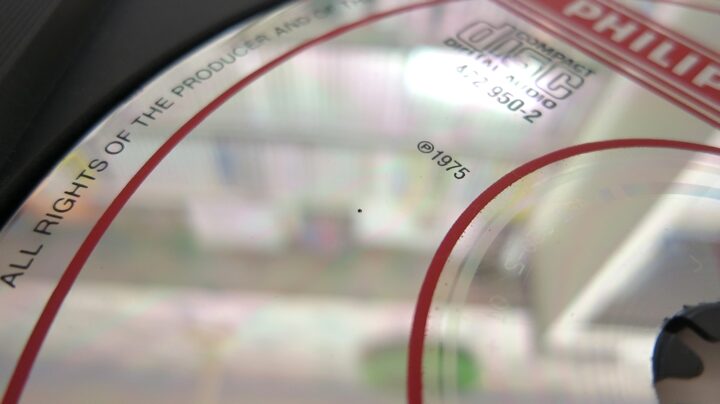
Domestic pressings — Japanese pressings — have long used a thicker polycarbonate resin compared to European or US editions, and for some reason they have a distinctive sound to them. Generally speaking, direct sound is lively, but the indirect reverberant sound is thin by comparison, giving a narrow-range quality with the midrange pushed forward. It is a clear, punchy, well-defined sound, one might say, though not particularly refined-sounding. The difference is especially striking when compared side by side with an overseas pressing of the same album. This has never been officially acknowledged by any label, but I have long suspected that the digital data of the pressing master itself is localised for the Japanese market — that in practice, beyond the difference in stamper, a mild DR compression or normalisation has routinely been applied. A binary comparison would settle the matter, of course. That said, being a Japanese product, the physical durability of the pressing is exceptionally strong — the quality and thickness of the polycarbonate protective layer means that, in my experience, Japanese pressings are far more resistant to scratches than import editions, and hold up much better against age-related deterioration in hot and humid conditions.

Which sounds better — European/US pressings or Japanese ones? — is very much a matter of personal taste, and when I was in my teens I actually preferred the rhythmic, lively sound of domestic pressings, and my collecting was centred almost entirely on Japanese editions at that point. Over time, as I gathered more and more classical music CDs and listened through them, I gradually underwent a metamorphosis into a committed import-pressing supremacist. Back in the 1980s and 90s I had no nostalgic attachment to CDs, so the thin, fragile quality of import pressings and their delicate, reverberant sound could, in a sense, seem lacking in energy and rather vague. I once heard from someone that overseas, Japanese pressings are conversely regarded as high quality and high fidelity — even sought after and traded at a premium. This does seem plausible, since Japanese used pressings on overseas online shops tend to be oddly expensive; perhaps there is, across the seas in both directions, a kind of longing for things that come from far away.
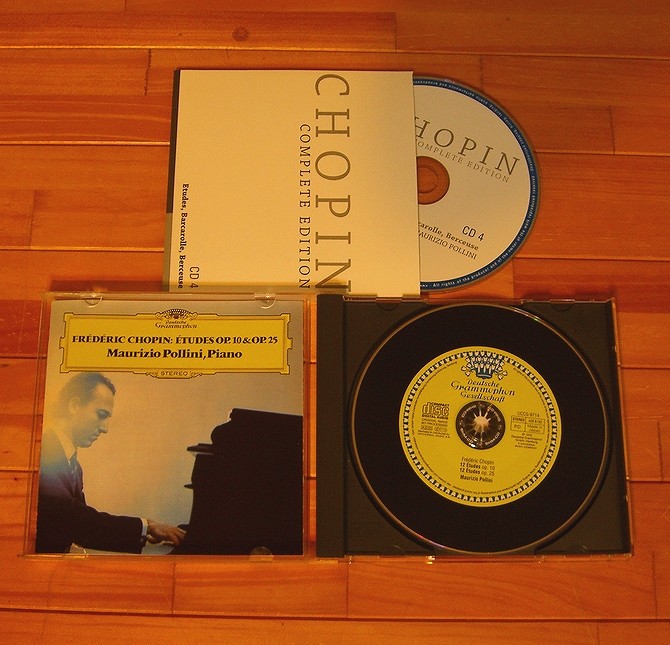
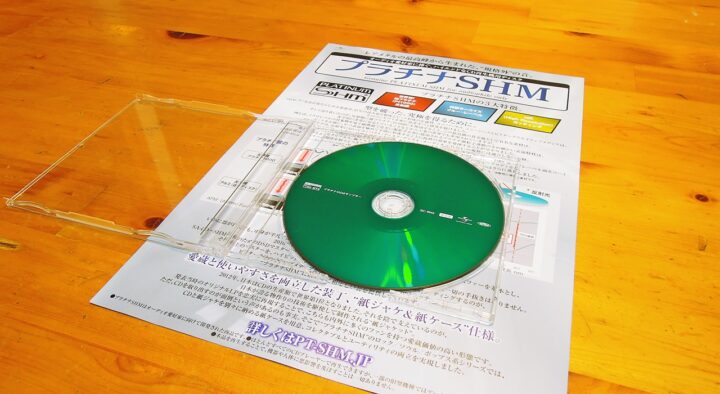
From the 1990s onwards, as pressing equipment was updated generation by generation, European pressings came to look quite ordinary, the distinctive tonal character of those early pressings gradually thinned out, and the sound moved bit by bit towards something halfway between European and Japanese. Even so, import pressings still have the edge, I would say — the individuality may have faded, but in relative terms the gap in sound quality between imports and domestic pressings still feels considerable. Japanese domestic pressings, meanwhile, have maintained their distinctively Japanese sonic character without wavering from that era right through to the present day. With high-fidelity pressings such as SHM-CD, that Japanese character seems to me even further emphasised, and I have reached the point where I no longer find that crisp, punchy sound appealing. The upshot is that I have no interest in expensive domestic limited pressings, and since I can be satisfied with affordable import editions, it is in one sense rather economical.
The effects of high-fidelity remastering on reissue pressings
An album is initially released as a new title at a reasonable price, but after a few years (with classical music, it can take quite a long time for stock to actually sell through) the manufacturer’s stock runs out, then the stock in worldwide distribution eventually dries up too and the album goes out of print. It may then be reissued on its own, but more often it gets bundled together with other albums by the same artist or conductor, or collected into a label series or a composer-themed compilation, and goes on to follow the path of repeated reissue as a budget box set. And each time, as a pretext for the reissue sale, a deliberate “high-fidelity remastering” is trumpeted, and the sound is modified accordingly.
These remastered editions are tricky things. If they genuinely delivered the high fidelity they advertise, there would be nothing to complain about — but what actually happens is that digital data which did not exist at the time of recording is virtually recalculated, then folded down and compressed onto a CD of 16-bit equivalent. The remastering process inevitably imparts a colouration to the sound, specific to the equipment and method used in that particular project, and when the resulting alteration — the change in sound — is not to one’s liking, the remastered album ends up sounding worse than the original pressing, with an added harshness that grates on the ear.
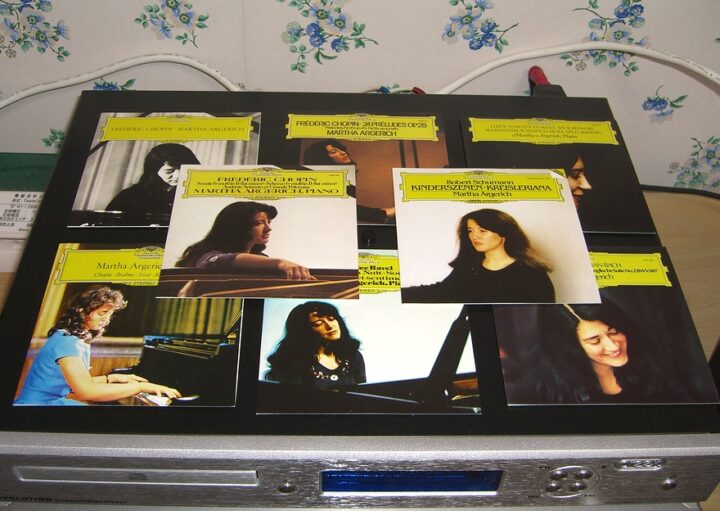
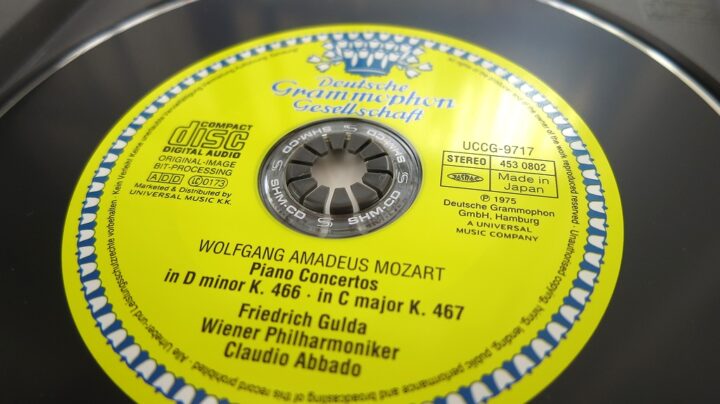
The mastering engineers on the selling side apply these techniques in good faith, intending to improve the sound — and yet there will always be listeners to whom it doesn’t sound any better. At some level this simply comes down to a difference in values. These remastering and compression technologies first appeared around 1990, and in my view remastered reissues from that point onwards are, taken as a whole, sonically distorted compared to the original pressings from the early digital era of the 1980s — one could say they were comprehensively ruined. Among the major classical labels, DG and DECCA’s OIBP (“Original Image Bit Processing”), SONY’s SBM, EMI’s Art, and Victor’s K2 all fall into this category. Specifically: on the positive side, dynamic range is extended and the texture of the sound becomes more refined, but with SONY SBM and EMI ART, the attack of notes becomes rounded, the resonance muddy, and the result can sound hazy — as though a fine dust of noise has been sprinkled over everything. With OIBP, the sound is clear but the high frequencies are extended too harshly and can end up sounding distorted and piercing. Victor K2, on the other hand, went through a phase of being rather thick and analogue-like in character, though the Victor label has never been particularly consistent in its sonic signature for better or worse, which makes it hard to say anything definitive about K2’s sound either.


 ポチップ
ポチップ
Since these multi-bit and compression technologies came into use in the 1990s, recordings that were made from the outset with those technologies in mind tend to fare reasonably well. But in the case of original digital masters recorded at 14 to 18 bits during the 1980s through the early 1990s — where recalculation was applied to produce a virtual 20-bit or 24-bit result, which was then folded down and compressed to the 16-bit equivalent of a CD — I can think of hardly any remastered editions made by that method where the sound actually improved.
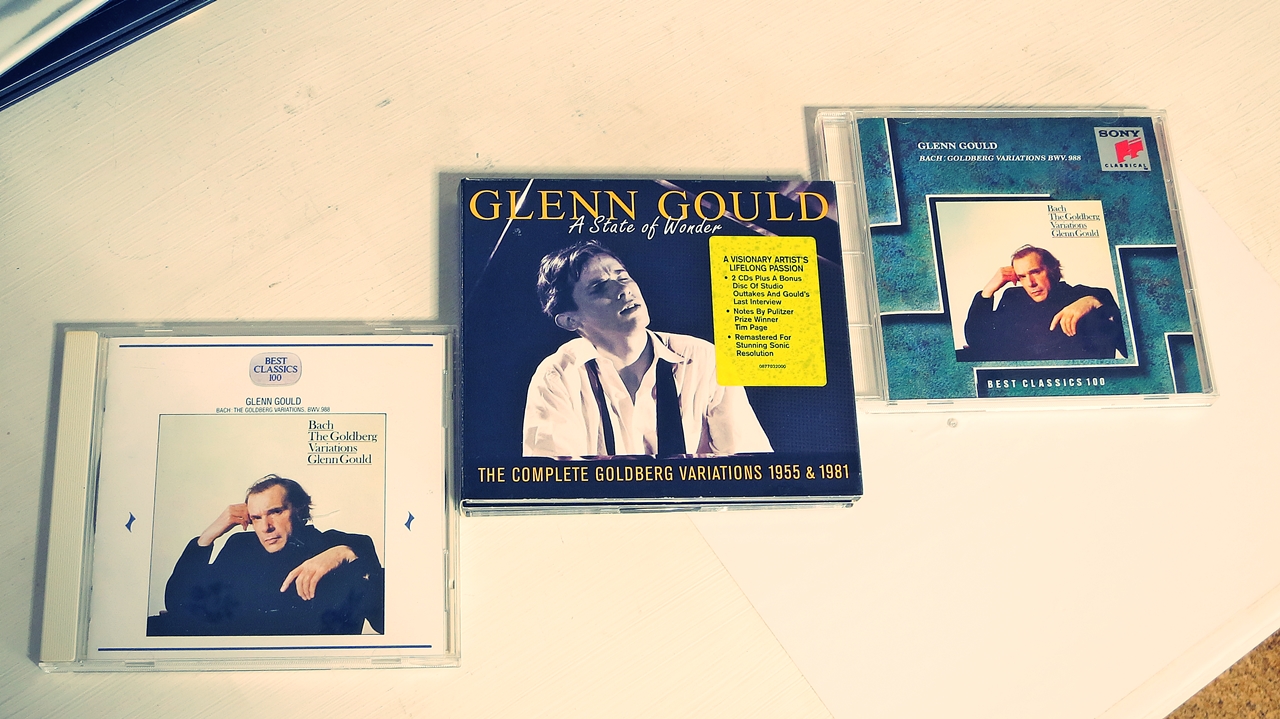
Take Glenn Gould, the emblematic CBS SONY pianist: the SBM remastering applied to his recordings obliterated the sharpness of attack and the musical sense of rhythm that are so characteristic of his playing, and I still remember the considerable shock I felt when I first heard the SBM-remastered Goldberg Variations (the green one at top right, reissued at 2,000 yen). Subsequently, a fresh transfer from the original analogue tape was made for the ever-popular Goldberg Variations (the black one in the centre), and this reached an acceptable level of quality rather different from the half-baked 1990s SBM remaster — but it still doesn’t reach the musicality of the early pressing at bottom left. The result of all this is that for albums I hadn’t managed to acquire back in the 1980s, I have ended up going around collecting the original pressings of that era as used copies after the fact.

A brief digression. The same thing happens with video: films and animation produced before the 2000s using analogue processes are frequently remastered and recycled as rebroadcasts or Blu-ray releases, and in many cases what you get is unnatural, garish colours with blown-out gradations, heavy edge enhancement, and a complete loss of the atmosphere and shadow of the original — and rather than simply questioning the sensibility of whoever did the remastering, you find yourself wondering whether the people making and watching these things ever had any understanding of the nuances of visual art to begin with. It is a frankly staggering state of affairs. And if even such immediately obvious, plainly visible differences in image quality are met with this level of indifference, then one is left wondering just how many people are actually capable of perceiving differences in sound quality — not as a matter of preference, but as an objective judgement of better or worse. Perhaps the gap in human perceptual sensitivity is in practice considerably wider than I tend to assume.
To return to the main thread. When a well-preserved analogue master tape survives, the ideal process is to go directly from that tape, performing a more precise A/D conversion using the high-bit digital technology now available — which was not possible in the 1980s and 90s — and to use that digital data as the basis for hi-res audio, DSD/SACD, 16-bit compressed WAV/CD, or more recently MQA-CD (note: this assumes, above all, that a skilled mastering engineer is working with proper equipment). But without following this proper process, the approach of artificially expanding the original low-bit digital data through resampling technology — what later came to be called “fake-res” — was already rampant from the 1990s onwards, dressed up as high-fidelity remastering for reissues. Remastered editions produced this way, except in cases where the studio resampling and re-editing happened to come together particularly well, ended up sounding substantially worse at the data level — and to the ear — than the original pressings.

Among the large-scale digital remastering projects in my own collection, perhaps the only one I can say feels genuinely worthwhile is the “Karajan Gold” series. After Karajan’s death in 1989, Günter Hermanns — the very engineer who had handled the original digital recording editing of the late-period DG recordings Karajan had made — immediately reprocessed and re-edited them using the newly available OIBP system, and reissued them as “Karajan Gold” in the early 1990s. This was the man who had made the recordings himself, working not long after the original pressings had been produced, on the premise of what Karajan would have instructed had he still been alive, filling in what the mastering technology of the day had been unable to achieve — and the result has a broader, weightier sound quality, more thoroughly characteristic of Karajan and the Berlin Philharmonic.
 ポチップ
ポチップ
 Continued in On the Significant Sound Quality Differences Among CD & LP Pressings [Part 2].
Why do I cling to physical media? A piece that will probably make it clear
Part 1|Part 2

Auto Translated by CS4.6