【On the Lifespan and Durability of Optical Disc Media】
CD-R|Pressed CD/DVD|Still a Physical Media Lover at Heart
When comparing subscription and download sources against physical media such as CD and SACD, the presence or absence of cover art and liner notes is often cited as a point of difference (this has been raised since the vinyl era, going back quite some time) — and I do think, personally, that this is quite a significant matter.
At present, particularly with domestic music download services, digital booklets to replace liner notes are, for some reason, almost never included. One is left with little recourse beyond saving a small, low-resolution thumbnail and manually copying the track information from the sales page to keep locally.
An album is a complete work — jacket design included
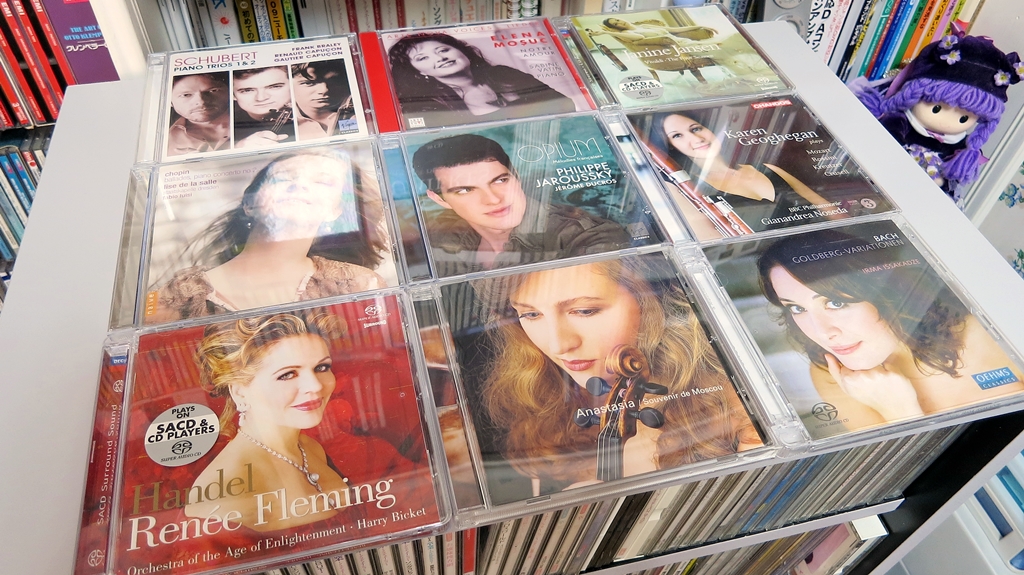
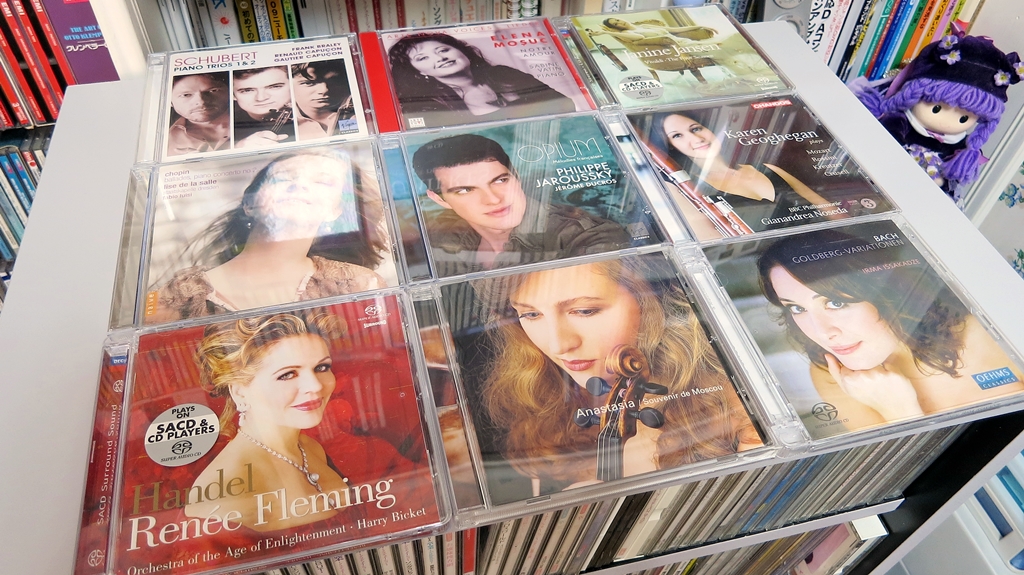
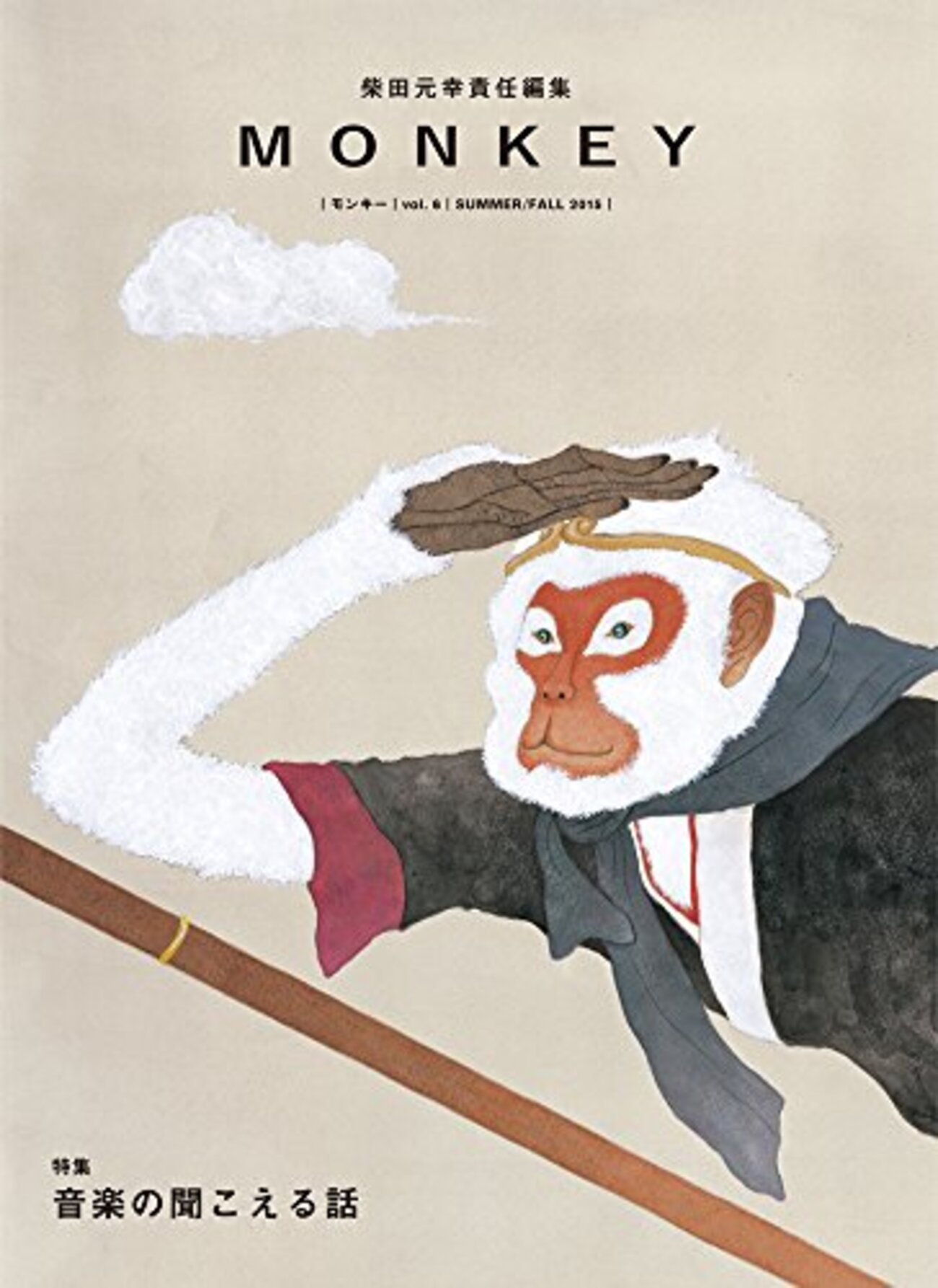
From the perspective of a classical music devotee, listening to music is only part of it — a considerable portion is given over to learning about the backgrounds of performers and composers, accumulated through the effort of reading booklets and liner notes, in Japanese and in foreign languages alike. And besides, CD and LP jacket art has, one way or another, long been a significant deciding factor in people’s decisions to buy an album… “An album is a complete work — jacket design included.” This has always been more explicitly intentional in jazz, rock, and pop than in classical music, and the feelings of the artist are often reflected directly in the design. One can listen to music perfectly well without jacket photographs or liner note commentary, but I rather doubt I am the only one who finds music data alone — stripped of any physical form — somehow lacking in soul…


 ポチップ
ポチップ
With physical releases such as CDs and records, even a reasonably rare out-of-print album can be tracked down through auctions or second-hand record shops, if one is patient and searches both domestically and abroad. But once music has moved to streaming or download sales, second-hand transactions become effectively impossible. In a world where physical media has ceased to exist, access to rare recordings and the accumulated heritage of the past could become extremely difficult, owing to issues of copyright and publishing rights. Much as a bibliophile drawn to the scent and texture of old books finds pleasures that only exist because the object is tangible — there is a kind of cultural enjoyment of music that endures precisely because it has physical form, and that may be almost entirely lost with data-based sources…

The cultural significance of owning CDs, SACDs, and LPs as tangible assets
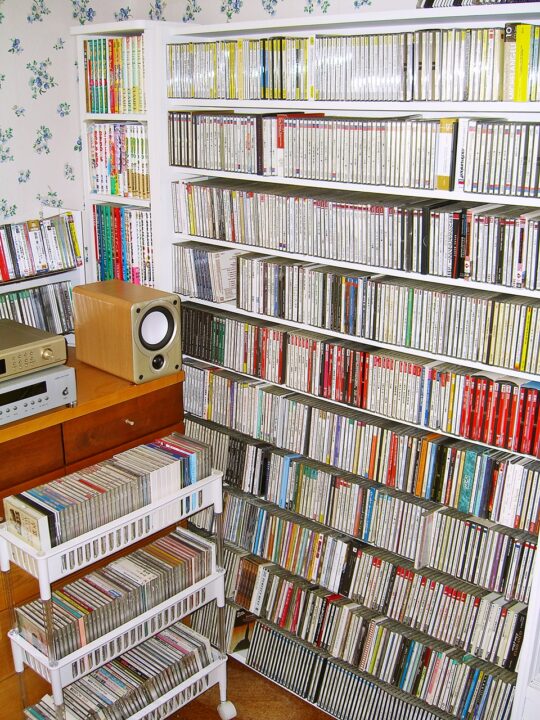
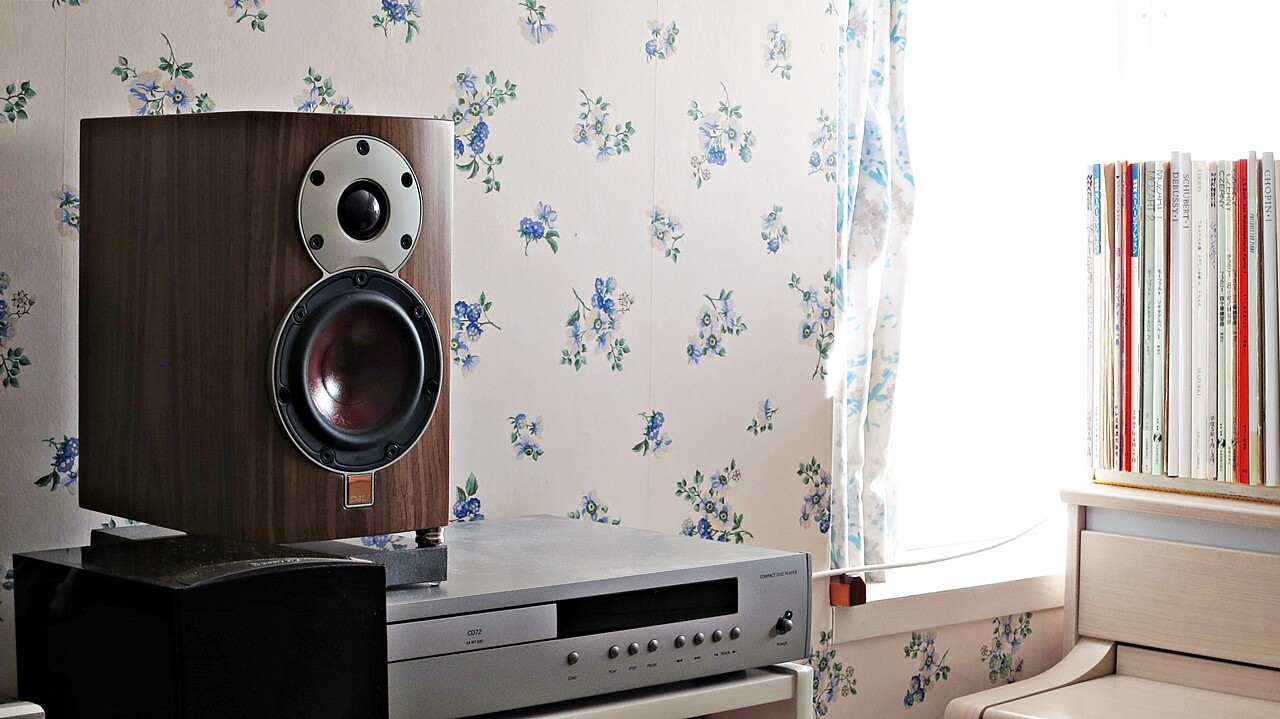
The concept of “the miniature-garden audio style” that I have quietly been putting forward from a modest corner of the internet does not simply refer to a compact Hi-Fi system sized to fit one’s living space. It encompasses the collecting of physical media such as records and CDs, along with audio playback equipment that harmonises as furniture within the room — and the whole of it together is meant to evoke a “study, living room, or private space surrounded by music” — a complete lifestyle image, if you will, for the music enthusiast.
When cloud streaming — the subscription of intangible music, stripped entirely of the cultural elements that once reinforced content through things other than the music itself — becomes the dominant form of content delivery, I fear that a great deal of what makes music an enjoyable cultural pursuit will be lost, and I find myself wondering what will become of the music market itself… Will it eventually reach a point where only those who can afford to keep paying large sums in fees (effectively a form of taxation) to the distributor will have access to new music? And along with that, will unpopular and old source material that is difficult to monetise come to be regarded as worthless junk, buried in a sea of data treated no better than rubbish that no one bothers with, rendered inaccessible altogether? These and other thoughts leave me genuinely quite anxious, I must say, about the future that seems to be approaching.
One could argue that making music intangible allows it to stand on its own pure value — but conversely, I feel that intangibility causes the relative worth of each individual track or album to grow increasingly thin in people’s minds, and that most older recordings, having lost their added value, are reduced to nothing more than dry, faded, truncated snippets of data, their worth as collectible objects quietly dissolving from the market as a whole. The result is an overflow of equivalent music with nothing but a surface layer of textual metadata as its entry point, making it ever harder to distinguish the significance of any individual work, until the vast majority of obscure recordings become little more than a junk library. In fact, this is already happening — truly fine performances and high-quality recordings are being masked by the flood of cheap subscription streams and freely available audio, and are paradoxically becoming harder to find. The value of a single piece of music, the value of an album — one might say it is all becoming momentarily thin and cheap…

The reality is that the general public, even when good-quality recordings are right there before them, will largely show no interest unless someone consciously and deliberately shines a spotlight on them — unless someone specific recommends them explicitly — regardless of whether the music holds genuine intrinsic value. For those with the discernment to notice a rough diamond lying at the roadside, and the flair to draw people’s attention to it with enough light to kindle their curiosity, are, whether professional or amateur and in whatever field, no more than a tiny handful…
 ポチップ
ポチップ
The internet age has made it possible for anyone to send “information” out to the world — text, video, whatever they like. And yet, precisely because anyone can do it so easily, the “quality and value” of information is being crushed under the wave of overflowing information “quantity,” and the added value of information that is genuinely worth something feels to me as though it is being eroded a little more each day. The same can be said of the broader drift in the music world towards intangibility and the reduction of everything to an information database.
Amid all of this, when I turn back and look again at the old physical media, I find myself feeling that an album with a tangible form — a record, a disc — is the added value of that spotlight which an intermediary, an introducer standing between artist and listener, decorated and illuminated, made into something material that transcends time like a time machine.

I think the idea that “music needs no extra words” is nonsense that applies only to the most limited of cases. Given that music is a means by which one person conveys feelings to another, isn’t it rather one-sided to claim that only the purely extracted “substance of the music” has value, and that all accompanying information can therefore be stripped away? For a performer, “the music” is of course the backbone of expression, and I do think there is room for performances that deliberately and consciously set aside all accompanying information. But, setting aside intentional exceptions, is it not the case that in almost all music — album artwork, liner notes and various explanatory texts, the artist’s personality and appearance, the staging of a live performance, the human stories of all the different people gathered there, and so on — all of these together form a body of information and expression that is necessary for sharing heart and mind through music? That is what I think.
The dystopia that lies beyond handing to others the right to listen to music…
From a rather different angle: as a self-centred music obsessive who, like myself, cannot physiologically accept the notion that music is some all-you-can-eat buffet you pay a monthly fee for, and everyone should happily share it together, I want music to be something I can freely enjoy close at hand — even if one day I were suddenly cut off from the world’s network entirely. Shared music sources on paid or free streaming services, whether in terms of sound quality or listening rights, can have anything done to them at any moment by rights holders or operators, and from the outset I find them simply not worthy of trust — but is that being far too mistrustful of the world…?
When all is said and done, for a poison-tongued, stray-metal type like myself — a closet traditionalist, an anime-obsessed layabout, diligently running my little internet operation with the daily ambition of bringing down the normie world — I genuinely half-worry that one day, the moment I open my laptop, the screen will be filled edge to edge with something like: “You have been identified as a dangerous subversive element hostile to the world government. Server access denied. Go die ♪♥”
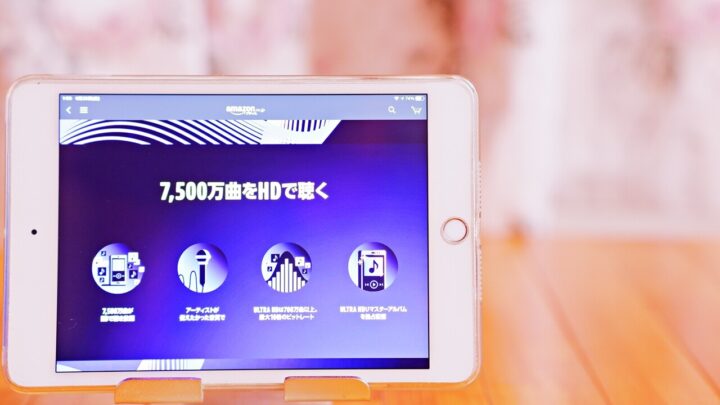
On that point, I am broadly positive about the per-album download sale of hi-res music files, in the sense that it can reinvest music with genuine added value through sound quality — but the problem is that hi-res is, in the end, an added value that is only relevant for now. I wrote a little while ago about TIDAL having begun streaming at high quality equivalent to WAV/CD-DA, but even with cloud streaming, the rapid expansion of network storage capacity means that audio compression will become unnecessary in the not-too-distant future, and once an era arrives where uncompressed hi-res delivery and downloads over the internet become standard, the very concept of “hi-res” will grow stale and can no longer be called an added value. At that point, hi-res will no longer be a business advantage in the near future — will things really be all right?
Turning all this over in my mind, the true essence of added value in the recorded music industry comes down, ultimately, to whether each individual can have exclusive ownership of a physical package — does it not? I think that is really where everything converges. Although… perhaps I really am the odd one out here…?

【On the Lifespan and Durability of Optical Disc Media】
CD-R|Pressed CD/DVD|Still a Disc Lover at Heart

Auto Translated by CS4.6