【Smart Methods for Winning Hi-Fi Equipment on Online Auctions】
(1)|(2)|(3)|(4)|(5)|(6)|(7)|(8)
This time I will explain the risks involved in acquiring second-hand Hi-Fi equipment via eBay or other Online Auctions.
One important point to be aware of when dealing privately through auctions is that items which are genuinely problematic — things that no reputable second-hand dealer would take in, or grey-market imports that cannot be sold on — are quite frequently listed without any such disclosure. (※ That said, in the case of grey-market imports that have no particular problems, some shops will accept them depending on the item.) When buying from a major second-hand equipment dealer, it is standard practice to receive a warranty for a certain period — not as long as a new purchase, but a warranty nonetheless — so if a fault comes to light after purchase, returning it as defective is normally straightforward (with some exceptions). With Online Auctions, however, any complaint risks turning directly into a transaction dispute, so things are not quite so simple.
The chances of encountering a faulty or problematic unit are by no means low
A common occurrence with Hi-Fi and AV equipment is the listing of items with minor faults that are not immediately obvious — faults which the seller conceals and simply brazes out. This comes from both private sellers and second-hand dealers (some of the latter are truly appalling when it comes to overlooking condition issues), and reading between the lines of the listing text, you can often sense that the seller knows perfectly well and is trying to dodge the issue, hoping to disclaim liability with a no-complaints, no-returns policy. One typical example you come across frequently is items that could easily be confirmed working being listed as “power confirmed, operation unverified” — a thinly veiled hint that something is wrong.
Another common situation is equipment that a professional would spot as internally faulty the moment they opened it up — and which for that very reason no reputable second-hand shop would take in — being slipped onto an auction without a word. This includes partially modified equipment, or gear that has been modified and then had its original parts put back, but where the components differ from stock or the soldering is in a state that cannot honestly be called a proper restoration. Then there are items based on junk units sourced from Hard Off and similar, given a half-hearted restoration just enough to get them working. Note: there is nothing wrong with any of this if it is clearly stated, but sellers do sometimes play ignorant. Beyond that, there are presumably cases where the seller themselves originally bought the item second-hand — from eBay, Yahoo! Auctions, Mercari, or a Hard Off with lax inspection — without realising that it had been modified or was in questionable condition.
Which Hi-Fi components are least prone to failure and unit-to-unit variation?
Looking at the volume of listings on Online Auctions, the order is roughly speakers ≒ amplifiers > headphones/earphones > cables > CD players. What this tells us is that items appearing in large numbers relative to new-market sales are that much less prone to failure, while those with fewer listings tend to be the ones that break more easily. Below, I have attempted to express the failure risk for second-hand purchases using a star rating system (fairly rough and ready).
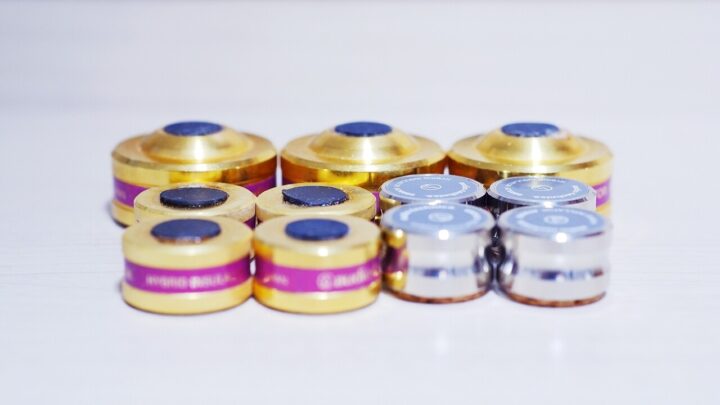
Vibration control accessories ★☆☆☆☆
Category: Other Hi-Fi accessories
The least likely to break are all those small vibration control Hi-Fi accessories — things like insulators, spikes and spike shoes, various stabilisers, audio racks, and speaker stands. Being essentially lumps of hard material, they may pick up surface scratches but will virtually never break as such.
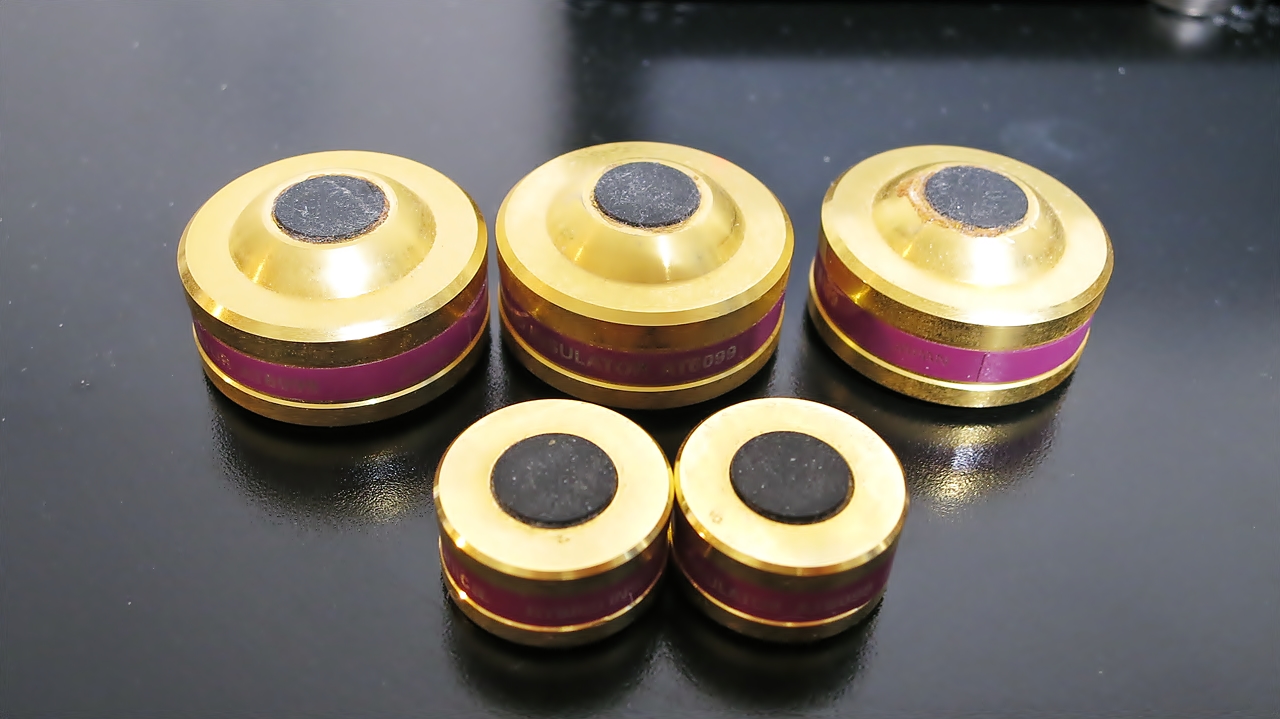
However, poor manufacturing tolerances from the outset, or clumsy assembly by a previous owner, can result in units that are wobbly from the word go — speaker stands and audio racks in particular are prone to this — so it is worth keeping that in mind.
Speaker cables ★☆☆☆☆
Category: Speaker cables
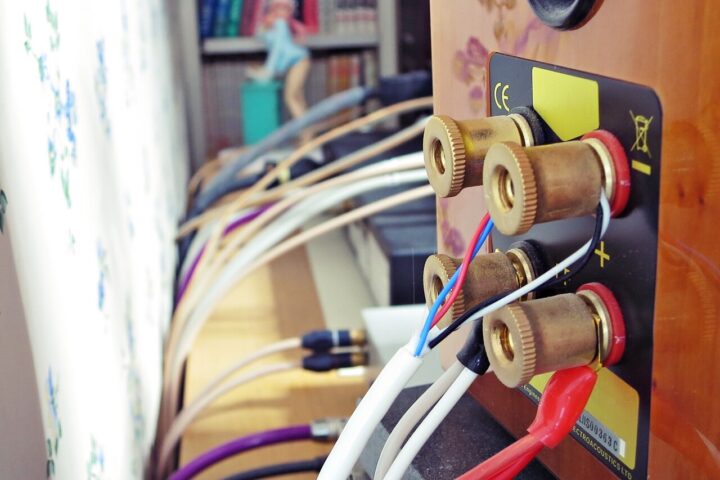
There is not much that can really go wrong with thick-gauge speaker cables, or with the power cables I will come to shortly — but for some reason, older examples of both tend to look remarkably grubby. Depending on the material, the outer sheath can also yellow with age or turn sticky as it absorbs moisture. If the insulation has oxidised and gone dull, it will need to be stripped back and re-terminated.
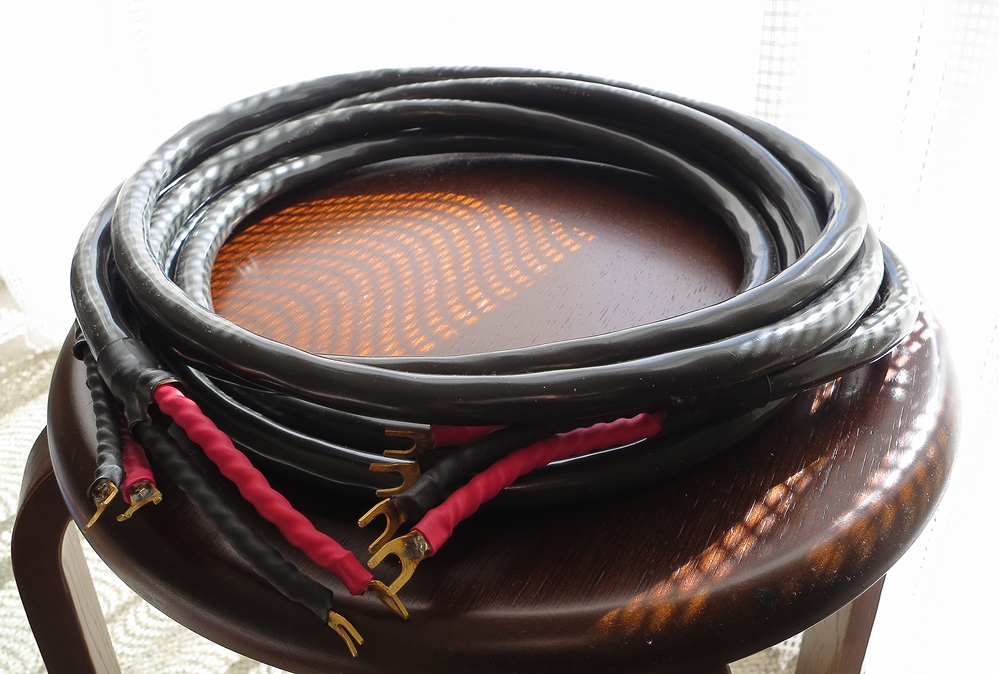
With high-end cables factory-terminated by the manufacturer, another thing to check is whether the original spade lugs or banana plugs — which can themselves be expensive — are still fitted. If they have been replaced, it is preferable if the listing states this clearly and ideally specifies what connectors and solder were used.
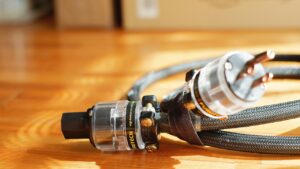
Power cables ★★☆☆☆
Category: Power cables & power accessories
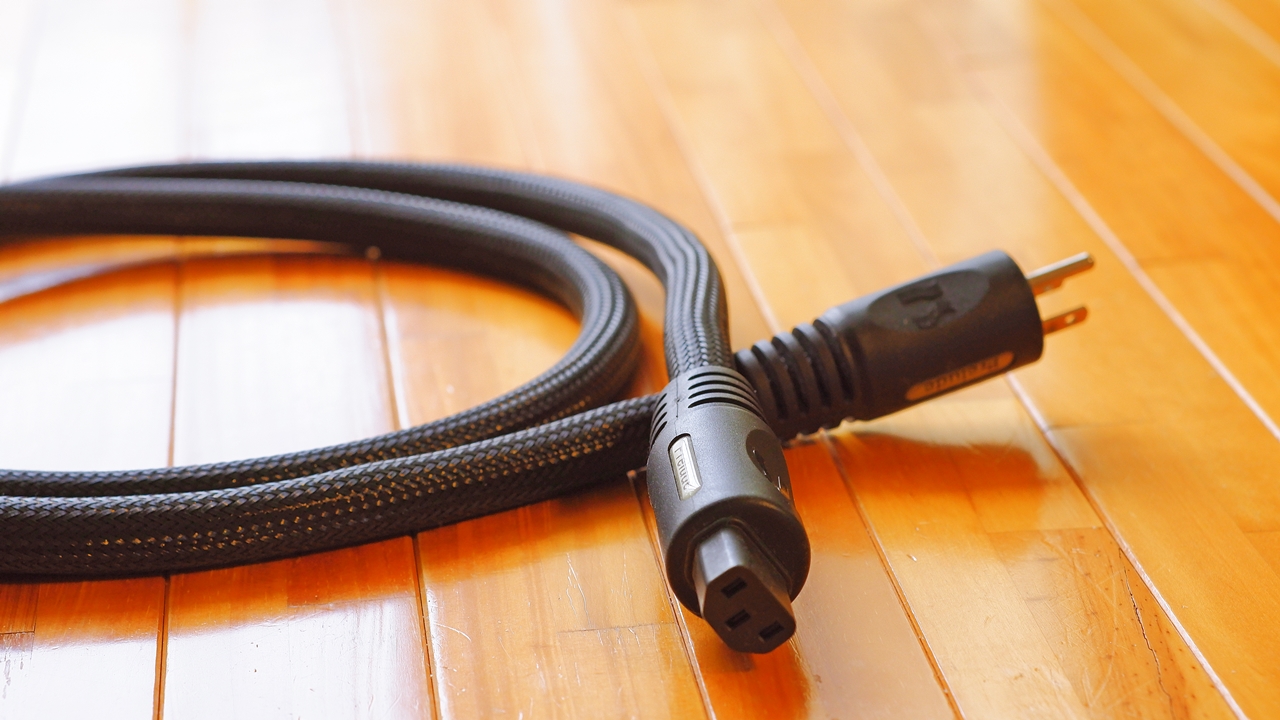
The heavy-gauge power cables used in Hi-Fi are another area where counterfeit branded products circulate in very large numbers, and needless to say, fake goods will not have obtained PSE certification even when new. Depending on build quality, they can pose a real risk of short circuits or fire, so I think it takes a certain basic responsibility to refuse to touch anything other than genuine articles. A properly constructed cable with no cuts or damage to the jacket should, in theory, last for decades in indoor use.
RCA cables / XLR cables ★★☆☆☆
Category: Interconnect cables
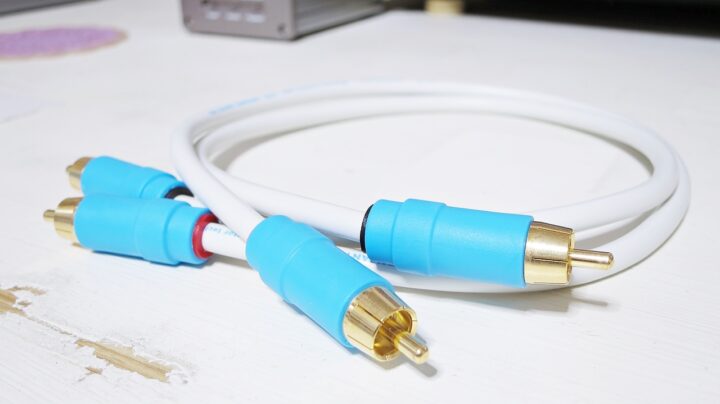
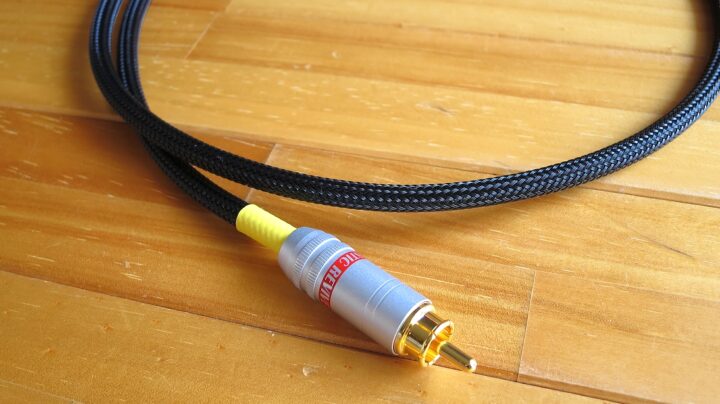
With thinner analogue RCA cables and coaxial digital cables, repeated plugging and unplugging can cause the connectors to loosen over time, and stress applied to the cable can crack the solder joint inside the connector, leading to intermittent contact. The construction is simple enough that there are some rather enterprising souls out there who repair broken cables with a soldering iron and then quietly pass them on as second-hand. Depending on the quality of the solder and the skill of the person doing it, the result might actually be better than original — but ideally, this sort of thing should be declared openly, with repair history and any modifications clearly stated.
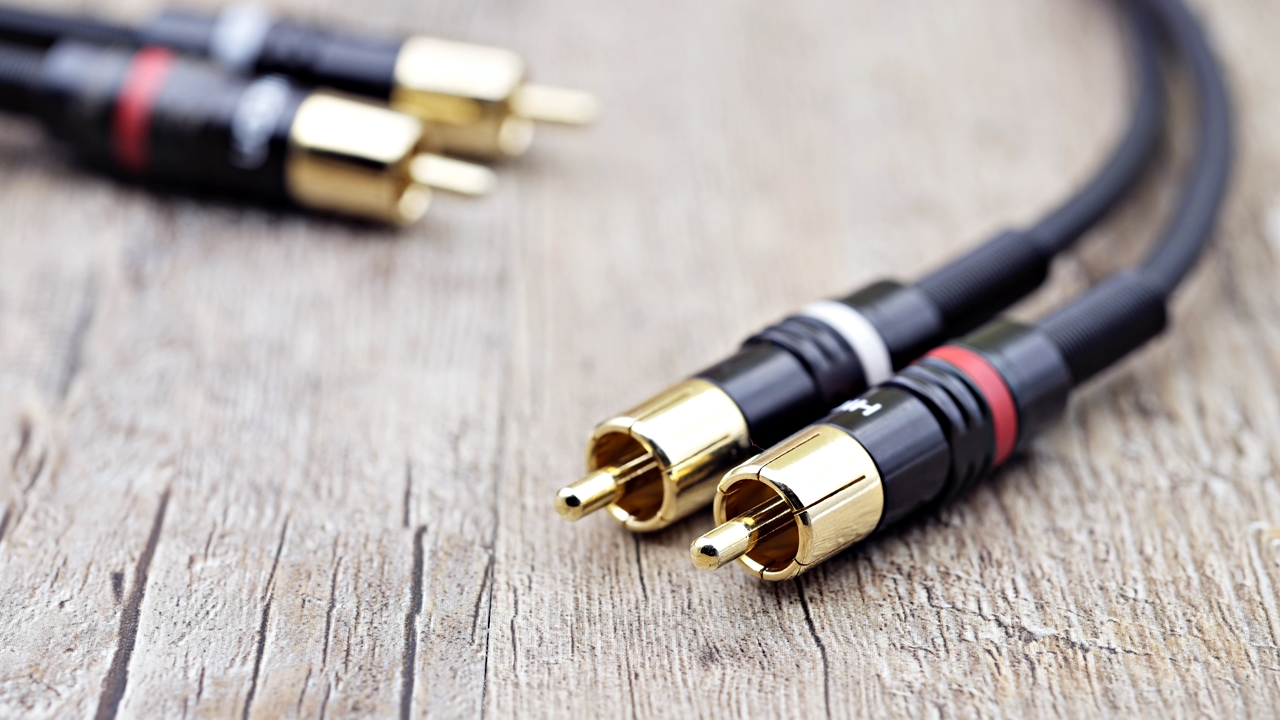
XLR balanced cables of the kind used in studios are less prone to connector damage than ordinary RCA cables by virtue of their connector design, though the risk of an internal break caused by deteriorating solder is not entirely absent. That said, where an XLR connection is available, it often has a sonic advantage over RCA, so if your equipment supports XLR interconnection, it is definitely worth trying.


 ポチップ
ポチップ
HDMI cables ★★☆☆☆
Category: Video-related accessories
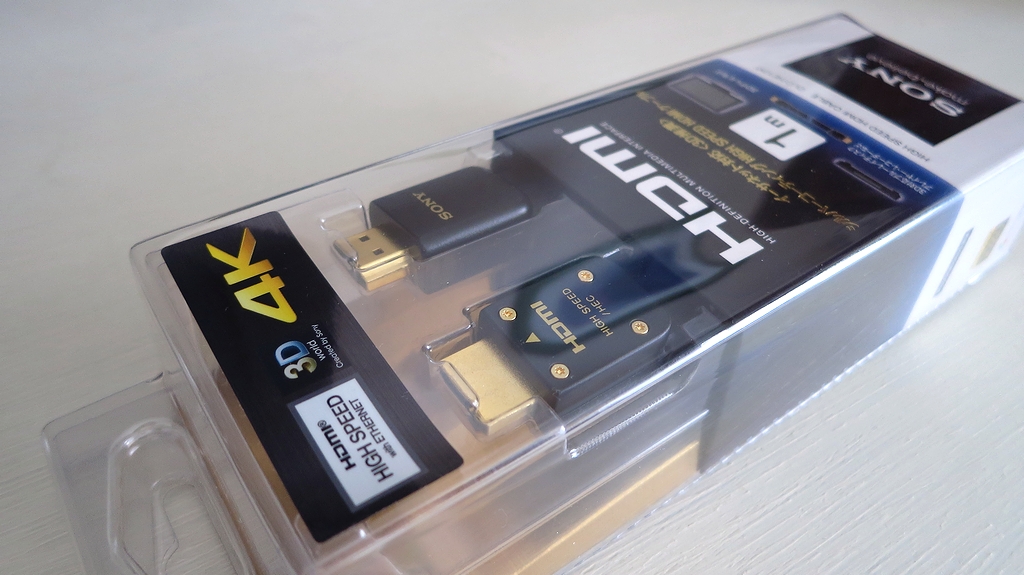
HDMI cables have a complex internal structure, are prone to initial defects, and are also at high risk of breaking if the connector is forced or the cable yanked. The image noise seen with counterfeit premium HDMI cables apparently often turns out to be caused by shoddy internal construction — signal lines partially shorting against each other inside the cable.

TOS optical digital cables ★★★☆☆
Category: Digital cables
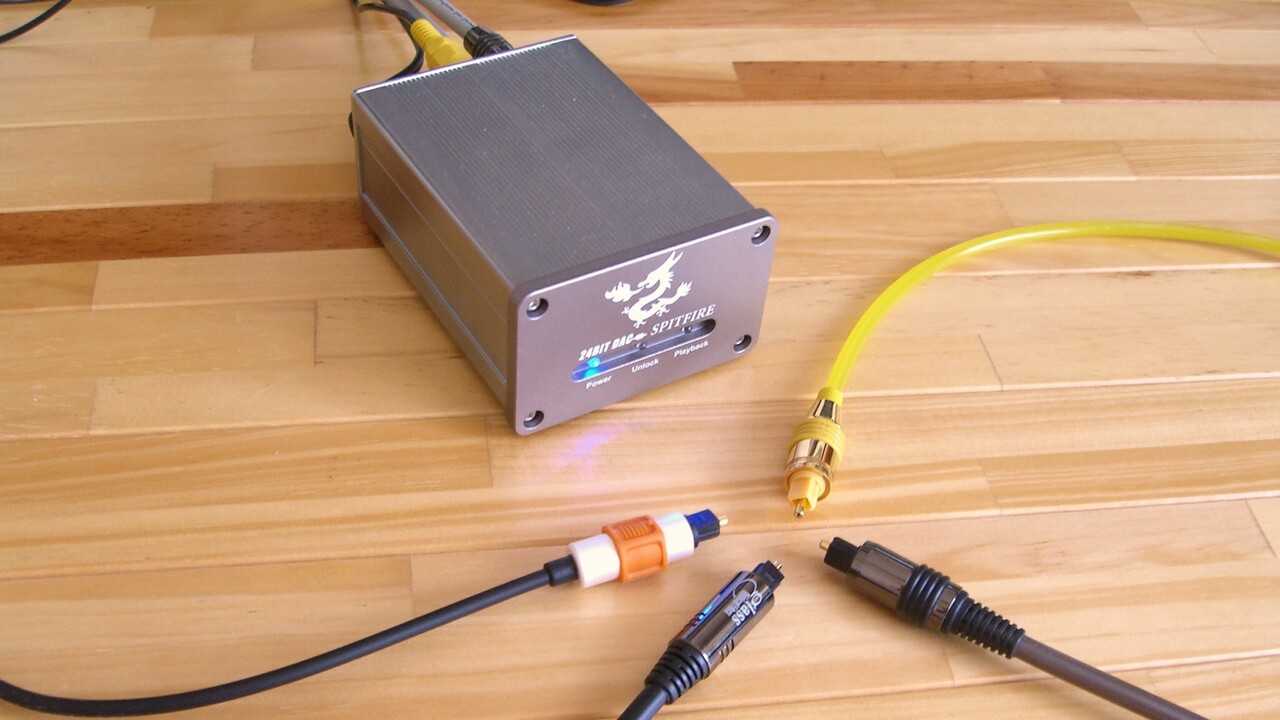
Glass fibre and quartz-core optical digital cables used in high-end applications can crack surprisingly easily from even a modest bend, and once the internal fibre breaks, repair is essentially impossible — making their failure risk considerably higher than that of coaxial digital cables. The inexpensive, flexible plastic-core TOS-link cables, however, are fairly robust.
Mains strips / power boxes ★★☆☆☆
Category: Power cables & power accessories
Hi-Fi mains strips and power distribution boxes tend to be simple in construction and solidly built. However, the sockets themselves can gradually loosen if the previous owner plugged and unplugged things frequently, and this does affect the sound. The interiors of mains sockets also accumulate a surprising amount of grime. That said, on most commercially available power boxes, the sockets can be DIY-replaced quite easily. Precisely because of this, when bidding on an expensive power distribution box, it is worth checking carefully whether the high-grade sockets it was originally fitted with are still in place — there is always the possibility that someone has swapped them out for something else.
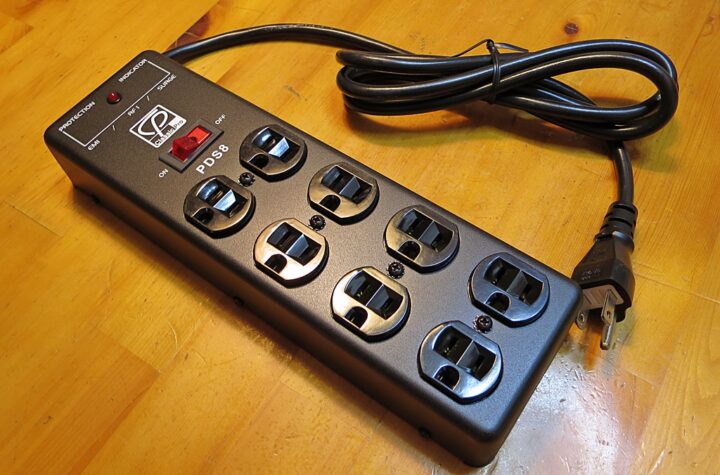
With filtered mains strips, a failed parallel noise filter circuit inside can be difficult to detect, so some caution is warranted. There are also cases where a fault in the circuit assembly causes a slight earth leakage, so for models with a high number of reports of tripped breakers and similar problems in user reviews, it is probably safer to buy new with a warranty.
Speakers ★☆☆☆☆
Category: Speakers
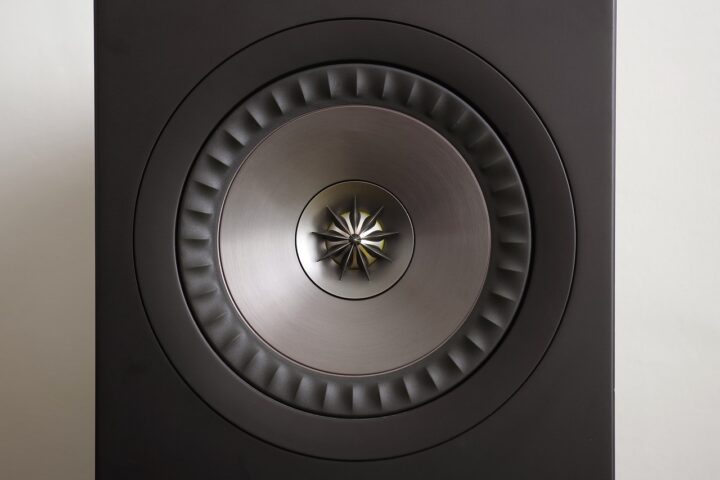
Among component-level Hi-Fi, speakers are by far the least prone to failure. Setting aside cases where surround deterioration or tweeter dome damage is visible to the eye, it is comparatively rare for a home speaker in apparently good external condition to have simply broken down through normal use. (※ Car audio speakers are a different matter — the back of the driver is exposed to the inside of the door, which means moisture ingress and age-related deterioration.) That said, accidental damage — knocks, scratches, drops from stands, tweeter failure caused by a short-circuit speaker cable or excessive input — is not entirely unheard of, so whether both tweeters and woofers produce sound at equal volume, and whether any strange noise creeps in at peaks, are things that can really only be verified by actually using the unit. Furthermore, even if a speaker is producing sound normally, the degree of sonic change and deterioration due to ageing varies from unit to unit in ways that are only apparent when comparing two examples of the same model side by side. From this perspective, speakers are also the component category with the greatest unit-to-unit variation.
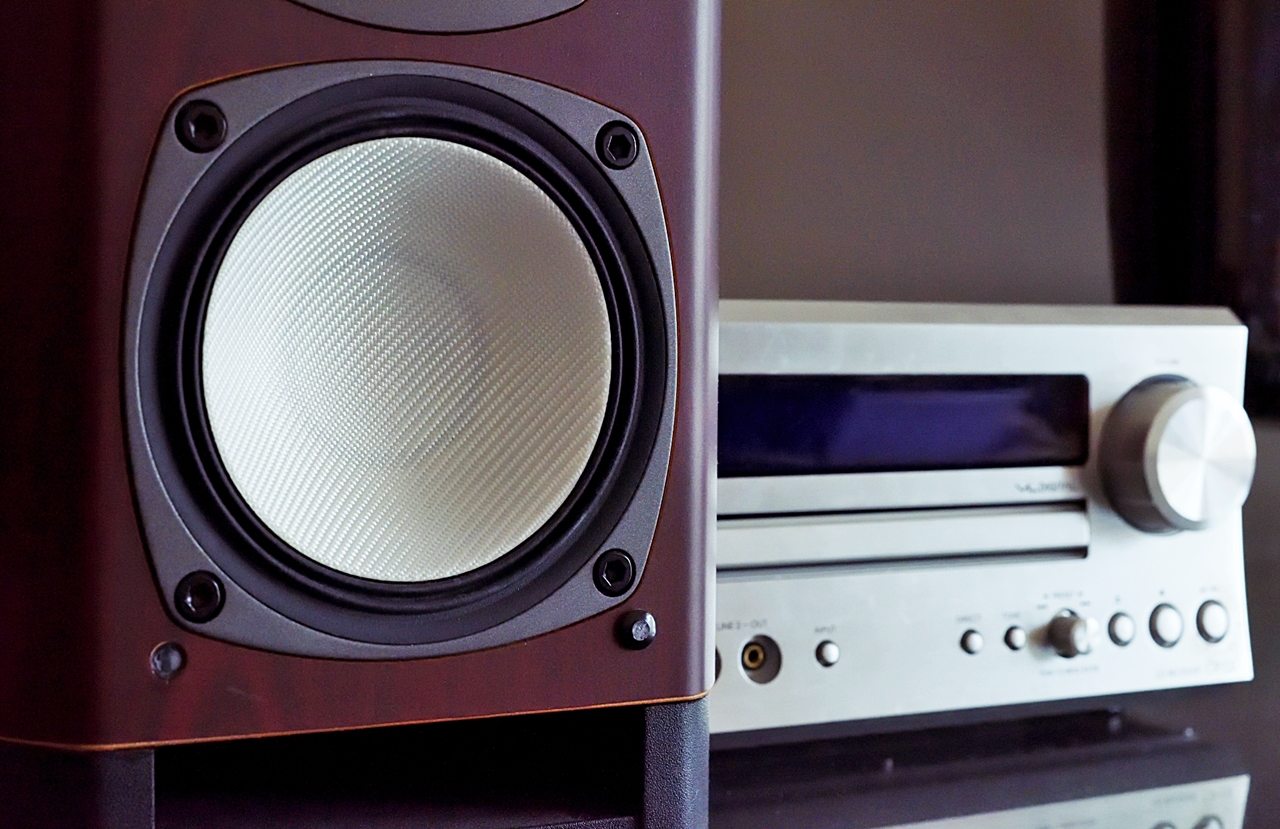
As an aside, with speakers that have been in use for many years, there is apparently a technique of re-magnetising the driver magnets to bring back something close to the lively sound of a new unit — something that seems almost essential with alnico magnet drivers in particular. I have not done it myself yet, but with a speaker I intend to keep for life, it is something I would like to try one day.
Headphones / earphones / portable amplifiers ★★★★★
Category: Headphones/earphones & portable music players
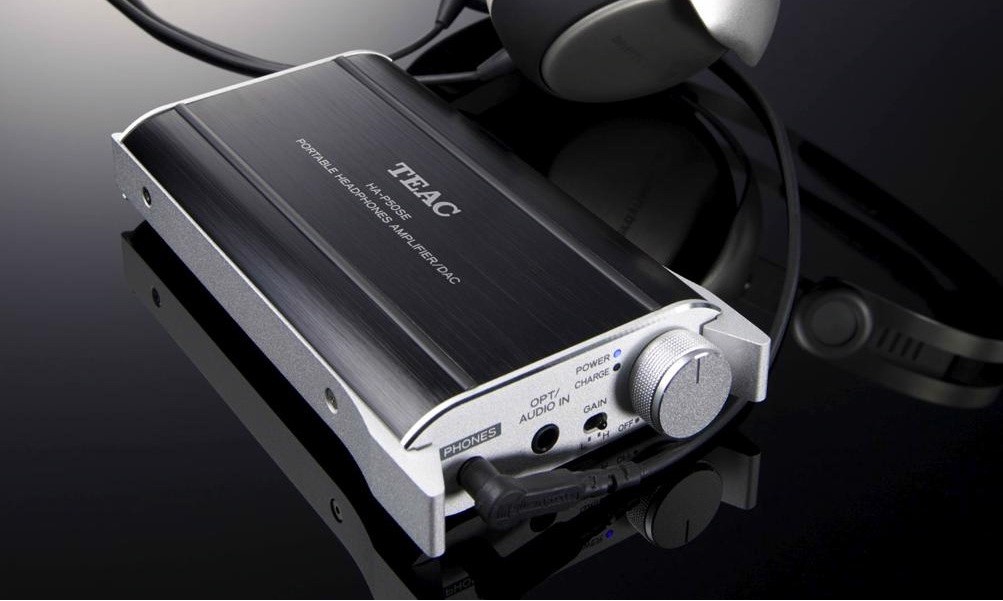
Headphones, earphones, and portable headphone amplifiers are similarly items that, with gentle handling, should not break particularly easily — yet physical damage through pulling or dropping in use, leading to broken cables or internal wiring in the control section, is extremely commonplace, so caution is needed. Being carried around and handled constantly, they deteriorate far more quickly than stationary equipment left in one place, which is all the more reason to seek out sellers who are honest about condition and usage history.
 ポチップ
ポチップ
More problematic still is the sheer number of counterfeit and fake-branded headphones and earphones circulating throughout Yahoo! Auctions JP and the auction world more broadly — the probability of unknowingly ending up with a fake is a greater concern than the risk of mechanical failure. Whether buying new or second-hand through an auction, make a habit of checking carefully whether the seller’s original source was a trustworthy retailer.
D/A converters ★★☆☆☆
Category: D/A converters (DACs)
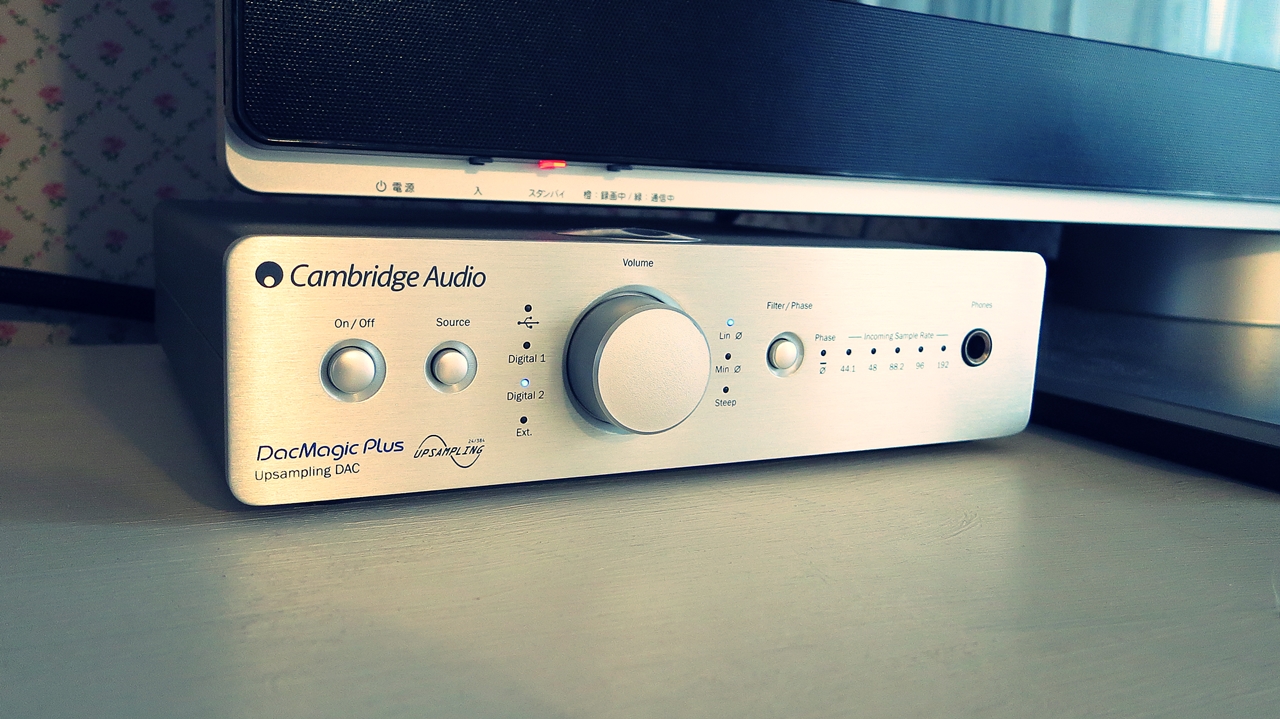
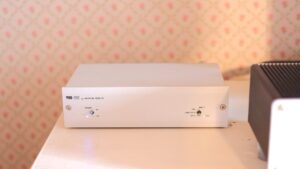
Barring initial defects, a standalone DAC used normally has very few failure modes. Low power consumption, little heat generation, and essentially a CD player with the transport mechanism removed — it is probably the least failure-prone of all Hi-Fi components. That said, the author of this rather miniature-world “AUDIO STYLE” has had the misfortune of encountering faulty units twice in the past when buying older foreign equipment…
Transistor amplifiers ★★★☆☆
Category: Integrated amplifiers
Next, transistor-based integrated amplifiers, power amplifiers, and desktop headphone amplifiers. These come in analogue and digital varieties, but the causes of failure are much the same for both. Over an extended period, performance gradually degrades — eventually introducing distortion or causing left-right channel imbalance — at which point (or ideally before it comes to that), worn components such as capacitors will need replacing.
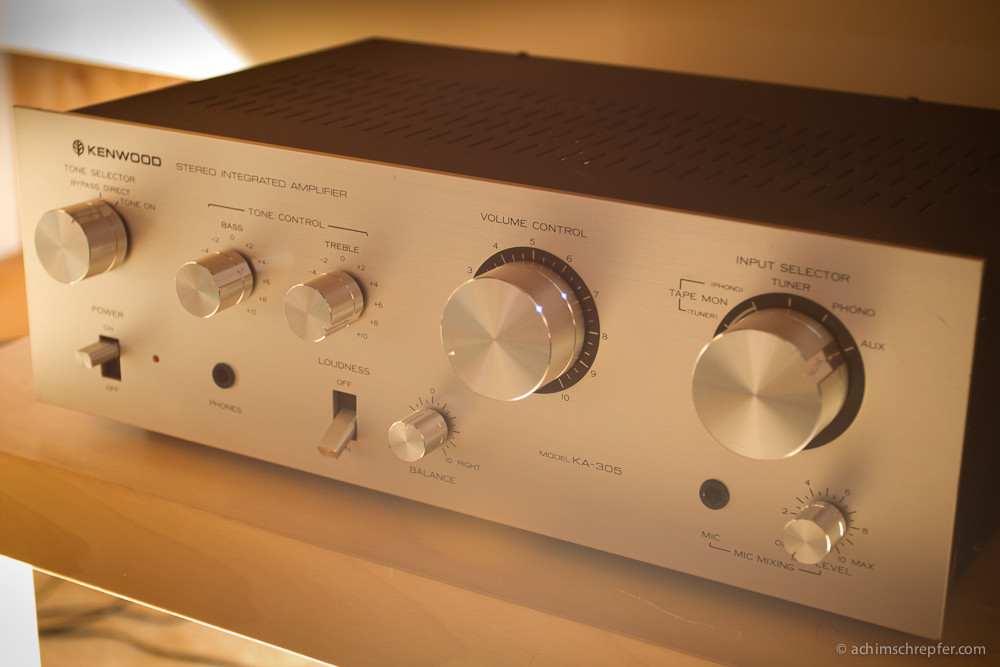
However, if the original design and component quality were sound, ten years or more of use should be quite achievable, and with a fully working unit, faults often turn out to be nothing more serious than a scratchy volume pot in the preamp section — the kind of thing that can be sorted with minor maintenance and a clean-up. In some cases it is simply a blown fuse. On the other hand, there are models whose design was questionable from the outset, or which run hot — Class A designs, for instance — or which were built with poor quality, short-lived components, and these have been a source of trouble practically from day one. If you are considering buying a model you are unfamiliar with, I would recommend reading through what owners have written about it online first. This is not unique to amplifiers, but as a general rule, components that run cool tend to be more reliable.

Valve amplifiers ★★★★☆
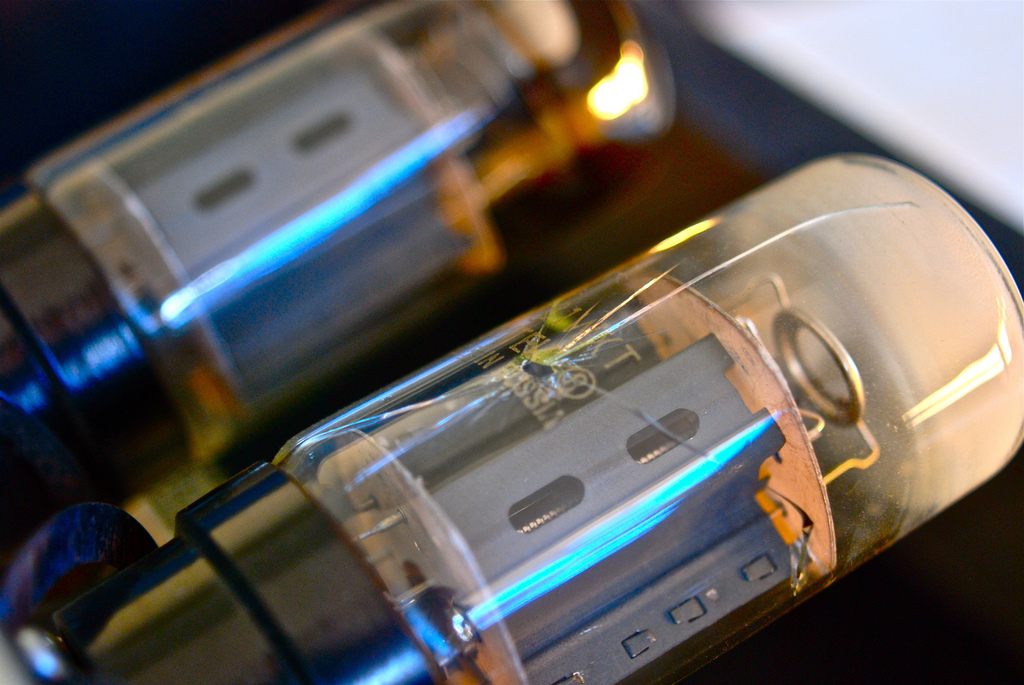
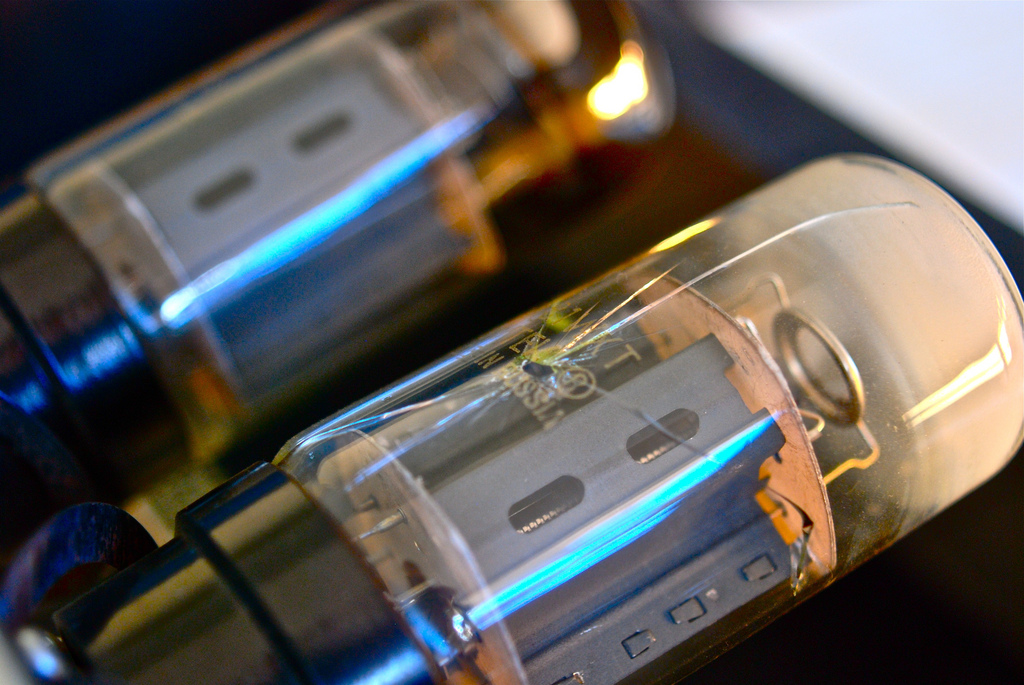
Few complete beginners would dive straight into valve amplifiers, but as goes without saying, the valves will gradually deteriorate with continued use. By the time the owner has tired of it and put it up for auction, the chances of it still having valves in decent condition are, shall we say, somewhat uncertain. Rather than outright failure, the four stars here reflect the fact that comfortable long-term use requires periodic valve replacement and bias adjustment.
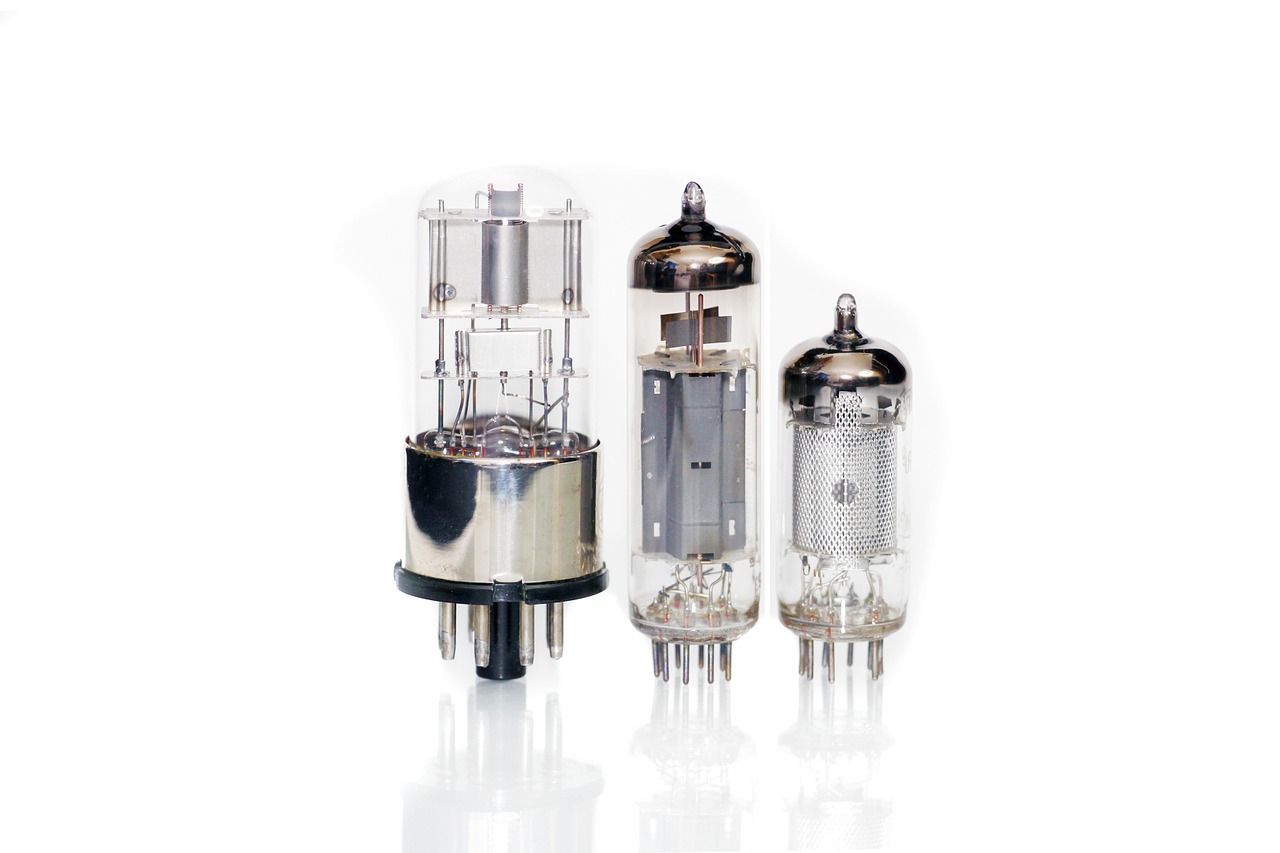
That said, for those who are already factoring in the ongoing cost of valves and are comfortable selecting tubes and tinkering with the circuitry themselves, there is a flip side: a valve amplifier, properly maintained, can last almost indefinitely. In this respect, record turntables are similar — structurally simple, but cartridges and belts have finite lives — and in the world of vintage audio, what counts as a fault or defect is entirely a matter of perspective.
CD players / SACD players ★★★★★
Category: CD/SACD players
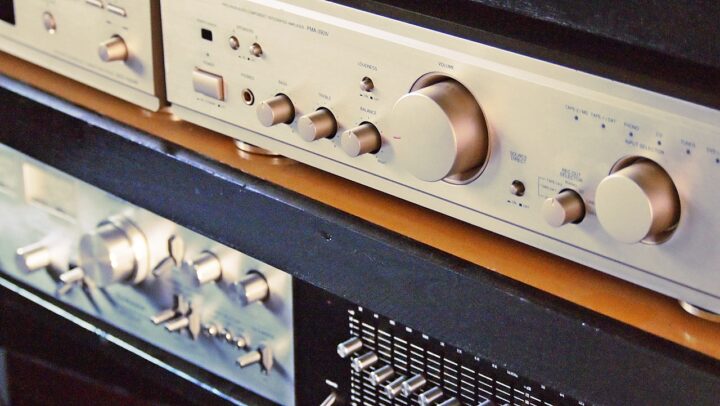
This applies not only to CD and SACD players but also to Blu-ray and DVD players: if the internals consisted only of a power supply and circuit boards — as with a DAC — they would in theory last longer than amplifiers by virtue of their lower heat output, but the problem lies in the presence of the optical disc transport mechanism. It is an inherent limitation of any transport-based design: initial defects are common even in new units, and in many cases the mechanism will develop problems or fail outright within ten years. Typical issues include reduced pickup or servo output causing skipping, and faults with tray loading and unloading — though in mild cases, servo or tray adjustment alone can sometimes fix the problem.
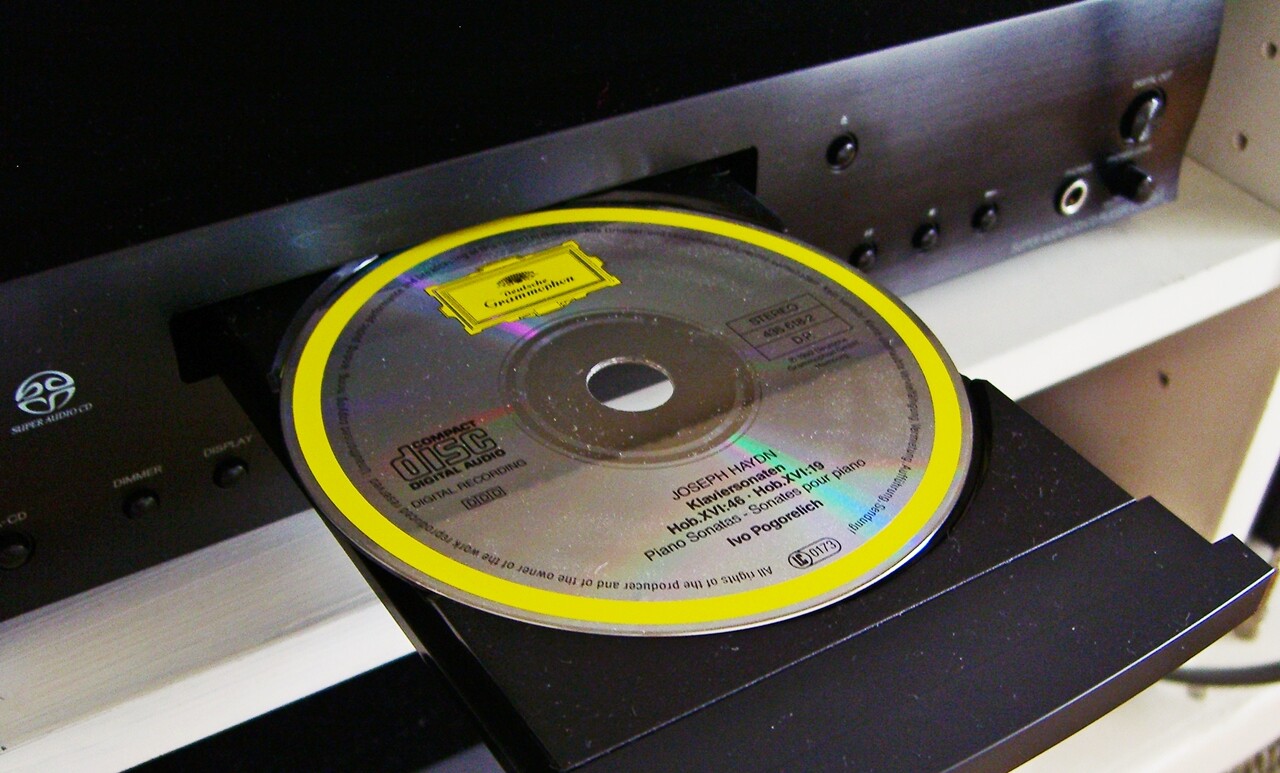
Even when the transport does fail, if the model is one for which replacement parts — pickup, motor, belt, or complete transport assembly — can still be sourced from the manufacturer or the transport’s maker, then something can be done. Otherwise, once the mechanism is finished, that is effectively the end of the unit. That auction listings for CD and SACD players are less than a fifth of those for amplifiers and speakers is itself a telling indicator of their higher failure rate.
All-in-one Hi-Fi systems / mini system head units ★★★★★
Category: Compact pure audio
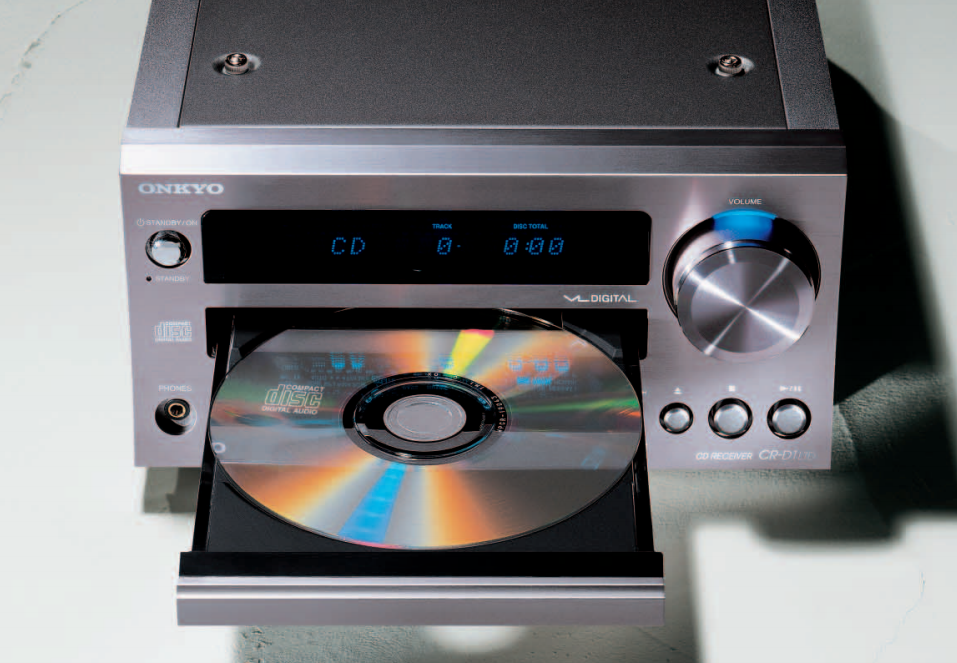
Not to be forgotten are mini system head units and other products with an integrated CD or DVD drive. Here too the optical drive mechanism is the single most common cause of failure — which means, conversely, that those with a knack for DIY and electronics, particularly optical drive servicing, are sometimes able to pick up junk units for next to nothing and successfully bring them back to life.
That, broadly speaking, is how the risk breaks down by category. The star ratings are intended only as a rough guide for each category as a whole, so they will not necessarily apply to every individual model. Naturally, the older the model, the more dramatically the risk of encountering a poor-condition unit increases. With products that are particularly old, the manufacturer may have disappeared, original parts may no longer be obtainable, and even after repair the number of units that are no longer fitted with original components keeps growing. In such cases, it is perhaps worth bearing in mind that the sonic character may differ from the original in all sorts of ways — for better or for worse.

Unit variation, age-related deterioration, and change in Hi-Fi equipment are greater than you might imagine
I think this is something that is already more or less common knowledge among experienced veteran Hi-Fi enthusiasts and shop staff, but even within the same model, Hi-Fi equipment can show surprisingly significant sonic differences and unit-to-unit variation. There are expressions like “ageing” and “burn-in,” but beyond that, there are also tolerances in component precision and assembly from the moment of manufacture, and it is actually quite normal for units from different production runs or even different individual examples to show differences audible enough to notice — even straight out of the box.
With speakers, for instance, placing two of the same model side by side will often reveal that even visually, the stereo spread and imaging are simply not the same thing at all. When you add to that the fact that each unit has been used in its own separate environment and subjected to age-related deterioration and change over time, second-hand items that appear at auction — be they speakers, amplifiers, players, cables, or accessories — may sound entirely unlike the original new product, and one must be prepared for the reality that they are by no means guaranteed to be performing at the level of quality they were originally capable of.
With Hi-Fi equipment, setting aside obvious faults, the blunt reality is that as long as sound comes out it tends to be judged as functionally normal. Whether that sound is actually acceptable to the ear falls into the realm of subjective, sensory assessment, and unless you happen to own measurement equipment on a par with a major audio manufacturer, proving that something is not performing as it should is, in practice, extremely difficult.
Items listed as second-hand at auction are, in most cases, things the seller no longer needs, and the reasons for selling vary widely. To put a charitable spin on it, there are cases where the seller genuinely liked the product but had to let it go reluctantly to raise funds for an upgrade or a deposit — and if that were the case for the majority of sellers, fewer problems would arise. But in truth, the single most common reason is probably that the seller simply was not satisfied with the sound and wanted to be rid of it.
What counts as “good sound,” and what one personally prefers, differs enormously from person to person — and not only in terms of sonic preference or musical genre compatibility; the differences in sound and compatibility that arise from room acoustics and equipment combinations are far more varied than most people imagine. So a piece of equipment that someone found unsatisfying in their environment is by no means guaranteed to be unsatisfying for another person in a different environment. That said, compared to equipment that owners are determined never to part with, items that do get sold on (whether as new single-owner pieces or as previously purchased second-hand) carry a statistically higher probability, unfortunately, of having something not quite right lurking within them. ※ This is a matter of probability, nothing more.
Given that even new production yields both well-made and not-so-well-made units, I think it is worth bearing in mind that specific inferior units — the sort that anyone would find fault with — or particular units whose condition has degraded with age, may well be circulating endlessly through second-hand shops and auctions. The Hi-Fi market is a niche one, and (setting aside popular domestic models sold in very large numbers,) for many imported products and obscure accessories, the number of second-hand examples of any given item in circulation is inherently limited — so this kind of risk is not something that can be entirely dismissed. When buying new, the luck of the manufacturing draw is simply that — luck. But in an auction situation where you cannot audition the item at all, the probability of drawing the short straw rises in tandem.


Furthermore, those who collect Hi-Fi equipment or make a hobby of frequent upgrades and are active participants on Online Auctions are, perhaps surprisingly, rather a specific crowd — it is such a tiny market that through various communities and blogs, one can sometimes identify particular individuals. From the outside, it occasionally looks rather like the same ball being tossed back and forth, with the same items going round and round — and one does notice. Just between us, it can have a faint whiff of a cosy game of Old Maid.
~ Summary ~
When all is said and done, the best approach to auction buying is not to expect perfection from second-hand equipment in the first place — going in with a relaxed attitude along the lines of: if something is broken, I’ll have a go at fixing it myself, or I don’t mind paying out of pocket for manufacturer servicing and adjustment. With that kind of easy-going stance, do check going prices beforehand and avoid bidding at reckless prices. I believe that if you approach it that way, second-hand Hi-Fi can be something you enjoy for a very long time.
【Smart Methods for Winning Hi-Fi Equipment on Online Auctions】
(1)|(2)|(3)|(4)|(5)|(6)|(7)|(8)
Auto Translated by CS4.6