This is a continuation of the self-introduction I wrote some time ago. I thought it might be useful for readers to know what biases underlie the reviews and impressions written here — and so I’d like to say something about what kinds of audio systems pastel_piano, the author of the miniature-world “AUDIO STYLE”, actually prefers.
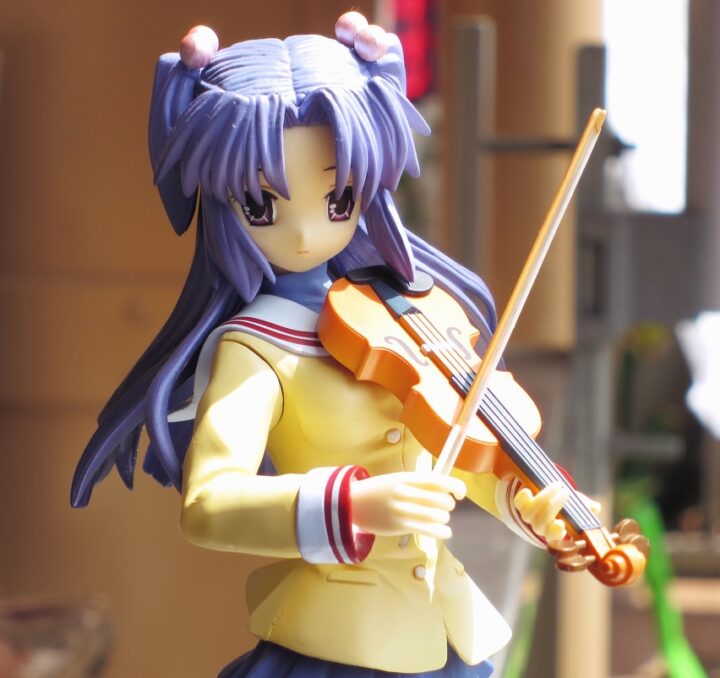
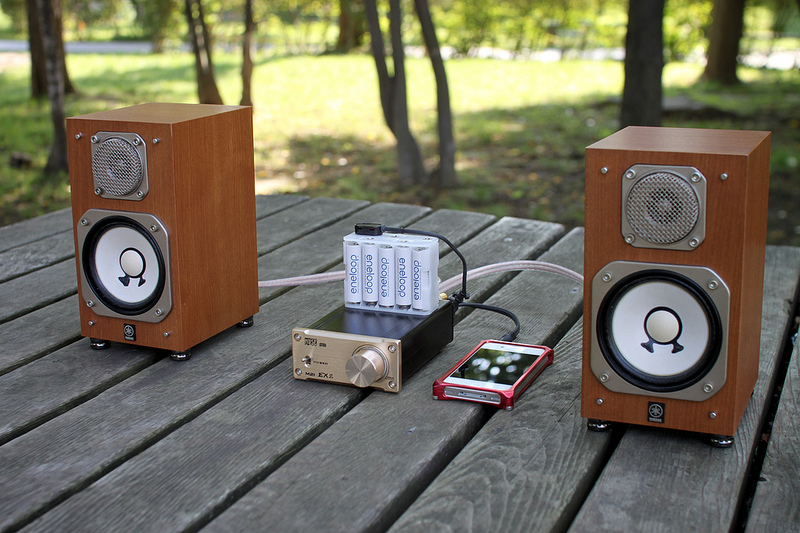
First of all, I simply love small things. Palm-sized little speakers, ultra-compact amplifiers, slim CD players, portable players — all of them. Not just in audio, either; I am, at heart, someone who loves small, tasteful gadgets and furnishings of all kinds, and loves collecting them.
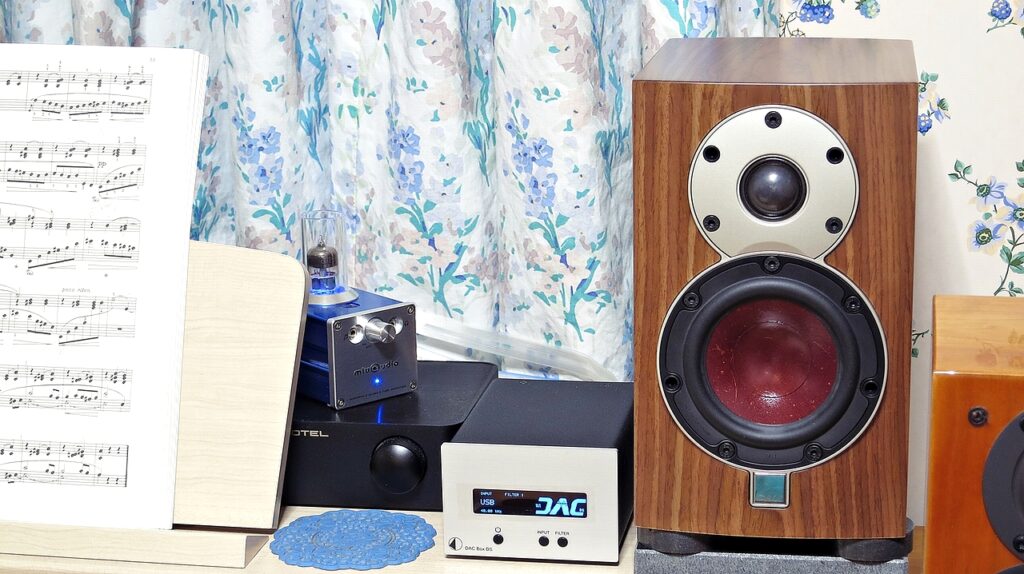
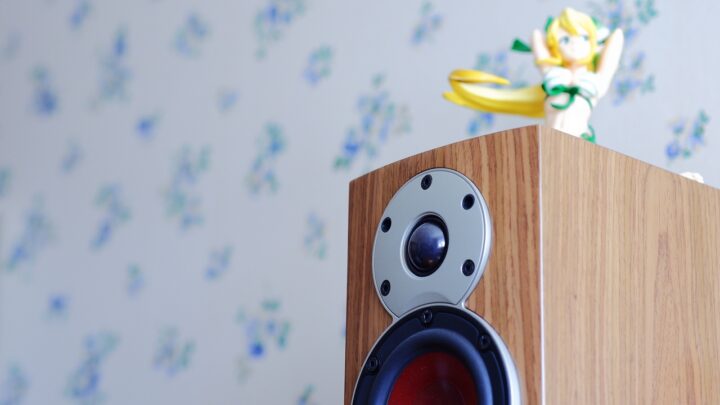
For instance, rather than spending a million yen or more on a large floorstanding speaker, I find it far more enjoyable to use the same budget to buy several sets of well-made, palm-sized compact speakers and switch between them according to the music or my mood. There is also another important reason: apart from the inevitable shortfall in scale, small speakers with their near point-source characteristics tend to be more musically expressive than larger, more expensive models from the same manufacturer’s lineup.
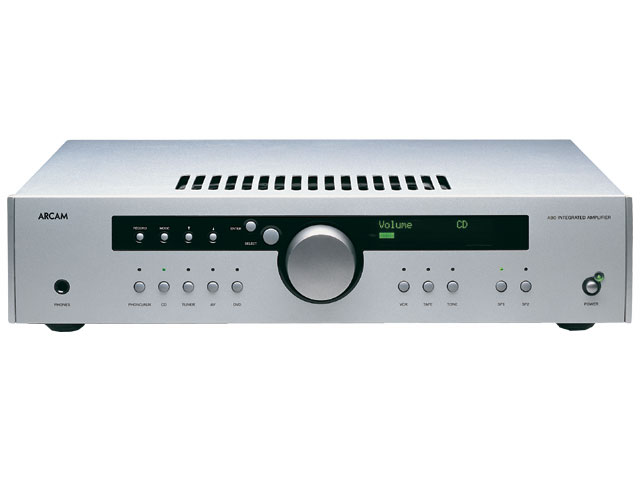
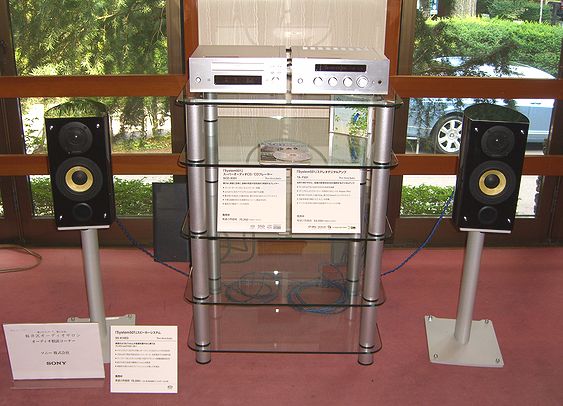
I prefer compact components as well. Cheap mini-systems that put design first and sound quality last are a firm no — but looking back at the gear I’ve used: CREEK, Musical Fidelity, Tokyo Sound , TAG McLaren — there is no question that my inclinations run towards compact, lifestyle-oriented Hi-Fi.
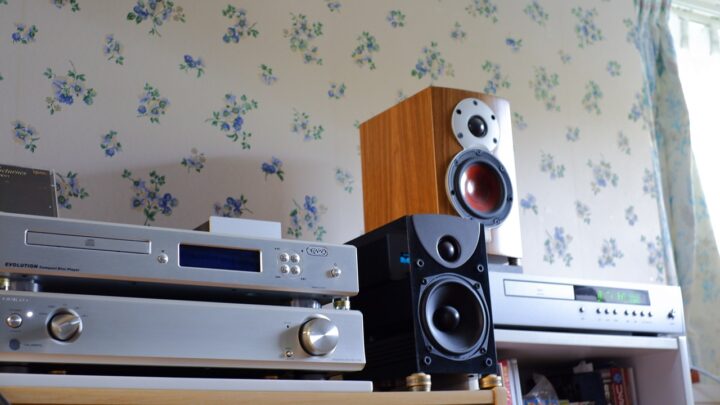
This may be a preference shaped by living in a flat and the volume constraints that come with it — but even if I lived in a detached house, I rather think I’d end up putting together separate compact sub-systems for each room. When it comes to design-led brands, I do admire those that still take sound seriously, like B&O (Bang & Olufsen). Whatever anyone else may say, I like the sound of Bang & Olufsen.
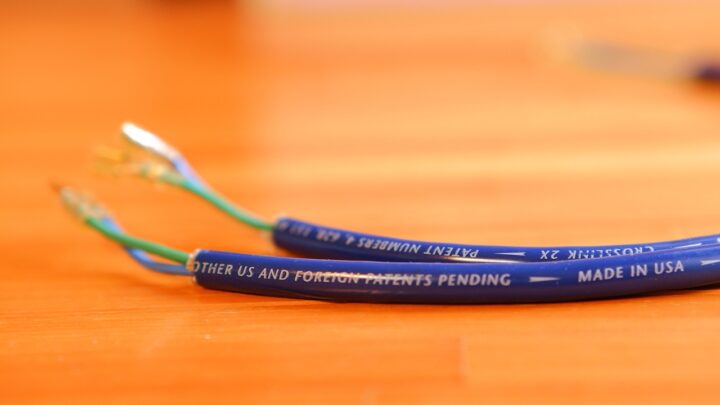
Then there is the matter of price. I have a deep and thoroughgoing love of cheap things. Finding a stylish piece of budget Hi-Fi gives me a genuine thrill. When something costs so little yet sounds so good, I am moved from the heart by that kind of value for money. In that sense, it should be noted that the author’s sound quality assessments are not absolute — they are relative evaluations influenced, to a degree, by price. For example, the impression that the Pioneer DV-545 is wonderful is based on having picked one up secondhand for 5,000 yen; if the same sound were coming from a machine that cost 150,000 yen, I would surely be sending out a silent signal warning everyone not to buy it. I also enjoy trying out various audio cables and accessories at reasonable prices. That said, “reasonable” is still from an enthusiast’s perspective — to an ordinary person, even this probably seems outrageously expensive. Ten thousand yen for a single cable, indeed. And yet, before anyone gets around to debating the merits of expensive cables, it is a great mys-ter-y to me why no one in the Hi-Fi enthusiast community ever seems to raise the rather more pressing question of what to do about the countless cables, far too long for the job, that lie tangled and coiled all over the place.

That said, I am not anti-high-end by any means. My budget is simply meagre and tightly held. I genuinely believe: if you are going to pour every last penny of a limited budget into audio equipment, please use that money to buy CDs instead — or go to a concert! Of course, those fortunate enough to have no budget constraints and can freely buy as much software and hardware as they please are a different matter entirely. But in all my listening across various systems over the years, I have to say it is genuinely rare to encounter a high-end system that objectively justifies its price tag beyond simply satisfying its owner’s vanity. Sound quality in a technical sense does seem to improve with price up to a point — but when it comes to musical expression, price is utterly irrelevant. Those at the top, it seems, just cannot see that.
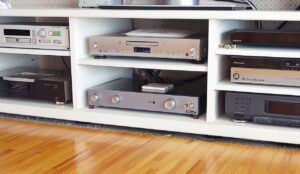
In my own case, it is not entirely wrong to say that having a main system — the Vienna Acoustics T-2 Mozart Signature — in the living room is precisely what allows me to enjoy the miniature-world pleasures of a no-compromises budget Hi-Fi sub-system. With the sub-system, it doesn’t matter if the deep bass isn’t fully there, or if the tonal character is a touch coloured — as long as it is lively and enjoyable in its compact way, that is quite good enough.
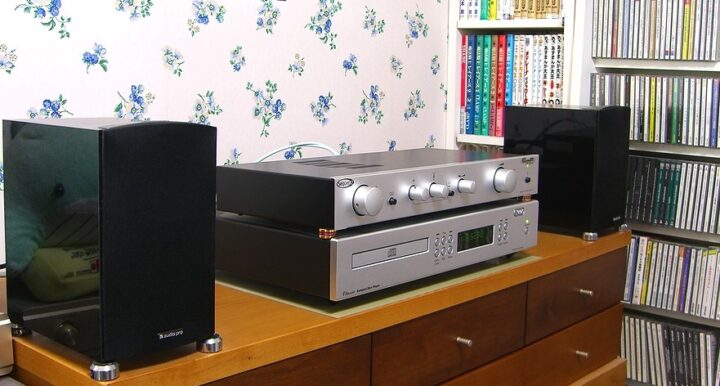
And yet, compared to a main system that is fussy about setup and demands expensive equipment at every connection, the miniature-world system is far easier to get sounding good, and its satisfaction in terms of day-to-day living turns out to be surprisingly high. The Vienna Acoustics is wonderful for impressing guests with its deep, expansive soundstage… but the speaker I actually reach for most often in daily life is the audiopro — enjoyable even at low volume, and never tiring to listen to. For long hours of musical enjoyment, being able to hear absolutely everything is not necessarily the point. Poorly recorded CDs contain plenty of distortion and unpleasant noise that one would really rather not hear. A compact sub-system that rounds things off sensibly and lets you hear the best of the music — I think this comes closer to the truth of what it means to keep music near and present in everyday life.
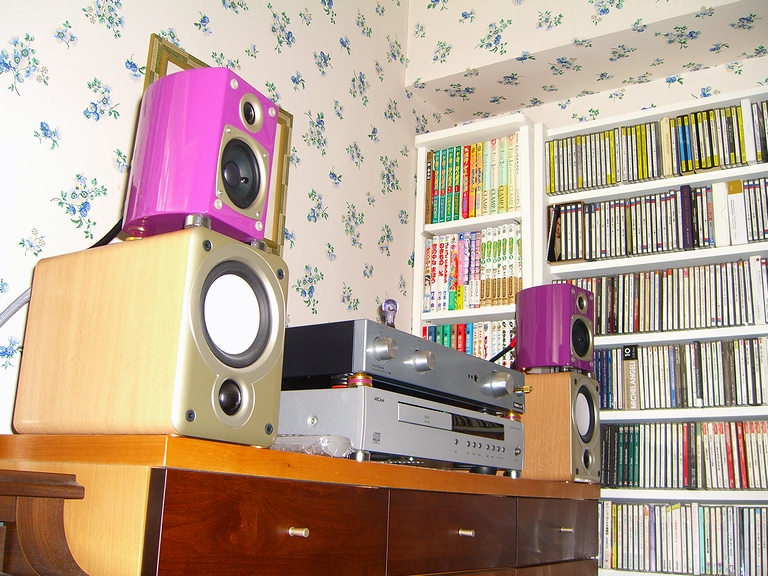
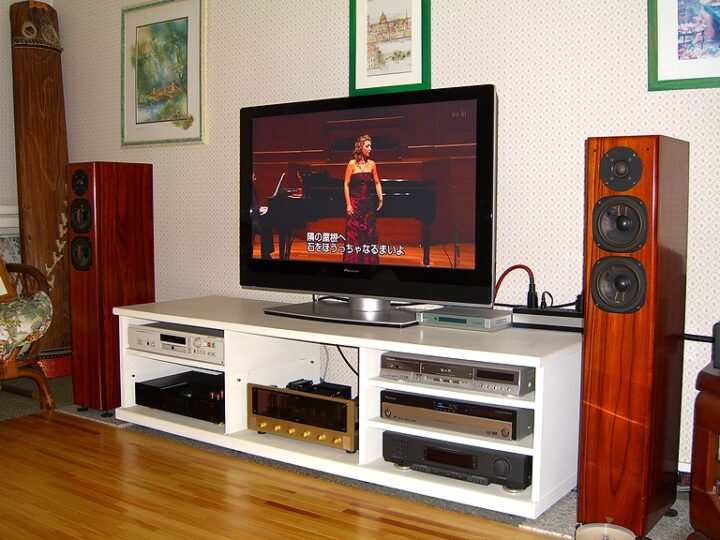
With all of that in mind, “AUDIO STYLE — a miniature-world approach to pure Hi-Fi” aims to offer a relaxed introduction to affordable, rewarding budget Hi-Fi: audio systems for music lovers who want to enjoy music richly, even at low volumes, in the small rooms that are the norm in Japanese homes — with an eye, too, for musical expressiveness and beauty as a piece of furniture.


 ポチップ
ポチップ
Auto Translated by CS4.6