There was a time when the claim that audio is all about looks was being proclaimed with great conviction in certain corners of the Twitter (X) high-end audio enthusiast community, and I imagine more than a few people found themselves quietly baffled — what on earth is this about? That said, personally, while I was half smiling in disbelief, there is a part of me that could not entirely disagree, and so this time I would like to share some personal thoughts on the matter.
At first glance, this idea may sound like occultism — the sort of thing where unrelated phenomena get muddled together through wishful thinking. Of course, from an engineering standpoint it is perfectly correct to say that what matters most in audio equipment is the sound quality itself, and that appearance and visual design are no more than secondary considerations. That is an entirely reasonable view from an electrical engineering perspective. Taking that as a given, however, one still wonders: is there truly no kind of similarity between outward design and sound quality? When speaking from the position of an audio enthusiast, I find that in practice, from accumulated experience, this saying does seem to contain a certain truth.
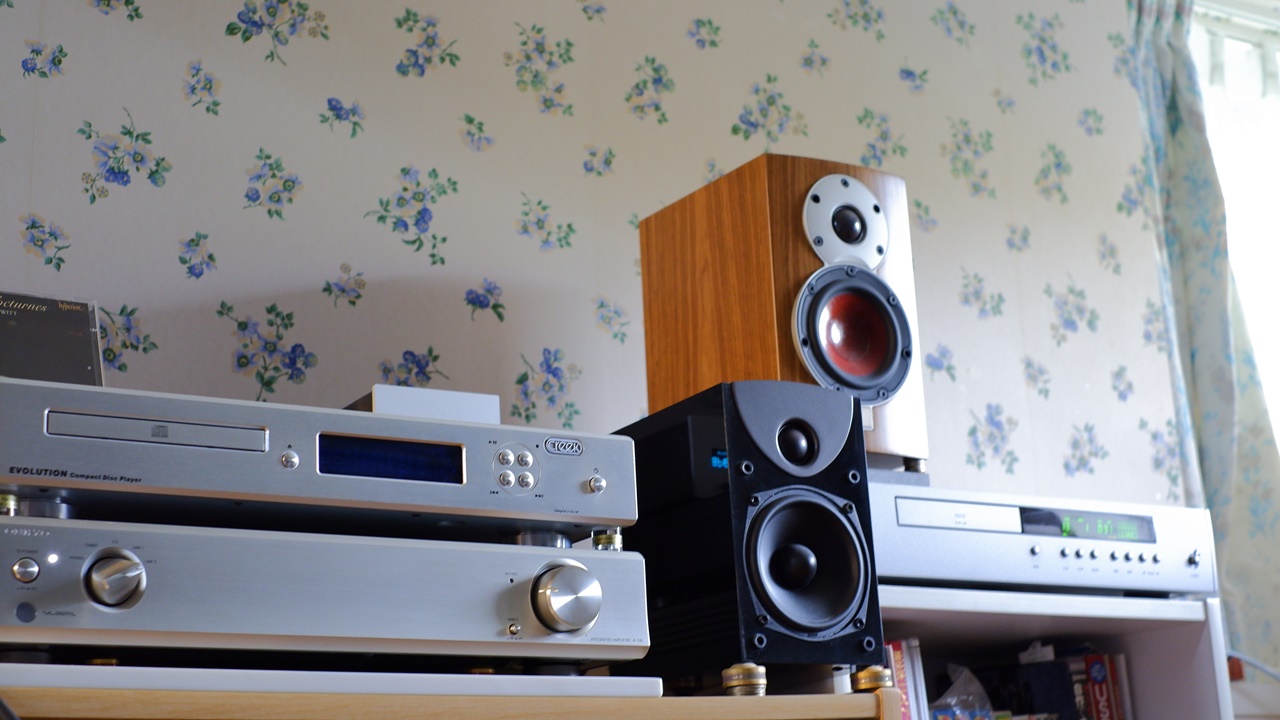
The Placebo Effect
To begin with, one reason why audio equipment seems to sound the way it looks is an undeniable fact — varying from person to person, but present in us all to some degree — that human beings allow visual information to colour their impression of sound. This is much the same as the way food tastes markedly different depending on the plate and presentation, the table setting, and the atmosphere of the room. As one form of the placebo effect in the broader sense, so long as we are human, it is physiologically unavoidable that our hearing is subject to interference from visual information and the like.


 ポチップ
ポチップ
What Experience Has Taught
Yet setting aside such illusions, in the case of audio enthusiasts who believe they can do “sound tasting” — a blind listening test of sorts — there is, one might say, a sense that even after eliminating visual influences outside of hearing, some relationship between sound quality and the appearance of equipment still seems to exist…
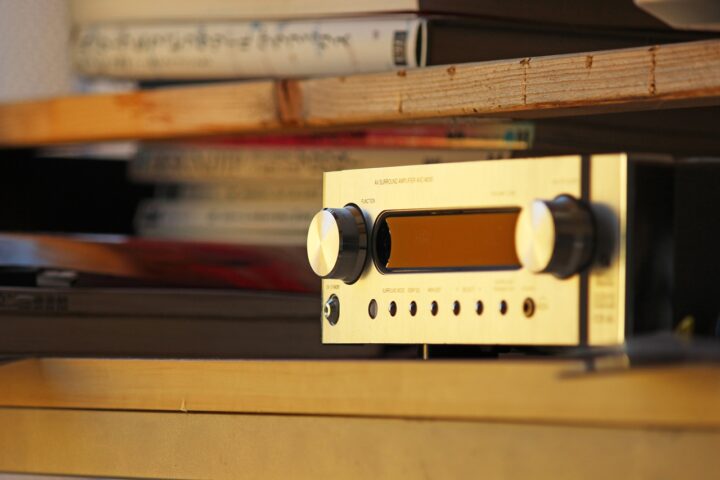
In practice, I feel that there is considerable individual variation in the ability to “sound taste.” Even so, once one has accumulated a certain amount of experience through the trial and error that audio entails, the tendencies of various material resonances (inherent vibration frequencies) and the ways in which they overlap start to become, to some degree, inferrable from the appearance and the tactile quality of the component parts of speakers, equipment, accessories, and the like. It tends to be forgotten, but the final acoustic experience available to a human being is not an electrical signal — it is, at its core, an overlapping of vibrations, and the listener ends up hearing the result of all manner of interference from the equipment’s extraordinarily complex vibration modes, modulated as they pass through.
As a result, cases where the sound upon actually listening turns out to be exactly as expected — where appearance and sound quality more or less match up — are, if you have been doing audio for a long time, something you will encounter with no small frequency. Of course, there are also cases where the sound quality turns out quite different from what the appearance suggested, and one is pleasantly or disappointingly surprised, confounding expectations formed beforehand — so it remains very much a matter of “there does seem to be a tendency along those lines when you handle various things” and nothing more…
If this were nothing more than a preconception dragged along by visual impressions, then while the sound might well turn out to match the image formed beforehand, there ought to be no cases of an entirely unexpected sound quality — yet in practice, it is quite normal for a sound quality tendency that differs from what was anticipated, unexpected sound components, to be audible to a greater or lesser degree. Sometimes the result turns out to be better than expected, and other times it is a disappointment, but my impression is that as experience accumulates, both the range and the probability of one’s predictions proving correct tend to improve. ※ Individual variation applies.
What the Audio Manufacturers Are Thinking
When it comes to products from mainstream audio manufacturers, a refined design and sense of luxury in keeping with the prevailing trends of the era are cultivated, and each manufacturer’s products are brought to market wrapped in a design and finish befitting the desire for ownership — all in line with that manufacturer’s particular brand image and the aesthetic sensibilities specific to audio equipment. In most cases, through a tiered product lineup, a certain shared design concept is maintained so that the tonal character of each grade can be conveyed through its appearance alone. ※ I suspect there is also a business dimension to this: when appealing to buyers who cannot readily distinguish differences in sound quality, a visible difference in appearance is something that can be made unmistakably clear.
When a manufacturer develops a piece of equipment, the process begins with the design engineer’s subjective sonic vision. A circuit is built around that vision, and then — within the constraints of available components and development costs — countless combinations of parts are tried and tested in pursuit of realising that ideal sound. And as that sonic image is gradually given form, a design concept for the external appearance is also communicated to the designer, one that matches the engineer’s ideal vision, and the product is brought to completion through careful attention to every detail.
When developing a pure audio product in particular, it is generally the case that the fundamental sonic character, design approach, and overall concept are given concrete form by a central figure within the development team. The result is that both the sonic vision and the visual design tend to be concentrated in the preferences and imagination of a single developer, reflected as fully as possible within whatever constraints apply.
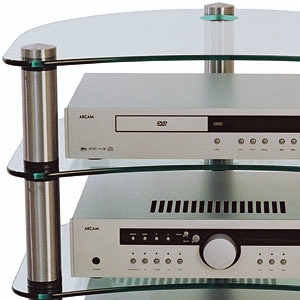
Particularly among the relatively small overseas manufacturers that make up the majority of this world, it is not uncommon for the designer to also be the company director and to effectively handle the external appearance as well. From voicing and circuit design right through to decisions about the visual aesthetic, the chief engineer’s intentions run very strong — and to outside observers, for better or worse, the look of a product tends to give away more or less what kind of sound to expect.
Japanese Audio Equipment
This is a story from a time long past, when Japan’s large corporations were all racing to develop audio products by throwing resources at them, when audio equipment was everywhere, and model changes came once a year. Perhaps it was the excessive division of labour among company employees, but it was perfectly normal for speakers, amplifiers, CD players, cassette decks and the like — all products from the same manufacturer, developed at the same time, sharing the same design language — to have completely different sonic characters from one component to the next. The only things they had in common were the front panel aesthetic and the design concept written in the catalogue. At the larger companies it is entirely normal for the chief engineer to differ across price tiers, and in that respect, compared to overseas manufacturers where a single person decides everything from top to bottom, Japanese manufacturers may in truth be rather less reliable when it comes to consistency of design concept.
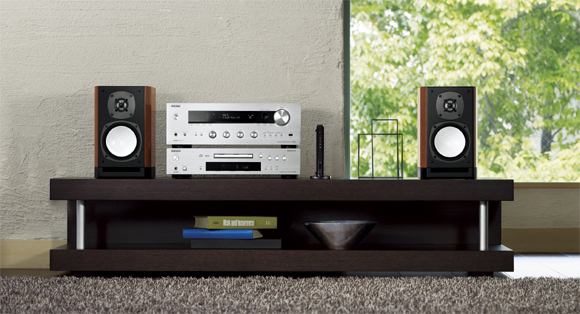
Japanese audio manufacturers, though far larger as companies than their overseas counterparts, now find themselves in a domestic market that has shrunk considerably — and the design team is probably just a handful of people gathered around a lead engineer. Since the process of bringing a product to market would involve sharing a concept as fully as possible, including with the visual designer, audio equipment tends by its very nature to be something that reflects strongly the personal values of those who make it. Or perhaps — in the way one speaks of the sound of LUXMAN, the sound of Accuphase, the sound of MARANTZ, the sound of DENON, the sound of YAMAHA — in order to maintain a consistent sonic character that an enthusiast could identify at a single listen, a character that becomes the philosophy of the brand, development must proceed on the basis of sharing certain specific circuits and components that give each brand its particular flavour and personality.
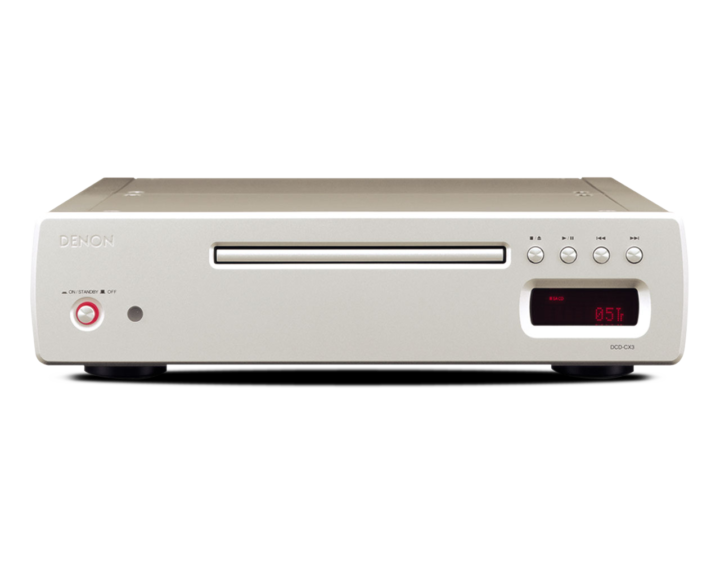
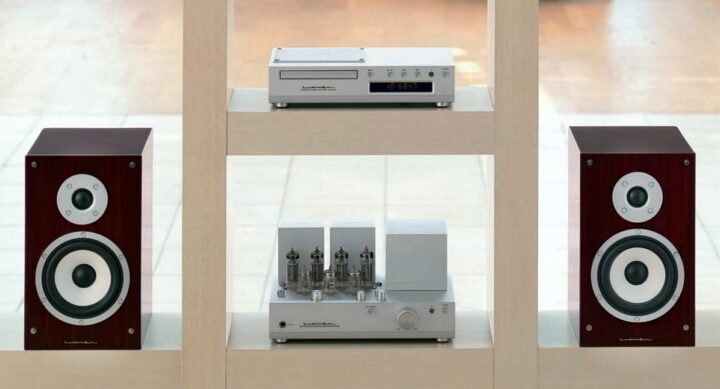
The result is that audio equipment, developed on a small scale and sold in limited quantities, tends to be influenced right through to the finished product by the designer’s values regarding music, their sonic preferences and tastes, and indeed their personality — which means the outward appearance, too, ends up reflecting the maker’s preferences and individuality as a matter of course. I think this is what gives rise to a certain commonality, a similarity and correlation, between the sound quality of audio equipment and its visual appearance.
Products Whose Looks You Like ≒ Often Sound Good Too
First of all, the key point here is that this is about looks that appeal to each individual person personally. In general terms, there are of course any number of designs that are objectively pleasing and any number that are not, and it is certainly true that products with a design that looks well-made and refined — the kind that leaves no room for criticism — do tend to be of high sound quality from an objective standpoint as well.
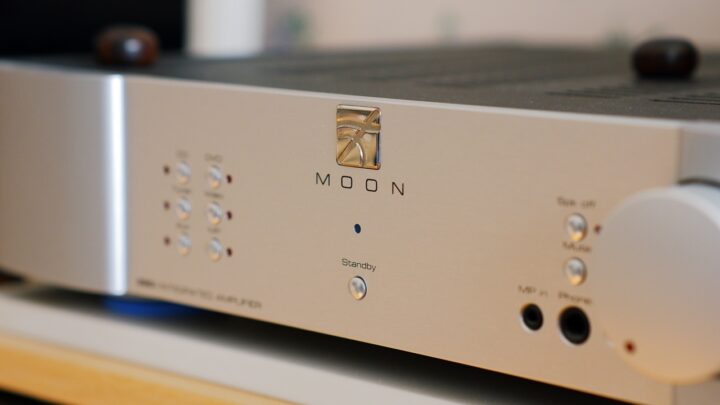
That said, how much a given appearance and sound quality actually resonates with any one person’s personal tastes is very much an individual matter. Speaking for myself, for instance: large, heavy equipment with an imposing presence, designs with a high-precision, uncompromising metallic feel and a sense of solidity, or designs that are conspicuously flashy and glittering — these are not, subjectively speaking, particularly to my taste, whatever one might say about their objective sound quality. Even when I can objectively acknowledge that such equipment sounds good, it rarely strikes a chord with me personally to the point where I actually want to own it — which is curious in itself. That would be one thing on its own, but as a rule, products whose appearance I find off-putting in the first place also tend to produce a sound that is, in much the same way, somehow physiologically difficult for me to accept.
It is worth bearing in mind that products generally regarded as good-sounding within the industry do not necessarily resonate with every individual in the same way.
In the world at large, there are people who love luxury foreign cars, people who are fond of large estate cars or SUVs, people who prefer a sleek sports car, people who swear by the Toyota Crown or the Prius — all manner of tastes exist, and at heart it is exactly the same with the design and sonic character of audio equipment.

This is purely a matter of my own personal taste, but many of the products that produce sound which truly moves me tend to be small, delicate, sporting a classic design that feels slightly old-fashioned, not looking especially expensive — perhaps a little understated, even a touch cheap. In automotive terms, the image is something akin to a Mini, a FIAT 500, a small French car, or, in the domestic market, those kei cars with the retro-classic styling that were fashionable some years back — that sort of concept.
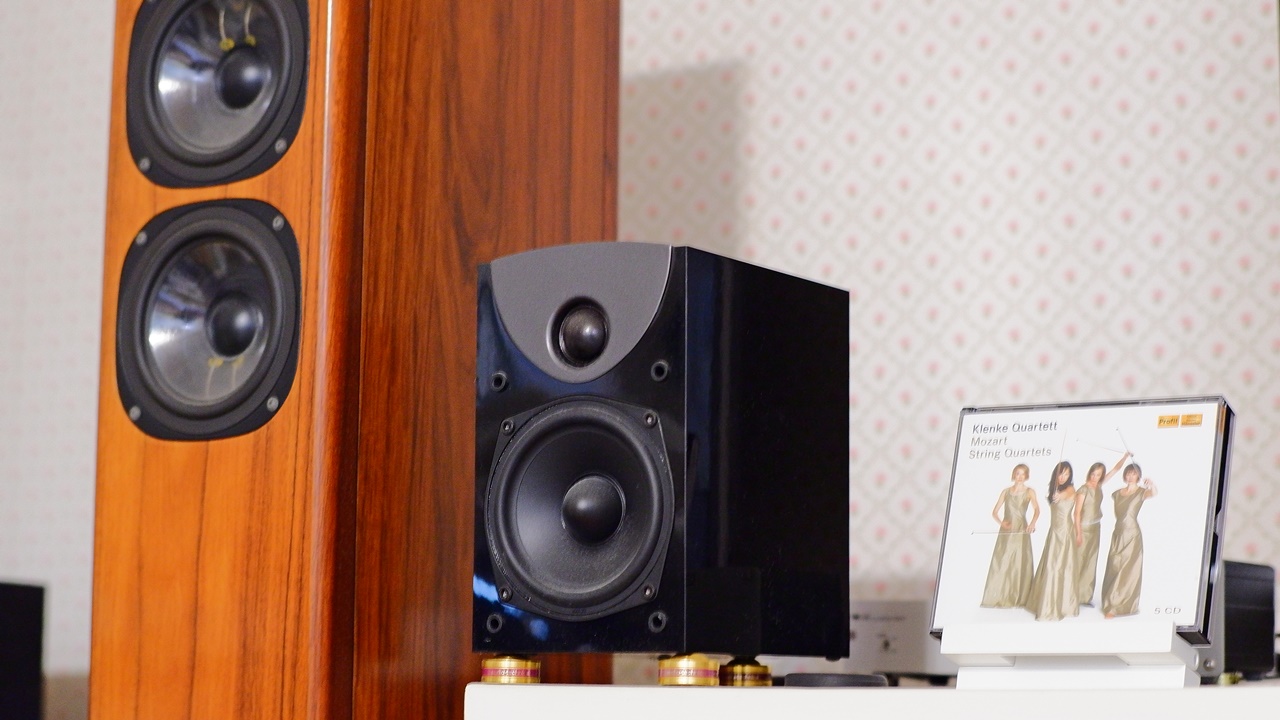
When I look back over the equipment that has had the tonal character I was after — the kind that touches something deep and plays music pleasantly beside me — the products that end up in that list are, across the board, ones with the sort of design concept I described above. Oddly enough, whether I have chosen by sound or by looks, the starting point may differ but the destination turns out to be the same.
Of course, in audio as in cars and everything else, there are plenty of listeners whose tastes are simply different from mine to begin with, and the convictions of those who make these things are equally varied. So I think the real key to finding audio equipment that sounds genuinely good — in the subjective sense that each person experiences — is for each individual to choose, by instinct, a product whose appearance suits their taste and whose concept they can connect with.
The maker’s aesthetic sense is reflected in the circuit design too
Even when you cannot read a circuit, one useful reference point when looking inside an audio component’s chassis is the visual beauty of the circuit itself. A beautiful circuit — though tastes will differ — in my case means a design that keeps the component count to a minimum, is as simple and symmetrical as possible, and avoids convoluted wiring runs wherever it can. If the result of pursuing that simplicity is that the inside of the box looks rather sparse, that does not bother me particularly.
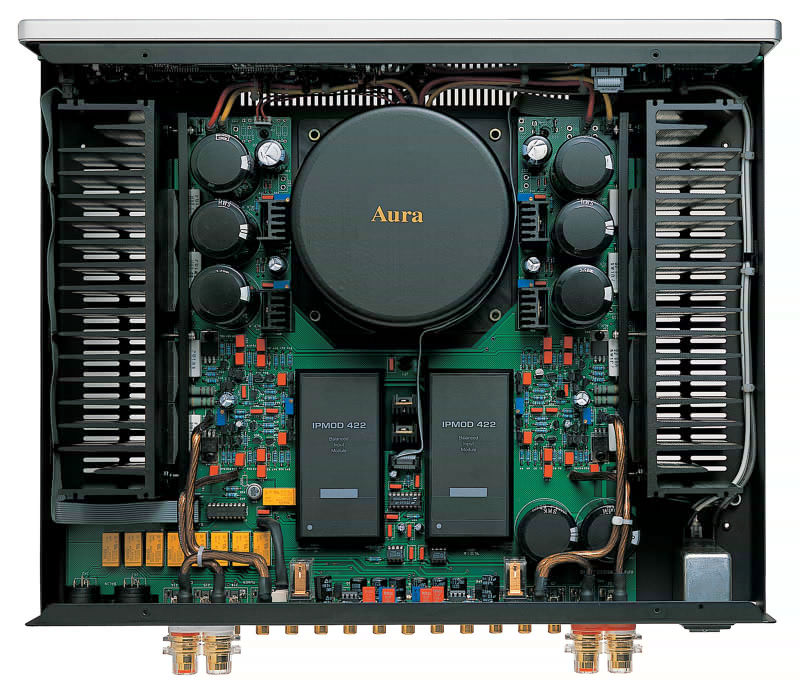
On the other hand, there are those who prefer a circuit that looks unmistakably high-end, with rows of large capacitors and transformers, and others who are drawn to brute-force designs crammed with a great many small components however cluttered they may appear — such preferences and aesthetic sensibilities vary from person to person according to one’s values. As a general tendency, high-end products that have had real cost put into them tend to have internal circuit layouts that are logical, orderly, and visually handsome, whereas Japanese products have traditionally favoured elaborate internal wiring runs and a tendency to use a large number of small components on the board.
The distinctive aesthetic of DIY builders and garage manufacturers
Among DIY enthusiasts and technically-minded hobbyists who approach audio from an engineering perspective, the tradition has always been circuit design first and foremost, and as a result, amplifiers and speakers that leave you wondering about their appearance have been running rampant for as long as anyone can remember. Products from garage manufacturers founded by serious engineers also include no shortage of items that look unmistakably like pure audio equipment, and one could even argue that the deliberately mechanical, charm-free aesthetic is, in a positive sense, proof of genuine hobbyist conviction — and it is certainly true that such products radiate a distinctive appeal that is very much in keeping with an engineering-first philosophy.
 ポチップ
ポチップ
Thoughts on Design-Led Audio Equipment
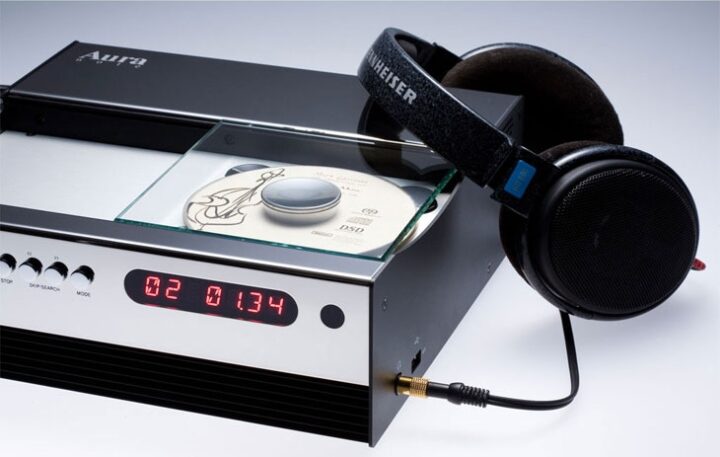
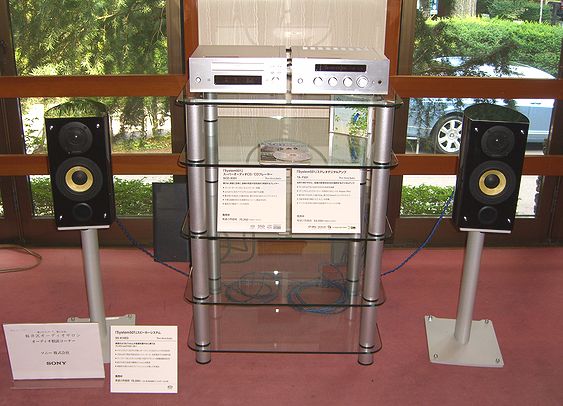
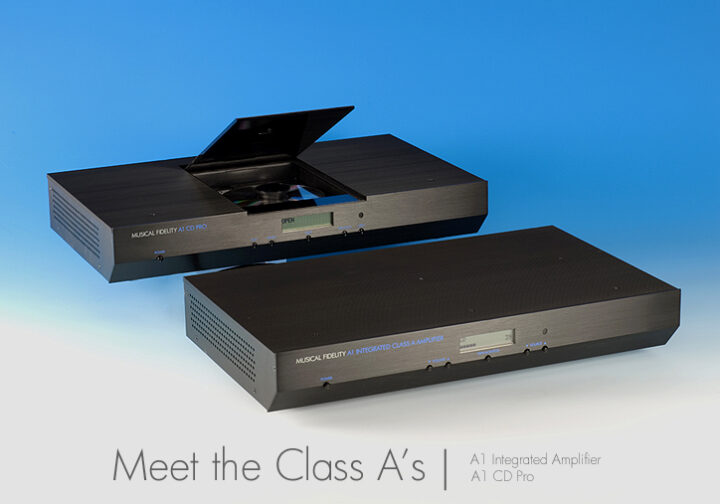
On this point, when it comes to reasonably priced products from serious audio manufacturers, I find myself with a broadly positive impression. For a long time now, brands such as LINN, ARCAM, Aura, B&W, BOSE, and on the Japanese side SONY, DENON, and certain lines from LUXMAN, have been producing compact, design-conscious products built around the concept of lifestyle audio. Some of them are priced on the higher side relative to their performance in terms of value for money, but they combine genuinely good design with serious sound quality as pure audio equipment — so if you would rather not bring too much of a mechanical or enthusiast-heavy atmosphere into your “living space with music,” then choosing something from this category that appeals to you aesthetically will, in all likelihood, lead to a considerably richer musical life.
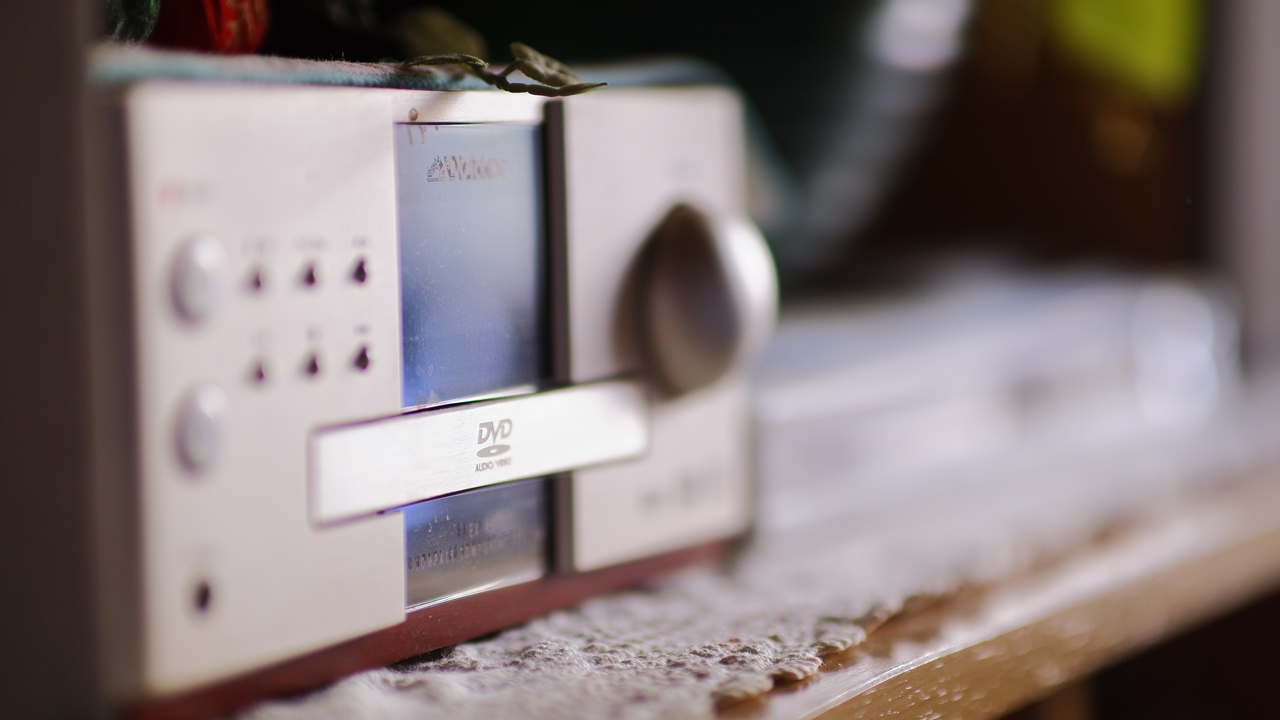
However, once you move into products that are even more aggressively design-conscious, you find that serious audio manufacturers are no longer the main players — instead, the vast majority of such products come from commercial entrants whose primary concern is product planning as a design object, with little substance to back it up. In most cases, the price is also considerably lower than what you would pay for products from genuine audio equipment manufacturers. Because they tend to appear in online shops, general electronics retailers, and even homeware or furniture stores — wherever the eye happens to fall — the probability of an ordinary person stumbling across one and buying it is overwhelmingly high. Yet beneath the appealing exterior, the substance is cheap, and among audio enthusiasts, such products are almost entirely ignored.
 ポチップ
ポチップ
There are exceptional products that have earned recognition among enthusiasts — Bang & Olufsen, Gallo Acoustics, and SCANDYNA, to name a few. But when it comes to this sort of design-object speaker from little-known manufacturers in the few-thousand to mid-ten-thousand yen range, the vast majority have had little cost or thought put into sound quality. The result is an invisible harm: you are listening to music, yet you are only skimming the surface of what the artists actually put into their albums, and the listener ends up unable to have any deep musical experience. As a choice for listening to music, I would rather you avoid them if at all possible. If you are already using one, I do hope you will consider stepping up to a proper product — one with the genuine ability to bring real music to life.

~ Summary ~ The Secret to Choosing Audio Equipment Without Getting It Wrong
The visual design of audio equipment — whether consciously or unconsciously — very often reflects the designer’s own philosophy, sonic preferences, and personality in quite direct ways, and it could be said that this is precisely why, paradoxically, there tends to be so much common ground between outward appearance and sonic character.
As a listener accumulates experience with various pieces of equipment, they gradually become able to form at least a rough sense of what a given component will probably sound like — even before hearing it — simply from the atmosphere its design gives off, or the feel of the materials used. There are individual differences, of course, but I have come to feel that human beings are innately equipped with an ability to infer what something will sound like from non-auditory information as well: the feel of words, visual impressions, and the like — to which experience then adds its own layer. Without that ability, it would surely be fundamentally difficult to make instruments, to tune them, or to play them beautifully.
Taking all of that into account — ultimately, each person has their own style that excites them, and everyone’s standards for what constitutes good sound or good audio equipment differ. You may have gathered information and thought it all through, and the component in question may well seem the best choice available right now in terms of both specifications and price — and yet, somewhere inside, you quietly don’t actually like the look of it. That inner voice is perhaps not something to dismiss when making a final purchasing decision; it may turn out to be a telling sign of how things will go.
 ポチップ
ポチップ
Rather than being swayed too much by other people’s opinions online or by media-driven promotion, what matters above all is choosing a product whose total design concept — appearance included, not just sound quality — truly matches your own taste and sensibility. Choosing equipment that suits your own preferences, your own aesthetic — “looks” and all — is, I think, the approach most likely to lead you to genuine happiness in audio, without unnecessary detours along the way.

Auto Translated by CS4.6




List of comments (2)
こんにちは! しばらくお見かけしてなかったので心配してましたが、元気そうでなによりです。
個人的には(推しの)CambridgeAudioのデザインは単調ではありますが、国産オーディオにありがちな演出過多かつギラギラしたものがなく清潔でシンプル、音も中国生産品にありがちなチープさはなくナチュラルで素直といった印象があります。きっと開発側もそういうものを狙ってデザインしているのでしょう。あくまで主観ですが。
コメントありがとうございます!
Cambridge Audioの角を丸めたプレーンなデザインは、確かに音質のイメージと一致していると思います。僕は一昔前のSirocco S30 スピーカーを使っていますが、これのデザインと箱の質感も音質から受ける印象を見事に体現していて好感触です。