This morning I woke up early and gave the main system in the living room a thorough clean. I’ve been trying out various things recently, with amplifiers and CD players coming and going, so it was well overdue. First I removed the integrated amplifier and CD player, cleaned the inside of the transport with the Escargot, then wiped down the rack, the equipment, the speakers, and all the various cables with a damp cloth. Every connector in use — from the speakers through to the CDP and the mains — was cleaned with solvent. This kind of routine maintenance is something you can do on a whim precisely because I’ve deliberately chosen compact, lightweight Hi-Fi equipment. With a massive, heavyweight system where the power amplifier alone tips the scales at 20 kg, you simply can’t move things around and do a proper clean at a moment’s notice.
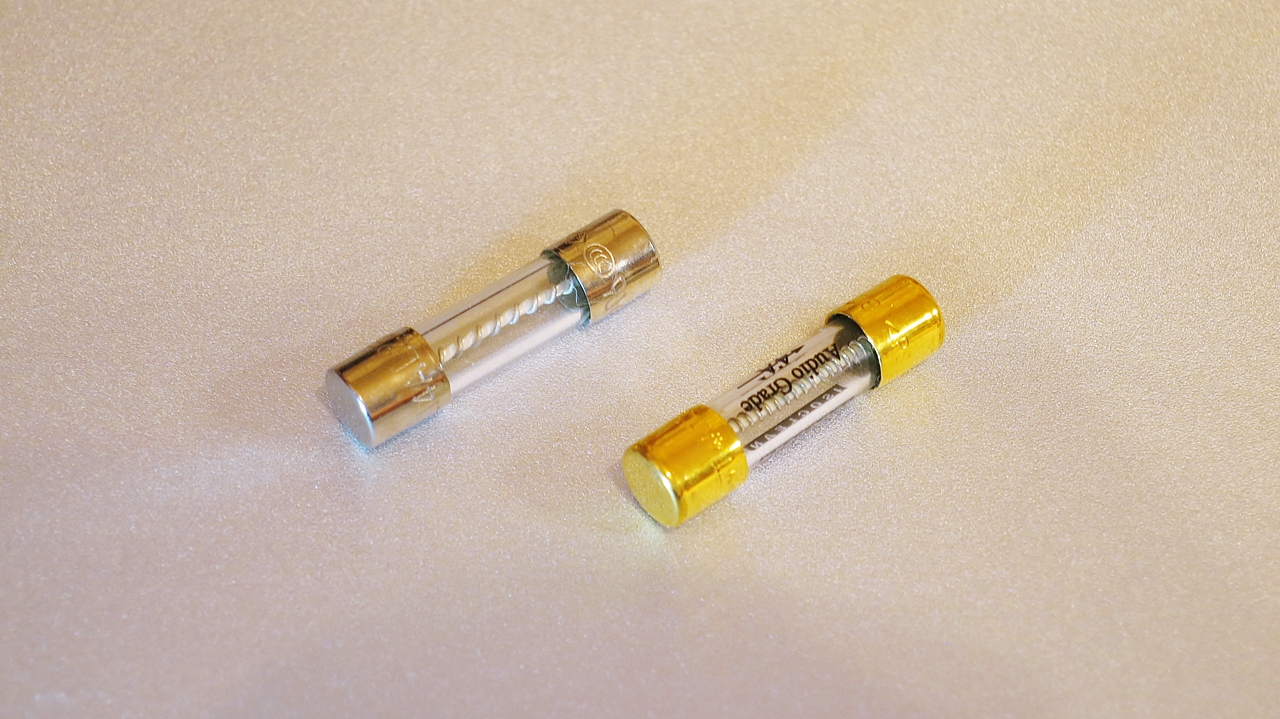
The reason for doing this big clean today was, as I mentioned in a previous post, to properly evaluate the ISOCLEAN POWER FUSE — a mains accessory sold by Hong Kong-based audio power accessory maker RC Development. The Japanese distributor is Cayin Laboratory Japan. I had various pieces of equipment spread out around the main system in a bit of a mess, and I wanted to compare the sonic qualities of the fuse properly in a tidy environment. ※ My thinking was that if the sonic differences between fuses were subtle, a sloppy comparison might mean I’d miss them entirely — but as it turned out, the audible difference was considerably larger than I’d anticipated, so that concern was unfounded.
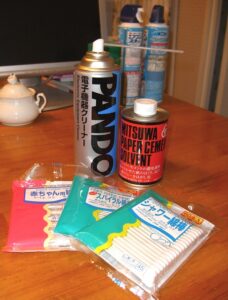
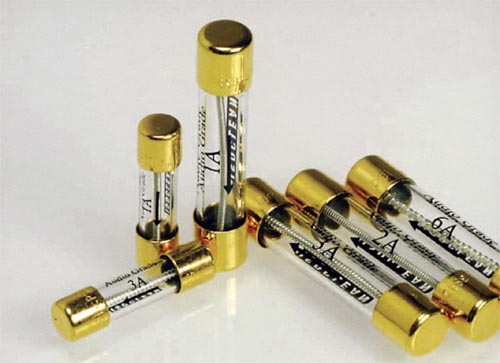
The ISOCLEAN POWER FUSE looks like a perfectly ordinary fuse. However, the metal caps on both ends are gold-plated, and there is a directionality indicator. There is also a small piece of paper cloth included. Perhaps it’s meant for wiping off any dirt before fitting? Fuses, oddly enough, are often dirty straight out of the box, so in my case I don’t just wipe them dry — I polish them with industrial cotton swabs (the kind used for scale modelling) and an electronic contact cleaner with a degreasing effect such as (Pando 29D) before installing them.
ISOCLEAN POWER FUSE Line-up
The ISOCLEAN POWER FUSE has an ordinary hollow construction — it doesn’t appear to be filled with any material the way a ceramic fuse might be, nor does the fuse wire seem to be made of any particularly exotic material. There is no mention of cryo treatment either. A Chinese and English instruction sheet is included, but no Japanese one. To summarise the English text:
While it is well known that high-quality power supply improves the performance of audio equipment, the importance of fuses has traditionally been overlooked. Fuses suffer metal fatigue from carrying high current, which reduces conductivity and causes deterioration over time. For this reason, under normal conditions, fuses should be replaced every six months to at most one year.※ When fitting, clean the contact surfaces of the fuse, check the arrow marking, and observe the correct directionality.
※ The ISOCLEAN POWER FUSE is available in the following types.
6×31.8mm: 1A, 1.6A, 2A, 2.5A, 3A, 4A, 5A, 6A, 7A, 8A, 10A, 12A, 15A
5×20mm: 1A, 1.6A, 2A, 2.5A, 3A, 4A, 5A, 6.3A, 8A, 10A
So that’s the gist of it. Every six months to a year — do fuses really need to be replaced that frequently? (mysterious). But setting that aside, rumour has it that the ISOCLEAN POWER FUSE can, in some cases, transform an amplifier so dramatically it becomes an entirely different beast…!?


 ポチップ
ポチップ
Sceptical but curious, I try swapping the ISOCLEAN POWER FUSE I’d ordered into the TAG McLaren 60i in place of the original factory fuse. The specification is a 5×20mm miniature T4A (SB). The fuse originally fitted in the TAG McLaren 60i was an S4A (FB) — that is, a fast-blow type — but the ISOCLEAN POWER FUSE is apparently slow-blow throughout the range. Well, fair enough I suppose… at your own risk, at your own peril. If you copy this and burn out your circuitry, I accept absolutely no responsibility whatsoever. On the 60i, fuse replacement is a one-touch operation at the IEC inlet on the rear panel, so the whole job takes under a minute.
Come to think of it, there was an occasion when the fuse in my Musical Fidelity A1 Junior blew and I sent it to Heinz & Company for inspection and repair — when it came back, the blown fast-blow fuse had been replaced with a slow-blow type, and oddly enough the sound had become noticeably cleaner. Well, the 60i also has a sensitive relay that acts as a safety device and trips at the slightest provocation, in addition to the fuse, so I’ll count that as fine. As for the directionality of the fuse — you can’t really tell without looking at the circuit diagram (and even then it’s not obvious) — so I simply listened to both orientations and went with whichever sounded better to my ears (the one where the character of the change was more clearly defined).
[PR]
 SOUNDHOUSE — Fuse Types and Guide
 SOUNDHOUSE — Mains Trouble (Fuses)SOUNDHOUSE — Fuse Catalogue
ISOCLEAN POWER FUSE — Sound Quality Review
First of all, the sound that comes out is immediately more subdued!? I get the impression that the volume level has dropped ever so slightly. I haven’t touched the volume control or anything else, of course. I’ve done nothing but swap the fuse from the stock one to the ISOCLEAN POWER FUSE. Listening more carefully, the noise floor seems to drop a notch, and the soundstage appears — visually, in my mind’s eye — to settle and deepen. The tendency is for the overall resonance to become richer, with the impression that reverb tails linger a little longer in the air. There is a moistness to the sound, and the sense of shadow and depth is quite pronounced. The tonal palette, too, has become more varied.
The background has a composed, slightly dimmed quality, while the direct sound itself glimmers with a faint brightness. It reminds me of the lighting in a concert hall where a spotlight falls on the soloist. This may well be the influence of the gold plating, if I had to name a reason. Resolution in the pianissimo direction has improved, with delicate nuances standing out more richly — the lines are fine, but the minute movement of the sound is clearly visible; one might describe it as a beautiful-sounding, high-end kind of refinement. In terms of image and nuance, it bears a slight resemblance to the gentler variety of valve amplifier. That said, in combination with the TAG McLaren 60i, the overall effect is perhaps a touch too restrained, and some of the drive and impact has receded. It’s a little difficult to feel entirely settled about, but the sound is delicate and genuinely beautiful.
I swap back to the original fuse that came fitted in the TAG McLaren 60i. This one is livelier and more spirited; the image pushes forward, and compared to the ISOCLEAN POWER FUSE the sound is clearer, more sharply defined, and brighter. However, going back to it I notice something I hadn’t picked up on before: the stock fuse has a faint but unmistakeable trace of distortion in the upper registers. Compared with the ISOCLEAN POWER FUSE, listening to it for a while leaves me feeling, oddly enough, a little fatigued — almost as if I’ve had enough. The standard fuse doesn’t give the sound much depth. That said, there’s something to be said for it — it doesn’t impose any strange colouration of its own, and I can hear that in terms of compatibility it does suit the amplifier well.
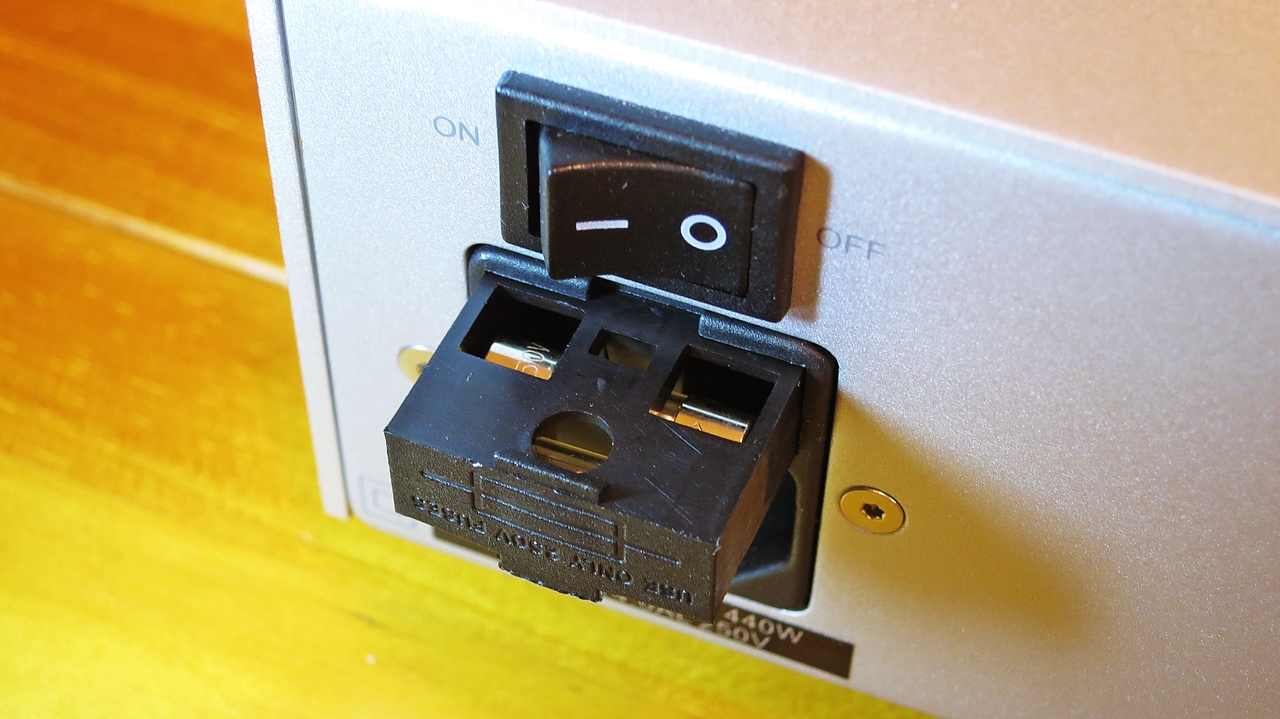
I put the ISOCLEAN POWER FUSE back in. It is again subdued, but distortion is entirely absent. The subdued character and the low distortion together actually make me want to turn the volume up. In other words, perhaps it sounds quiet simply because there is no distortion. And indeed, when I do raise the volume considerably higher than I normally would, it doesn’t become harsh at all. For extended listening — background music included — the ISOCLEAN fuse is unquestionably the better choice. In that respect I think it is clearly the right direction, but in terms of showroom appeal, the stock fuse has more forward projection and brightness and makes a more immediately striking impression. I’d say this is a fuse for listeners with a sensitive ear who can distinguish subtle differences in tonal quality rather than sheer sound pressure.
Also, unlike cryo-treated products — where extended high-frequency response can upset the overall tonal balance — with the ISOCLEAN POWER FUSE I don’t sense that at all. The frequency balance is good, and the extension at both extremes is moderate and natural. If anything, it feels better suited to classical music. I had been looking for a mains accessory that would give the 100V-specification TAG McLaren 60i a bit more energy, as I’d always found its sound marginally too polite — so in that sense, this has nudged things in rather the opposite direction. However, when I consider the overall improvement in quality, the ISOCLEAN POWER FUSE wins by a clear margin. To get this level of sound quality with even more drive, there is the forbidden option of upping the fuse rating — but given the risk of serious damage, that’s not something I’m willing to do.
Then there is the distinctive, refined, and slightly shadowy colouration that I suspect is down to the gold plating — whether that appeals to you will be a matter of personal taste. Personally, I found myself thinking it would be interesting if there were a rhodium-plated version as well, not just gold. That said, the overall sonic quality does genuinely improve. Once you’ve heard this level of low distortion and well-ordered soundstage, you may find it very hard to go back to an ordinary industrial-grade fuse with no sonic tuning applied.
~ Summary ~
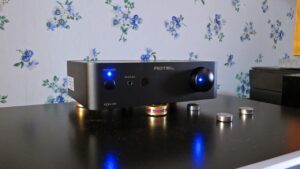
To be honest, if asked whether the ISOCLEAN POWER FUSE transforms an amplifier to the point where it sounds like an entirely different machine — at least with the TAG McLaren 60i, that degree of dramatic transformation did not occur. As with any accessory, the extent of the effect will depend on the component and the environment. The audible impact of this fuse swap was, relatively speaking, on a par with changing the RCA interconnect cable or the mains plug. Viewed in that light, it is a reasonably affordable and effective measure. One further point that I find personally rather encouraging is that the ISOCLEAN POWER FUSE has quietly been adopted as a factory-fitted component in certain ROTEL models — if anything, I’d hope they’d use it across the entire range.
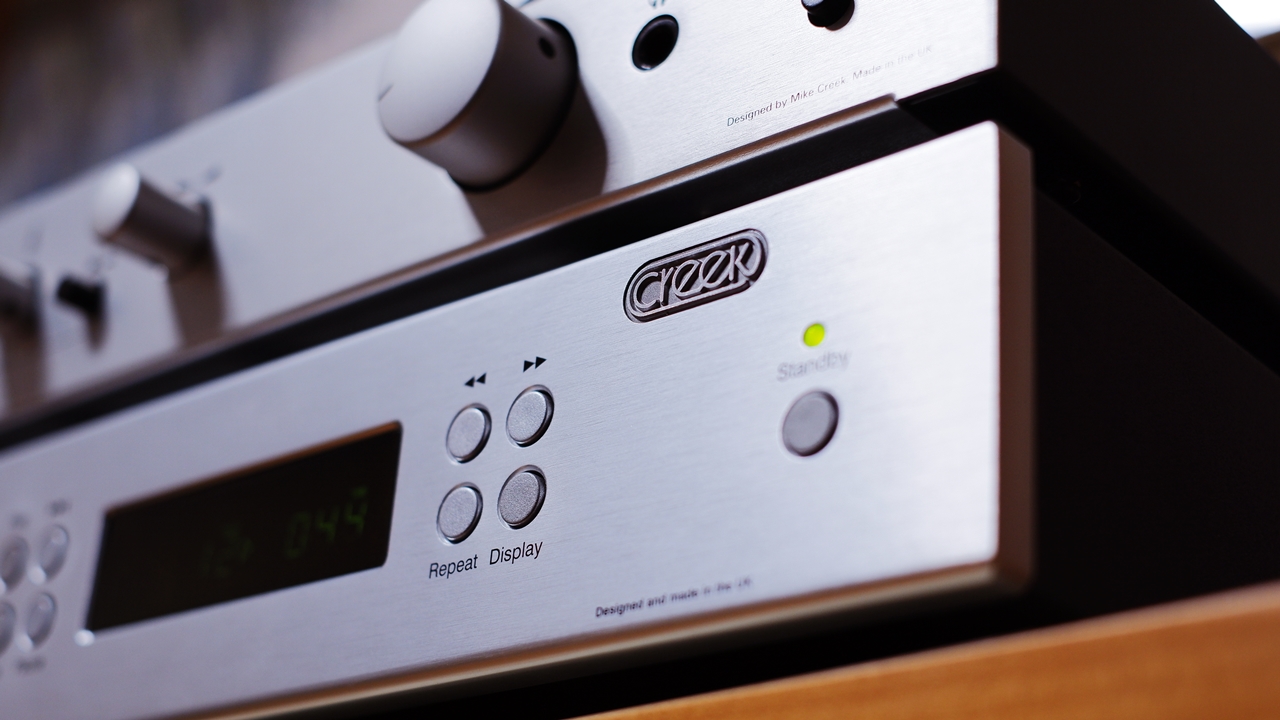
Speaking of which, regarding that “replace every six months to a year” claim — the T4A ISOCLEAN POWER FUSE I bought at the start, along with the one I installed in the ONKYO A-1VL at the time, have in fact both been running for fifteen years without ever blowing. And I don’t notice any particular deterioration in sound quality either. Since the TAG McLaren amplifier eventually developed a fault, the fuse has now migrated to the AUDIOLAB 8300A — which also calls for a miniature T4A — and remains in active service. I’ll perhaps write about all of that at some point, including a comparison with a considerably more expensive fuse from Synergistic Research that I picked up later.
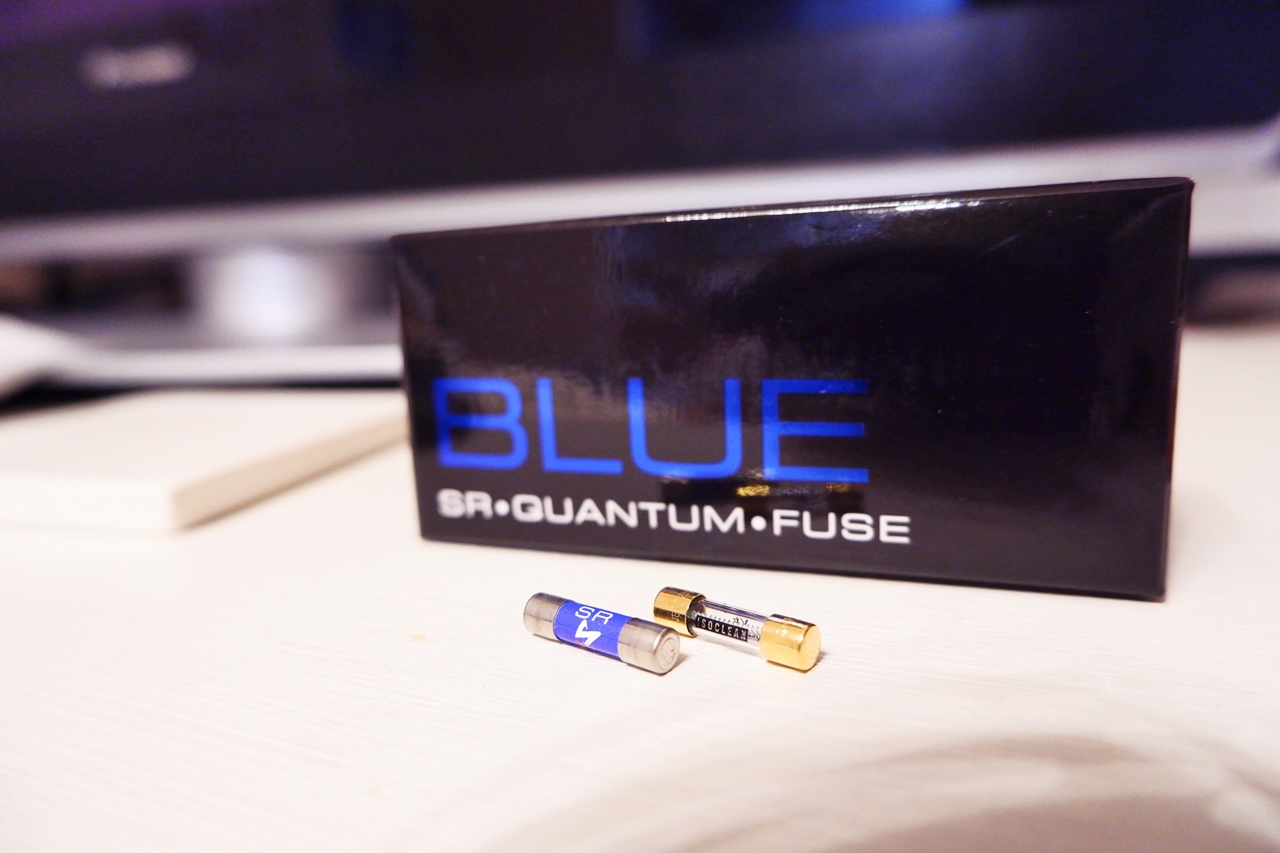
The fuses used in audio equipment exist to prevent overcurrent damage, and viewed from the perspective of power delivery they are essentially a necessary evil — inserting a fuse into the power circuit brings no acoustic benefit whatsoever. In fact, even before the ISOCLEAN POWER FUSE appeared in 2005, there were a handful of handmade products — cryo-treated standard industrial fuses and the like — coming out of small garage operations. They did have some audible effect, but the lack of any logical explanation, combined with the fact that they weren’t being promoted by major distributors or the specialist press, meant that audiophile-grade fuses never really caught on among the broader audiophile community. The ISOCLEAN POWER FUSE was what broke through that barrier. Fifteen years on from its launch, cumulative sales have now exceeded 40,000 units, making it a genuine long-running hit product.
ポチップ
Finally — I’ve written a few things in this article that are perhaps not entirely advisable, but I’ll say again: if you try any of this yourself and something goes wrong, I accept no responsibility whatsoever, so please bear that in mind. This work does not require an electrical contractor’s licence, but if you are generally clumsy with fine work, if you cannot rationally assess risk or have little sense of risk management, if you have no knowledge of electrical circuits and have absolutely no idea what you’re looking at when you open up an audio component — please do not attempt this. And please do not forget that a fuse is, above all, a component whose purpose is to protect your equipment from damage and fire in the event of overcurrent.
 Category: Mains Cables & Power AccessoriesCategory: UK / TAG McLaren & Audiolab

Auto Translated by CS4.6
List of comments (6)
いい機器をお持ちの方はあまり変化は少ないかもしれませんね!
安い機器を使ってる私なんかは効果が大きいのかも?
変化の大きさですが、
回路内のヒューズか、電源インレットなのかの違いもあるみたいです。
ただ、変化が劇的ではないとはいっても、
音楽をじっくり聴くには無視できないほどの差であり、
一度IsoCleanPowerを使ってしまうともう元には戻せません。
とにかく歪み感が激減するのが大きいです。
何故かスピーカーの持つ色付け感までも払拭される感じです。
大人しくなったのにウーハーのドライブ力が改善したみたいな(^^)ゝ
今晩は
私もこのヒューズに交換してみたいと思っていたので興味深く拝見させていただきました。
以前ヒューズボックスの端子とヒューズをアルコールで掃除し、接点復活材で綺麗に掃除したら激変とまでは行きませんが瑞々しさが増し高域がクリアーになりましたのでヒューズを替えたらもっと変わるかなと考えておりましたので参考になりました。
minu_minuさんはじめまして(^^)。
私も、純正ヒューズをソルベントでクリーニングしただけで、
音の鮮度が増すのを確認しました。ちょっとびっくりです。
また、純正ヒューズでも最初から入っていた物(4年使用)から、
付属スペアの新品に交換しただけでも音が良くなりました。
それでヒューズで音が変わることを実感できましたので、
半信半疑だった高音質ヒューズにトライしてみたのです。
やはりヒューズは効果大ですか。
ヒューズは音質から考えると必要悪ですから本来は無いほうがいいんですけどね。
アイソクリーンのヒューズはどんなものか知らなかったので楽しみにしてました、ちょっと興味があったので買い換えようと思ったのですが全部で4個もかわなければならないのですこし躊躇してました。
どうやら、試してみる価値はありそうですね。
僕も、近いうちに交換してみます。
ヒューズの効果は想像以上でした~d(^_-)
深い意味でシステムの能力を底上げしてくれます。
ある程度システムの骨格が決まってしまったら、
こういった小技を丁寧に突いていくのが本当に効きますね。
このヒューズのお陰で普段の再生音量が随分大きくなりました。
それだけ劇的に歪み感が改善したという事です。