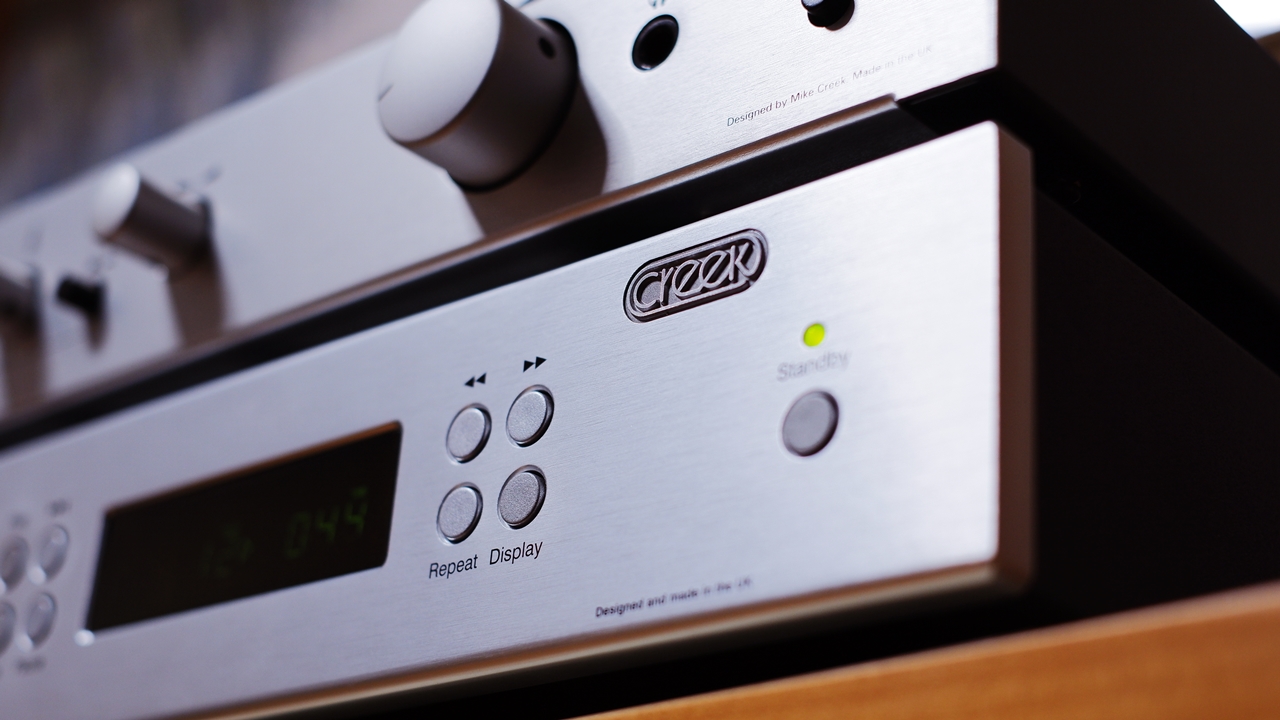
It has been quite a while, but this time I have a progress report on the CREEK CLASSIC CD Player, which has been serving faithfully in sub-system C in my study. It has been nearly ten years since I introduced it in 2011. There were actually various minor software-like malfunctions from the very beginning — sudden freezes, buggy tray behaviour, and so forth — but none of it caused much practical trouble, and since it never got any worse, I just kept on using it under the assumption that it was all part of the design specification (i.e. bugs). Recently, however, it started occasionally skipping during CD playback, and I found myself wondering what to do about it.
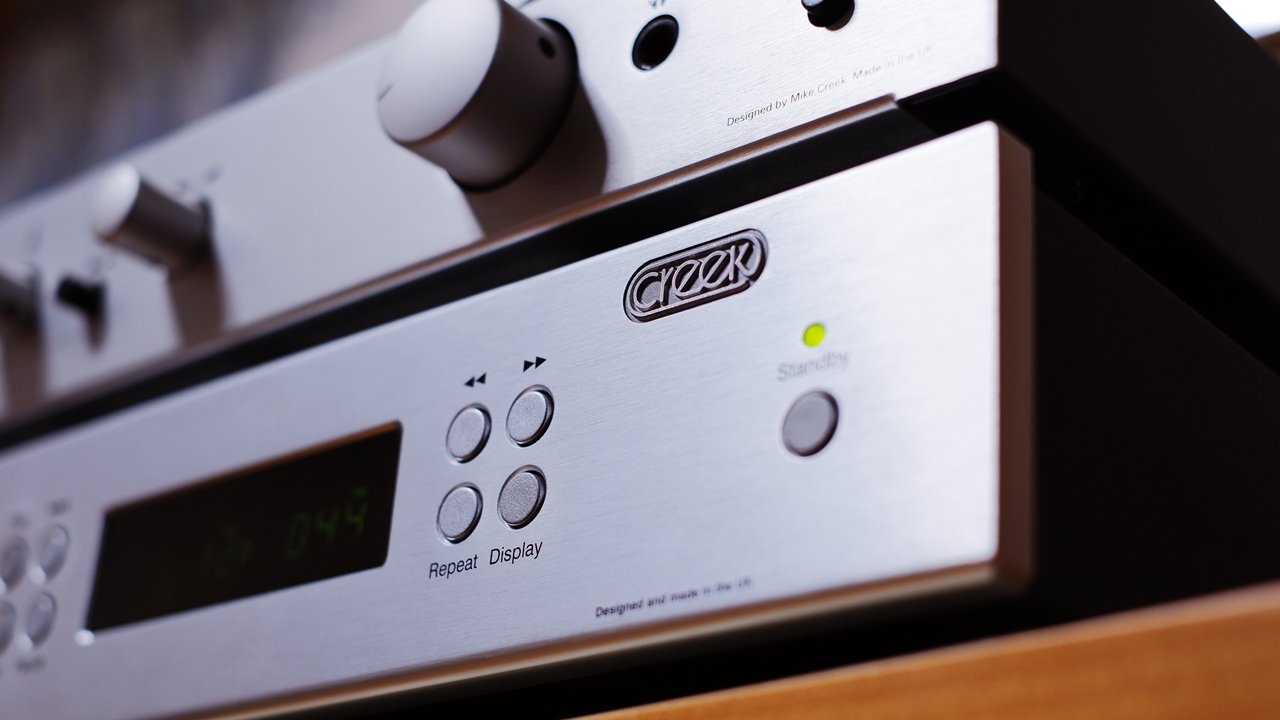
The situation is not the familiar “skipping that starts on the outer tracks,” which is the chronic ailment of the PHILIPS VAM1202 (PHILIPS CDM-12 series) fitted in the CREEK Evolution CD Player. Rather, it is a case of a brief skip occurring somewhere on discs that show no visible scratches, regardless of whether they are domestic or import pressings. Since the track on which each disc skips is more or less consistent, and since I first noticed it about three or four months ago and have been finding skipping discs with increasing frequency since then, I surmised that some maintenance around the pickup might be in order.
CREEK CLASSIC CD — Year-Ten Routine Maintenance @ Lens Cleaning
When exactly had I last opened up the CREEK CLASSIC CD Player for a pickup cleaning? I dug through my digital camera’s saved data to find out — and it turned out to be 2014. I had to go all the way back to my camera before last (a Nikon P300) before I found anything. Seven years without maintenance is, well, a level of laziness that really goes too far… So, I opened it up. Removing the top panel requires six screws in total — two at the rear and four on the bottom — which means you inevitably have to flip the chassis upside down each time to undo and replace them. The chassis is lightweight, though, so it is not a problem.
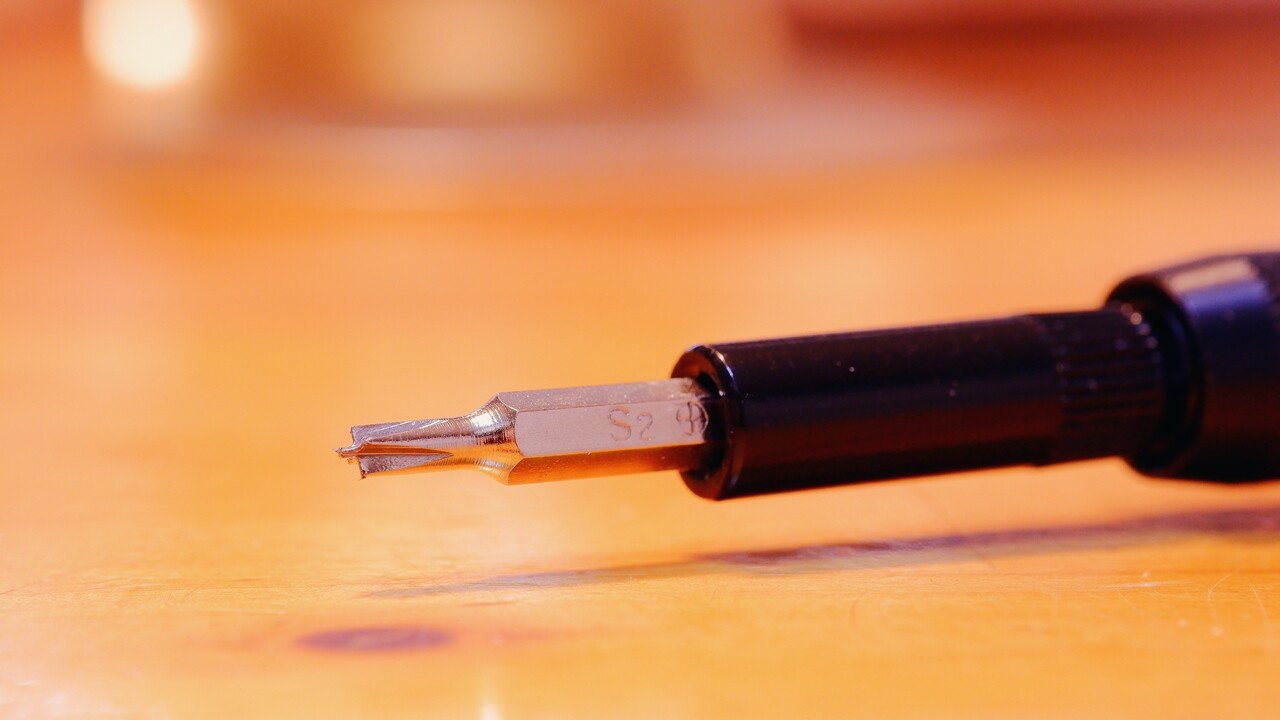
The issue is that these screws, as one might expect from a European product, look like ordinary Phillips-head screws but are ever so slightly different in profile — and if you try to force a standard precision Phillips driver into them, it feels as though one wrong move could strip the threads…
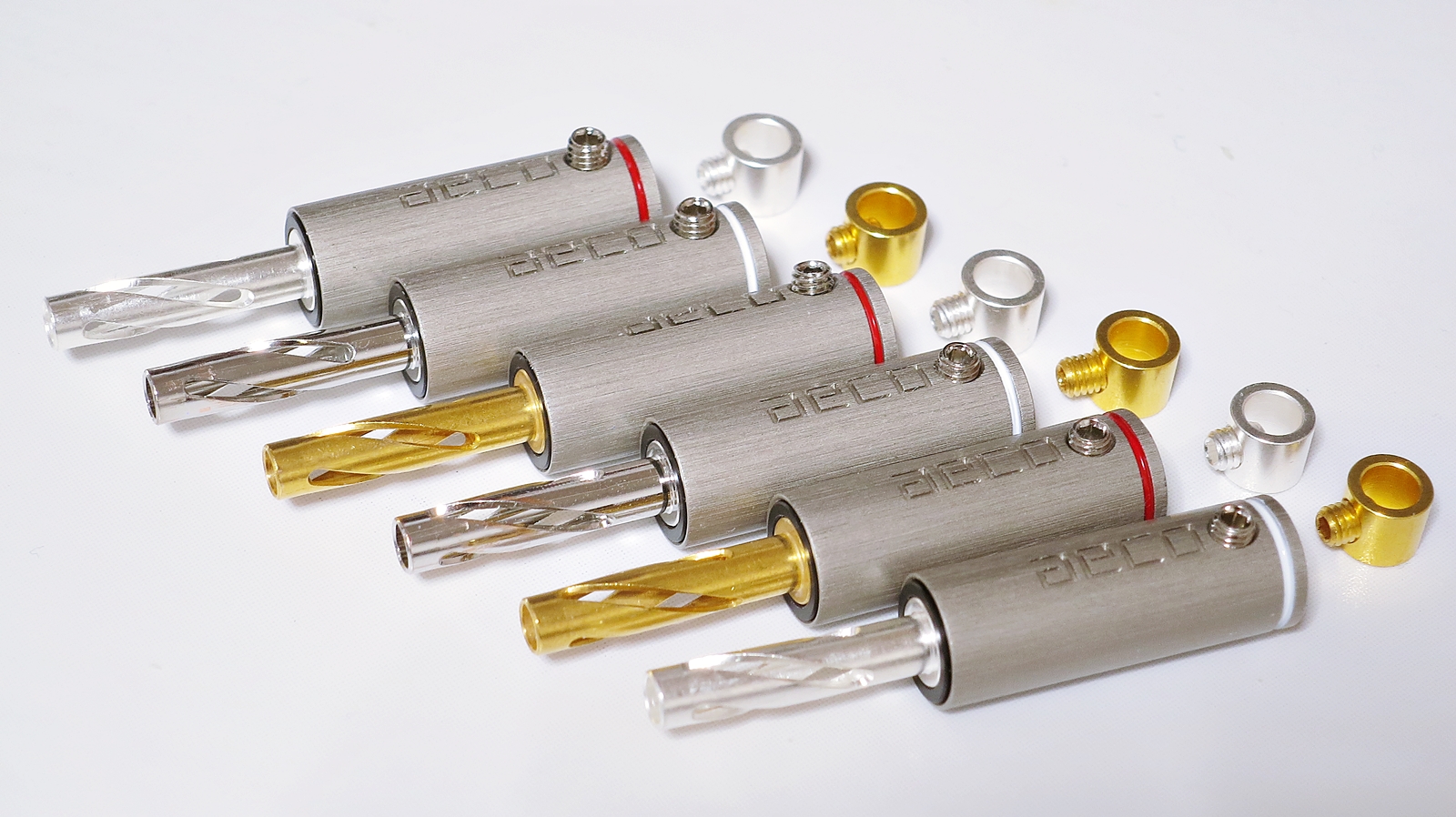
I used an S2+0.6 screwdriver from the tool set linked here — a slightly unusual Phillips driver where only the very tip of the cross protrudes a little. I wonder if this is a type of precision Pozidriv…
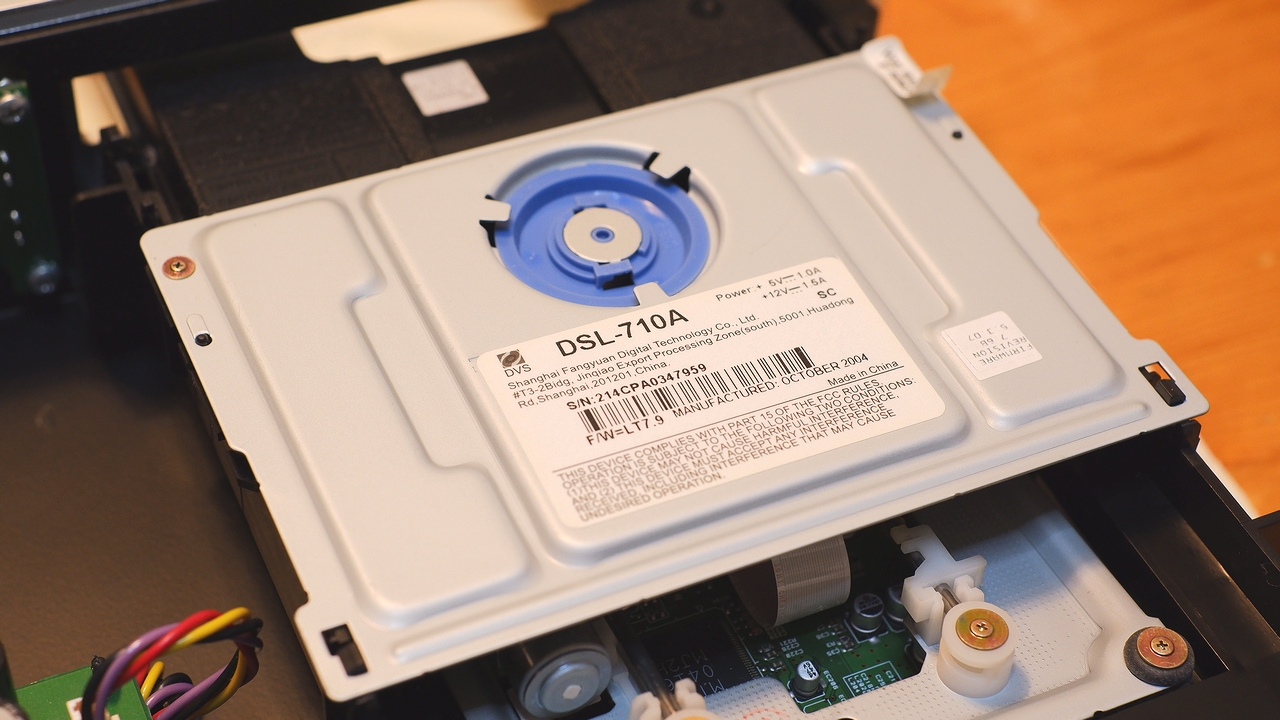
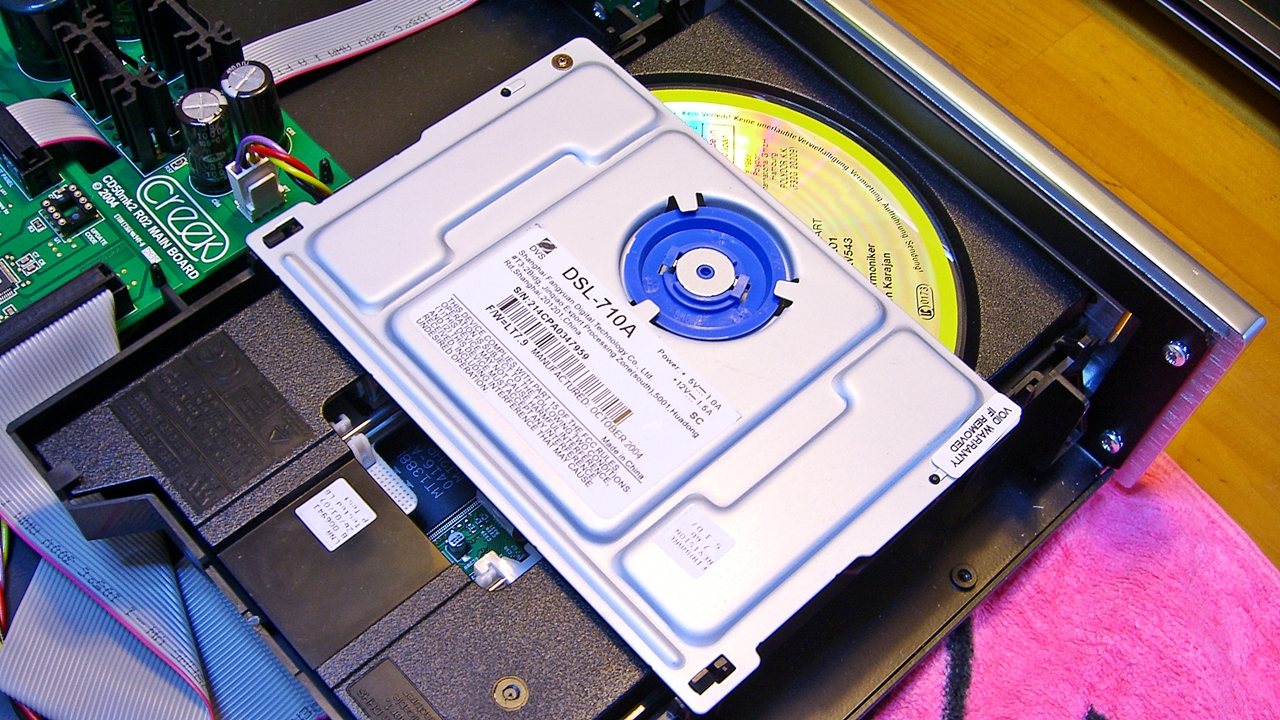
The drive mechanism is a DVS DSL-710A. Details are covered in what I wrote previously here. I recall that DVS used to have an official website and was a US–China joint venture, but today there is not a single trace of it left. Since this is a mass-produced, general-purpose DVD drive mechanism intended for PCs, new-old-stock units do still seem to be floating around in the market — though listings on AliExpress describe it as being from a Korean manufacturer, which is curious. There is a warranty seal over the screw in the upper right of the photo. I had completely forgotten, but I had already peeled it off seven years ago. The screws here are fine with an ordinary PH000 precision Phillips driver.
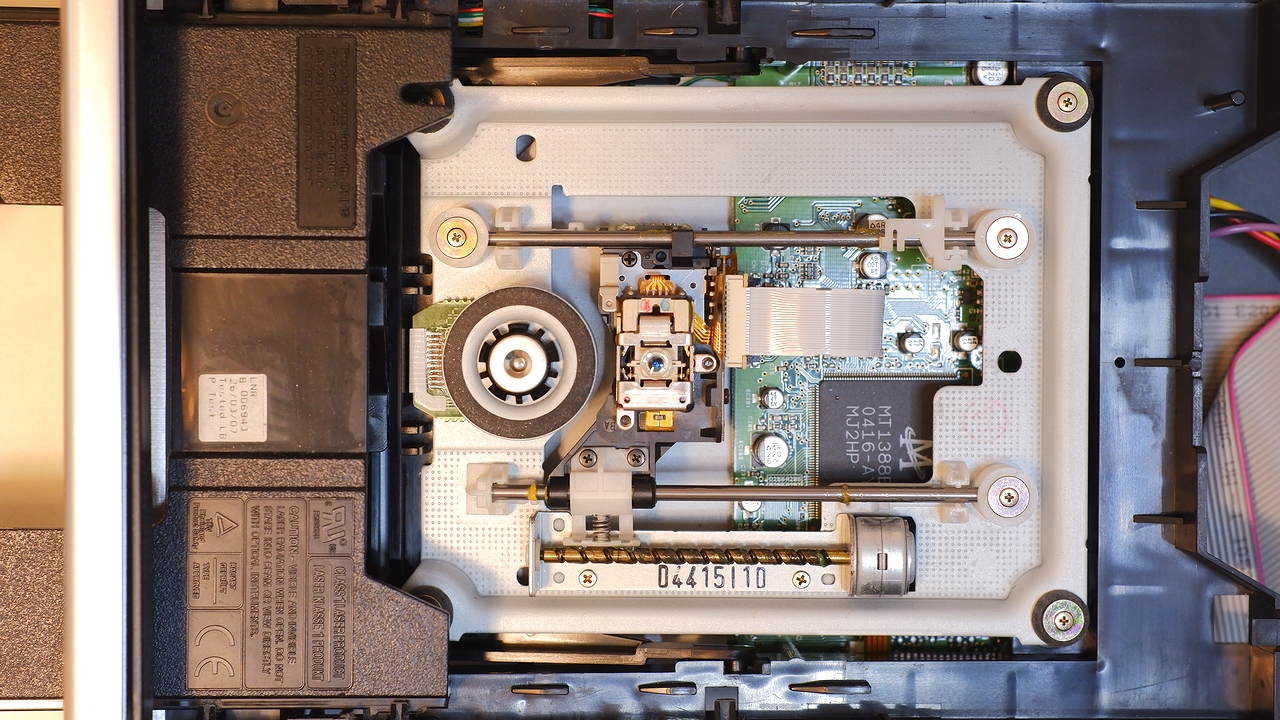
Simply removing those two precision screws on either side and sliding the cover back a little is all it takes for the top cover of the drive mechanism to come away — a pleasingly straightforward construction. The exposed pickup looked like this… Perhaps because the lens had gone without cleaning for so long, it appeared rather whitish to me. For what it is worth, no one in the household smokes. Even so, there was a considerable accumulation of dust that had evidently been brought in on the surfaces of CDs.
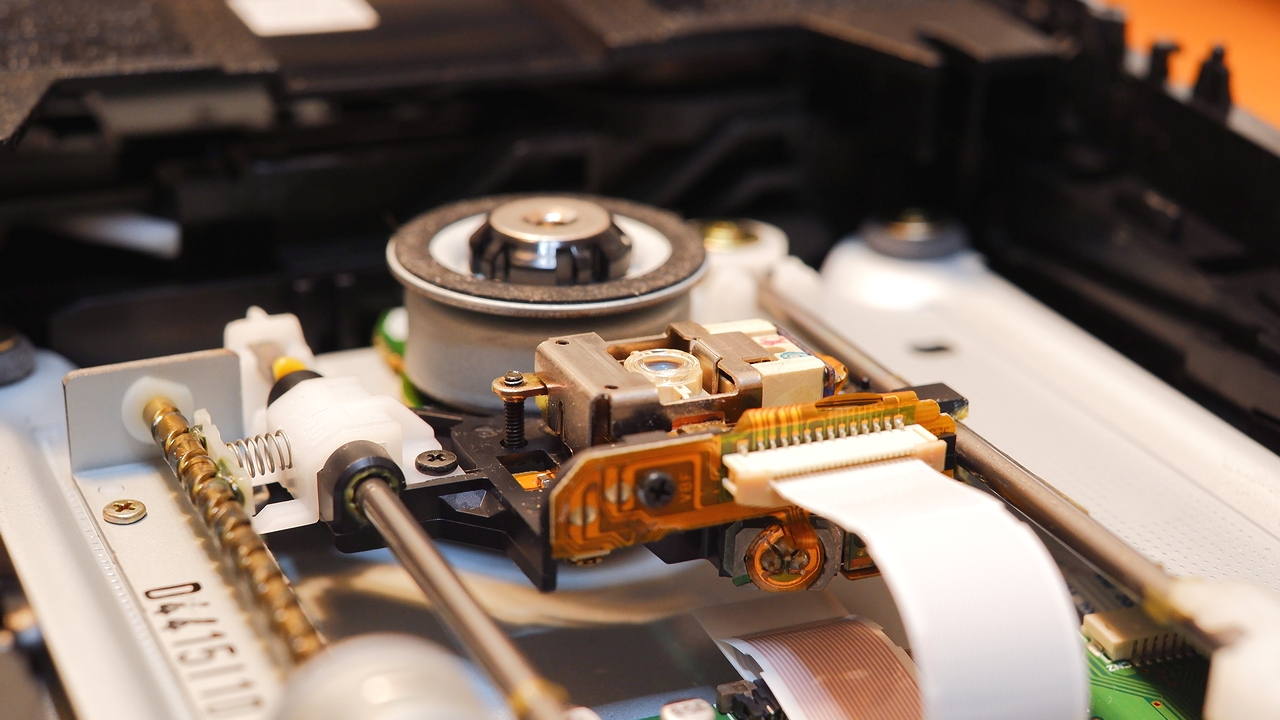
As usual, I used industrial-grade cotton swabs containing no chitosan, with anhydrous ethanol (isopropyl alcohol would probably be even safer), and with full concentration, traced over the lens with an extremely gentle circular motion. A few minutes later, once it had dried, I reassembled everything. While I was at it, I also hoovered up the dust that had gradually worked its way in through the disc tray and the top-panel slots.
As for the skipping issue… I am still monitoring it. One particular second-hand domestic pressing did not improve, but it is possible that I simply never noticed the problem before because I had never played that disc on the CREEK CLASSIC CD. Other CD players have no trouble with it, but the DVS DSL-710A has always had rather finicky reading compatibility — Hybrid SACD discs have been occasionally hit-and-miss from the very beginning — so I suppose there is not much to be done about that sort of thing.
Of course, a CD player with an optical spinning mechanism will eventually suffer wear to the drive section, causing read performance to deteriorate, and that is usually where things start to break down. With that in mind, it might be wise to acquire a spare drive while new-old-stock is still available. On the other hand, the components on the circuit boards — running at low power and generating little heat — very rarely fail in the normal course of things. Since the DVS DSL-710A uses an IDE interface and is a general-purpose drive, I do sometimes wonder whether another IDE CD/DVD drive might in fact work as a straight swap in this player. Perhaps not, given software and firmware considerations — but you never know without trying.
Trying a Fuse Upgrade for Sound Quality Improvement
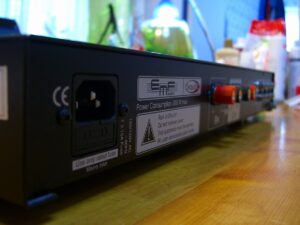
There was actually one other reason I opened the lid this time, beyond the pickup lens cleaning. Since I had everything apart anyway, I decided to try swapping the IEC inlet mains fuse — which had remained untouched since purchase — for a Hi-Fi aftermarket fuse. The CLASSIC CD has a single fuse holder, of the common type that slots into a socket beside the power inlet on the rear panel. It should be straightforward to pull out from the front, but in the case of the CREEK CLASSIC CD, the angle makes it awkward to remove without a fight. ↓ Incidentally, a note on the mains switch labelling: as a basic rule, “○” means off and “|” means on. It feels the wrong way round for a moment and gives you a brief start…
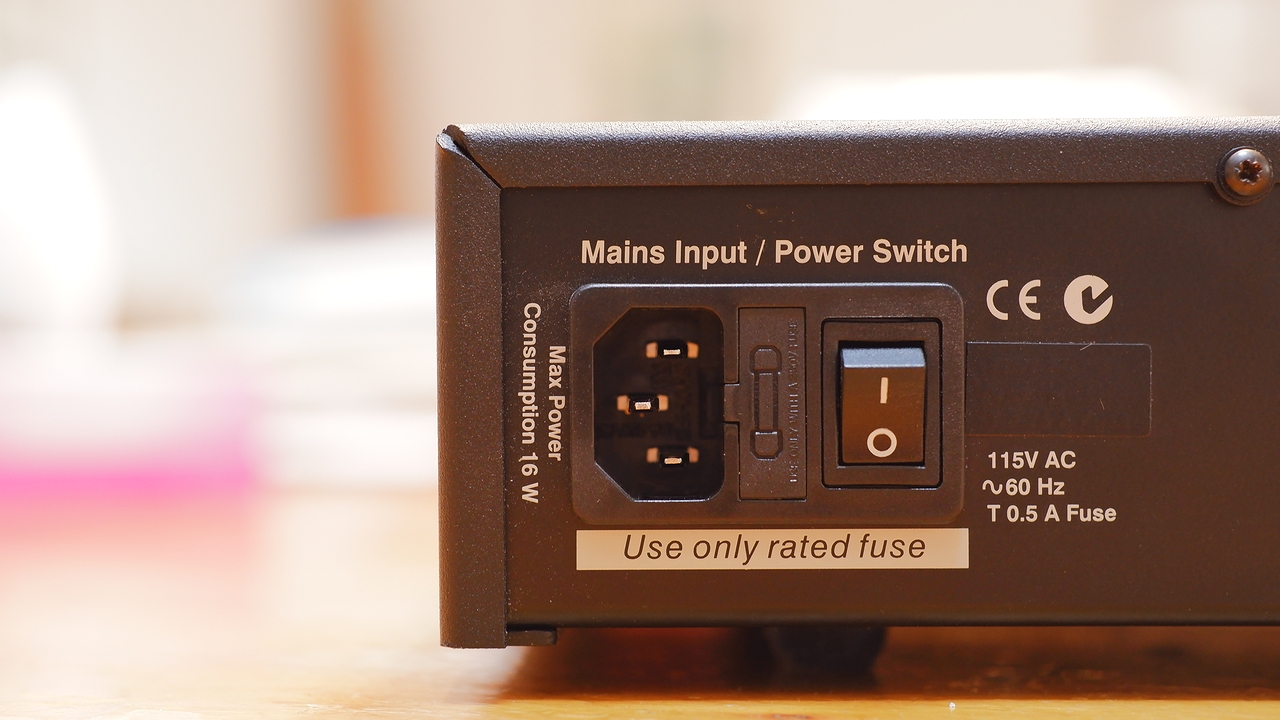
This time I had disconnected everything for the pickup cleaning, so I was able to work on the desk with the rear panel facing me — but even then, it would not budge with prying and I got rather frustrated. In the end I managed it with an awl. I should probably find something like a small pick tool with a narrow shaft bent more than 90 degrees, from a hardware shop, so that it is easier to remove next time.
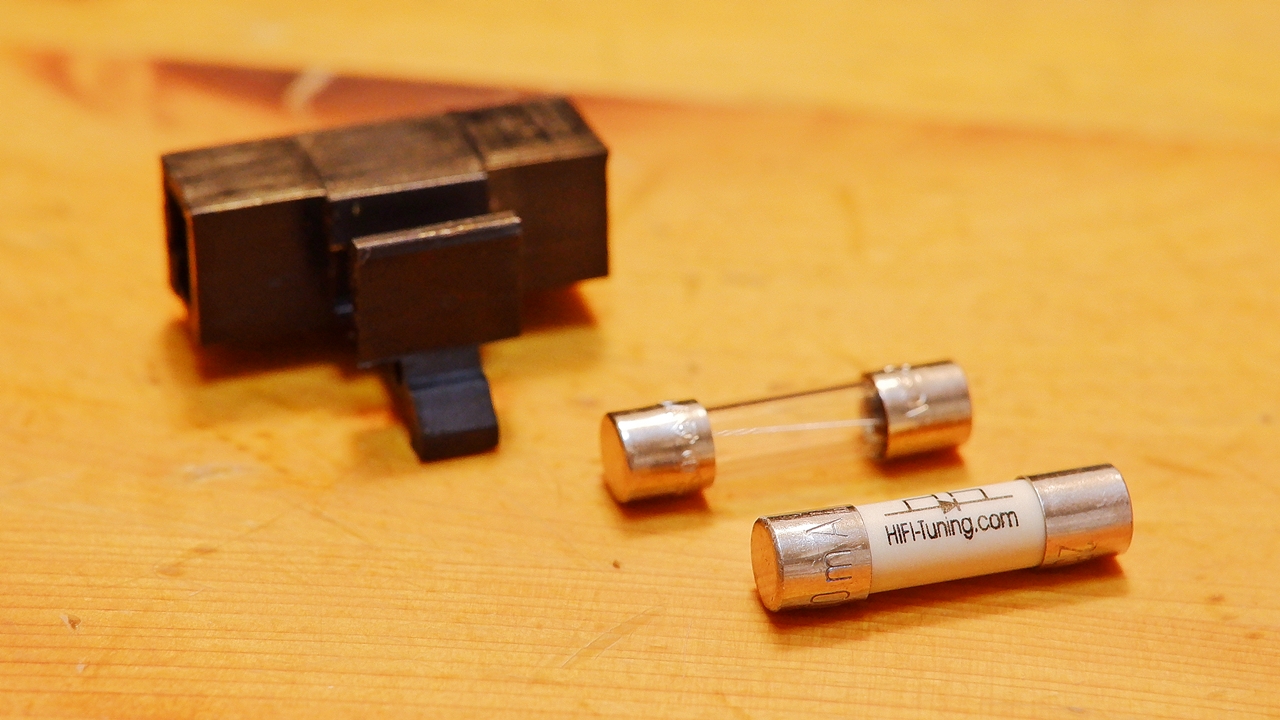
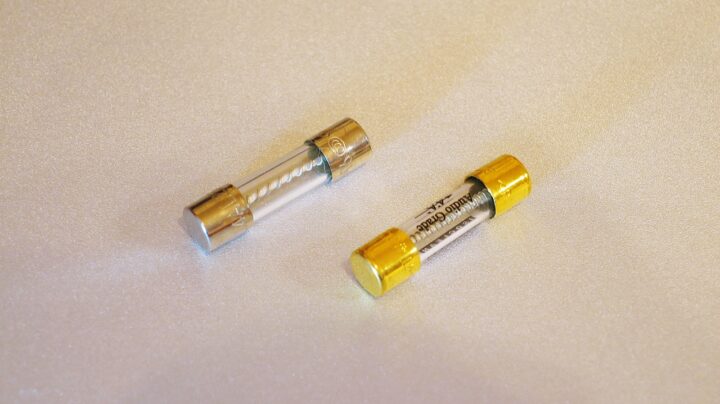
The original stock fuse that came with the player, and the German Hi-Fi Tuning SilverStar fuse that replaced it. This CD player is for 110–120V, so the specification is a 500mA mini fuse (250mA for European 220–240V operation). The rear panel quite clearly states “Use only rated fuse” — meaning a slow-blow (time-delay) type — but my usual supplier was out of stock, so I had no choice but to go with a fast-blow type instead.
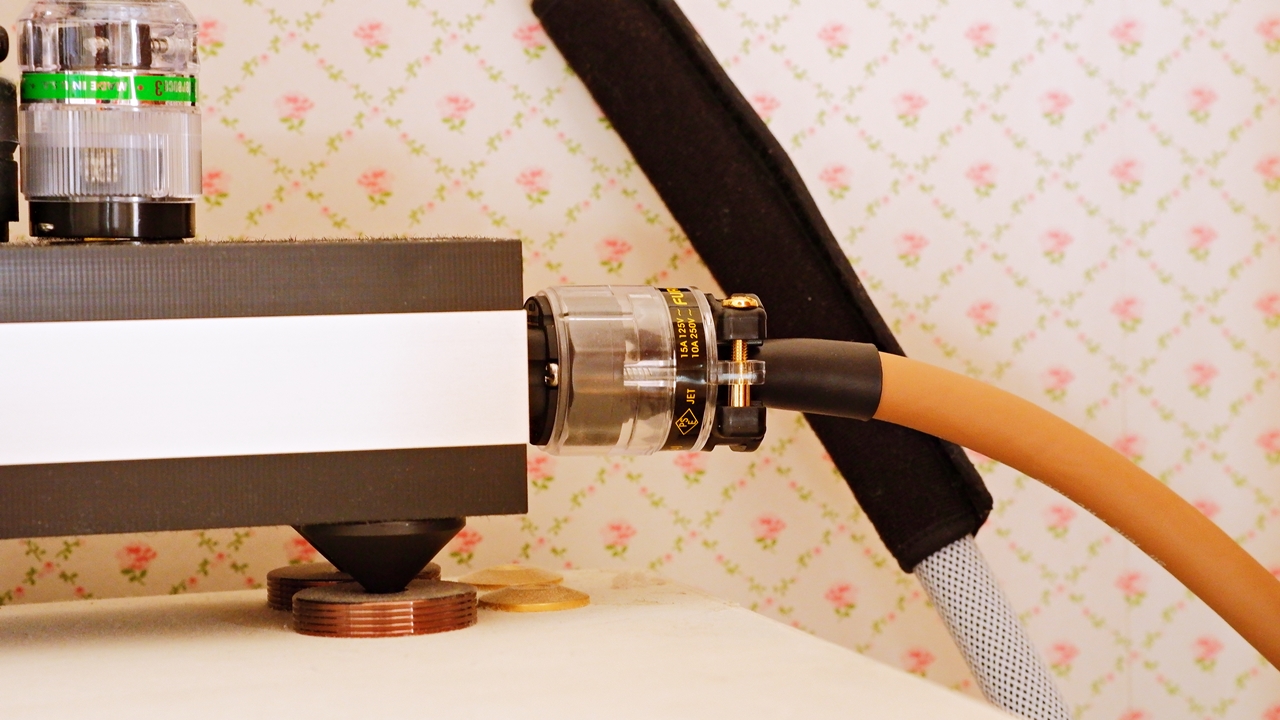
The reason a slow-blow is specified is, I imagine, that this is the mains fuse and there is a risk of inrush current blowing it. As long as you always switch the main power off before connecting or disconnecting the power cable, it should be fine in practice — but if you were to plug the cable in with the power still on, or restore a tripped breaker, it might go. If it does blow, the only real loss is the cost of an expensive aftermarket fuse; no serious harm comes to the equipment. The reverse situation — fitting a slow-blow fuse where a fast-blow is specified — is not acceptable, however. That said, it is apparently the case that, for the same current rating, a slow-blow fuse sounds better than a fast-blow one.
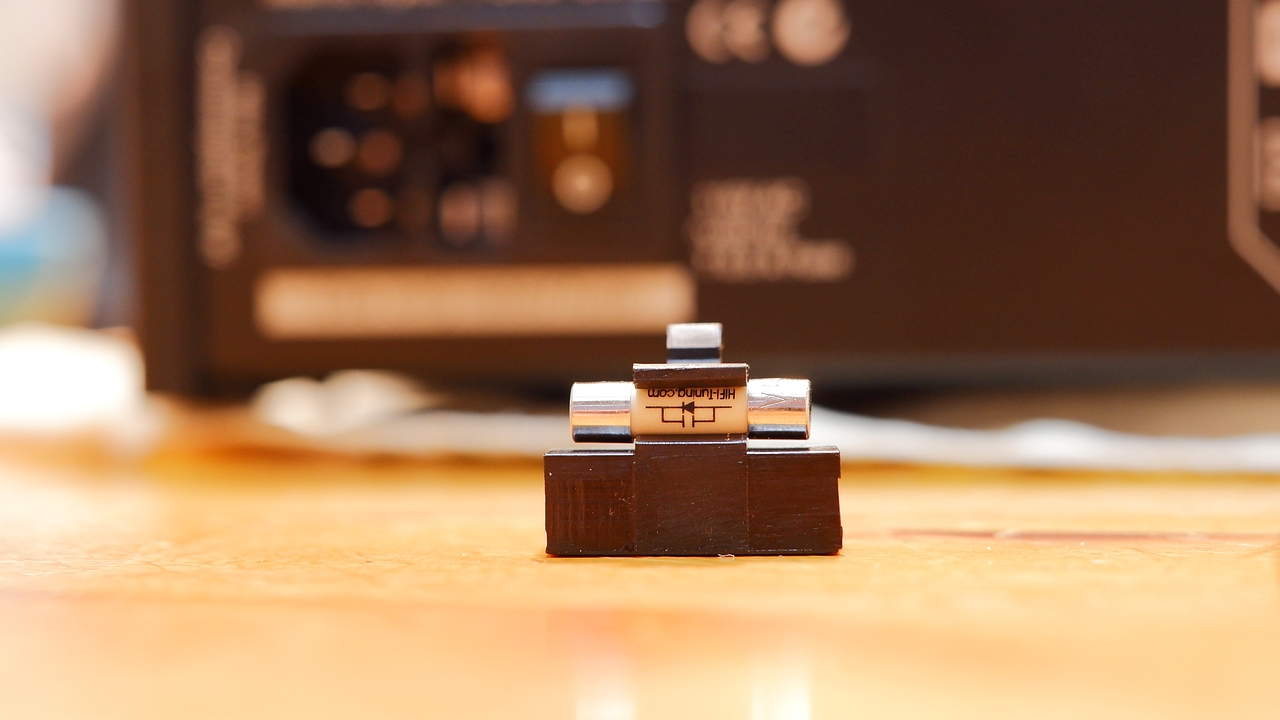
I have used Hi-Fi Tuning SilverStar fuses in various places over the years, so I have a personal understanding of their sonic character — and here too the effect is marked… perhaps even a little too marked. As on previous occasions, the sense of fine detail increased considerably, the sound became tighter and more energetic, and the overall tendency moved towards what one would call Hi-Fi quality in the audiophile sense. Before burn-in is complete, the sheer quantity of information feels as though it overflows, leaving a slightly veiled impression. There is also a tendency towards a somewhat restrained, less resonant quality. For my own taste, there is just a touch too little lustre, and with this particular combination the overall pressure feels a little too strong.


 ポチップ
ポチップ
To be honest, the CREEK CLASSIC CD player’s natural sonic character comes through most straightforwardly with the stock fuse. There is no great dissatisfaction with the original sound, so fitting the Hi-Fi Tuning fuse produces a certain sense of wrongness. Going by that feeling, I suspect an ISOCLEAN POWER FUSE, with its beautifully rounded resonance, would sit more naturally here — and it is a slow-blow type, which would be correct. The trouble is that ISOCLEAN Power Fuses are not available in ratings below 1A, which is a problem.
A later note: After fitting the Hi-Fi Tuning SilverStar Fuse, I listened to various music for a while, but I could not quite settle into it. The flow of the music felt too rigid, and the fine-grained detail seemed quantitatively excessive. Of course this is a matter of compatibility, and in other systems that character might actually be a virtue. But it simply did not suit the CLASSIC CD — and so in the end I put the original stock fuse back. The moment I did, I was immediately struck by how the standard fuse had that lustre and warmth I liked. But something seemed off with the low frequencies — they were noticeably lacking. The Hi-Fi Tuning SilverStar Fuse had clearly offered more body and weight in the midrange and bass. And the soundstage felt somehow soft and indistinct compared to before…
When I had removed the stock fuse, I had not noted its original polarity — but I now wondered whether I might have put it back in the wrong way round. So, with some reluctance, I removed it again and reversed the orientation. The result was that the sense of range, image density, and overall tonal balance I had had before fitting the Hi-Fi Tuning fuse came back. The stock fuse’s virtues — its smoothness and sheen — were of course fully present. With the fuse in this orientation there was a slight roughness to the sound as well, but that gradually settled over about three days. The sound returned, without further incident, to what I had been listening to happily for so many years. Audio manufacturers, when assembling their products, surely cannot be paying attention to the polarity of individual fuses. In that sense this is really the sort of thing that contributes to unit-to-unit variation — and yet, a mere fuse, a mere fuse in the right direction, can change the character of the sound so considerably. Audio really is a deep rabbit hole.
Year-Ten Routine Maintenance — Summary
This time the maintenance consisted of pickup lens cleaning, plus a fuse swap attempted in the hope of a sound quality improvement. Wet cleaning of the pickup lens is something that really ought to be done more frequently — perhaps once every two years or so — as that would reduce the load on the laser reading system and be beneficial both sonically and in terms of drive mechanism longevity. If the room tends to be humid, dusty, or — most significantly — if there is a smoker in the household, the clarity of the lens will be noticeably affected. Also, since the dust that accumulates on the lens is largely brought in by the CD discs themselves, using a non-contact, air-pressure type lens cleaner on a regular basis to prevent dust build-up in the first place seems like an intelligent approach.
 ポチップ
ポチップ
With fuses, both the initial burn-in period and the directionality have a considerable effect on the sound, so drawing any conclusions at this stage is a little premature. To achieve the best results one really needs to try both orientations, but with the equipment sitting in its installed position and without the right tool to hand, the fuse is awkward to remove — so that will have to wait for another occasion.
July 04, 2011
CREEK Audio “Classic CD Player” Review Part 3 — Sound Quality
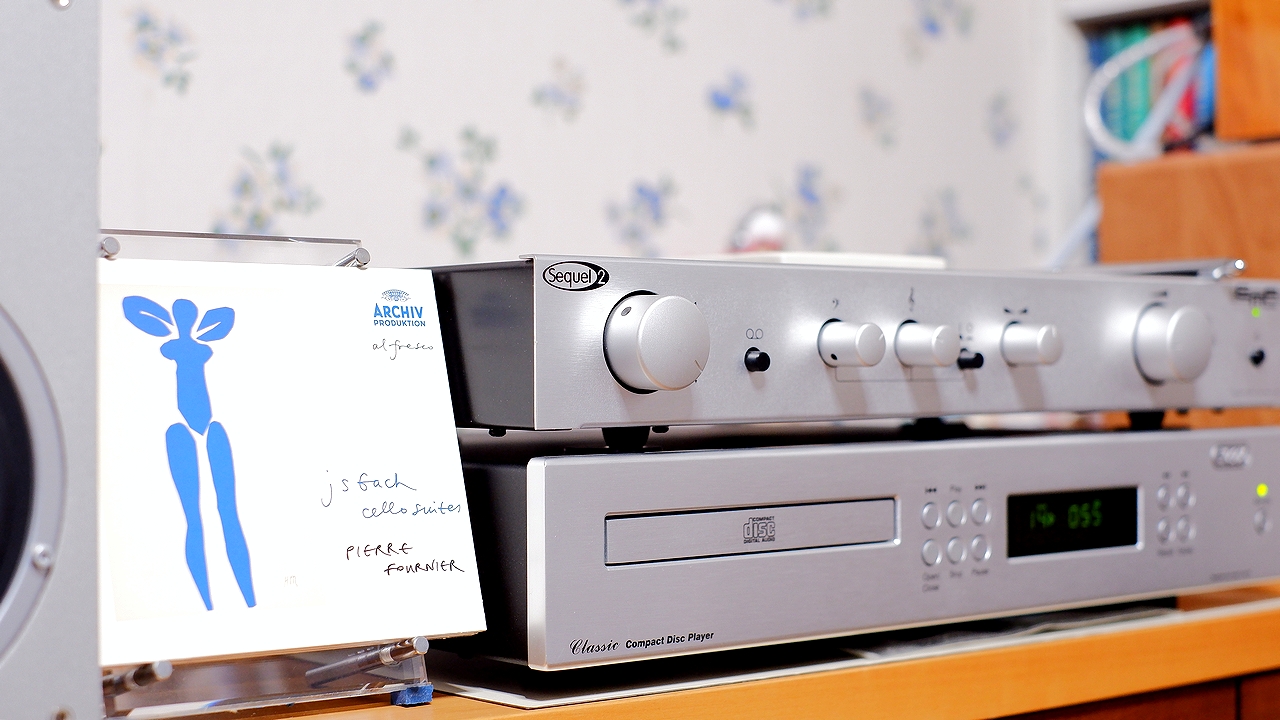
Compared with the EMF Sequel2 — which is based on the 4240, CREEK’s entry-level model at the time — the CLASSIC CD occupies a higher position in the range (the mid-line). Perhaps as a result, when the CLASSIC CD Player is paired with the EMF Sequel2 integrated amplifier, it is the CD player that seems to exert the stronger influence on the overall sound. Sharing the same warm, sweetly matte-natural tonal character, the CLASSIC CD presents a soundstage that is a full step or more larger than the Sequel2, and gives a musically brighter, more animated and lively impression. It is as unapologetic as ever about not chasing extremes at either end of the audible range, but rather than sounding compact and narrow like the Sequel2, what strikes you here is a broad spread of frequencies with the midrange seeming to expand outwards.
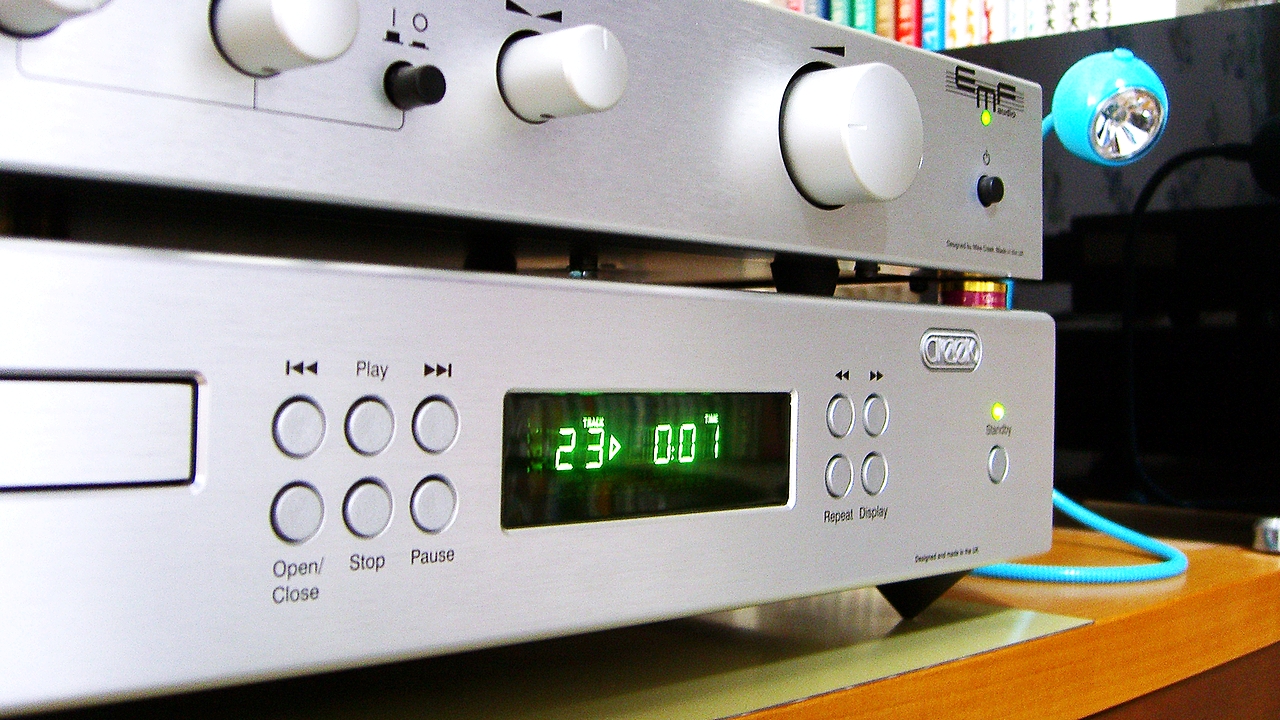
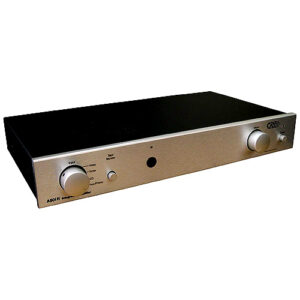
The combination of these two therefore compensates for the Sequel2’s somewhat limited range and produces a very well-balanced sound. If one were then to bring in the CREEK AUDIO CLASSIC 5350SE, which is the CLASSIC CD Player’s natural partner, and if one assumes — on the basis of what I heard previously — that the CD50mk2 pairing is effectively equivalent to the Classic CD, then I would expect things to become even more musically exuberant and endearingly spirited. The lower-model A50iR also struck a pleasing balance, though it was already discontinued and hard to come by even then.
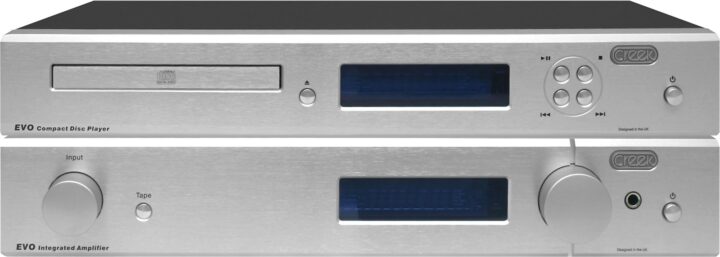
Even compared with the lower-model CREEK Evolution CD (EVO-CD), the CLASSIC CD is in a different class when it comes to clarity in the musical midrange and the breadth of its musical expression. Works that are deadly dull on flat-sounding audio equipment — Bach’s Well-Tempered Clavier, the Goldberg Variations, the Unaccompanied Cello Suites — come alive here, their richly graded melodic lines rendered with vivid dynamic contrast. The EVO-CD, by contrast, communicates through freshness of sound quality, and in terms of expressive nuance its character is rather more introverted.
This is not to say the CREEK Evolution CD is inferior — the EVO-CD sits somewhere on the modern, somewhat analytical sound-design continuum that many current CD players occupy, while the Classic CD Player would be better understood as carrying forward, true to its name, the sonic taste of a bygone era. How to put it… the CLASSIC CD has an unusually vivid sense of how pitch and dynamic contrast move through the musical midrange. You can tell, as if you were watching with your own hands, exactly what touch or bowing a pianist or cellist is using, note by note. Harmony and intonation are extraordinarily easy to follow. That is the kind of sound it makes. It is genuinely difficult to convey in words without actually hearing it.
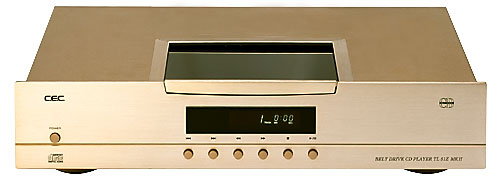
The way the music unfolds along the time axis is also distinctive — it is neither the sensually breathing quality of the old PHILIPS-derived CD players, nor the shimmering, gently wavering quality of a C.E.C belt-drive player. How to describe it… the notes emerge along the time axis in a manner that is, if anything, fairly precise and mechanical — rather like a piano roll. I wonder if this is because the digital data is buffered and then reclocked before being sent to the DAC. The sense of temporal alignment feels slightly deliberate. And the enhancement of the decay and resonance is quite peculiar — it can at times tip over into something that feels a little contrived. This is actually something I felt strongly with the very first CREEK CD60 as well, so it may be a characteristic of CREEK’s house sound.
 ポチップ
ポチップ
Come to think of it, domestic Japanese pressings played back on the CLASSIC CDP somehow sound like imports. There is a long-hanging reverberation that gradually fills the space, giving you the feeling of being immersed in warm water made of sound. The tone itself is natural and warm with a traditional, almost retro flavour, and yet it also manages to sound thoroughly up-to-date. At the same time, it never sounds cold and rigid in the way that Japanese-made players with heavily emphasised time-domain control often do. The expressive dynamic contrasts are exaggerated and wonderfully alive — it is a sound quality that gets under your skin and keeps you coming back.
The addition of the CREEK CLASSIC CD to my system was, in the end, a great success. Through the CLASSIC CD I finally obtained that exciting CREEK sound that I had been unable to get from the Evolution CD — the one that had always belonged to the older generation of CREEK players. As for the EVO-CD, it has its own distinct and irreplaceable attractions quite apart from the CLASSIC CD Player, and I hope to write about those separately on another occasion.
June 26, 2011
CREEK Audio “Classic CD Player” Review Part 2 — Internal Construction
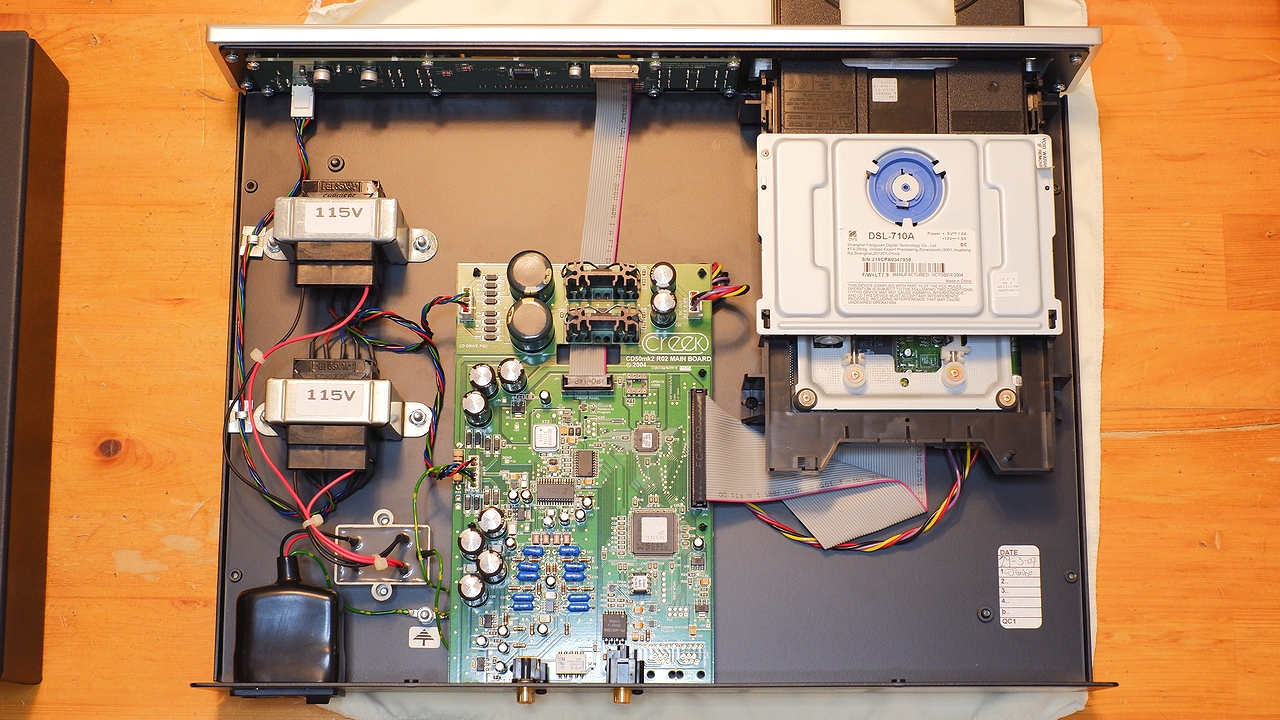
Here is what the CLASSIC CD Player looks like inside. I knew this already, but despite the larger chassis compared to its predecessor the CD50 Mk2, the internal layout is almost identical — which makes the empty space inside rather conspicuous. It should be noted that the primary ingredient of the somewhat steep pricing is, of course, the cost of British air — or that is a joke, but the pound did briefly exceed 200 yen not so long before this, so the price was not entirely unreasonable at the time. For reference, the CLASSIC series retailed locally at €1,250, or around US$1,495 if I recall correctly. Quite a premium product.
The DVS DSL-710A DVD Drive Mechanism — Used by High-End Brands Too
The drive mechanism appears to be a PC-derived DVD drive, the DVS DSL-710A. It is an 8x DVD-ROM made by DVS — Digital Video Systems, Inc., a US–China joint venture? (confirmed as of 2021: the company no longer exists) — and is a touch cheap-feeling in its build, rather like the mass-market drives found in budget Chinese DVD players. Should it ever fail, sourcing a replacement ought to be relatively straightforward. The interface looks like IDE, so it may even be possible to substitute another generic PC drive.
While the lid was open I tried to clean the pickup lens, but the design requires you to break a seal and do a light disassembly just to expose the lens on one side. I would prefer not to use a rotary wet-type lens cleaner, which carries a real risk of damaging the pickup unit… ※ Later note: after the warranty period expired, I removed the seal and cleaned the lens directly.
↑ The only non-contact lens cleaner that uses air pressure and poses no risk of damaging the pickup lens. The common rotary contact-type lens cleaner should absolutely never be used, but this type can be recommended for all CD/DVD players without reservation. It will not remove haze caused by moisture or oily mist suspended in the air, but it can dislodge dust and particles. For expensive optical players, the sensible approach is to try a non-brush airflow type first.
ポチップ
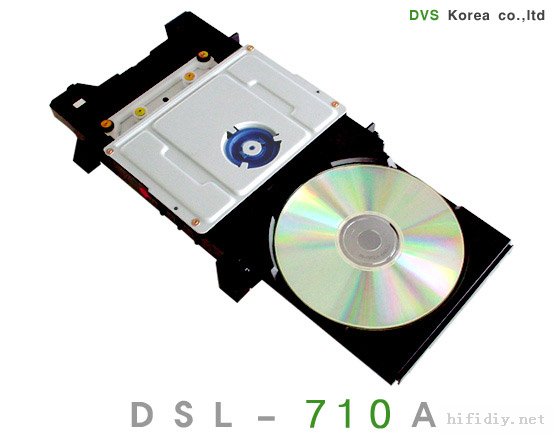
This DVS DSL-710A is also the optical drive used by other overseas high-end manufacturers in their own CD players — including Meridian of the UK in the 08, PRIMARE of Sweden in the CD21, and AYRE of the US in the CX-7. That said, the disc tray is something else — it comes grinding and clanking out with agonising slowness. High-end machines with trays that glide open silently and smoothly are wonderful things, but there is a certain charm to this clanking motion too — in its own way. Honestly speaking, even the flimsy tray of the PHILIPS CDM-12.x feels vastly smoother and more refined by comparison with the DSL-710A.
The lower-model CREEK Evolution CD uses the PHILIPS CDM-12x (VAM1202/12), the last 1× speed linear tracking mechanism PHILIPS ever made, so in terms of drive mechanism sound quality, the EVO-CD actually has the edge over the CLASSIC CD. For UK-manufactured CREEK products, PHILIPS drive supply came to an end after the CD52, and this DVS DSL-710A DVD-ROM drive was adopted as a result. The CD53, which follows in the lineage of the CD42, kept the PHILIPS CDM-12 for some reason, though. To be honest, from the perspective of a Hi-Fi enthusiast with a particular attachment to PHILIPS, it is a little disappointing.
Digital Technology and DAC Circuit Design
Mike Creek seems to have quite particular views on the reading of digital data, and as a result may feel that the performance of the drive mechanism is not especially important. Despite what looks at first glance like a simple, inexpensive construction, the CLASSIC CD takes a number of approaches that you won’t find elsewhere. The digital section of the CREEK CLASSIC CD incorporates an FPGA circuit, which allows data to be written to the D/A converter in a short period of time. Rather than reading digital data from the CD at the conventional 1× speed, it extracts digital data via the ATAPI bus, and the SPDIF signal then passes through a buffer circuit before being fed to the DAC circuit — achieving what is effectively jitter-free operation. ※ Leaning close to the unit you can hear the CD seeking and spinning, and it does not appear to be running at 1× speed. On top of that, Creek’s own error correction algorithm — reportedly the most time-consuming part of the development — along with a raft of high-quality parts including film capacitors selected to within 0.1% tolerance, and much else besides… I’ll let you in on a secret: I was getting rather confused writing all of this.

For real-time playback in the CD-DA format, digital buffering is generally found in portable CD players and car stereo head units where vibration is a concern — but does it actually have any negative effect on sound quality? There are very few high-end pure Hi-Fi CD players that incorporate a buffer, are there. Given that even dirt-cheap portable CD players include one, it can’t simply be a matter of cost — I’d quite like to know the reason.
Hi-Fi JAPAN
So it says… Right then, let’s see just how far it has come since the CD50 MK2…
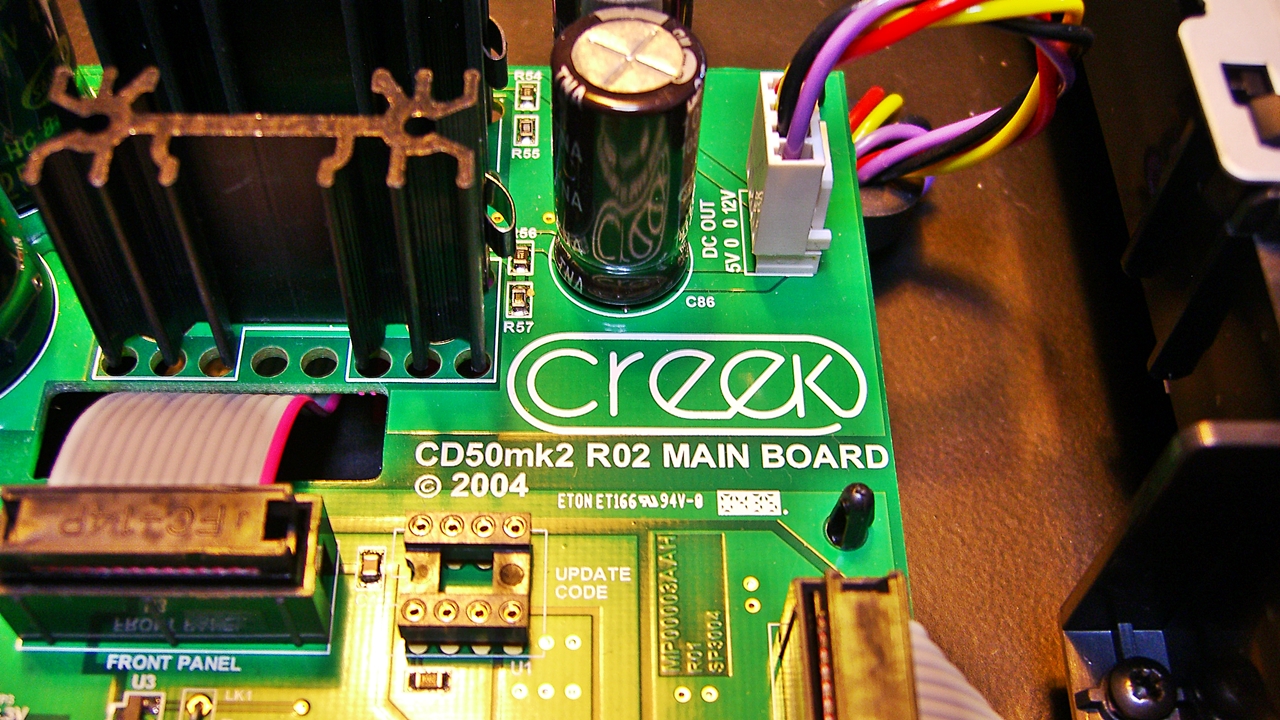
…Hang on. The boards look the same… Say it ain’t so. The parts have been changed, surely? Could it really just be a different box? …No, no, there are properly various small differences here and there, honestly… (nervous laugh). I must admit I panicked and went scrambling around for internal photos of the CREEK CD50 and CD50mk2. Having looked more carefully, the basic circuit is essentially the same, but there does appear to have been some modification through minor changes — a chip here and there added, the number and placement of electrolytic capacitors altered. This is much the same story with other CREEK products that have carried on the same fundamental design for years, so perhaps there’s nothing to worry about. Incidentally, the original designer behind this circuit — carried over from the previous model — is Alex Nikitin. Some changes were made after his departure, but it’s fair to say it’s essentially his work. That said, with each model change the price does go up… and the price increases for the Japanese market in particular have always been rather alarming.
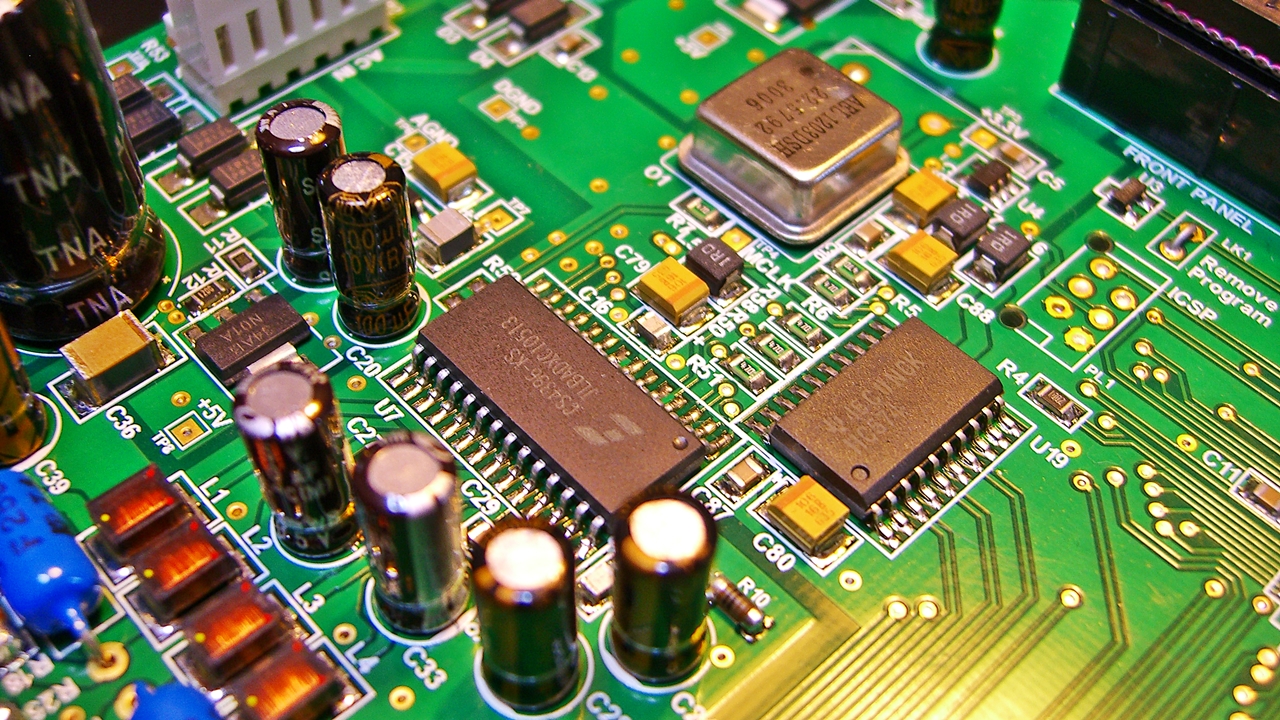
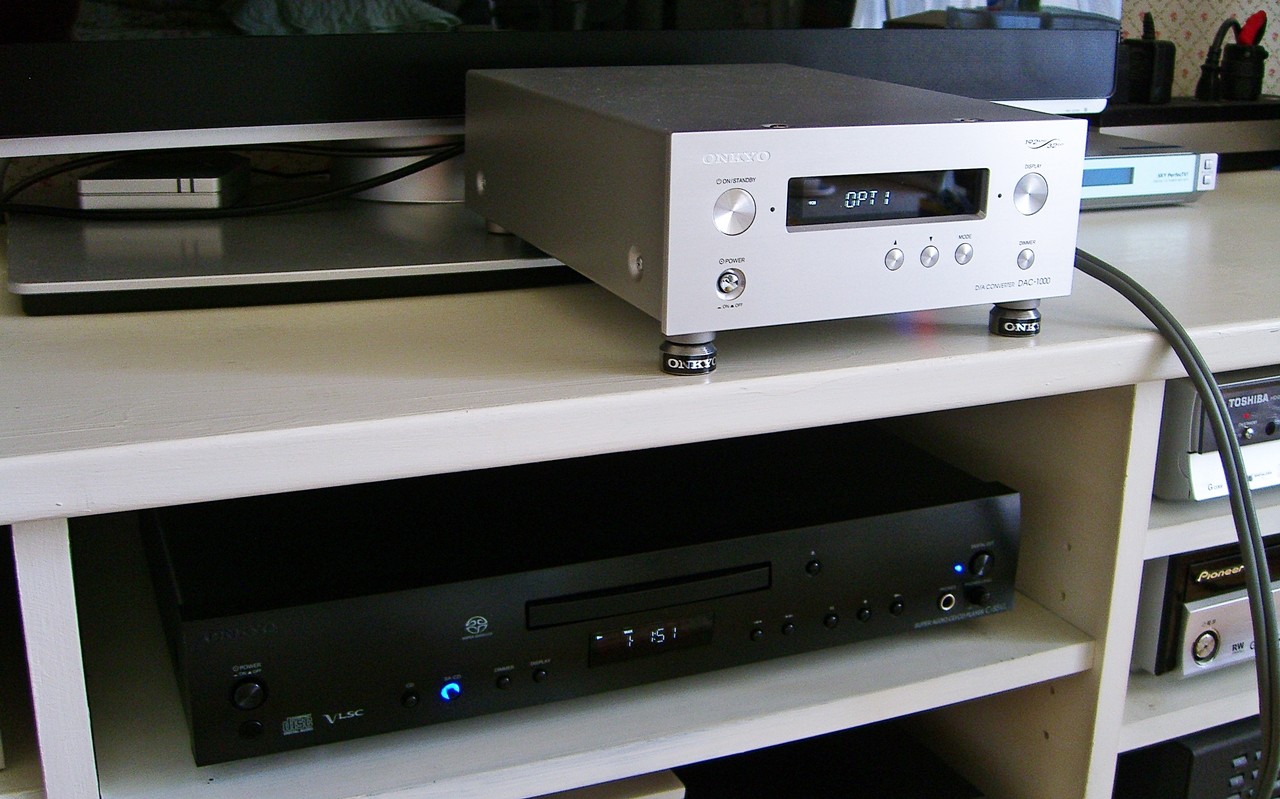
The D/A converter chip is the CS4396-KS 24-bit, 192kHz Delta-Sigma DAC from Crystal Semiconductor (now Cirrus Logic). There is only a single DAC chip. Given that it’s not a cheap component, one might wish they’d at least gone dual-mono with separate chips for L and R — though doing so would of course depart from the simple-is-best philosophy. The CLASSIC CD has a mysterious additional IC fitted next to the CS4396. It appears to be some variety of HC574, but the details are unknown.

In Creek’s case, the DAC chip in the early CD60 era was the PHILIPS TDA1541, but from that point on — spanning standalone DACs and the top-of-the-range DESTINY CD Player alike — Cirrus Logic / Crystal Semiconductor multibit DACs have been used throughout. The Evolution-CD uses a Burr-Brown PCM1738E (note: PDF) for some reason, but that story is told in more detail in the entry below.
June 26, 2011
CREEK Audio “Classic CD Player” Review Part 1 — Overview
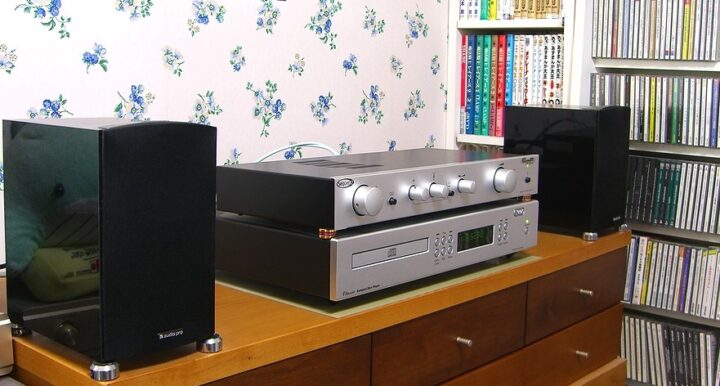
Despite having written about CREEK-related topics every day recently, I completely forgot — in a rather spectacular moment of absent-mindedness — to include a link to the CREEK AUDIO official UK website. While I’m at it, the Japanese sole distributor is Hi-Fi JAPAN. The CREEK Classic CD Player is a long-running model, released in 2007 in Japan (2006 in the UK). It is the centrepiece CD player of Sub-system C, as assembled by the author of this site.
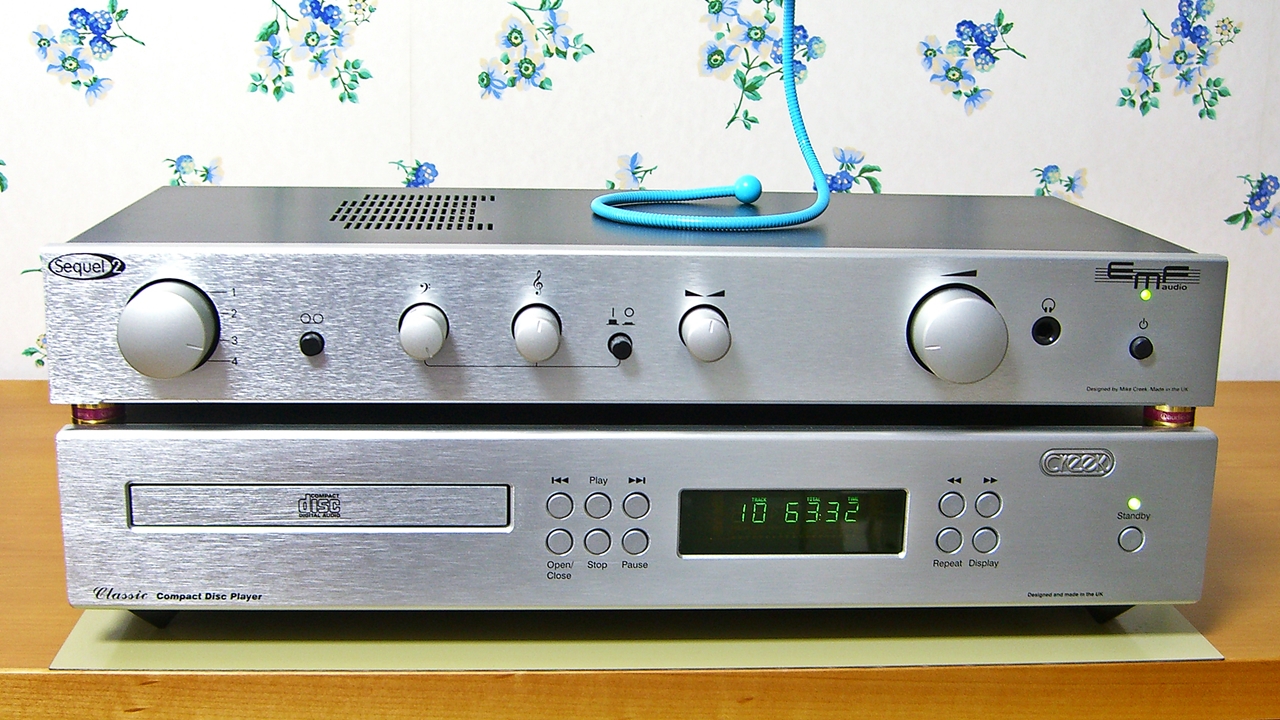
Since I already wrote a detailed review when I bought the CREEK EVOLUTION CD in 2008, some readers may be slightly surprised to find I’ve gone and bought yet another CREEK CD player. Honestly, the EVO-CD had a sound that was somewhat more modern and refined than what I’d hoped for from CREEK, and my longing for that traditional British sound of the old CREEK models just couldn’t be satisfied. …So in the end, I decided to bring in the CLASSIC CD Player — the model one step above the EVO-CD — as an additional purchase.
The CLASSIC CD Player is CREEK’s main (mid-range) CD player, beginning with the very first CREEK CD player, the CD60, and progressing through a series of incremental changes: CD42 / CD43 / CD43MK2 / CD50 / CD50mk2 / CD53 / CD53SE / CLASSIC CD. At the time of writing, the DESTINY series sits above it and the Evolution series below, and whether the CLASSIC series will continue is somewhat uncertain. At least in the case of the Classic 5350SE integrated amplifier — the natural partner to the CLASSIC CD — a new model, the EVOLUTION 5350, has just been released, and judging by its appearance it has been reborn with the same modern design language as the DESTINY and Evolution series.
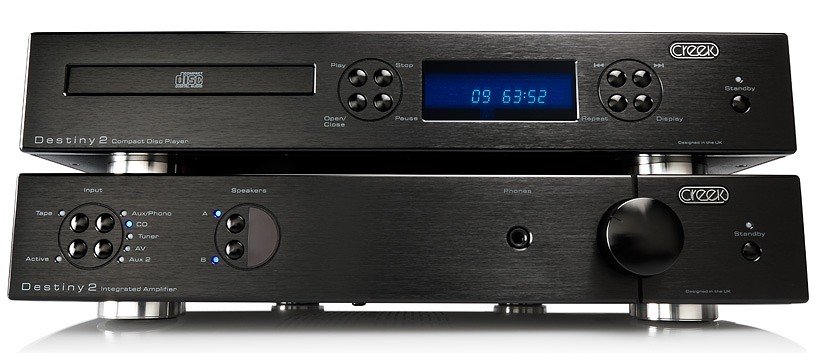
Rather than the gradual, evolutionary modifications that had characterised the old CREEK approach, this feels like a clean break to a completely new direction — and so I suspect the charmingly retro design of the UK-made CLASSIC CD and the CLASSIC 5350SE, which had continued since the 1990s, has finally come to an end. No successor to the CLASSIC CD has been announced at the time of writing, but if one does appear, it will surely adopt a new construction entirely. (Later note: It did indeed turn out to be the last model in the series.) As an aside, in the UK the DESTINY and EVOLUTION series have each received minor updates to become the DESTINY 2 and EVOLUTION 2, so I expect those will make their way to Japan before long.
The review of the Creek Destiny CD — the newly designed successor model — reads as if describing almost exactly the same impressions as the CLASSIC CD.
The first CD player Mike Creek ever made, the CD60, had a full-size chassis that looked quite out of proportion against the slim, compact amplifiers of the early Creek range — and the whole thing had the feel of a handmade prototype. Yet open the lid and you found a surprisingly generously specified machine, quite unlike what you might expect from a European product of that era. The sound was lively and warm, and with the bitstream DAC chip PHILIPS TDA1541 and the die-cast swing-arm drive mechanism PHILIPS CDM4, it was a CD player that seemed to embody musicality itself. The one drawback was that the expressiveness was so hot and rich that it could become a little fatiguing on extended listening. From the CD42 onwards, the design settled into the clean, compact form closer in depth to a slim integrated amplifier, and from that point through to the CLASSIC CD Player, small modifications to parts and circuits have been made along the way, but the fundamental design appears not to have changed greatly. The chassis grew taller and deeper from the CD53 onwards, but it appears that the CLASSIC CD is essentially the old CD50 Mk2 board — not the CD53’s own board — fitted into the CD53 chassis, with the drive mechanism changed from the no-longer-available PHILIPS CDM12 to the substitute DVS DSL-710A.
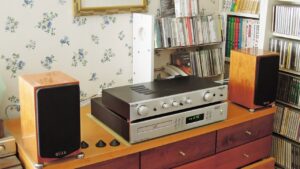
The integrated amplifier mentioned earlier, the EMF Sequel2, comes from about fifteen years before this player, yet their fundamental tonal character is completely identical. This is something that is really only possible with a small overseas manufacturer where the owner does the voicing himself. That said, times do move on, and in keeping with the shifting currents of the Hi-Fi world, the sound quality does appear to have been refined somewhat in a more high-fidelity direction.
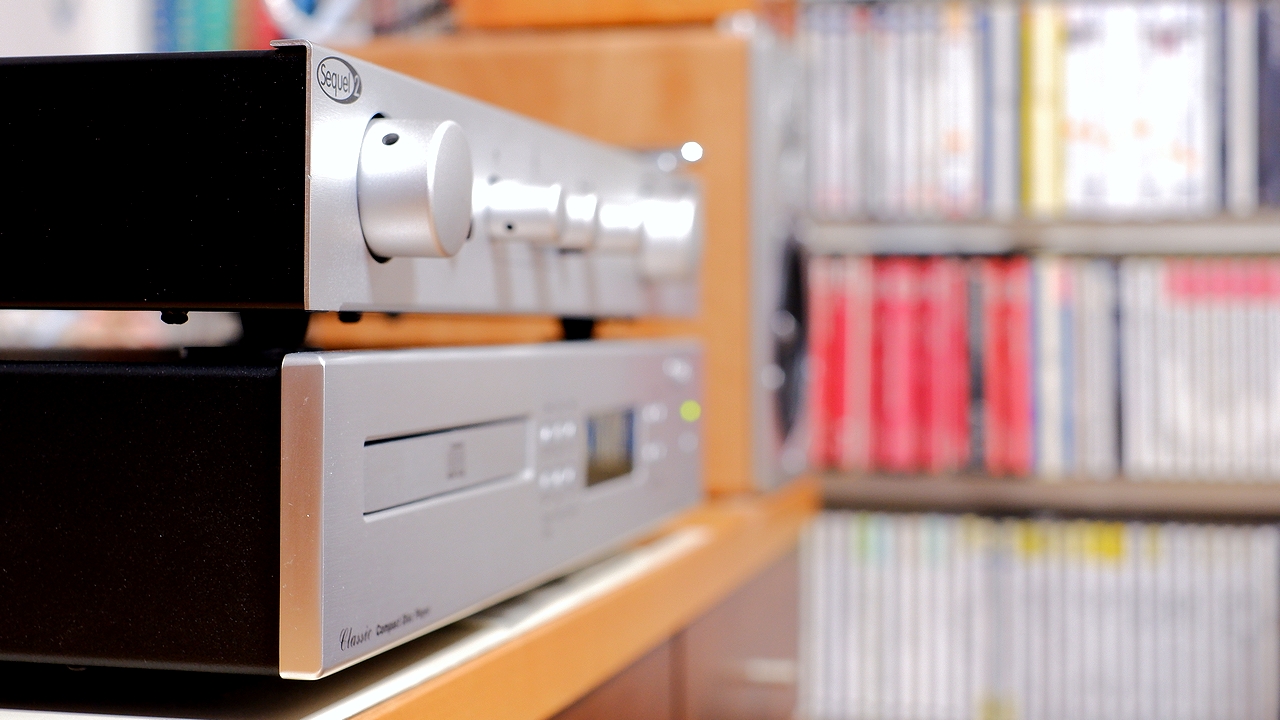
The front panel is a 1cm-thick aluminium panel — considerably more substantial than the thin bent-sheet panels of 1990s products like the 4240 and Sequel2, and that likely has a meaningful effect on sound quality too. The colour and brushed finish are virtually identical to the Sequel2, so they sit together without any visual awkwardness. The brushed silver aluminium panels of the EVO-CD and other Evolution series models are a different, more metallic shade.
The panel design is shared with the previous CD52 and CD53, but from the CD53 onwards the height was increased from 63mm to 70mm — presumably to match the larger Classic 5350SE integrated amplifier. The depth also grew from 250mm on the CD52 to 270mm on the CD53, and 317mm on the Classic CD, making it at a glance larger than the newly designed Evolution-CD and a proper full-size unit. Compared to Japanese products it is still relatively compact, but for someone like me who has always preferred slim, small components, it is a slight disappointment.
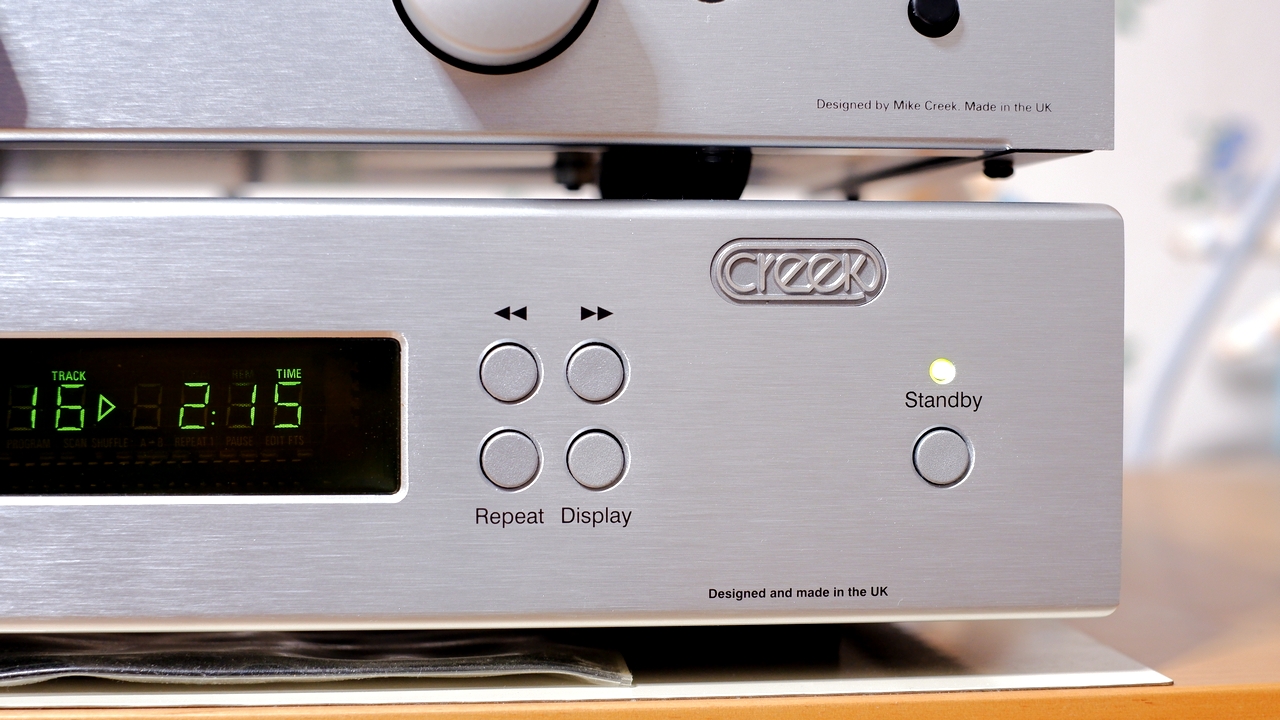
Another important point about the CREEK CLASSIC CD is that it is British-made — manufactured in the UK. The EMF Sequel2 is also British-made. What am I getting at? With the more recent CREEK EVO- series and the current top-of-the-range DESTINY series, only a small “Designed in the UK” is printed in the lower right of the front panel, with no country of manufacture stated on the rear panel. By contrast, both the Sequel2 and the CLASSIC CD carry a clear Designed by Mike Creek. Made in the UK or Designed and made in the UK on both front and rear panels. What does that imply, one wonders? Perhaps worth writing about in a separate entry someday.
The CREEK CLASSIC CD Remote Control
The round operating buttons on the CREEK CLASSIC CD have a satisfying soft, springy feel — something you won’t find on the Evolution-CD or the EMF Sequel2, and a distinctive touch of the CREEK original CD player. The green display indicator is also extraordinarily bright. The brightness can be reduced in two steps via either the remote control or a front panel button (and can be turned off entirely), but every time the unit is switched on it returns to maximum brightness. This is the same issue with the Evolution-CD and its blue-white display. Given that this is a CD player prioritising sound quality with a claimed standby power draw of 6W, you’d think they could at least include a preset memory. ※ Incidentally, when I actually measured the power consumption, the results were rather startling: idling 9–13W / playing 19W / standby 12W. The curious thing is that standby not only fails to reduce consumption, but actually draws more than idling. The standby power draw is simply too high, so as a rule I now switch off the rear main power switch whenever the unit is not in use for an extended period.
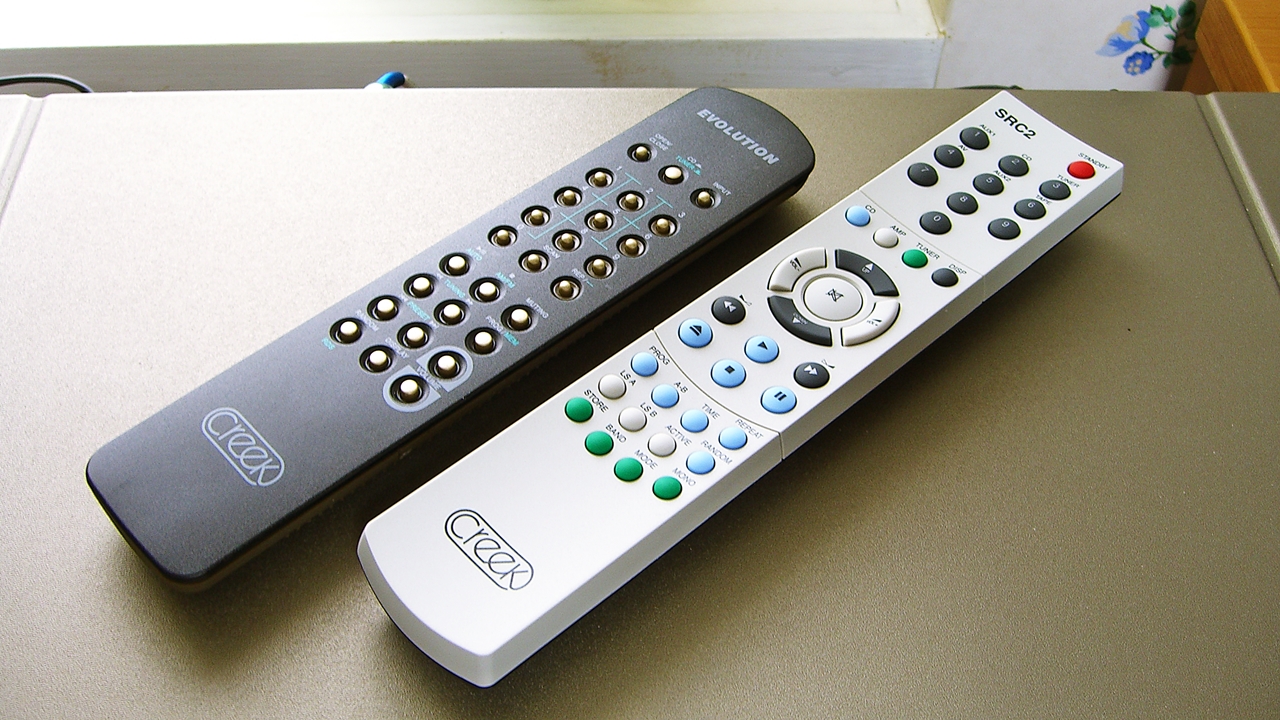
The remote control is the grey type on the right. Response and usability are fine, but compared to the rather more upmarket-feeling remote of the neighbouring Evolution CD, the finish is noticeably plasticky — there is something faintly surreal about the more expensive machine coming with the cheaper-feeling remote. Though come to think of it, the separately sold system remote bundled with the SACD players from German high-end audio manufacturer Lindemann — the 820S and 822 SACD — is exactly the same unit as the CREEK CLASSIC CD remote, isn’t it? And if I recall correctly, that Lindemann remote cost something in the region of 45,000 yen…
As a matter of habit, I keep all my remote controls wrapped in cling film (Asahi Kasei’s Saran Wrap, specifically). When taking photos with a digital camera or changing the batteries, I simply rewrap them in fresh cling film. This keeps them looking as new for years on end. Dust and dirt working into the gaps between buttons — causing the remote to deteriorate or become unresponsive — is simply not an issue this way. Many remotes bundled with overseas Hi-Fi equipment carry staggeringly high replacement part costs, so wrapping remotes in cling film is something I’d genuinely recommend. As a separate note, I had a rather unpleasant experience with alkaline batteries leaking inside a remote, so I’ve since replaced all of them with nickel-metal hydride rechargeable cells. More on rechargeable batteries here.
 Category: UK / CREEK · EPOS / EMFCategory: CD / SACD Players

Auto Translated by CS4.6
List of comments (7)
http://k-tai.impress.co.jp/cda/article/todays_goods/16443.html
こんな商品があります。ようするにばかでかい熱収縮チューブですが。
リモラップ!欲しい。紹介多謝です。でも家にあるリモコンを全てこれで加工するとなると結構な出費ですよ?何せ普通に十数個ある・・・。
ですので100均で同じような物があれば買ってしまうかもw
うちはソニーの学習リモコンを使ってリモコンを縮減しています。ソニーのは「機器選択」スイッチで下の再生等の操作をごそっと変えることができるので、手間さえ厭わなければ複数機器に使えますよ。
ちなみにもの自体は熱収縮チューブ、通称スミチューブ、Yラグのハンダ付け部分とかトランスの端子とかに密着して付いてるビニールっぽいアレを大きくしただけすので、100円ショップが目をつけてくれさえすれば劇的に安くなりそうな気はします。
リモコンの所をちょっと追記してみました。海外製のリモコンコードって国産家電用の統合学習リモコンは使えない事が多々ありそうですよね。最近のは大丈夫だったりするのでしょうか。
OBH22は学習リモコンで音量調整含め操作できているので、Creekはたぶん大丈夫だと思います。
ところがCREEKはCLASSIC(UK製)と最近のPRC製(本国サイトで確認)ではリモコンコードが違ってる気がする・・・じゃなくて、うちの2台はやっぱり相互に動作しませんw