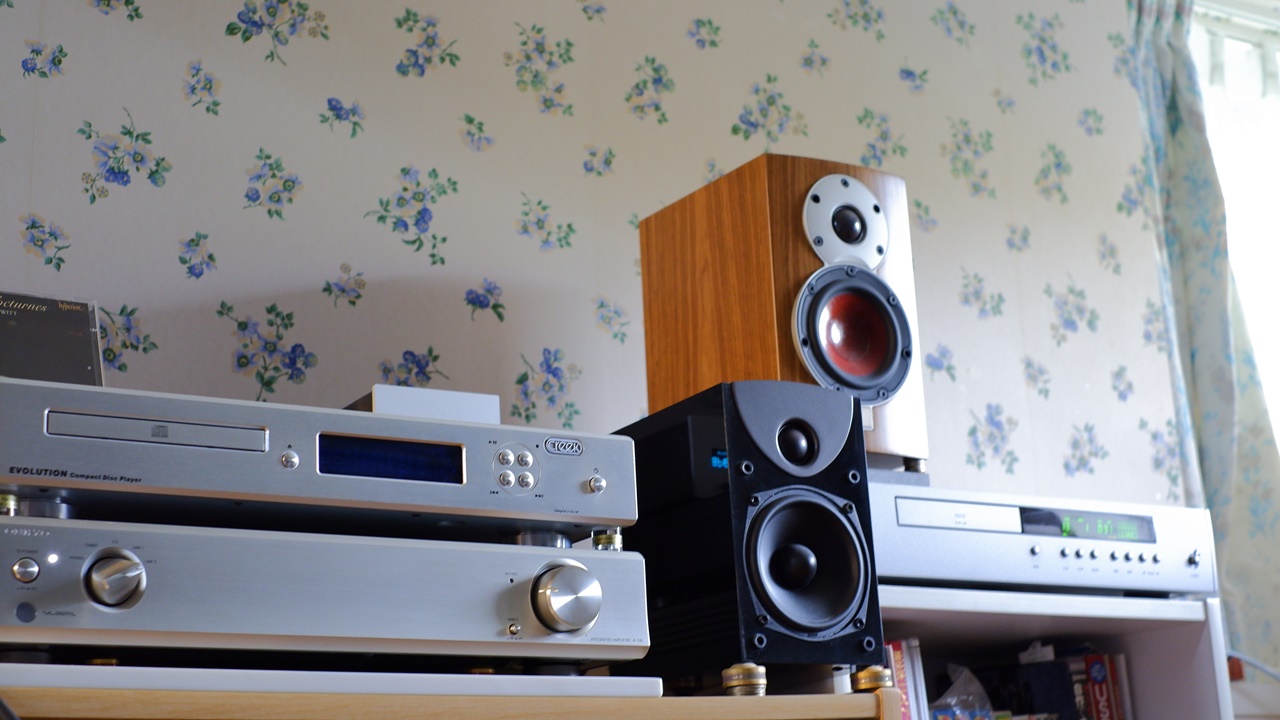
【Bringing Home the CREEK Evolution CD Player】
Part 1|Part 2|Part 3|Part 4
Struggling a Little with Getting the Most Out of the CREEK Evo CD…
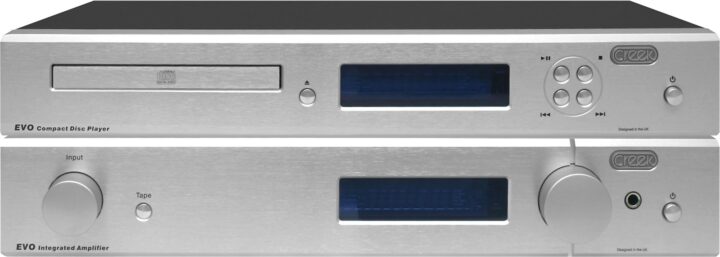
Since introducing the EVO-CD into my main system, two significant new problems have emerged.
· Distortion in the high frequencies
· Insufficient body in the low frequencies
The EVO-CD is essentially a CD player with a flat frequency response (note: which in terms of perceived listening impression ends up sounding like an inverted triangle), so it was never going to be a natural fit with the settings I had dialled in over years of use with the CEC TL5100Z — a player with the completely opposite character, a pyramid-shaped balance rich in the low end and restrained up top.
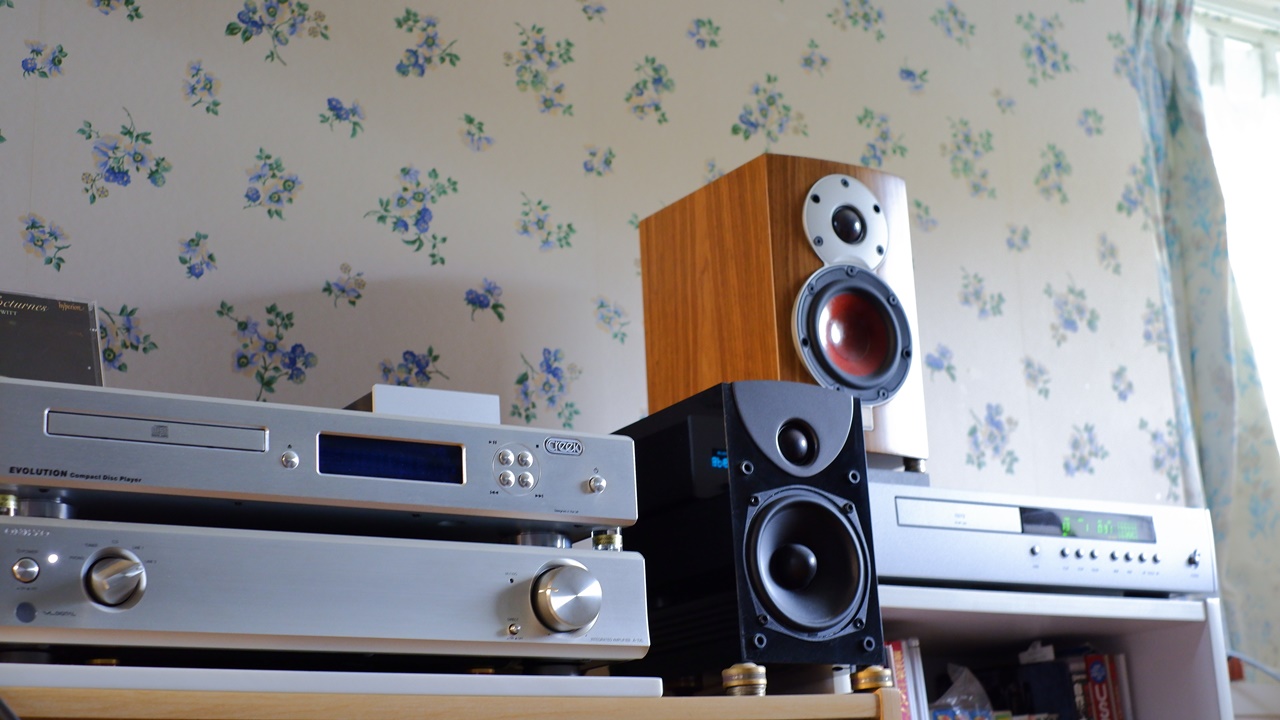
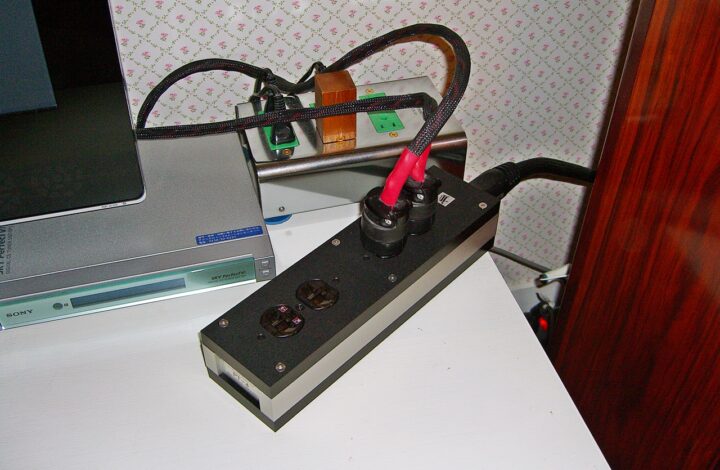
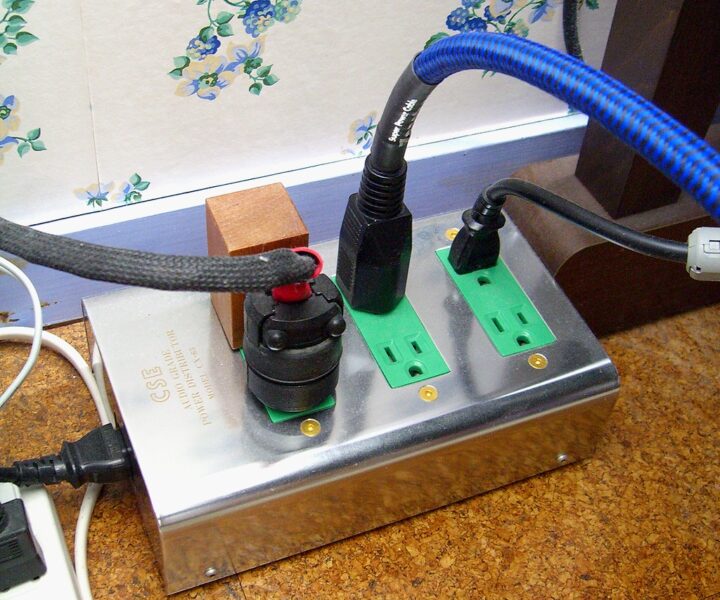
First, when connected to the sub-system’s Onkyo A-1VL, the harshness and distortion in the treble made it literally unbearable to listen to for more than a few minutes. With the main system, however, which has had a great deal of attention paid to it from the power supply on up, a short listening session does not reveal that same level of distortion. That said, if I turn the volume up and listen for an extended period, the high frequencies start to grate on the ears and listening fatigue sets in. As it happened, just before introducing the Evolution CD I had installed the J1 Project PT-4, and in retrospect I am genuinely glad I did. This power strip does a considerable job of reducing that treble distortion, and had the power conditioner remained as it was before, I imagine I would have had an even harder time of it….
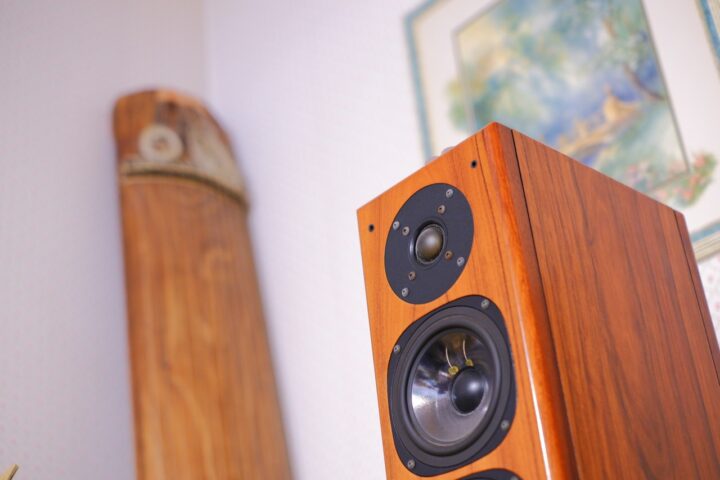
Then there is the lack of bass body, which is also quite severe. From the very first listen, I had a nagging sense that the system was not producing nearly enough low end, and even after extended listening my ears simply could not adjust to that deficiency. It falls far short of the bass weight that the Vienna Acoustics MOZART T-2 is genuinely capable of producing.
On the positive side, the strengths are: the sheer amount of detail in low-level signals, excellent transparency from bottom to top, clarity in the direct sound, pinpoint imaging, a real sense of pace, a lush and well-sustained sense of resonance, a pleasing sheen and sparkle in the upper registers, and midrange reproduction that is fundamentally beyond reproach. What I want is to preserve all of that while adding some weight in the bass, and somehow resolving the distortion that seems to lurk within the Evolution CD itself….
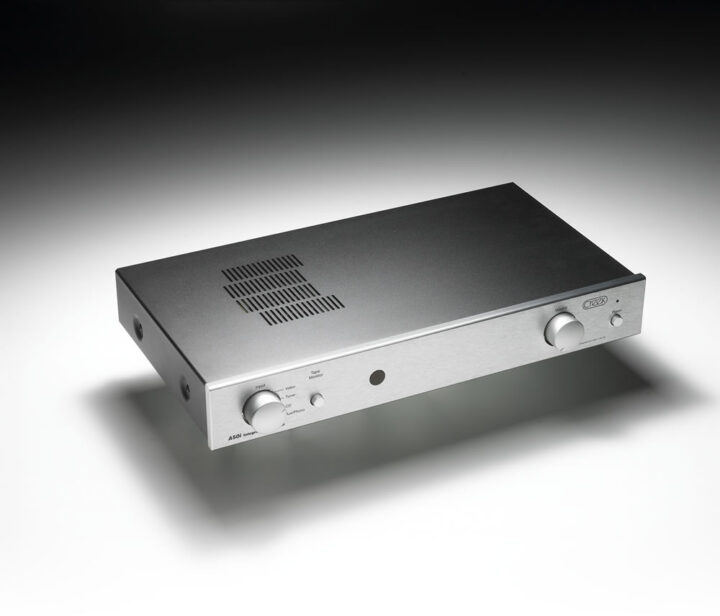
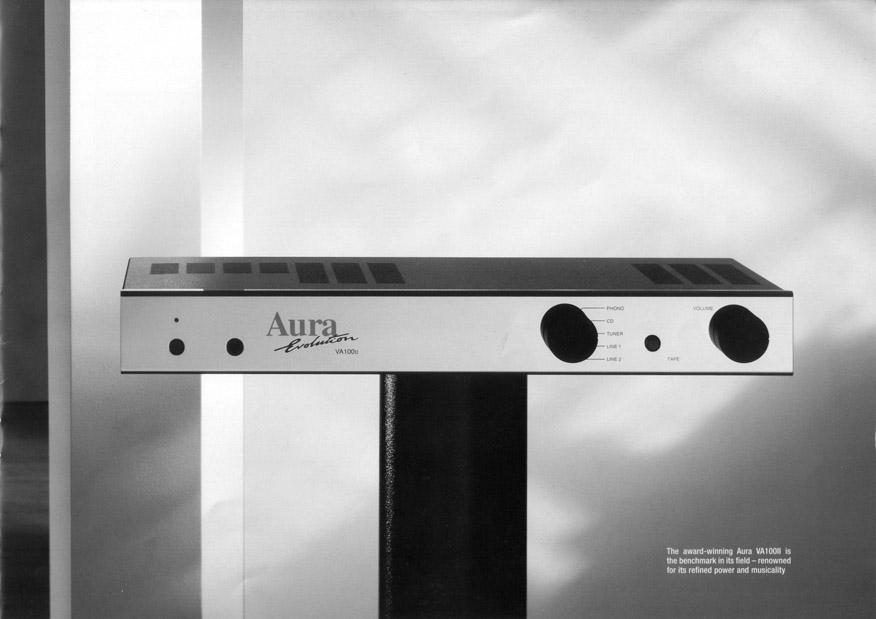
Come to think of it, I recall having the same distortion problem years ago when I owned the Creek integrated amplifier 4240. It manifested as a peculiar kind of distortion that sounded as though the resonance of the chassis was colouring the sound — not immediately obvious in short listening sessions, but something that would start to grate after longer periods. Going back even further, more than fifteen years ago when I listened to the Creek CD60, and the integrated amplifiers 4040S3, 4140S2, and 5050 at the old Yamagiwa LIVINADI showroom, the warmth of tone and lively musicality were certainly appealing, but even then my ears picked up on something that sounded slightly distorted compared to the rival Aura Design (Aura) VA40 and VA50.
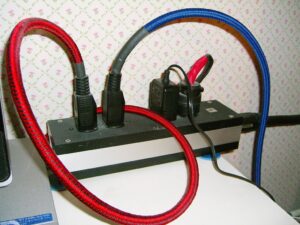
The distortion issue with the CREEK 4240 was, if I recall correctly, resolved by using Harmonics (Combak) TU-210 tuning feet in a four-point support configuration, along with the Ortofon 7N-PSC2.0S power cable of the time. (The interconnect cables I was using back then were entry-level IXOS, by the way.) I still have around twelve HARMONIX TU-210s here — though I am fairly sure I had more at one point; several sets have gone missing over the years, lent out or passed around — but these would push the EVO-CD’s sound further towards a top-heavy balance, so they probably will not suit it. (That thought occurred to me as I was writing, so I am currently in the middle of testing it… although this being a rather odd insulator whose tonal character shifts over time, no snap judgement is possible.)

 ポチップ
ポチップ
The Ortofon 7N-PSC2.0S (and 7N-PSC3.5S) power cable was an early product from the days when aftermarket power cables were just beginning to appear, made with Dowa Mining’s 7N copper. For a domestic Japanese product, it had quite a warm, European-leaning character. The soundstage was somewhat hazy, but the high frequencies were gentle and the texture of string instruments felt convincingly real. It was more a cable that excelled at musical expression than one focused on outright sound quality.
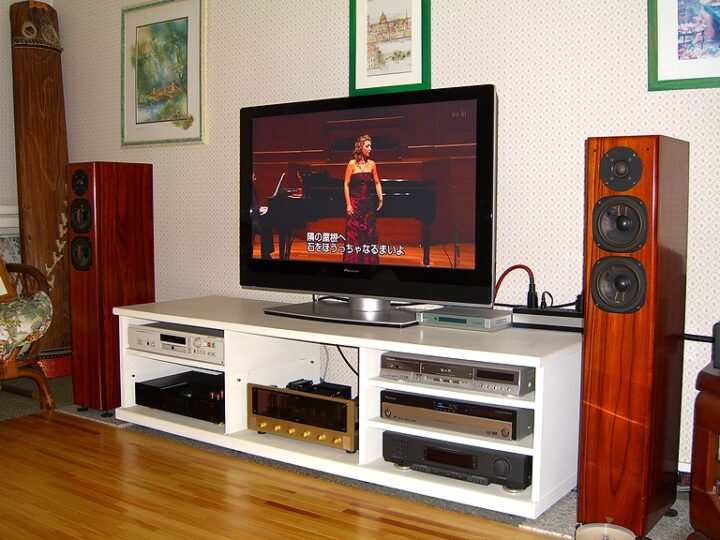
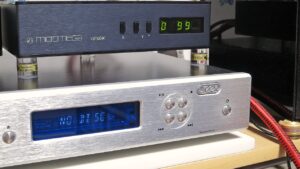
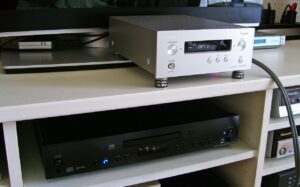
Now, as for the current setup of the CREEK EVOLUTION CD: it sits on a Wakatsuki wooden Hi-Fi rack (MDF compressed wood chip board) in a three-point support configuration using Audio Replas OPT-1 insulators. The OPT-1, made from synthetic quartz glass, tends in my experience not to end well when used under amplifiers, but for reducing that peculiar digitally-tinged high-frequency distortion that CD players and DACs can exhibit, I find it rather handy and have grown quite fond of it. Being synthetic crystal, it is especially recommended for machines with a crystal clock oscillator — (that’s a joke, but only just barely). Incidentally, this insulator does soften things somewhat in the mid-to-low frequency range.
ポチップ
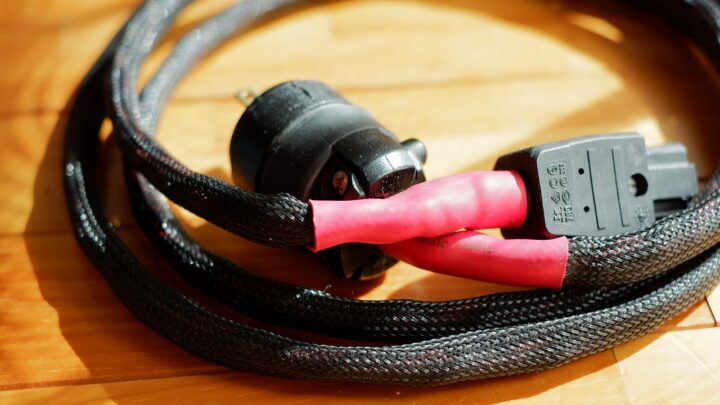
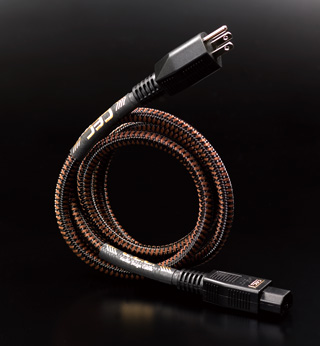
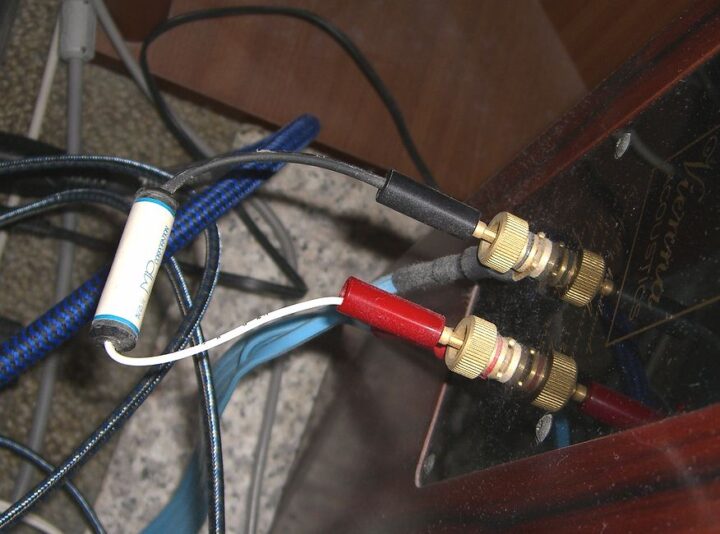
The power cable is the Kharma KPL Reference/1a. I own two of the same model, and this is the one that sounds somewhat tilted towards the top end. The RCA cable is the favourite Red Rose Music 1934. It is a cable that prioritises resolution and lets distortion come through as-is, so it may well be the root of all evil here….
Looking at it all laid out like this, it is hardly surprising the sound comes out top-heavy.
In the end, the areas where I can do something without touching the circuitry (note: i.e. the areas where I am actually able to intervene) are: RCA interconnects, boards and insulators, power cables, fuses, and perhaps sticking some damping material to the underside of the top panel. If I can find the right combination of these that maintains the current transparency while adding weight in the bass, removing the treble distortion, and ideally improving the musicality — then things might work out, or they might not. This is getting long, so I will leave it here for today.
Tackling the High-Frequency Issues of the CREEK Evolution CD Player
The listening fatigue, looked at from the other side, is a product of the sheer freshness, realism, and wealth of detail in the mid-to-high frequencies — and that is precisely what makes this CD player so appealing. Handle it clumsily and that high-resolution, almost high-end quality will be lost, which makes finding the right balance extremely tricky. At times like this I rather wish I had a vast stockpile of Hi-Fi accessories to hand, so I could swap parts in and out until I found the best match — but unfortunately I do not have all that many substantial pieces to choose from.
That said, let me write about what I have tried over the past day or two.
① Swapping the RCA Interconnect Cable
The Space & Time (Tara Labs) Prism 22 was the second-from-bottom in the Space & Time lineup, sold up until around ten to fifteen years ago, and I believe it retailed at around ¥6,000. It is a single-core cable (important point) using 6N copper, with a mellow, smooth, warm tone. The high frequencies are restrained, and the overall balance leans towards the mid-to-low range. That said, compared to the higher-ranking Prism 55 (which was recommended at Audio Ippinkan at the time), the bass does not extend with any real depth, resolution is lower, and there is less detail — all of which is to be expected from an entry-level product. Sound quality aside, it has a certain charm to it and music comes across in an enjoyable way, which is the main point.
Compared to the Red Rose Music 1934 — which prioritises resolution and cannot entirely be called free of distortion — switching to the Prism 22 does noticeably rein in the harshness of the Evolution-CD’s high frequencies. It is not perfect, though; even within that milder tone, the edginess still peeks through here and there. The sound as a whole seems to draw inward towards the midrange. Compared to the 1934, there is considerably less detail and the soundstage transparency suffers, so roughly half of the EVO-CD’s sonic advantages are squandered. It is easy on the ears, but rather than drawing out the CD player’s capabilities, it actually holds them back to a noticeable degree. Switching back to the Red Rose Music 1934, I am immediately struck by the wonderful resolution of fine detail — and then the treble starts jangling away again (like a little bell ringing, if I had to describe it) and the fatigue sets in all the same….
② Swapping the Insulators
For distortion control I had been using the AUDIO REPLAS (Audio Replas) OPT-1 in a three-point support configuration, but in times of difficulty I reliably turn to the audio-technica AT6099. Much like the Prism 22, it softens the high frequencies and adds body in the bass. It also rounds off the attack across the board and considerably relaxes what had been a rather hard tonal character. There is no question that putting the AT6099 in adds a more approachable quality to the sound, making it softer on the ear and more comfortable to listen to for long periods. The added weight in the low frequencies is also rather welcome. However, this too works firmly in the direction of undermining the Evolution CD’s distinguishing quality — that high-end-ish severity and refinement. It clears up perhaps seventy per cent of the listening fatigue, but dulls the player’s appeal by roughly the same amount.
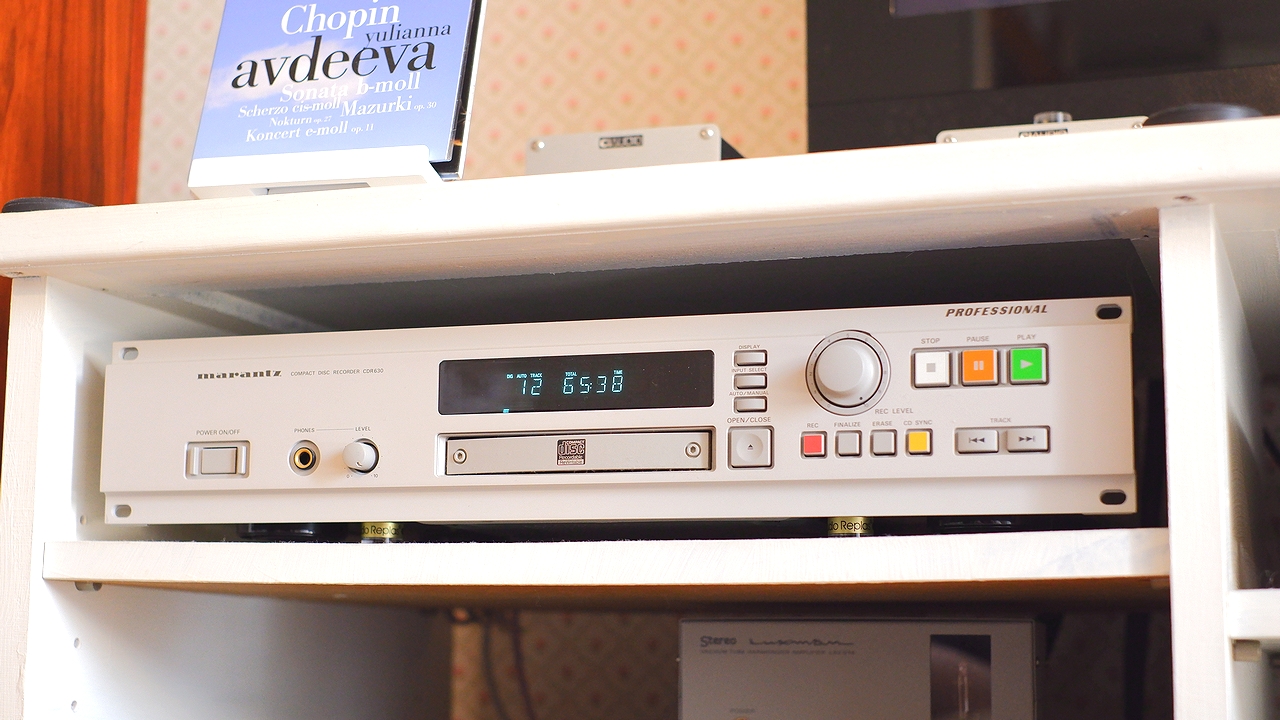
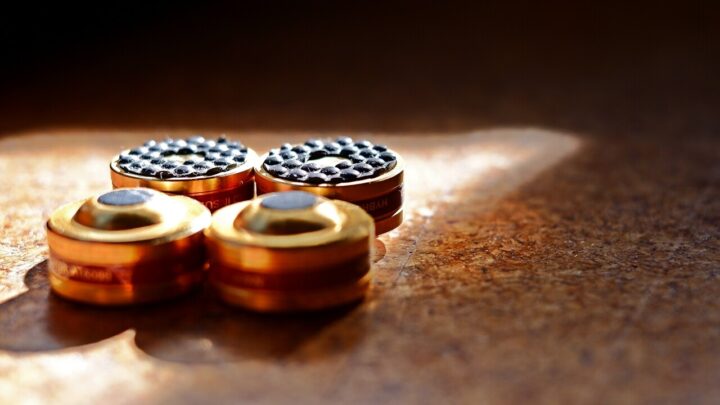
What these two experiments made clear is that if one simply sacrifices sound quality and deliberately blunts and rounds the sound, it becomes reasonably pleasant to listen to — but even then, the underlying distortion keeps showing through in the corners of the sound, and it never quite disappears entirely. The result is a vaguely compromised, uninspiring sound that falls between two stools. What I really want is to remove the distortion while keeping the EVO-CD’s superb freshness and resolution intact — and for that more demanding requirement, a rather different approach seems to be needed.
③ PS Audio Noise Harvester
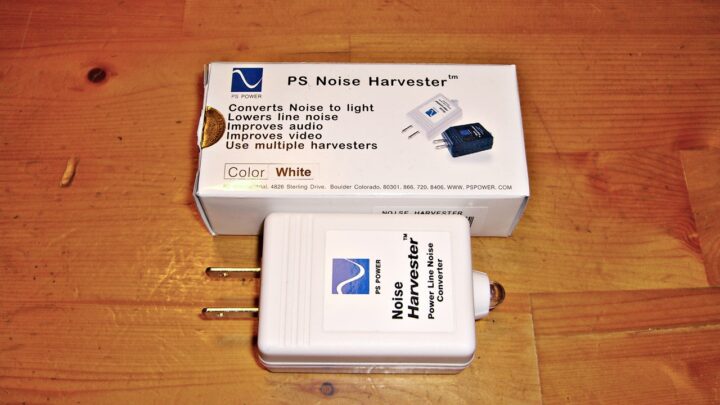
I tried moving the PS Audio Noise Harvester, which had been plugged into the visual-system power strip, over to the pure Hi-Fi J1 Project TP-4. Ah — this might just be doing something, even if only marginally. The change is subtle enough that it cannot be called a decisive fix, but the treble distortion does seem slightly reduced and the attack is softened a little. In the mid-to-low frequencies there is a very slight sense of added body (note: though the overall impression of the sound actually feels lighter despite the increase). The sharpness eases off and the image seems to open up just a little. Musically, there is slightly more life to the sound as well. The sense of airiness and transparency does feel like it takes a small hit, so whether it actually sounds cleaner is debatable — but as a provisional measure aimed primarily at taming the distortion, this combination might be worth keeping for a while. It may also be that since the wall outlet to power strip cable is a PS AUDIO XPD.1.8MK2, the little gremlins inside are getting along rather well with each other (mysterious).
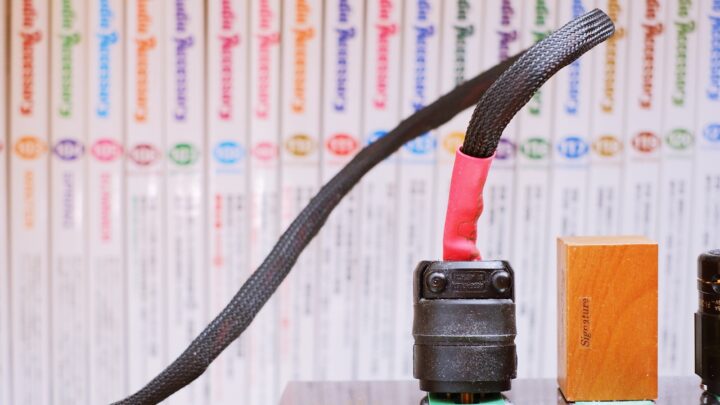
Incidentally, the Audio Spice ACC18, which had been a favourite, only made the Evolution-CD’s distortion and harshness worse, and was removed almost immediately. That one is clearly for the CEC.
That is everything I tried over the past day or two. To put it bluntly, none of it amounts to a decisive solution — nothing has really moved the needle in a meaningful way. Still, swapping out various components did produce clearly audible changes (i.e. degradations), so perhaps the next step is to find a cable or power cable that aims for higher sound quality while also addressing the distortion. If that is the direction, I have little confidence that a collection of inexpensive parts will do the job. It will mean gambling on another cable purchase. As it happens, the one I have in mind is Zonotone — something I heard in a shop recently and rather liked the sound of.
(Postscript: in the end, this brightness problem was resolved quite easily by swapping the power cable → Ortofon power cable PSC-3500XG review)
The CREEK EVO-CD After Run-In…
A month and a half has now passed since I purchased the CREEK EVOLUTION CD player. Having kept it powered on for nearly twenty-four hours a day seems to have helped, as the harsh, zingy distortion in the high frequencies has now largely receded. The tonal character has become somewhat milder as a result, and I find myself occasionally feeling a twinge of nostalgia for the highly resolved, tense, high-end-ish quality it had when it was still a little rough around the edges.
The initial brightness problem had been addressed with the Ortofon PSC-3500XG SILVER, but this is a power cable with a tonal character quite unlike anything Creek’s European-flavoured sound naturally calls for, and I could hardly say it was drawing out the EVO-CD’s real qualities — so in the end I went back to the original Kharma KPL Reference/1a. This is a fairly top-heavy sounding cable, so if the player still had run-in-related distortion remaining, that combination should have been quite unlistenable — but this time around it was perfectly fine. Returning to the higher-grade Kharma KPL Reference/1a made it clear that the PSC-3500XG’s resolution is comparatively low and the sound a touch on the hazy side, while the overall warmth and richness made it harder for images to feel solid and present. That woolly quality left a lingering impression on the ear — to the point where the sound of the television or my own piano playing seemed to sound strange afterwards.
ポチップ
Even so, the sound in this state is not something I am fully satisfied with either. I spent the whole of March fretting over it. The sound quality is generally good and the distortion is no longer a problem, but there is a tension — a kind of strain — in the midrange and upper midrange that can occasionally become grating. The density in that region feels excessive, and the vibration of the piano’s strings — the feel of the piano wire itself — comes across as overly intense. String instruments, too, are vivid and realistic in their vibrato, but there is an unmistakable sense that this quality alone is being exaggerated. If I were to describe it in terms of insulators, it is as though the resonance of brass is being added to the sound. The upper treble is not particularly extended, and with the bass being thin as well, this peculiar tension in the midrange creates an effect rather like having a fish bone lodged in the back of the throat — not especially pleasant. Accepting this as simply the character of the CD player would require me to stretch my tolerance just a little beyond where I am comfortable with it.
ポチップ
For now, using the AUDIO REPLAS (Audio Replas) OPT-1 in a three-point support does add warmth and softness, and mellows out the attack, which goes some way towards relaxing that tension — but it is still not quite enough. The resolution of both the power cable and the RCA cable is also contributing to a degree of attack exaggeration, so I tried switching the power cable to a milder-sounding ● (early type) KPC Reference and the RCA cable from the Red Rose Music 1934 — which is exceptionally detailed but tends to emphasise edges — to the more neutral-sounding ISODA HA-08PSR (modified). This does trim the frequency extension at both ends but adds considerably more softness and gentleness overall. Incidentally, the power cable change makes a reasonably noticeable difference, but the tonal change from swapping the RCA cable is considerably smaller by comparison — suggesting that this CD player has quite a strong character of its own.
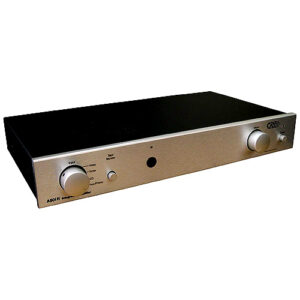
The result is a fair degree of improvement, but even in this state a certain bony quality remains in the midrange. Is there really nothing to be done about it…? The higher-range CREEK CD50 series and the current CLASSIC CD Player struck me as softer and more musical, without this kind of tension — or so I believe. Perhaps I simply have to accept this as the EVO’s particular character. It leaves me feeling somewhat ambivalent, truth be told.
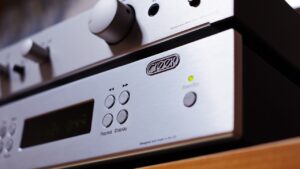
One thing that has been nagging at me is the influence of vibration. This player has an iron lid and a 5mm-thick aluminium front panel; the chassis precision is high enough that removing the cover takes some effort, and the rigidity itself is admirable — yet when I touch the casing during playback, it is vibrating quite intensely from the sound pressure. The chassis weighs only around six kilograms, and there are no ventilation slots anywhere on the body, which may be a factor. My TAG McLaren 60i integrated amplifier, which is a similar weight, does vibrate noticeably too, but because it has ventilation slots it does not rattle quite as dramatically — and the same is true of other players I own. The CEC belt-drive CD player barely vibrates at all. One clear sign that the vibration has nowhere to go is that a light tap on the casing, or simply shifting the unit around within the rack, is enough to cause a skip. I suspect the mechanism and the circuit boards are all rigidly mounted to the chassis with no means of absorbing external vibration, and that this is contributing to the tension and bony quality in the attack. Applying some audio-grade damping material to the inside of the top and bottom panels might well produce a significant change in the sound.
Kiso Kogyo High-Performance Vibration Damping Material fo.Q — What Is It?
ポチップ
【Bringing Home the CREEK Evolution CD Player】
Part 1|Part 2|Part 3|Part 4
Auto Translated by CS4.6
List of comments (7)
突然ですがご意見をお聞かせいただけないでしょうか。
PS3、A-1VL、805Sで鳴らしていて、かなり良い音だと思ってますが、もう少し色気ある響きを加えたいのです。
これをプレーヤーでやってみたく、後藤チューンマランツSA15S1(WT)かユニゾンリサーチUNICO-CDPなんかどうだろうかと。(どちらも聴いた事なくて、、スミマセン)
弦楽器の胴が響く感じ、女性ボーカルの艶やかさをもう少し意識的に出したいのです。
以前から読ませていただいていて、PS3を除いてはお詳しいと思いのではないかと。
ケーブルとの組み合わせも含めてなにとぞよろしくお願いいたします。
いきなりお願いのご無礼、お許しを。
「高域の刺激成分を和らげ、中音域の硬直感を解きほぐし…」
「柔らかさと広がりのある音になる…」
等の感想がある「けーぶる舎」という店の
RCAケーブルPGA4201を試されてみてはいかがでしょうか?
値段も5千円弱とお手頃ですし・・
悩み中さんはじめまして&こんばんは♪
>いきなりお願いのご無礼、お許しを。
お気楽お気軽がモットーですので、こういうのは全くお気になさらないで下さいませ♪
超高音質モニタースピーカーB&W805S+完成度の高いデジタルプリメインアンプ+最新ゲーム機ですか♪かなりモニター系の高音質を狙った感じでしょうか?
http://joshinweb.jp/audio/5218/2097146628500.html
http://www.ippinkan.com/unison_research_unico2.htm
さて、後藤総合音響さんのMARANTZ SA15S1とUNISON RESERCH ユニコCDP(或いは逸品館さんのUNICO CDですか。これまた結構方向性の違う機種を検討されているように思います。
>弦楽器の胴が響く感じ、女性ボーカルの艶やかさ
ユニゾンリサーチは現行のCDプレーヤー音を聴いたことがない(すみませんm(__)m)のですが、過去の真空管アンプの印象と、逸品館さんのレビューを見るに上記の用件を満たしているのはこちらではと思います。SA-15S1はこの表現にはあまり当てはまらないと思います。どちらか貰えるとしたら私はUNICOが欲しいです。 ただそれは私が欧州製品や欧州文化贔屓で、聴く音楽がクラシック中心だという事が前提ですので、一般的にはMARANTZを選ばれる人が多いはずです。
http://blog.livedoor.jp/matta/archives/20532156.html
対してMARANTZのSA-15S1は、多くの人に勧められる高音質なプレーヤーです。マランツ独特の華やかな部分がありますので純粋なモニター系ではありませんが、それでも現代的なスピード感と情報量は、音楽性重視というよりは音質重視系のプレーヤーに感じます。
また、後藤さんのチューンは、色気や艶やかさの付加よりも、もっとプレーヤーの明瞭度を上げつつ歪みっぽさのない爽やかな音です。中高域の明るさが目立って低域が薄く感じられるマランツの音を、より落ち着いた自然なバランスにしてくれますが、厚みのあるプレーヤーに大変身という程、極端にキャラクターの違いが出るわけではありません。あくまでベースのプレーヤーの性格は維持された上で、クラスが1~2クラス上がるような感じです。
https://www.audiostyle.net/archives/50447939.html
私のように音質よりも音楽性へこだわる場合はUNICO CDP(或いは他の欧州製品でAH!のNjoe Tjoeb 4000とか)。もっと普通にHi-Fi的な音質と音楽の両立を狙うとしたらMARANTZです。というか、ノーチラス805SとONKYO A-1VLの組み合わせですから、SA-15S1ゴトウチューンの方が、方向性としては確実性があり無難です。対してUNICO CDは好き嫌いが分かれるでしょうから、A-1VLと組み合わせて試聴してからの方が安心です。
自分のコメントがコメントスパム扱いで投稿できない。。。なんだろ?
マイルド7さんはじめまして♪
ご紹介ありがとうございます。
http://6819.teacup.com/cablesha/shop/01_01_01/IN02/
こちらのケーブルですね。イギリス製でしょうか。
他のケーブルも見てみましたがここのお店は現地価格により近い価格で海外製ケーブルを並行輸入されていて凄いですね~(吃驚) どちらかというとCHORDやIXOSに興味があったりしますが、BANDRIDGEなかなか良さそうですね。試そうかしら。。。
ありがとうございます。
もう、私にとって完璧なアドバイスです。
ゴトウチューンは色気や艶やかさではないのですね、、。
以前、ノーマルとは比べ物にならないと書かれていて、 pastel_pianoさんの趣味から見てそのように絶賛されるということは、「音楽性が付加されているに違いない!」と思っていたのです。
チューンドSA-15S1はSA7S1の方向に近づいている、ということですよね。
だとすると、試聴してUNICO CDP行ってみるしかないかもですね。
また、よろしくお願いします。
どういたしまして。
そのケーブルです。
イギリス製かどうかはわからないのですが・・
私が興味があったりします…(^_^;)
少しお値段が張ってもいいのなら、同じ英国製のCHORDが合うかもわかりませんね。
明瞭でありながら柔らかい音を出すみたいですね。
個人的には、「少し重心が下がり、中~低域に充実感があり、とりわけボーカルや低音楽器の再生音にリアルさや味わい深さがあります」というCOBRA3に興味があります。
EVO-CDですが、エージング不足のような気もしますが・・
>悩み中さん
>チューンドSA-15S1はSA7S1の方向に近づいている、ということですよね。
http://mybody.client.jp/sa-11s1vssa15s1.html
チューンしてもSA-11S1のクオリティには敵わないことを書いてあるところが良心的です。セールスポイントはコストパフォーマンス。後藤さんの音、昔はPHILIPS・CREEK・YBA・NAIMなど、アンチ日本製みたいな感じで高音質よりも音楽性、ウォームトーンを基調にした製品ばかり取り扱われていましたが、今はマランツ/B&Wに加え更に素朴でシンプルな音質のローテルやロマネスクが中心。音楽的な虚飾の無い、脱色された素朴で鮮度の高い音を追求されています。ワイドレンジで高音質とも違う、癒し系の自然で聴き疲れしない音です。これはきっとロマネスクの制作者さんの影響だと思われますが、考え方が変わったとおっしゃっていました。
ケーブルやアクセサリについては購入前に決めず、システムを変更されて問題点や修正希望点が浮き彫りになってから考えた方が良いと思います。あくまで主役は機器の方ですからV(^_-)
>マイルド7さん
エージング不足、全くもっておっしゃるとおりです(滝汗)。どうも私は堪え性がないみたいです。
>少しお値段が張ってもいいのなら、同じ英国製のCHORDが合うかもわかりませんね。
値段は安いに越したことはありませんが、エントリークラスのケーブルの場合、経験上メインのシステムでは情報量不足で力不足になってしまう事が多いです。MITやワイヤーワールドなどの廉価なケーブルも色々持っているのですが、ピュアでは行き場が無くなって殆どビジュアル系にコンバートされてます。CHORDについてはCRIMSONもCOBRA3も魅力的ですね。けーぶる舎の人、推薦文の書き方がかなり上手、、、Cobra3の一つ上のSILVER SIRENは、「お使いのシステムで、高域に鋭さがあり、聴き疲れを覚えられる方に、一推しのインターコネクトケーブル」だそうです。CHORDのラインナップは上を見たらきりがないですので、何処でバランスが取れるのか…なかなか悩みどころです。