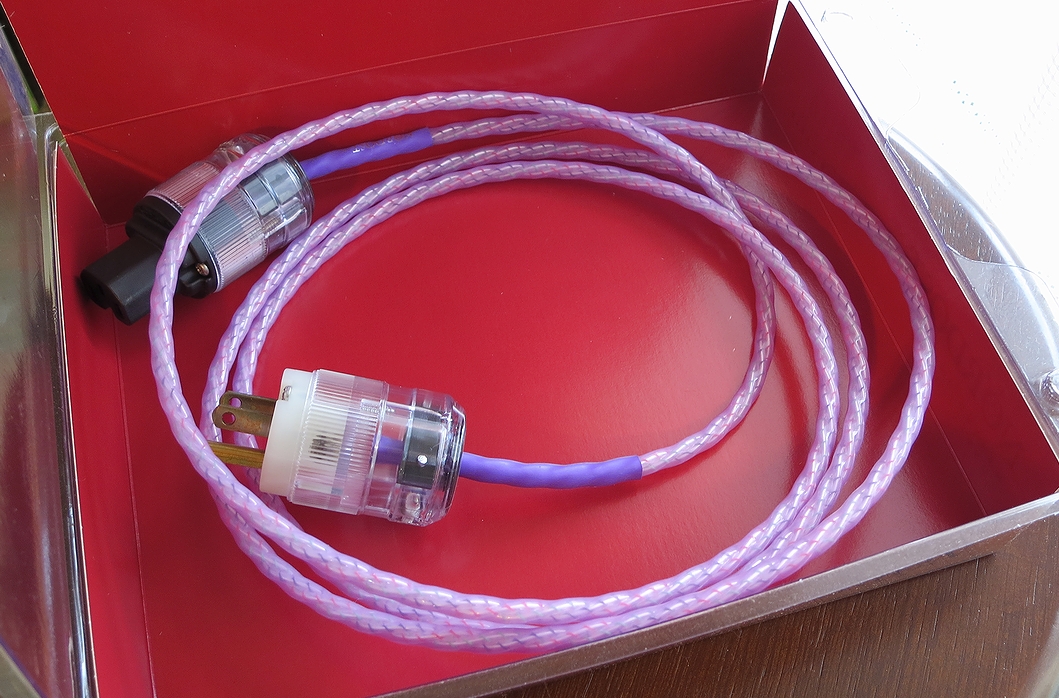
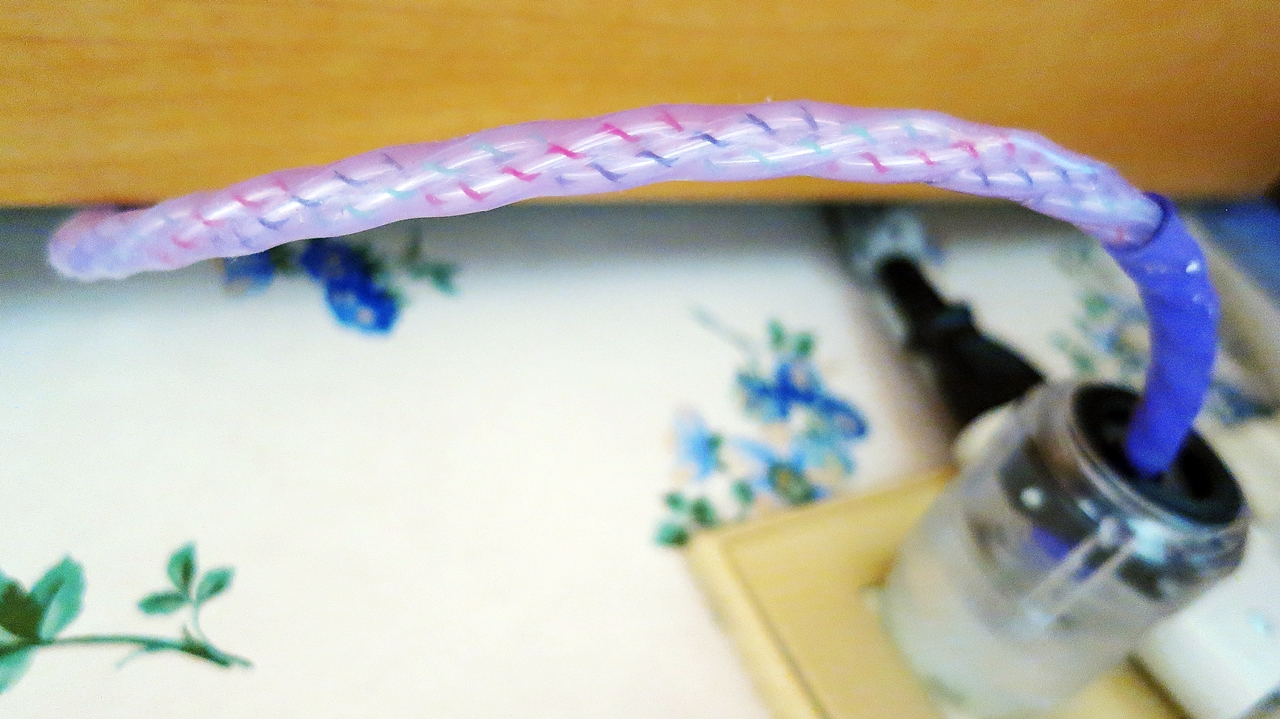
This time I would like to introduce the SHIVA power cable from NORDOST, the American high-end cable manufacturer that was also sold in Japan in the mid-2000s. As you can see, it is a translucent-sheathed power cable through which the silver single-strand conductors inside and the distinctive spiral structure are clearly visible — a pale violet cable that exudes a beautiful yet somehow mysterious atmosphere. The conductor gauge is a rather slender 18AWG × 3 silver-plated 6N OFC single-strand wire for a power application. (If genuine,) it is a Made in USA power cable, designed and manufactured in the United States.
The Nordost SHIVA was also available through the Japanese distributor Electori, but given that its conductors are entirely single-strand, it may have fallen into something of a grey area under the PSE regulations that were causing all sorts of trouble at the time, and I have the impression it quietly disappeared without ever attracting much attention. The domestic suggested retail price was ¥43,050 for 1m and ¥52,500 for 2m, with ¥12,600 per additional metre — fairly reasonable compared to the home-market price in the US. Incidentally, I believe it continued to be sold in its home country, America, for quite a long time.
Nordost Power Cable Line-up
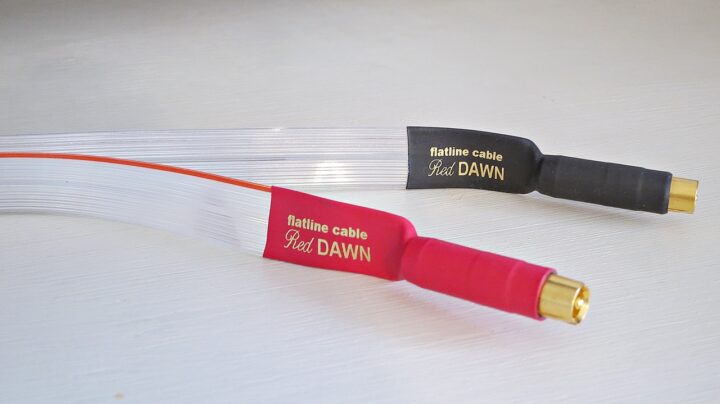
The NORDOST power cable range, listed from the least expensive model upwards, runs as follows: Wyrewizard MAGUS (3-conductor, unplated), Purple Flare (2-conductor, unplated), Ax Angel (studio use), Blue Heaven (silver-plated from here up), SHIVA, Red Dawn LS, Vishnu, Brahma, Heimdall 2, Frey 2, Tyr 2, Valhalla 2, Odin/Odin 2. The Valhalla in particular costs several hundred thousand yen, and the ODIN reaches ¥1,500,000 to ¥2,000,000 per cable — both have become standard references in high-end Hi-Fi circles.
Of these, the Wyrewizard MAGUS, SHIVA, Vishnu, and Brahma have been discontinued and dropped from the current range. The MAGUS Wyrewizard shares the same unplated 65-strand 99.9999% OFC 3-conductor construction as the pro-studio Ax Angel, so in practice the Ax Angel would appear to be the effective successor to the Magus. As for the Shiva, Vishnu, and Brahma, there are unfortunately no direct successors carrying on their names, though the Heimdall 2 and Frey 2 seem to correspond to them in terms of design.
The NORDOST SHIVA belongs to an earlier era when audio cables were not as expensive as they are today, and in terms of its original home-market pricing it sits between the current Blue Heaven and Red Dawn. That said, the Shiva, Vishnu, and Brahma were derived directly from the first-generation Valhalla ($2,500) — itself the flagship high-end cable of that era — sharing its translucent single-strand hollow-core spiral structure and materials, but with thinner conductors and fewer strands, making them genuine lower-tier models that sit squarely within the same family tree. I have never made a direct comparison, but I suspect they offer a distinctly different character from the current Red Dawn or Blue Heaven. And these days, even the Frey 2 costs much the same as the old Valhalla used to, which tells you just how severe the inflation has been… orz
NORDOST SHIVA — Sound Quality Review
Now, on to the usual sound quality review. Having lived with Nordost RCA cables — the Blue Heaven and Red Dawn — as well as the flatline Gold and Wyrewizard speaker cables, I was expecting something very Nordost: a three-dimensional soundstage that spreads evenly in all directions, top to bottom, with pinpoint imaging. What I actually got was a sound character quite considerably different from any of those. The soundstage has a somewhat convex, kamaboko-shaped bulge centred on the midrange, with the bass noticeably light. The mid-to-upper frequencies carry a pleasant lustre, and there is reasonable resolution, but without the shadowy restraint or nervous quality of the Blue Heaven or Red Dawn interconnects — instead it is a bright, easy-going, fatigue-free tonal character, highly listenable and easy on the ear. Imaging, too, is less of the solid, pinpoint variety; it has a rather moderate, normally-sized sense of placement enriched by full-bodied resonance, and since it is not especially tight, the impression of placement seems to come partly from a degree of edge enhancement.
The sound character is certainly distinctive, but what makes the NORDOST SHIVA most appealing above all else is its musicality. It is the sort of cable that seduces you with a bright, lustrous, and highly individual beauty of tone, while at the same time a bouncy rhythmic energy and a dynamic, positive expressiveness in the midrange come to dominate — the kind of sound that simply and straightforwardly makes music enjoyable to listen to. Even with equipment that has little musical personality and sounds rather dull, connecting the SHIVA alone is enough to breathe a fair amount of life back into it; and with equipment that already has a strong musical character, it adds a further bewitching and playful theatricality that entertains the listener — in that sense, it is among the most effective power cables I own. In a theatrical sense, I think it is an exceptionally expressive cable. Despite its slender gauge, its ability to impose its character on the equipment is remarkably strong — put kindly, it is a beautiful-tone cable; put less kindly, it is a novelty… How to put it — if I had to draw an analogy, it would be something like a glamorous anime girl? (Don’t ask me to explain that.)
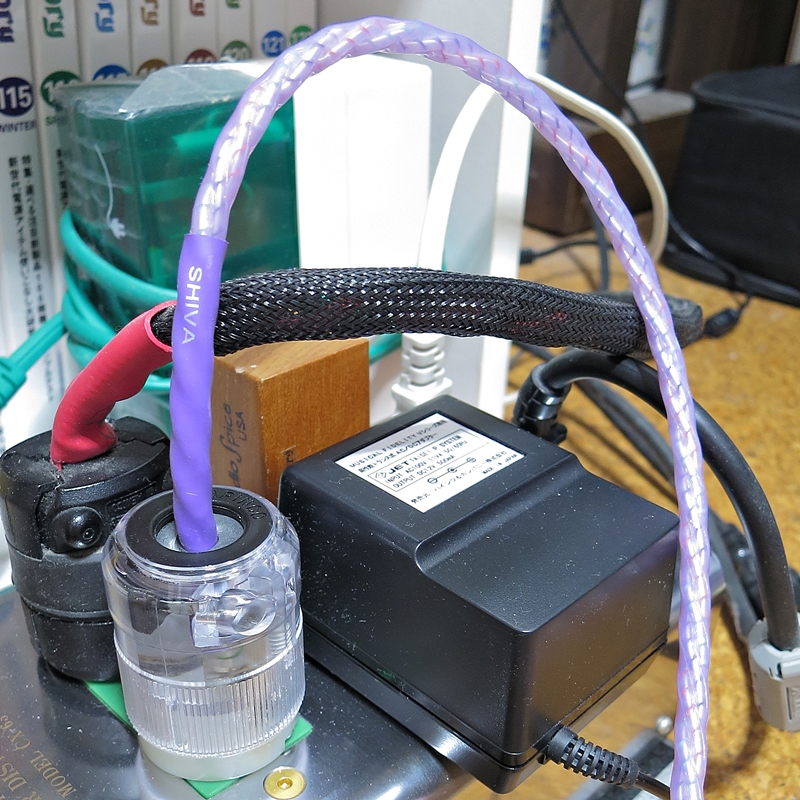
The weaknesses are that the kamaboko-shaped distortion of the soundstage is quite pronounced, and the bass becomes particularly thin, which means it is not well suited to amplifiers or other high-current-draw equipment. For those, you would want to move up to the Vishnu, Brahma, or Valhalla — each with a thicker gauge or greater number of conductors — and choose according to the nature of the equipment in question. That said, it is generally said that even the upper-tier models in this Norse mythology series tend not to produce strong bass, so the SHIVA, with its thinner conductors, should produce the leanest bass of all. As a practical matter, I think this is fundamentally a power cable best suited to CD players, DACs, network audio players, and DVD/Blu-ray players.
That said, Nordost has always competed at a level one or two steps ahead of its time, and in terms of objective Hi-Fi quality the SHIVA is in no way inferior to contemporary power cables of the same class or below. As you would expect from its air-insulated, unshielded construction, it delivers an open soundstage, and the fine detail has a certain sparkling, particulate quality that comes through reasonably well. In terms of sound quality, musicality, and the strength of its grip on the system, it has a high level of all-round capability that I think exceeds what its price would suggest.
Marinco 8215CT (Wattgate 5266i?) and Wattgate 320i
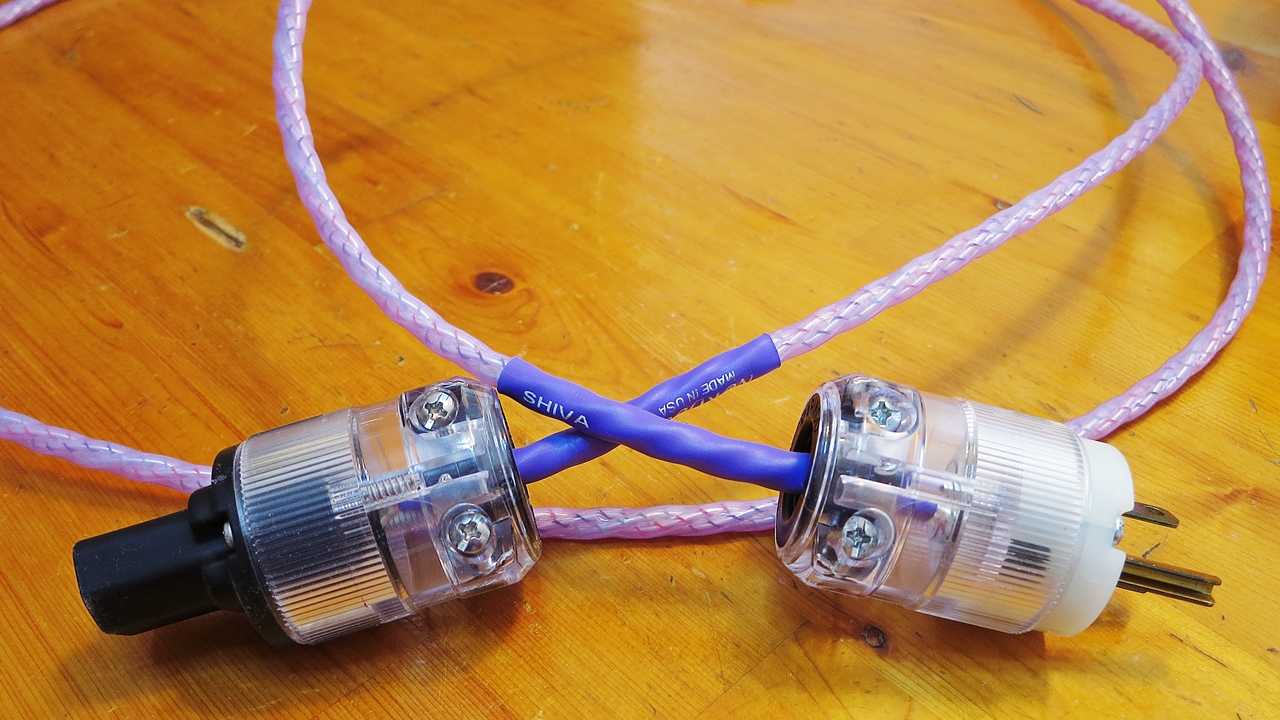
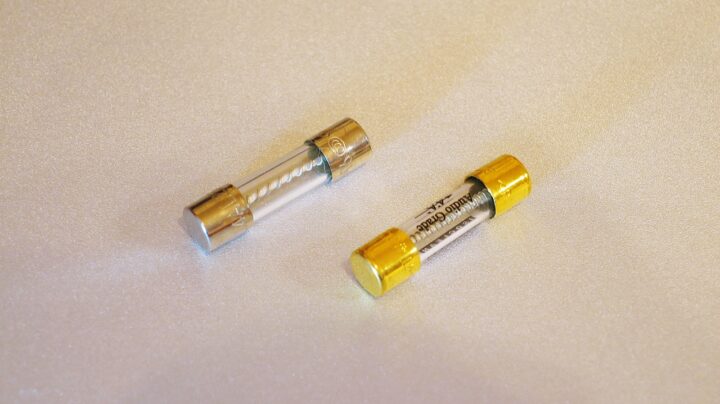
However, the design is rather old, and the use of the inexpensive medical-grade unplated brass AC plug Marinco 8215CT and the Wattgate 320i IEC inlet plug feels, I have to say, like a bottleneck in terms of sound quality. The characteristic traits of these power plugs — brightness, a degree of roughness, a lack of bass extension, and a narrow, un-flat soundstage — seem to combine with Nordost’s hollow single-strand conductors to surface as the shortcomings I described earlier, and I do get the impression they are holding things back. The conductor itself has a genuinely refined, high-quality beautiful tone, but what comes through most nakedly seems to be the weaknesses of the plugs rather than the character of the conductor itself…


 ポチップ
ポチップ
So I suspect that replacing these power plugs with something of higher quality — something with an individual character that complements the tonal signature of the conductors — would probably transform the sound into something even more… bewitchingly high-end. That said, in the end I have kept both of my cables running with the original Marinco 8215CT/Wattgate 320i, out of a certain respect for their original character.
※ The Marinco 8215CT and Wattgate 320i are fundamentally the same thing internally; the Wattgate 320i is essentially the Marinco 8215 upgraded to audio-grade status through treatments such as cryogenic processing. There is also a possibility that the plug fitted to the SHIVA is the Wattgate 5266i, but since — unlike the Wattgate 320i on the inlet side — there is no Wattgate branding anywhere to be found, I am referring to it as the Marinco 8215CT for convenience.
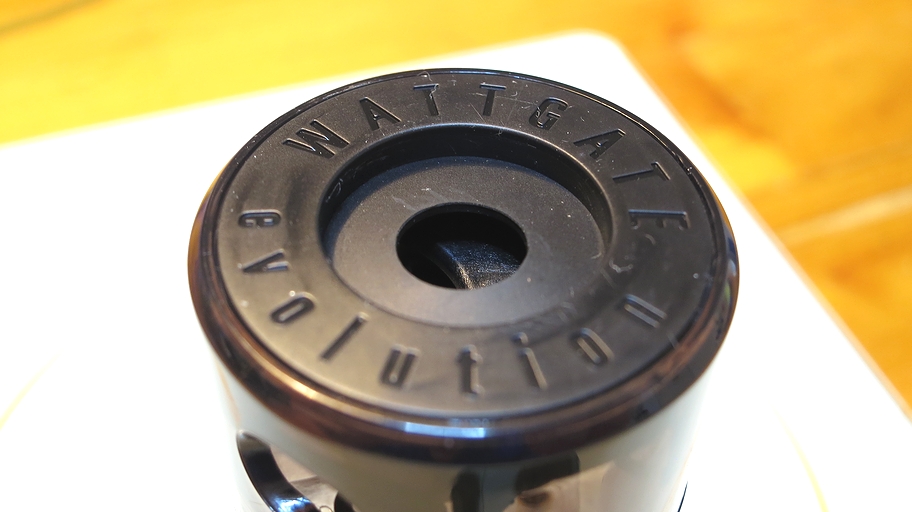
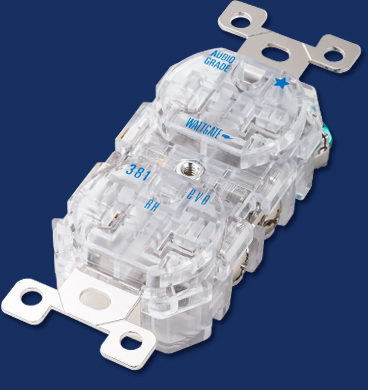
Swapping the IEC Inlet Plug for a Figure-8 Connector
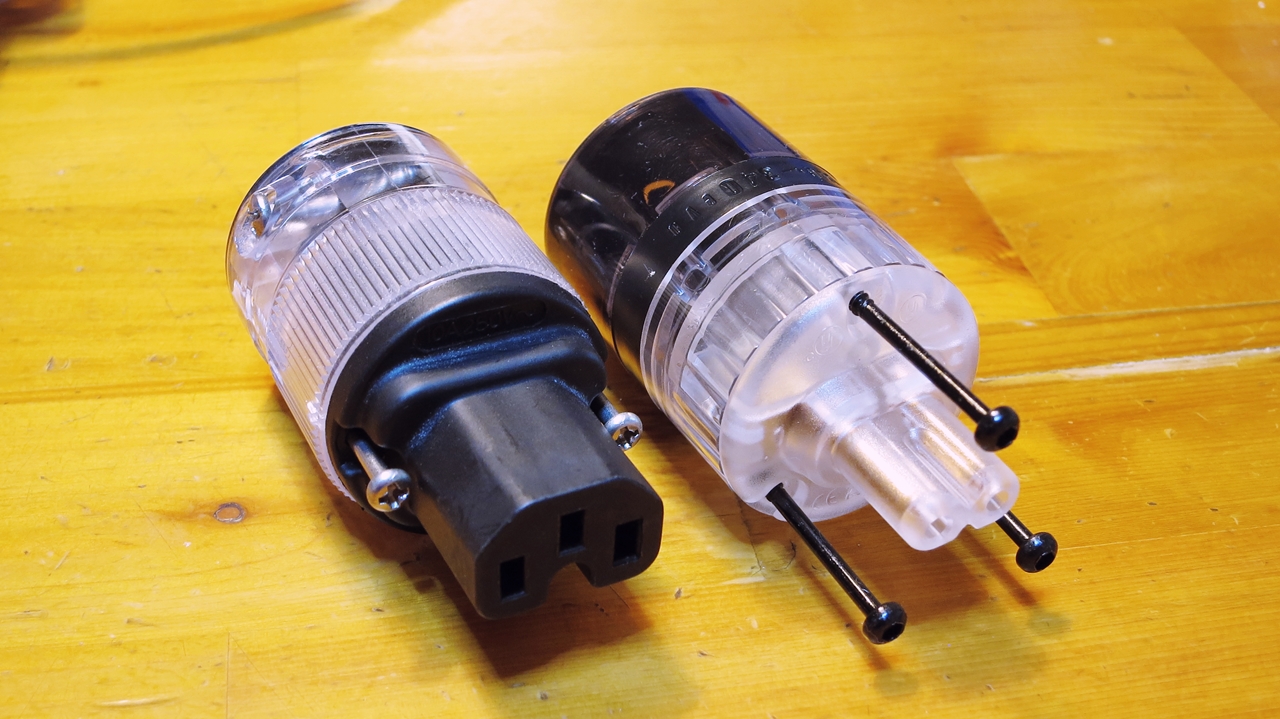
The IEC inlet end of the Nordost SHIVA uses the Wattgate 320i, an unplated brass IEC inlet connector. In order to use the cable with the MARANTZ CDR630, which takes a C7 figure-8 IEC inlet, I removed the Wattgate 320i and fitted a Wattgate 340 EVO Standard — Wattgate’s newer figure-8 power plug — in its place. Unfortunately, new Wattgate products are not currently available through official import channels in Japan, so I sourced it through overseas mail order.
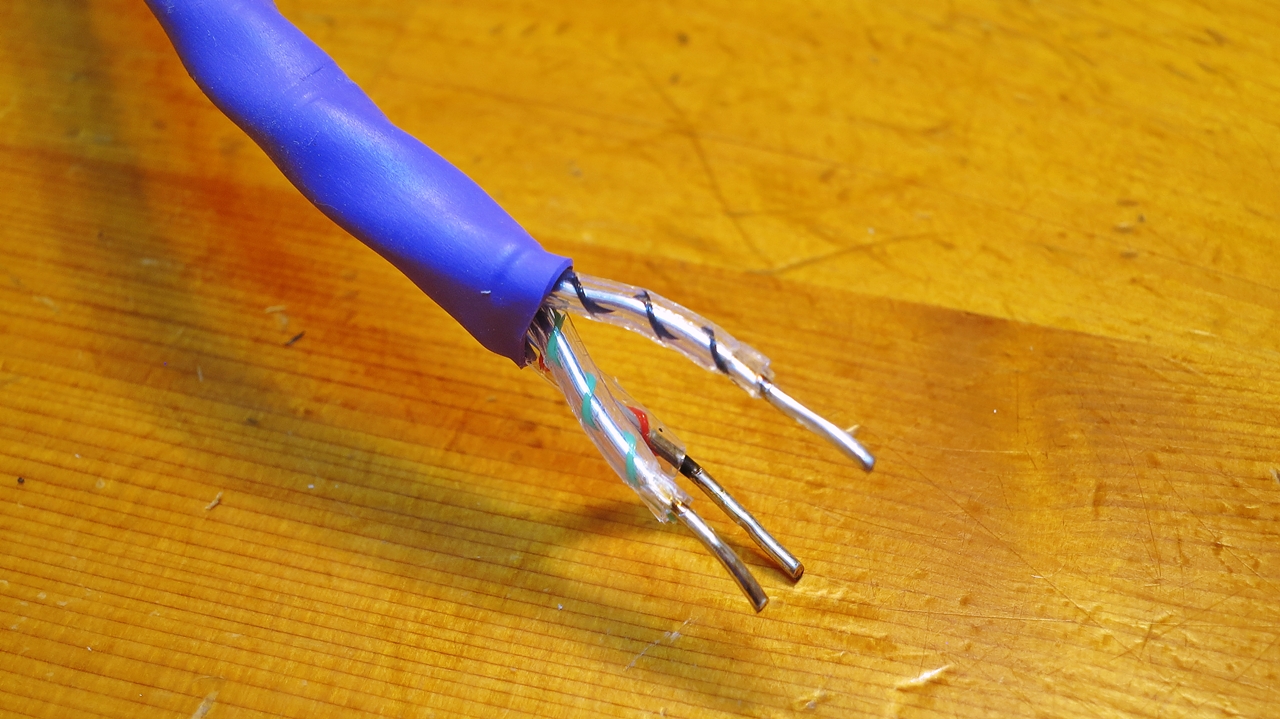
Since the SHIVA uses single-strand conductors throughout, there is no need for any terminal preparation — it is simply a matter of swapping the plug, and the assembly is straightforward. One thing to note is that the screws, which were previously Phillips-head, are now mini hex-socket type. Weight-wise, the Wattgate 320i comes in at 56g versus 61g for the new Wattgate 340 EVO. And this was rather unexpected, but the C7 figure-8 version of this new WATTGATE plug fits extraordinarily tightly and simply will not go into the inlet easily. I was worried that if I really forced it in all the way, I might not damage the equipment as such, but I would never get it back out again — so I have been using it in a somewhat half-inserted state.
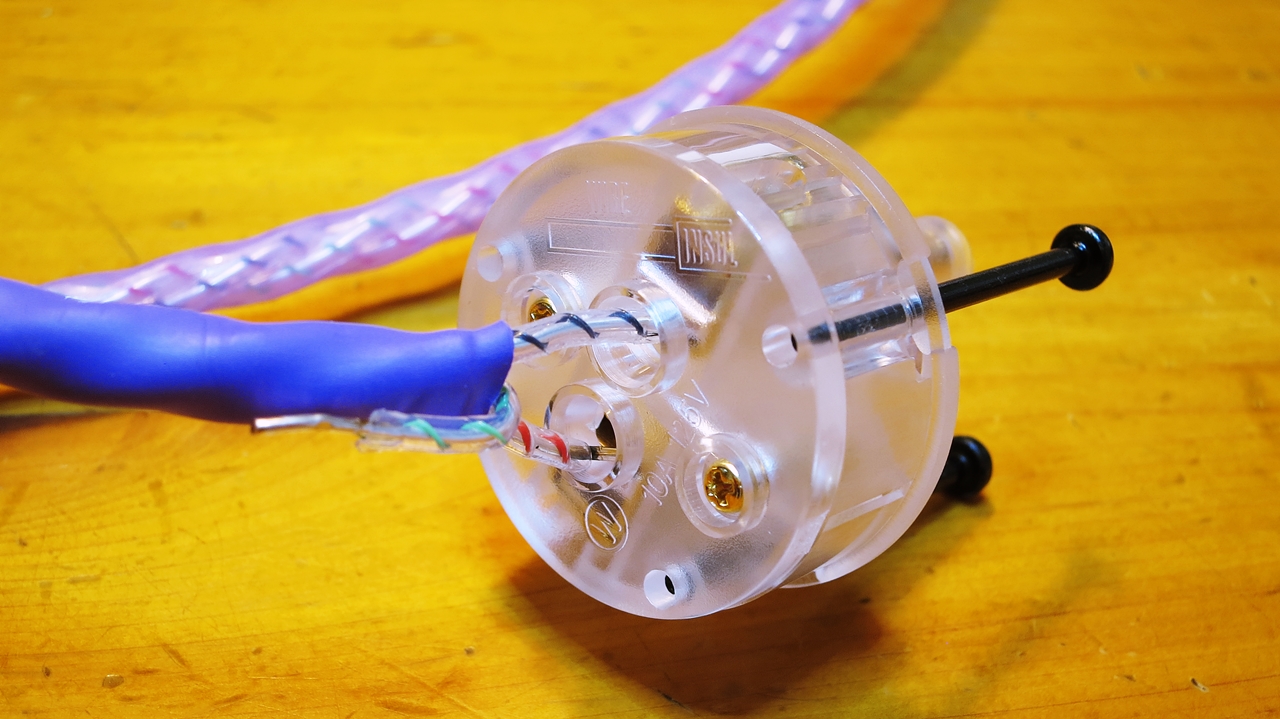
On to the sound. Since the plug standard is different, this is not a direct head-to-head comparison — it is more of an inference drawn from experience within the same system — but my impression is that the soundstage has expanded by one clear step and the overall sound has become more refined compared to the old Wattgate 320i IEC inlet. Where the soundstage previously pushed forward and felt slightly ungrounded, it now settles back and takes on a more three-dimensional quality. The character has shifted from an image-oriented to a more soundstage-oriented, modern sound. This leaves me with considerable expectations for the male-side equivalent, the Wattgate 5266 Male Plug EVO / Wattgate 330 Male Plug EVO Series.
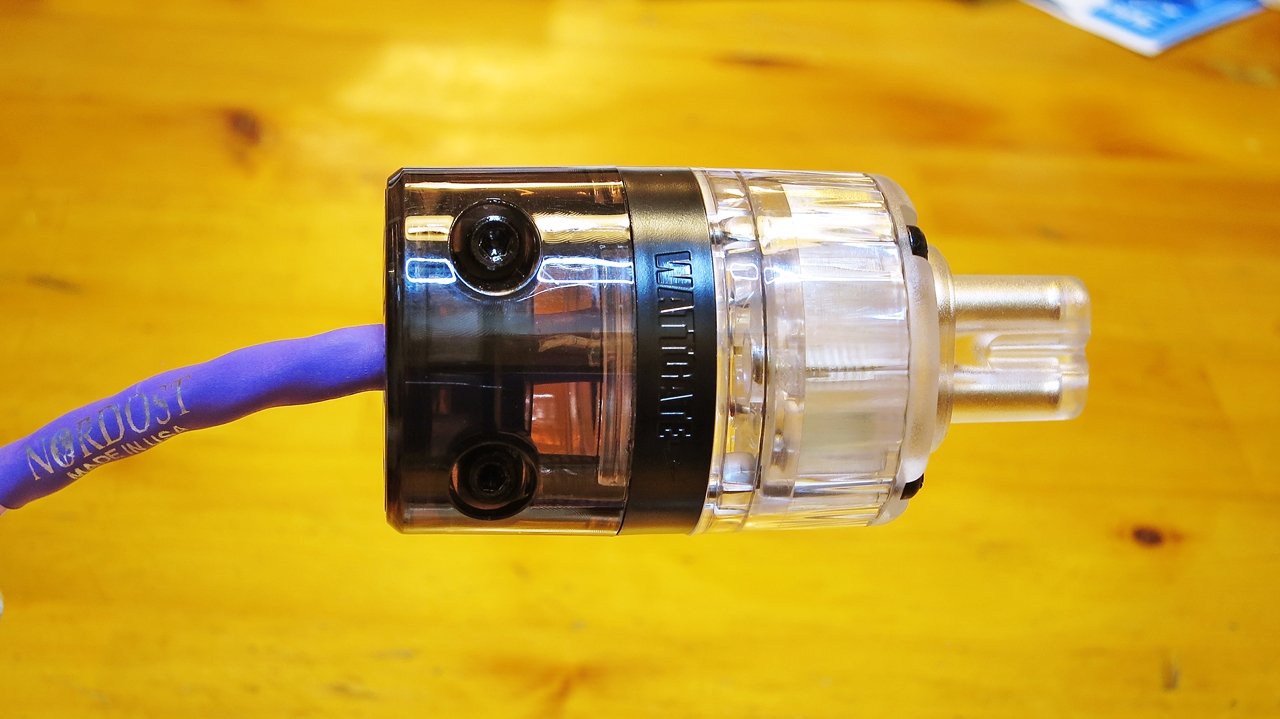
This time, with budget in mind, I went for the least expensive model in the range — the unplated brass “EVO Standard Series Clear” — but I have a feeling that for addressing the Marantz CDR630‘s particular weaknesses, I would get better results choosing the plated “EVO 370 RH/AU Series” instead. With the unplated version, there is still something of a raw, brassiness to the way notes start and stop — a slightly coarse, rough-hewn quality — that does take a little of the edge off the sense of luxury. On the other hand, if you want a wilder, more untamed character, unplated is probably the way to go.
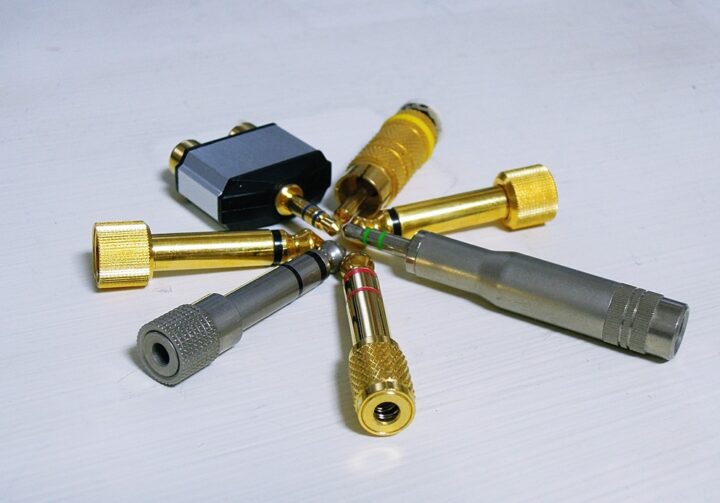
That said, FURUTECH offers a range of well-regarded C7 figure-8 inlet plugs, and honestly, when it comes to figure-8 connectors specifically, I am not sure I would buy the Wattgate 340 EVO again…
 ポチップ
ポチップ
Ideally I should replace the male-side Marinco 8215CT with the Wattgate 330 EVO Series as well, but again, budget constraints mean that for now I am using the Marinco 8215CT (Wattgate 5266i) that came fitted to the SHIVA as standard. This plug is not actually a bad choice in terms of liveliness and brightness, but it does have the weakness of not allowing the bass to really sink down; and in the case of the CDR630, I think I would get more satisfaction by deliberately fitting an extrovert sort of power plug and piling on the character of a good plating.
 [PR] Search for Wattgate products ⇒ 【Yahoo! Shopping】【Rakuten】【Amazon.co.jp】
~ Summary ~
Among the twenty-odd power cables (all priced at ¥50,000 or under at retail) owned by this self-proclaimed budget-end enthusiast, the NORDOST SHIVA is one of those with the most distinctly high-end character and the strongest grip on the system. If you are aiming for orthodox, straightforward high fidelity, it is honestly not the sort of power cable you need at all — but by inserting a single SHIVA somewhere in the system, it is possible to add musicality — a dynamic, vital energy — as a kind of seasoning, while at the same time producing a certain sophisticated beauty of tone and coherence within the soundstage. The musicality I am referring to here is not so much the raw, unmediated musical expression that a performer has encoded into a recording, but rather the musical vision as perceived by Nordost’s designers — a world view reconstructed through a pair of strongly tinted spectacles. Whether one can accept that or not may ultimately come down to the individual listener’s taste and how they choose to use it.
 USA / NORDOSTPower Cables & Power Accessories

Auto Translated by CS4.6