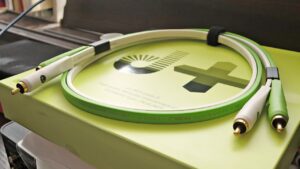
【Nordost RCA Cable Sound Quality Comparison】
Red Dawn |Blue Heaven
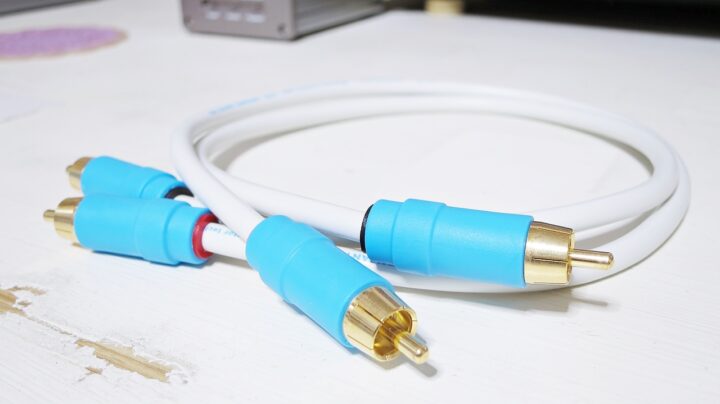
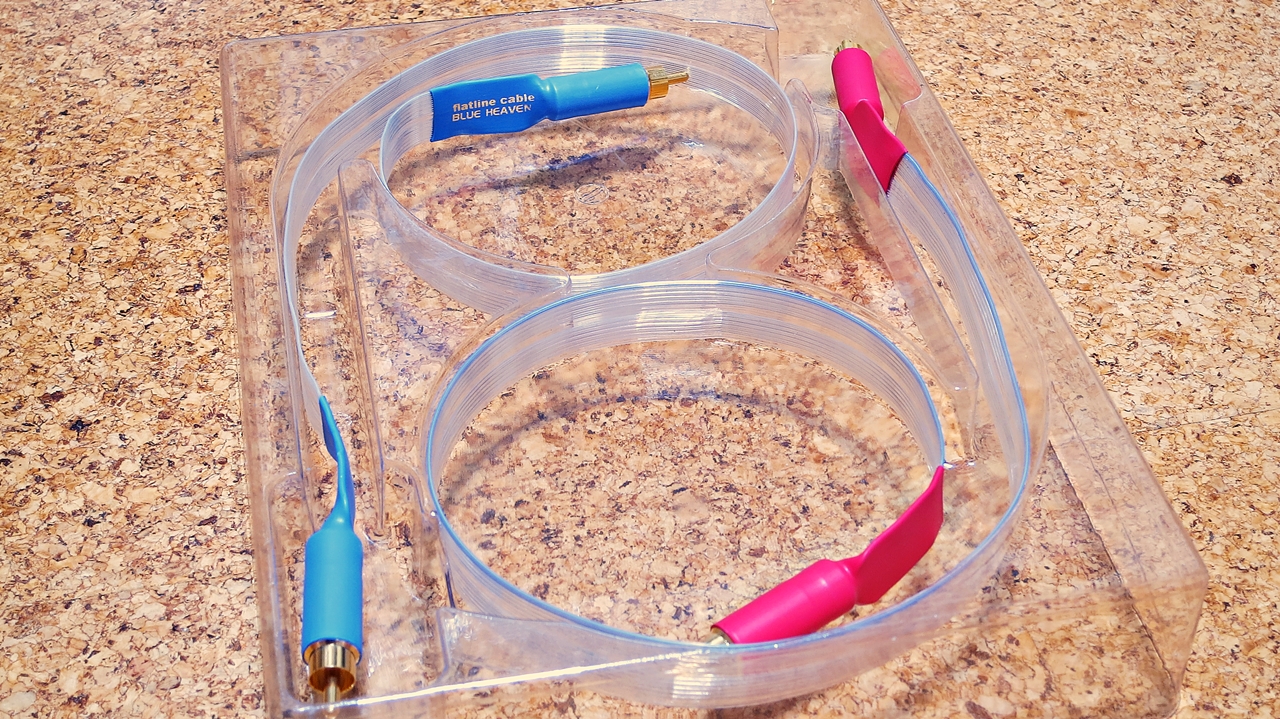
Following on from the Red Dawn review, this time we turn to the sound quality of the NORDOST Blue Heaven — one of America’s leading high-end cable makers. The Blue Heaven sits below the Red Dawn in the range. Like the Red Dawn, it uses a flatline construction with 50μ silver-coated 99.99999 7N OFC copper, with 30 round micro-Litz parallel solid conductors. The ribbon width is roughly two-thirds that of the Red Dawn, making it noticeably narrower.
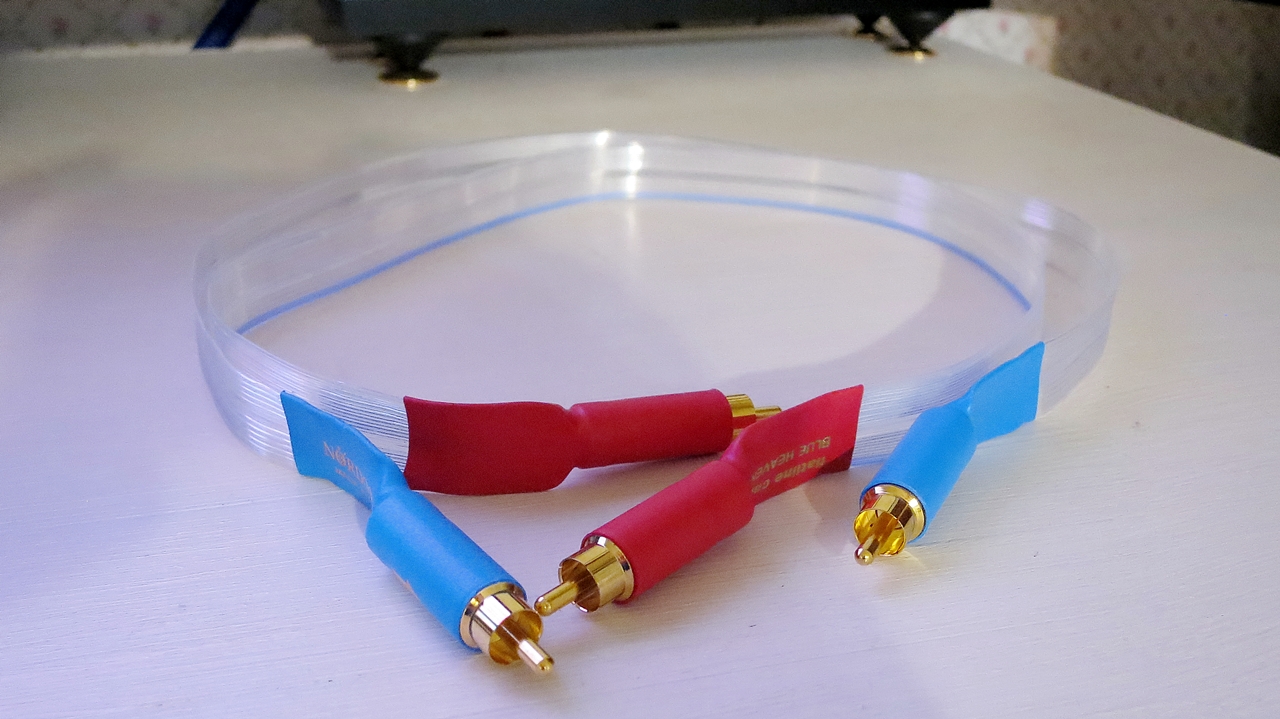
The reason I first became interested in NORDOST products was, as it happens, a demonstration I heard at a certain shop some years ago — a demo of this very Blue Heaven RCA alongside their speaker cable. The shop’s main line was considerably more expensive cabling, so the Blue Heaven was treated almost as an afterthought, something for secondary system use. But inwardly I found myself thinking: this is perfectly good enough on its own — and that feeling is what led me to where I am now.
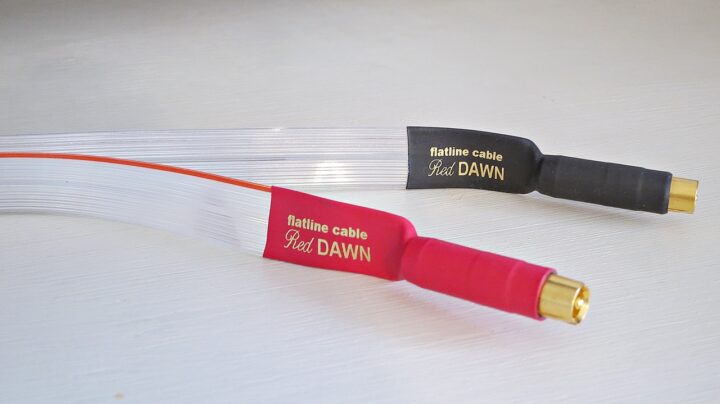
Nordost Blue Heaven — Sound Quality Review
The Blue Heaven’s sound character is broadly the same as the Red Dawn. If I were to describe the relationship: the Red Dawn takes the Blue Heaven’s sound and extends it to a wider frequency range — particularly reaching further downward in the bass — while also expanding the soundstage by one size. Both sit within a flat-sounding category, and the Red Dawn has a slightly darker tonal character, perhaps because it digs a little deeper into the low end. That said, neither cable sounds like the warm, reddish tone one might imagine from the name, nor the whitish, shiny, brightly-coloured sound that silver-coated wire so often produces. If I were to put it into words, the name “Red Dawn” (as in daybreak, the hour before sunrise) actually fits better as an image for the Blue Heaven in my mind — that clear, clean, cool air of the moments just before the sun breaks the horizon. That is closer to how I hear it.

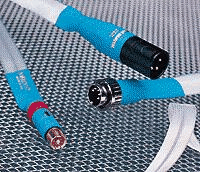
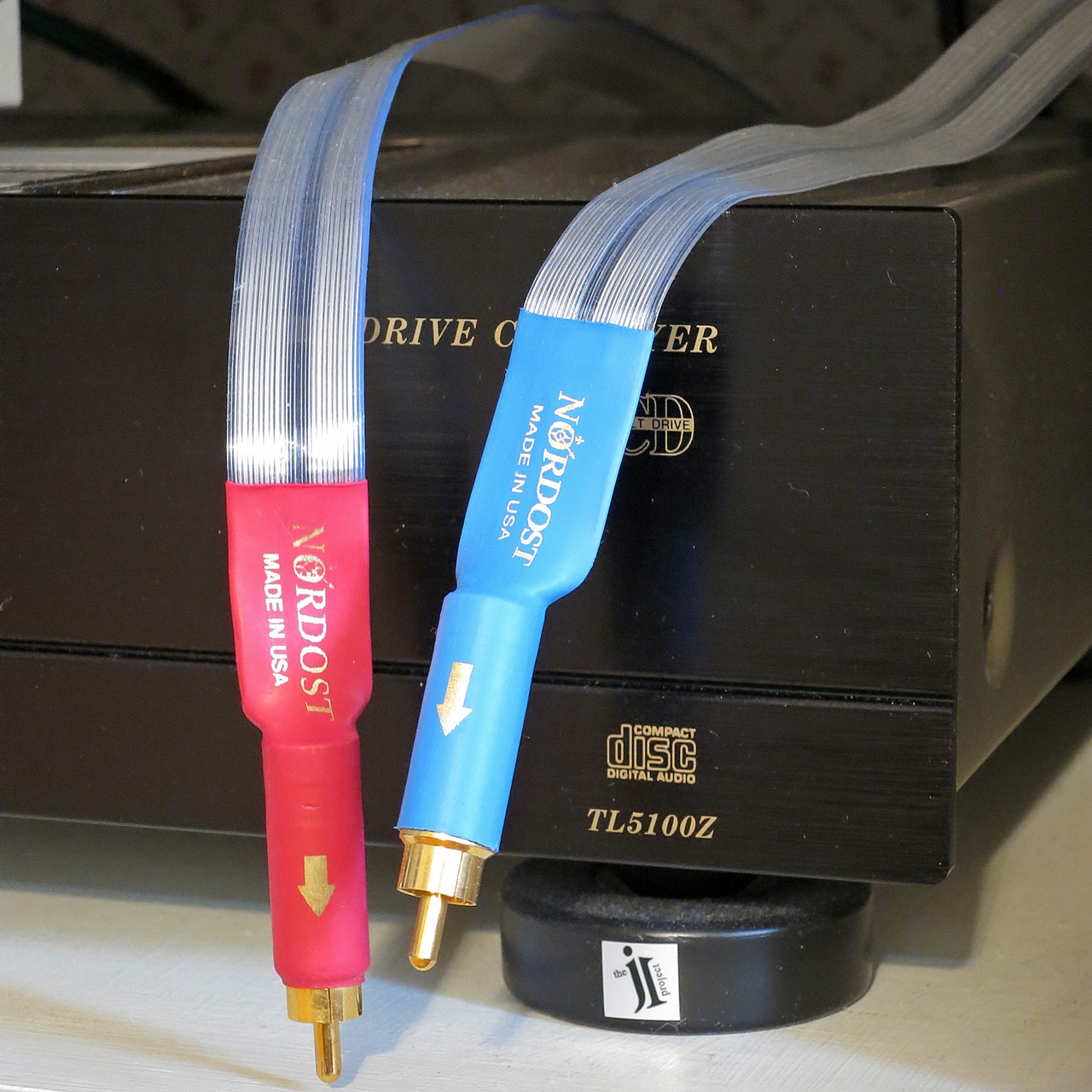
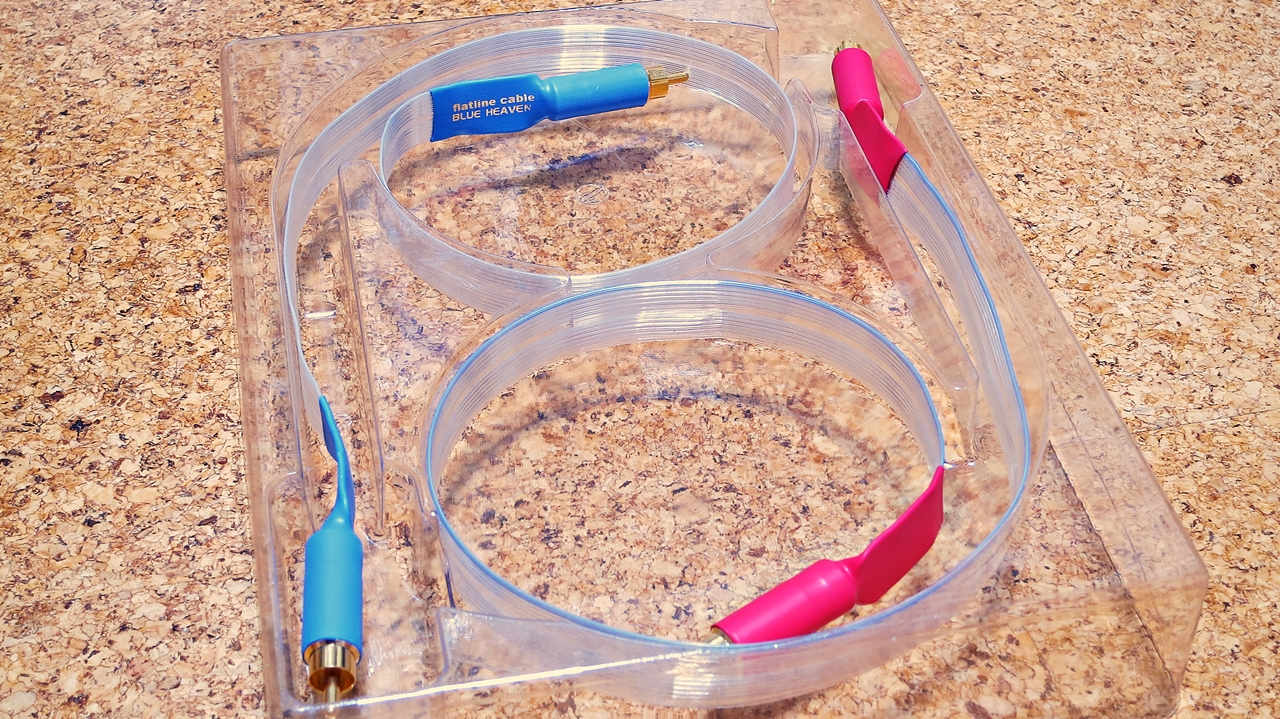
Incidentally, stepping down a grade from the Red Dawn also means a step down in RCA plug quality. The plug body is entirely covered in heat-shrink tubing, so this is something of a guess, but the shape gives the impression of an older NEUTRIK (REAN) NYS352-type design. Unlike the NEUTRIK ProFi NF2C-B/2 mentioned earlier, this one inserts and removes without difficulty. Looking back at images from that era, the early versions of both the Blue Heaven and Red Dawn appear to have used a different plug (Nordost’s own MoonGlo RCA), so given when I purchased mine, this may well be a Rev. II model too (I still have the outer box, but it doesn’t say).


 ポチップ
ポチップ
The Blue Heaven was previously used in my ONKYO secondary system, but it turned out to be an excellent match with the Miuaudio MKTP-2, and since then I have been running it between the Miuaudio MKTP-2 and the ARCAM CD72T, as part of the secondary system with the QUAD L-ite2 speakers. The overall character is much the same as the Red Dawn — generous in reverberation, with tight and slim imaging and a three-dimensional, expansive soundstage — but the Blue Heaven’s soundstage is one size smaller, and bass extension is a touch shallower, giving it a somewhat lighter and more unassuming quality overall. As a result, the shadow and weight that can occasionally feel heavy with the Red Dawn is softened here into a more modest contrast. The space also seems to open upward even more than the Red Dawn, while maintaining a similarly flat tonal balance — though the number of fine details filling that space feels slightly thinner. That last point may well come down to the difference in plug quality.
That said, the sound is not the bright, sparkling, lustrous thing one might expect from the appearance. The tone is rather understated and neutral, with little colouration and a lean quality — the kind of solid, smooth, single-wire-like sound that is a touch lacking in contrast. In musical terms it is unadorned and middle-of-the-road, neither dramatising nor editorialising. The frequency response is genuinely flat, the speed is high, and the sense of reverberation is extremely rich — all of which it shares with the Red Dawn. The soundstage may be one size smaller than the Red Dawn, but that is only when comparing within the NORDOST family; set against other cables at this price level or below, the Blue Heaven’s soundstage spreads widely. Spatial transparency and resolution are also impressive for this class. There is a slight tendency toward a lack of expressive character, but where the Red Dawn’s abundance of reverberation and sense of tonal drama can occasionally tip into excess, the Blue Heaven keeps the contrast in check in a more restrained way, making it easier to live with. Why a cable with this kind of tuning never quite becomes musically deadening is something of a mystery — though perhaps it comes down to a subtlety in how fine detail is differentiated, and a sense of colour, that is simply different from Japanese-made cables in some indefinable way.
Returning to the NORDOST Red Dawn
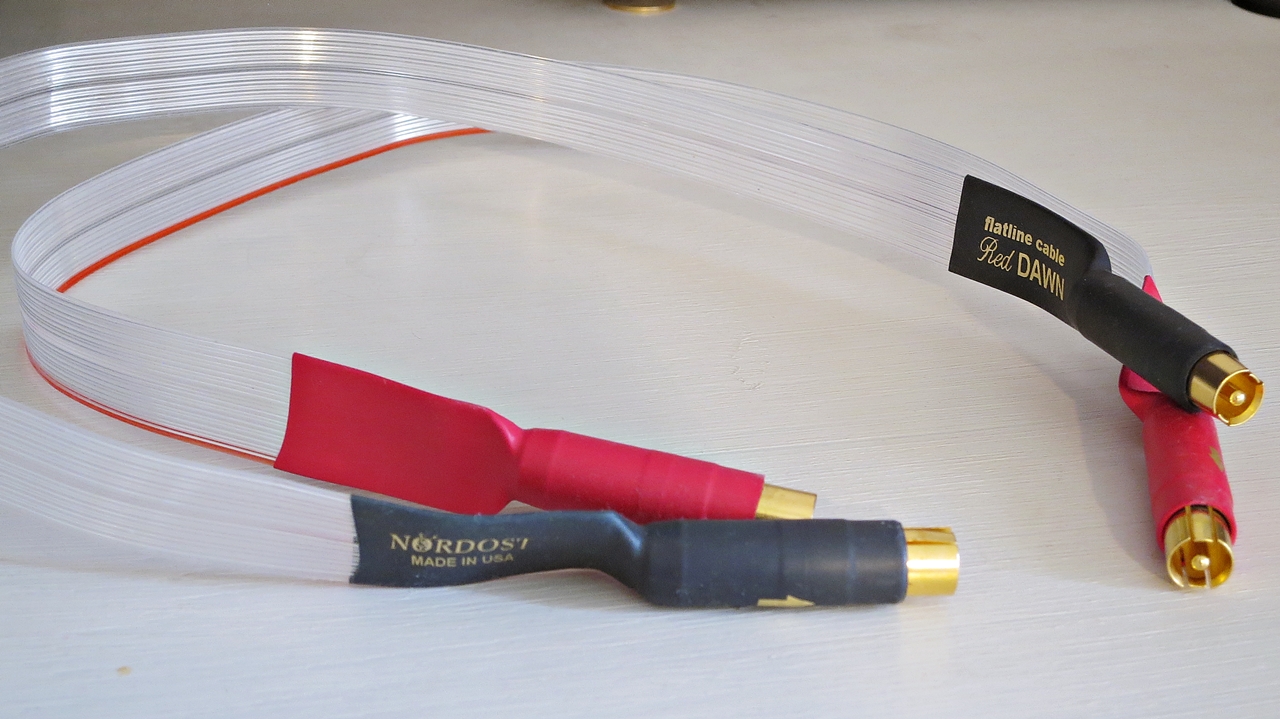
It has only been one day since I connected the Red Dawn to the CI AUDIO VDA-2 DAC, and I am still mulling over whether to keep it there as my main DAC cable going forward. The Inakustik NF-202R that occupied this position over the winter turned out to be an excellent match with the ONKYO C-S5VL, so it is now connected there instead. But even paired with the CI AUDIO VDA-2 DAC it is musically engaging — and while the Red Dawn is undeniably superior in pure sound quality terms, for everyday listening the Inakustik NF-202 makes music more enjoyable and simply feels right. After a while I plan to reconnect the Red Dawn to the C-S5VL for the first time in some time, to check how it fares with SACD hi-res playback, and then decide how to divide the Red Dawn and the NF-202 between the main DAC and the C-S5VL.
NORDOST Red Dawn and the LUXMAN Tube Harmoniser
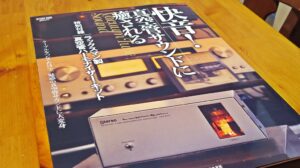
In the end I concluded that, despite both being American-sounding products, the Red Dawn and the CI AUDIO VDA-2 DAC are not a good match sonically. But it does work well with the CEC TL5100Z that was originally wired into that position — and I was very curious to see what would happen if I combined it with the newly acquired LUXMAN tube harmoniser. So I lifted the tube harmoniser down from the top of the audio rack and sat it directly on top of the belt-drive CD player, the TL5100Z. From there, a 60cm RCA cable reaches comfortably.
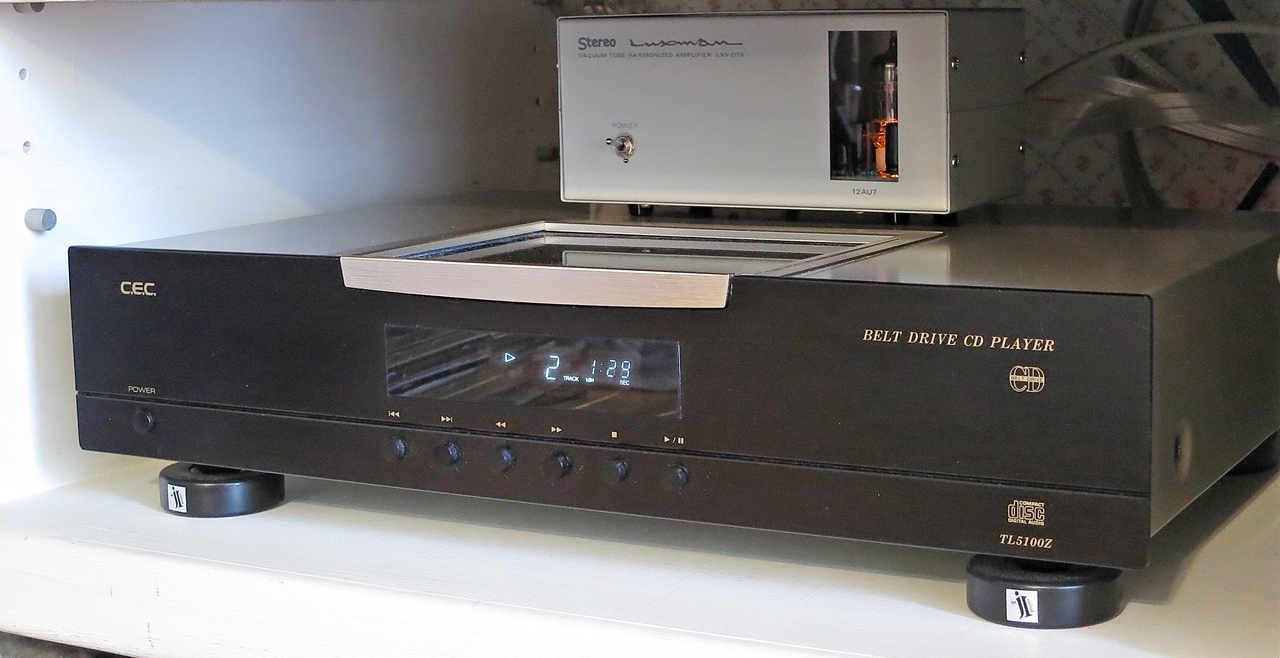
The result — yes, it works. What I would say is this: the NORDOST flatline cables carry a distinctively delicate, reverberation-laden quality, and I have come to feel that what we are actually hearing is a subtle smearing of resonant colouration caused by microvibration in the cable itself — which is, after all, an extremely thin, rigid, and light object. The flatline construction is not the type that damps vibrations arriving from equipment or sound waves; it is the type that receives them and vibrates along with them.
This impression was especially pronounced back in the days of the valve amplifier Ex-pro VALVE100, when I was using the NORDOST Flatline Gold MK2 speaker cable. With a run of 2m per side, during playback the cable would reflect and amplify a kind of sparkling-soda-like resonant colouration that buzzed away at the ears. In generous terms, one might call it beautifully toned; in less generous terms — this is entirely a virtual space conjured by the flatline Gold’s own resonant colouration. The Red Dawn and two pairs of Blue Heaven that I currently have are all in the shortest available package length, 60cm, which keeps that characteristic smearing of resonant colouration to a minimum. But I suspect that with longer lengths of Blue Heaven or Red Dawn, the fizzing, effervescent quality from cable resonance would become rather noticeable.
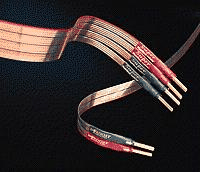
And the character of this NORDOST flatline construction is, when I think about it, actually quite similar to the resonant colouration that comes from the microvibration of a valve’s glass envelope. With that in mind, I tried connecting the Red Dawn to the output side of the tube harmoniser, and sure enough — the deliberately valve-like distortion character that the harmoniser adds as an effect shares a family resemblance with the beautified tonal quality of the Red Dawn. Combining the two brings a pleasing marriage of beautiful sound, each amplifying the other’s strengths. The result is clearly more agreeable than connecting the Red Dawn directly to the C.E.C TL5100Z without the tube harmoniser. Where the TL5100Z and Red Dawn alone produced a sound with depth but a tendency to remain rather sombre in tone, the harmoniser adds brightness, lustre, and a sense of openness — and the whole thing comes alive. The NORDOST Red Dawn generates considerably more reverberation than the Stereovox HDSE that was provisionally fitted in the harmoniser, which means the pleasantly glass-valve-like resonant colouration of the harmoniser is heard in a more pronounced form.
NORDOST Blue Heaven and the LUXMAN Tube Harmoniser
At this stage, the input side of the tube harmoniser had a 50cm CHORD C-line connected. As I was going to be testing the C-line in the Miuaudio secondary system for a while, I took the opportunity to move the Blue Heaven — my reference cable in the “Miumiu system” — at 60cm, across to the input side of the tube harmoniser. At first the sound seemed to pull back and take on a passive, withdrawn quality, and the sheer quantity of reverberation felt excessive — I wasn’t quite sure what to make of it. But once I turned the volume up a little and listened more carefully, I found that it really is a remarkable kind of beautiful sound in its own way. A smooth, glossy sheen, slim and tight image placement, and a soundstage that expands flatly and widely — spreading out above, behind, and to the sides of the speakers — conjuring up a three-dimensional, glasswork-like sonic space of extraordinary beauty that made me want to shout: this is THE NORDOST sound. The tonal colours are bleached yet never quite colourless, with gradations of pastel-like contrast that are richly varied — that is a notable characteristic in itself. The way individual piano touches are rendered and made almost visible is superb. There is a cleanliness and clarity to it, though the temperature drops, and as a result about half of the golden LUXMAN-like glow that the tube harmoniser brings is washed away. If I were to describe it: it becomes something like a beautiful-sounding blend of the character of Vienna Acoustics and the essence of the Acustik-lab speakers I used to own.
Hmm… In general I try to avoid the kind of strongly coloured, heavily editorialised sound that audio cables and such can impose — it is all too easy for it to get in the way of actually listening to music. But this is difficult to resist. My main signal path — CI AUDIO VDA-2 DAC into DH Labs Pro Studio — remains intact and relatively uncoloured, so perhaps it is not entirely unreasonable to deliberately set up this side chain as an indulgent, “beautiful-sound novelty” system built around the Tube Harmoniser × DOUBLE NORDOST combination. Looking at it that way, the CHORD C-line now sounds surprisingly ordinary compared to what the Blue Heaven creates. And the C-line itself is not without personality — for an entry-level RCA cable it is quite richly textured and individual — but the Blue Heaven layers on considerably more reverberation, the soundstage spreads out flat and wide, and when you add the valve-like beauty of the Red Dawn into the mix, everything is amplified threefold. When something like this is placed in front of you, it is entirely understandable why so many high-end enthusiasts fall completely under NORDOST’s spell. Even at the more accessible lower end of the range, you can already sense quite clearly the edges of the rabbit hole.
ポチップ
And so, in the end, the LUXMAN tube harmoniser has settled into a DOUBLE NORDOST pairing. For the “System Miumiu,” once I tire of the CHORD C-line, I am thinking of putting in the other Blue Heaven — one I happen to have tucked away as a spare.
On Individual Variation Between Blue Heaven Units
Added 6 October 2018: The Blue Heaven discussed throughout this review is a unit that has been powered up continuously, wired into the system every day for the past several years. But as it happens, alongside this unit I have a second one — a dead stock piece that had been sitting unwired for several years due to cabling constraints. This time around, with plans to adopt the Blue Heaven as a regular cable in both the tube harmoniser and the Miuaudio secondary system, I opened the packaging for the first time in years and connected it to the input side of the tube harmoniser — only to discover, to my considerable surprise, that the sound quality is quite different from what I expected.
I had noticed some degree of variation between units even immediately after purchase, but at the time my impression was that while the differences existed, they were subtle enough not to be alarming. My recollection was that the shelved unit was very slightly narrower in bandwidth and a little more restrained in expression. But comparing them afresh now, the gap is large enough to make you wonder whether you are listening to a different NORDOST cable entirely. Against the regular Blue Heaven, the rested unit sounds smooth and viscous, warm, wet, darker in tone — and entirely devoid of the fine sparkling, effervescent micro-detail. And yet, for what it is worth, it has a certain organic quality and genuinely feels musically alive in its own way (which is something of a puzzle). The difference between a cable that has accumulated many thousands of hours of run-in and one that has barely seen a dozen hours of use — and which has been sitting in storage for over five years, in a state close to brand new — really can be this wide.
Had I been reviewing this second unit from the start, what I wrote would have been quite different — but please do take the review above as being based on a well-used unit, and bear that in mind accordingly. If asked which sounds better, the answer is clearly the well-used one: the expression is more delicate, the soundstage and vertical frequency range are wider, the transparency is considerably higher, and there is far more fine detail. The detail on the second unit is soft enough that I find myself wanting to try reversing the cable direction just to see if it helps. Whether it will eventually converge toward the sound of the first unit with extended use remains to be seen — the answer will not come for at least several months. I shall let it mature slowly with classical music and valve power.
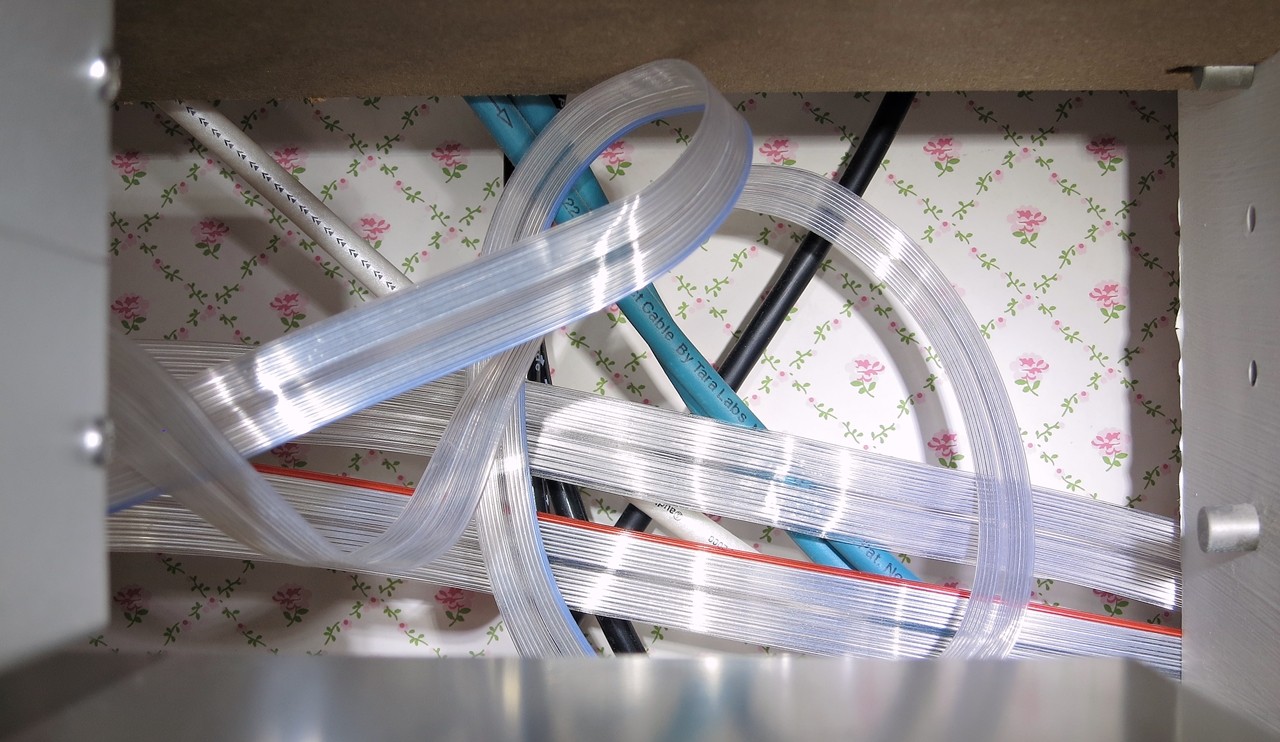
Added 10 October 2018: After enduring the second Blue Heaven’s (compared to the first) narrow sound for several days without resolution, I removed it and tried reversing the polarity — only to find the treble then became harsh and unpleasant. I ended up putting it back the way it was. The second Blue Heaven had initially been routed with both L and R channels resting against the bottom shelf at the back of the rack, but on re-routing I managed to suspend it almost entirely in free air (with partial contact with the Red Dawn in one spot), and it has since come noticeably closer to the first unit’s sound.
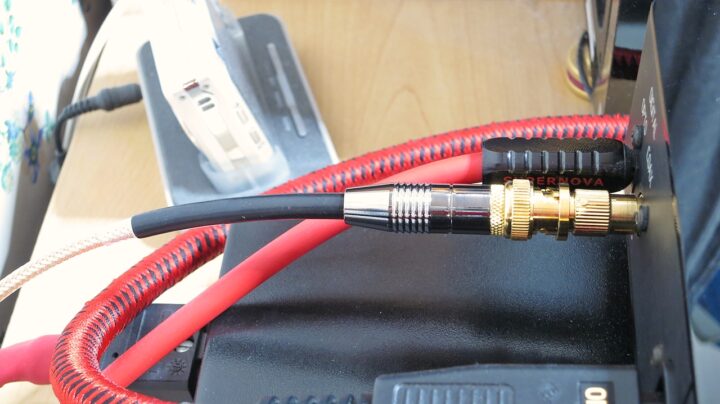
Come to think of it, the first unit is, as the photo above shows, almost entirely suspended in free air — with only light contact at the top panel.
It is still smoother and warmer than the first unit, but with the damping released, the fine reverberation has started to emerge. Even so, both Blue Heaven and Red Dawn — this stiff, wafer-thin flatline material — are extraordinarily prone to creasing and surface damage. I handle them as carefully as I possibly can, and yet somehow fine scratches keep appearing without warning. There were already a few mysterious scratches on one of them when I opened the packaging to inspect it, so at this point I have more or less resigned myself to it.
In Closing — Something I Really Must Pass On
As we come to the end of this article, I want to note that NORDOST cables of all kinds have long been subject to a remarkable number of counterfeits, so please exercise the utmost caution when buying online — particularly through auction sites. Some listings use photographs of genuine products, and some fakes are quite convincing. To avoid being disappointed when the item arrives, please purchase only through authorised dealers and importers recognised by NORDOST. ※ For what it is worth, I purchased mine through an authorised dealer in Chicago.

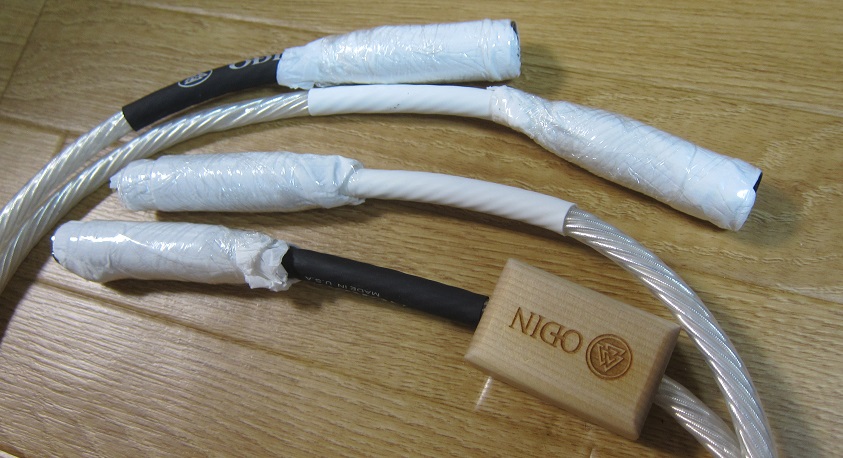
When buying second-hand, I would also recommend choosing a reputable used dealer, or — if going through an auction site — checking at the very minimum that the original packaging is present and that there is a receipt or similar proof of purchase from an authorised retailer, and examining the listing photographs very carefully before buying. The Blue Heaven and Red Dawn, despite their price point, come in blister packs with English-language documentation — the kind of packaging standard in Western markets. The higher-end models come in elaborate wooden boxes, but those, remarkably, have been copied wholesale by counterfeiters, so one really cannot let one’s guard down.
【Nordost RCA Cable Sound Quality Comparison】
Red Dawn |Blue Heaven

Auto Translated by CS4.6