Today, for some reason, my living room smelled oddly of burning and chlorine even with the windows open — so I looked around, and noticed that the blue LED indicator on my TAG McLaren 60i, the integrated amplifier that I leave powered on more or less constantly, was glowing red for some reason???. This red LED is the mute relay indicator, and it should only light up for the first few seconds after switching on, or when the headphone socket is in use. Under any other conditions it normally stays blue, unless you’re pushing the volume up to a level where the protection circuit kicks in. For the record, today I hadn’t been playing any music at all — the unit had simply been idling since the night before, powered on for more than half a day straight. ※ Incidentally, I have never once pushed the volume to a level where the protection circuit actually engages.
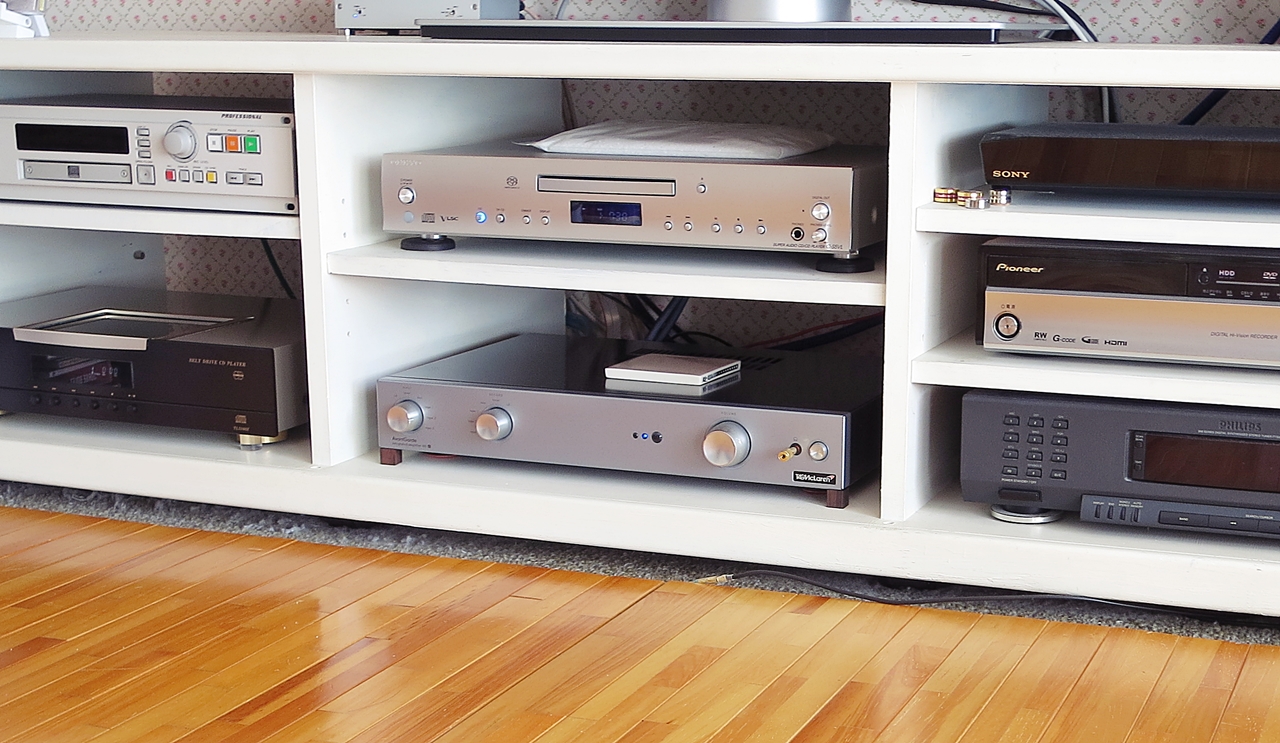
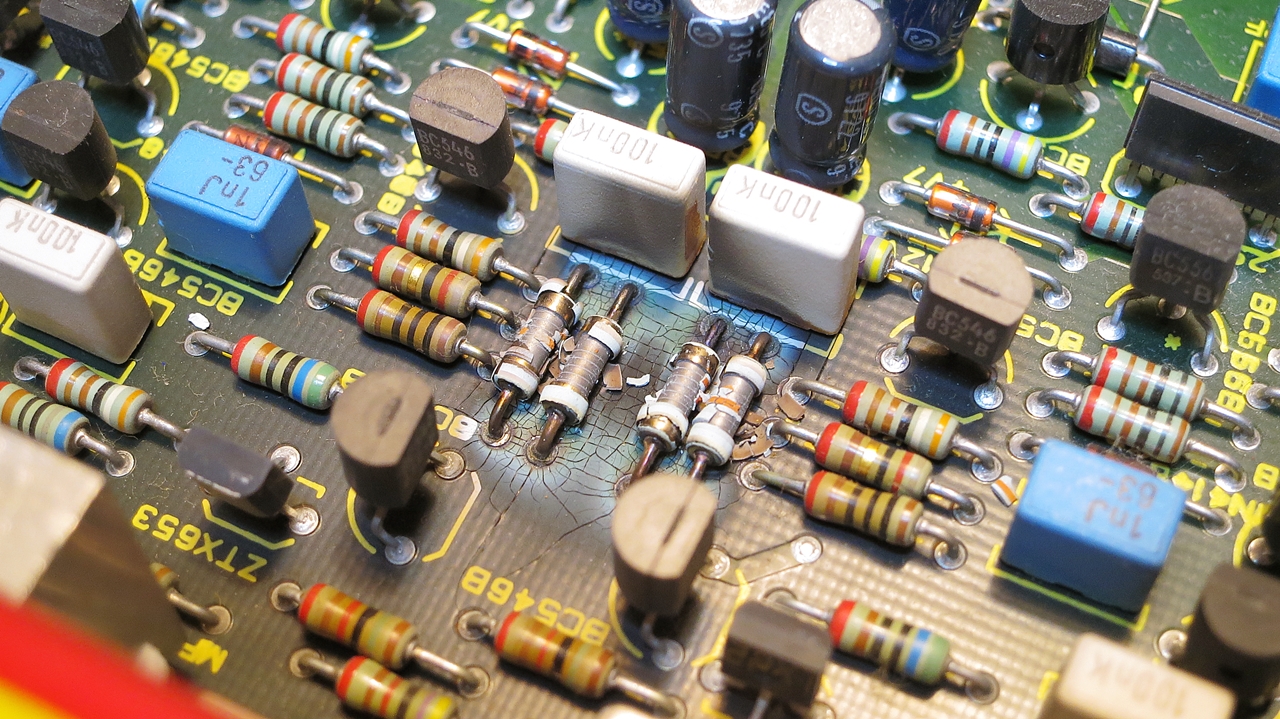
Moving closer, as I suspected, the burning and chlorine smell seemed to be coming from the amplifier itself. Trembling as I switched it off, I disconnected all the cables from the back, and opened it up for the first time in several years — and there it was. Part of the circuit, several resistors in the central section, had burned… orz
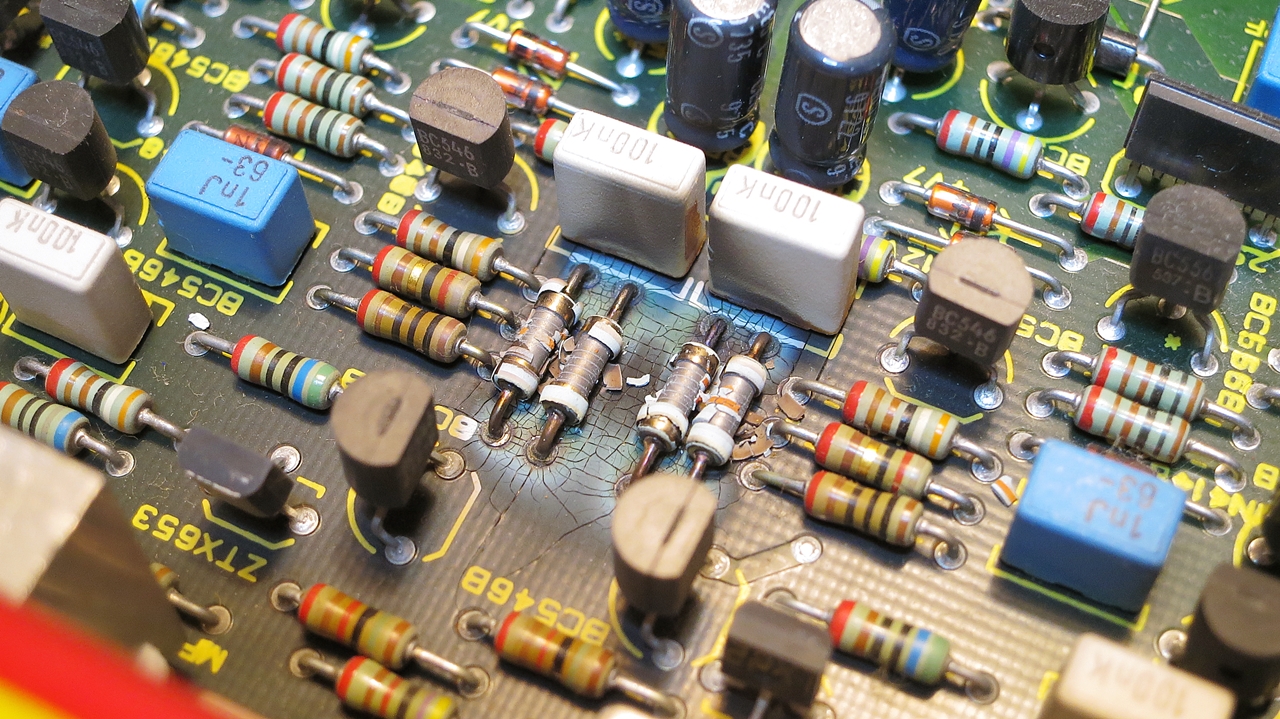
At a glance, apart from the burned section, there was no visible abnormality in any of the other resistors, semiconductors, capacitors, or the like. I had initially thought perhaps a capacitor had burst from age-related deterioration, but that wasn’t the case. Even so — more than 18 years since I bought it in 2000, having put it through quite heavy use as the amplifier at the heart of my main system in the literal sense, it really held on remarkably well without any major trouble until now.
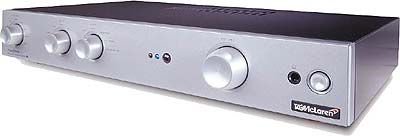
The TAG McLaren 60i and 60iRV were originally minor revisions of the AUDIOLAB 8000A, developed and released in Britain in the latter half of the 1980s. In 1998, AUDIOLAB came under the umbrella of the McLaren Racing team — famous from Formula 1 — and the exterior was redesigned in a more high-end Hi-Fi style by a well-known designer, but the internals themselves remained essentially the same basic design as the 8000A, with only minor modifications — making it a minor revision in that sense. After that, following a winding path that included the brand departing from TAG McLaren and being acquired by Hong Kong’s AIG group, the name reverted to AUDIOLAB, and the 8000S was released as a minor revision of the 60iRV, carrying over the same design. ※ The 60iRV is an enhanced version of the 60i, adding remote control functionality and a pre/power selector.
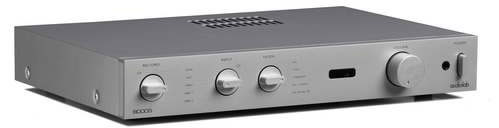
A few years later, the model changed to the 8200A. If you search for images online you can see the interior, and the circuit design and major components haven’t changed much at all from the original through to the later versions. I have listened to various generations of the line over the years, and the sound has been refined within the family resemblance throughout. The original has a neutral, understated British classical sound. The TAG McLaren era versions were tuned particularly towards soundstaging, with a more expansive and relaxed character. Subsequent models moved in a more contemporary direction — higher resolution, faster-paced.
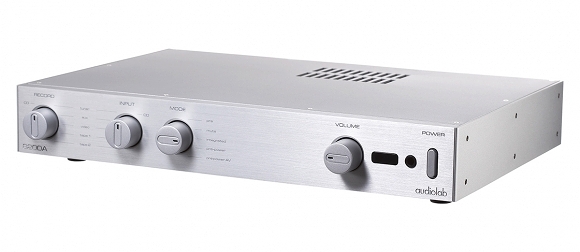
Until the fully redesigned 8300A was released in 2017, the line reigned for nearly 30 years as a reference product among British integrated amplifiers — appearing regularly as a review standard in audio magazines and the like, and remaining beloved the world over — all while retaining the same basic circuitry and component layout as the original 8000A, with only cosmetic changes along the way. And although it sits in the mainstream price bracket, it is not made in China — it has consistently been manufactured within the UK throughout its history, which is worth noting. Incidentally, many of the key components are Japanese-made parts.



Still — oh dear, how much is a repair going to cost… The original UK retail price was £500. This is the integrated amplifier I bought for 130,000 yen from Sato Musen in Akihabara, which is no longer with us. Will they even be able to repair it at this stage? And is there further damage beyond what I can see? I have my concerns, but the notion of throwing something away just because it broke is not in this author’s vocabulary. There is certainly a possibility that I might eventually upgrade the main system’s integrated amplifier at some point, but even if that day comes, I intend to keep the TAG McLaren 60i going alongside it. The minor-revision successor was still in production until last year, at the very least, and the 8200A remains in the catalogue on the AUDIOLAB website in the UK — so original parts, or compatible replacements, should still be obtainable now if I’m willing to source them from the UK.
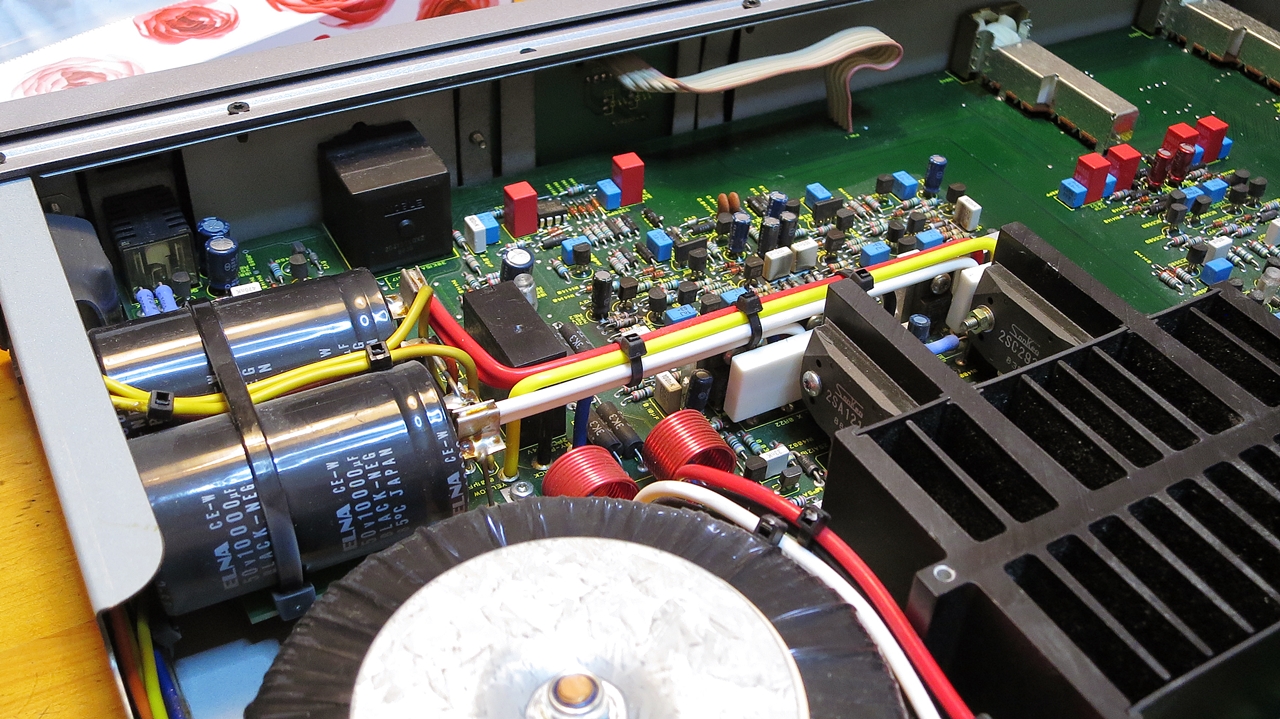
Speaking of faults — this amplifier, in fact, developed a scratchy volume pot right from the first year I owned it, and over 18 years the problem gradually, slowly worsened. This was also causing an issue where, when starting from a fully cold state, the left channel wouldn’t produce sound properly for the first few minutes. That said, the symptom would clear up immediately if you unplugged and re-plugged the headphone socket, and since I was running the unit on near-constant power anyway — apart from extended periods away — I had been putting off sending it in for repair all this time, truth be told.
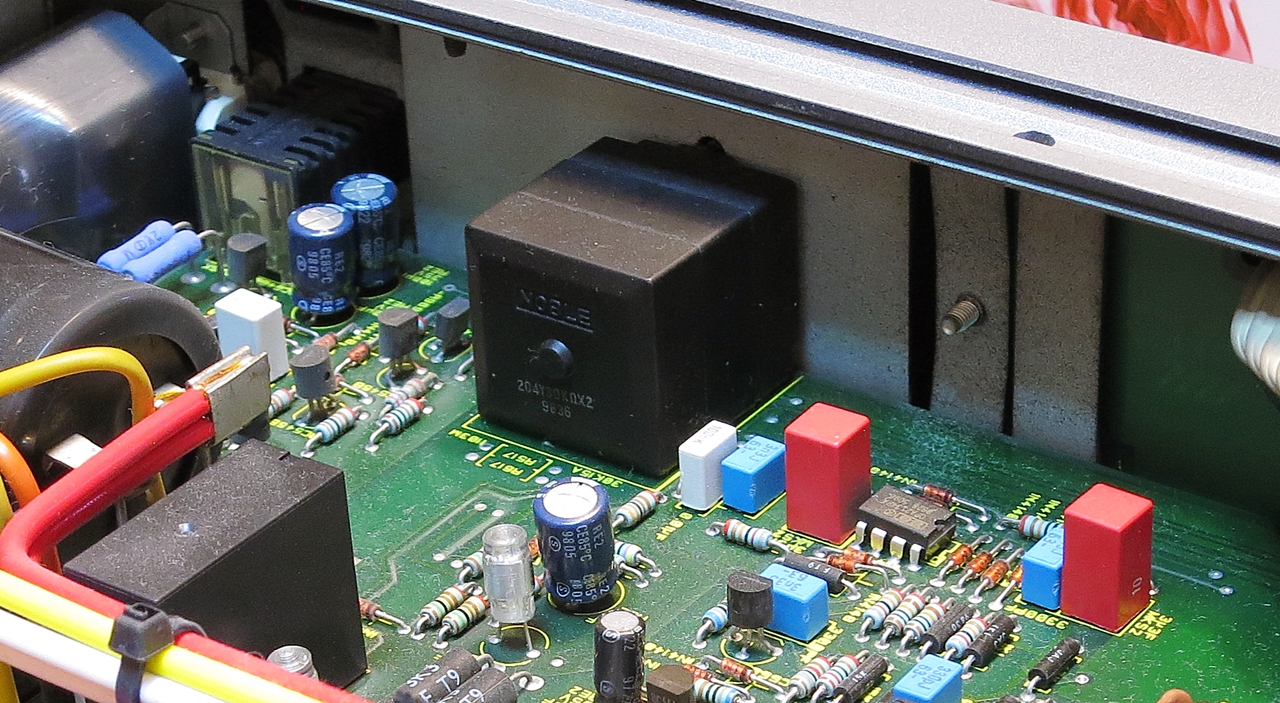
Incidentally, this volume pot turns out to be a NOBEL — made by Teikoku Tsushin Kogyo — and if it comes to replacing it, it would be ideal to fit the same part, or something of even higher quality and better sound. There’s also the large ELNA 50V 10,000μF electrolytic capacitor, which is probably due for replacement as well, one would think.
I put the question out on Twitter, and received a great deal of helpful advice from knowledgeable people.
The TAG McLaren 60i’s circuit configuration is a Class A preamplifier combined with a Class AB power amplifier, and thanks to the Class A pre-stage, it runs fairly warm, with an idle power consumption of — rather unexpectedly for its size — a full 45W. Tallying up 18 years’ worth of electricity bills, you start thinking you could have bought another 60i or 8200A with that money… In any case, it seems the burned resistors were slightly under-specified in terms of wattage, and looking at other TAG McLaren 60i images online, you can find examples where the same section has burned in exactly the same way. It sounds as though the right approach is not simply to replace like-for-like, but to fit resistors with adequate headroom.
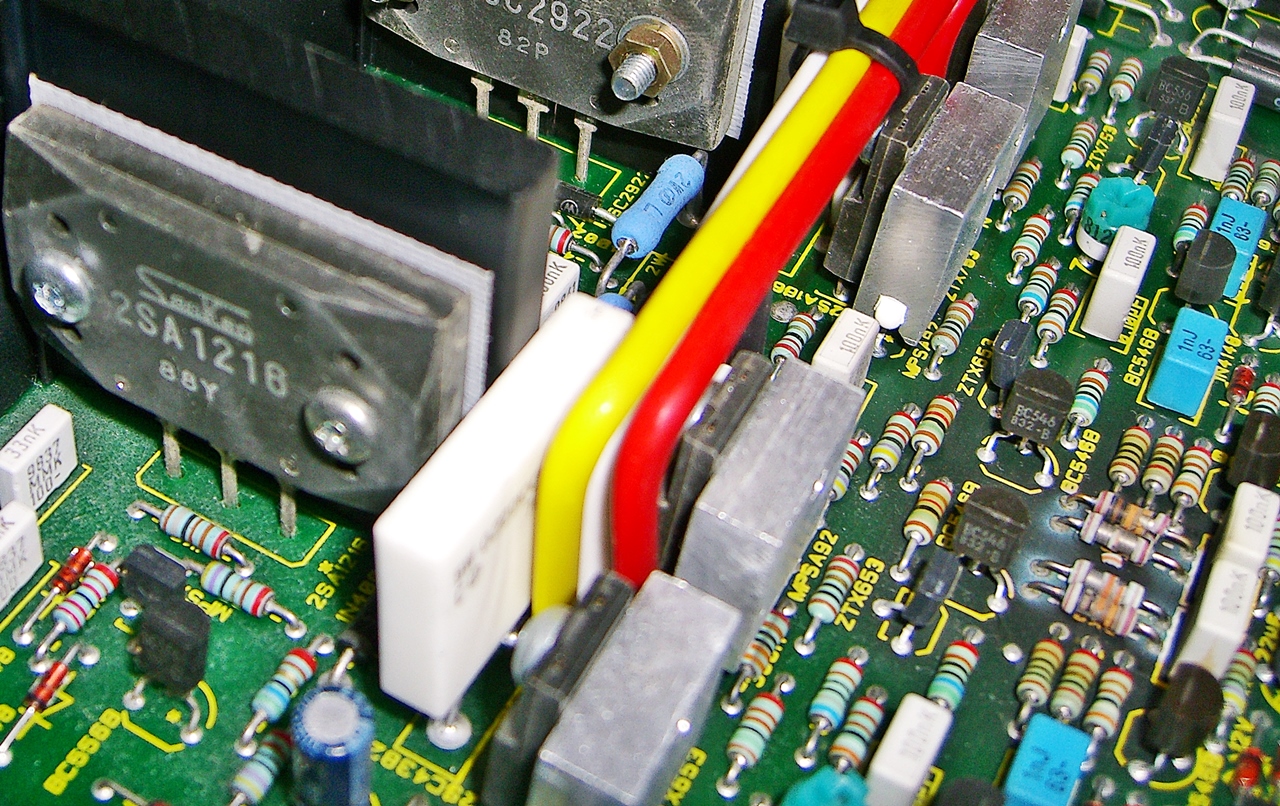
Wondering what that burned section had looked like previously, I dug out an internal photo I took exactly ten years ago, in 2008, and zoomed in — and though I hadn’t noticed at the time, the area was already fairly scorched even then, with the resistors showing signs of damage and the early stages of failure clearly visible (right side of the image). If anything, it’s remarkable that it kept going for another ten years after that. It was playing normally until late the previous night, so it really did deteriorate slowly, bit by bit over the years, until finally reaching the point of failure.
And yet — despite having kept the TAG McLaren 60i at the centre of my main system for 18 years, going back well before AUDIO STYLE was launched in 2005, I have never once written a proper introductory article about this integrated amplifier — it’s been marked as “under construction” from the very beginning, and somehow it has stayed that way. If it comes back to me repaired and well… it’s late in the day, I know, but when that happens, I intend to write it a proper piece at last.
Further updates will be added below as the repair situation develops.


Auto Translated by CS4.6
List of comments (6)
お久しぶりです。
私はAura Design VA-200を使っていますが、そろそろ20年選手ですので、ボリュームの洗浄やリレーの交換をしたり、ちょくちょくメンテしています。
そういえば先日、CEC TL-5100Zも壊れました(ToT)
ピックアップがあれば修理したいところですが、これまでの修理代だけで新機種が買えそうなので悩ましいところです。
こんばんは&おひさです♪
古いアンプを使い続けるとなるとやっぱりそうなってしまいますよね。実はCREEKのSequel2も昨年から長期入院していまして、今家にあるのは代替機だったりします。ちなみにAuraの修理はどの程度の費用が掛かりましたでしょうか?
TL5100Zについては1回ベルト交換と細部の調整、フロントパネルの表示部交換をしていますが、その時の費用は確か税抜きで15000円くらいでした。ピックアップ交換になると更に加算されると思いますが、SANYOのOEMの汎用ピックアップとして世界中で大量に使用されていたSF-P1かSF-90が中核に使われていますので、オリジナルor代替ピックアップはまだまだ手に入る筈です。うちもTL51Zのベルトが伸びてしまい再生できなくなって、使わないので放置してあります。これもいいかげん修理しないとですね(苦笑)
https://twitter.com/pastel_piano/status/906194738130305024
おはようございます。
オーラは代理店のユキムさんで修理して貰いましたが、伝票を確認したところ、リレー交換(G2R-2A 24V)は19,440円。ボリューム&セレクター洗浄は12,600円でした。
ボリュームとセレクターは交換部品がないので完全にノイズをなくすのは無理だそうです。
TL-5100Zはちょくちょく修理に出しましたが、その度にピックアップの在庫があったりなかったりなのでよく分からないですね。
近々、メーカーに問い合わせてみます。
こんにちわ♪
Auraの修理はそれぞれ別々の時期だったのでしようか?部品代は数百円程度ですのでほぼ工賃。但し作業内容的には数十分で終わるものですので、同時にその金額が請求されたとなると、大手国産メーカーと比べてしまうと正直かなりお高いな~と。故障のタイミングが異なり、基本工賃1万円?が別々に加算されているのでしたらあり得そうですが。。。
TL5100Z、既に修理に出されていたのですね。たぶん純正ピックアップ在庫の有る無しと、色々ある互換ピックアップが音質や耐久性の面でまともに使えるかどうか?でも話が変わってくるんだろうと思います。問い合わせをされた場合は是非結果をご報告いただけると嬉しいです。
うちのは酷使している割には18年間ピックアップ交換無しで正常動作していますけれども、いざとなったら稼働時間の少ないTL51Zのピックアップを移植してもらい、51Zには互換ピックアップでも良いかな~なんて。旧型ベルトドライブはベルト換装でも自分では分解交換しにくいのが欠点です。
おはようございます。
Auraの修理は別々の時期で、五年くらい間が空いています。
たしかに部品代はたいしたことないので割高ですが、修理に出したときには原因が特定できなかったので仕方がないものと納得しています。
部品代がかからない場合、無料でメンテして貰ったこともあるので担当者によっても違うのかもしれません。
TL-5100Zの修理も何か情報があったらお知らせしますね。
ありがとうございます。別々に出した場合は、作業内容的に二度手間でどうしても割高になってしまいますよね。複数箇所をまとめて直して貰う方が結果的に工賃が抑えられて助かりますが、修理の前後で多少なりとも音質は変わりますので、まとめて修理の場合、何を交換した結果、音がどう変わったのか個別に把握できなくなるのが難点だったり(^^;)