I know very little about jazz and pops (something of a sore point for me), so I rarely write about it here, but last night I happened to catch an NHK Hi-Vision special — a 110-minute documentary about the daily life of Akiko Yano, the singer-songwriter and pianist who lives in New York — and I found myself watching right to the end without meaning to. (Note: this was a repeat broadcast of a programme originally aired in spring 2004.)


 ポチップ
ポチップ
The programme was a documentary cutting straight into the everyday life of Akiko Yano, pop and jazz musician (leaning perhaps more towards pop?). There was no particular overarching theme, but it offered glimpses into the pockets of time and space she holds dear within her rather unconventional daily routine — altogether a fascinating look at the life and rhythms of the musician Akiko Yano, as she actually is.
Her regular visits to coffee shops and grocery stores, choosing cut flowers to arrange in the kitchen, her approach to letter-writing with its abundance of artistically feminine touches — the charming quality that runs through her music is just as visible in these everyday facets of her life. Waiting for the piano tuner to finish, she sits at her MacBook with the cat beside her; and in the scenes at home with her daughter Miu Sakamoto (father: Ryuichi Sakamoto), there is something subtly surreal about the way Akiko Yano — who presents herself in public as an eccentric, charming character — suddenly shifts in her expression and takes on the unmistakable aura of an ordinary mother.
 ポチップ
ポチップ
And then there is the ramshackle place on the outskirts of the city that she saved up and bought separately from her home. Apparently it had been a dream since childhood — she had always wanted a run-down old shack, the kind where the draught comes through the gaps and insects wander in. The interior of what looked like a tumbledown farm outbuilding has been converted into a woody composition studio, and sitting right in the middle, almost casually, is a Steinway grand piano that must have cost considerably more than the building itself — which is rather wonderful. Watching her sit at that piano in her favourite private studio, humming softly to herself as she composes, was genuinely fascinating.
 ポチップ
ポチップ
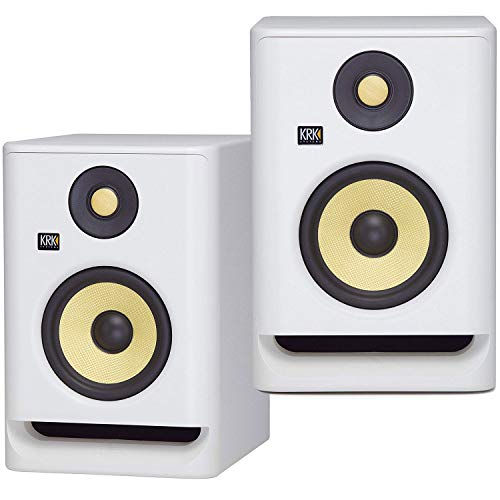
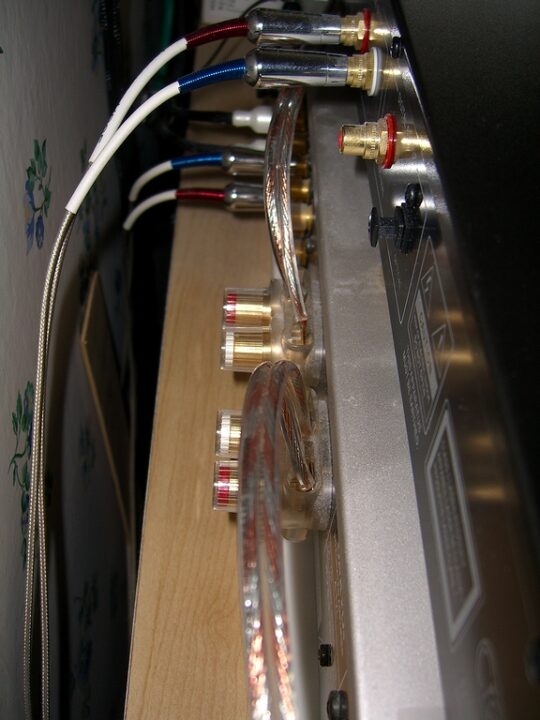
What caught my attention particularly, as a Hi-Fi enthusiast, was a segment documenting her search for a new audio system. The KRK studio monitor speakers she had been using at home for ten years were no longer to her liking, and she had found herself listening almost exclusively through headphones. She said they had been fine for the music she used to make, but were too massive for who she was now. The model was unidentified — a Focal with a yellow inverted hard-dome tweeter. As for the speaker cable she had disconnected at the time, it looked to me like Monster Cable XPHP or NMC.
 ポチップ
ポチップ
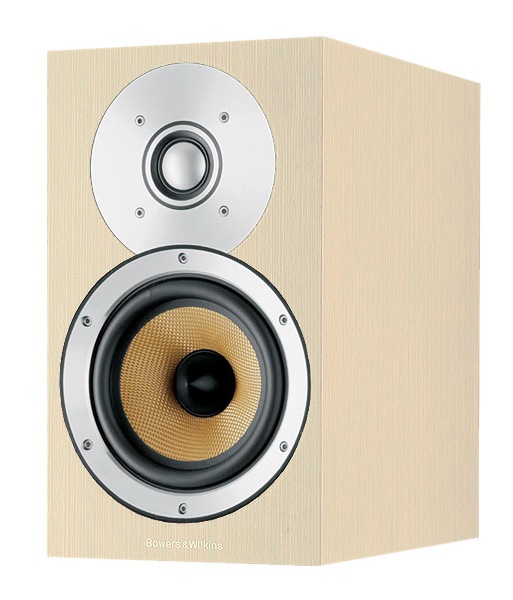
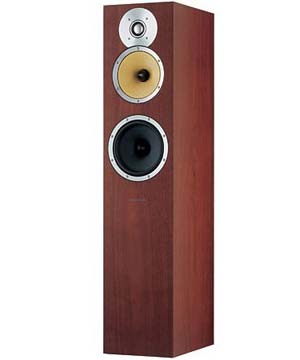
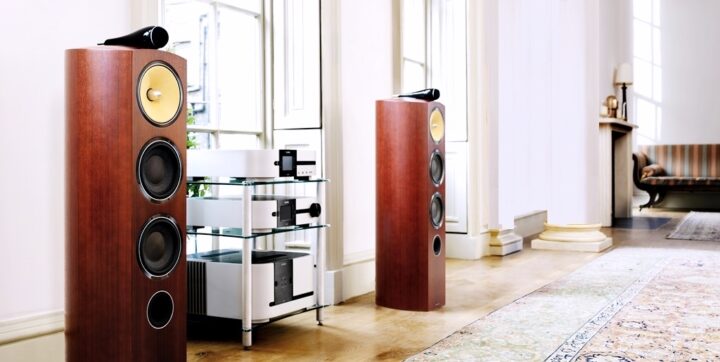
At the audio shop she visited in New York, she played one of her own CDs in a dedicated listening room stocked exclusively with B&W. On the side rack there was ARCAM, SONY, and something that looked like it might be Mark Levinson. In that listening room she compared the sound of the floorstander B&W CM4 against (presumably) the Nautilus 805 — and her expression during the audition was well worth watching. When she listened to the Nautilus 805, her face took on a rather pronounced frown. Her comment was something to the effect that it was a new sound, a good sound, but felt like a different dimension altogether. In the end, what she bought was the considerably less expensive B&W CM4. The moment the selector switched back from the N805 to the CM4, she broke into an involuntary smile. She knows what she sounded like in the studio, and the CM4 gives her that. It doesn’t need to be identical to the studio sound, but this one accurately conveys the nuances of how the recordings actually sounded. ← Do take note of this point, everyone. As I have written on various occasions, more expensive and higher-ranked does not automatically mean better in Hi-Fi; the right choice naturally changes depending on how you use it and what you prefer.
 ポチップ
ポチップ
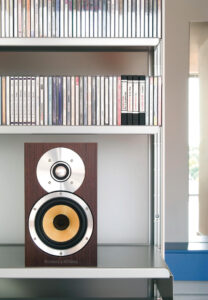
 This is purely my own speculation, but judging from what came through even via the television screen, the Nautilus 805 sounded high-resolution and clear, yet in less flattering terms the air around it felt cold and sharp. The CM4, by contrast, offered richer bass and a certain sweetness from the cabinet resonance combined together, giving an impression of acoustic, live-sounding presence — which is perhaps what she responded to. Unfortunately the CM4 is already a discontinued model and can only be found second-hand or through other such means, but the current successor model that comes closest in character would be the B&W CM7. The recently released CM7 is the floorstanding version of the already highly regarded B&W CM1, and demand has outstripped supply worldwide. If you have no particular reason to insist otherwise, the CM7 would overall surpass the CM4 in terms of overall refinement and quality — but even so, if you are an Akiko Yano fan, I would urge you by all means to track down old stock from overseas or a second-hand example and become the owner of a B&W CM4. I certainly would. The pleasure of sharing the very sound she listens to at home — that, surely, is priceless.
 There was also a segment where she experienced the sound of an all-McIntosh listening room, and heard what a high-end McIntosh system could do. Her comment was that this was surely a sound for Hi-Fi enthusiasts — a world apart — and that she herself was in the business of making the pastry shell and the filling of a cream puff, so putting strawberries on top or drizzling sauce over it was a different hobby altogether. “This is a different plate entirely. I couldn’t put a child in front of this the moment they walk in from school.” And so on — quite the string of pronouncements. Well, she is not wrong, but as someone thoroughly mired in Hi-Fi myself, it is rather painful to hear, in more ways than one.

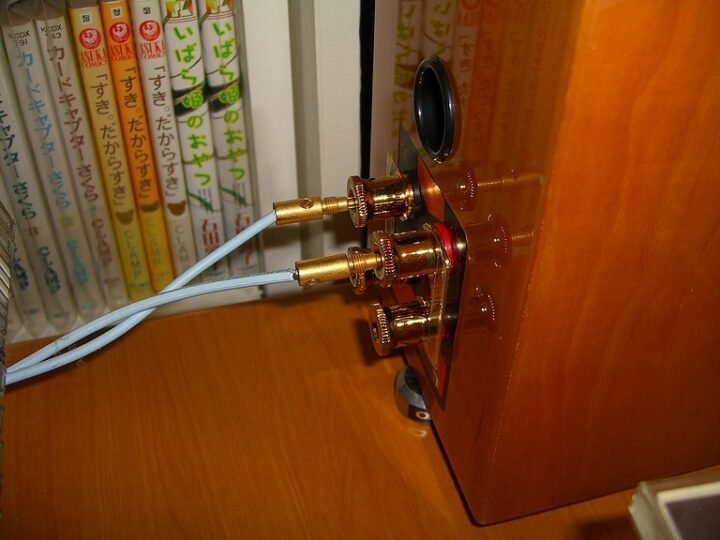
When the CM4 was delivered to her home, she and two women from the NHK crew struggled to unpack it, and managed somehow to get it set up despite the weight (apparently placed directly on the wooden floor without any kind of stand or base). In the meantime she kept trying to get her beloved cat Puu-chan to play in the empty speaker box — quite the playful soul. The cat, for its part, was gazing at the speaker with an expression of keen interest — very much the look of a cat already planning to scratch it, though the sight of Yano gently telling the cat to behave was rather endearing. The newly acquired speaker cable, judging by the colour and thickness, looked like it might be Monster Cable Z1 (pure speculation on my part), in what appeared to be a single-wiring configuration.
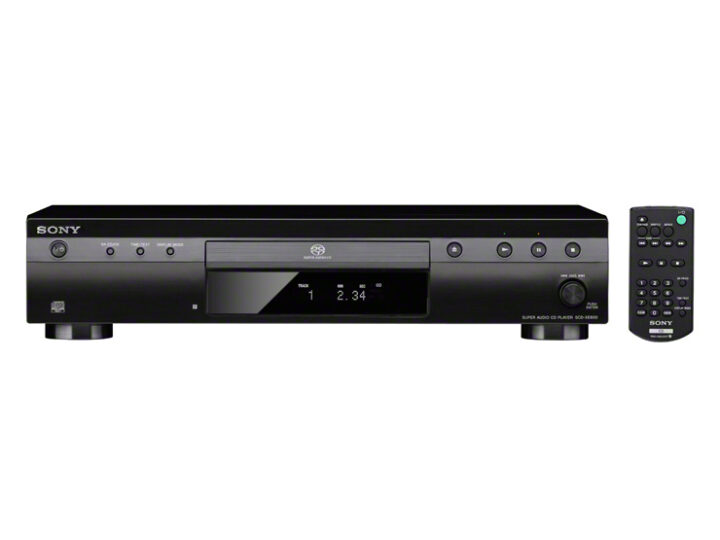
The other components she used at home were carried over from the KRK days. The amplifier was an old SONY integrated (from around 1990 or thereabouts?), the CD player was the CDP-222ESD, and the SACD player was the SONY SCD-XB9. She is an exclusive artist on Sony Music, yet her audio equipment is surprisingly modest. Those of you running absurdly expensive high-end gear might want to reflect on that.
And upon hearing the sound of her new CM4, Yano broke into a grin and said simply:
To think I can hear sound this good right here in my own home — it’s like having a little shop of my own…( ੭ ・ᴗ・ )੭♡
I do wish I had recorded this programme — would NHK please broadcast it again? Please. And “Akiko Yano LIVE — 30 Years and Still Feeling Good” on BS2 as well, while they’re at it. All Akiko Yano fans, do send in your requests. (Note: as I did not record the programme and this entry was written entirely from memory after watching, some of the wording may be paraphrased and there may be inaccuracies in the details.)
 ポチップ
ポチップ

Auto Translated by CS4.6


List of comments (10)
こんにちは。おもしろかったです。
某オーディオ店のお話では「好きなように料理して聴いて良い」ということですね。
今はコーリアン味で聴いていますが、天然大理石を試してみようかと考え中です。
完全にマニアですね。
こんにちは、お久しぶりです。ブログ再開されていたんですね。。この記事面白かったです。見てみたい見てみたい。実は今日コンパクトスピーカーが届きまして(DENON SC-M53)、低能率ながら真空管で鳴らしています。コンパクトはこれで十分ではないかと思える音質ですよ。
大理石は良いです♪ (以下訂正:御影石の書き間違いです)
人工コーリアンボードよりも安いですし、音質も遥かに良いと思います。良い意味で響きが豊かになります。余程のハイエンドモデルでもなければ、スピーカーボードやコンポの下は大理石でとりあえず十分では無いでしょうか。うちのVienna Acoustics T-2の下は大理石ですが、某店の白色コーリアンから交換したときは激的に良くなりましました。ちなみに大理石はオーディオ店より石材屋さんに行くと安く買えますよ♪
bydさんこちらこそお久しぶりです♪
再開して、過去記事をコツコツ修正中です。デノンSC-M53、私も気になってたんですよ~。ラピシアのミニコンセットでしか置いてないので実力の程を窺い知れないのですが、「ヨーロッパのサウンドエンジニアとコラボレートして仕上げたヨーロピアンサウンド・チューニング・スピーカー」との事ですので、レビューしてみたいですねぇ。見た感じエラックに酷似しているのですが、関係あるのかしら?
こちらもコメントありがとうございます。またオーディオの情報いろいろ載せてください。デノンSC-M53ですが、どうも英mission社のエンジニア設計との噂ですよ。暖かい雰囲気で高解像度なのは英国ならではですね。
そうですか。大理石をお使いですか。私はハンズでコーリアン大板をカットしてもらって、CD・AMP・SPに敷いています。CDとAMPは良いと思うのですが、SPにはちょっとクセが強い感じですね。セラミックのタイルや十円玉を重ねたりしていますが、ちょっと甘い味が残っています。タイル.jpというサイトの大理石タイルを考えているのですが、いろんな色があって迷ってます。やっぱり音も違いそうですよね。ちなみにpastel_pianoさんは何色のをお使いですか。
pastel_pianoさん、早速コメント&トラックバックありがとうございます。
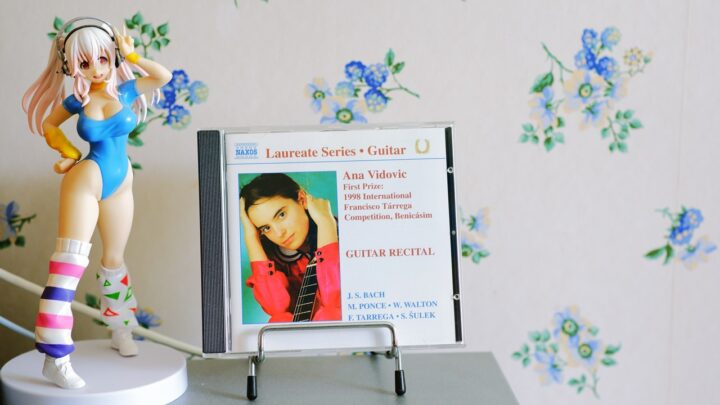
画像つきで取り上げられていた矢野顕子のディスク2枚とも持ってたので思わずトラックバックしてしまいました。
番組見てみたかったです。「録音時の音のニュアンス」をそのまま再生するのがオーディオの役目なのでしょうが難しそうですね。私などどうしてもすべての音を再生したいという方向に走りがちです。
カメラならレタッチとかで目に焼きついている光景に近づけることが出来そうですが、音のニュアンスは現場に居ないとわからなそうですものね。それでも自分なりの原音を求めて行くのでしょう。
>bydさん
ELACじゃなくてミッションでしたか~(恥)確かにミッションのユニットもツィーターが下の倒立型でしたね。ミッション、素晴らしい音質のメーカーですが日本にはもう大分以前から入ってこなくなってます。時々中古で出物がありますけれど。。。同社のアンプブランドのサイラスもハーフサイズコンポでしたが、音楽性が高く定評がありました。DENONは15年くらい前にもLapisiaのスピーカーを英ワーフェデールのユニット(当時のWharfedale Diamondシリーズと同じ物)で製造し、和洋折衷サウンドで定評がありました。御手数で無ければbydさんもブログにSC-M53と真空管アンプの記事を書いてくれると嬉しいです♪
>nanasiさん
すみませんm(__)m上の私の回答は大理石ではなく御影石の誤りでしたm(__)m(恥) 全て御影石に置き換えて読んで下さいまし。御影石は花崗岩で、大理石は石灰岩ですから、花崗岩の方が音質的には良いのではないかと思います(推測)。ちなみに私が使っているのは”ごましお”模様です。音質で選んだのではなく、たまたま知り合いの建材屋さんが無料でくれたのがコレでした。 黒御影の方がツルッとしてて音質も滑らかそうですが、比べたこと無いので特徴は詳しく判りません。これは好みやケースバイケースかもです。
>kuniさん
オーディオマニアさんやオーディオ機器を作る側の人々もですが、どうしても音楽をやっている側との温度感の差があって、立脚点の違いから原音や音質の意味が変わってしまう事が、求める装置やお互いの認識のズレに繋がっていることが多くあります。
演奏家にとっては生楽器の音とホールやスタジオの響きが当然の原音であり基準ですが、立場が違うとそれは主観の世界であり、電気信号のピックアップ=揺るぎない原音だと言い切る人もいます。中間に録音を生業としてる人々もいて、そこでも色々なバイアスが可能になり、更にややこしいことに。
どちらの趣味もあって良いと思いますが、私はオーディオマニアである以前に音楽ファンであり、楽器は弾けても電気知識はあまりないですし、あくまで主役は音楽、音楽の為のオーディオ機器だと考えていますので、このブログに於ける原音の定義は=演奏家が込めた表現や精神、温度感、そして生楽器とコンサートホールの響きって感じでしょうか。