The Kharma KPL Reference/1a is a power cable from Kharma, a Dutch super-high-end manufacturer. It was the first high-end brand power cable I ever purchased, back in 2000. Kharma remains active today both as a loudspeaker maker and with a current high-end cable lineup. Their products have trickled into Japan intermittently over the years — imports stopping and starting again as distributors changed — but the brand has always remained rather obscure here, perhaps simply because the prices are so high. The import distributor at the time of sale was Sanbu Engineering; the current distributor is Sound Import in Osaka. Back then, a sister brand called OLS (O.L.S. Audiotechnology) also offered relatively affordable speakers such as bookshelves.
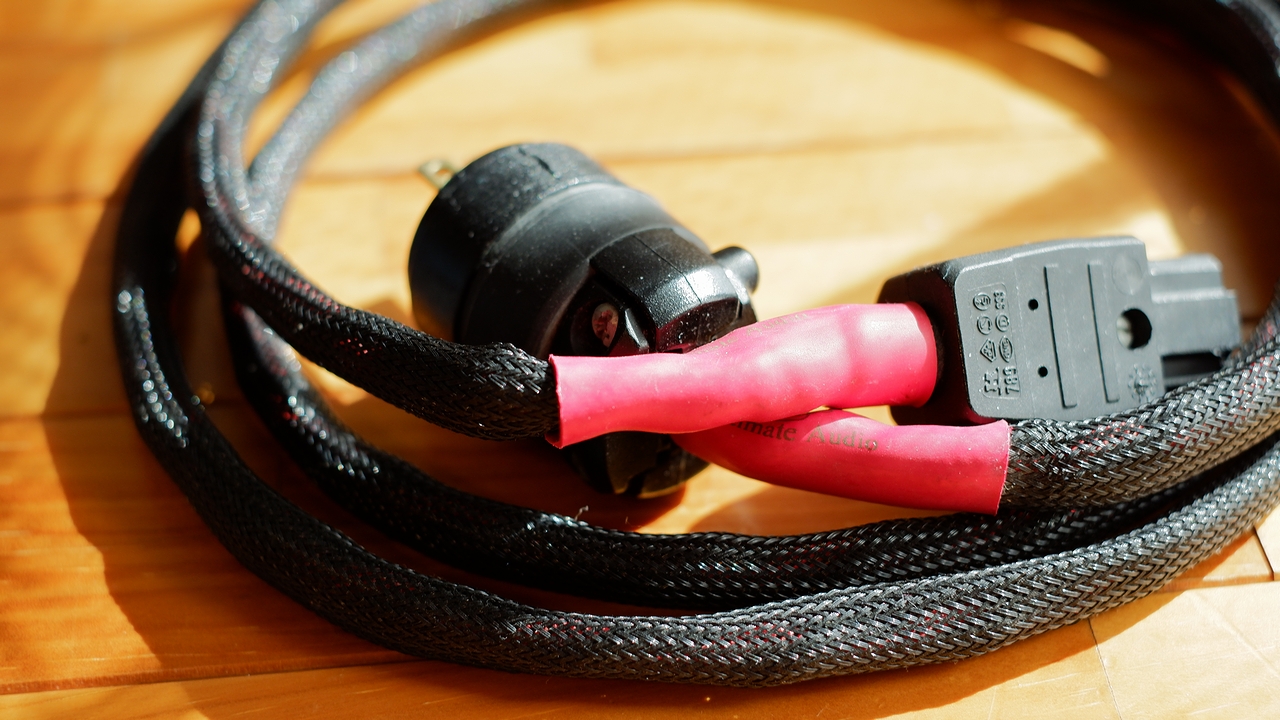
The Kharma KPL Reference/1a was the cable that first opened my eyes to the importance and potential of power cables as a means of tonal adjustment. I liked it enough to buy a second one, and both are still in active use today. High-end brand though it is, the 2-metre model was priced at around ¥35,000 at the time, so by today’s standards it was not an especially expensive cable. Even so, at a period when power cables for hi-fi were still very much in their infancy, that price tag was enough to make you go — really?!
While putting together an entry-level to just-below-midrange Hi-Fi system, I was always scheming about how to work some high-end flavour into the sound without blowing the budget, and it was in that frame of mind that I came across the Kharma KPL Reference/1a. Back then, unlike today, the lower models from high-end brands happened to sit in roughly the same price bracket as the top models from mass-market brands — and they were surprisingly within reach. When you were spending the same money either way, chasing a trickle-down product from a high-end brand rather than the flagship of a mass-market brand would often get you something more elegant and refined-sounding.
At a time when the influence of power cables in hi-fi was not yet widely recognised, the number of Kharma power cables sold in Japan must have been very small. Now, searching both domestic and overseas sites for any information on the KPL Reference/1a turns up absolutely nothing, which means this site may well have become the primary source of information on it.


 ポチップ
ポチップ
The cable diameter is a slim 9mm and it is very flexible; the conductors are probably around 1.5 to 2 sq mm. Inside a loosely woven jacket, three cores — red, black, and white — are twisted together and visible through the sheath: a non-shielded, air-insulated construction. The plugs are black, unplated brass LEVITON — a hybrid structure of resin and rubber ring, probably the 515PR. The blades have already lost their lustre, and I dare say at this point the humble plugs themselves are a bottleneck in terms of performance, particularly dynamic range. But there is something about them… they carry a sound with the atmosphere of the 1990s that simply could not be made today, and for that one reason alone I continue to use this cable with both LEVITON plugs left exactly as they are.
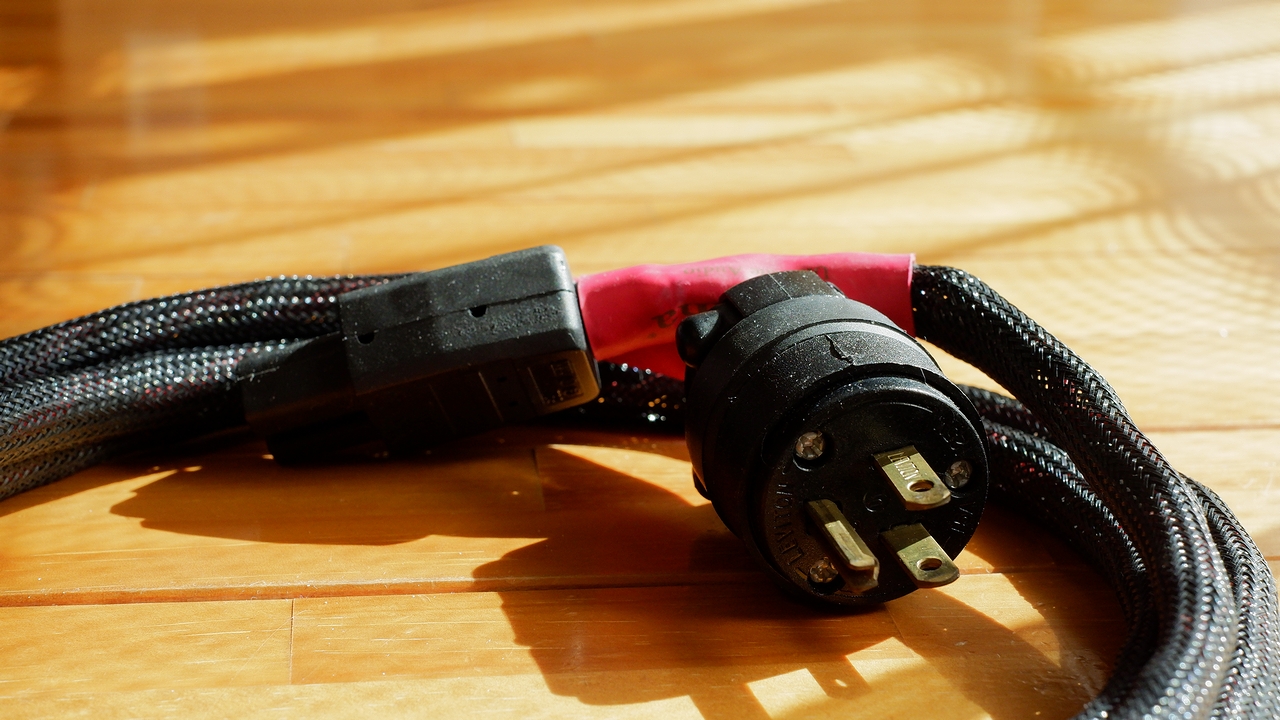
I own two KPL Reference/1a cables, and the two of them actually sound quite different from one another — individual variation, I suppose. One is balanced and neutral; the other has a slightly high-tilted, somewhat nervous character. I have used the neutral one for the main system and the nervous one for secondary equipment ever since the beginning. They look identical, but silver solder is used in the construction, and the difference may come down to how it was applied. I have never opened up the LEVITON AC plugs, so whether Y-connectors or similar are involved inside remains a mystery to this day.
Past magazine reviews described the conductor variously as silver-coated OFC or simply silver wire. Pure silver wire seems a touch too cheap for the price, however, and given that the initial glossy, slippery quality settles down and fades noticeably within a few days of first use, silver-coated OFC feels like the right answer.
Perhaps because Kharma and O.L.S. Audiotechnology share the same Dutch origins — whether there is any manufacturing connection I cannot say — the KPL Reference/1a has the characteristically lustrous, beautifully burnished sound associated with SILTECH and its kin. The sheen typical of silver (and silver-plated) wire comes through to the fore, and a richly resonant bloom clings to every note. Rather than the accurate, Hi-Fi-minded resolution and realism of high-fidelity reproduction, the sound aims instead at the high-end ideal of dreamlike, almost illusory beauty — refined and noble. Indirect sound content is abundant, the soundstage extends broadly to the rear, the tonal character is sweet and gentle to the ear, and while the presentation is understated, the nuance is extraordinarily rich. Every touch of the piano sends a shiver down the spine — utterly bewitching.
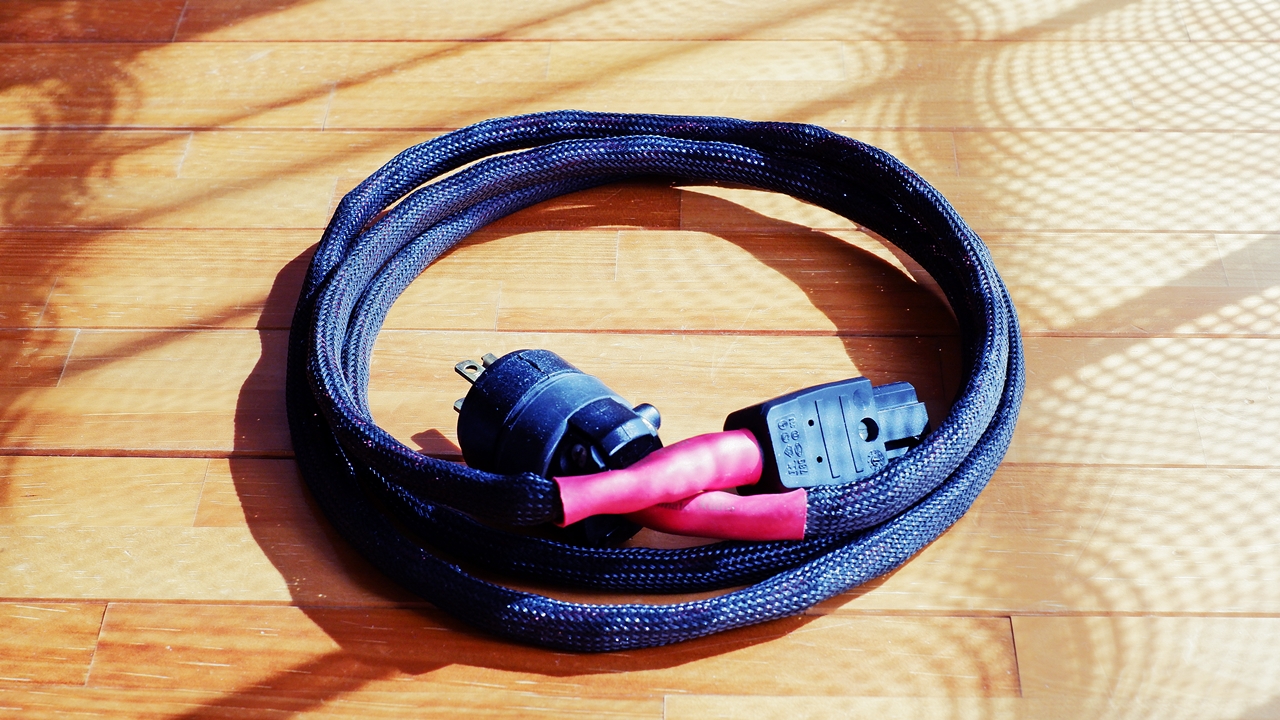
In classical music, the subtle inflections of a performance come through clearly — the richness of expression in the pianissimo direction is remarkable, as is the alluring way vocal phrasing and dynamics are conveyed. Setting aside purely Hi-Fi-oriented sound quality metrics, I have genuinely never found a power cable that surpasses the KPL Reference/1a for inner expressive depth. Compared with more recent power cables, note density is lower and information retrieval and dynamic range are only moderate. Yet — and this partly because the silver-wire colouration as a form of harmonic addition gradually recedes as the cable settles into the system — the artistry of its dynamic shaping and the detail of its touch reproduction are genuinely striking. The feeling is not of a Hi-Fi system pulling every element apart as emphatically as possible, but of something closer to a conductor: gathering the music into a single flowing whole as its primary aim.
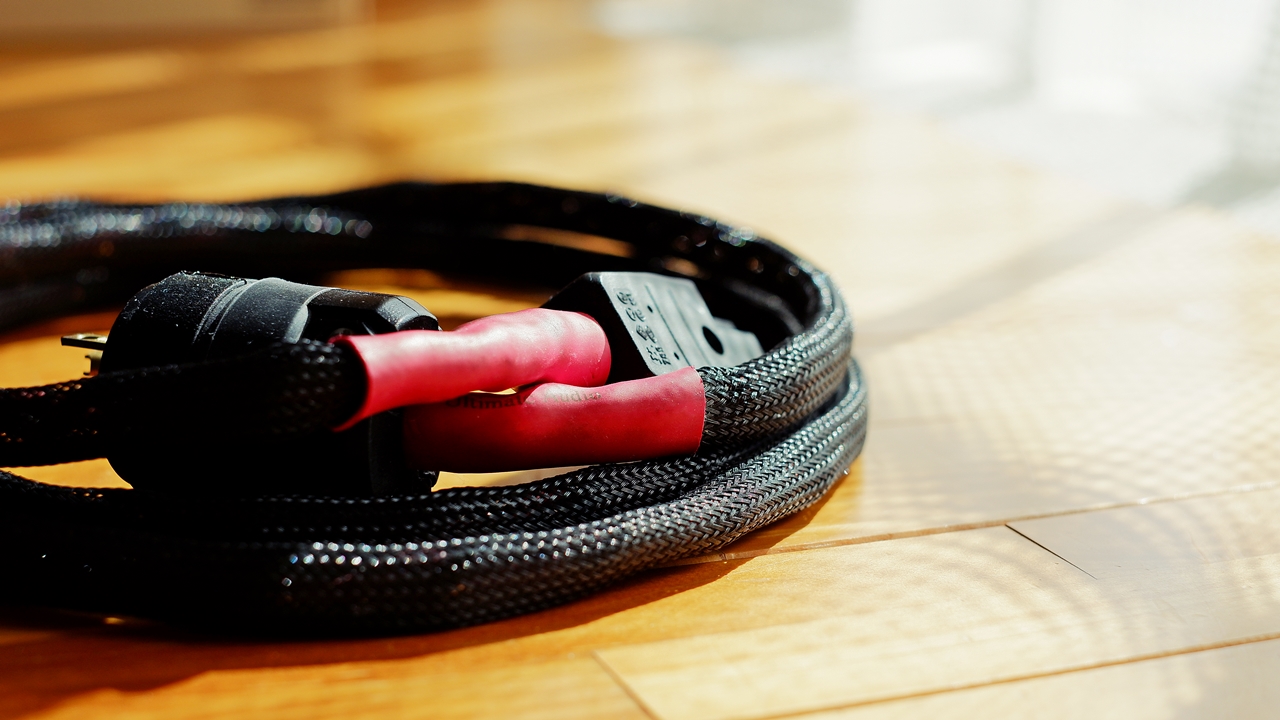
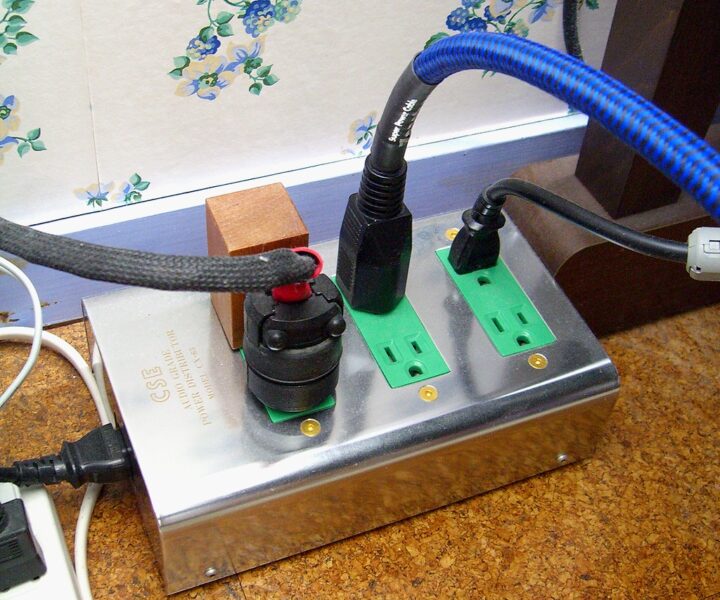
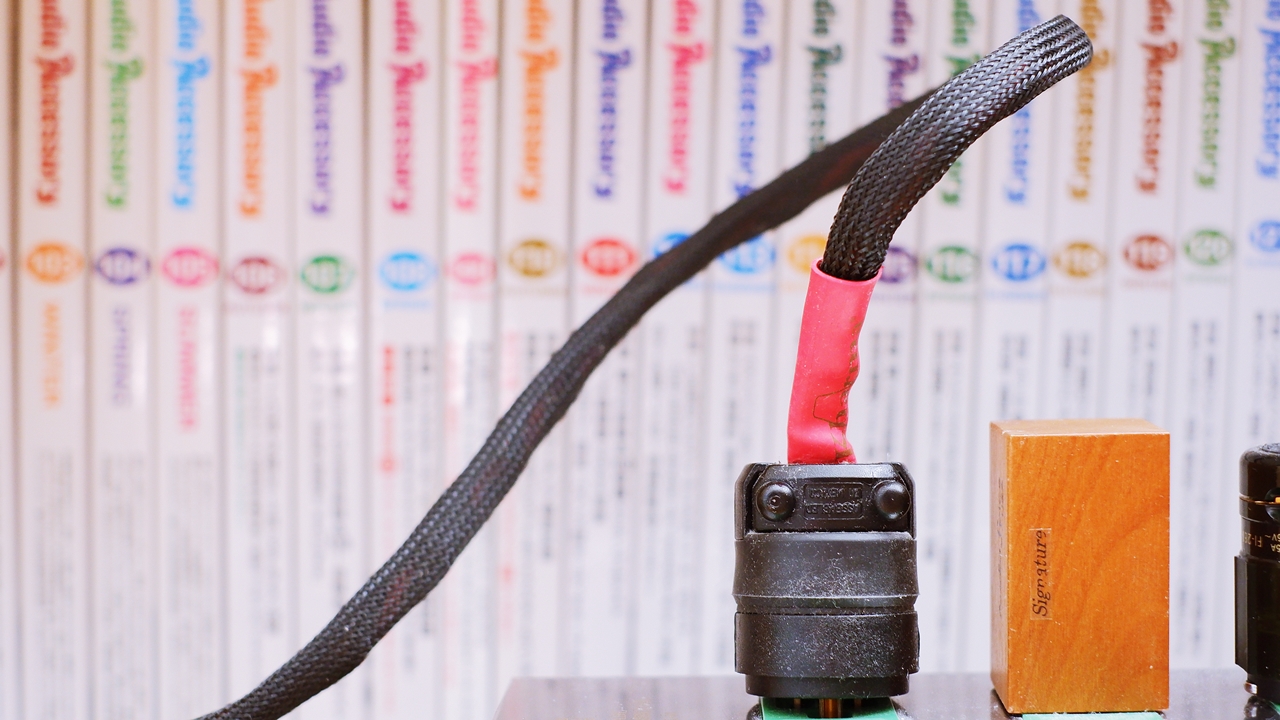
Its weakness is that it cannot drive volume. Most single-piece power cables sold specifically for Hi-Fi use, when swapped in to replace a manufacturer-supplied captyre cable, tend to improve the sense of drive and information retrieval, making the sound feel slightly louder — but the KPL Reference/1a is the opposite: it actually sounds quieter. In terms of energy balance it is gentle and somewhat slight; the soundstage recedes across the entire range, the bass is loose and lacking in drive, and the overall presentation lacks weight. The strong sense of soundstaging and the delicate resolution in the upper registers make it reasonably well suited to SACD and hi-res sources, but unlike the common high-resolution type of sound where the treble is emphasised and sibilants become harsh, the sound image itself does not scatter vertically — it lines up across the midrange. ↓ The AC power filter plugged into the right-hand socket in the image below is the AudioSpice ACC18 Signature.
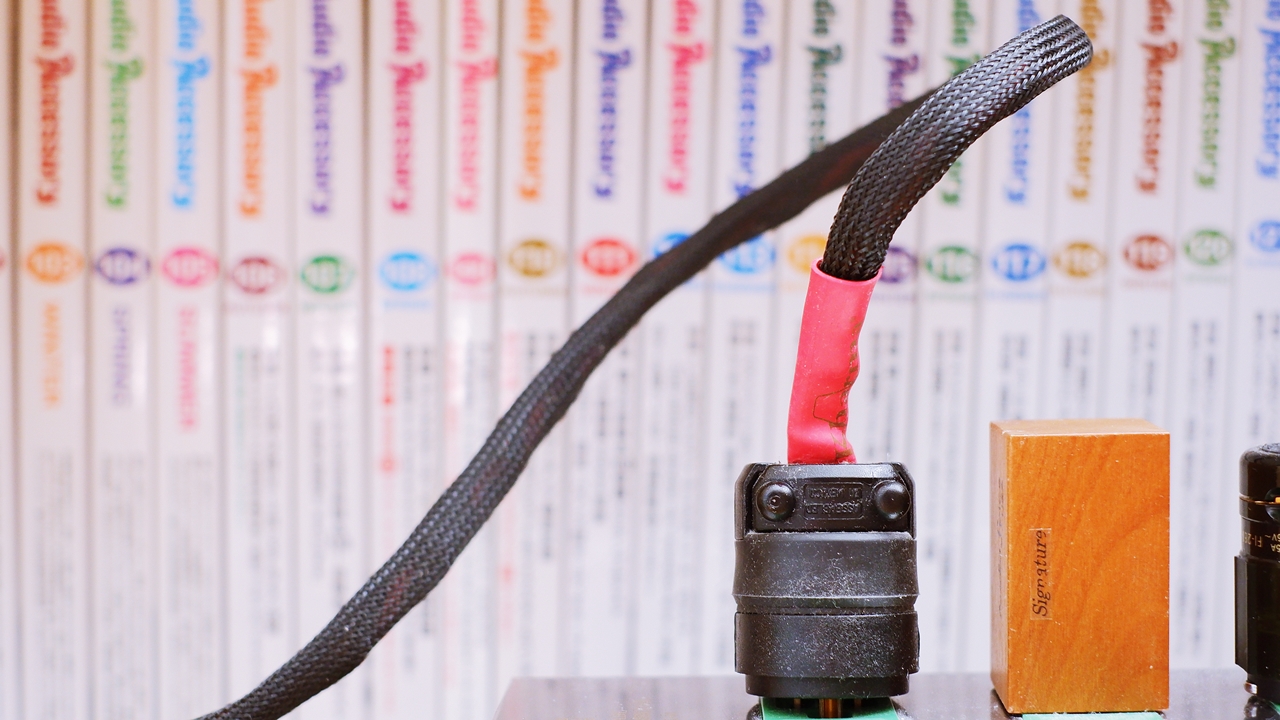
That said, the bass-end driving power is simply too weak: it can work well to tame an overdriven amplifier and bring it into a refined SILTECH-style European tonal character, for instance, but with the low-power, slim, compact amplifiers recommended on this site, it will more often than not result in a sound lacking in drive. Where the KPL Reference/1a truly belongs is with low-power-consumption components such as CD players or D/A converters. In my own case, it has been assigned to the C.E.C TL5100Z CD player and the CREEK Evolution CD for many years. With the ONKYO C-S5VL the tonal match was excellent, but the bass quantity issue could never quite be resolved.
 ポチップ
ポチップ
What follows are quoted reviews from back issues of Audio Accessory magazine. The articles are old enough that they could not be found even on Phile-web.
Quoted from the impression review by Mr Chitak Inoue, Audio Accessory magazine No. 95, 1999
The highlighted passages are the parts I personally agree with most, having actually used the cable myself. “Transient” is a word I tend to avoid as it invites misunderstanding, but if we take it not in its technical sense of transient response, but rather as a literary term — then yes. The outline is delicate rather than firmly defined, and the bass is of the bloomy, vague variety. Probably unlike the higher-grade models, there is no real sense of low-end weight in the Kharma manner.
Quoted from the impression review by Mr Masamitsu Fukuda, Audio Accessory magazine No. 96, 2000
I find myself in broad personal agreement with this review too. The comments about mid-bass energy density presumably mean that what lies below it lacks volume. “Neutral upper register” is a slightly ambiguous phrase, but because there is no Hi-Fi bravado in the transient and no edge-emphasis in the treble, the leading edge and attack of vocals and piano are not unnaturally sharpened — they carry a realistic, natural roundness. And yet the touch is never smothered by the resonance or rendered indistinct: the KPL Reference/1a’s ability to differentiate fine gradations of touch without blurring is where it truly excels. Above all, the richness of nuance and musicality in vocal reproduction is remarkable — and for all that, it never degenerates into mere oily eroticism; it maintains an absolute refinement throughout. How to put it — it is strangely charming, and if one were to reach for an analogy, it has a somewhat girlish, fanciful quality. It is that charm which means I cannot let the Kharma KPL Reference/1a go — a precious power cable that will, I am sure, continue to serve as a cornerstone of my system for years to come.
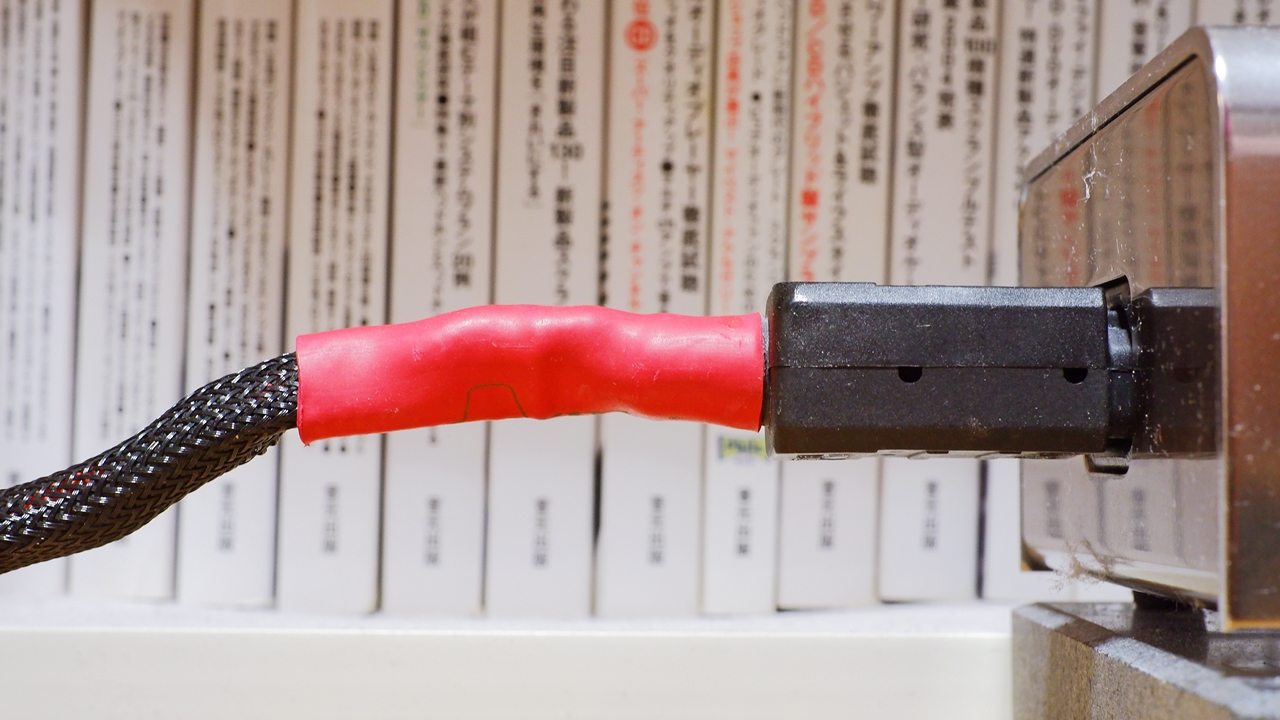
One more thing: plugging the Kharma power cable into a digital piano or Clavinova gives you something that sounds remarkably like a Bösendorfer, which is rather amusing. The tonal character becomes convincingly authentic and it feels wonderful to play — but there is rather too much resonance, and somehow it becomes difficult to control. ※ Without being told the cable had been changed, someone immediately remarked that my playing had suddenly got worse…

Kharma power cables come in various models — the current KPC-EL-1.0 available locally, and older models such as the KPC-SR-1b and KPC-GR-1a, among others — but beyond the earliest models, none have been sold in Japan, presumably due to PSE regulations. In recent years, on net auction sites and AliExpress, so-called Kharma power cables sold by counterfeit accounts and dubious Chinese-origin sellers well known in certain circles are, by the look of them, all fakes. Genuine used examples that were sold in Japan do occasionally surface through (reputable) second-hand dealers, but they were plain-looking and modest in appearance to begin with, and by now will have aged into a pleasantly worn-in state. Anything that looks conspicuously luxurious and expensive (and this applies to other brands too) is almost invariably a fake. Please take care not to be caught out with a counterfeit — and please do not knowingly purchase fake branded goods either.
 Category: Netherlands / SILTECH / KharmaCategory: Power Cables & Power Accessories


Auto Translated by CS4.6