I went to Akihabara for the first time in a while.
Well, I feel as though I go there — or at least pass through — every year, but this was the first time in about three years that I made the trip specifically to properly audition Hi-Fi equipment. Rather like Urashima Tarō finding himself in a changed world. I had been hoping to see Mr K at Sato Musen, who had helped me out on many occasions, but it seems he retired three and a half years ago. That must have been right around the last time I visited the fourth floor of the Radio Kaikan building… He was a rather outspoken and sharp-tongued fellow, but the thought of Akihabara losing that old-school Hi-Fi salesman character — the kind the town was once known for — is genuinely sad. At the main branch now, a younger colleague who has inherited his knowledge and legacy is carrying on in his place.
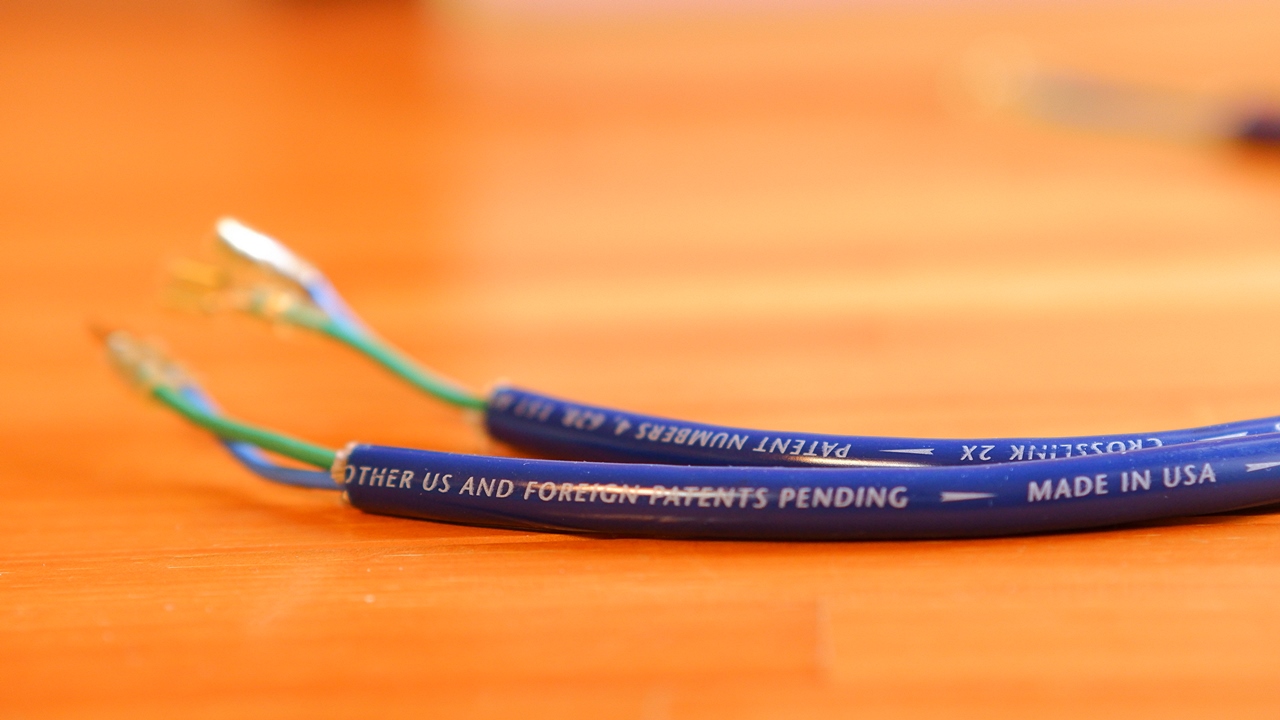
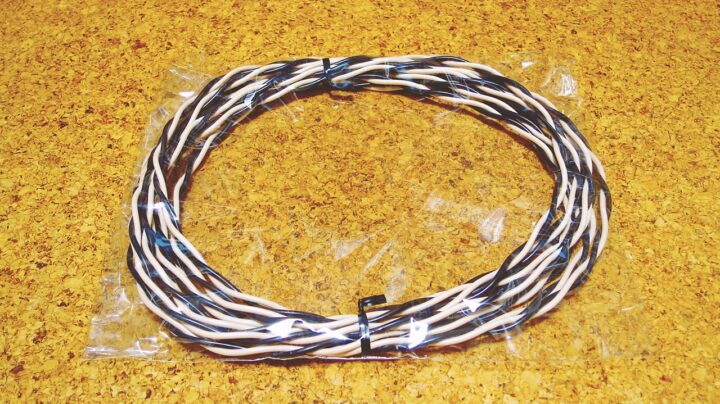
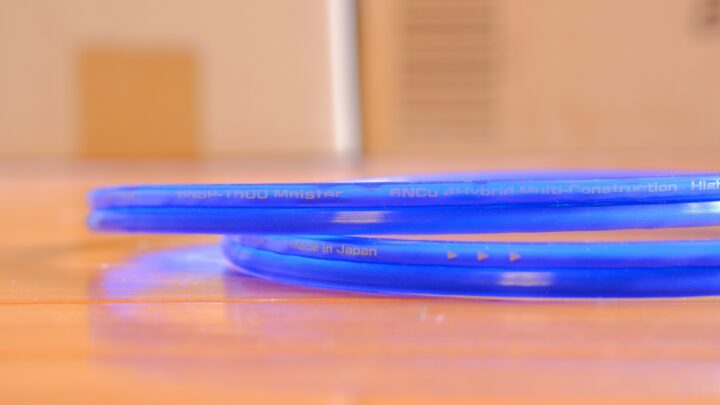
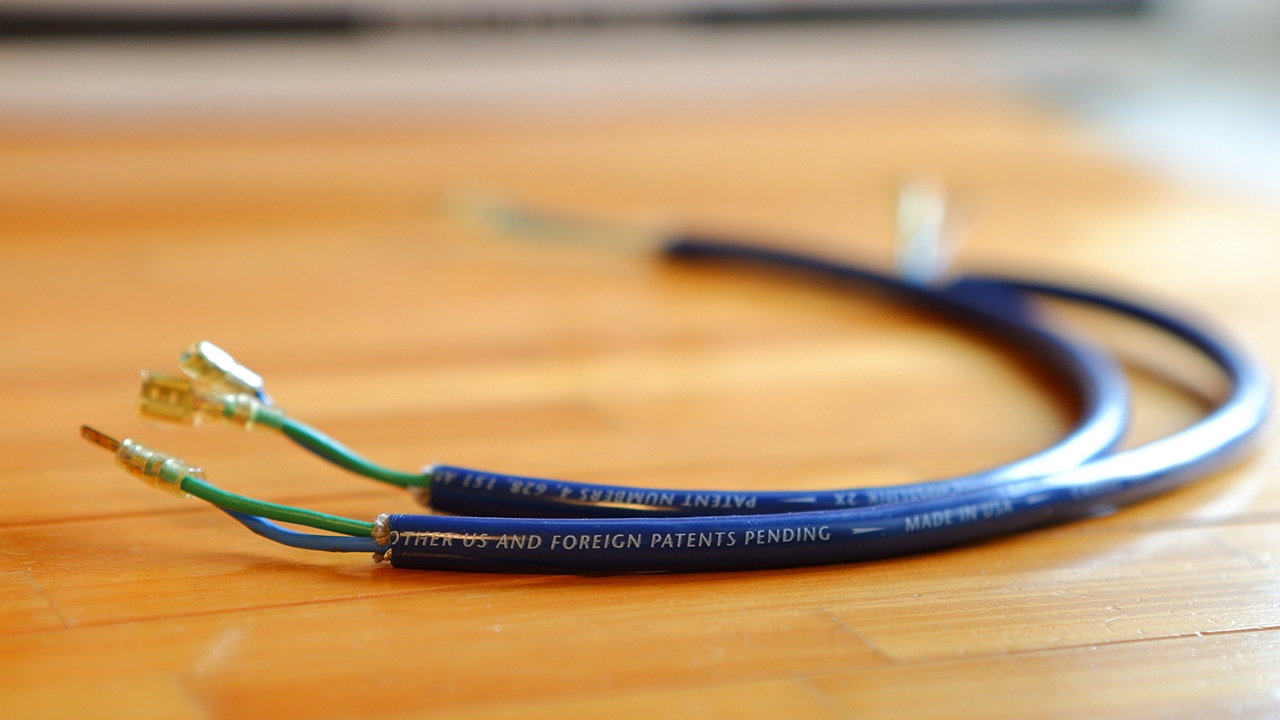
Now, there were quite a few things to come away with, and I’ll write individual listening reports in bits and pieces later, but today’s purchase is a speaker cable — the CARDAS Crosslink 2X at ¥2,600/m. I wasn’t expecting much at all, but connecting it up was quite a surprise. This one seems rather usable. Structurally, a pair of stiff stranded copper conductors and four cotton threads are paired together, wrapped in a stretchy PTFE sheath, and then covered by a thicker blue outer jacket. For something in the ¥3,000 class, there is a sense of attention to detail that sets it apart from the ¥1,000 tier.
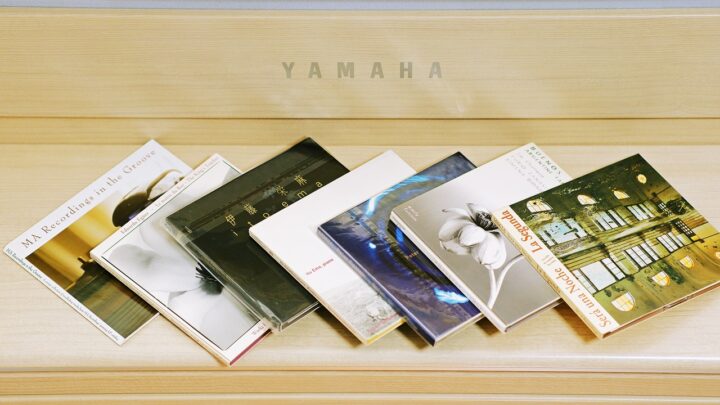
Cardas cables are also used in M.A Recordings sessions
My first impression is that this is a cable with a sound reminiscent of MFSL (Mobile Fidelity Sound Lab). The sound is robust — as you might expect from stiff conductors. A masculine sound, one might say. And it has a brightness to it. The outlines are well-defined, and the mid-to-upper range has a luminous, sharp, cool quality — something Nautilus-like. That said, it is by no means a painful sound. The fact that it doesn’t produce a harsh sound straight out of the box is a pass. On the downside, it gives the impression of not extending very far beyond the audible range. The midrange density is high, and I think it is well-suited to expressing the punch and drive of rock or jazz. The bass is well-defined in outline too, but there is an unexpected warmth to its tonal character, and it is this mildness in the bass that fortunately prevents the sound from leaning purely cool — the overall musical nuance feels well-balanced. The softness, sweetness, and feminine sensuality that classical music calls for are, admittedly, a little lacking. There is not much tonal variety to speak of; the character is plain, direct, and unadorned, so one does not get the sense of high-end purity, brilliance, or the kind of refinement that suggests luxury. Because resonance and bloom are not particularly emphasised, the midrange range and gradation come through clearly, and the pitch movement of piano and violin can be heard distinctly. Yet there is no dryness.
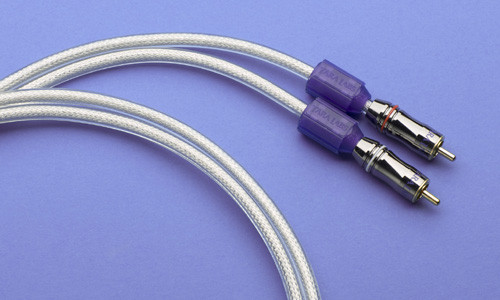
With the SPACE&TIME Prism OMNI-8N that I normally use, the texture of instruments like violin — a known weak point of that brand — tends to become thick and smeared, but with the Crosslink, the bowing of cello and violin can surprisingly be heard quite clearly. Despite the somewhat monochromatic tonal palette, it seems to carry a rather unexpected level of resolution within the musical frequency range. In tendency it is an image-focused cable — not as hard-edged as AudioQuest , but one can still quite satisfyingly indulge in that Hi-Fi pleasure of vividly visualised sound images. Personally, I’m also tempted to try it beyond speaker use — perhaps applied to a DIY mains cable. It could also work well for tightening up the sound of a system whose tonal balance is on the soft side. On the whole, I think this would suit those who listen mainly to Western jazz or rock and prefer a clear, forthright sonic character.

 ポチップ
ポチップ

Auto Translated by CS4.6