【Legendary Trio of Japanese Hi-Fi】
Sansui Electric|Legendary Trio?|Pioneer|Merger with ONKYO
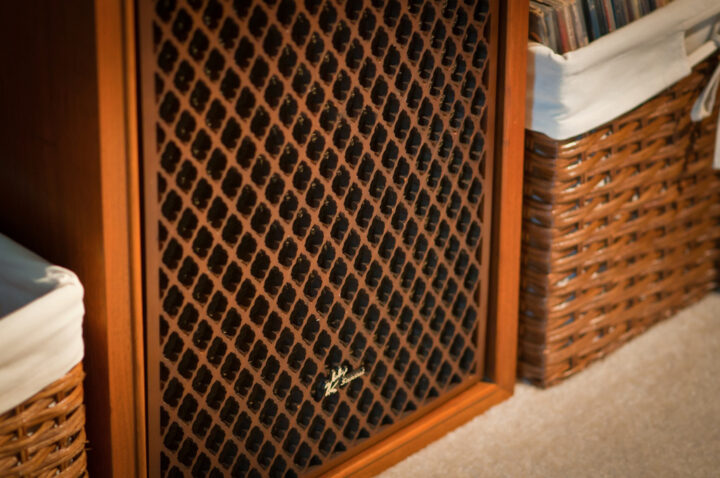
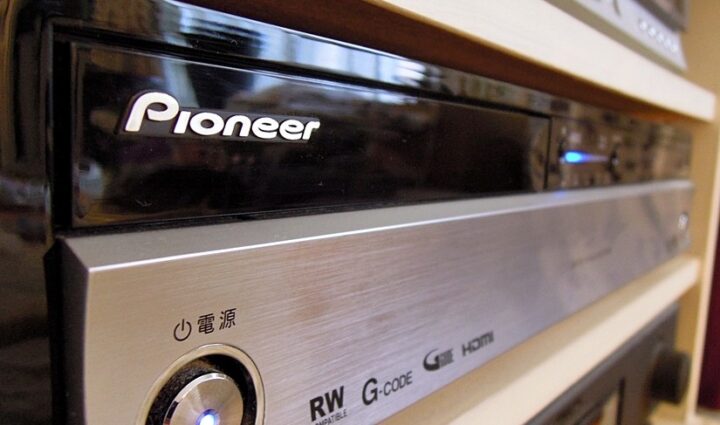
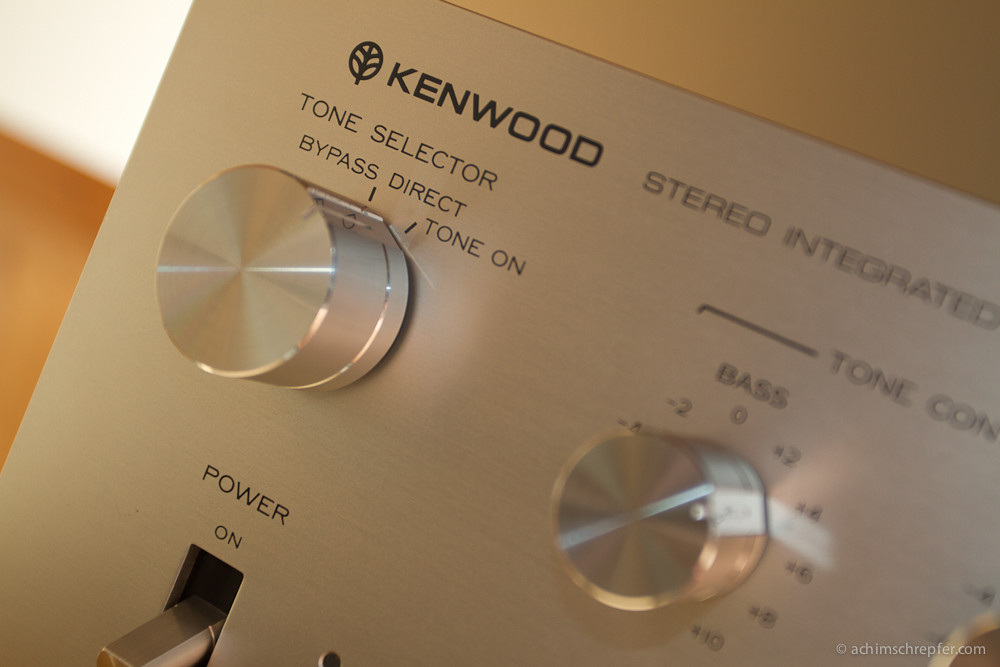
This is a continuation of Sansui Electric — the news of their bankruptcy, at last. Come to think of it, Sansui was one of the “Big Three of Hi-Fi,” wasn’t it. Is that a term from the 70s and 80s? By my generation, it was already well in the past — or rather, it’s the sort of thing where you think, hmm, didn’t my parents’ generation, the baby boomers, used to say something like that? — so by now it feels so thoroughly ancient that it’s probably been forgotten entirely. The three were Sansui, Pioneer, and Trio (now Kenwood). In the Shōwa era they were commonly referred to as “San-Tri-Pi,” and the received wisdom went something like: Sansui for amplifiers, Trio for tuners, Pioneer for speakers.
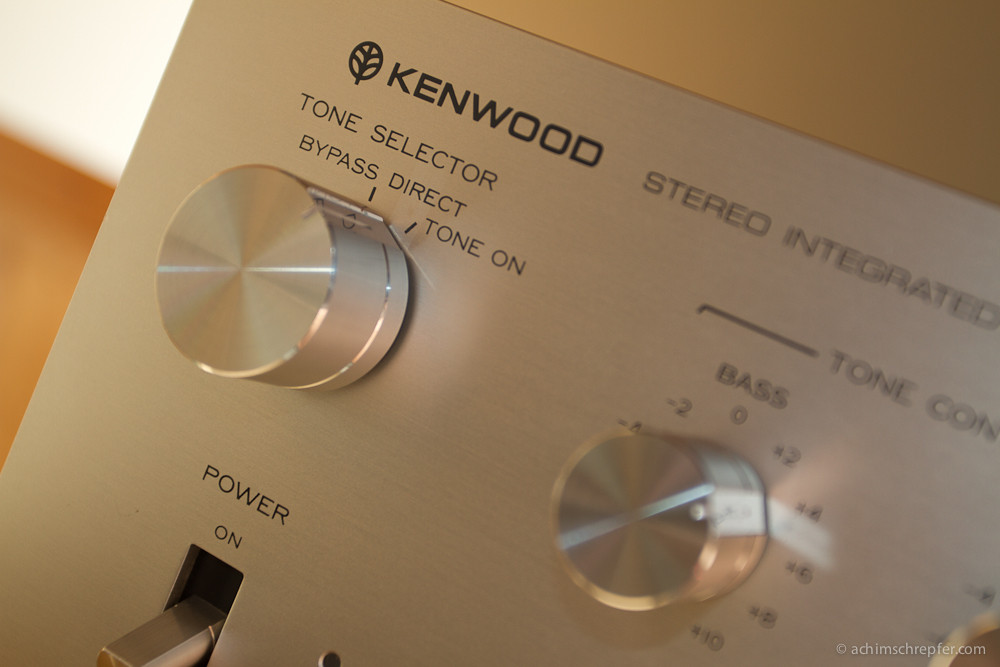
Of the Big Three, Sansui Electric had been effectively dormant since the 2000s and recently went bankrupt. Trio (now Kenwood) faded out of high-end FM tuner manufacturing as the 1990s got underway. KENWOOD’s main sales focus had shifted early on to car audio and portable audio, and in 2008 they merged with JVC (Victor) to become JVC Kenwood. As things stand, both the JVC and KENWOOD brands remain centred on portable audio, car audio, mini systems, and radio cassette players for the consumer market, and as far as serious high-end pure Hi-Fi equipment goes, they are essentially closed for business.
Incidentally, if I were to name a “Big Three of Hi-Fi” for Japan today, personally I’d say…
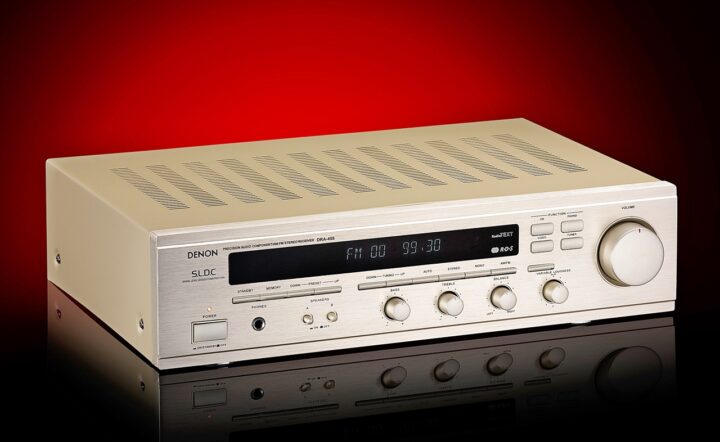
DENON, MARANTZ, and ONKYO. Objections and counter-arguments welcome. And then as an honourable mention, maybe Yamaha? ← Yamaha has been in the pure Hi-Fi business for a very long time, and yet for some reason they’ve always been treated that way!
In terms of traditional name recognition and corporate scale, you’d probably still have to say SONY, JVC (Victor)/KENWOOD, and Pioneer — but these well-known manufacturers have all spent the past decade or so focused primarily on portable audio and mini systems. They haven’t been able to properly engage with the core pure Hi-Fi product format — amplifier plus player plus speakers of various sizes — and so it has become rather difficult to call them genuine audio manufacturers any longer. I do think they’d come back if the economy improved, but…


 ポチップ
ポチップ
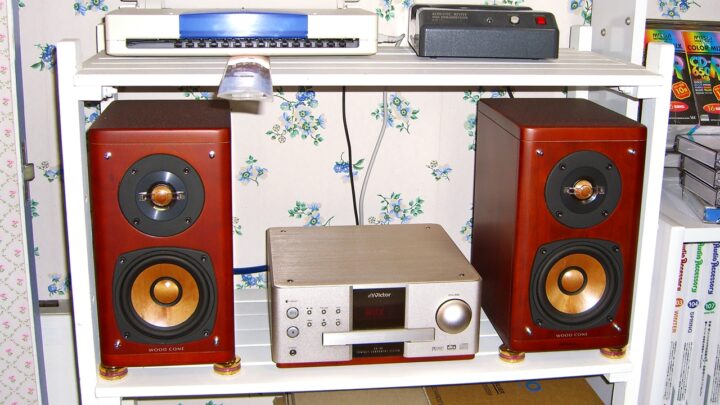
※《JVC/Victor’s Wood Cone series speakers currently fall under the mini system category, but they have a strong hobbyist appeal, and the sound quality and finish are of a standard that holds its own against pure Hi-Fi. The full-range single-driver SX-WD30 and SX-WD90 may well be among the finest speakers available for desktop PC audio nearfield listening!》
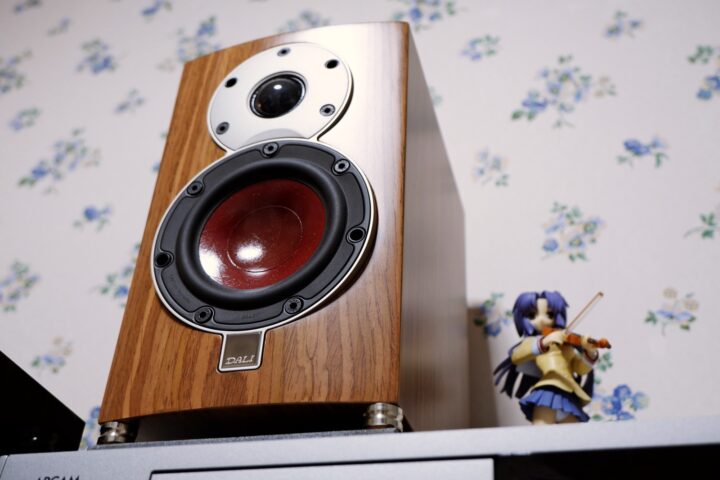
On the speaker front — the face of pure Hi-Fi — ONKYO continues to stubbornly maintain its own in-house design and manufacturing to this day. DENON and MARANTZ have merged under a holding company, and for the main speakers to complement their respective separates ranges, DENON acts as the distributor for Denmark’s DALI and Marantz for Britain’s B&W, filling out their line-ups in that way. Even at manufacturer-organised listening events, DENON has long displayed DALI and MARANTZ has long displayed B&W (Bowers & Wilkins) as the monitor speakers for their own product demonstrations.
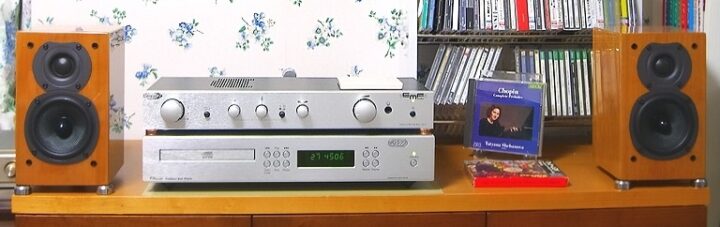
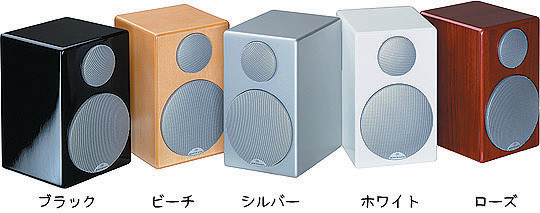
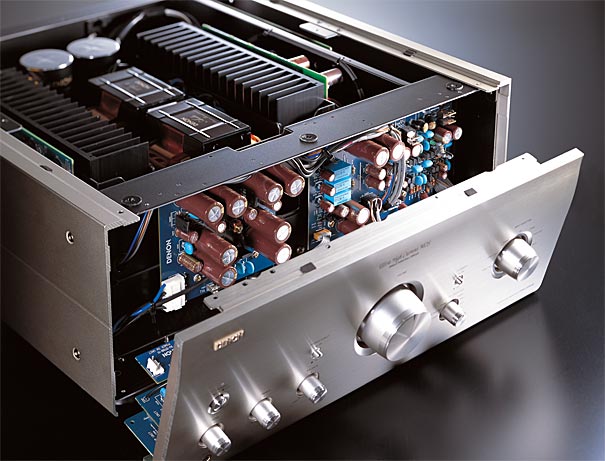
Marantz has historically had almost no speaker range to speak of, whereas DENON, alongside importing DALI speakers, has continued to manufacture its own speakers — centred mainly on budget models for AV multichannel use. If you’re looking at DENON-brand compact bookshelf speakers, the SC-CX101 is the one I’d recommend from a pure Hi-Fi enthusiast’s perspective, though the budget model SC-M41 is the more popular of the two.
 ポチップ
ポチップ
Many of DENON’s speakers are tuned via listening tests in Europe (Britain?), and I don’t think the sound quality is bad at all — but there’s something a little conservative and understated about them, and I get the impression they’ve made rather too many products at the budget end of the range. That said, for those who want to simply enjoy music without the self-assertion of a dedicated audio brand, they could well be the ideal entry-level speaker.
For those of you who love Japanese products and whose everyday listening centres on Japanese-language songs, traditional Japanese music, and Japanese artists — I think it’s absolutely worth considering good-value domestic speakers rather than reaching for overseas models out of some vague sense of aspiration. (When it comes to anime songs, J-POP, and Japanese music, I have always wanted to make the case that the true atmosphere of that music is, in the end, something that only Japanese audio equipment and domestic speakers can fully reproduce. Enka too.)
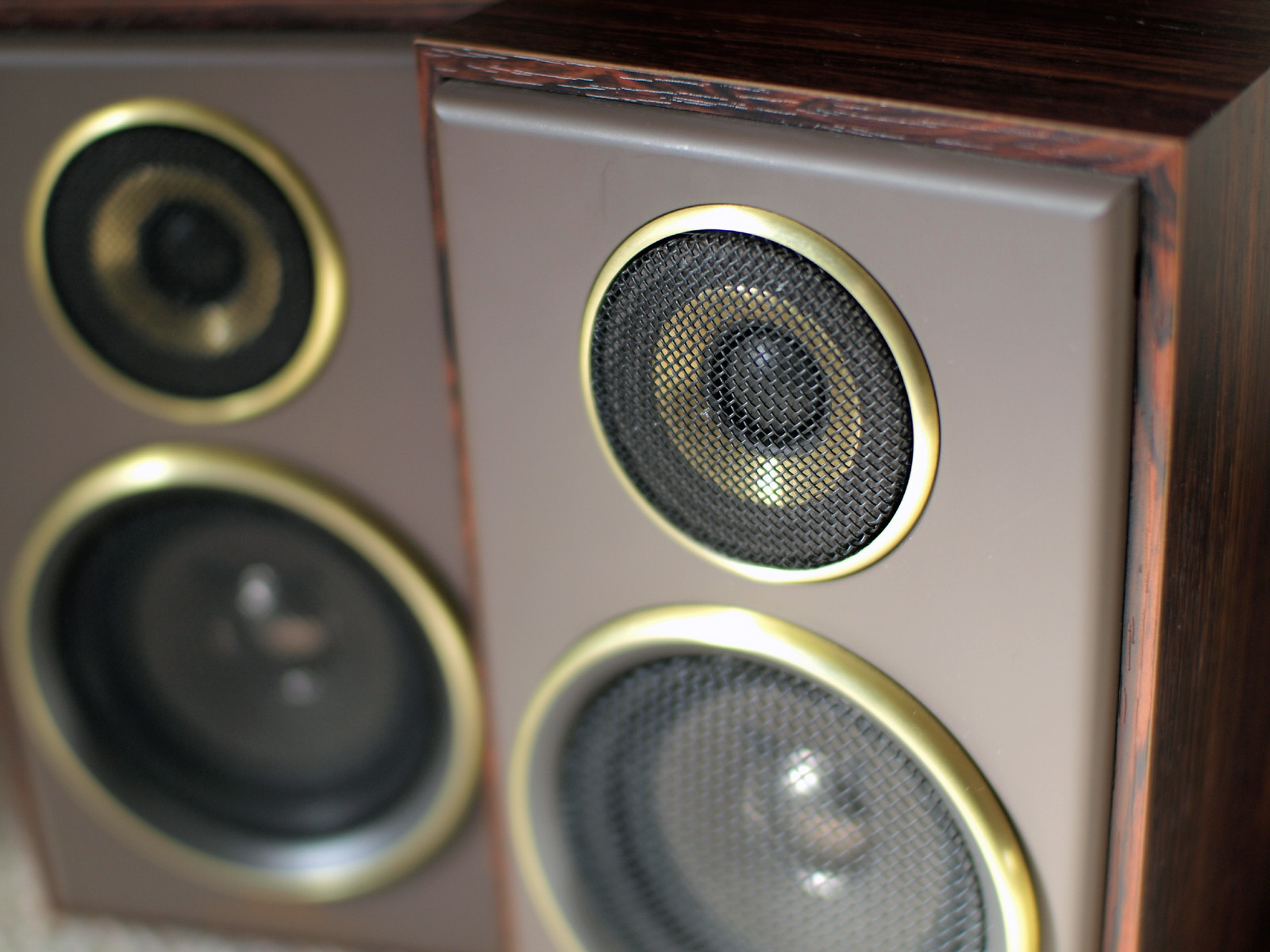
Onkyo, Denon, and Victor in particular have produced a great many compact speakers of good quality at affordable prices over the years, so younger listeners on a genuinely tight budget who enjoy Japanese music would do well to seek out good-condition second-hand examples of speakers designed and made by these companies between the 1990s and the mid-2000s, at Hard Off or on Yahoo! Auctions. With a modest investment, you can enjoy a solid, rich sound that simply isn’t available from the cost-cut budget AV speakers of recent years.
 Continued in: What Became of Pioneer, One of Japan’s Legendary Hi-Fi Trio?
【Legendary Trio of Japanese Hi-Fi】
Sansui Electric|Legendary Trio?|Pioneer|Merger with ONKYO

Auto Translated by CS4.6