What sort of audio system do you normally use for listening to music? The most common answers are probably a mini system or all-in-one unit from a domestic electronics manufacturer, an iPhone or other smartphone, a portable MP3 player known as a DAP with earphones or headphones, and for those who own a car, whatever car stereo came fitted with it.
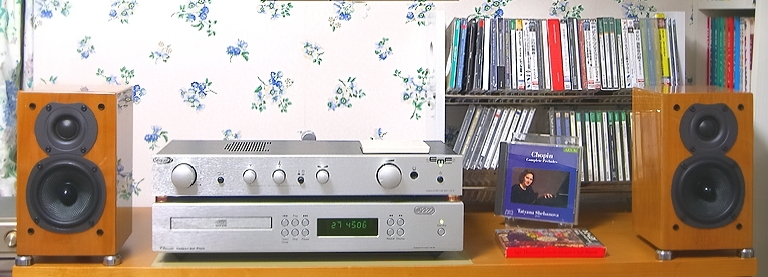
The worldwide spread of these affordable and accessible sound systems is, from a marketing standpoint, a perfectly sensible and admirable thing — it makes everyday popular music available to far more people at low cost. And yet, when you are listening to music you truly love, do you ever find yourself thinking, just for a moment… that you would like to hear it in something better?
If your favourite music happens to be acoustic music where live performance is the norm — classical, jazz, and the like — or perhaps the vocal work of a particularly cherished pop artist, you may find the sound feels somehow unnatural compared to a live performance or real human voice, or it sounds muffled, or conversely oddly harsh, and recordings you went to the trouble of acquiring quickly start to feel dull and you lose interest before long…
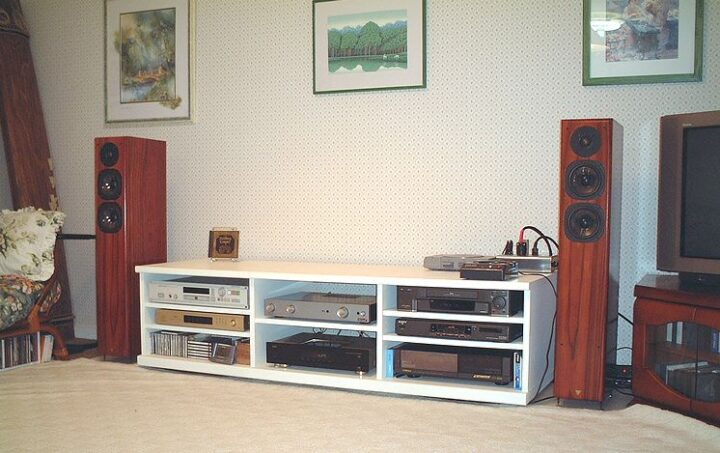
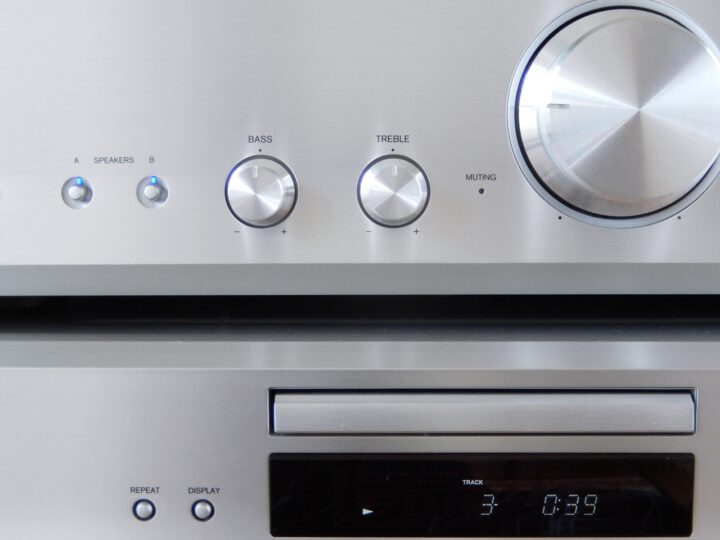
After going through various listening experiences where a low-quality playback system has been quietly acting as the bottleneck, it is only natural to start wondering: if I could replace it all with a proper separates Hi-Fi system, even a moderately expensive one, might I not be able to enjoy music in a quality far beyond anything I have known until now…? That, I suppose, is where the typical Hi-Fi enthusiast’s journey begins.
But then comes the question: what on earth do I actually need to buy to be happy? Nothing too expensive to start with, obviously… and yet the audio equipment featured in the Hi-Fi press ranges not just into the tens of thousands of yen but into figures with enough zeroes to make your eyes water. On top of that, Hi-Fi terminology is full of peculiar jargon, descriptions and expressions that mean absolutely nothing to the uninitiated — honestly, you can read an entire paragraph and have almost no idea what is being said.
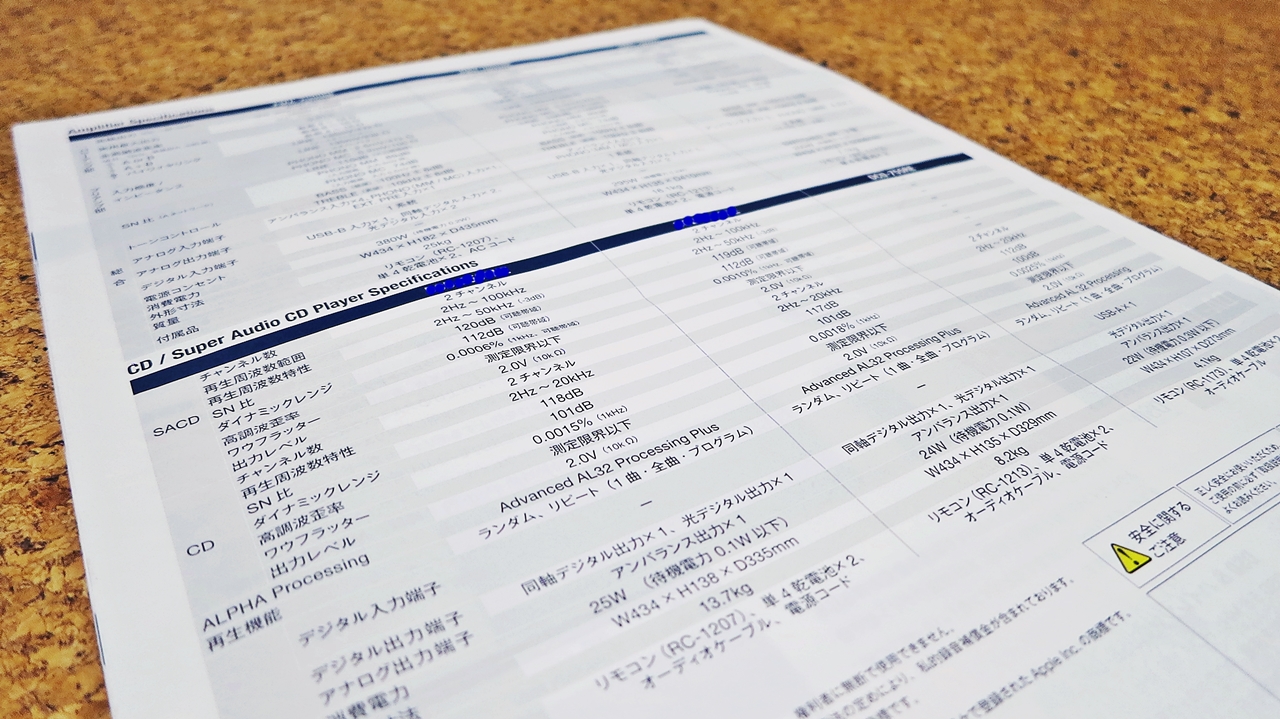
And so the tempting conclusion is: catalogue specifications are objective, scientific, and therefore reliable — I will simply choose the model with the best numbers! This sort of spec-supremacist approach to choosing equipment is all too common. The result, as happened to the author in earlier days, is that you put your trust in the five-star ratings of a well-known Hi-Fi magazine and the manufacturer’s published specifications, assemble a line-up of best-selling, highly ranked products from Kakaku.com, and spend a small fortune on the purchase — only to get it home, switch it on, and find the sound is nowhere near as musically enjoyable as you had hoped. A thoroughly dispiriting experience in more ways than one.
Hi-Fi is, to be sure, a hobby-driven pursuit and ultimately a matter of personal satisfaction — but when the original purpose, which should have been “enjoying music more fully and pleasurably,” is gradually displaced by a succession of such unfortunate encounters and missteps, the whole thing becomes inverted, and what was a means to an end quietly turns into “the satisfaction of tinkering with machinery and the desire to own prestigious brands.”
It is perfectly true that owning expensive Hi-Fi equipment can bring its own kind of enjoyment along those lines — but either way, audio equipment is, at its core, nothing more than a tool for listening to music. It is an instrument for conveying the emotions and intentions of a performer, a means of enjoying music from the heart — and I would not like that to be forgotten. As someone who genuinely loves music, and as a player in however small a way, I want audio equipment to be a happy bridge between those who create music and those who listen to it.
With that principle at the heart of everything, AUDIO STYLE — a celebration of the compact, garden-variety pure Hi-Fi system — aims to introduce, from as many angles as possible, audio equipment that stays close to the essence of music and carries a genuine pulse: equipment through which music can truly be felt. This is intended for all of you who are true music fans, music lovers, creators, and students with music as your calling.

Auto Translated by CS4.6