Part One|Part Two
Whether recent domestically made speakers available for around ¥10,000 a pair can genuinely hold up to the demands of a serious Hi-Fi enthusiast — not just the TEAC LS-H625, but across the board — is, honestly, still a somewhat grey area. In terms of objective quality, I think they probably sit in that “above bundled mini-component speakers, below proper Hi-Fi” territory — but for someone who has only ever known the sound of a cheap mini-system or an all-in-one boombox, the LS-H265’s clear, distortion-free sound and generous sense of resonance will surely come as quite a surprise.
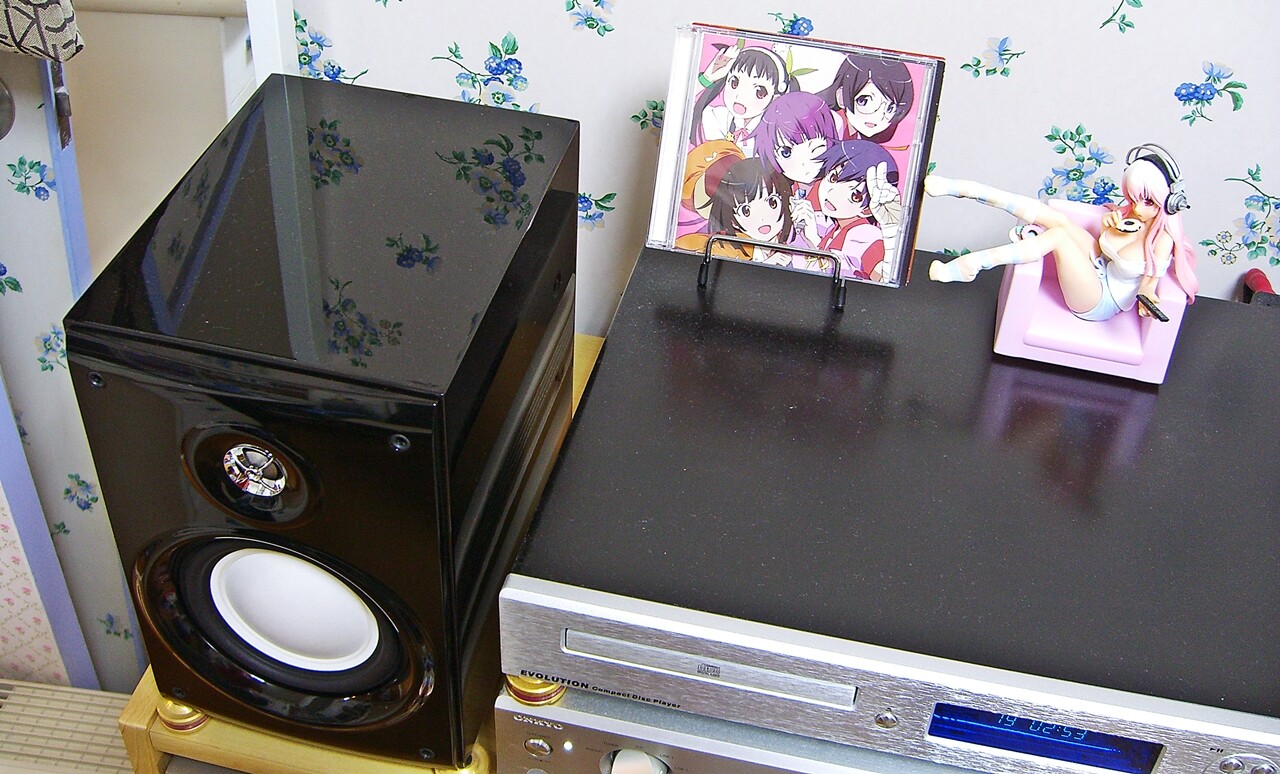
That such a clear, unbroken sound can be achieved at such a bargain price is entirely down to the manufacturer’s efforts in design and production — perhaps a testament to a distinctly Japanese kind of conscientiousness.
How Does It Compare to Other Popular Entry-Level Speakers?
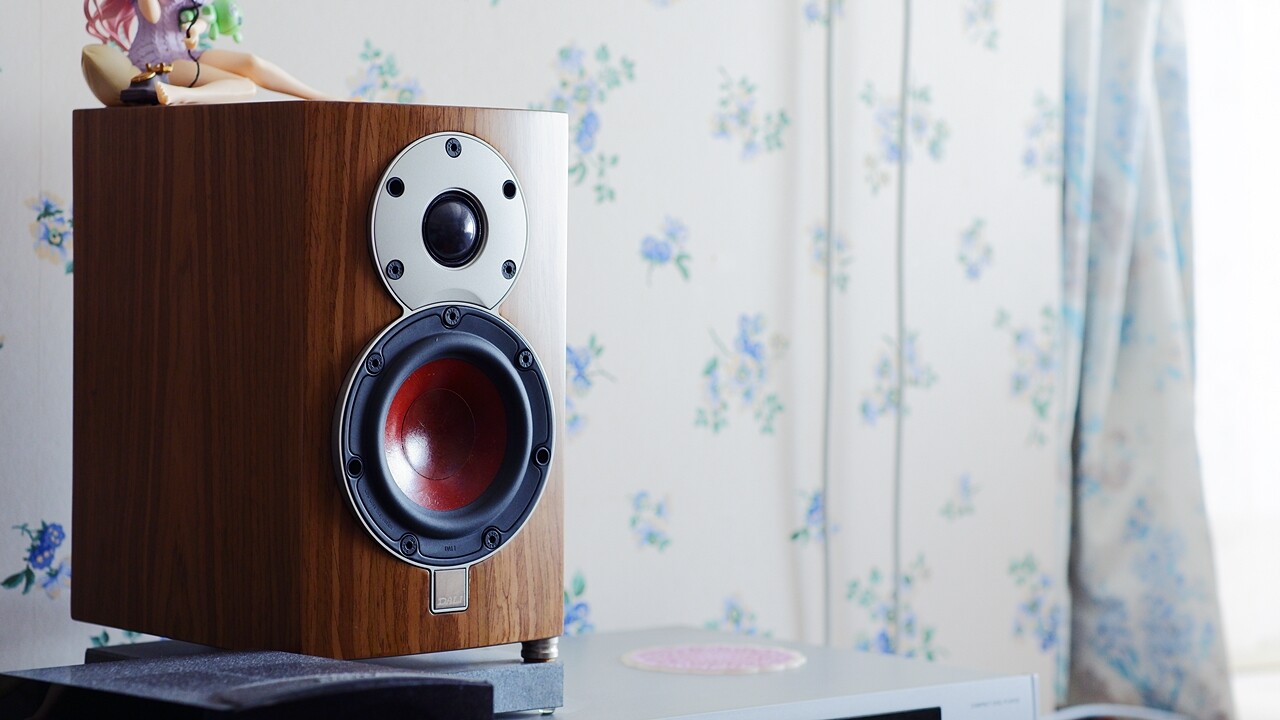
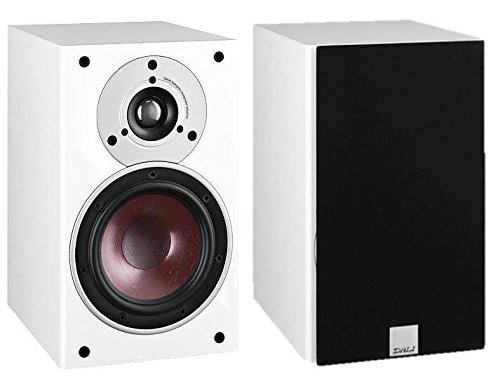
This ultimately comes down to personal preference, but assuming you are pairing with something other than TEAC equipment, and if the budget allows, the author would still recommend the DALI ZENSOR1. Or if you are looking at current models, the DALI SPEKTOR1 would be even more the recommendation.


 ポチップ
ポチップ
Also, if you find yourself taken with the sound of the LS-H265, upgrading to the company’s coaxial speaker, the S-300NEO, naturally comes into view as a next step. If you have already tried TEAC’s budget amplifiers, USB-DACs, or CD players and liked them, the TEAC LS-301 and TEAC LS-H70A are also fine options, but ideally the S-300NEO should be your first-choice candidate from the outset — that is really the proper way to go about it. ← (In terms of how you allocate your budget, DACs and cables and the like can wait — but this is the one area where you really should not scrimp.) The TEAC S-300NEO has a design that one might describe as being in the realm of Japanese artistic craftsmanship, and the tonal character has both personality and flavour. As an entry point into the rabbit hole of Hi-Fi, it lets you experience both the difficulty of high-quality reproduction — where things you never heard before suddenly become audible — and the depth that draws you ever deeper into the music itself.
 ポチップ
ポチップ
More than fifteen years ago, before budget AV surround speakers from domestic manufacturers flooded the market, if you asked whether you could buy a decent speaker for ¥10,000, there were almost no options to speak of. But then if you turn that around and ask whether the TEAC LS-H265 is on a level with the imported speakers that were sold as entry-level gear back then — the ones retailing for ¥30,000 to ¥50,000 — well, saying that would honestly be stretching it a bit too far. It is genuinely pleasing that there are now all manner of surprisingly good-sounding, well-balanced budget speakers available at prices even a student’s pocket money might stretch to, yet at the same time, the thought that some of those who buy them may remain satisfied at that level, spending years never discovering the deeper layers of sound that higher-grade speakers can reveal — that, in a musical sense, might amount to something of a loss, mightn’t it — and I cannot quite shake a certain quiet unease about that.
This is not only about the listener’s own life experience, but also about whether the expression and passion the performer wished to convey is being transmitted fully — it works in both directions, really. But what is it, exactly? When the floor of sonic performance is raised to the point where obvious flaws become hard to find, more and more people are likely to feel that what they have is quite enough already. And yet, for the pursuit of genuine richness of spirit, even if there are flaws one cannot quite overlook, a speaker that can reach into the inner life of the music rather than merely presenting a polished surface — one with that extra degree of musicality — is, I think, what is truly desirable.
 ポチップ
ポチップ
And so, in these times when deflation and cost-cutting have thoroughly permeated everything — a kind of “fast fashion” approach to… well, shall we call it “fast music?” — I find myself feeling rather conflicted. But this is not something that can be laid at the door of any individual listener, nor of any audio manufacturer; it is one of those currents of the world — of the age — that none of us can resist.
The closest rival to the LS-H265 would have to be the YAMAHA NS-BP200.
 ポチップ
ポチップ
That aside, as I have written a number of times before, I do believe that Japanese dialogue and Japanese music in general are most naturally rendered by speakers designed by Japanese engineers. Conversely, Western music tends to feel more at home through European speakers. Among all Hi-Fi components, it is in the speaker’s voicing that the instinctive differences in vocal production and intonation make themselves felt most keenly. As an entry-level domestic speaker that conveys the Japanese voice most naturally, with the TEAC LS-H265 leading the way,
・SONY SS-CS5
・DENON SC-M41
・DENON SC-A37
・FOSTEX Kanspi Speaker System Hi-Res P802
・PIONEER Series 3 S-31B
・ONKYO D-NFR9
And so on — with such a rich selection available at street prices of around ¥10,000 a pair, there is no shortage of choices, and the whole thing carries genuine significance in terms of widening the audience for music as an entry point into Hi-Fi. So I do hope that each manufacturer will continue to excite us further with wallet-friendly budget Hi-Fi for years to come.
Who the TEAC LS-H265 Is Recommended For
· Those who want a reasonable level of sound quality but simply cannot — or do not wish to — spend money on Hi-Fi.
· Those who have already purchased and taken a liking to TEAC’s entry-level full-size integrated amplifier, the A-R630MK2, or the Reference 01 series, its successor the Reference 301, or the higher-end Reference 501 — any of the compact system components in that range.
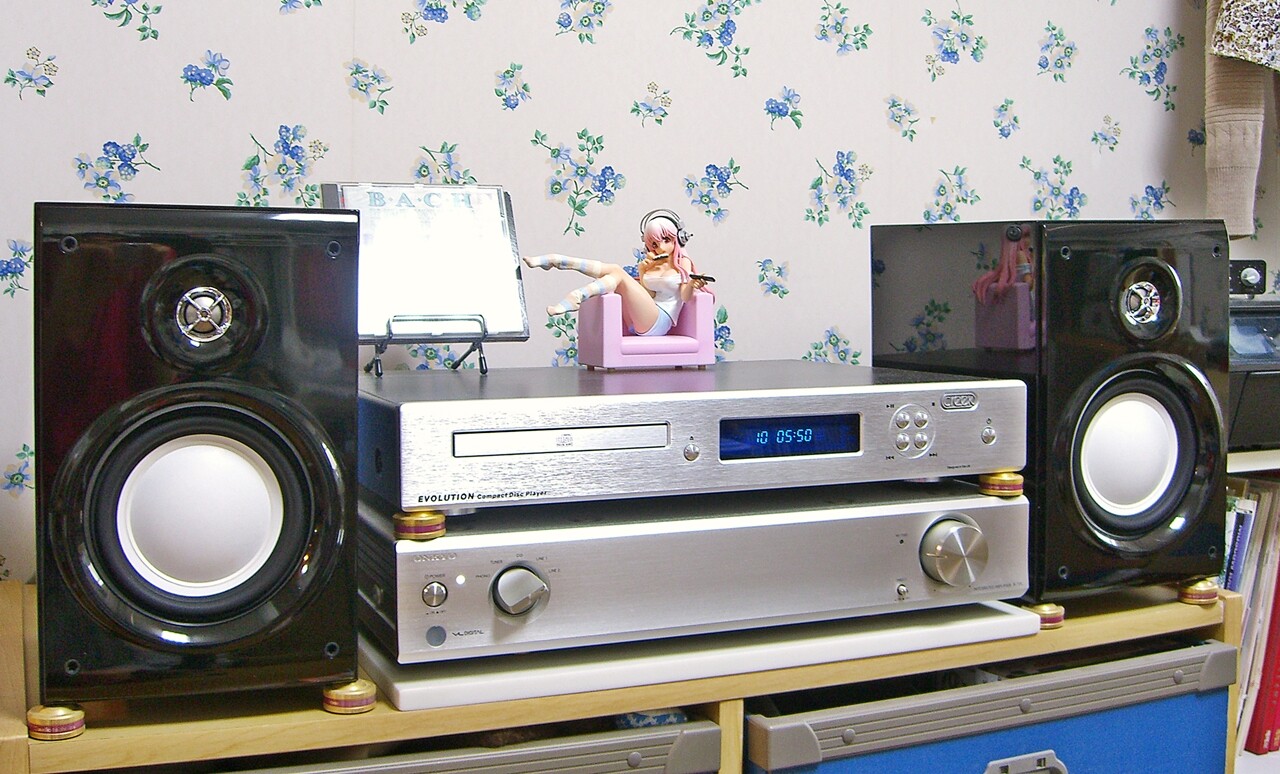
· As a replacement for the dry, murky, uninspiring speakers that tend to come with mini-systems.
· Those who enjoy a gentle tonal character and a sense of being enveloped in sound, or those simply looking for a good background music speaker.
· Those who want a generous sense of low-end weight and soundstage below 100Hz, of the enveloping kind — it produces bass that punches well above its class.
· Genres that suit it particularly well: understated Japanese music through to instrumental, laid-back fusion and smooth jazz; for classical, early music or small ensembles with older recordings. Cello and timpani. Classical guitar solos. It is better suited to the reproduction of acoustic instruments than tight electronic music.
 ポチップ
ポチップ
Who It Is Less Recommended For
· Those with a speaker budget of ¥20,000 or more. (There are plenty of better speakers available at that level. Within the TEAC range, the aforementioned S-300NEO is the more refined choice.)
· Those who want powerful energy, density, and punchy, well-controlled dynamics from their sound.
· Those who prefer a dry, high-resolution sound.
· Those who actively want to enjoy high-resolution Hi-Res audio sources.
· As the voicing relies heavily on the rear bass reflex port, it is not recommended where less than 10 cm of clearance behind the speaker is available.
· Near-field listening environments — the cabinet is rather large, which means the titanium dome tweeter ends up rather too close to the ears, and I do not think that is particularly good for one’s health. This speaker performs far better balanced when listened to from a reasonable distance.
Part One|Part Two

 Category: SpeakersCategory: TEAC / ESOTERIC
TEAC LS-H265 Quoted Specifications
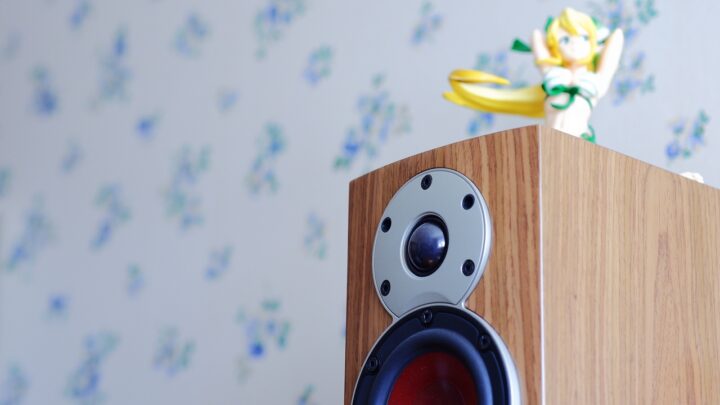
The LS-H265 is designed with an emphasis on matching the Reference series. It is a full-featured bookshelf 2-way speaker system equipped with a 20mm titanium dome tweeter offering excellent transient speed and high resolution, together with a 133mm paper cone woofer with large centre cap. The combination of tight, effortless bass even at low volumes and the refreshing high frequencies characteristic of a titanium dome tweeter achieves a soundstage reproduction that belies its size.
■ Titanium Dome Tweeter for Uniform High-Frequency Dispersion
A 20mm titanium dome tweeter with excellent transient speed and high resolution is fitted. This achieves high-frequency characteristics with minimal coloration. It renders the texture of a performance with rich presence, while also maintaining stable characteristics during continuous high-power drive. The waveguide on the front baffle contributes to improved presence characteristics, and is an important element in enriching the expression of depth and soundstage. It also serves to protect the drive unit, which handles the most delicate frequency range.■ Woofer Unit with Large Centre Cap
A 133mm woofer unit fitted with a large centre cap is employed. The centre cap effectively attenuates unwanted high-frequency energy, achieving a natural transition between woofer and tweeter.■ Rear Bass Reflex for Rich Low-Frequency Reproduction
The rear-mounted bass reflex port achieves a richer and more extended low-frequency reproduction.■ Additional Features
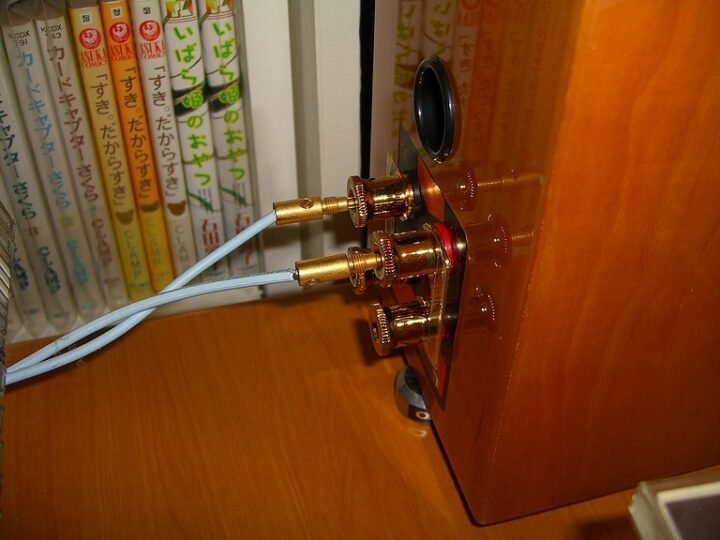
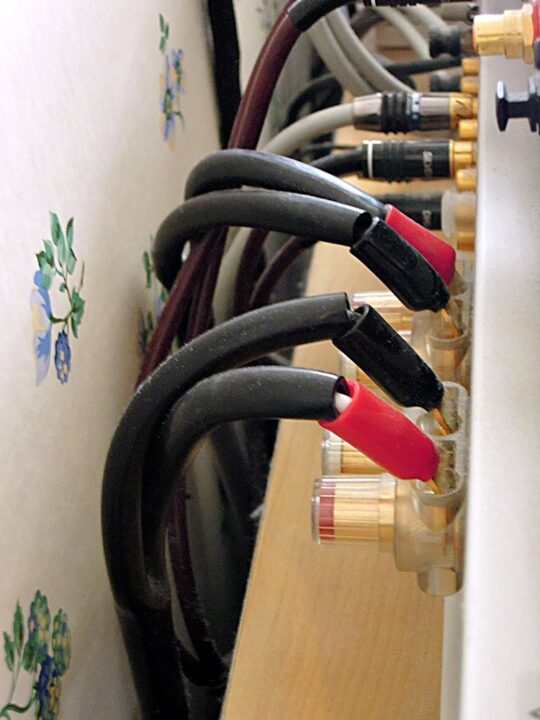
Gold-plated input terminals, banana plug compatible input terminals, magnetically shielded designType: 2-way, 2-speaker, bass reflex (magnetically shielded)
Manufacturer’s Website
Drive Units:
Low frequency: 133mm paper cone
High frequency: 20mm titanium dome
Frequency Response: 55Hz–30kHz
Maximum Input Power: 50W
Impedance: 8Ω
Sensitivity: 86dB/W/m
Crossover Frequency: 1.7kHz
Cabinet Volume: 8.0 litres
Dimensions: 174mm × 268mm × 246mm (including grille and terminal protrusion)
Weight: 3.6kg per unit
Accessories: Speaker cable (2m) × 2, owner’s manual, warranty card
Auto Translated by CS4.6
List of comments (7)
身銭を切っての実機批評は大変参考になります。
以前TEACのS-300(前のバージョン)を同軸2ウェイに惹かれて検討したことがありました。
変わったスピーカーが好きで、前はタイムドメイン系のMarty101とか(息子の所でテレビ用になってます)、平面のや最近ではエレスタットスピーカーなどに手を出しています。最近の液晶テレビの最悪な音を補正する目的で前から気になっているのはTDKのSP-XA160というアクリル板を鳴らすものなのですが、実際の音に触れられないので二の足を踏んだままです。やはり人柱になってレポートしないとダメですかね?
こんばんは、、、いつも遅レスすみませぬぅ。
直接比較したわけではないですが、たぶんS-300よりはS-300NEOの方がクリアになってる気がします。先代のS-300系列は箱もアレですし同軸トゥイーターの弊害による混濁感が強く感じられ、個人的には耐えられませんでした。店頭でどこでも置いてあった気がしますが、聴く度に・・・・・・ってなってた。でも今聴くとそれが味わいに聞こえてしまいそうで怖いです(笑)。S-300NEOもですが、アンプが合わないと簡単に破綻しそうなスピーカーですよね。スピーカーと同じ3万のアンプじゃ鳴らないでしょこれ~!?みたいな。S-300NEOは箱の質感が大きく向上して、なんというか大正浪漫を感じさせるハイカラな佇まいだとおもふw これで日本生産してたら最高だったかも・・・漆塗りとかで。
TDK SP-XA160、以前にお店で見た気がしますが音は覚えてないです。TDKのコンセプトは面白いと思いますが続かずにそのままフェードアウトしまいましたね。アクリルパネルではありませんが、リボントゥイーターやエレクトロスタテックのスピーカーは個人的にも好きです。でもなんか日本に入ってきません・・・マーティンローガンとか長らく途絶えてますし。Martin Logan LX16が密かに欲しいスピーカーだったりします。
SP-XA160は中古のお値段次第ではないでしょうか?自分でしたら5Kを超えたらイラナイかな~?タイムドメイン系のスピーカーは素材的にプラスチック素材が多用されていて無機的な音がしますので、そこが安っぽさに繋がらないようにするには、やっぱりまだ色々工夫が必要な気がします。
ヨドバシでLS-H265を試聴した時は音質が良くてびっくりしました
DALIぐらいの値段だとLS-K901が一番好きです。 DALIとONKYOはあんまり好きになれませんでした。
LS-H265は比較的悪環境に強いと思いますので、量販店のように機器から長い引き回しでスピーカーが沢山数珠つなぎされていると更に美点が際立つと思います。そしてLS-K901もですが、低域が良く出るスピーカーがお好きな人(音楽の低音域を中心に愉しみたい人)には、DALIはどれもあまり向いていません。クラシック音楽向けにかなりデフォルメされた楽器の生々しさ、アコースティック感、ホールトーンの再現性、音楽性の高さがDALIの魅力です。
ONKYO機はONKYOのアンプと直接組み合わせた上で、明快なドライブ感とクリアな切れ味を愉しめるかどうかですね。こちらは邦楽洋楽問わずロックポップス~ジャズの現代録音向き。DALIもONKYOも得意ジャンルが偏るとは思いますが、それぞれの音楽愛好家向けに良く作られている製品が多いです。
TEACもKENWOODもJVCもONKYOもDALIも、千差万別で種々様々な音のスピーカーや再生機器があるのは、作り手も含めそれだけ色々な好みの音質や好みのジャンルの人がいるからですので、実際聴いた上で好みの一組を選ばれるのが一番だと思います。
pastelさん
こんにちわ
ご無沙汰しております。
私もいろいろありつつもなんとか元気にやっております。
スピーカーのレビュー、熱いですね。価格の制限というネックはあるものの、一部のメーカーでは良心的なモノづくりを続けているようでありがたい限りです。
最近、ダリのメヌエットIIをヤフオクで入手しました。が、なんと一本の出展で届いてからどうしたものかと思いましたが、一本でもその音のよさは実感できました。1本1万ちょっとでしたが、さすがに2本セットだと5万円台です。でも5万円台なら全然安いです。
後継機種のメンソールメヌエットも何度も試聴していますが、全然、異なる音で全く納得できません。ロイヤルラインから外れたのは実質のランクダウンであったのではと思いますが、ダリに限らず往年のメーカーが、どんどん新しく変わっていくのは、なにかとてもさみしく感じます。
ところで、最近のメインとサブの内容をまとめてみました。結局、メリディアンの200シリーズとリンのマジック+アイケミという英国のコンポは本当に納得のいく音でした。もう自分の中では、1980年~90年代のオーディオでこのまま一生いけるのではという感じがしています。
■<メリディアン200シリーズ:納得のブリティッシュサウンド オーディオ銘機探訪>
http://arukunakama.cocolog-nifty.com/life_i_love_you/2014/10/200-6a18.html
当然、新しいものも横目にみつつですが、とにかく最近のモデルは元値が高すぎてかないません。
とぼやいていても仕方がないので、ここら辺で。
ではでは^^?
しばやんさんお久しぶりです。一ヶ月遅れのレスですみませぬ。。。10月から鬱が重くなってしまいしばらく撃沈しておりました。先週のCTと血液検査で結果が少し良くて気分が晴れたかも。。。なのでぼちぼち動き出してます。ブログ再開するかはまた思案中ですけれども。
LINN IKEMIとはすごいですね!おいそれと手が出るCDPじゃないです。昔とあるオーディオシッョプで試聴時のリファレンスに使わせて貰ってました。うらやましひ。
DALI MENTOR MENUETですけれども、最初はロイヤルシリーズがディスコンになったショックで見る気もしませんでしたが、ロイヤルメヌエットと比較せずにDALIの全く新しい別のスピーカーとして聴いてみると、案外かなり優れたスピーカーではないかと思うようになりました。古い録音では旧ロイヤルに分がありますが、新型はクラシックの近代的な小型小ホールのアコースティックな再現性に長けてますし、現代のクラシック音楽全般や録音が比較的新しい女性ボーカルに向いていると思います。
血の通った音楽性の高さは、評価が高い下位のZENSORシリーズやLECTORシリーズすら大きく凌駕してますし、特に30周年記念のMENTOR MENUET SEは(懐に余裕があれば)今すぐにでも欲しいスピーカーだったりします。中身を見るとVifaのツイーターやネットワーク、ペーパーウッドコーンウーファー等々、クラスを超える高級パーツがしっかり奢られていてランクダウンではないと思います。音楽性の指向性が新時代的で明るく若々しいですので、影が足りないとは云えますけれども。
そういや近所お店で長年売れずに放置されていたロイヤルタワーは先日見たら無くなってました。指咥えてる間にどこぞの誰かに持ち去られてしまったぁw 最近のモデルではMENTOR MENUET SEかソナス・ファベールのTOYが音楽愛好家向けに一押しなのですけれども、TOYはフランコ・セルブリン氏がなくなってディスコンになってしまいました。今ね知人に15万でのサブシステム構築を依頼されていて、メインのスピーカーにノーマルのMENTOR MENUETをセレクトしています。