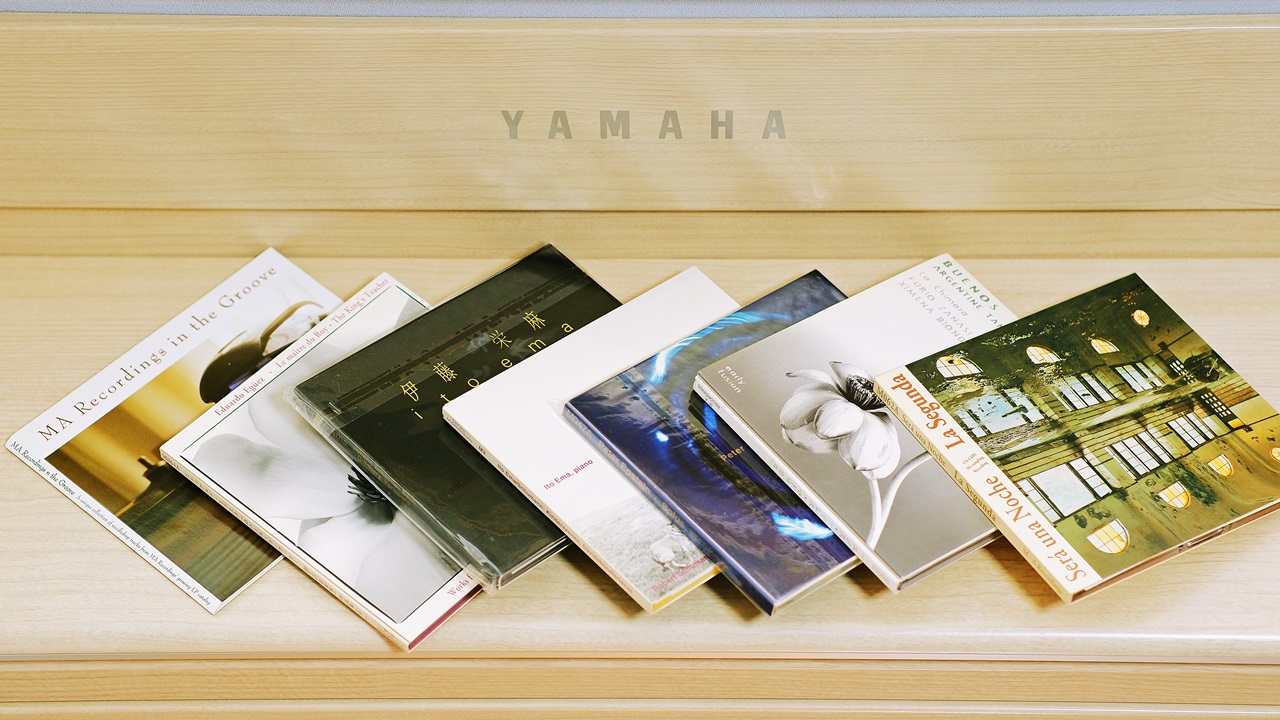
The M.A Recordings label — a minor American label run by Todd Garfunkle — accounted for the majority of tracks on the high-quality sampler CD bundled with Audio Accessory magazine issue 117, which I wrote about in this article.
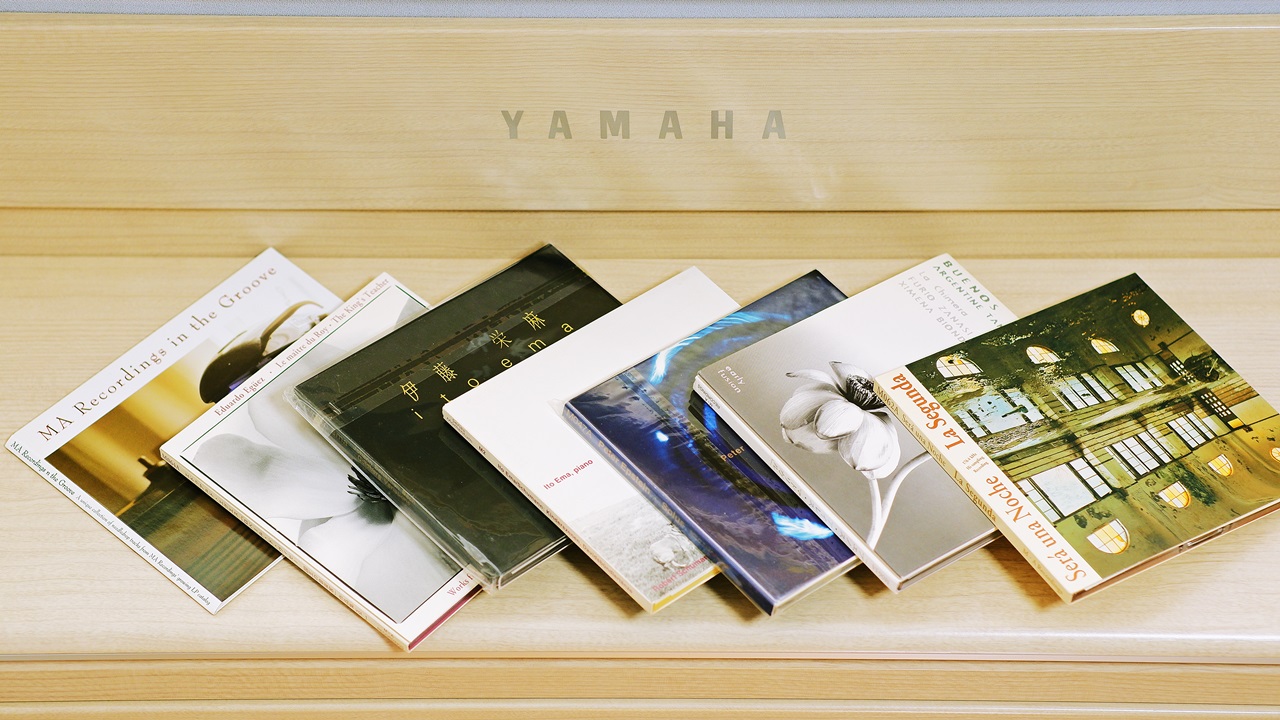
The sound quality was so stunning that I found myself ordering about six discs directly from the United States. I would like to introduce those CDs over the course of several posts.
M.A Recordings Disc 1: Ema Ito’s Goldberg Variations
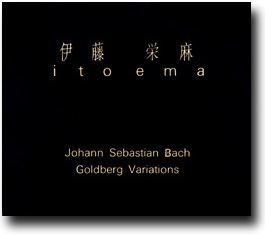
First up, classical piano. The Bach Goldberg Variations performed by Ema Ito (piano). This CD was not included on the Audio Accessory magazine sampler and is not currently sold in Japan, but since the recordings I normally collect are mainly classical piano, and it was also a recommended disc from jazzaudiofan, I decided to splash out and purchase the 24-karat gold disc edition (postscript, September 2006: the gold CD has sold out).
MA Recordings releases are also featured in this article
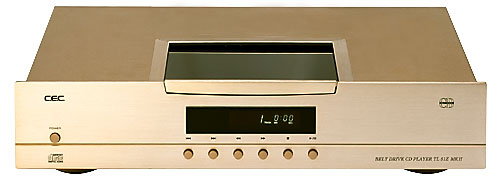
Todd Garfunkle must have considerable confidence in this recording, as it has been made available in no fewer than three formats: standard aluminium disc, 24K gold disc, and vinyl. It is treated as a particularly important release in the early period of M/A Recordings. The recording venue is Harmony Hall in Matsumoto. The piano is an old Steinway from 1903. With great anticipation, I play it first on my main system. (The current configuration at time of writing is CEC TL5100Z / ONKYO A-1VL / Vienna Acoustics MOZART T-2)
What on earth is this?????!!!!!
…Honestly, I panicked at first.
To put it plainly: the piano sounds like a broken honky-tonk instrument on the verge of giving up entirely, the recording has a hollow, boxy quality reminiscent of a cheap toy percussion set, the bass is mushy and vague, and the resonance clings to the piano like some artificial electronic reverb. As for the playing, it is impossible to tell whether it is good or bad. The sound is diffuse and hollow, completely lacking the vital energy that matters most, with that half-baked balance you often find in privately produced vanity recordings. Honestly, I think I went rather pale. Not knowing what to do, I stopped the disc and went out to get some work done.
I thought it over in the car. First of all, this was recommended by jazzaudiofan — and more than that, it is clearly a recording that M/A Recordings regards as important and stands firmly behind as a high-quality release.
For reference, the recording equipment used was as follows:
・Microphone: Tone Craft 2013 / titanium capsule
・Microphone cable: CARDAS 300B
・Digital cable: Aural Symphonics
・A/D converter: dCS 900B
・D/A converter: Nakamichi 1000P
・DAT transport: Nakamichi 1000
・DAT tape: Kao
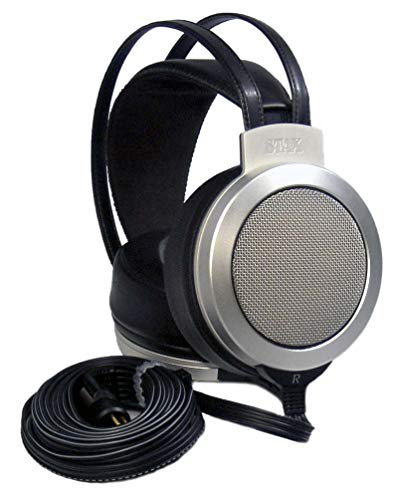
・Monitoring headphones: STAX OMEGA
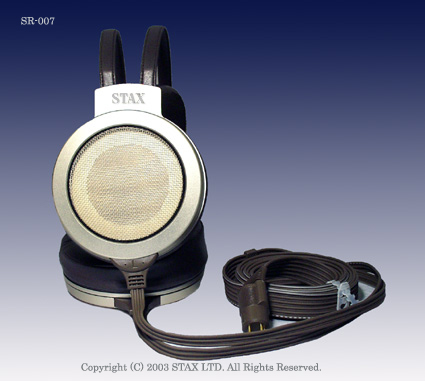
Equipment that would leave even a dedicated Hi-Fi enthusiast wide-eyed. With all that, the sound can hardly be bad — can it? And yet, it simply does not sound good.
Hmm.
Could it be — just possibly — that something is wrong with my own Hi-Fi system?
Back home, I briefly played a few of the other M.A Recordings CDs that had arrived in the same order. They sounded perfectly fine — broadly the same quality as the Audio Accessory magazine sampler CD. Well, this is a problem. What am I supposed to do? Still, I can hardly write a proper report leaving things as they are, so I try playing it on the secondary system in my study.
The current secondary system, for reference, is PIONEER DV-545 / TAG McLaren 60i / audiopro Image11.
To begin with, the reverb is beautiful. A generous, full sense of ambience fills the small room. The bass is a little thin, but the audiopro IMAGE11 never puts out much in that range to begin with, so it is not a concern. And the movement of the sound is clearly visible. As a result, you can properly follow the detail and care that Ema Ito brings to her interpretive choices. On the main system, the sound was like a honky-tonk piano fitted with bells, amplified through a PA system at a live venue — whereas on the secondary system, the height and size of the hall, the beauty of its acoustics, and the characteristic sound of the old Steinway all come through: not mechanically precise, but seasoned and mellowed with age.
How can this be? Hmm.
At any rate, since the secondary system produces a decent sound, the situation is salvaged — but the suspicion that something is not quite right with the main system begins to take shape in my mind.
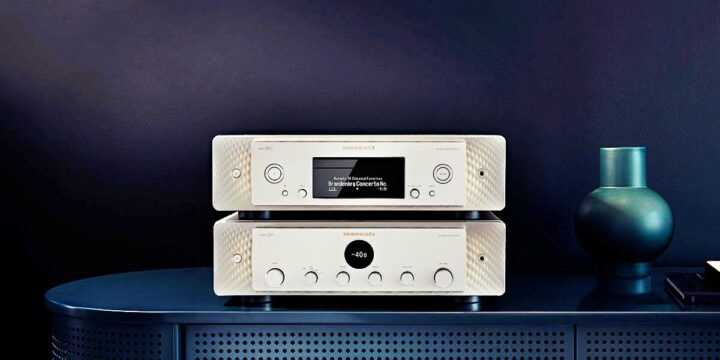
There is undeniably such a thing as compatibility between a recording and the playback equipment. If I had only my main system, I might well have written this off as a terrible recording and sent it to Yahoo! Auctions. Yet on the secondary system, the sound quality comes alive magnificently. The reason I repeatedly recommend, here on this little corner of the internet that is AUDIO STYLE, that music lovers own more than one system, is precisely because compatibility issues of this kind are always lurking just around the corner. In other words, depending on how well a recording and a piece of playback equipment get along, even a fine performance can end up sounding like a poor one — and it would be a terrible shame to pass quick judgement on a particular performance, liking or disliking it, good or bad, based solely on such a limited and skewed listening experience. It feels like a disservice to the music and the musician.
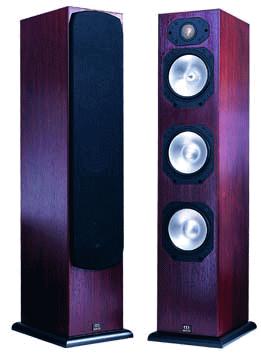
One thing that occurs to me here is that jazzaudiofan‘s system probably has a straightforward, unfussy character similar to my secondary system (differences in grade aside) — which, in a sense, is only natural given that the speakers are  Monitor Audio Silver S8. And yet, even knowing that, there remains the uncomfortable fact that the sound from my main system is not behaving normally. To put a generous spin on it — and being partial to the seductive sound of Vienna Acoustics — one could say it is simply exposing the shortcomings of this recording with its sheer resolution. A M.A Recordings engineer might well counter that this is precisely what makes it a litmus test recording, capable of serving as a measuring stick for a system’s quality and accuracy — and that any system unable to reproduce this single-point recording properly must have something wrong with it.

To be clear: compared to standard major-label piano recordings, the sound of this Goldberg is unusual. Jazzaudiofan, who describes himself as a beginner when it comes to classical music, compared it to the Glenn Gould recordings he purchased around the same time, and wrote:
That is what he wrote — though to begin with, Gould’s Goldberg Variations are themselves quite far from the norm among classical recordings: the Yamaha piano used in the second recording was modified, and the tuning, voicing, and regulation of the instrument, combined with Gould’s own highly individual performance style and interpretive approach, and the recording method itself, make the Gould disc something rather eccentric and extraordinary. In that sense, it is not really a suitable reference for comparing recording conditions. That said, even measured against Gould, the Ema Ito recording does have a distinctly unusual quality — something perhaps characteristic of single-point recording.
Note: this Gould disc is discussed in more detail in this article

 ポチップ
ポチップ
And then there is the simple fact that, on the secondary system, this unusual recording still manages to sound rather good. What does that mean? This issue, as it happens, is one I also encounter with NAXOS recordings. A main system that struggles with single-point recordings, and a small secondary speaker system that handles them reasonably well. Those who have truly mastered Hi-Fi would probably laugh at me for floundering about at such a basic level — but for me, someone who puts music before equipment, this is a genuinely vexing problem. The road of Hi-Fi is indeed a steep one.
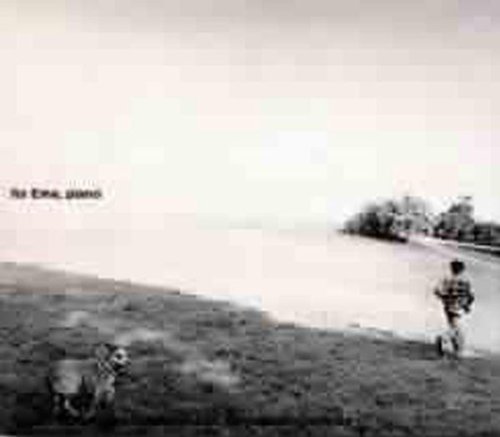
M.A Recordings Disc 2: Ema Ito — Schumann, Kinderszenen & Davidsbündlertänze
Since the recording venue and piano are the same, the sound character here is broadly in line with the Goldberg Variations. That said, the Schumann recording feels slightly closer-miked, perhaps capturing a little less of the hall’s indirect sound — and I have the impression that the Goldberg Variations is the more ambitious and ultimately more impressive recording of the two.
 ポチップ
ポチップ
The recording equipment used on this CD is as follows.
・Microphone: Brüel & Kjær 4006
・Microphone amplifier: M.A original
・Microphone cable: CARDAS GOLDEN CROSS 1+10m
・Recorder: PIONEER D-07A (modified)
・Monitoring headphones: STAX Λ Signature
I am not deeply familiar with microphones, but the recorder and monitor seem to have stepped down a grade — or perhaps compactness and portability were given priority. The CARDAS cable, however, has been upgraded to the top-of-the-line GOLDEN CROSS.
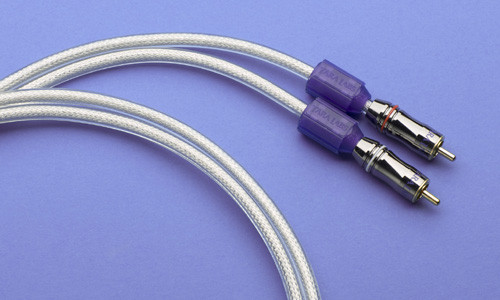
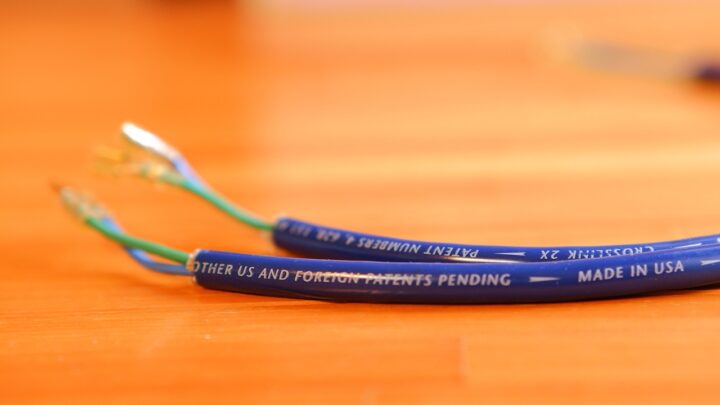
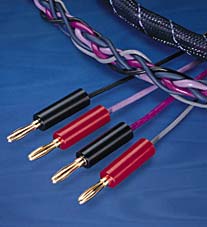
Since the microphone cables used in M.A Recordings’ sessions are Cardas, today I swapped the speaker cable on my secondary system from the Space & Time Omni to the Cardas Crosslink 2X. One might point out that the prices are worlds apart — and fair enough — but the Crosslink 2X does suit the tonal character of the recording better, bringing greater transparency and a more convincing sense of realism.
The playing is unhurried and richly nuanced, and Kinderszenen in particular leaves a gentle, agreeable impression. Even so, this vintage Steinway really is a fascinating instrument. Rather than any oddness in the recording itself, the distinctive personality of this particular piano may simply be quite exceptional. There is something bell-like about it, as though a harpsichord had somehow found its way into the mix. I wondered whether the piano might be kept at Harmony Hall in Matsumoto — but a quick search revealed that it was apparently brought in by Ema Ito herself. I would very much like to hear her perform live on this instrument, if the opportunity ever arises.
M.A Recordings Disc 3: Peter Epstein — “Solus”
A solo recording by Peter Epstein, who appears to be something of a resident artist on M.A Recordings, playing saxophone across many of their releases. Track 4 on the CD sampler from Audio Accessory magazine issue 117 is also taken from this disc.

The recording equipment is much the same as on the Ema Ito Schumann disc. It was recorded at the Church of San Martino in Italy, and the acoustic reverb is superb — the sound quality is simply wonderful at its core. Listening to a recording like this, I am once again convinced that M/A Recordings’ approach to capturing sound is not wrong. I do not normally listen to much jazz saxophone, but this disc is one that even a classical music lover like myself can genuinely enjoy.
The microphones differ from those used on the Ema Ito disc:
・Microphone: B&K (DPO) Omnidirectional 4006
・Microphone amplifier: M.A original
・Microphone cable: CARDAS GOLDEN CROSS 1+10m
・Recorder: PIONEER D-07A (modified)
・Sampling rate converter: DB Technologies 3000S 96kHz Optimizer
The setup is quite simple, as you can see.
The first half of the programme is classical: Bach’s Partita No. 2 for solo violin, played on saxophone. It works surprisingly well — frankly more listenable than many a mediocre violin recording. Tracks 1 through 4 follow the original score, while track 5, the “Chaconne”, takes the thematic material and reworks it freely in an improvisatory manner. The second half is built around Epstein’s own compositions, and these are equally remarkable. Track 6 in particular, “PI”, is extraordinary. Just as the Partita has lulled you into a pleasant half-drowsy state, this piece arrives — and its strange, gripping musical world pulls you in before you are even fully aware of it. You wake with a start, heart pounding, almost alarmed by the sheer intensity of its centripetal force. Epstein’s other compositions have a contemporary music feel, and there is much to enjoy in the variety of saxophone techniques on display, many of which I had never encountered before. As I mentioned at the outset, the sound quality is outstanding throughout — this is an essential disc for any audiophile.
 ポチップ
ポチップ
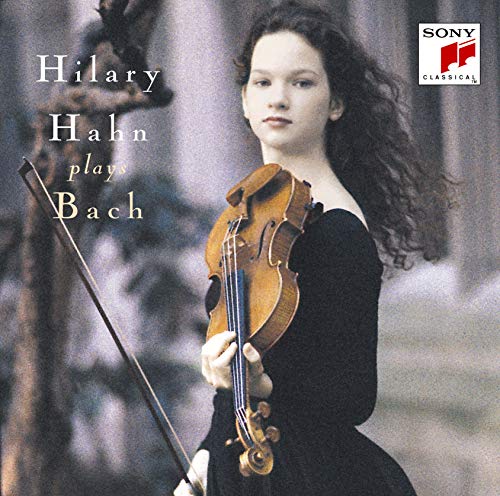
For reference, the CDs I used to compare with the original Partita are as follows. First, the debut CD by Hilary Hahn, recorded when she was seventeen — recommended to me some time ago by the proprietor of Ippinkan.
 ポチップ
ポチップ
And the complete Bach Sonatas and Partitas for Solo Violin by Teiko Maehashi.
Both are attractive performances. The recording label is Sony Music in each case, but Hahn’s is more audiophile in character — Hi-Fi in a polished sense, though the texture is somewhat dry with that SBM-ish powderiness to it. Personally, I prefer the Maehashi recording for its more natural presentation (though it does lean noticeably bright in the treble). Incidentally, the complete set comes as a two-disc package.

Auto Translated by CS4.6

List of comments (6)
いやー、メインシステムではそんなにダメダメでしたか。
サブシステムではOKとのことで少しほっとしましたが、強烈にオススメしたのでちょっと責任を感じます(^^;)。
「普通のピアノの音と違う」ことは認識してましたが、クラシックの経験が少ない(ほとんどない)もので、その異質さを過小評価していたかもしれません。
自分のシステムで素晴らしいと思うCDを他の人のシステムでかけてもらうと全然よくない、という経験を何度かしています。これはやはりシステムと録音の相性なんでしょうか。うちはたしかに解像度はそれほど良くなく、SPは「うまくまとめてきかせてくれる」タイプ。周波数帯域の両端もあまり出てませんしね。
ほとんどピアノしか聴かないというオーディオの先輩がいるので、今度彼の意見を聞いてみます。
>自分のシステムで素晴らしいと思うCDを
>他の人のシステムでかけてもらうと全然よくない、
>という経験を何度かしています。
これは私も同様に経験しています。そこがオーディオの難しさでもあり、
面白さでもあり、迂闊に他人にCDを薦めにくい部分だったりするのですが、
最終的な目的は、オーディオの音を聴く為のオーディオではなく、
あくまで音楽を聴くための手段としてのオーディオな訳ですから、
大切なのは、録音された音楽がありのままに蘇ることであって、
(注:音楽のためにオーディオを合わせていくのが本来の姿であって)
上手く再生できない場合は、システムのセットアップあるのみです。
複数のシステムを使い分けるのも、その一つの解決法かなと。
ウィーンアコースティックのスピーカーも決してフラットではありませんが、
中域中心に鳴っているようでいて意外と上下共に広帯域で出てしまうのと、
音質が元々かなり柔らかくてバスレフの低域が緩く広がるキャラクターがあり、
収録方法と合わないと、過度にぼわぼわ~んってポン付いてしまい、
時々、それが心地よさを通り越して据わりの悪い不愉快な感じになってしまいます。
>ほとんどピアノしか聴かないというオーディオの先輩がいるので、今度彼の意見を聞いてみます。
是非その方のシステムで再生してみて下さいませませ♪
あと、ゴールドベルクの高音質録音でしたら、
やはりキース・ジャレットを聴かれるのが良いと思います。
これはチェンバロですが、ECMの音の良さには吃驚しました。
キースはジャズピアニストですが、クラシックピアニスト以上に
オーソドックスな解釈で教科書的お手本のような弾き方をしています。
あと、平均律クラヴィーアの方はピアノで弾いていて、これも素晴らしい音質です。
風邪が治ったようで、良かったですね。
引き続きよろしくお願いします♪
伊藤栄麻さんの「ゴールドベルク」と「子供の情景」、ピアノマニアの先輩宅で聴いてきました。特に変なところはなく、僕の家での再生と本質的にそう変わらない音でした。
先輩のコメントは「反響のある空間で、比較的クロースマイクで録音している。録音はグッド。演奏はもともとテクニカルな素材ではないが、十分グッドである」でした。僕はこの「グッド」というのは「エクセレント」ではないという意味にとりました。
先輩のシステムの詳細はブログの方に書きましたので、良ければご覧ください。
こんばんわ(^^)
残念ながら未だ治ってない&今日も病院に行って来ました。
正直、ブログ疲れもあるのかなぁ…。
いつの間にかランキング順位がJAZZ&オーディオ通信と逆転してしまいましたね_| ̄|○
読者の皆様、ここ読まれていたら問答無用で往復クリック夜露死苦!(´Д`;)
6月に入ってから結構気分的にも疲れてしまっていて、
風邪で追い打ちでした。精神的には大分回復していますが、
アクセス解析導入が良くなかったです。これ、精神を蝕みますね…。
色々左右されるタイプなので今後は敢えて見ないことにします。
風邪が早く治るといいですね。
ブログもお互い無理をせずぼちぼち行きましょう。
ランキングは新しくカテゴリーができたので、僕は「ジャズ」に移行しました。
ここでは上位キープが比較的簡単かも(笑)。
ちなみにアクセス解析ってどんなことがわかるんでしょう?
私は”一般”に移行しました。オーディオってカテゴリを作って欲しいかも。
アクセス解析の件は長くなりますので、
後日改めてメールでお知らせしますーd(^_-)。