Happy New Year 2021! It’s been a while since I last updated the blog — how is everyone getting on, with the world in such a difficult state these days? Over the past year, many of you have probably been spending quiet time at home, working remotely or simply staying in, turning to music playback for a change of pace. Here at AUDIO STYLE, it is precisely because of times like these that I’d like to keep on talking about music and Hi-Fi as a hobby — as if nothing were the matter — while sitting warm in the listening room, forgetting the blizzard howling outside the window, and all the troubles that come with it.

Right then, pulling myself together — for the first entry of 2021, I’d like to introduce all at once the best 15 Hi-Fi and home electronics & PC gadget purchases I made throughout 2020. Here we go!
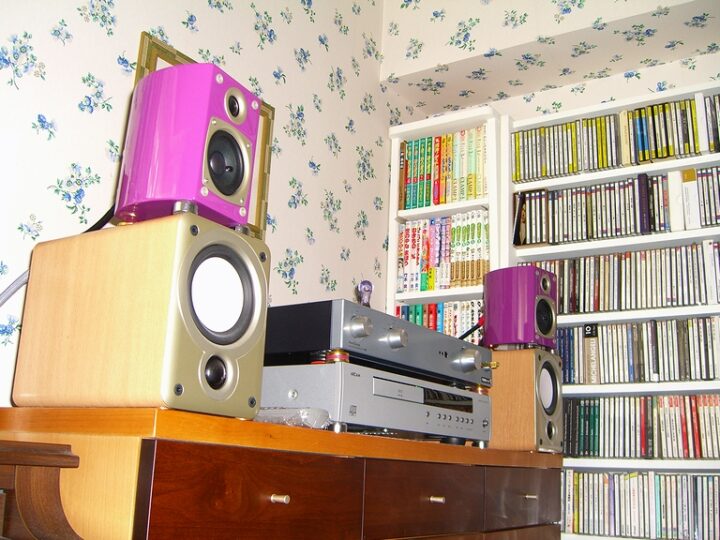
DALI MENUET — Compact Standmount Laudspeaker (Made in Denmark)
The MENTOR MENUET from Danish brand DALI — a speaker I had been longing for as a sub-system speaker for over ten years, all the while gazing at it in shops with nothing but wishful thinking. Then in 2013, a Japan-market limited edition called the MENTOR MENUET SE was released, with its crossover network improved based on the flagship EPICON. And in autumn 2015, the successor model arrived: the DALI MENUET (standard) — looking almost identical on the outside, but virtually a complete redesign inside, with circuitry, drivers, and cabinet all moved from the MENTOR lineage (close to the old HELICON) over to the current RUBICON-based architecture. Thanks to some clever point-reward magic from Pa○P〇y (around 25% cashback) at the 2020 New Year sales, I was finally able to bring the standard MENUET home — late to the party as ever.
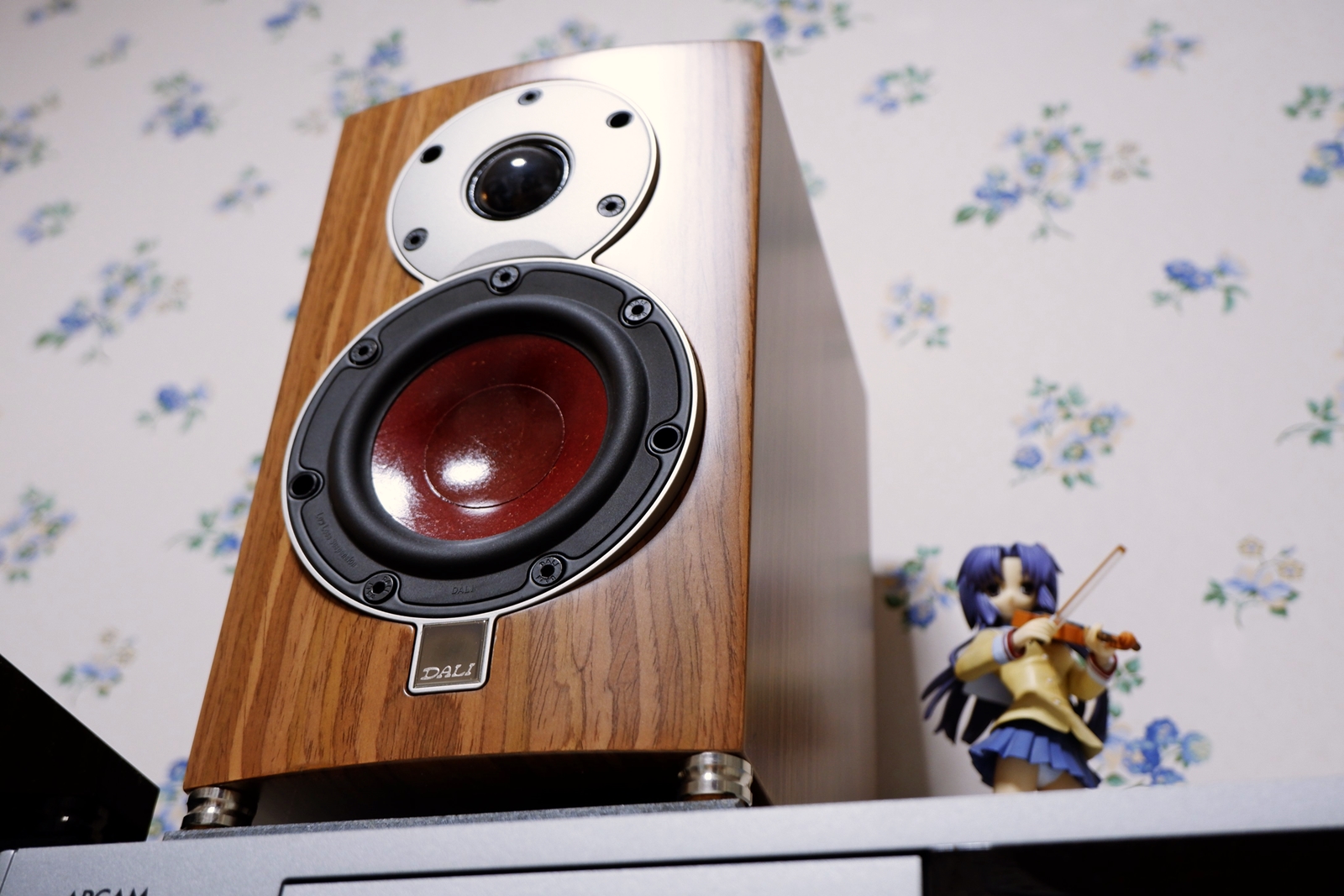
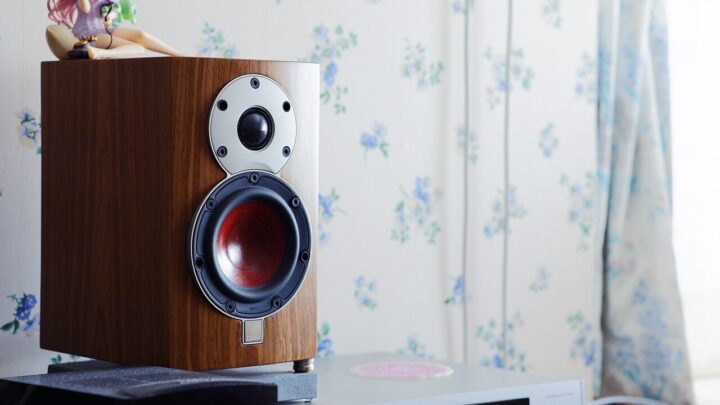
But no sooner had I bought it than the upgraded model — the DALI MENUET SE, with a revised crossover network — was announced. What an unexpected turn of events. It was quite a blow, though the MENUET SE’s asking price turned out to be rather higher than I’d anticipated, making a trade-in quite out of reach for now. Whether I’ll replace it someday — maybe. But honestly, I rather like the look of the standard model’s matte walnut finish; it blends naturally into the room in a way I find quite pleasing. If I’m being candid, what I really want is to swap just the crossover network for the SE spec…
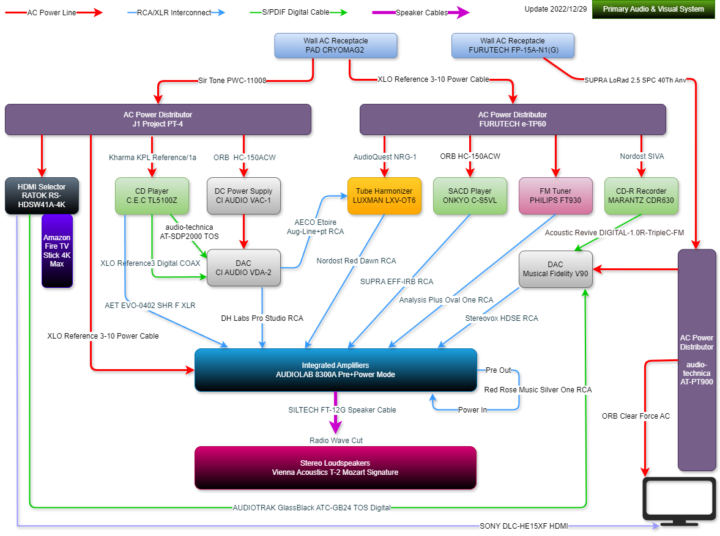
AUDIOLAB 8300A — Integrated Amplifier (Designed in the UK)
In the autumn of 2018, the British-made integrated amplifier at the heart of my main system — the TAG McLaren 60i — gave up the ghost, and the search for a successor began. After about a year and a half of deliberating this way and that, the answer I arrived at, having come full circle, was the AUDIOLAB 8300A. AUDIOLAB was for a time owned by the F1 McLaren team and traded under the TAG McLaren name, which makes the 8300A effectively the direct successor to the 60i/60iRVi — the third generation, counting from the 60i.
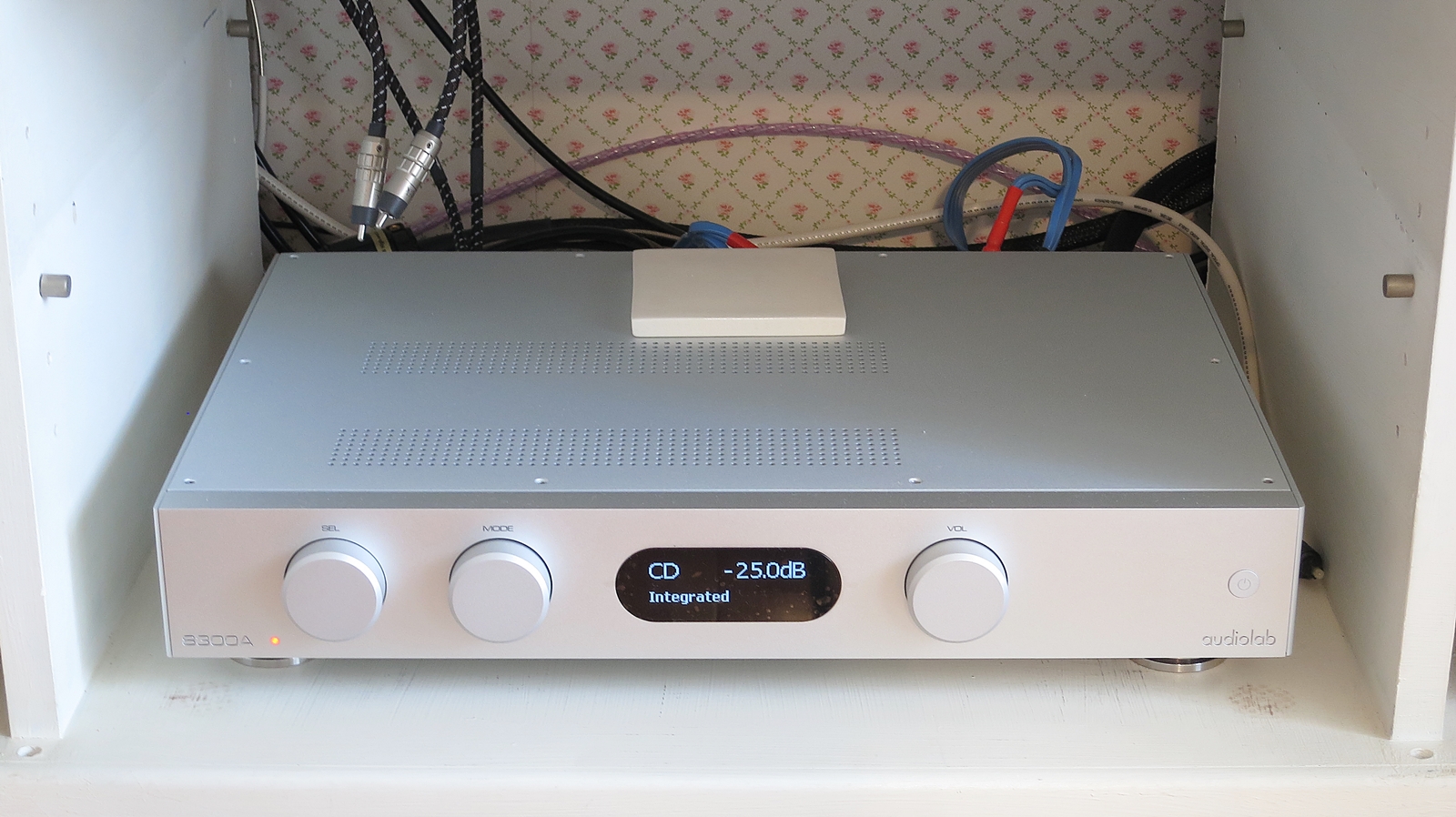
Up to and including the previous 8200A, which continued for 30 years until 2017, the series was essentially a series of minor revisions carrying over much of the circuit design from the original 8000A of 1987. The 8300A, however, is an entirely new design, conceived as a fully independent pre/power integrated amplifier. Even so, the enclosure dimensions, terminal layout, and sonic character all suggest that the design brief was firmly rooted in catering to the upgrade needs of the existing 8000 Series user base around the world. In terms of quality, the sound has the refinement one expects from a contemporary design, yet it is fashioned in a balanced way that is “different but not different” — retaining the neutral, traditionally British character of the 8000A lineage while moving with the times. A dedicated feature review is planned for a separate entry.


FURUTECH ASB-1 Static Discharge Brush / Tamiya 74078 Anti-Static Model Cleaning Brush
Late to this particular ritual, I finally took the plunge and acquired the (now previous) latest model of the static discharge brush that has been revered in Hi-Fi circles almost like a sacred artefact: the YUKIMU FURUTECH ASB-1. The idea is that by running this brush across the surface of CDs, LPs, audio equipment, and cables to discharge static, playback sound supposedly improves — a somewhat occult-flavoured concept at a rather steep price. The ASB-1 uses Mitsubishi Chemical’s conductive acrylic fibre Corebrid™ B3 combined with natural hair. I took the leap in spring when a 50% off coupon came up on Yahoo Auctions!. After actually using the Yukimu ASB-1, I noticed a fair number of points — both positive and negative — but there’s too much to cover here, so that’ll go on a separate page. I can’t help feeling it’s a lot of money for what is, at the end of the day, a brush. And then, just recently, an even higher-grade model — the ASB-2 ION — was released, leaving me rather dumbstruck.
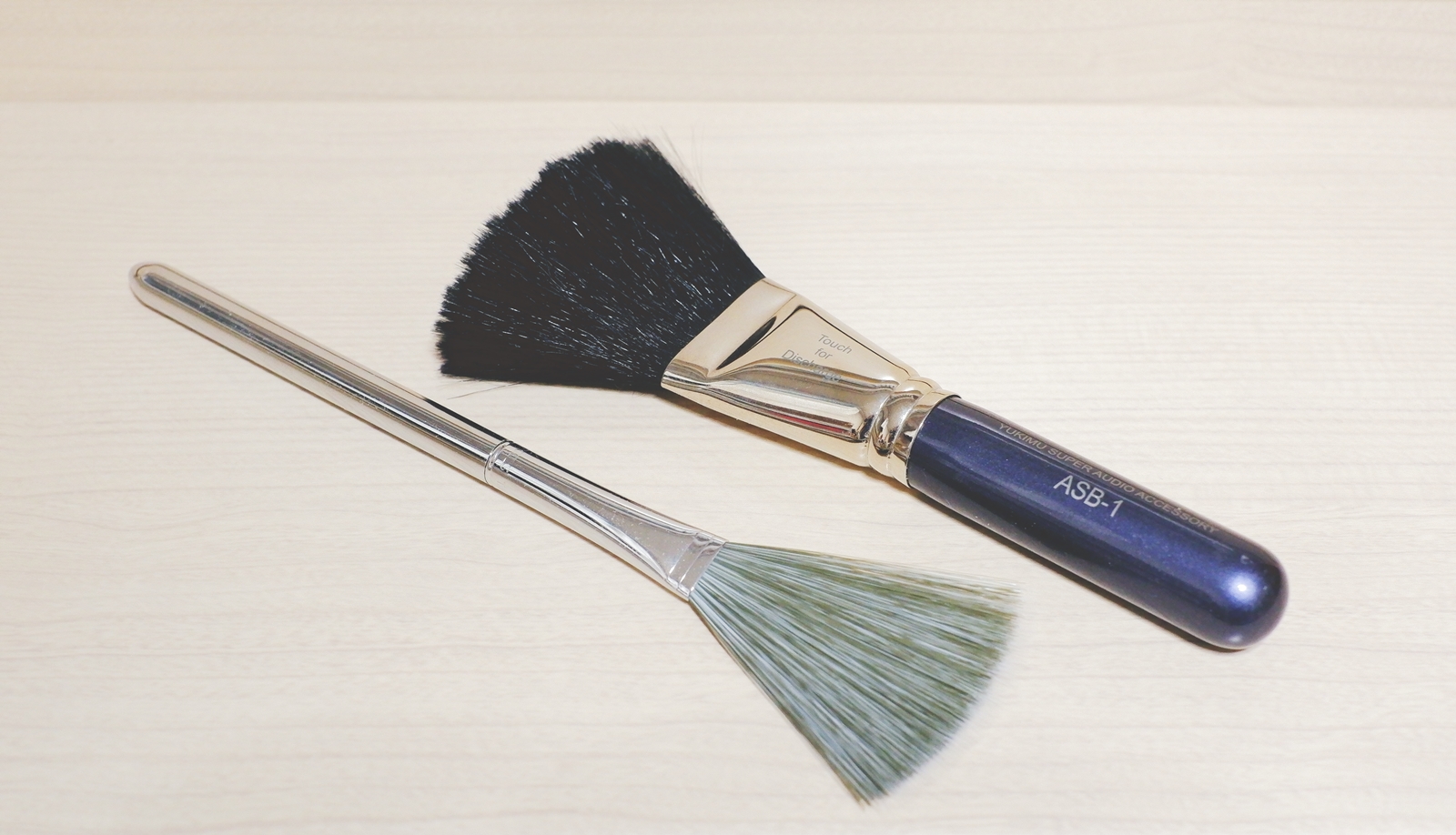
While I was at it, partly for dusting the figures in my study (the study is something of a Super Sonico sanctuary), I also picked up the inexpensive Tamiya 74078 Anti-Static Model Cleaning Brush. The Tamiya 74078 is a modelling product rather than a dedicated Hi-Fi accessory, and is accordingly much cheaper — yet as things stand, it has become my Highly Recommended reference static discharge brush.

 ポチップ
ポチップ
Sir Tone Power Spice Cable VFF-2508
The Sir Tone brand (KHD Densen) power cable — enormously popular in the Hi-Fi community on Twitter, to the point where it feels like everyone has already bought one. I myself have purchased a total of four Sir Tone cables so far: three Spice Cables and one figure-of-eight cable. The Spice Cable is a clever, budget-friendly product designed to improve sound quality by adding it in series with an existing power cable. In essence, it functions as an extension cord for situations where an audio power cable falls short in length — but until now, the only options for this kind of extension were cheap domestic-appliance cables, which were virtually guaranteed to ruin the sound the moment you plugged them in.
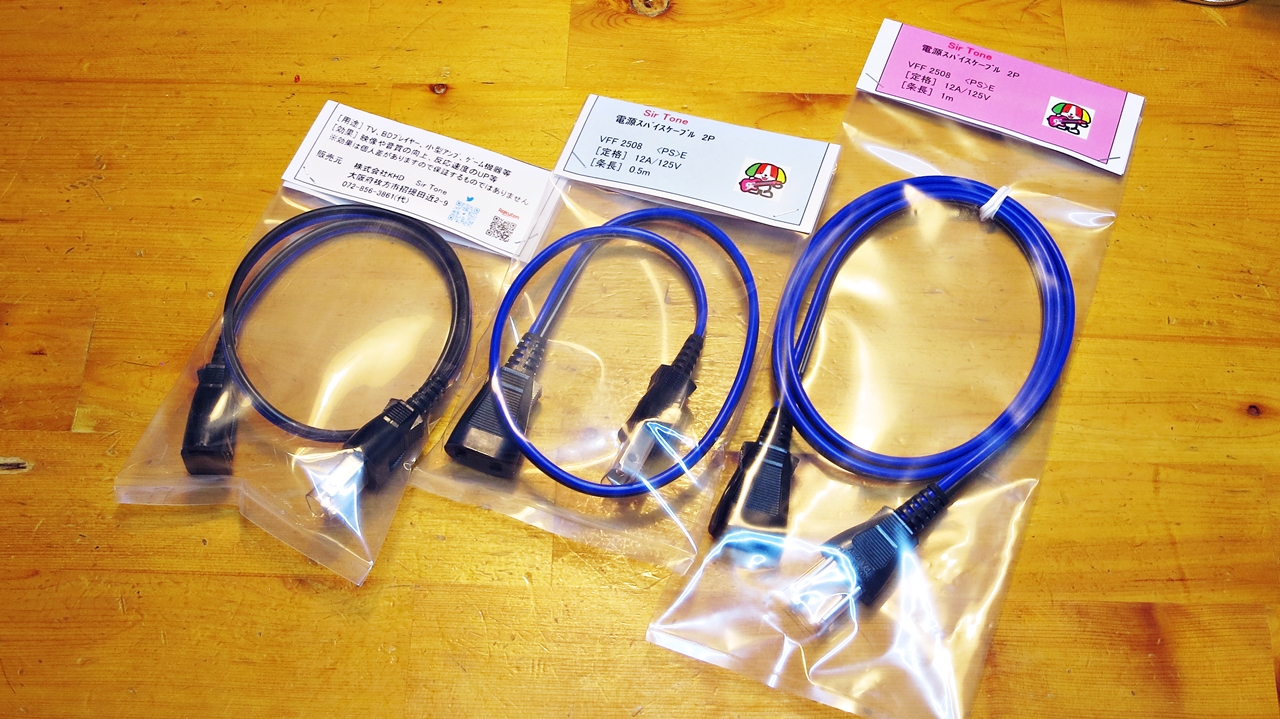
In other words, no extension cord existed that was suitable for use with high-quality commercial or DIY audio power cables — until the Sir Tone Spice Cable came along. The VFF-2508 uses KHD Densen D-on Cu5 conductors, and it is an impressively cost-effective product that can be added in series without any perceptible degradation in sound quality. I also purchased the ready-made figure-of-eight cable version in order to compare the conductor’s character against expensive audio-grade figure-of-eight cables from other manufacturers — the details are in the review linked below.
Speaker Cable / RCA Cable / USB Cable (Made in Sweden)
The QUAD L-ite2, displaced from Sub-system M by the arrival of the DALI MENUET, slid across into CREEK‘s Sub-system C (※ the EPOS ELS-3 was retired) — and naturally, the speaker change brought with it the inevitable need to rebalance everything. For an affordable solution at sub-system level, the brand I turned to was SUPRA.
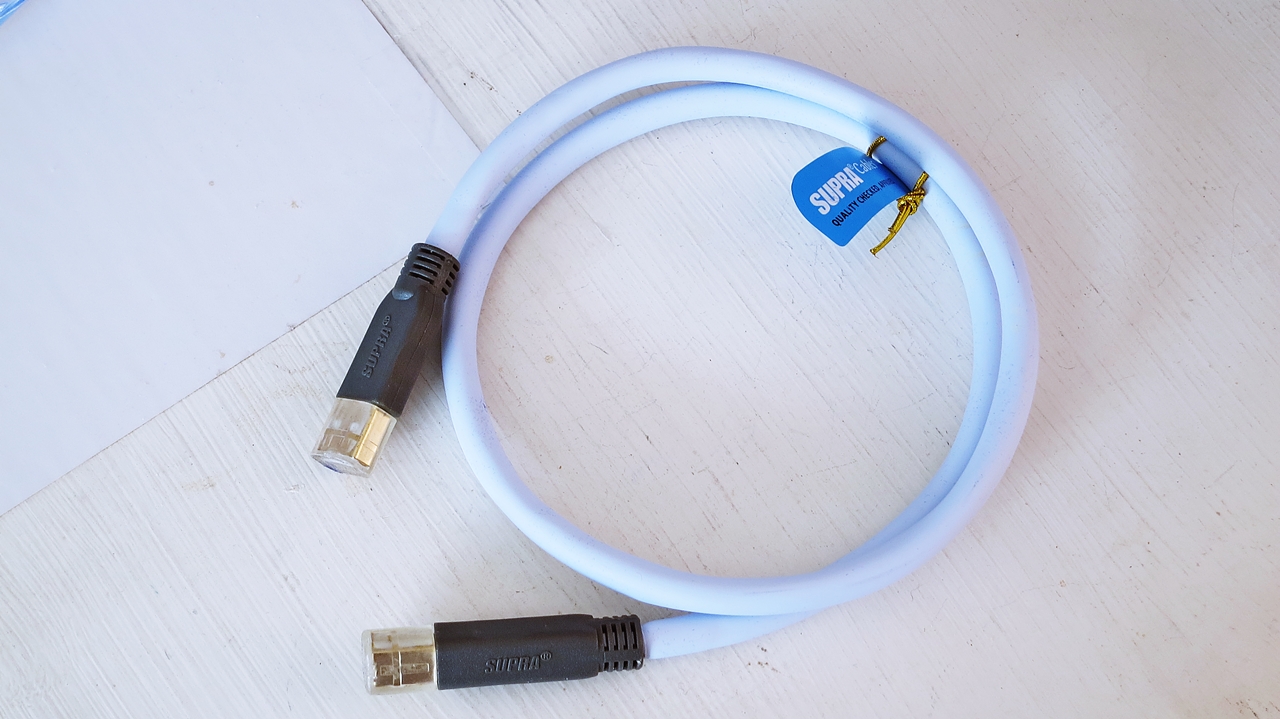
I’ve written about products from Swedish cable manufacturer Jenving — who make the SUPRA range — in various entries over the years. What makes SUPRA products stand out is that they sit in a relatively affordable bracket yet deliver quality well above their price, with a refined, beautiful-sounding character that comes through in both audio and video. Throughout my system, whenever I’m stuck, I tend to reach for SUPRA — good value and good sound, again and again. This time around, I added a Supra Rondo 2×2.5T speaker cable to connect the CREEK EMF Sequel2 and the QUAD L-ite2; picked up an additional EFF-IRB RCA cable, which I’ve been using happily in Sub-system A for several years; and introduced a Supra USB Cable 2.0 as the USB cable for my micro PC audio setup, replacing the previous Wireworld Chroma. Detailed reviews of each SUPRA product will follow on separate pages in due course.
QED Genesis Silver Spiral — Jumper Cable (Designed in the UK)
The system pairing CREEK with the QUAD L-ite2. When the QUAD L-ite2 was connected to the Miuaudio MKTP-2, I was running Acoustic Harmony N1 speaker cables in a bi-wire configuration. When I came to pair the L-ite2 with the EMF Sequel2, some experimentation revealed that a single-wire connection was sonically preferable in this combination — particularly in terms of timing along the time axis, or rather, the sense of rhythmic flow, which improved noticeably.
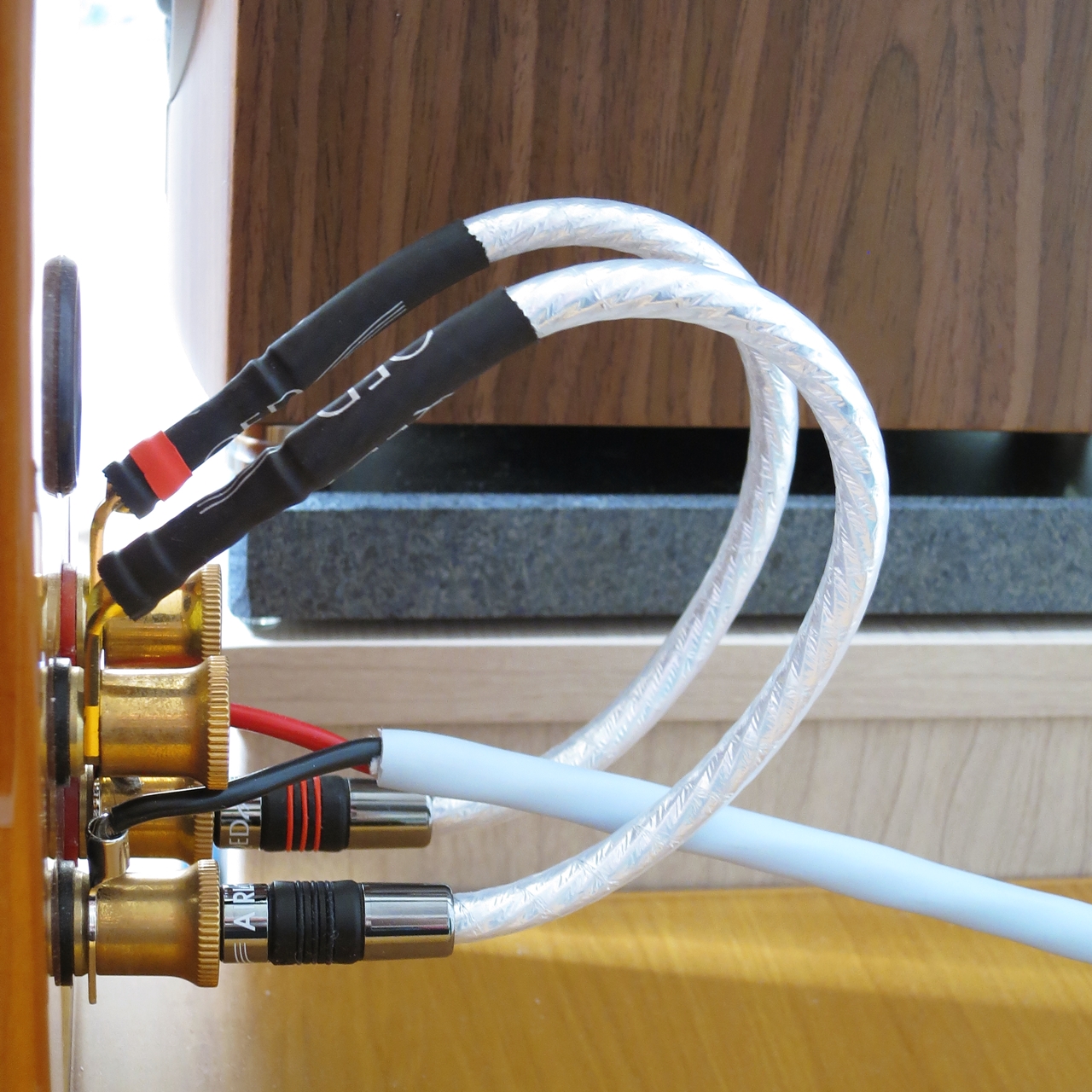
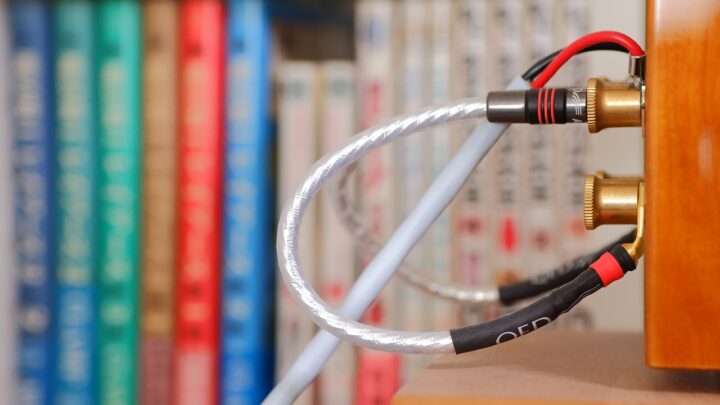
Initially I was using a DIY jumper cable fashioned from inexpensive OFC wire sold by the metre at a home centre, but in pursuit of a more premium, wide-range sound, I replaced it with a jumper cable made from British brand QED’s high-end speaker cable, the Genesis Silver Spiral, terminated with QED AIRLOC plugs. The result was a gloriously lush, sumptuous sound — absolutely the right call.
XLO Electric — Power Cable / Digital Cable (Made in USA/Canada)
Having replaced the integrated amplifier with the AUDIOLAB 8300A, it naturally followed that the overall tonal balance of the system shifted to some degree, making a reappraisal of the cabling necessary. The brand I turned my attention to was XLO Electric, based in California and Canada. XLO will be at least somewhat familiar to long-standing Hi-Fi enthusiasts, though the brand has been absent from Japanese retail for some time, so these were ordered directly from abroad.
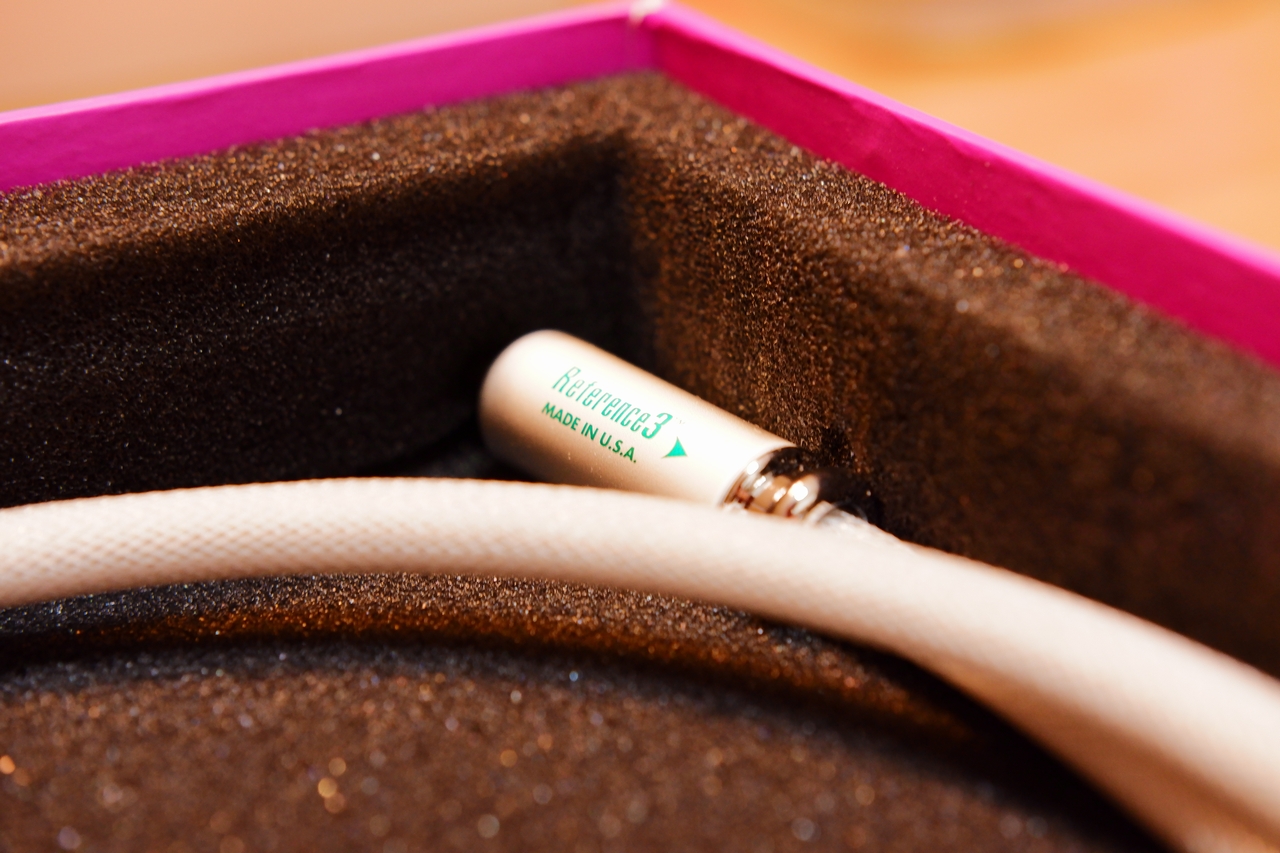
After trying various combinations, I settled on replacing two types of power cable — three cables in total — plus the digital cable in the main system with XLO Electric products. Much American-made audio has a reputation for a rich, heavy character, but XLO’s sound leans in the opposite direction: transparent and clear. Yet for all that, there is a refined sensibility to the tone that is quite distinct from anything Japanese — and it was, quite simply, exactly the sound I was after. Individual cable reviews to follow!
ALO audio — Mini-to-Mini Cable (USA)
I had replaced the speaker in the sub-system built around the valve digital amplifier Miuaudio MKTP-2 with the DALI MENUET (standard), and yet for some months I found myself spending time with a result that fell, for reasons I couldn’t quite put my finger on, just half a step short of where I wanted it musically. It was around then that a follower on Twitter kindly flagged up a sale by US brand ALO audio, and the size of the discount led me, in a moment of reflex action, to purchase the company’s top-grade mini-to-mini cables: the Reference 8 Mini to Mini and the SXC 8 Mini to Mini.
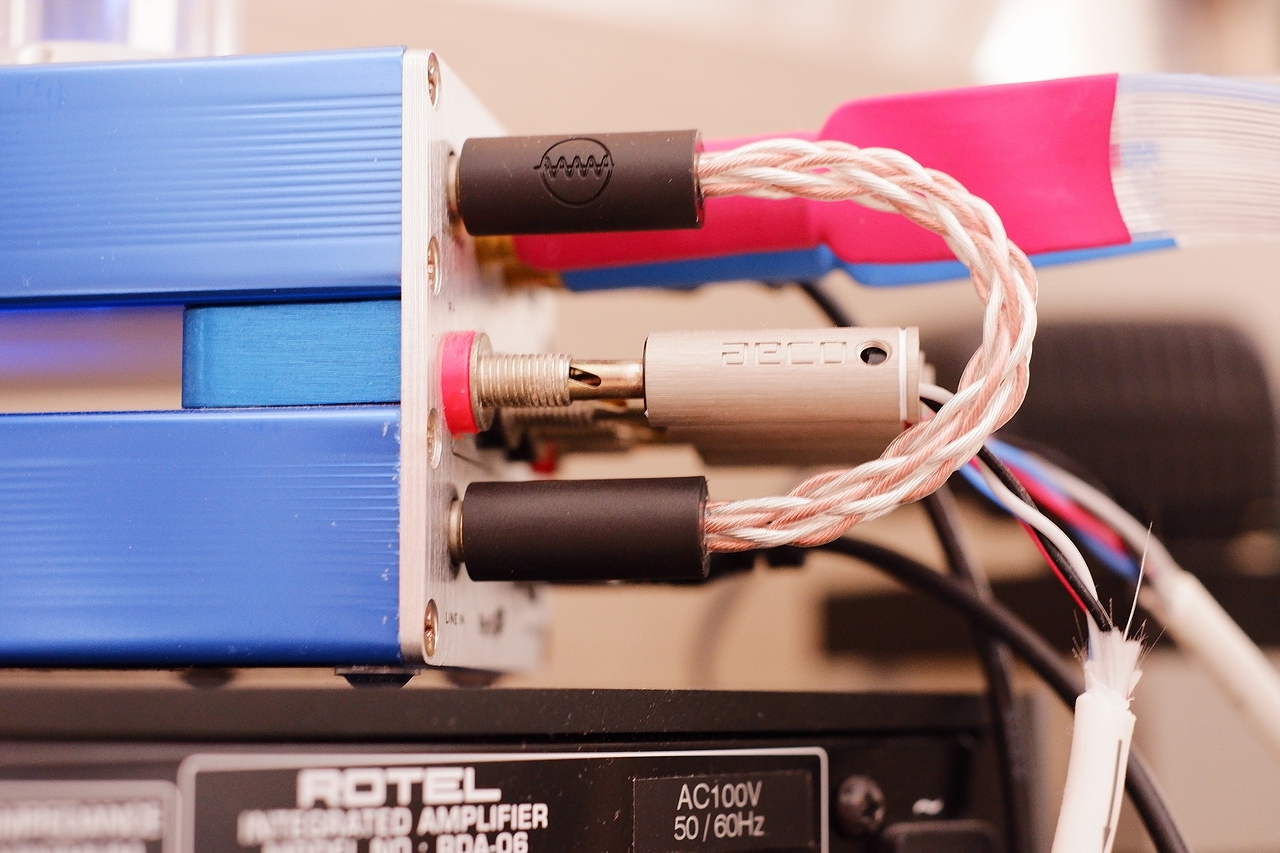
I’m quite out of my depth when it comes to portable audio, and I’m embarrassed to admit I had no prior knowledge of ALO audio as a brand. But stock looked limited and I didn’t want to miss out, so I went ahead immediately. It was only after purchasing that I looked into the company’s background and confirmed it wasn’t one of those Chinese counterfeit-adjacent brands — which was a relief. The sound quality deserves its own review, but the short answer is: another excellent purchase.
uyoyous — Walnut Wood Headphone Stand (PRC)
A headphone stand well known from shop displays and, more recently, from photos of people’s own listening rooms. I happened to spot one at less than half its usual price in a Black Friday sale and couldn’t resist. It had been something I’d quietly wanted as a decorative piece for a while. It appears to be made from some kind of laminated material bent into an omega shape, with a walnut veneer surface finish.
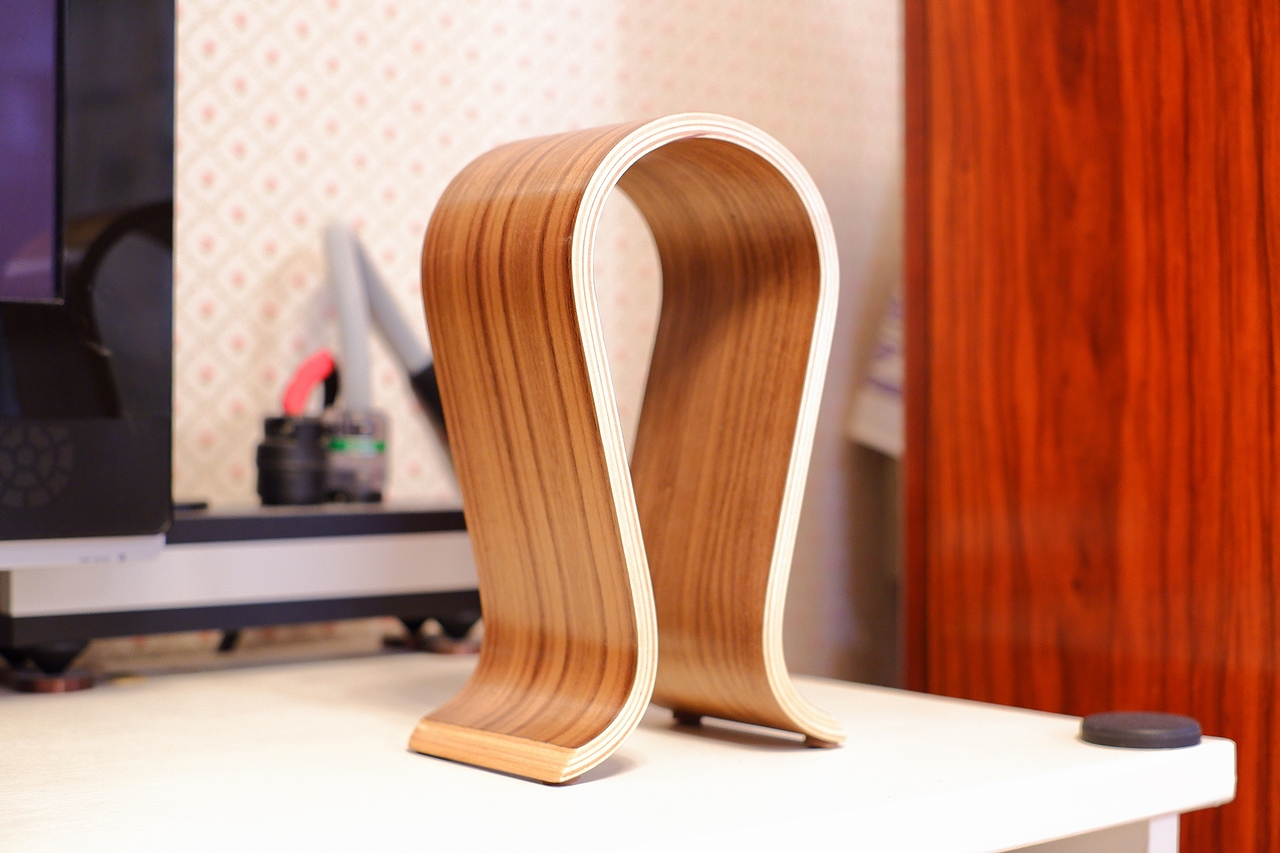
The uyoyous headphone stand has a warm, natural grain texture and carries a quiet presence whether or not anything is resting on it — it works rather well as a decorative object in its own right. Come to think of it though — I don’t actually own a single pair of headphones worthy of sitting on it. And so for the time being it stands there empty, displayed entirely for its own sake.
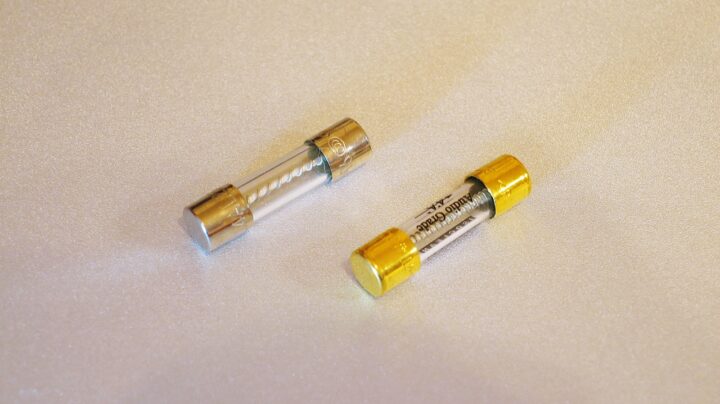
Synergistic Research BLUE Quantum Fuse (USA)
For much of my Hi-Fi system, I have replaced the standard factory-fitted fuses with aftermarket audio-grade fuses of the same specification. For the newly acquired AUDIOLAB 8300A, I wasted no time fitting a Synergistic Research Blue Fuse — from the well-known US high-end brand — in the IEC inlet fuse position. This is, frankly, an astonishingly expensive fuse… though I did catch it at a rather good sale price.
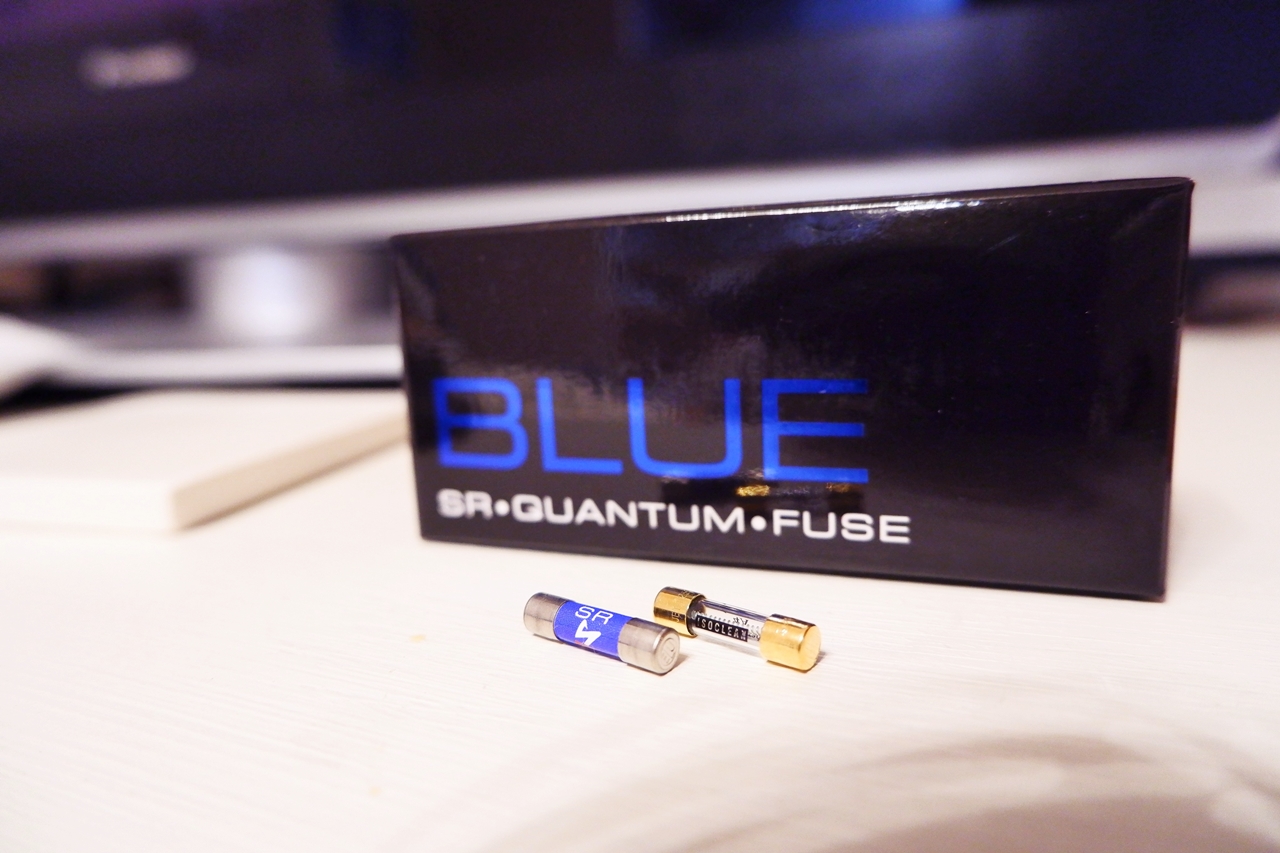
Synergistic Research’s fuse range extends upwards to the ORANGE Quantum and downwards to the BLACK Quantum, with the BLUE sitting in the middle of the range — though even the BLACK is already more expensive than audio-grade fuses from most other manufacturers. Part of the motivation for swapping the fuse was as a workaround for the slightly dry, unripe quality typical of a brand-new amplifier that hasn’t yet settled in, and in that regard the goal was achieved. However, in the end I found myself preferring the sound of the ISOCLEAN fuse that I’ve been using for many years, and that is what has remained in permanent use — the Synergistic Research Blue Fuse is currently sitting in a drawer. I have also quietly acquired a few other high-quality audio fuses along the way, and those reviews will appear whenever I feel moved to write them.
audio-technica AT-PT900 — Audio-Grade Power Strip
A premium power strip in an aluminium enclosure from audio-technica, based in Machida, Tokyo. It was a bestseller, offering excellent quality at a surprisingly reasonable price — yet I kept putting off buying one, and before I knew it, the product had been discontinued. At the time I had been thinking about purchasing the six-outlet AT-PT1000 for the video side of my main system, but on this occasion I came across a used four-outlet AT-PT900 at Audio Union and snapped it up.
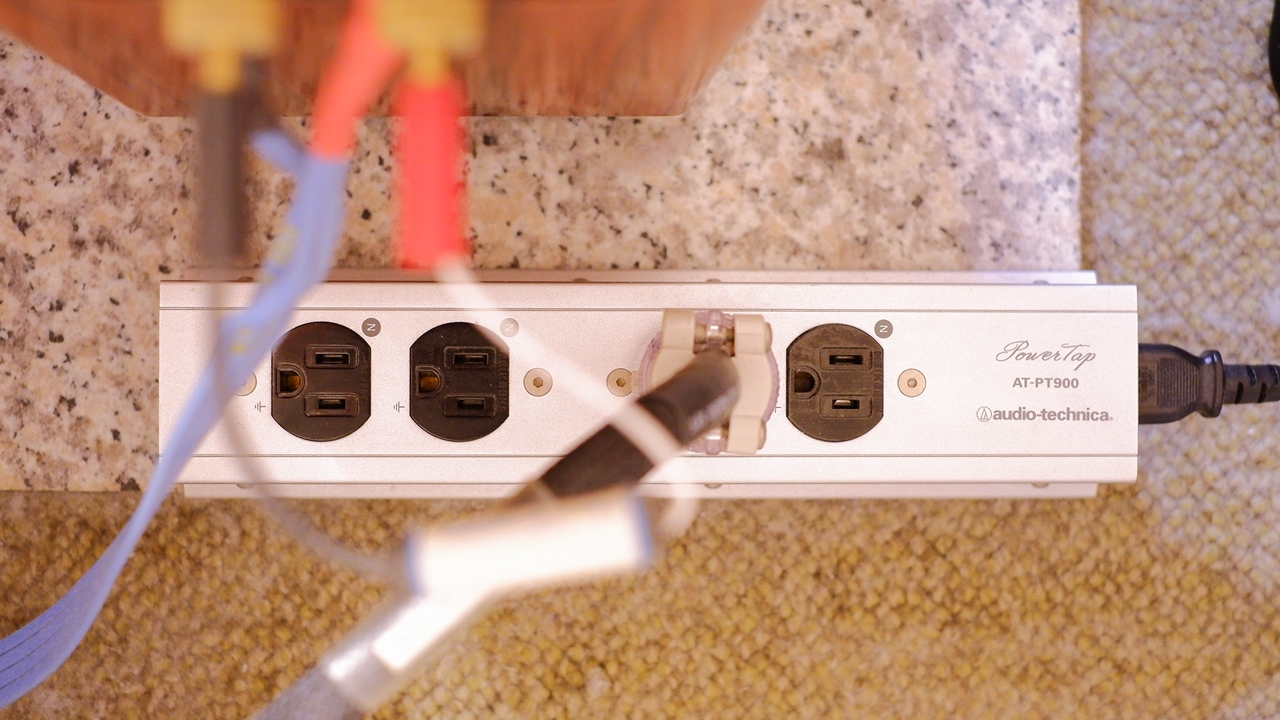
After it was discontinued it became quite difficult to find for a while, so I really do wish I’d bought one when it was still available new. I had originally been looking for the six-outlet AT-PT1000, but in terms of audio and video quality, the four-outlet version has a slight edge — so perhaps this worked out for the better. I plan to replace the internal sockets and so on at some point, and will write a review when I do.
~ From here: consumer electronics, PC & gadgets ~
FUJIFILM X-A5 Mirrorless Camera with XC15-45mm Lens Kit
My fourth compact camera, the Canon PowerShot S200, had faithfully supported this little Hi-Fi blog for six years since 2014 — until one day in May it suddenly froze with the lens stuck out. It had just barely passed the six-year mark since manufacture, and the maker told me they could no longer accept it for repair. Half out of necessity, I replaced it with the FUJIFILM X-A5 Mirrorless Camera with XC15-45mm Lens Kit. Shortly after the S200 broke down, I happened to spot it going for a ridiculously low price in a flash sale, and reflexively bought it on the strength of the price and the looks alone. I knew nothing about FUJIFILM’s particular characteristics or mirrorless cameras in general — I started frantically researching everything only after I’d already hit the purchase button…. ※ The photo below was taken with a CASIO EXILIM EX-Z750. The lens is the separately sold prime XF35mmF2.
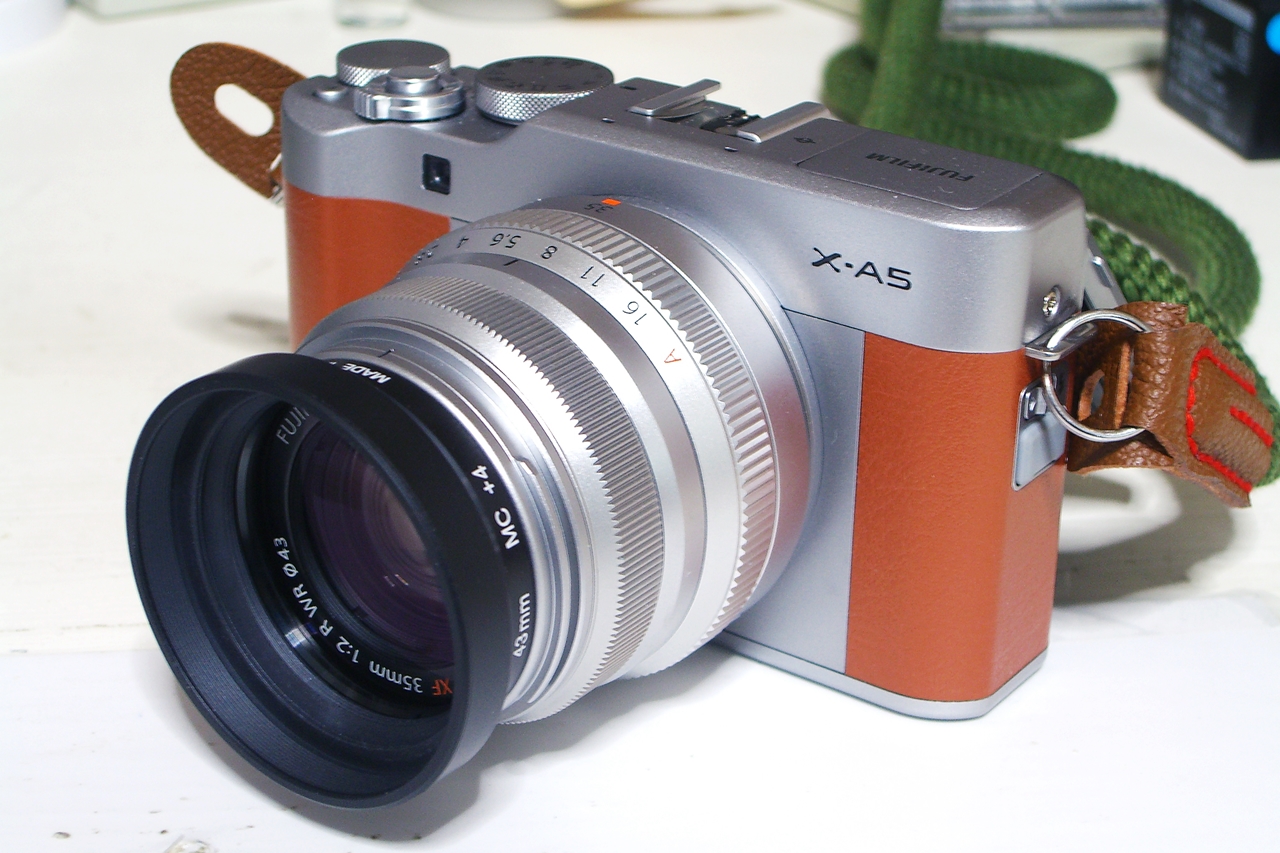
Honestly, as a gadget it feels ever so slightly rough around the edges compared to Canon, but above all the straight-out-of-camera images are simply emotional, and the rendering more than makes up for any other shortcomings. Before long I found myself completely hooked on photography, and on days when my health permitted, it became a daily routine to take the camera out on what I called a rehabilitation walk. Almost everything I shoot is flowers, autumn foliage, and the occasional cat, but after each outing I post the shots on Twitter. Having just one camera capable of producing images at a proper artistic level brings a kind of forward-looking productivity to what would otherwise be an aimless wander.

SAMSUNG 870 QVO-Series 2.5″ SATA III SSD 2TB (South Korea)
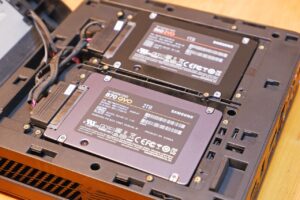
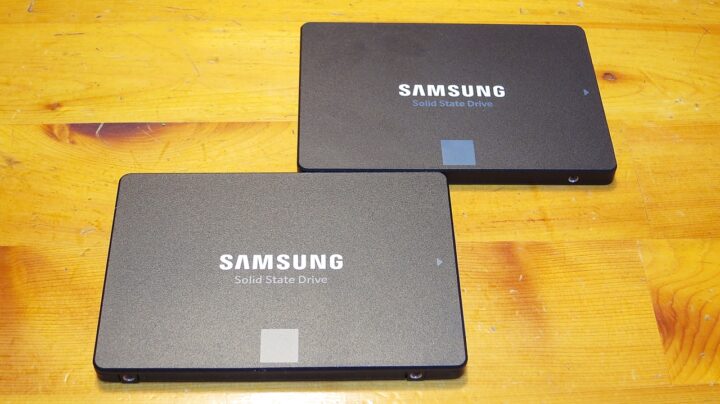
The external HDD I use for backing up ASUS VivoMini VC65 — the main machine behind this blog — suffered a sudden logical failure one day, so I took the opportunity to also address the increasingly tight storage situation on the machine itself, and went ahead and added a large-capacity 2TB SSD, the SAMSUNG 870 QVO. The 870 QVO is, even as Samsung’s newest model for 2020, towards the lower end of their SSD lineup — and yet it performs on a par with upper-tier drives from other manufacturers, which is presumably why it wasn’t cheap… orz
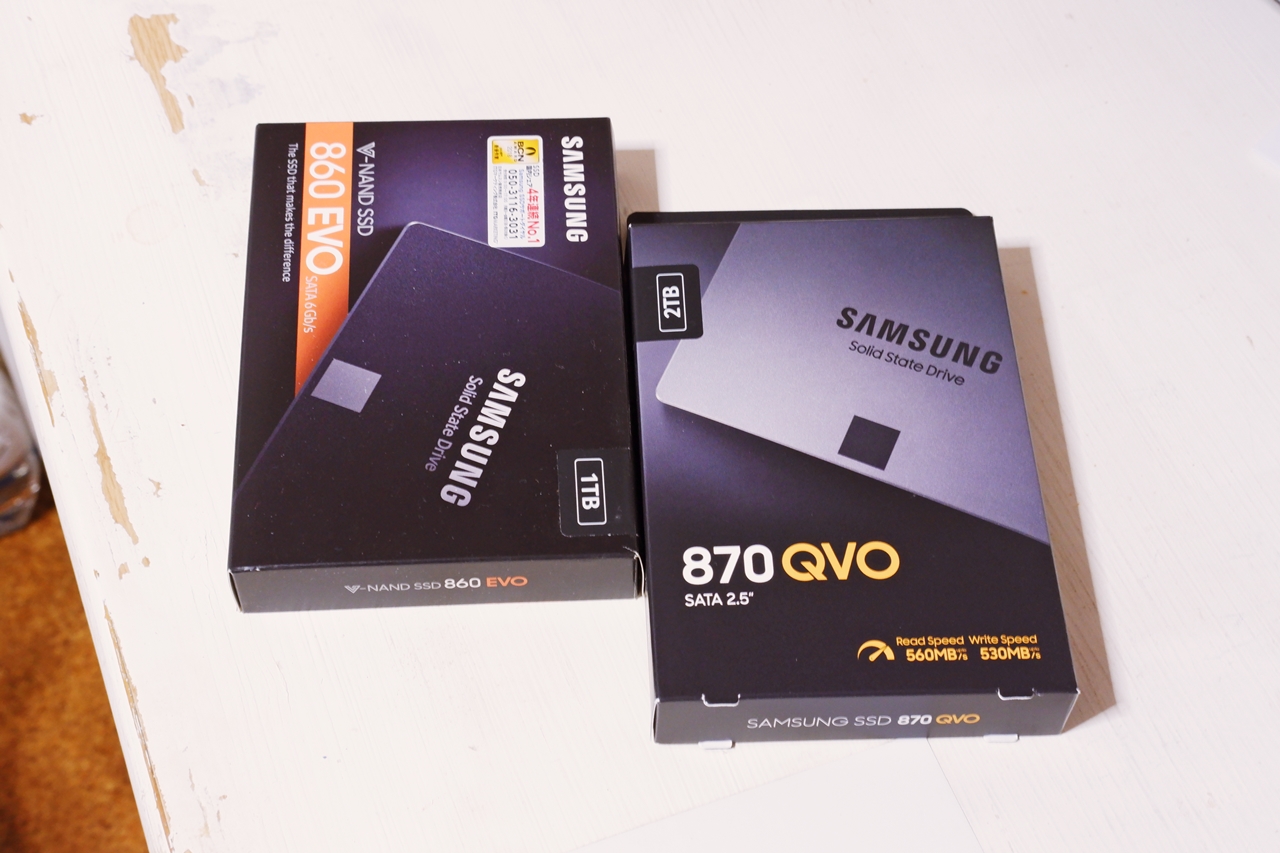
As of 2021, the ASUS VivoMini VC65 that serves as the nerve centre of this little blog is now running with an internal 860 EVO 1TB + 870 QVO 2TB, plus an external 1TB HDD for backup. Incidentally, the addition of a 24-megapixel camera as a new hobby has had its consequences — the 1TB external HDD used for mirroring was already nearly full straight away…
LCD PC Monitor DELL P1914S × 3 (USA)
I run a slightly unusual PC monitor setup: three 4:3 monitors arranged on the desk as [portrait | landscape | portrait], allowing me to work on multiple things in parallel across a multi-display environment. It is the inevitable conclusion I arrived at after pursuing maximum working efficiency as a blogger within a limited desk space. There are ways to virtually divide up the workspace on a single large screen, but honestly, I find that having this kind of physically separated triple-display setup — versus not having it — makes well over twice the difference in how efficiently I can work.
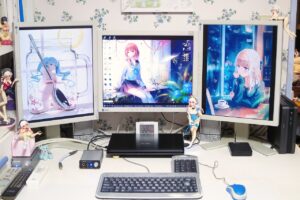
Until now I had been happily using a triple-monitor setup with the EIZO FlexScan L685 / L695 at 18.1 inches each, which I had used for a full ten years or more. They were among the finest Japanese-made IPS displays you could get back in 2003, but the tide of time had inevitably taken its toll, and they had become decidedly decrepit.
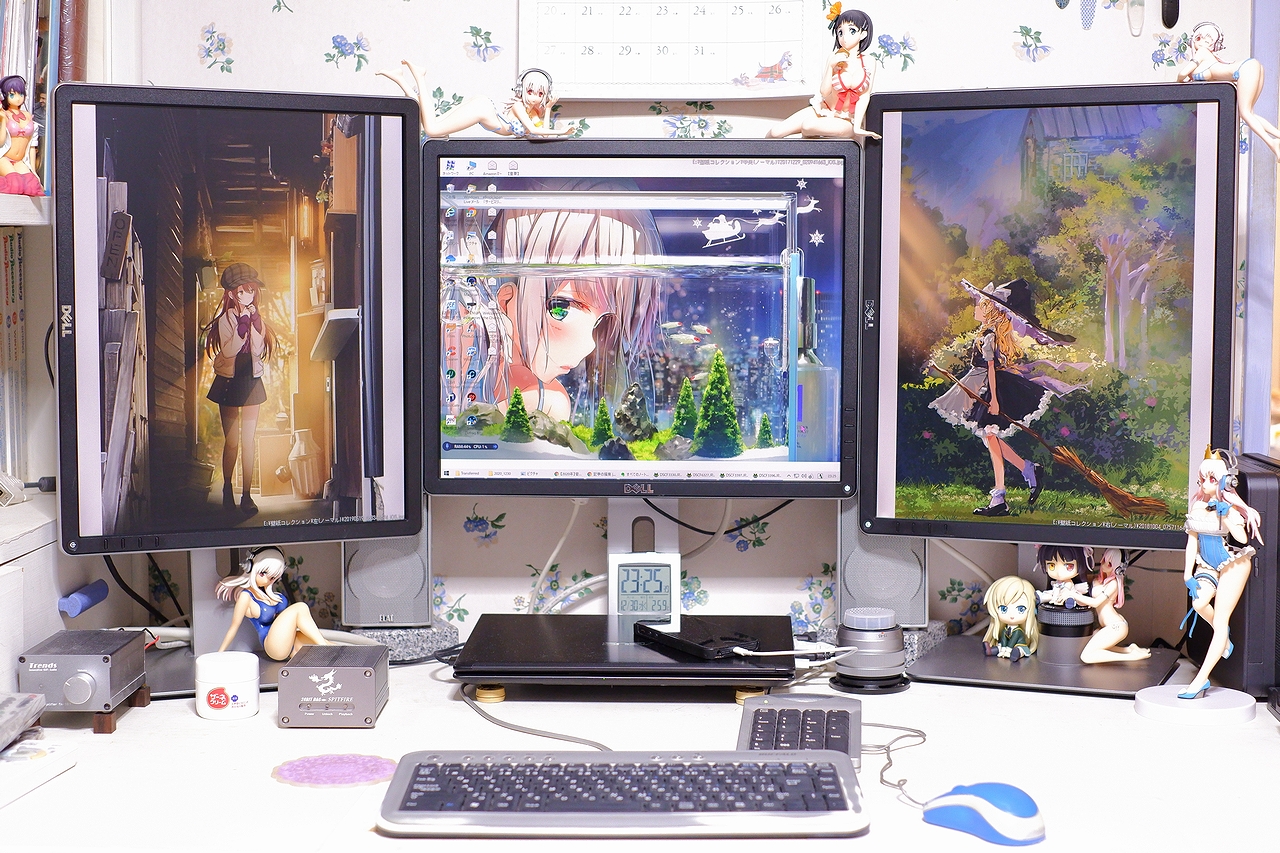
In a world where everyone seems to be clamouring for enormous widescreen displays, DELL continues to manufacture 4:3 IPS LCD monitors in the increasingly rare office-oriented size. Ideally I would replace them with the current EIZO FlexScan S1934 — that would be the best option quality-wise — but buying three of them is, unfortunately, beyond my reach financially. So for about four years I had been mulling over a switch from the old EIZOs to DELL’s current IPS LCD monitors at a lower price point, but buying three at once always meant putting it off again on cost grounds. DELL’s 19-inch models, the P1917S and P1914S, sell new for around ¥20,000 each, so three of them comes to roughly what a single EIZO S1934 costs. That is still a steep drop from the EIZO L685/L695, which cost ¥200,000 apiece back in the day, but still… orz
 ポチップ
ポチップ
While I was dithering along like that, I eventually noticed that those same current DELL IPS LCD monitors had started appearing as ex-office second-hand units for practically nothing. I managed to get three DELL P1914S units for less than the price of a single new one — and so I carried out the swap right at the very end of the year. This article is being written on the replacement DELL P1914S displays. A review will follow in due course.
Room Air Conditioner Panasonic Eolia CS-369CX2-W
The outdoor unit of my previous National CS-28RDX — reviewed here long ago in the early days of this little Hi-Fi blog — finally began producing an almighty racket in its fifteenth year of service. It was disturbing the neighbours and too noisy for me to sleep through, so half out of necessity I went ahead and replaced it. I got the one-year-old 2019 model CS-369CX2 for half the price of its current equivalent. … Even so, air conditioners really have gotten enormous these days, haven’t they.
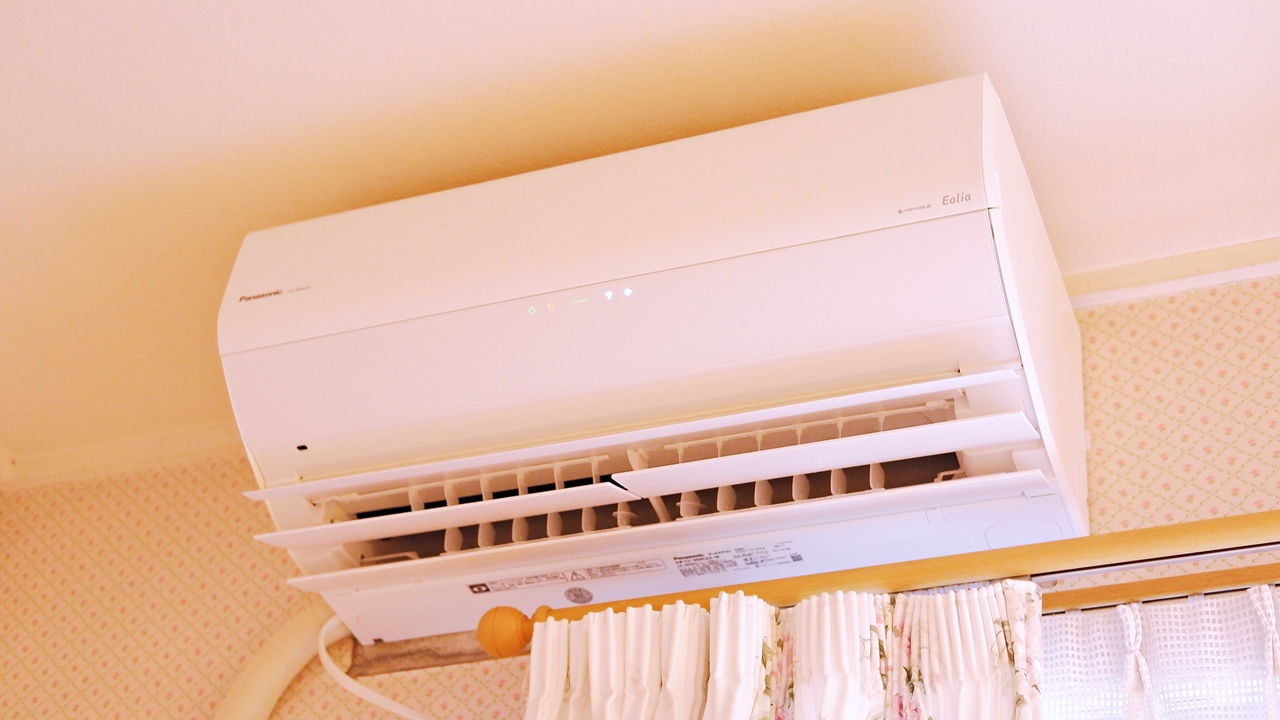
I am thinking of writing a detailed review of this one as well, but to cut to the conclusion: this upper-tier model from the Panasonic Eolia range is impressively energy-efficient in winter particularly, but the various noises it makes from all directions — operational sounds that are, I must note, entirely within normal specification — are quite bad, and it is unfortunately not something I would recommend for a music lover’s or Hi-Fi enthusiast’s listening room… though you do get used to it, eventually….
2020 in Review, and a New Year’s Greeting for 2021
Coming now to the end of this post — a belated Happy New Year for 2021. It has been sixteen years since I started AUDIO STYLE, a guide to the miniature world of pure Hi-Fi. From April 2019 I was away for one year and eight months — (for those who have been following this blog for a long time, this was the nth time…) — but I am now finally thinking it is time to start posting again. A year-in-review piece like this is, I imagine, something the rest of the world writes at the end of December. But that is just how things go with this blog — mostly for health reasons, I am legendarily slow at everything, and I ask for your understanding on that front.

Last year was a difficult one in various ways: income dropped sharply compared to previous years — no doubt partly due to the wider social upheaval — and on top of that there was a succession of breakdowns and initial defects with durable appliances and other things, leading to a string of large unplanned expenses. There are still a few items sitting in the queue waiting to be repaired. The replacement of a costly audio amplifier and various home appliances and PC equipment was ultimately forced upon me by the brute logic of “it broke, so I had no choice” — but the net result is that quality of life across the board has improved, so I’ll call it a win.
And so, with the unexpected twists and turns showing no sign of letting up, the plan going forward is to carry on with the blog as best I can — guided by the motto of never getting knocked down without getting something out of it. Characteristically detailed reviews of each of the products featured here will be published as separate posts, whenever the mood takes me. The concept this blog pursues in Hi-Fi terms could be summed up as “premium lo-fi” — as gentle on the wallet as possible, yet rich in spirit. Whatever you save, put it towards music.
I am, in real life, not in the best of health and rather thin-skinned, so there may well be times when you find yourself wanting to disagree or push back — but please receive it all with a warm indulgence. This is, in the end, a personal record of one individual’s lifestyle, a kind of prose poem, and I hope you will enjoy it in that spirit, lightly and without too much seriousness.


Auto Translated by CS4.6


List of comments (2)
運営管理者様
お世話になっております。Eleven Tenthsの板野です。
先日ご連絡させていただいた電子部品のオンライン販売会社とのコラボレーションのご相談につきまして、ご検討状況はいかがでしょうか。
具体的な内容につきましては運営管理者様のご意向を伺いながら、ご相談させていただけますと幸いです。是非ご意向をお聞かせいただけましたら幸いです。
もし、ご検討にあたり不明点がございましたら、いつでもご連絡いただければと存じます。
ご協力いただけると大変光栄でございます。
ご連絡をお待ちしております。
Eleven Tenths 板野
Japanese SEO / Content Writer
seina@eleven-tenths.com
>> 板野様
メールでの連絡先についてはプロフィールに記載していますので、
出来ましたらそちらへお願いいたします。
pastel_pianoあっとまーくyahoo.co.jp