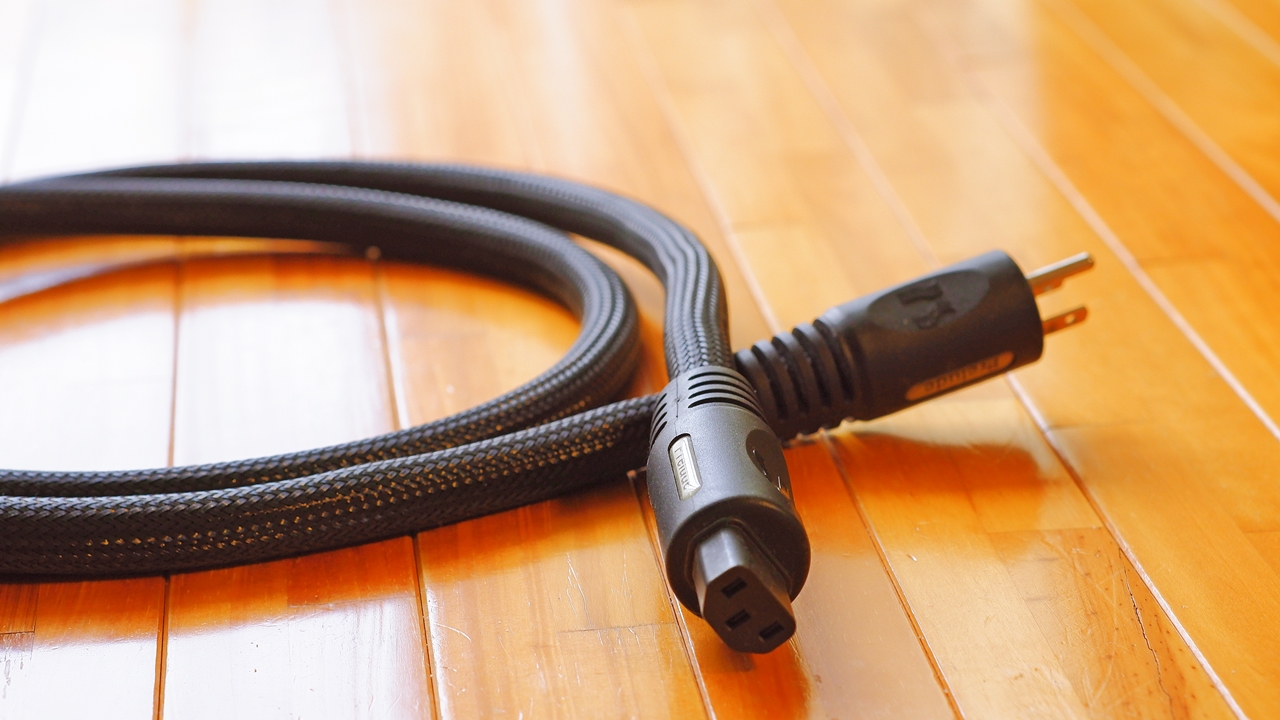
Jazz & Audio Tsushin has published a report on a PS Audio PerfectWave Transport & DAC listening event, so I thought I would take the opportunity to write a usage review of my own PS Audio XPD/1.8mk2 xStream power cable.
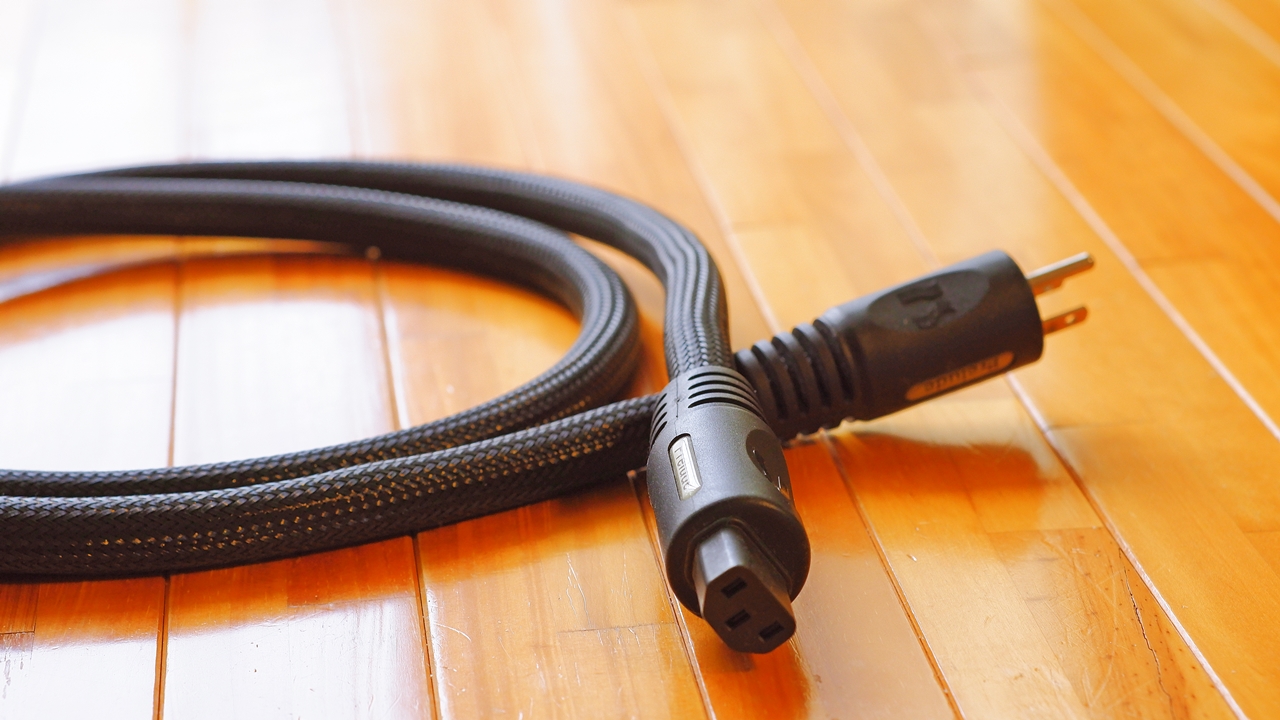
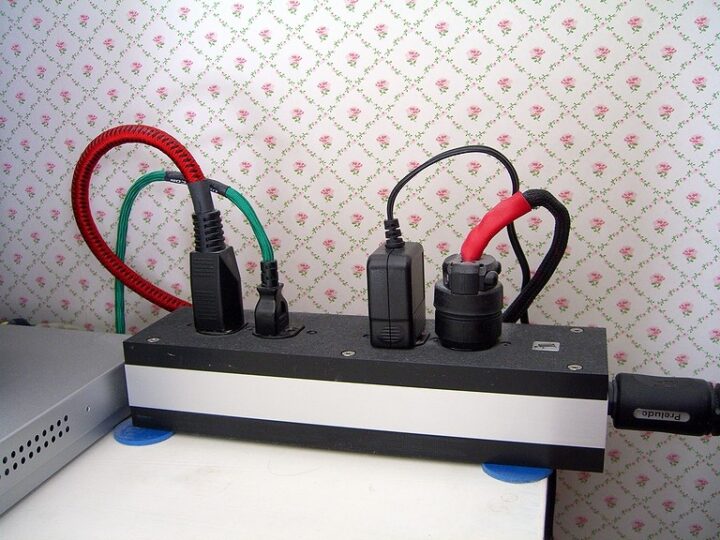
The PS AUDIO XPD MK2 introduced here is an American-made power cable — which is rather unusual for me, as someone who normally gravitates towards the quirky and unconventional, but the online reputation for this one was so extraordinarily good that I ended up buying it on that basis alone. It is, moreover, the winner of the Audio Meikirshō 2006 ≪Cable Category Award≫. In my system, it is used between the wall outlet PAD CRYOMAG — the very source of the main system — and the power strip J1 Project PT-4. When I first purchased it about a year and a half ago, the sound had such a peculiar quality that I thought I had made a mistake. But now, with burn-in well advanced, this has turned into a power cable whose sonic identity — something only the XPD MK2 can achieve — I hold in high regard.
Appearance and Conductor Construction
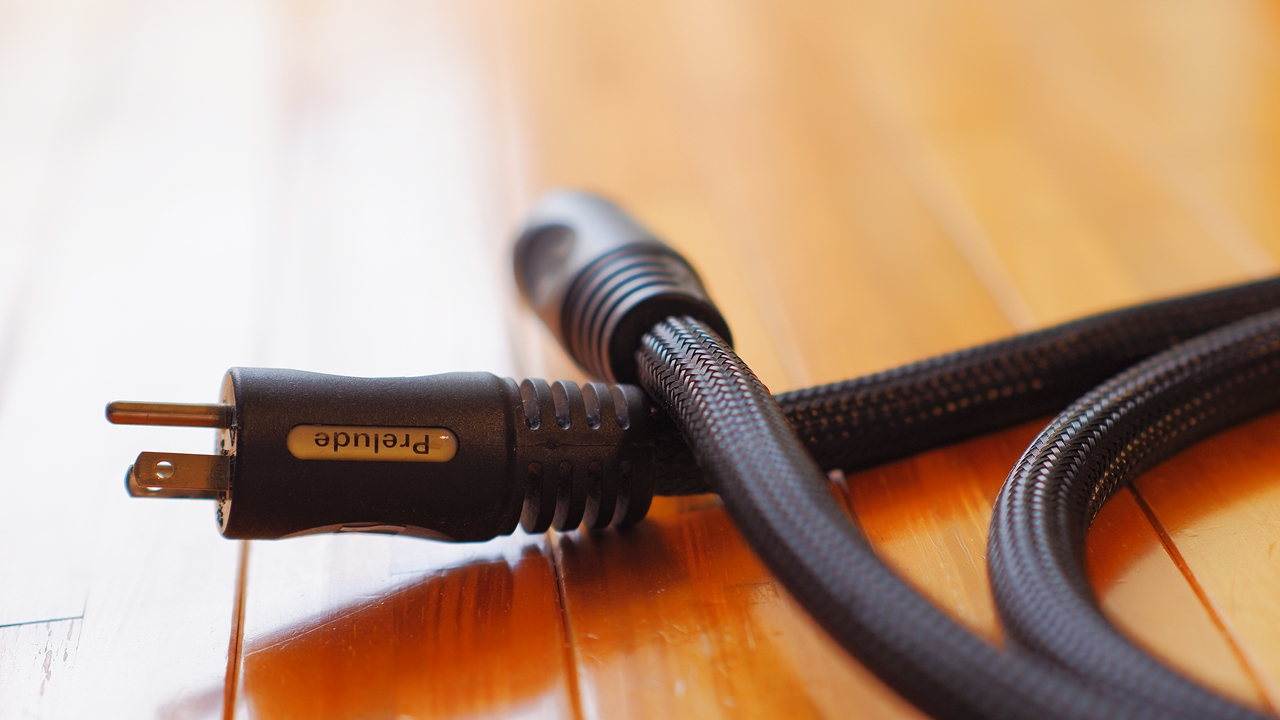
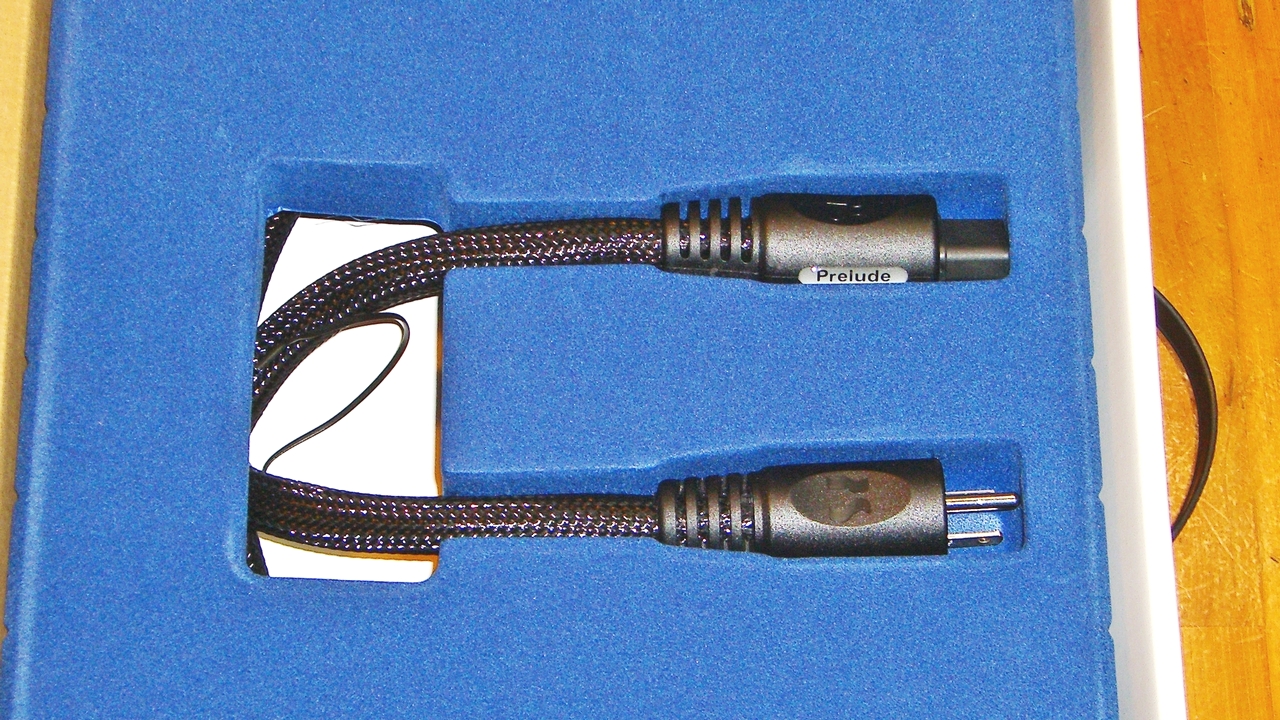
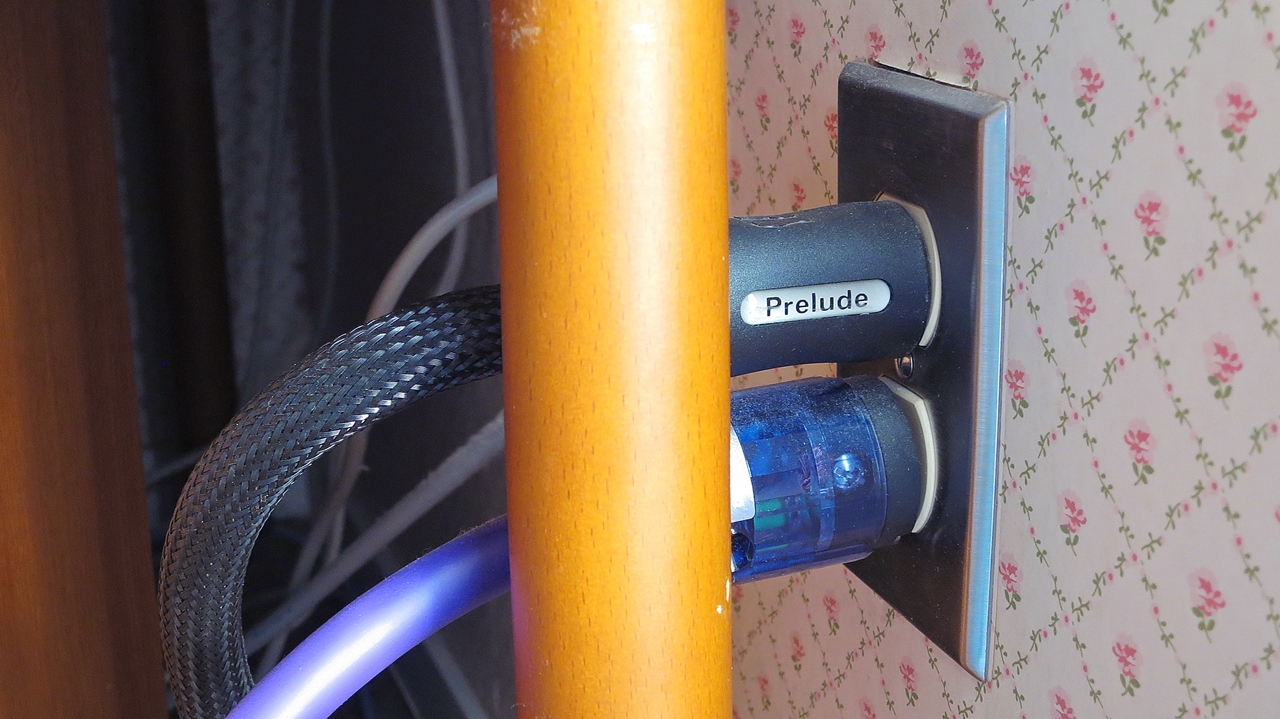
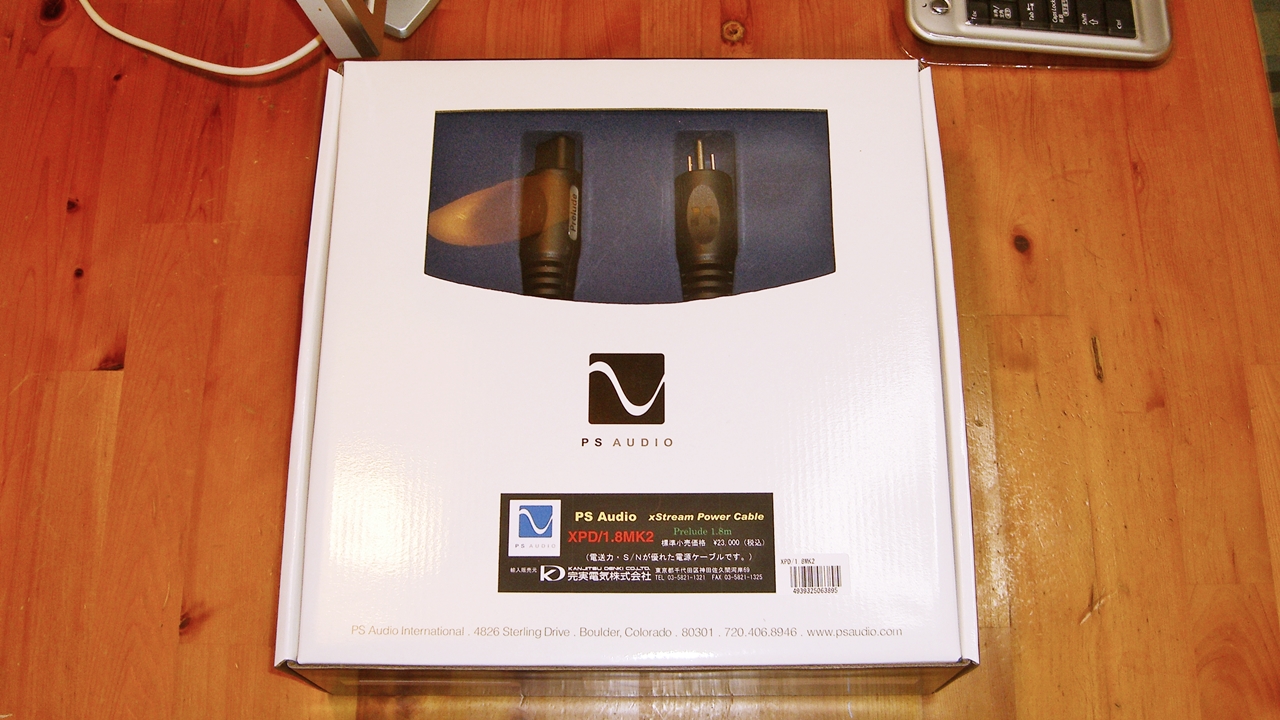
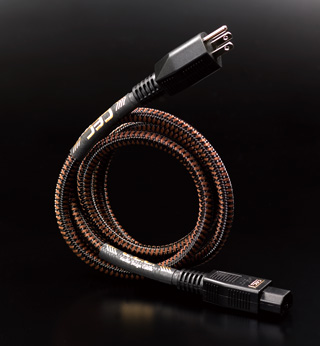
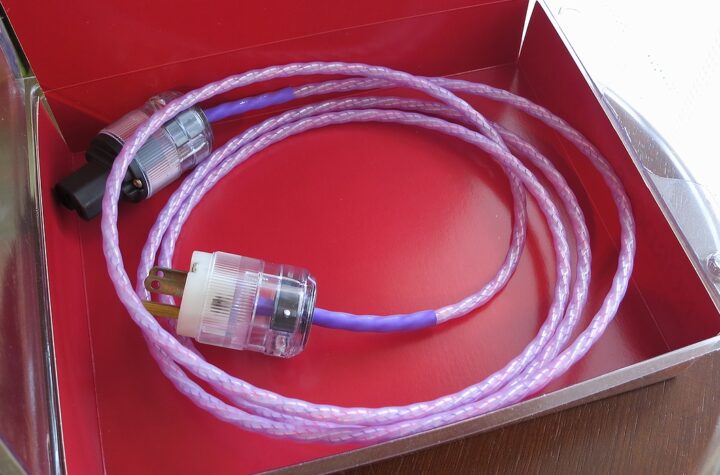
The outer box looks like this. The cable itself is thick and quite heavy, and the box is correspondingly large. The AC plugs at both ends are integrally moulded and stamped with “Prelude.” One wonders whether naming it Prelude — as in a prelude, an introduction — means it is an entry-level model… or perhaps it is meant to be used on the source side of a system…? (A mystery.)
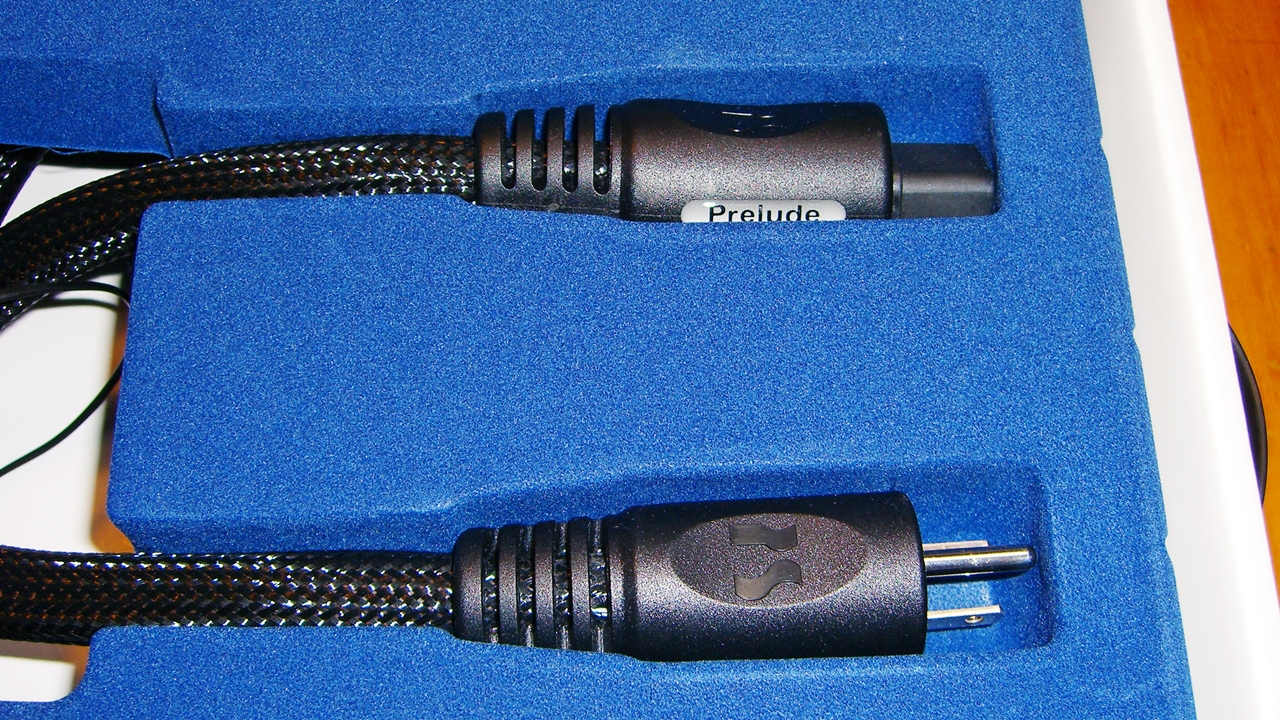
The XPD uses 10-gauge (5 sq mm) multi-strand conductors in OFC copper. The PS AUDIO original integrally moulded plugs are crimped without screws, and silver solder is used for the conductor connections, apparently. The nickel-plated contact surfaces have been hand-polished to a smooth finish and make an extremely tight contact. Compared with the kind of DIY mains plugs and IEC inlet plugs you find elsewhere, the contact here is clearly more secure, and picking the thing up tells you immediately that high-precision parts have been used — you can sense PS Audio’s dedication in the plug. The outer jacket of the conductor is a world-first: PVC mixed with ferrite for high-frequency noise rejection, and on top of that there is a dual shield of foil and braid.
 【PR】Amazon.co.jp:PS Audio Power Cable (1.8m, single) XPD/1.8MK2
Sound Quality Impressions
As for the all-important sound quality: the perceived S/N ratio is extraordinarily good. That, I think, is the single most defining characteristic of the PS Audio XPD/1.8mk2.
 Regarding the noise reduction effect from the ferrite sheath: with the same company’s Noise Harvester, which I reviewed the other day, I couldn’t really detect any significant audible difference with or without it (at least in my own environment). The PS Audio XPD/1.8mkⅡ, on the other hand, makes its presence felt in a way that is considerably more obvious and potent. The tonal character is quite similar to what you get when using ferrite cores or ferrite clamps, but the excellent perceived S/N and the uncanny quietness of the background give the impression that the power cable itself is functioning as a powerful noise filter. Incidentally, rather than putting ten ferrite cores around your system — with all the negative side effects that entails — you would be better off using a single XPD or XPL: the overall perceived S/N of the system improves by a considerably greater margin.
Given that the cable has a 16 mm ultra-thick sheath and comes from PS Audio, a brand known for strong bass, I was expecting a sound with a fair amount of low-frequency weight — but in that respect it did not quite live up to expectations. Compared with the other 3.5 sq mm power cables I own, it does go one step further in both the quality and quantity of the bass, but the sheer visual thickness of the cable sets up expectations that are not entirely met in the listening… The distinctive weight and depth in the mid-to-low range is genuinely impressive, but for still more low-end body and mass, you might be better off going for the higher-grade model with 8-gauge PCOCC conductors, the PS AUDIO XPL/1.8MK2, or simply choosing a different power cable of 5.5 sq mm or above…
Right out of the box, there was an unpleasant roughness clinging to the sound that was nothing like PS Audio’s typical sonic character, but after using it continuously for several months it settled into a reasonably smooth tonal quality. As burn-in progressed, the slightly sweet attack and body in the mid-to-low range that you associate with American products began to emerge — and that is the XPD’s particular character. With the higher-grade XPL MK2, which uses mono-crystal high-purity oxygen-free copper “PCOCC” for its conductors, reviews I have come across suggest you can expect a harder, crisper bass than with the XPD. The XPD already strikes me as quite wide-range for a power cable when compared with others on the market, but reviews indicate that the XPL is wider-range still, and surpasses the XPD in virtually every respect… To be honest, I rather wish I had gone for the XPL… The XPL is the higher model above the XPD, differing in that it uses multi-strand PCOCC rather than OFC conductors; the construction and conductor gauge (10 AWG) and other specifications appear to be essentially the same. ※ Cables with PCOCC conductors tend to have a stronger, more energetic character, so the XPL, rather than the XPD with its OFC conductors and emphasis on delicate detail, seems the better bet if you want a lively, vigorous sound.
The XPD’s treble is vivid and crisp, with a fast transient response. Imaging and image focus are sharp, with a keen forward projection. There is an accent in the upper midrange and a tendency toward nervous, peaky behaviour. Voices and speech come through clearly and with definition, though sibilants are prominent. It tends to further emphasise the character of the Scanspeak tweeters, which are already high-resolution and on the edgy side — so when brand new, the treble honestly struck me as somewhat hysterical. But once burn-in had progressed and I had grown accustomed to it, the cutting precision is the sort of thing that makes other cables feel lacking, and you find yourself addicted to it. With speakers of lower resolution, this treble crispness may work in your favour, making the high-frequency freshness seem markedly improved. That said, because the bass extension is also wide-range, the image stays firmly centred rather than being pulled upward the way it can be with cables that are weak in the bass. The stereo image is stable, and in combination with the quiet background, the way the soundstage unfolds has a distinctive atmosphere all its own.
The tonal colour is slightly dark and the temperature feels cool and chilly — rather reminiscent, somehow, of a black granite audio board. In terms of Hi-Fi sound quality per se, it is rather impressive, but if I am being honest, musicality falls into the lower tier. This is a cable for enjoying silence and clean edge definition — it is not the type equipped with the artistry to draw out musical vitality, warmth, or elegance in dynamics. You might think that with its good perceived S/N and sharpness in the upper midrange it would have a great deal of information, and while the attack and outlines are indeed clear, the analytical information content in terms of soundstage depth and the lower frequencies is, surprisingly, not all that remarkable. This may be because the fast upper midrange makes the bass transient response seem relatively soft by comparison. In any case, it is a sound with a distinctive personality that you simply cannot find in any other power cable in this range.
Hall reverberation decays cleanly and crisply rather than lingering and washing around. There are moments when it takes on an impression of something quasi-surround, as though the sound had been electrically enhanced — and I am still not entirely sure why… This is particularly noticeable with remastered CDs, where edit points and phase reversals in the reverb tail become conspicuous. Whether this represents the extraordinary S/N performance exposing the processing that went on at the mastering stage, or whether it simply means the cable has an unnatural tonal character, is something I still cannot decide…
In speaker terms, this is decidedly not an acoustic or instrument-type character. In that sense, it is perhaps not really the right power cable for an audio system like Vienna Acoustics, whose raison d’être is musical-instrumental artistry over clinical accuracy. Yet it is not the dry, monitor-speaker type of sound either — if there were such a thing as an extremely high-quality PA speaker, it might sound something along these lines. AR — ACOUSTIC RESEARCH’s satellite speaker, the “EDGE”, had a certain something like this, if I recall correctly… though I imagine most people will have no idea what I’m referring to. Truthfully, the XPD is not particularly to my personal taste in terms of sound, and yet there is a quality to it that makes it hard to remove from the system. When I swap it out for another power cable, I invariably find myself struggling to match the XPD’s clarity and its passive, quiet S/N. And that, I think, is precisely what makes the PS Audio XPD/1.8mk2 xStream worth choosing in the first place.

Beyond that, I have a sense that this XPD indirectly reduces the digital noise from large-screen LCD televisions and PDP/plasma displays as well. In terms of picture quality itself, there may well be other cables that give more attractive colour saturation, but plugging the XPD directly into the plasma display’s power supply might, at least perceptibly, reduce the high-frequency noise that bleeds into the audio side in a combined AV system.
Related Models: XPL, XPC “Power Punch,” and Others
 At present I am using the XPD between the wall outlet PAD CRYOMAG, which feeds the main system, and the audio power strip — but if I am honest, I am not entirely sure it is to my sonic taste. So should I manage to find a power cable better suited to my preferences in the not-too-distant future, I am considering moving the XPD over to the plasma television side. For the Hi-Fi system proper, I would like to try the higher-grade XPL MK2 “Plus” power cable for the time being. With a sound character of this type, I feel it is more satisfying to achieve hardness and wide-range extension in one decisive stroke than to leave the bass detail with a lingering mid-range softness. And my guess is that the XPL might be the cable to do that. Incidentally, in the home market (the US) there are even more expensive models such as the Statement and the Premier “SC,” and there is also the PerfectWave series emerging, but I shall restrain myself from going any further down that path.
PS Audio also offers a more affordable entry-level model below the XPD: the XPC1.8 “Power Punch” cable. Its construction differs from the XPD/XPL, being a three-conductor solid-core 12-gauge (3 sq mm) unshielded design. Solid-core power cables, as distinct from stranded designs, tend to deliver a sharper image focus and a sense of speed, so the XPC “Power Punch” has a place that is quite different in meaning from the models above it — and not simply because it is cheaper. It may well be effective for introducing the solid-core sound into a preamplifier or CD player, or for improving the transient freshness of a power amplifier that has too much bass and lacks pace.
2021 Addendum: Tried It in the Secondary System
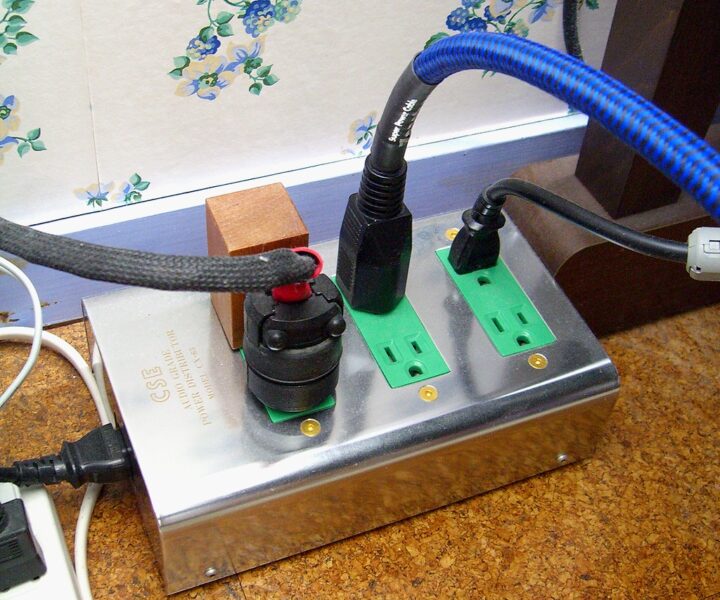
The PS Audio XPD was originally in use at the main feed of the main system via the J1 Project PT-4. After that it was displaced by other power cables — the PAD AC-IOTA (under construction) and the Nanotec Systems PS308 — and spent several years connected to the secondary feed via the FURUTECH e-TP60. Last year it was then replaced in that position by the XLO Reference 3 power cable and sat unused in storage for a while, but I decided to try it in the secondary system between the wall outlet and the CSE CX-63A.
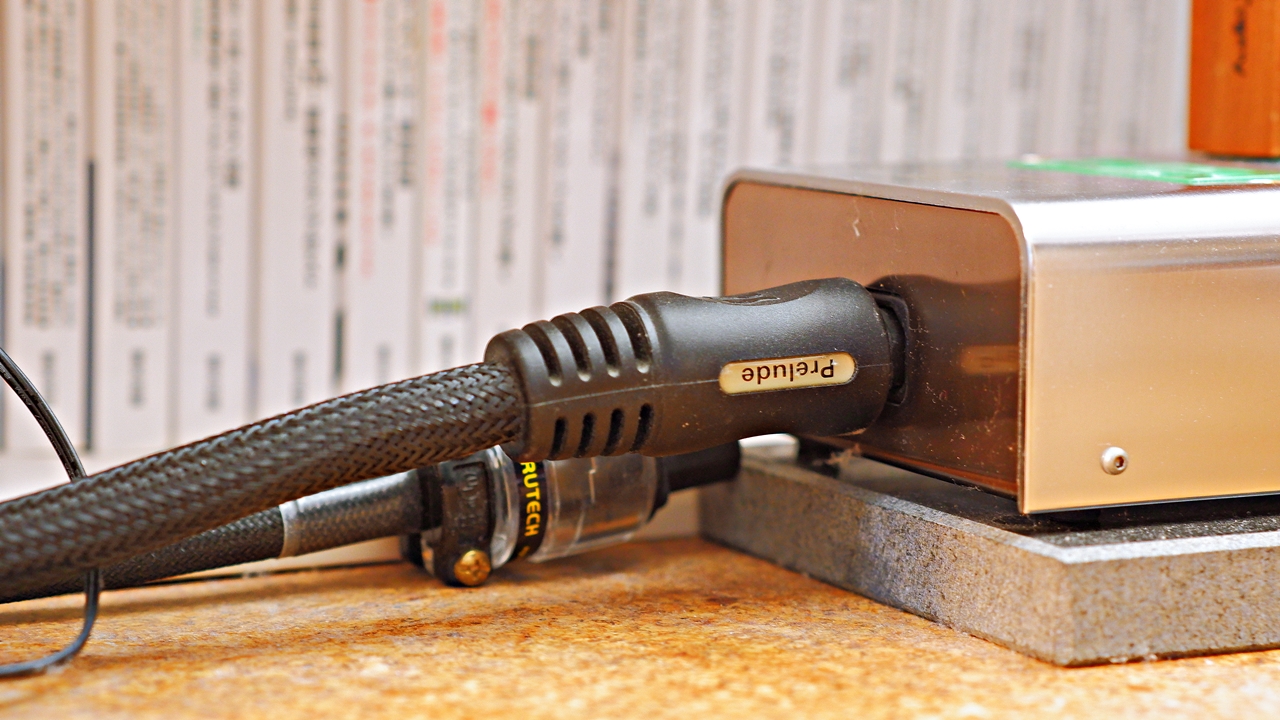
Compared with the FURUTECH The Astoria that is normally connected there, the S/N is better, the overall character is considerably more composed, and the sense of stability is striking. There is a characteristic abundance of what I would call an electric quality to the resonances, along with a crisp freshness and cool, clean precision — but being a power cable of an older design, the impression compared with more recently purchased cables is that the extension in both directions is not quite as wide-range as I had thought. And it tends to work against the musical spontaneity that is the DALI MENUET‘s particular strength, which makes me wonder whether it is really suitable as a listening power cable. So, regrettably, it did not make the cut this time around. I shall try it somewhere else again.
~ Summary ~
 Category: Power Cables & Power AccessoriesCategory: USA / PS AUDIO


Auto Translated by CS4.6
List of comments (8)
pastel_pianoさん、こんにちは♪
拙ブログへのリンクありがとうございます。
PS Audioの電源コードは実は使ったことがないのですが、いつもながら詳しいレポート、参考になります。
うちのブログではおひさです&こんばんわ♪
こちらこそいつも色々参考にさせて貰ってます。
どうもでーーーす。
当家にもプレリュードが…。
しかし、かなり通電(エージング)しても、pastel_pianoさんの書かれているとおりの音なんですね。某評論家(某雑誌)は絶賛してたりしてますが、「ほんまかいな!!」と思っているところです。低域が厚いなんて書いてあったりして、もう騙されたって感じ。
今思うとパンチの方が良いのかも…。
PS
先日、アルゲリッチBOXを完全試聴しました。小生は大大満足です。クラシックの愛好家にも聴いて貰ったんですが、「ノー・プロブレム」とのことで安心しました。
確かに客席で聴こえてくるピアノの音ではないですが。
Sugerさんどもでぇぇ~す。
パンチも低域出るのかなぁ・・・。導体が細い上に単線ですから普通に考えると厳しそう。やっぱりスピード感とそれに伴うレスポンスの良さ・・・パンチ力って事でのネーミングじゃないかしら?あと、トゥイーターの解像度と高域の反応が極めて良いStella Opusで組んだシステムの場合、PSオーディオの電源ケーブルではどうあがいてもビーキーな音になってしまうかも。Stella Opusを以前に試聴した経験と私が昔使っていたAcustik-lab SYSTEM1.2のイメージからすると、あの宝石のような美しい高域の透明度と空間を維持したまま中域の密度と低域方向の量感を加えつつ、長時間聴き疲れない音にするか?がテーマになるような気がしました。
こちらはSugerさんのチクマ TRC-15HPのレビューに感化されて連休に後継機種のWisdomを手に入れてしまったり。で、どうしたものか超~悩んでます(滝汗)。何カ所かで入れたり外したりしましたが現状を超えられるポイントが未だ見当たりません。。。エージングしたら変わるのかしら?
アルゲリッチの新マスタリングCD良かったですか~むぅぅ。人柱されたのが失敗に終わらなくて一安心の反面ちょっぴり複雑な気分です。 やっぱりシステムが変わると音の出方が変わってしまうのでそんなもんでしょうか。一番好みではない部分はリマスターのアタックが男性的で骨っぽくゴツい所です。ドイツ語訛りのアルゲリッチみたいな…。 ご本人のタッチはもっと柔らかく女性的な音色ですから。ワタシ的には初期盤は別格としてどうやらOIBP盤の方がまだ不満無く聞くことが出来るみたいです。まぁでも新リマスター盤でなければ聴けない音も随所にありますから、コレクションの片隅には加えておきますけれども・・・。皆様の「ノー・プロブレム」とのこと、後日注としてあちらのエントリに加えておきますね。
どうも始めまして
いつも拝見させていただいております
いつもはニヤニヤ眺めてるだけですが
PS Audioのケーブル
しかも今まさに使用中のものがレビューされてるので
おもわず書き込みしてしまいました
自分はここまで細かく考えて聴いていないのでとても参考になります
自分はONKYOのA-977に使っていますが
この組み合わせは少しクールすぎかも
次はオヤイデのTUNAMIか三菱ので悩んでいたのですが
このレビューを参考にしつつもうちょっと悩んでみます
これからもがんばってください
では
風塵さんはじめまして(^^)
・・・ニヤニヤですか(滝汗)。A-1VLより更にクールなA-977でお使いとなると、確かにクール×クールでクールすぎるかも。でも互いの持ち味を引き出すという意味では良い組み合わせかもです。A-977のクールでハイスピードな音が苦手と云うのでなければ、敢えて更に他のケーブルへ浮気する必用は無いかも知れません。どうしてもというなら私でしたら三菱電線PC-1を選びます・・・自分が試してみたいだけですが。ややお高いのが難点かも?
http://audio-cable.co.jp/SHOP/95141/list.html
こんばんは~。。
さっき価格コムでpastel pianoさんのプロフィール見つけてしまいました(^^
もちろんファン登録済みですからね~(笑)
では~( ^_^)/~~
お~。ずっとレビューしてない幽霊会員ですm(__)m
今日はPC壊してドタバタしてますが、落ち着きましたら久しぶりにログインしてこちらからもファン登録しますね~♪