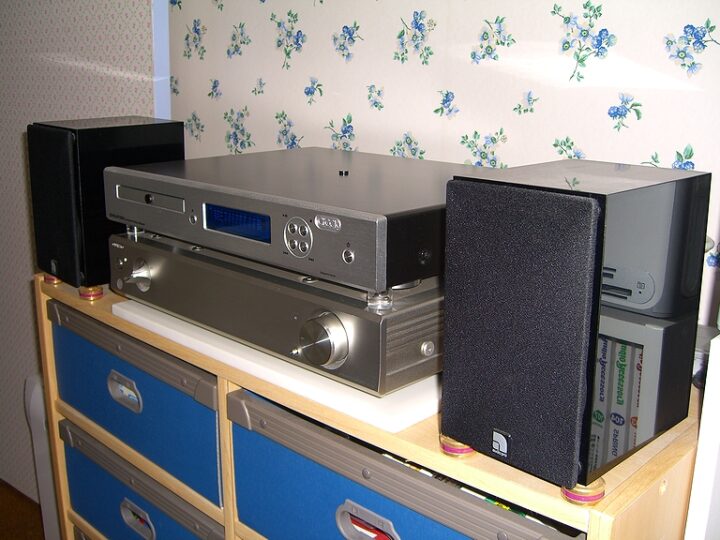
【Sub-System Part 2】 continued.
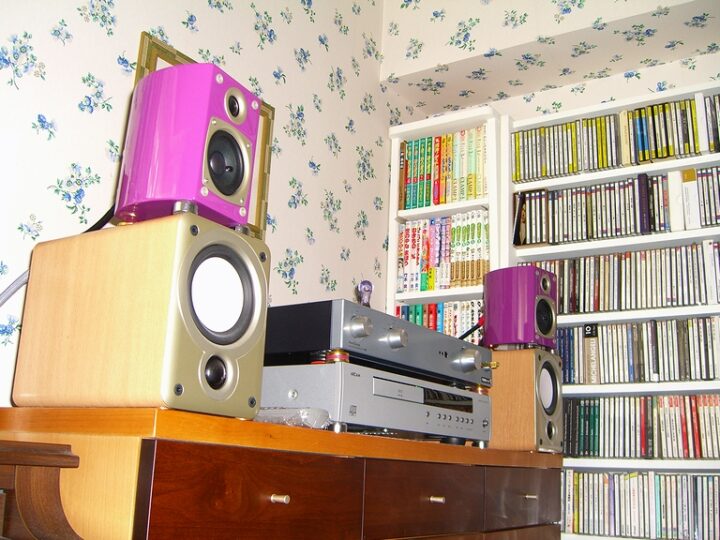
 Unlike the digital amplifier ONKYO A-1VL, the nature of the TAG McLaren 60i as an analogue amplifier means it cannot quite achieve the same level of resolution, speed, or clarity as Sub-System A. In return, this combination should, by rights, yield a more natural and deeply expressive sound with a broader soundstage. It ought therefore to be better suited to acoustic instruments — classical music, jazz, and the like. As for future upgrades, the options would be either to add a subwoofer for the ALLROOM SAT, or to introduce a more serious compact speaker. The obvious candidate in my mind would be the QUAD 11L2, successor to the QUAD 11L I have praised so effusively here before, but that model is just a little too large for the available space. So perhaps the QUAD L-ite — which some quarters have awarded the dubious honour of being a landmine — might be worth considering? Apart from Kakaku.com, there are not many enthusiastic reviews of it to be found online, and opinions seem divided between those who prefer it to the 11L/12L/11L2/12L2 and those who dismiss it outright — which is, perversely, exactly what makes it look rather appealing to a contrarian like me…
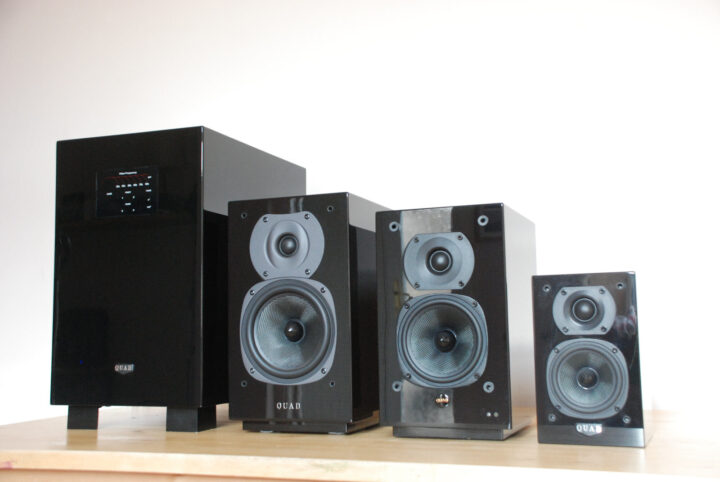
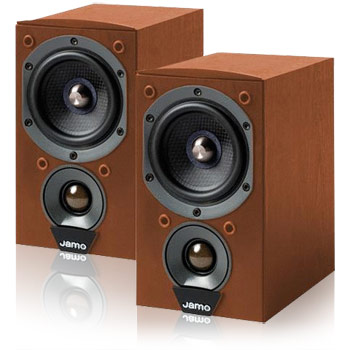
In any case, the QUAD L-ite is absolutely perfect in terms of size. The finish on the cabinet is so beautiful you would want to press your cheek against it. I did audition it twice at consumer electronics shops, in those side-by-side display setups, and the honest impression was that it was not quite as immediately impressive as the 11L — perhaps a little ambiguous, if I am being candid. That said, it might well transform once properly set up and driven — or it might not.
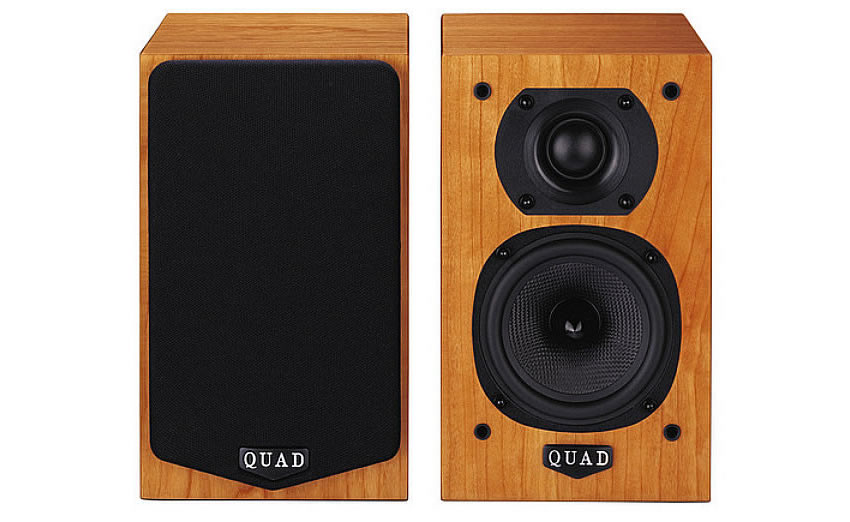
The youngest of the QUAD family. Compared with same-sized models from AUDIOPRO and AIRBOW, this one has a slightly more mellow tonal character. For those seeking pure sound quality at this size, there is the AIRBOW IMAGE11/KAI-S2 in the same price bracket, which boasts overwhelmingly superior sound. However, the build quality and sheer elegance of the QUAD LITE’s finish are unmatched at this price level. The finest sense of luxury in its class — that is the QUAD LITE’s distinguishing virtue. Quoted from Ippinkan’s product description
Yes — mellow. It is a QUAD, after all. That said, my impression from the shop audition was that, to put it unkindly, the sound was somewhat muddy. Much of that was probably down to the appalling display conditions and the tangle of cables at the mass-market shop — so perhaps with equipment of the quality I actually own, it would be fine? But it does leave me a little uneasy.
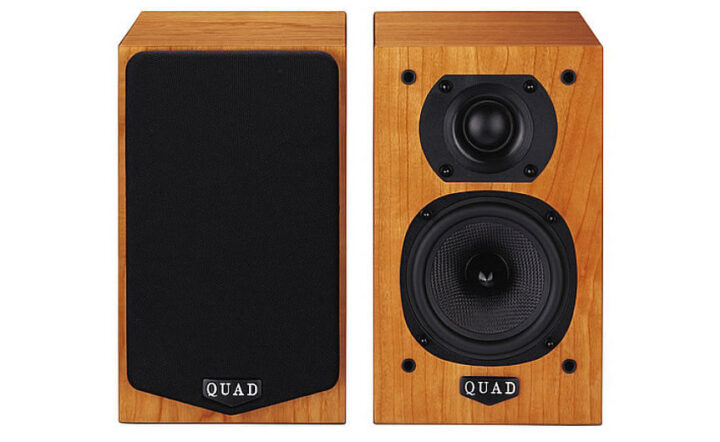
In recent years, even British speakers have increasingly adopted a modern sound, and the mini-sized models that carried a sense of the old, good tradition have become markedly fewer. Fifteen years ago, there was a whole range of small, affordable speakers with a rich, concentrated sound — starting with the BBC monitor LS3/5a as made by Rogers, KEF, and Spendor, and continuing through Castle, Wharfedale, Celestion, EPOS, ROYD, and others. KEF’s sound was syrupy-thick to the very last degree; Harbeth had a naturally warm, unhurried quality that could gently lull you into drowsiness. Even Monitor Audio carried a certain shadow reminiscent of the British sky — it did not have the bright tonal character it has today.
In that sense, QUAD’s bookshelf speakers — still sounding, as they do, like the colour of tea — remain something precious. As a side note, the QUAD L-ITE has quietly earned five-star ratings from both the UK’s What Hi-Fi and the US’s Sound & Vision. I have a fairly personal level of trust in the evaluations of overseas publications that treat musicality as a matter of course, alongside sound quality alone.
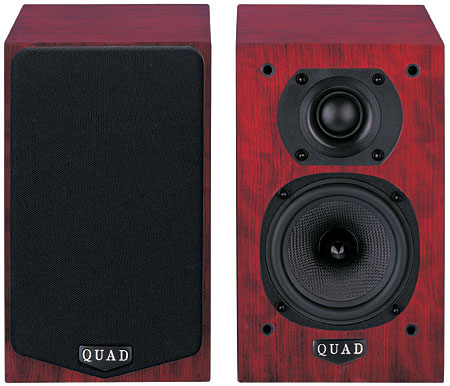
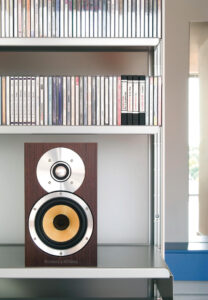
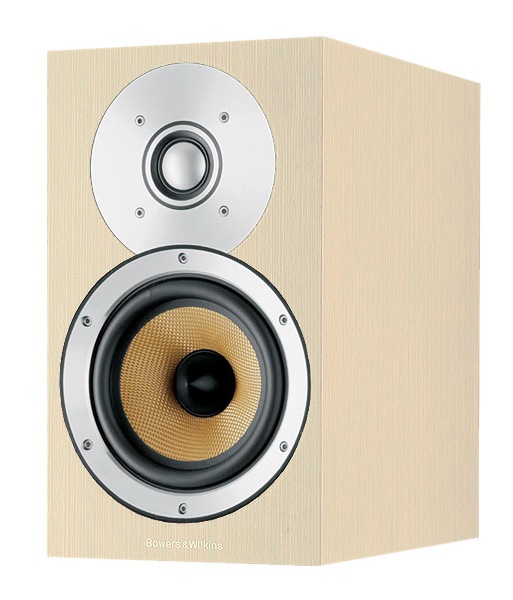
The next candidate on the list is the B&W CM1. As I wrote in an earlier article, the sonic scale and the appearance are beyond reproach, but it is a touch too large for a sub-system, and there is also the impression — not entirely unfounded — that the B&W CM1 does not quite show its true character at low volumes. When what you want is to sit quietly with music on an autumn evening, something feels not quite right about it.
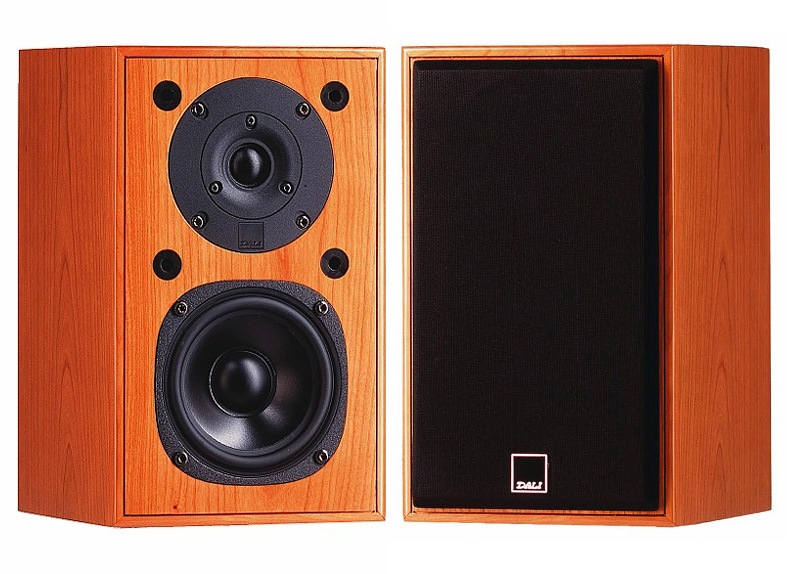
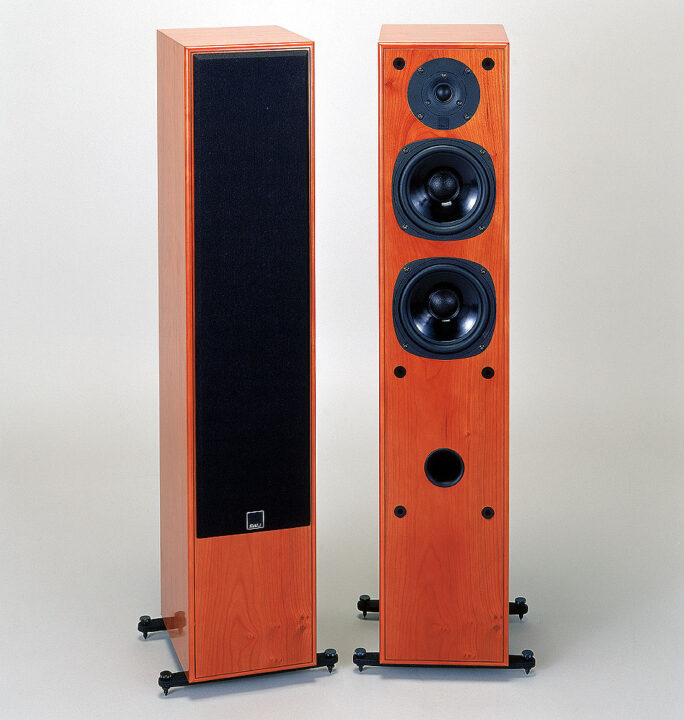
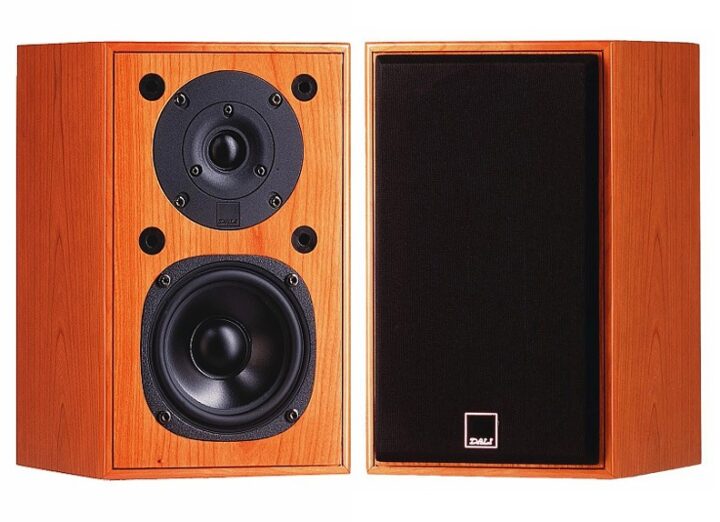
And then there is the DALI Royal Menuet II. I wrote an audition piece on it some time ago, and the finish and size are spot on. However, personally speaking, when it comes to DALI I prefer the sound of the Royal Tower to the Menuet, and there is also the slightly nagging point that the piano black finish — rather than the wood grain I actually prefer — yields better sound due to the lacquer treatment (note: this is commonly the case with other speakers too). And the polypropylene woofer unit by SEAS used in the Royal series — though the model number differs — shares a similar soft tonal character with the unit used in the Vienna Acoustics T-2. The feeling that this speaker’s character would overlap somewhat with my main system is another factor holding me back from buying.
Well, the biggest issue in each case is that the prices are just a shade too high — and when it comes to that, the re-imported ProAc  Tablette Reference TR8 has reached a simply unthinkable price, drifting ever further out of reach. The truth is, what I have always really longed for is nothing other than the LS3/5a — and then last month Rogers released a commemorative replica of the LS3/5a to mark their 60th anniversary, at a list price of ¥399,000. I am told the sound is somewhat different in character from the original, and on top of that there are all manner of LS3/5a knock-offs circulating in the market — so at this point, I honestly have no idea what one is supposed to do about any of it.
 ポチップ
ポチップ
An article from Rasenkan Blog @ So-net. Two reissue speakers: the Rogers LS3/5A mentioned above, and the Sonus faber Minima Vintage.

Auto Translated by CS4.6