Compact Pure Audio — A Recommendation. At AUDIO STYLE, we have long recommended the approach of assembling audio equipment from the same brand as much as possible, particularly for more general music fans and those new to audio.※ This column, originally published in 2005, has been completely rewritten.
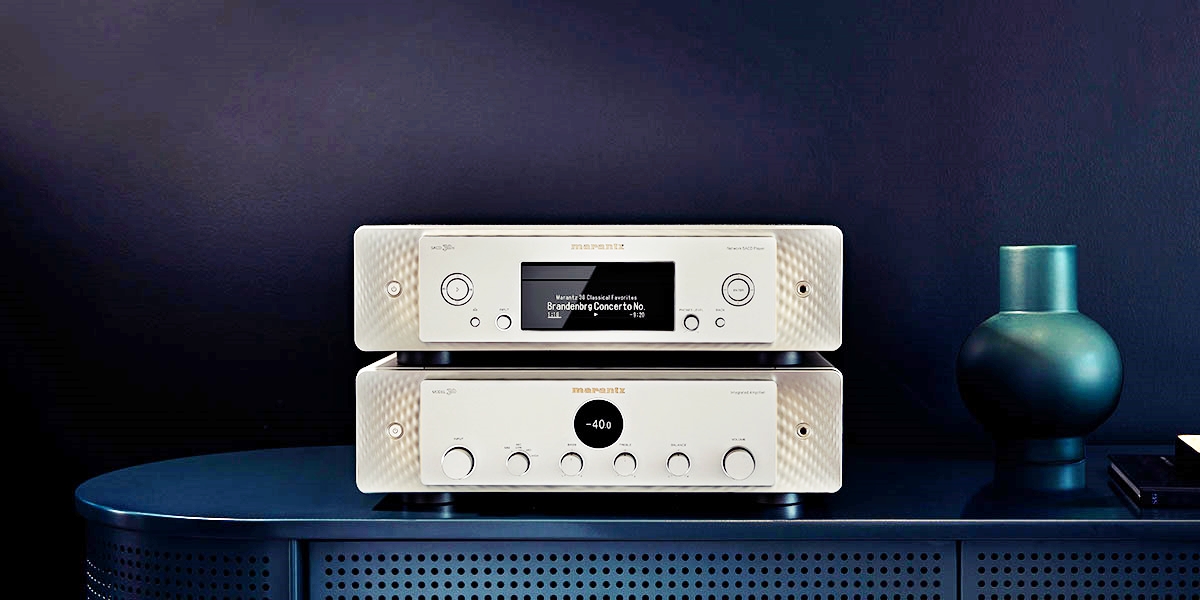
When one talks about assembling everything from a single manufacturer — from source to output — the immediate rejoinder is that this belongs to the world of all-in-one mini systems and so-called high-component sets: a low-effort, low-level affair. The real pleasure of pure audio separates lies precisely in the freedom to mix and match components as one pleases… There are, I suspect, no shortage of audio enthusiasts who would push back in exactly these terms. Manufacturers, audio media, and retailers have all conducted their business along those lines for many years, and as a way of approaching the hobby it is very much the orthodox path — an aspect that cannot simply be dismissed.


 ポチップ
ポチップ
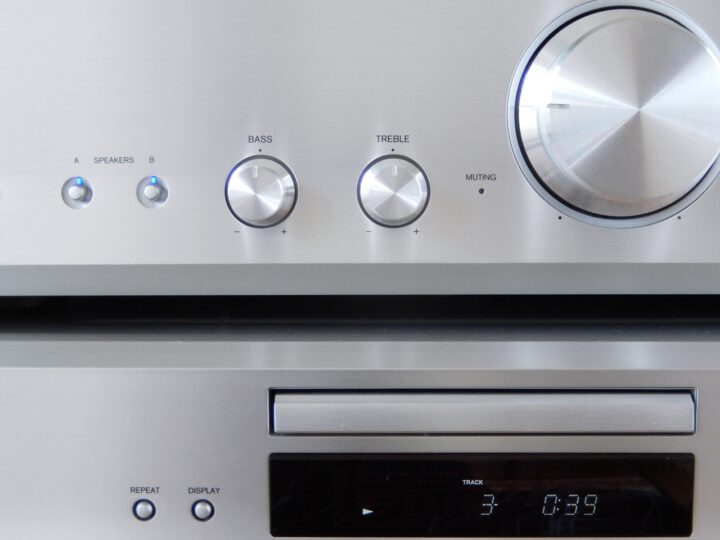
Sticking to the same manufacturer and the same design philosophy leaves the least room for failure
And yet — consider the case of someone whose primary purpose is not “the equipment hobby of appreciating audio products for their own sake“ but rather a music lover choosing audio components with the aim of “enjoying music and enriching their daily life.” First, there is the question of furniture — audio equipment as a kind of design object — where aesthetic harmony within the living space, the visual coherence of the pieces one looks at every day, and the sheer convenience of operating everything from a single remote control all become genuine requirements. Under those conditions, the jumbled mix-and-match approach raises the bar considerably.
And even where sound quality is concerned — when one wishes to achieve a richly satisfying musical experience without the audiophile’s trial and error or advanced setup techniques — sticking to a single brand tends, in the end, to produce better results… This is something the audio industry is inclined to pass over in silence, for commercial reasons, and yet it is an undeniable fact, is it not.
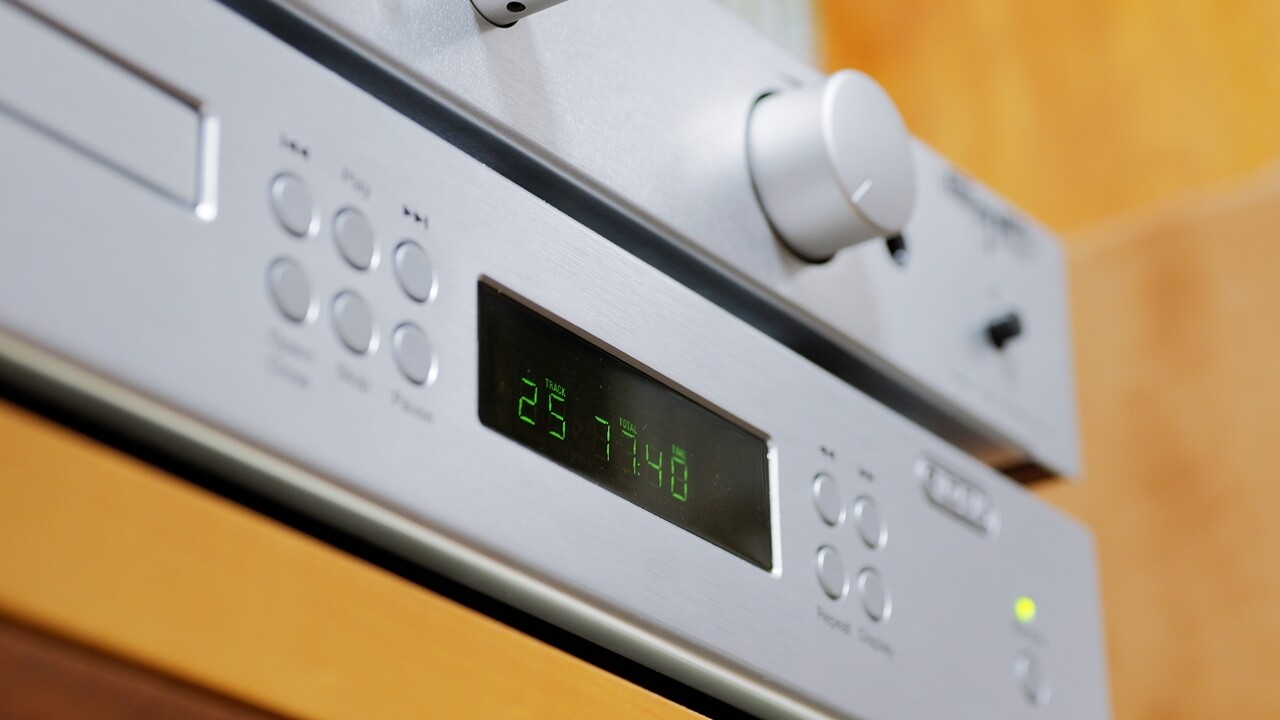
At the very least, when pairing an amplifier with a CD player and streamer, combining components from the same manufacturer at the same grade means one can realise, with virtually no effort whatsoever, almost exactly the conditions the designer intended. Viewed through an audiophile’s evaluative lens, this is not in the least bit interesting as a hobby pursuit, or it works out more expensive than mixing in components from other manufacturers — and so one ends up factoring in value for money, magazine coverage, and the reviews one encounters here and there, which leads, almost inevitably, to the desire to build a system from different brands. I myself have done exactly that on more than a few occasions, and I understand the feeling very well.
Even within the same audio manufacturer, when products are released at different times or belong to different price tiers, it is not uncommon — particularly with major Japanese manufacturers — for the designer or design team to differ. In such cases, even though everything comes from the same brand, the sound can end up mismatched, so in strict terms the ideal pairing would be products from the same design period and the same grade — ideally ones where the developer’s name and face are put forward publicly.
By contrast, with overseas manufacturers (European and American), it is generally the norm for a single designer who is the face of the brand — often the company’s founder — to remain deeply involved over many years, and when a generational change in designer does occur, it becomes major news in itself. The benefit of this is that, under the designer’s firm and consistent philosophy, there tends to be less variation in the compatibility between components and in overall sound character.
The Latent Dilemma of Pure Audio — Mixing and Matching Separates Freely
In the world of audio separates, even when you combine components that are each excellent in their own right, the result does not necessarily follow the simple arithmetic of a ¥100,000 component plus another ¥100,000 component equalling ¥200,000-class sound. From experience, what ultimately determines whether a complete system sounds good or not is, more than the price bracket or the individual ratings of each product, the question of “synergy” between components — and this carries substantially more weight. This matter of synergy is in fact the single greatest difficulty in choosing audio separates, and it is something that tends not to be spoken about openly.
Deliberately combining components of different design philosophies can, it is true, satisfy a certain kind of hobbyist inclination. On the other hand, there is a high probability that one will also face the situation where the combination one has freely chosen does not necessarily yield the high sound quality that the designers of each individual component were aiming for.
 ポチップ
ポチップ
A common pitfall for audio enthusiasts mixing and matching separate components is the pattern of being unaware that synergy even matters, and carelessly pairing products that are in fact poorly matched — without giving it a second thought. The result is that one never notices the components are actually holding each other back, and one is left endlessly troubled by a sound quality that never quite comes together…※ If one remains permanently unaware of the synergy at play here, the tendency to over-trust individual component reviews can lead to a cycle of misguided replacements that never actually address the problem. Without ever managing to surpass the sound quality of a manufacturer’s own matched combination, one can end up falling into a rut of swapping and trial-and-error — and I feel that cases of people stumbling at precisely this point are by no means rare.
On top of that, the components end up mismatched in appearance and size, failing to harmonise with the living room, looking dreadful to everyone in the household — which only makes it harder to get their understanding and support. With clothing, if you walk down the street in a truly senseless outfit, you will attract attention in the worst possible way. But audio is, in a sense, a solitary hobby — there is no third party standing beside you to compare notes or offer a word of honest advice — and so there is something rather frightening in the fact that even if your own judgement has gone quite astray, no one will ever tell you.
Well, of course sacrificing your lifestyle for the sake of audio is perfectly natural, and blowing money on endless upgrades is simply part of the deal — there are, around me, more than a few audio enthusiasts who seem to sleep wrapped in cables, so I should make it clear that this is entirely my own personal set of values, my own preference, and perhaps an aesthetic that is not universally shared.
More Than the Sound Quality of Individual Components, “Synergy” in Combination Is What Fundamentally Matters
There are technical issues to consider as well: uneven frequency response from speakers, insufficient or excessive drive capability from the amplifier, damping factor, impedance matching between components including cables, and so on. Beyond that, given that audio equipment is to a large extent tuned by ear and by sensibility — shaped intuitively in its final voicing — if the ideal sound that each manufacturer’s designer has in mind turns out to lack musical synergy with the other’s, that lack of synergy will surface as a kind of wrongness in the sound.
The result is that even a combination that seems perfectly fine after a brief listen in a shop can, after extended listening, produce an inexplicable sense of unease, or simply become fatiguing to the ears and impossible to enjoy. When the synergy is truly poor, it becomes something like 1+1=0.5 — the components fight each other, kill each other’s sound, leaving something murky or piercing, an ugly and grating output that one cannot bear to listen to for any length of time. Such a catastrophe is, in fact, entirely possible.
Conversely, when a combination of separates comes together well, the synergy of a truly good match can make 1+1 equal 3 or even 4 — you may find yourself encountering a musicality and sound quality that far exceeds what the price would suggest. Finding such a combination is one of the pleasures for an audio enthusiast like myself, and a moment of triumph on the long road of this hobby…
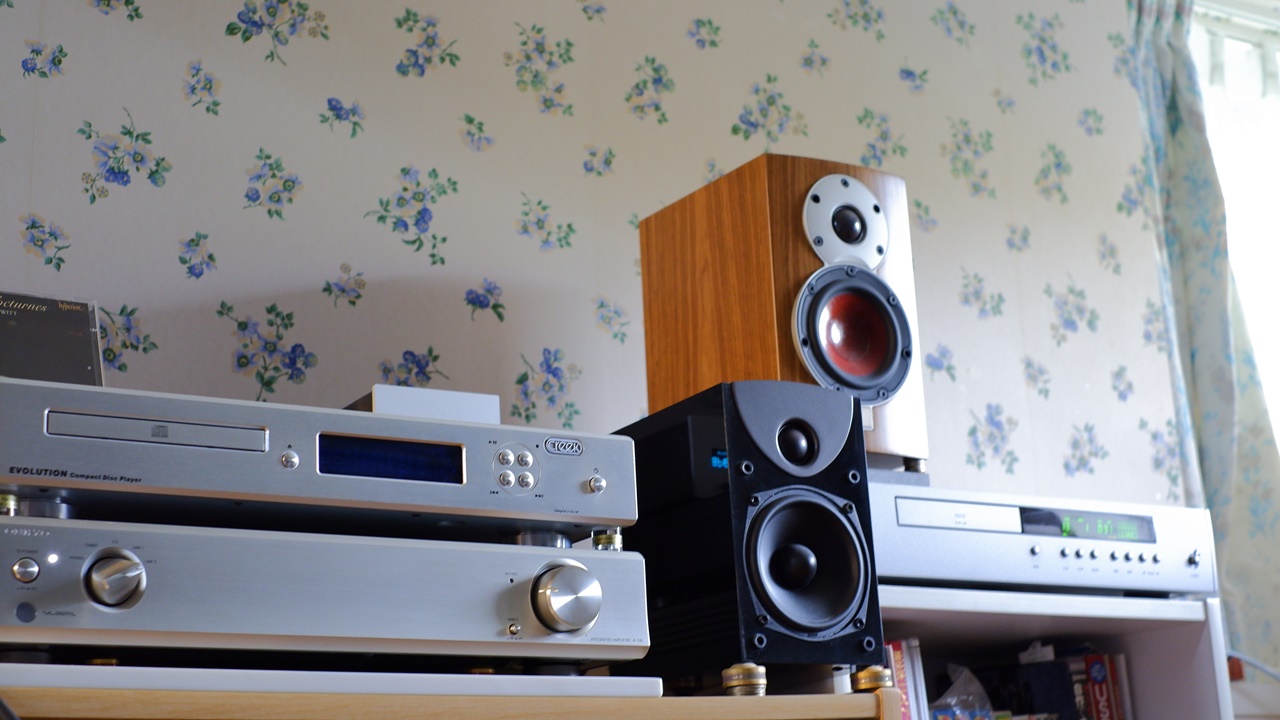
Audio is decided by how well the total coordination comes together
And in order to find that wonderful synergy, setting aside those in the industry who have ample opportunity to audition equipment at audio shops, for ordinary users it sometimes takes time, effort, and — for better or worse — a certain boldness when it comes to auditioning; and leaving aside chance successes and discoveries, it is not something that can be easily achieved without a considerable degree of tenacity.
Just as a good combination occasionally turns up, the opposite — a truly dreadful pairing — also exists more often than one might think, and one must be careful because there are cases where shops will quite happily run in-store demonstrations with a terrible combination. There are instances where a best-buy product that won a magazine award turns out to be the worst possible match in combination; shops that simply pair things together at random because they happen to sell well; people who trust that and buy without knowing any better… I rather suspect that this kind of unhappiness, repeating itself over the years, has been one of the factors that has driven audio culture and the market itself into an ever-narrowing negative spiral.
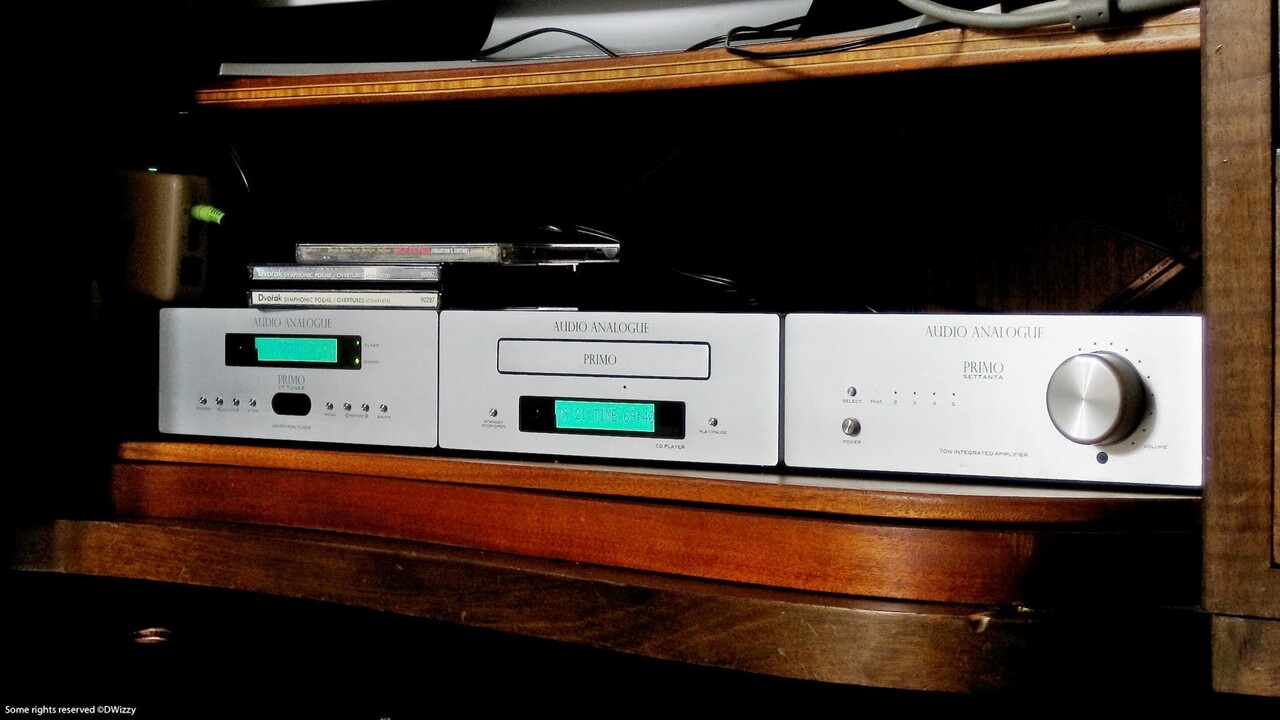
In practice, I think the majority of combinations fall into a middling range — neither particularly good nor bad in terms of synergy. However, that is not the 100% level of sound quality that the designer of each component intended, and quite apart from whether it falls within any individual’s tolerance, there will almost invariably be aspects of the sound where each component’s particular character is not fully drawn out, and where each ends up to some degree spoiling the other.

Manufacturers should be more forthcoming about their development references
And yet, one almost never comes across an article in which an audio manufacturer honestly and openly declares something like: “We designed this model using this speaker as our monitor. This speaker was voiced using this amplifier and player from another manufacturer as our reference.” Were they to do so, they might sell well enough to users who own that particular speaker, but to everyone else, sales might well suffer. And so, whether by some unspoken marketing convention or otherwise, these things almost never become the subject of a clearly defined feature article in the audio press.
Even so, if one keeps a sharp eye on the euphemistic phrasing in articles, or on what appears in the background of manufacturers’ listening rooms and audio show photographs, it is possible to make educated guesses about the monitor speakers from other companies that were likely used in design and development. And in the case of speaker manufacturers, they will sometimes use other manufacturers’ amplifiers and CD players — the very components employed in their design process — in official demonstrations without any attempt to conceal them. All of this ought to be hinting at important answers when it comes to assessing synergy between products.
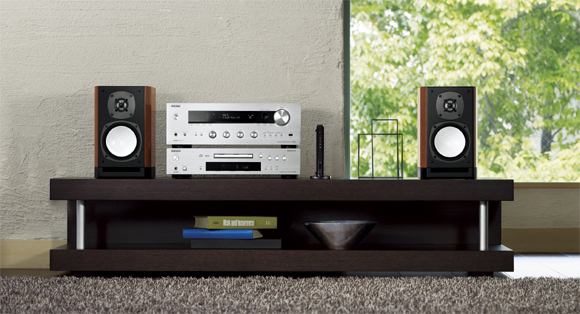
That said, even if no active announcement is made, there must exist, in the case of virtually any manufacturer, quite a number of combinations they would rather their customers not use.
And what becomes of the owner who is unfortunate enough to end up with a combination that lacks synergy? Those of a pure and devoted disposition — who have developed an absolute reverence and attachment to the equipment and brand they have purchased — will either resign themselves to suffering in silence, convincing themselves the problem lies entirely in how they are using it, or they will carry on listening to dreadful sound under the unconscious conviction that it simply cannot sound bad. Or they may eventually grow weary of listening to music through audio equipment altogether, and, almost without noticing, lose interest first in audio and then in music itself…
Another type of enthusiast will respond by disparaging whichever component they are dissatisfied with — or perhaps both — and, out of frustration at being unable to hear good sound, may in the worst case end up scattering negative assessments of that product into the wider market. When this happens, the failings arising from one particular combination become exaggerated, and unreasonable rumours and negative evaluations begin to take on a life of their own online. In the present day, the risk that this delivers a slow, body-blow kind of damage to brand reputation and sales is not something that can be ignored.
In order to avoid this kind of situation, I would like to see both manufacturers and distributors disclose information far more proactively regarding the “synergy issues” that audio equipment inherently carries. Even if they cannot openly speak about bad combinations, it would at least be desirable for manufacturers to actively promote their particularly synergistic pairings and recommended partners in the market, collaborating with one another in doing so. This would ultimately allow them to raise the perceived value of their own products through user feedback, lift the overall playback quality of individual separates users, and in turn contribute to the reputation of their own products, to musical culture, to record sales, and to the revitalisation of the audio market as a whole — or so it seems to me.
~ Summary ~
To return to the main point. When considering the risks of component synergy and mismatched combinations, avoiding those risks as far as possible ought to be the smart and direct route towards better music reproduction. Therefore, at the very least under conditions where one cannot take on a significant financial risk, where synergy is unknown, and where there is no opportunity for sufficient auditioning — the manufacturer’s own matched combination should be taken as the first candidate and provisional reference point.
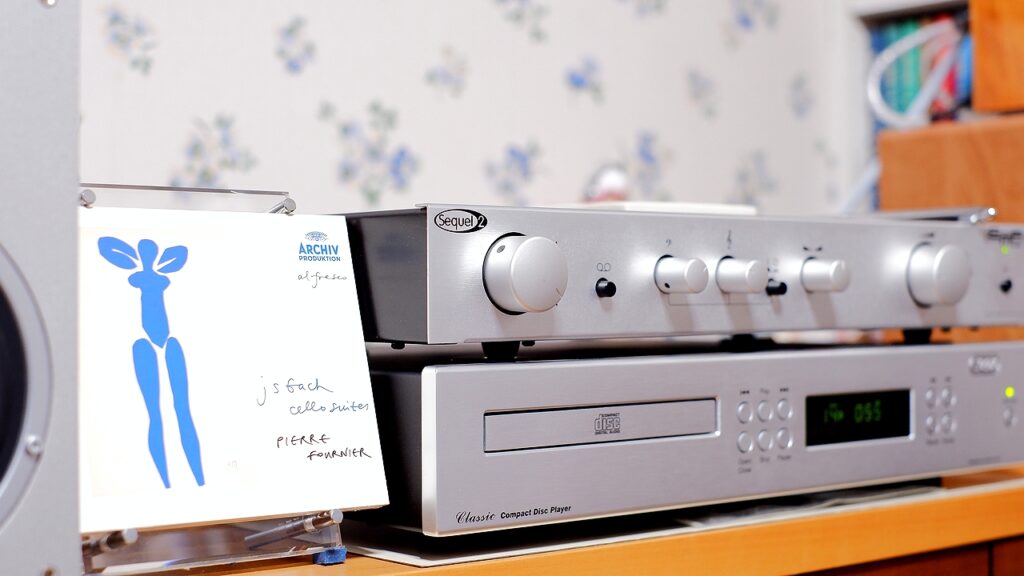
Also, in cases such as speakers from manufacturers that specialise solely in loudspeakers — more common among overseas brands — where it is far from clear which manufacturer’s amplifier will suit them, the approach is to first narrow things down to a single speaker you feel an affinity with, and then keep swapping amplifiers and auditioning until you find one that truly works with it. That kind of dogged persistence is what is required. But even so, this is genuinely difficult in practice unless one has grown accustomed to the customs — or rather, the unwritten rituals — of stepping through the door of an audio shop. In terms of audition environments, the number of shops where one can make a proper performance comparison is extremely limited; and beyond that, there exists in this industry a peculiar atmosphere of reluctance towards casual auditioning… So the oft-repeated advice of “just listen for yourself, make up your own mind” sounds truthful enough but is rather cold comfort. The reality is: if auditioning were something one could do so easily and casually, nobody would bother asking someone as eccentric as me in the first place.
 ポチップ
ポチップ
And that is precisely why people come to a site like mine — run by a shameless listening enthusiast — looking for some kind of information. Personally, I find that rather enjoyable in itself, but the whole point of putting information out there is this: I want music lovers who are seeking genuinely high-quality music reproduction to be able to build a music-first audio system without stumbling into the usual audiophile pitfalls and detours, and to enjoy a richer, more fulfilling musical life. With that in mind, I do hope that manufacturers and distributors will, wherever possible, actively recommend — through the media and through retailers — the ideal combinations that bring out the best in each piece of equipment they have developed, and that they will do so without being bound by brand loyalties.


Auto Translated by CS4.6




List of comments (2)
オーディオショウなどでも、輸入代理店の関係で最悪な組み合わせで鳴らされていることが多々ありますね。
そのような組み合わせでデモをする輸入代理店はちょっと避けたい気分ですよね。
(その商品が気に入ってしまえば仕方ありませんが、極力避けたいですね)
たまたまAVアンプの試聴会でヤマハの方がZ9の音決めはノーチラスで行ったとおっしゃってました。
デノンのA1は確かノーチラスとインフィニティーだったかと…
少し前の話ですが…
オーディオショウという限られたシチュエーションの場合、
代理店は自社で取り扱いのある製品を組み合わせて、
少しでも取り扱い製品をアピールしたいとの考えが、
音よりも先に来てしまうことがあるんでしょう。
製品を並べるだけでまともに音出しさえさせない所もありますし(^^;。
>ヤマハ
ヤマハのスピーカーで音決めと言わないところが誠実です…。