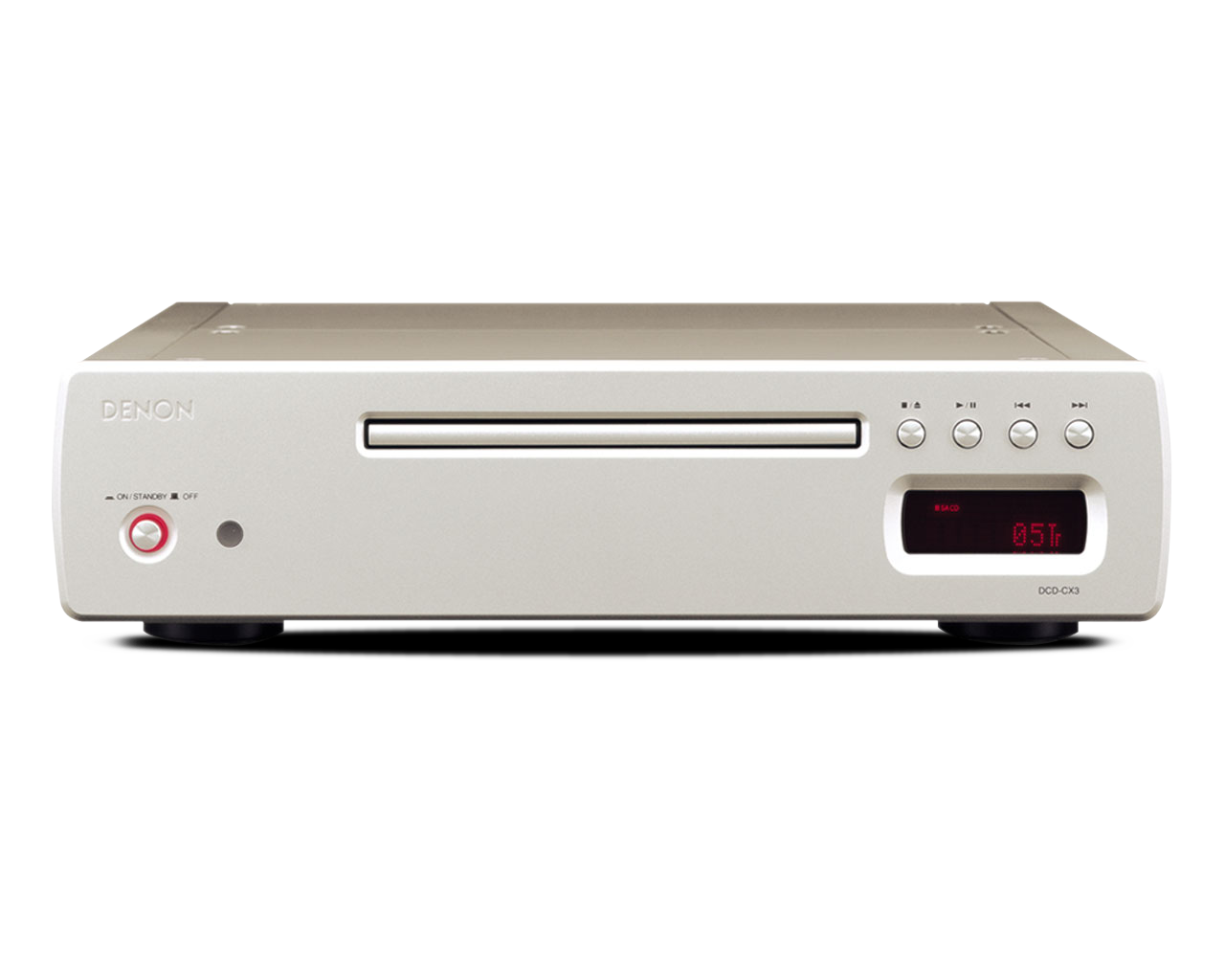
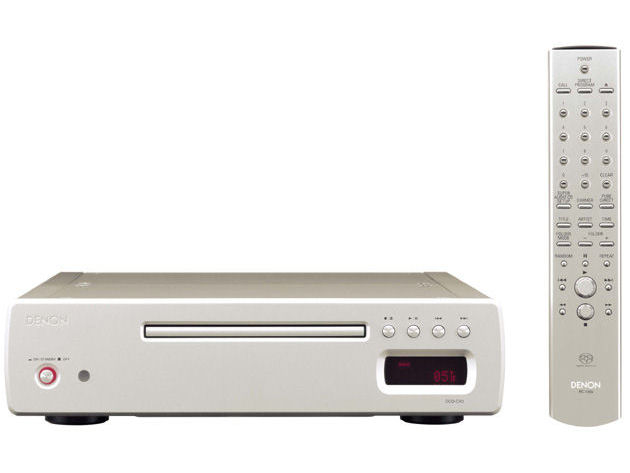
I realise this is hardly breaking news, but today I’d like to write about the Denon compact Hi-Fi system — the PMA-CX3, DCD-CX3, and SC-CX303 — released about a year ago.
To begin with, DENON is one of the most representative names in Japanese-made audio equipment — a brand whose sound is, for better or worse, thoroughly Japanese in character, and one that has long pursued a path of large, heavy, substantial components. That such a company should step outside the world of the Hi-Fi enthusiast and release a compact system as stylish and appealing as this, clearly aimed at music lovers, is something I genuinely cannot help but find surprising. The compact form factor — roughly 30 cm square, the size of an LP sleeve — and the slim disc tray bring to mind the long-established systems of British LINN. Frankly, the concept is a complete homage to LINN, or perhaps more accurately a bor— (self-censored).
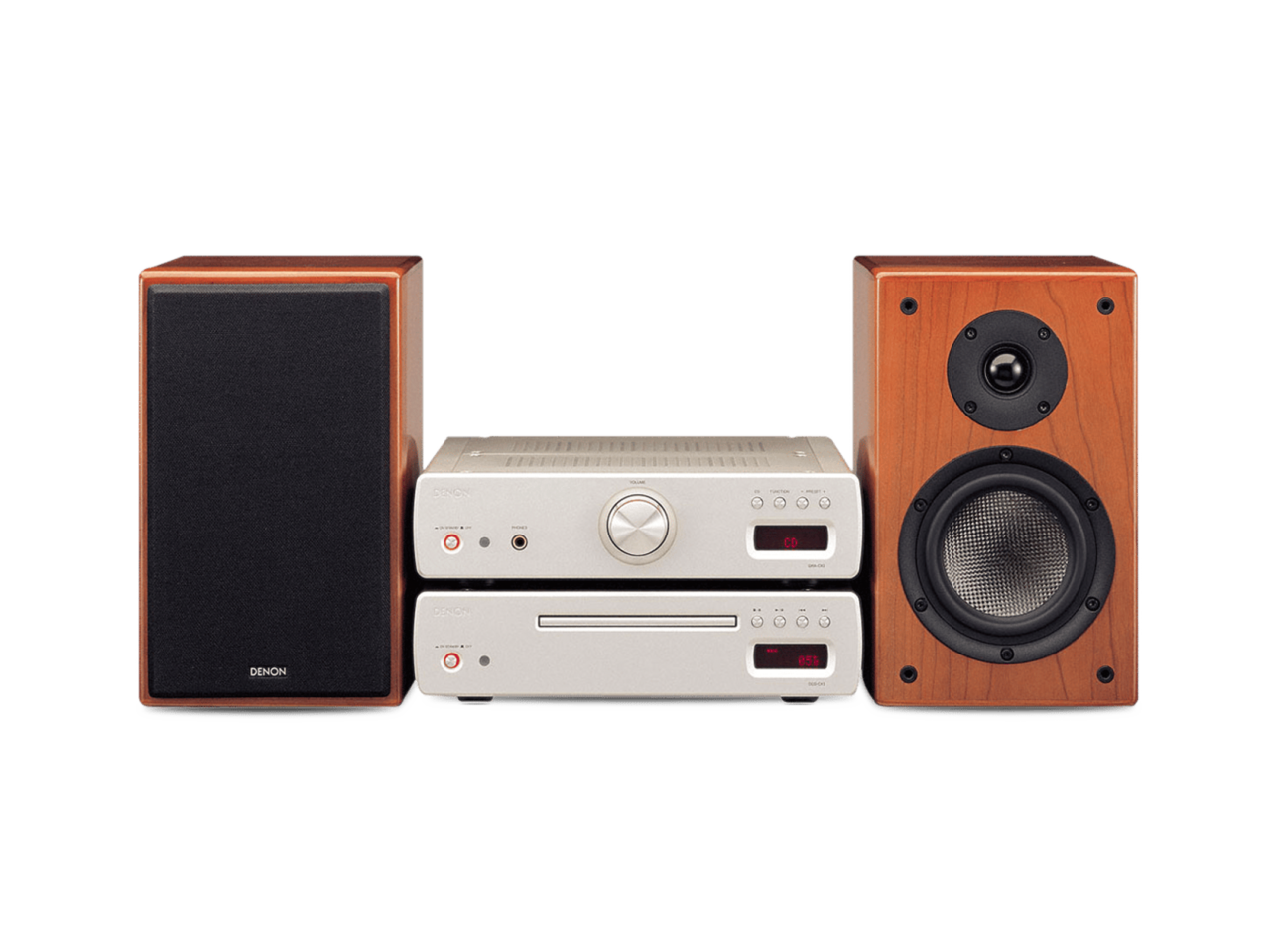
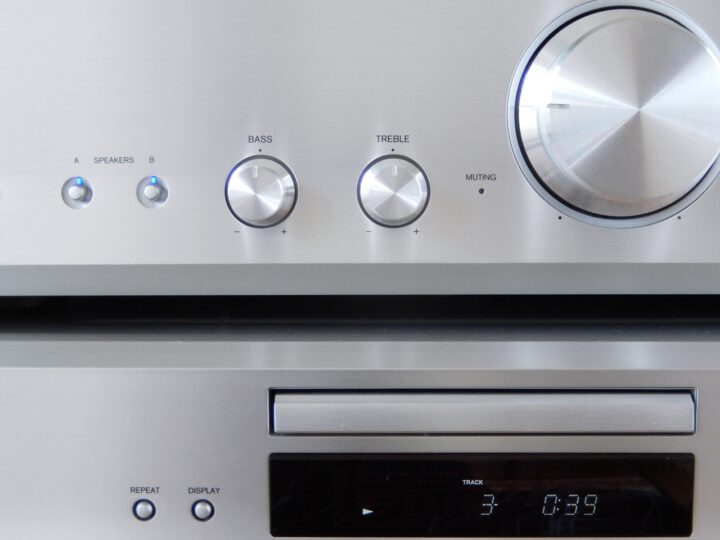
That said, the real-wood volume knob on the PMA-CX3, the exceptionally smooth and fluid disc tray of the DCD-CX3, the precision and rigidity of the casework — all of this is simply high-end in feel. At least visually, it has a more luxurious presence than the lower-end LINN models it would presumably compete with, and it gives the impression of being very much a component for music-loving adults. It really does not look like the exterior of a system — an SACD player and a digital integrated amplifier with tuner — available for around 200,000 yen the pair.


The SC-CX303 speaker was apparently developed in collaboration with a sound designer from Europe, the true home of classical music. The details are unclear, but I wonder whether the sound tuning was entrusted to them to some degree? Incidentally, I have recently been using DENON’s inverted-driver compact speaker, the SC-M53, at home — and rumour has it that this one was designed by someone from British Mission. The listening session this time used only the recommended pairing of the SC-CX303. What follows is a review of the PMA-CX3/DCD-CX3/SC-CX303 as a complete system.
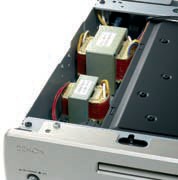 As usual, I have little interest in technical explanations, so I’ll skip them. Please refer to the manufacturer’s website, in-store catalogues, or reviews in audio magazines and the like for those details. For reference: the integrated amplifier, the PMA-CX3, is a Class D digital amplifier with a built-in AM/FM tuner. It also supports iPod connectivity and phono input (MM/MC) for a record player. The DCD-CX3 is a CD/SACD player. Both units have detachable power cables. The circuit boards are neat and tidy, though the power supply transformers in both units are almost endearingly tiny for this class — smaller than anything I can recall seeing before.
As for the all-important sound quality — in fact, when I first heard these at a shop early last spring, shortly after they went on sale, I came away without particularly positive impressions, which is why I wrote very little about them at the time. However, the source material I listened to on that occasion was jazz, prepared by the shop, rather than the classical test discs and SACDs I normally use for auditioning. My notes from that visit amount to little more than a scrawl — something like “typical DENON tonality, cymbals too splashy and noisy, dull, lightweight, speakers no good” — and the word on the street from others was similarly harsh. I had basically concluded that it was no match at all for ONKYO’s A-1VL/C-1VL, which operates on a far grander scale both in terms of build and sonics.
However, a year after release, I had a fresh listen with classical source material at a different shop, and my assessment changed completely. Audio equipment can sound quite different depending on the shop environment, so judging a component’s merits from a single listening session in one location is really quite difficult — but having heard the Denon CX series alongside what would presumably be its natural rivals: integrated receivers from other manufacturers, and several compact, high-grade pure audio components — I arrived at the conclusion that, whatever one might say about it, the Denon CX series is actually top-tier in terms of sound quality.

 ポチップ
ポチップ
The first thing that sets the PMA-CX3/DCD-CX3/SC-CX303 apart from similar products from other manufacturers is that the CX series is genuinely capable of rendering the soundstage in both lateral spread and depth. Products of this class — or smaller — can usually manage “sound image” placement, but “soundfield” reproduction is very often simply absent. In other words, the indirect sound component is suppressed, and the hall tone so important in classical music cannot be convincingly reproduced. The density, positioning, and apparent resolution of the direct sound may be appealing enough, but the sense of air and space — the soundfield that determines the expression of silence and ambience, which music truly needs — simply fails to materialise.
In the first place, the majority of Japanese mid-range to mass-market Hi-Fi equipment — even full-sized pure audio separates — tends, compared to the slim and lightweight European components I have recommended over the years, to have an immediacy and solidity to the direct sound, along with a wide dynamic range and sense of energy, while at the same time being characteristically less comfortable with the airiness of indirect sound and the nuances of reverberation. Yet in this respect, the PMA-CX3/DCD-CX3 is something else entirely. The sound is a complete 180-degree turn from the old, forward-pushing Denon sound — a soundfield-oriented presentation that is strongly reminiscent of European products.

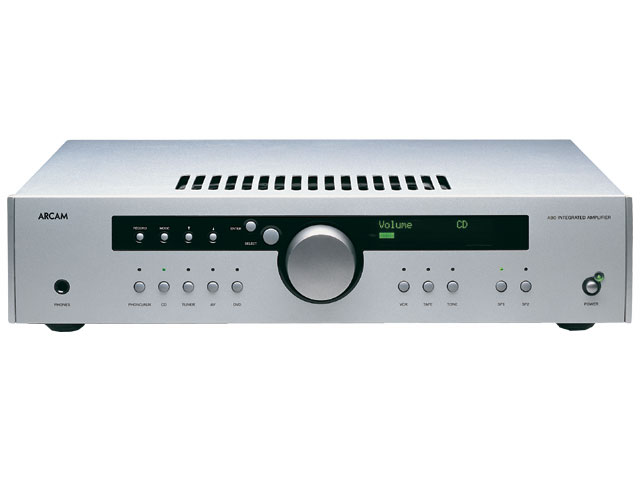
This manner of sound presentation is closer to British ARCAM — whose products Denon distributes in Japan — than to Denon’s own full-sized components. Furthermore, in terms of sound quality, the PMA-CX3/DCD-CX3 has a more high-end quality and refinement of tone than ARCAM’s own products, and one gets the impression that the rigidity and luxuriousness of the casework translates directly into the character of the sound.
DENON PMA-CX3/DCD-CX3/SC-CX303 Sound Quality Assessment
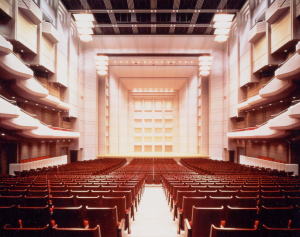
A highly transparent and beautiful tone. The sound has a miniature-garden refinement — an elegant bloom of resonance that calls to mind a recital in a modern small hall where wood, metal, and concrete are harmoniously combined, with long reverberation and excellent acoustics. Resolution is high, and imaging at low volumes is excellent. The surface of each sound image is polished and clean; the individual notes of a small, precisely placed piano — not just the right hand, but the pitches of the left hand as well — naturally draw one’s eyes to follow them. That said, the beauty is perhaps slightly artificial in quality; a certain shrill gloss to the upper-midrange is a DENON characteristic shared with other models in the range, and depending on the recording, the bite of metal strings in string instruments can become a little sharp, or the right-hand register of the piano can ring and clang a little inside one’s head — which may well be a matter of personal taste. Beyond that, the tonal character is straightforward and uncoloured, without any peculiar habits; depending on the source material, one may occasionally wish for a greater sense of density and depth of relief. Musicality is, perhaps surprisingly, present to a reasonable degree.
 ポチップ
ポチップ
DENON amplifiers are traditionally said to have a strong, forward low to lower-midrange character, but compared with other full-sized pure audio amplifiers from the same company, the sound here is actually rather light and restrained. As a result, those who enjoy high volumes or strong bass may find it thin and insubstantial — but personally, I prefer this level of bass output. The pitch definition in the left-hand piano register is clearly presented, and the sense of decay in the low-frequency strings is rich, so I don’t think there’s any real problem. Compared to mini-systems or other compact audio products, there is certainly adequate weight. Granted, playing it loud in a large room would likely expose its limitations — but this is a sound that finds its balance when used in a small, contained way, perhaps in a study or beside the bed. It’s simply a matter of using it appropriately. If you want powerful, high-volume playback, go for a full-sized Hi-Fi separates system; but if you want to immerse yourself in music at modest volumes in a nearfield setting or a typically sized Japanese room, and to savour the delicate nuances of hall tone, then the PMA-CX3/DCD-CX3/SC-CX303 should, in practical terms, be the better choice.
Beyond that, the PMA-CX3 properly includes an FM/AM tuner, supports iPod connectivity, and has a built-in phono stage compatible with both MM and MC cartridges for connecting an older analogue turntable — a detail that speaks to Denon’s dedication as a manufacturer that has continued to produce record players to this day. These finer points also represent a significant practical advantage over a component-by-component separates setup, where everything must be sourced and assembled individually — and that should not be overlooked.
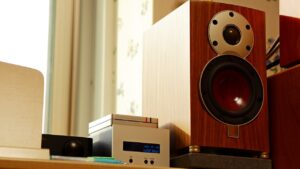
Really, Denon is almost too capable for its own good. As a brand, I tend to associate DENON’s high-end models — for better or worse — with the sound of a highly competent Japanese person: the image of a conscientious salaryman, urbane, earnest, and intellectual, with a sound that can tip into something almost melancholy. And yet here they are, green-lighting a product concept aimed squarely at music lovers, and on top of that, acting as the Japanese distributor for  DALI speakers — which produce a sound that is nothing like the Denon house sound at all, closer to a musical instrument than an industrial product — as well as Kimber Cable and ARCAM products. They are, unexpectedly, rather clever businesspeople — or perhaps a brand where some quite open-minded individuals happen to be working.
 ポチップ
ポチップ
Because DENON products sell well in the market and are a familiar, mainstream presence, public assessments of them tend to be rather harsh; and with this particular model, I suspect it also faces a cold reception from traditional DENON fans who are drawn to the brand’s characteristic forward-pushing bass and sense of energy.
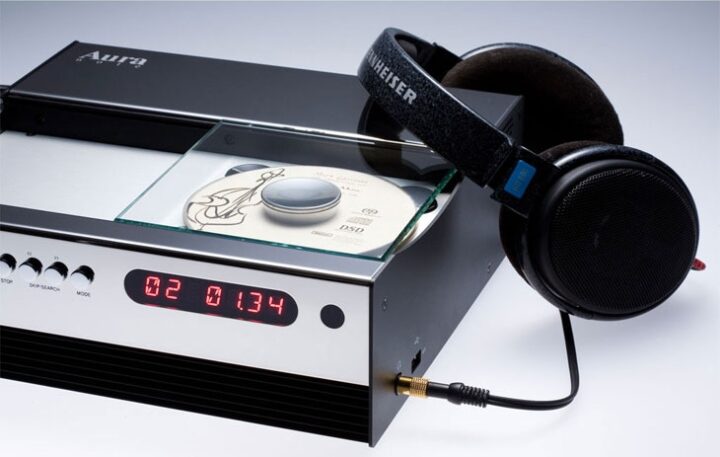
It is also compared unfavourably against unsuitable rivals with entirely different intended use cases and design philosophies, and as a low-priced pure audio product where cost-performance is measured in terms of sheer build quantity versus price, it finds itself in a rather difficult position when it comes to critical reception. Yet in terms of sound quality and build quality, I genuinely believe this would have everyone raising both hands in admiration — if only it weren’t made by DENON. Among integrated systems and compact-sized components in the roughly 50,000 to 200,000 yen retail price range, the only product I can think of that could hold its own sonically is the Aura note. At least among the products I compared this time — SONY, Yamaha, Onkyo, Audio Pro, Tangent, ARCAM, and Audio Analogue — I feel it comfortably surpasses all of them on sound quality grounds. That said, in terms of musicality and expressive power, there are more compelling models among the rivals listed here too, so I’ll save that for another occasion.
Auto Translated by CS4.6

List of comments (2)
はじめてお邪魔します。
ぜひ、教えていただきたいのですが、CX3シリーズとA-1VL/C-1VLを比べた時のインプレッションはどうでしょうか?
現在、北欧に住んでいますが、こちらでは物価が高く、オーディオ機器も日本で買ったほうが安いので、今度の短期出張時に視聴・購入を短期決戦でしようと考えています。できれば比較しての感想等教えて頂けたらと思い書き込ませて頂きました。
ちなみに、スピーカーだけはこちらで購入の予定です。
masaさんはじめまして。
直接比較をしたことがありませんので何とも言えないところですが、この二つは設計コンセプトが明確に異なりますので、どんなスピーカーと組み合わせるか、そしてどんな室内環境に置かれるのか?で評価が変わってしまうと思います。
単純にピュアオーディオ機器としてはオンキヨーのA-1VL/C-1VLに軍配が上がると思いますが、ライフスタイルを絡めて考えた場合、デノンのCXシリーズの方が実用上向いていることも多々あるはずです。私はA-1VLを5.5畳の書斎で箱庭的に使っていますが、これは明らかに本来のアンプの能力を活かせる状況になく、このような使い方でしたら、皆さんにはCXシリーズの方をお薦めしたいです。(とはいっても、買い換えする気はありませんけど。。。)
http://blog.so-net.ne.jp/watt3pappy2/2007-02-12
ハンコックさんの記事をリンクしておきますので、是非こちらも参考になさってくださいませ♪