【Is SHM-CD Really High Quality?】
Part 1 |Part 2|Part 3|Platinum SHM-CD
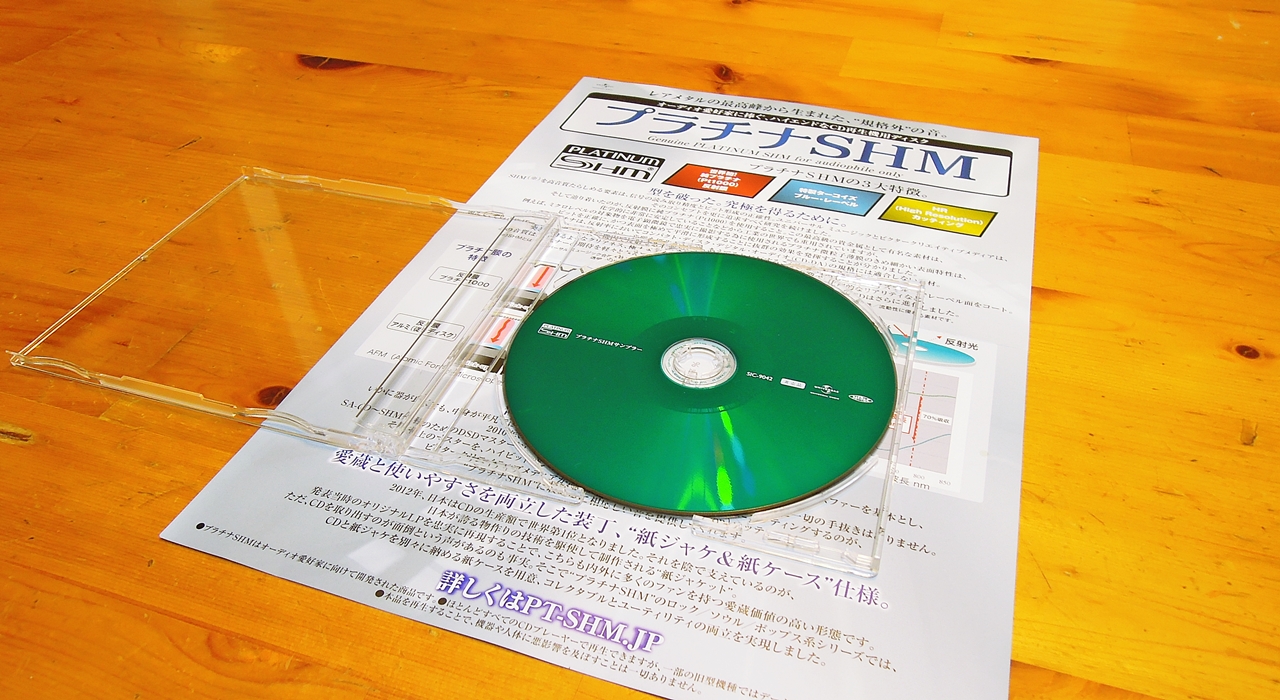
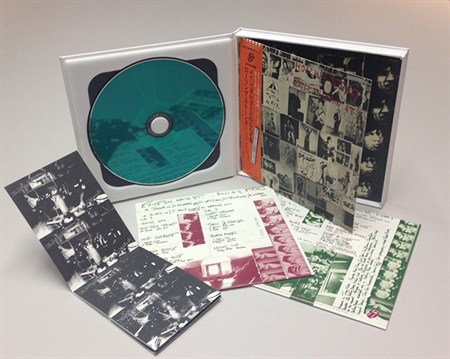
The author of this little boxroom of a blog, AUDIO STYLE, has won a Platinum SHM sampler CD giveaway campaign. Hooray!
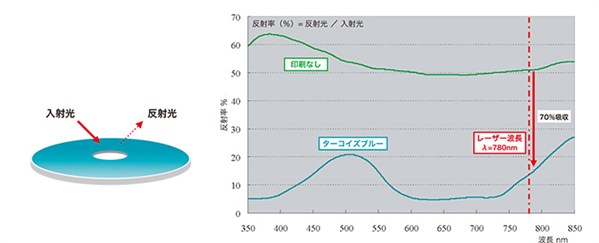
So what exactly is different between the conventional SHM-CD, which I once rambled on about with considerable scepticism, and the new Platinum SHM-CD? In addition to the polycarbonate material being changed to the SHM substrate developed for LCD panels, the all-important reflective layer has been changed from conventional aluminium to high-purity Platinum 1000 (probably a world first). The label side is coated in turquoise blue (green) to suppress optical diffuse reflection of the red laser used in CD drives. And the biggest difference of all in this particular release is the revisiting of the master source for each title — i.e. remastering.
The latest DSD masters — not copies of existing Japanese masters, but original master tapes (or data) from the United States or the United Kingdom (Germany for the classical titles to be released later) — are transferred flat, without any equalisation or compression. After upsampling to 176.4kHz/24bit, the material is then compressed down to the 16-bit CD standard via the latest HR Cutting (High Resolution Cutting) process based on Victor‘s K2 technology. The last point tends not to be mentioned explicitly, but please bear in mind that high-resolution audio cannot fit into the 16-bit/44.1kHz CD-DA standard without being compressed (downconverted).
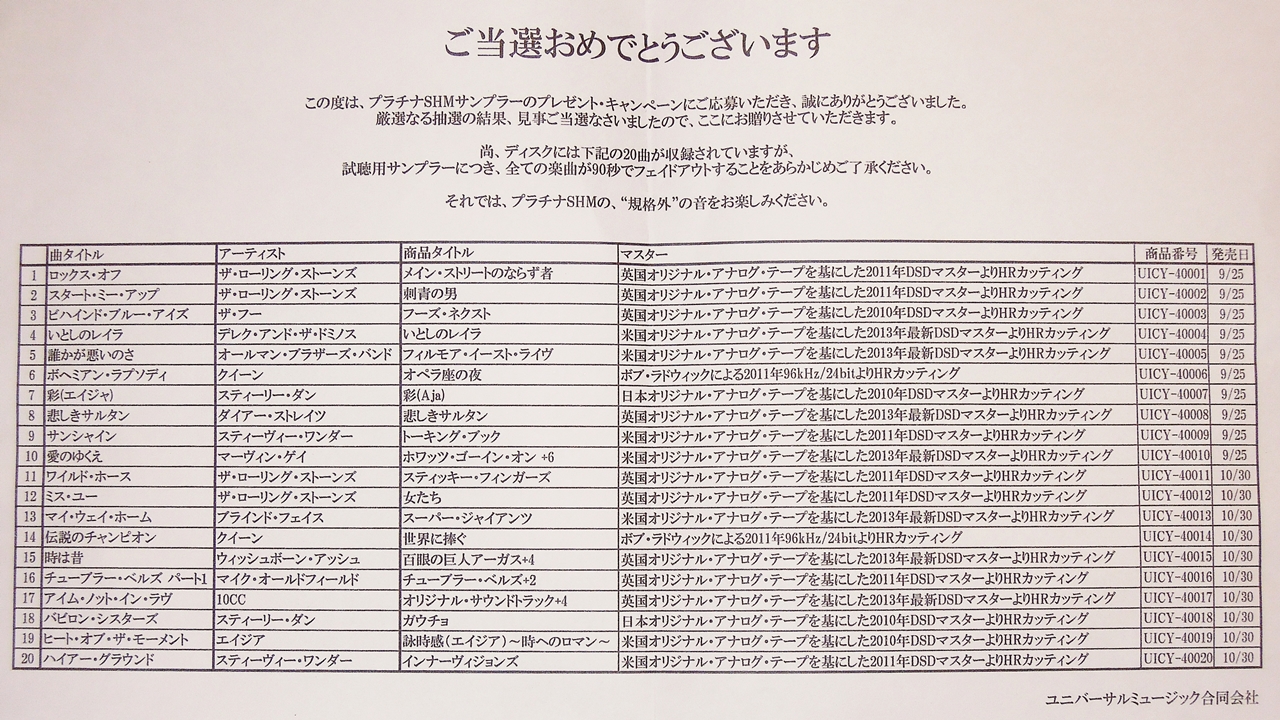
Please note that the SHM-CD sample disc in this campaign contains only rock and pop titles, including:
The Rolling Stones — Exile on Main St. Tattoo You Sticky Fingers Some Girls
Queen — A Night at the Opera News of the World
Steely Dan — Aja Gaucho
Stevie Wonder — Talking Book
The Who — Who’s Next
Derek and the Dominos — Layla and Other Assorted Love Songs
The Allman Brothers Band — At Fillmore East
Dire Straits — Sultans of Swing
Marvin Gaye — What’s Going On +6
Blind Faith — Super Giants
Wishbone Ash — Argus +4
Mike Oldfield — Tubular Bells +2
10cc — The Original Soundtrack +4
Asia — Alpha
and other rock and pop titles.
As a classical music obsessive, I unfortunately don’t own a single SACD made from the same DSD master as these discs, so comparing those will have to wait until I buy the classical titles to be released later — but to give my sonic impressions of the Platinum SHM-CD sampler: it has a lustrous, bright, beautiful-sounding character, with an exceptionally smooth, rich resonance and a sense of moisture. Distortion is minimal. Rather than the sharp, crisp, clearly-etched emphasis on the upper frequencies, the bass alignment is well-sorted and the sound envelops you generously, giving it an almost relaxed quality. It is not remotely fatiguing — quite disarmingly so. Honestly, it sounds rather different from what I had expected. The tonal character is also quite distinctive and vivid, which I think would show very well in a shop demonstration setting.

If I were to describe the sound in terms of colour, it is like a warmly human mercury lamp? (mysterious) In terms of Hi-Fi accessories, it is close to the tonal character of silver cables — single-core ones, specifically. Among the audio cables I use, the sound of SILTECH speaker cable might be the closest match. Anyone who dislikes the silver-cable sound may well recoil in horror. Also, the label side has a green coating, but no, it does not sound green. While we are at it, I rather thought they could have gone the whole way and coated the inner and outer edges in green as well, like the CD STOP LIGHT from American company AudioPrism, which was all the rage in the nineties — that might have improved things optically even further.
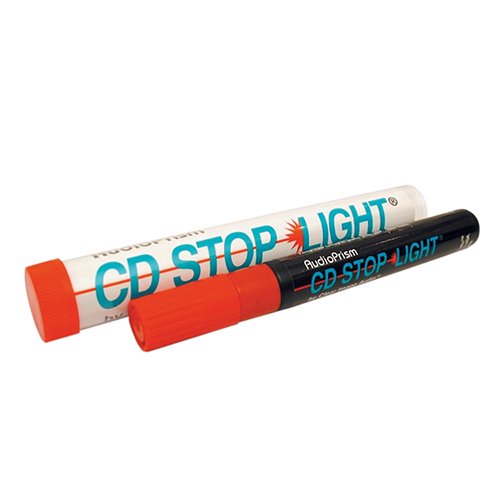
Speaking of green, Fujifilm’s music-use CD-R PRO for Audio, which came out about ten years ago, also had a green label side. The purpose was the same: to improve the reading accuracy of the red laser and reduce diffuse reflection. And with that CD-R, the sound is actually green. Even listening back to it now, it still sounds green to me. (I receive transmissions from the cosmos, so anyone whose hearing and colour perception are not cross-linked in the brain is welcome to ignore this.) ※ Since then, the FUJIFILM music-use CD-R has deteriorated with age and can no longer be played back.

Perhaps partly because the material is SHM-CD, the perceived information density is high and the sound images feel very present and substantial — though the overall impression is one of a sound that resonates quite broadly from bottom to top. On a sub-system with limited information-handling capacity, the sheer volume of ambient information overflows to the point where vocals can get buried. The rich, full sound — quite unlike the artificially inflated hyper-resolution school of mastering with its exaggerated outlines — is perhaps indeed the work of the latest mastering technology. However, whether due to the inherent limitations of the 16-bit/44.1kHz CD format, there is relatively little of the flat, effortless extension upwards through space that one senses with genuine uncompressed hi-res audio. In other words, that distinctive delicacy of SACD, where the highs extend smoothly and airily upwards, falls just slightly short here. To put it less charitably, it gives the impression of a great deal of information having been squeezed rather firmly into a small box. Though that is ultimately a matter that also depends on how much information the playback system itself can handle…
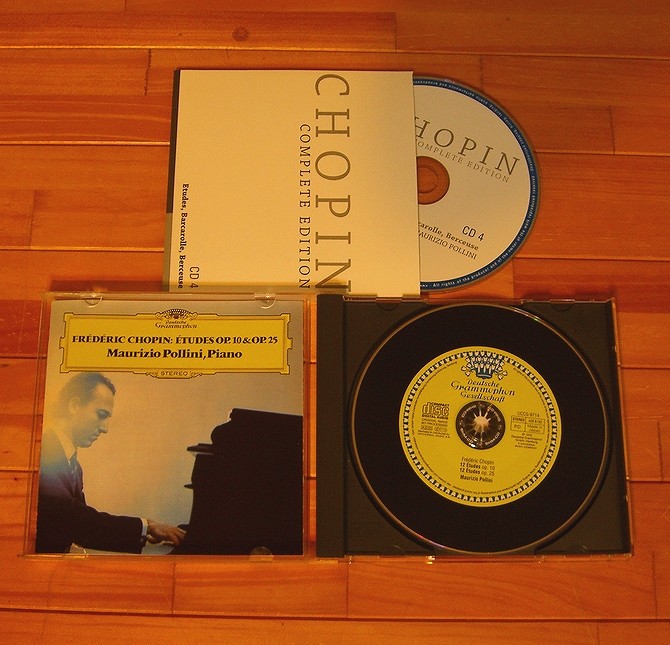

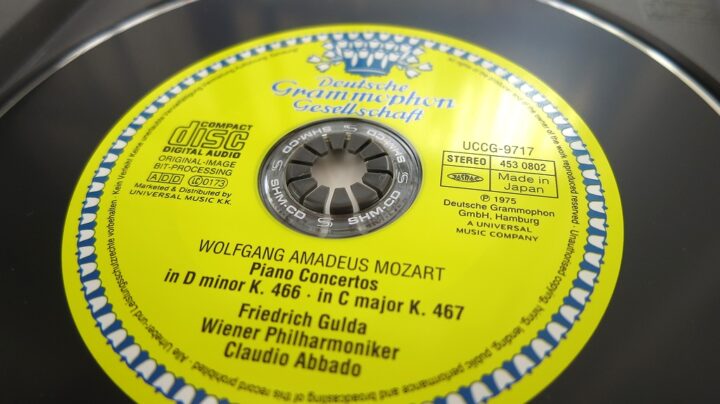
Somehow, the Platinum SHM disc has a smoothness and ease on the ear that grows on you the longer you listen. Very smooth, with very little of that rough, scratchy edge. It is the kind of sound that wraps you up in the shimmer of the direct sound and in a generous, low-end-supported space, all very relaxed. A tone that dissolves the day’s fatigue at the end of an evening. Whether it is the mastering approach — not chasing the bite and guts of rock — or whether it is simply the character of the Platinum SHM-CD itself, I cannot say. Even sources that are originally quite dry in character seem to come out coated in moisture and smoothness on the Platinum SHM-CD. Though this may not be down to the Platinum SHM-CD material itself — there is a possibility that the tonal character is being shaped by the Victor K2 remastering process.
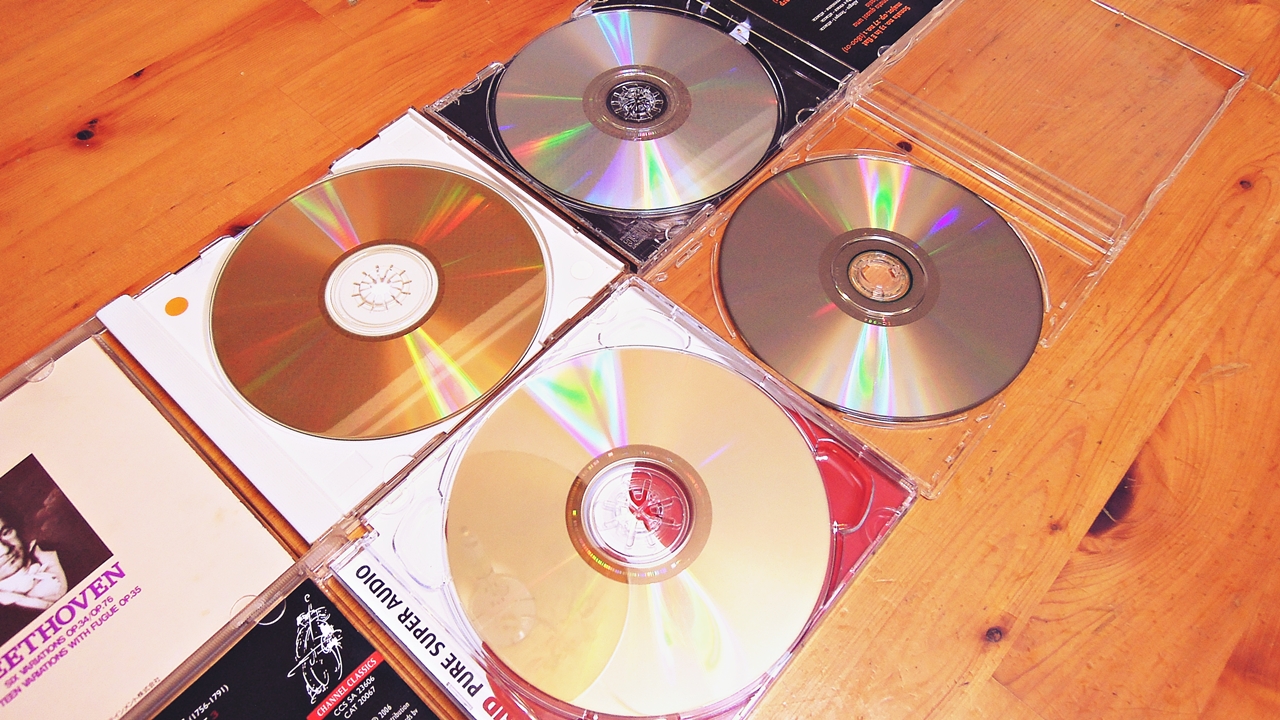
Foreground: SACD. Top rear: CD. Left: Gold CD. Right: Platinum SHM-CD. The Platinum SHM-CD has a reflectivity of only 60%, which strictly speaking does not meet the CD-DA standard of 70% or above. Compared to a standard CD, it is visibly slightly darker to the naked eye. For this reason, it has been reported that it may not play on certain CD players from the 1980s and 1990s whose laser output was set low (※ the kind that cannot play CD-Rs).


Given this tonal character of the Platinum SHM-CD, I find myself thinking it may actually be better suited to classical music than to rock or jazz. It would also suit people like me — not averse to rock and pop, but who find it a touch too loud when played back on the home stereo. The Platinum SHM-CD is not fatiguing at all. If anything, it is so tepidly beautiful-sounding that it is almost disconcerting.
Speaking purely as a classical music obsessive, what I would personally like to see is not DSD sources already available on SACD being downconverted and degraded into 16-bit CD, but rather the original digital masters from the 1980s and 1990s — 14-bit through to 24-bit — transferred directly onto the Platinum SHM-CD material without any superfluous high-bit resampling or remastering work. Something along the lines of “Original Digital Masters Revived!” The deeply committed CD collectors in the classical world are not really after heavily made-up remasters — what they truly want is to hear the sound as it was captured at the time of recording, which is why they seek out old original pressings on the second-hand market.


It may seem ungrateful given that I received this for free, but one slight disappointment is that, being a giveaway campaign sampler, it contains only the opening 90 seconds of each of the 20 rock tracks — a total of just 30 minutes. The remaining 45 minutes of disc capacity: completely wasted. If you are going to the trouble of making a sampler specifically to spread the word about Platinum SHM-CD, you would want to pack a full 75 minutes with sample tracks — including jazz and classical titles to be released in future. That way, people could enjoy thinking about which albums to buy next. For a disc that is genuinely not bad in terms of sound quality, it feels as though Universal Music has somehow let a rather important opportunity slip through their fingers.
【Is SHM-CD Really High Quality?】
Part 1 |Part 2|Part 3|Platinum SHM-CD


Auto Translated by CS4.6