【Black Cat Cable Silverstar!75 Digital Cable — Introduction】
Part 1|Part 2
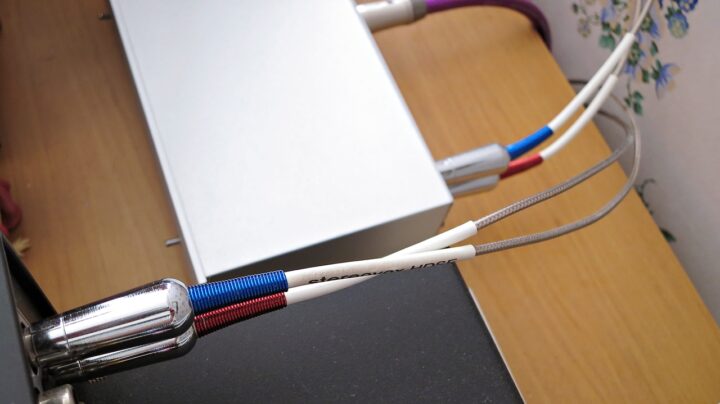
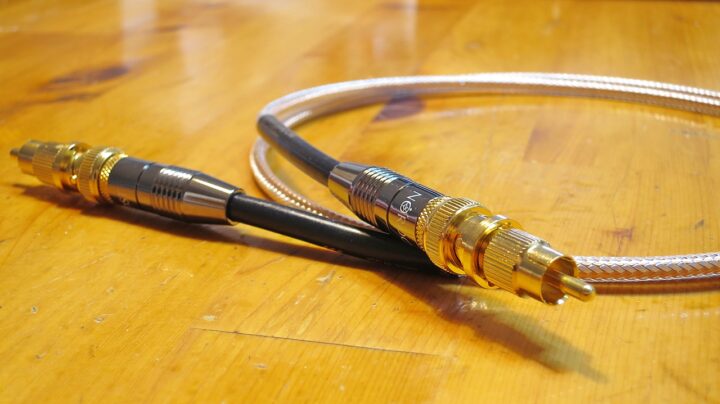
This time I would like to introduce the digital cable that has secured its place as the centrepiece of my main system since the start of this year. Its name is the Black Cat Cable Silverstar!75. Black Cat Cable / Stereolab — a well-known name in high-end cable circles — is an American digital cable developer, and this is a 75Ω RCA/BNC digital cable handmade by Christopher Sommovigo himself, founder of the former Stereovox and current head of Stereolab.
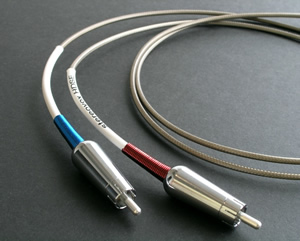
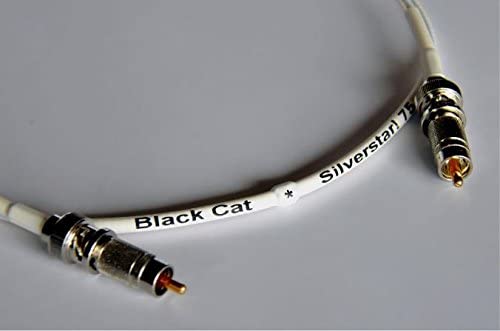
The Silverstar!75 was a digital cable I had been wanting for years, through my connection with the Stereovox HDSE RCA cable that I have long relied on. Its slim, white appearance is personally appealing, yet I never had any opportunity to audition it, and unlike the older Stereovox-era models, reviews in the press and elsewhere are — for whatever reason — rather scarce. The price also falls into the category of rather expensive for a cable I would use (retail price: ¥32,400), and so for years I had been looking on with longing without ever actually buying one.
It was around that time that the manager of a certain well-known record shop whom I follow on Twitter posted a tweet about having compared several high-end digital cables in his home system — including the SAEC DIG-4000Mk2 and the PAD DIGITAL TANTUS RCA — and concluded that the Black Cat Cable Silverstar!75 was the most musical and most to his taste. Inspired by that, I got in touch via DM, had a detailed conversation with him about various things, and ended up making the decision to buy…
A History of Black Cat Cable Digital Cables
Chris Sommovigo’s history of digital cable development is a long one. Having built his reputation on truly 75Ω digital cables using custom MIL-spec conductors, he rose to prominence in the 1990s through the design and development of the Illuminati Data Stream Reference and the Kimber Cable D-60 digital cable, then in 1998 struck out independently to co-found the high-end cable manufacturer Stereovox in Florida, together with vocalist Tony de Almeida. Along the way the digital cable line went through successive model changes — Stereovox HDXV → XV2 — and when Stereovox collapsed in 2006, he went on to establish Stereolab. Under the Stereolab/Black Cat Cable brand, he developed the Veloce as the successor to the XV2, then further refined the Veloce and released the Silverstar!75. In 2015, he relocated to Yugawara, Kanagawa Prefecture in Japan, bringing his machinery with him to set up production there. Just when it seemed he might stay in Japan and continue Black Cat Cable indefinitely, from this year (2018) he has returned to Georgia in the United States, where he is now producing a new series of cables and the Silverstar!75 MK2 once again on home soil.
The lineage of digital cable development runs roughly as follows.
1992~ Illuminati DataStream Reference
1994-95~ ILLUMINATI Dataflex Studio / Kimber Cable D-60 (renamed when Kimber became distributor)
1995-97 Kimber DV-75, V-21
1999 Stereovox founded
2003~ HDXV
2005~ XV2
2008 Stereolab / Black Cat Cable founded
2009~ Reference XV-Ultra (top-of-the-line model above the Tron class)
2010~ Veloce
2012~ Silverstar!75
2016~ Digit 75
2018~ Silverstar!75 MK2
The series of digital cables designed by Chris Sommovigo enjoys a high profile worldwide, and in the United States in particular they are regarded as something of a reference for outstanding digital cables. The D-60 from the Kimber Cable era used a solid-core silver conductor, but from the Stereovox HDXV in 2003 through to the current Silverstar!75 MK2, the same MIL-spec silver-plated copper conductor has served as the foundation, with structural modifications carried out repeatedly along the way.
As it happens, an MK2 version of this Silverstar!75, with further detail-level specification changes, had only just been released in the spring. The slim, silver-plated conductor — previously insulated with a faintly translucent white PTFE — gains an additional layer of copper shielding, is then wrapped in a red-and-black multifilament nylon braided sheath (apparently of Japanese manufacture), and a simplified version of the RFI-rejection material used in the higher-end Digit 75 model has been newly incorporated as well.
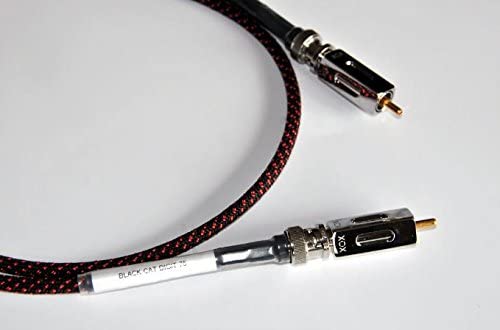
Given that the improvements over the original are substantial, the price increase is modest and the difference in selling price between the two is not dramatic — so honestly I was torn about which to go for. In the end, though, I had originally been drawn to the white cable befitting the Silverstar name, and the red-and-black sheath of the MK2 — shared with its higher-end sibling, the Digit 75 — was not entirely to my taste visually either, so I made a dash to get hold of the original Silverstar!75 while remaining stock still existed.
【Original Silverstar!75 Specifications】
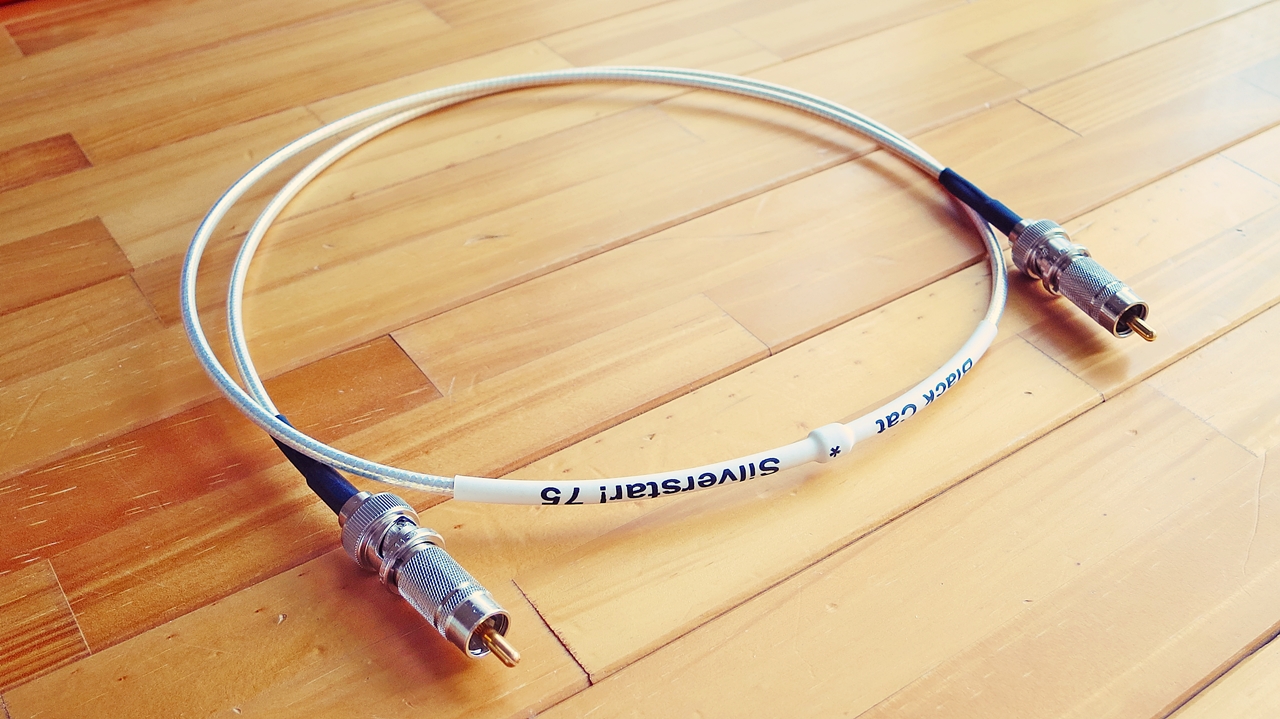
· Pure copper silver-plated conductor with expanded PTFE insulation.
· MIL-spec wire manufactured to custom specifications by a US supplier of conductors for military and aerospace applications.
· Wideband 4GHz, HDTV-grade 75Ω BNC connectors.
· Suitable for digital/clock/composite video signal transmission, etc.
· BNC-to-RCA adaptor included
The conductor is described only as US-made silver-plated pure copper wire, with no further detail on its construction or specifications — so the particulars remain entirely unknown. Handling it, though, it feels surprisingly supple (though not particularly flexible). My Stereovox HDSE has a hollow solid-core copper conductor and is quite stiff and wire-like, and since the Kimber D-60 used a solid silver conductor, I had assumed this one would also be solid-core — but going by the feel of it, the central conductor itself may not be solid-core after all.
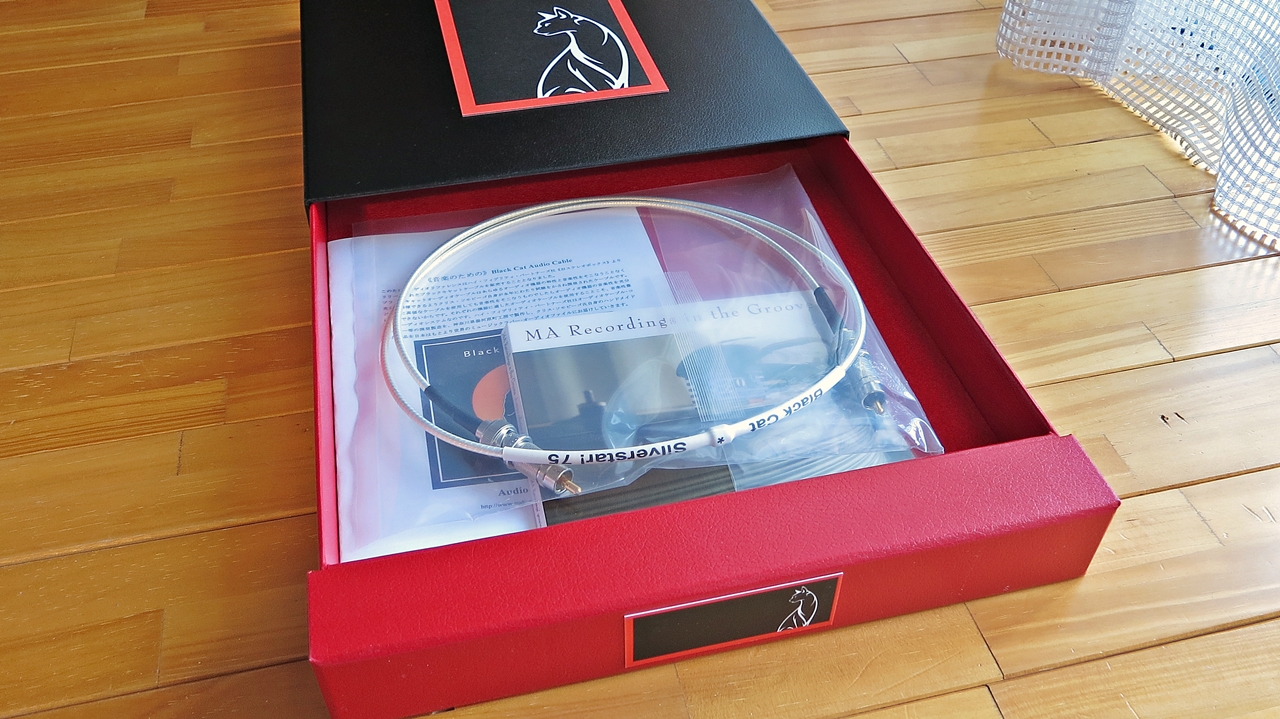
Included in the packaging is a CD from MA Recordings, the American label renowned for its exceptionally high-quality sound.

Black Cat Cable Silverstar!75 — Sound Quality Review
The defining character of the Silverstar!75 would be, perhaps, a naturally textured sound image unfolding in an open, unconfined space, together with a sense of vitality and brightness born from a moderate elasticity in the sound. The image tends toward a relatively focused presentation, yet there is no sense of edge emphasis or outline hardening whatsoever — the texture feels unprocessed, the listening experience natural. Attacks lean toward the gentle. Strings are supple. The tonal character, as one might expect from a silver-coated conductor, has a bleached, white quality — though matte rather than lustrous. Temperature-wise it is essentially neutral with just a faint warmth. Whether due to the minimal shielding or not, there is no sense of spatial constriction, though perceived S/N ratio is perhaps not the strongest. Compared to the resolution-obsessed Acoustic Revive DIGITAL-1.0R Triple-C FM, the sheer quantity of sonic detail is somewhat reduced. The treble is easy on the ear, though the violin registers do show some roughness (note: this appears to be a problem with the conversion adaptor). When new, there was an impression of silver-related colouration adhering to the sound and masking fine detail, but after about a week of burn-in, it settled into a tendency that is, if anything, rather lean and dry in its resonance — a tonal character in which the differences in a performer’s touch are easy to discern. This is quite similar to the Stereovox HDSE in this respect.
In terms of overall balance, the midrange is the centre of gravity. The spread of the soundstage and the extension at both frequency extremes taper off naturally — not clipped or rolled off, but simply fading gently. The upper bass through to the bass is reasonable enough. The treble is very slightly dry. Beyond the positive vitality, the cable has a high degree of focus in its imaging and a strong musical grip — the kind of character that draws you naturally into the nuances of a performance. It is not the dubious sort of musicality that feels artificially imposed after the fact, but rather an impression of straightforwardly drawing out the living quality of the original performance. It is also a low-distortion sound that causes no fatigue even over extended listening.

 ポチップ
ポチップ
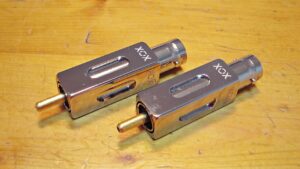
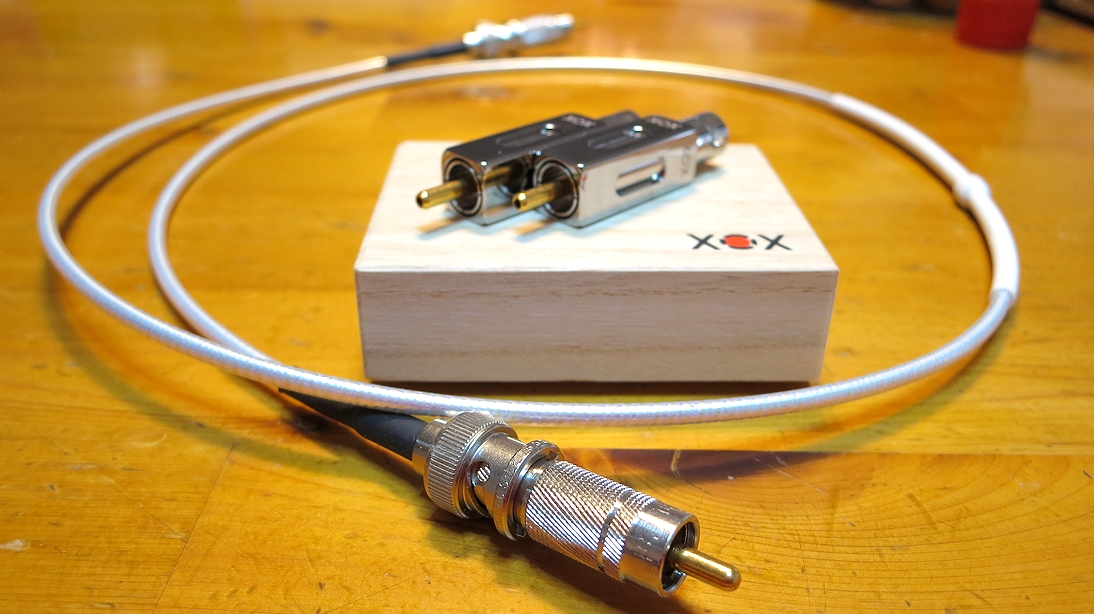
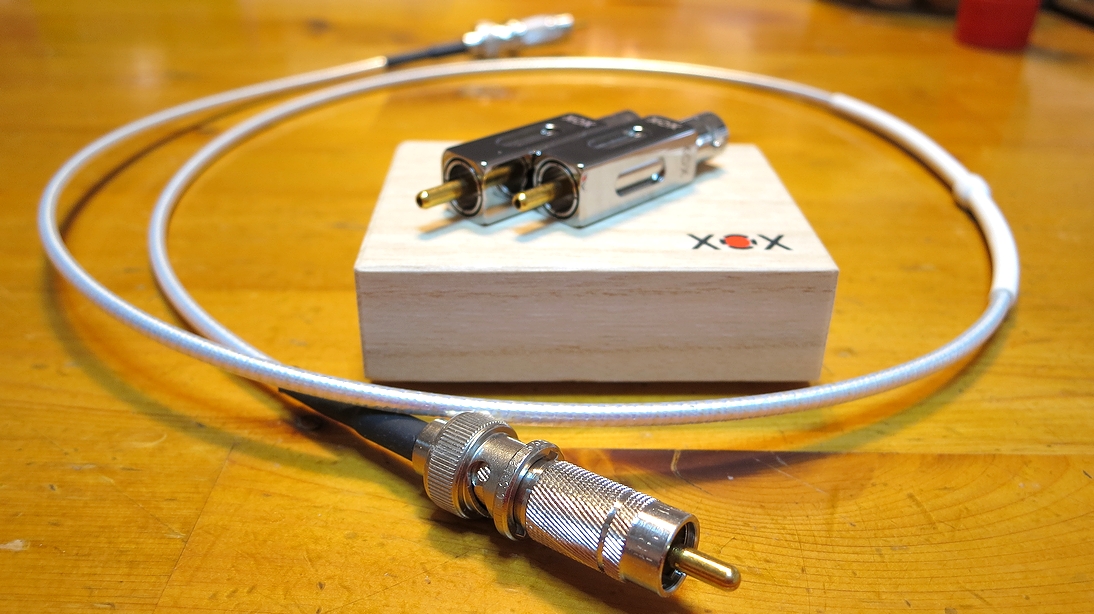
The issue, however, is that while it is clearly moving in a musically desirable direction, the Acoustic Revive DIGITAL-1.0R Triple-C-FM has its own appeal in terms of resolution and sharp definition. Having replaced it, I cannot help but feel a certain dissatisfaction in terms of sheer audio performance — a slight shortfall in the quantity of detail and in transparency. S/N is also a concern; there is a sense of a faint white veil hanging over the soundstage. The record shop manager who had been advising me told me that the optional XOX75 BNC-to-RCA conversion adaptor is essential with Black Cat Cable digital cables, and that fitting it allows the cable to perform to its true potential — so after using it for about two weeks with the included BNC-to-RCA adaptor, I ended up placing an additional order for the XOX75. This brought the total to ¥29K plus an additional ¥15K, blowing the budget by a considerable margin at ¥44K all in… And so, next time I will be bringing you “Black Cat Audio Cable Silverstar!75 Digital Cable Introduction — Part 2: Adding the XOX75!”
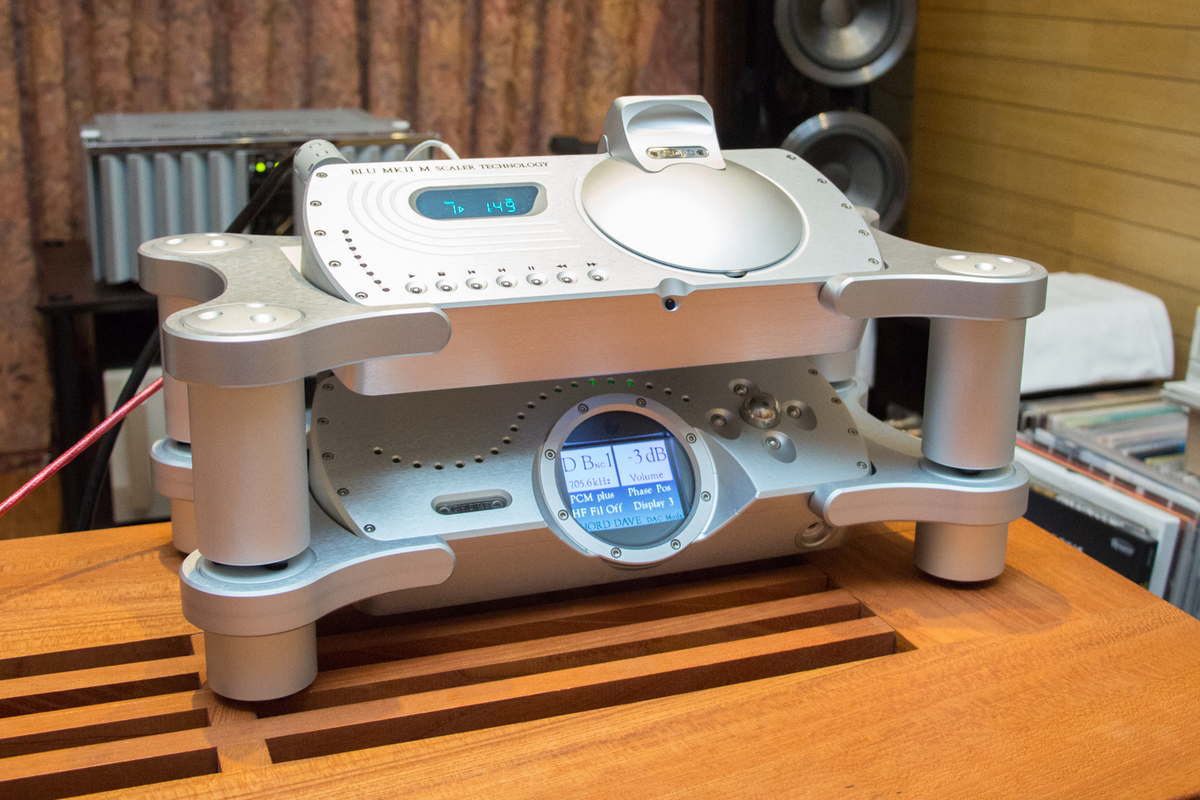
Phile-web carries a review by Tsunoda-sensei of the CHORD Blu MkII high-end CD transport, in which the Black Cat Cable Silverstar!75 was chosen as the test cable for BNC digital connection between the transport and the CHORD DAVE. The CHORD DAVE is an ultra-high-end DAC, but the company’s Qutest is a model I would very much like to try one day.

【Black Cat Cable Silverstar!75 Digital Cable — Introduction】
Part 1|Part 2


Auto Translated by CS4.6