If you stay in the Hi-Fi hobby long enough, you will find yourself comparing identical pieces of equipment for all sorts of reasons — a friend owns the same model, you end up buying multiple units of the same product yourself, or you track down a second-hand copy of something you once owned. And one uncomfortable truth that these comparisons inevitably force upon you is this: “even within the same model, audio equipment can vary between individual units in ways that are impossible to ignore” — a fact that, for some reason, one is always reluctant to admit.
Since any manufactured product is assembled from a combination of parts, and since no individual part can be guaranteed to be perfectly precise, it is simply unavoidable that accumulated variations in characteristics will eventually manifest as unit-to-unit differences. Think of handmade instruments — pianos, string instruments and the like — where no matter how meticulously they are crafted, virtually every individual instrument ends up with its own distinct tone. That much is easy to understand. But even with something as industrially manufactured as a car, built from metal and resin components, the unit-to-unit variation that arises from combining so many parts can still be large enough for a human being to perceive.
In fact, even brand-new units vary
With audio equipment, how large or small are these tolerances in a brand-new unit? At the high-end, where manufacturers pride themselves on matching devices and parts, channel-to-channel error tends to be small (…though this ultimately depends on the manufacturer’s attitude), whereas it is quite common for budget products to use components of lower quality and precision, even when they appear similar on paper. The most obvious sign is a difference in sound quality between left and right channels in stereo — listen in mono and you will find that quite a number of components actually differ noticeably between L and R. Which then leads into the rather uncomfortable question of what stereo playback in a pure audio system even means, when you are stacking multiple units that each have their own left-right inconsistencies…
Also, the more parts a product contains, the more errors tend to compound in a chain reaction, so conversely, a simpler circuit or construction with fewer parts has the inherent advantage of reducing the number of unpredictable variables. Build quality also varies by country of manufacture, and it is broadly acknowledged that products made by Japanese — known for their dexterity as a people — tend to rank highly worldwide for build quality and reliability. That said, this too depends on the manufacturer’s approach to production management and component costs, and in reality there have been brands whose quality control was, shall we say, questionable. …You do not hear about it so much these days, but there was once that famous ○○○ timer…
Unit variation in audio equipment — my own personal experience
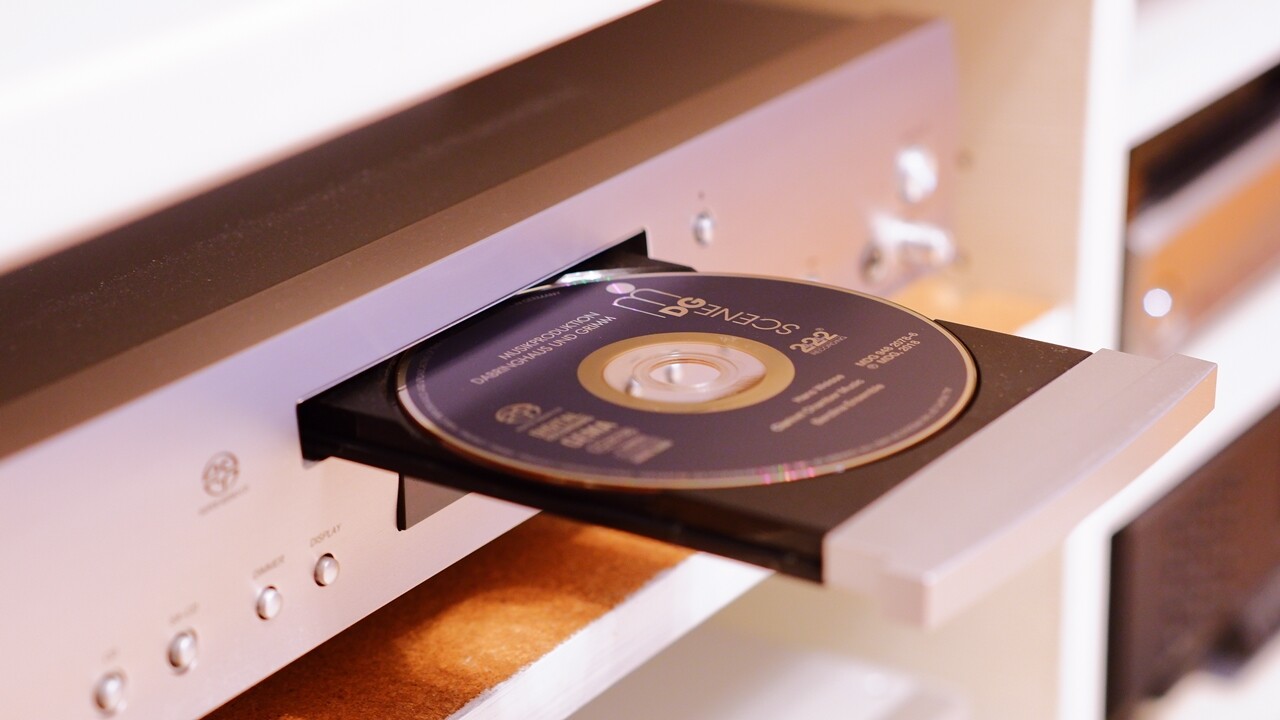
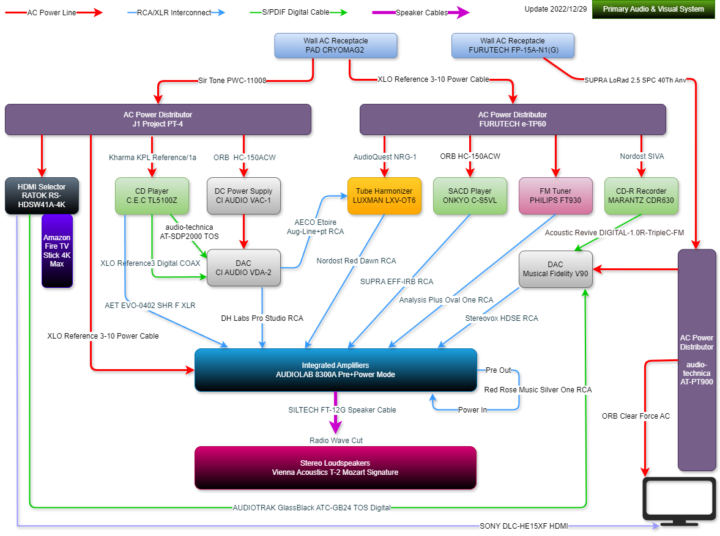
I think enough time has passed that I can write about this now. The SACD player I have used for many years, the ONKYO C-S5VL — one thing and another meant that the unit currently in my possession is actually my third. When I bought my second unit new, I was delighted to find it sounded even better than the first, but unfortunately it turned out to be defective from the start: it could not play the SACD layer of Hybrid SACDs (CD playback only). Since it was brand new, it was of course immediately swapped for another new unit — but the replacement that arrived afterwards was quite clearly inferior in sound to both previous units. I consulted the dealer, and they were kind enough to arrange for the second unit — the one I had returned as defective — to be repaired by the manufacturer and sent back to me. It has been running without a single fault for nearly fifteen years since.
Let me give another example. The AC cables from a certain Dutch high-end brand that I am rather fond of — partly because they are handmade, perhaps — differ considerably in tonal character from one cable to the next, even within the same model. And not in a subtle way: one cable is sweet and warm in the midrange, while another is high-resolution, top-heavy, and nervous; simply swapping them between the amplifier and the CDP changes the shape of the soundstage entirely. Which one is better depends on the system, so I cannot say categorically — but that they are different is beyond question. This is not a quirk unique to older Kharma cables, either. With recently purchased current-model Canadian XLO cables, American Nordost, Japanese-made ORB, and others, I have noticed varying degrees of sonic difference between individual cables of the same model. I often buy multiple copies of cables I like, and matching them to equipment given these unit variations is something I find myself wrestling with.
Unit variation in second-hand audio equipment…
And when you move into the world of second-hand goods, things become even more complicated. On top of whatever manufacturing variation already existed, each individual unit has been used differently under different owners. The quality of the mains supply it was connected to, how many times it was switched on and off, total hours of use, temperature, humidity, even what kind of music was played through it, airborne contamination from cigarette smoke, and all manner of other external environmental differences — these gradually open up irreversible unit-to-unit gaps, adding a layer of unpredictability that simply does not exist with new equipment.
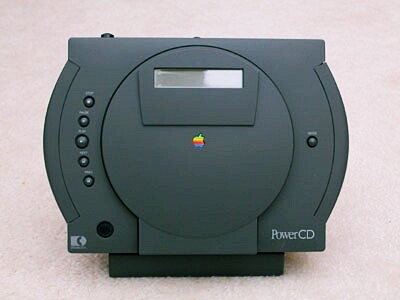
Let me tell you about a second-hand Apple/PHILIPS PowerCD I once picked up through Yahoo! Auctions. When the winning lot arrived and I listened to it, something just felt off about the sound. If it had been the only PowerCD I had ever heard, I suppose I would have thought, well, this is just how it sounds… The unit was fully functional and there was no practical problem with it as a CD player. But the reason I had wanted one in the first place was that I had been genuinely moved hearing my friend’s PowerCD, so I simply could not let it go. I arranged to compare mine directly with my friend’s under identical conditions — and the result, regrettably, was that they sounded like equipment of entirely different grades. My friend said: “…it’s like the difference between a PHILIPS LHH700 and an LHH600.” And truly, that is exactly the kind of difference it was — not just in sound quality but in soundstage character and overall presentation. In the end, I could not live with that unit-to-unit gap, and I let the PowerCD go just a few days later.
Beyond cases like that, there are also subtler differences that fall within an acceptable range — but unit-to-unit variation exists even in new products of the same model, and with second-hand goods the condition is all over the place. Where has it been, and what has been done to it… only the previous owner knows. (There are people who modify a piece of equipment, then de-solder the changes and restore it to original parts before selling it on with a straight face…) Beyond merely being “fully functional”, is the unit actually producing the sound the designer intended? Once you start thinking that carefully, I believe you have to go in with eyes open — fully aware that buying second-hand is a gamble — and make your peace with that before committing.


Summary: ways to avoid unit variation
In the first place, a genuinely good unit in fine condition is statistically unlikely to be let go by its owner. Second-hand items are in most cases sold because of some “dissatisfaction” on the seller’s part, and when you consider the routes through which they circulate, it is not hard to imagine that the same unit can end up being passed from one second-hand enthusiast to the next, going round and round in a kind of revolving door. With that in mind, once you decide to venture into the second-hand market, it is worth being not only drawn in by “cheap” but also cautious enough to suspect that there is “some reason” a unit has been put up for adoption.
Having written all of that, if someone then asks me what you should actually do — I find I cannot give a clear-cut answer. But here, for what it is worth, is roughly how I approach things.
· To avoid risk, buy new wherever possible.
· To reduce the chance of receiving a poor new unit, avoid box-damaged, opened, or B-grade stock, or manufacturer-refurbished items.
· Do not buy from grey-market traders, however cheap they may be.
· For second-hand goods, always audition the actual unit in the shop before buying, and only purchase with a warranty, having satisfied yourself it is acceptable.
· Recognise that the price difference between new, near-new, and second-hand is, when all is said and done, a difference in risk.
These points are worth keeping somewhere in the back of your mind whenever you are considering a Hi-Fi purchase.

Auto Translated by CS4.6




List of comments (7)
僕が使っているLINNはプリアンプ以外すべて中古です。
ただ、幸いなことにLINN上位機種に買い替えをなさった方から譲っていただいたので、比較的コンディションの良いものが多かったようです。
バイアンプに使っているLK280も、前のオーナーが新品でペアで買われたものなので個体差はあまり感じません。
まあ、中古はあくまで中古と割り切ることが必要ですね。
中古車などもそうですが、元オーナーの顔が見える場合は
中古といっても意味合いが違ってきますよね。それなりの経時劣化があったとしても、
相手の人となりを知っているだけで精神的に安心感があります。
それに、友達におかしなものはあげないでしょうし。
オークションなども色々問題点を囁かれてはいますが、
私の出品/落札経験上、評価に響くので故障したものを絶対に出せない分、
まだマシじゃないかと思ったり。そして下取り/買い取りより確実に高く売れます。
そうであるにも関わらず、安く買い叩かれる中古店に流れる品物も多い。
中古店の方には(あくまでその店の信念やレストア管理次第ですが)
結果的にオークションに出せない問題が潜んでいるものが流れやすいと思うんです。
私自身、明らかに一部故障しているアンプを中古に出した(お店はあっさり了解してくれた)ことがありますし、
先日のナカミチ機のように買い取って使ってみるとボロボロとおかしな所が出てくる事もありますから。
はじめての書き込みです。いつも楽しい記事をありがとうございます。
中古にしても、信頼できるショップで買うことがよさそうです。
これは楽器(バイオリンなど)を買うときにも言われていることのようです。
この説にしたがうなら、いかにしてよいショップに出会うか、が問題となりますね。
などと書きながら、私も、新品ではなかなか買えないハイエンドSACDプレーヤーを、オークションで思いきって買いました。リスクのぶんは、自分の運を信じて!
Kさんはじめまして(*^-^*)。
バイオリンを演奏される方でしょうか?
ハイエンドSACDプレーヤーですか。羨ましいです。
幸運お祈りしております。
うちは未だにSACDを再生できる環境がありません。
ちなみに落札されたのはどちらのモデルでしょうか?
はい、素人・腕は中の下ですが、演奏もしています。
手に入れたのはマランツ/フィリップスのSA-12S1です。ハイエンドと書きながら、ちがってたかな? と自信はなし。
平均的な録音のCDと比べたら、SACDの音ははるかに自然だと思います。SACDはすごい! と言いたいところですが、SACD/CDハイブリッド盤のCDトラックは、えらく音がよくて、これならCDでもいいんじゃない? と思いました。pastel_pianoさんも、ハイブリッド盤のCDトラックを、機会がありましたらどうぞお試しを
SA12ですかー。ハイエンドで良いんじゃないでしょうか?
元々境界線なんて人それぞれの主観ですので曖昧なものです。
ハイブリッドディスクは実は持っていたりします。
確かに、SACDにする時点で音質的に磨きのかかった録音が選び抜かれてますからねー。
ただ、SACDとCDトラックで明らかに音量やバランスなど、
ミキシングが違うっぽいものも中にはあったりするみたいです。
現状ではハイブリッド盤が多くなってしまい、ただSACDを
再生するためだけに廉価なプレーヤーを買うとなると結構勇気が要ります。
音質的にはSACDとCDは天と地ほどの差があると思っていますが、
プレーヤーの性能差が大きいので、安いSACD再生機の音は、
熟成された音の良いCD専用機をトータルで超えられないのが問題です。
でもって、それを描き分けられるシステムはハイエンドクラスになってしまう。
mp3との高音質フォーマットの市場の住み分けがスムーズに行けばいいのですが、
現状は苦戦しまくりといったちところでしょう。
SACDの再生品位も含め、普及価格帯のオーディオの品位が向上しないと、
マーケット自体が存在できなくなる気がします。
某SNSではどうもw
某フォーラムでいまちまちま書いてますけど、Cambridge Audioの黒い板ことS-700をヤフオクで手に入れました。が、うわあまいったなぁ(ゴローちゃん風に)的な個体を引いてしまいましたw
まずACアダプタがない。のでイギリスの個人の方(聞けばS-700やCambridge製品用のmod品を多く作っていました)がeBayで1万弱で募っていたのに乗り、1ヶ月くらい待って送ってもらいました。が、いざ電源入れたとたんDACのタンタルコンデンサが1個フラッシュw 今度はタンタルコンデンサを全部フィルムコンデンサに代える作業が…
まぁでもまだかかった費用が発売当初の価格(8万?)の半分もいってないので、自分は救われている方なんでしょうね。。。