【ONKYO DAC-1000 D/A Converter Review】
Part 1|Part 2 |Part 3|Part 4|Transport (First Half)|Transport (Second Half)
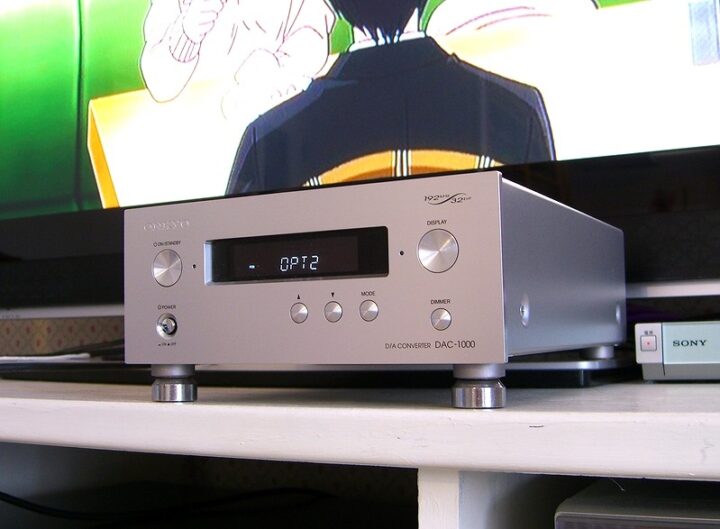
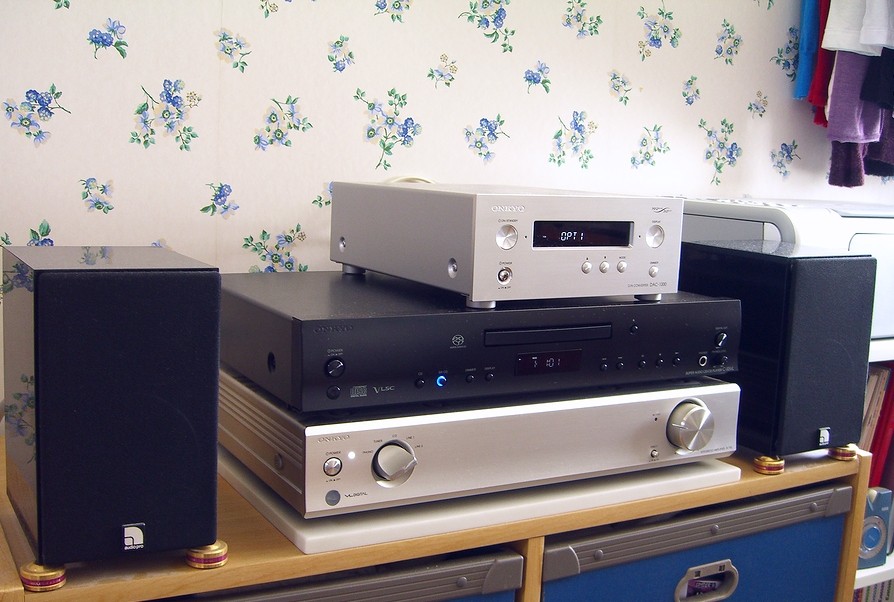
If one were to identify a problem with the ONKYO DAC-1000, the strange thing is… it might simply be that it sounds too good. With the lower-priced ONKYO C-S5VL, you can put music on as background and it draws you into a comfortable ease — play an SACD and before you know it you’ve drifted off to sleep, the sound is that soothing. The DAC-1000, by contrast, has a commanding presence in its sound. And precisely because of that, when music starts playing you feel a compulsion to sit down and engage with it properly.
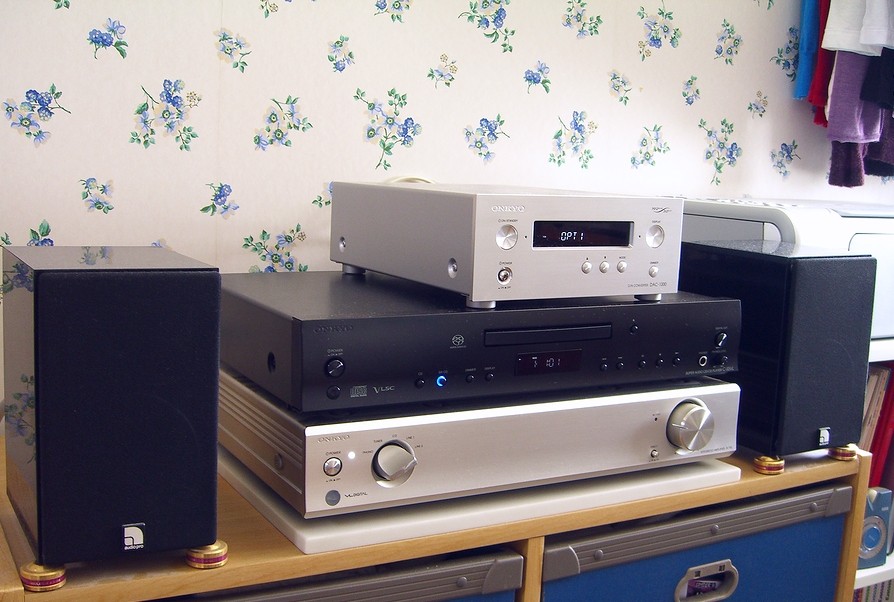
It is a serious piece of kit that doesn’t let your attention wander — it has the density and sheer amount of information to force your focus between the speakers. The tonal character shares something of the integrated amplifier A-1VL‘s personality, but the DAC-1000’s particular quality seems to be that it goes a step further, taking on a more accurate, monitor-like character.
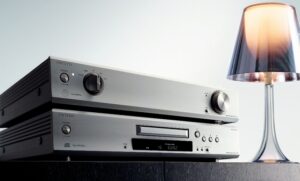
That said, if you were to ask whether it is a purely monitor-type DAC, the answer would be not quite. The sound is perhaps 80% high-resolution monitor tendency, with the remaining 20% blended in from qualities like brightness, lustre, and warmth — the kind of coherence you expect from consumer Hi-Fi. It is not the colourless, characterless straight-down-the-line sound you often get from purely professional equipment or PC-audio DACs that do nothing but chase information density. Within an overall direction of suppressing colouration, the ONKYO sound philosophy is very much carried through into the DAC-1000 as well… that is the feeling one gets.


 ポチップ
ポチップ
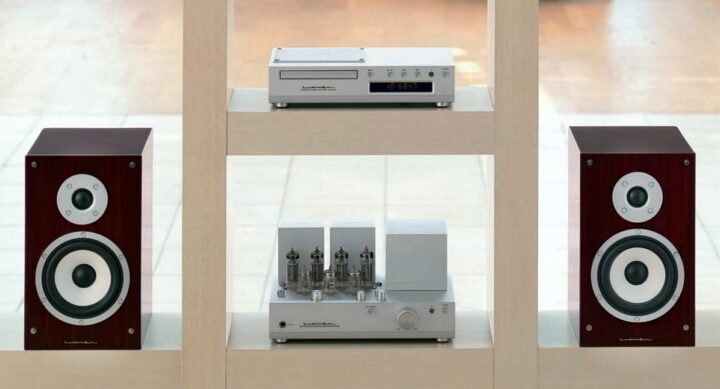
The DAC-1000’s character does not tend towards anything so extreme as transforming the tonal colour of the source component through the DAC itself. Rather than imposing its own character first, it feels as though it is trying to expand whatever data comes in — towards a wider range and a greater amount of information. In this respect, compared to the LUXMAN DA-100, which is often cited as the DAC-1000’s domestic rival, the two seem in some sense to sit at opposite ends of the spectrum…

 ポチップ
ポチップ
In other words, the ONKYO DAC-1000 does not work in the direction of adding a certain character through the DAC alone to conjure up a beautiful sound or a sense of musicality — instead, it feels as though it simply lays bare the sound quality of whatever is connected and the character of the recording as-is. Good things become better, and bad things stay just as bad, magnified as if under a loupe. I connected five CD players on hand (used as transports), two laptop computers, and one HDD/DVD recorder, and compared them using the same source material — and the differences in digital input quality among all of those, and their respective levels of quality, were brought out by the DAC-1000 with a clarity that was quite startling.
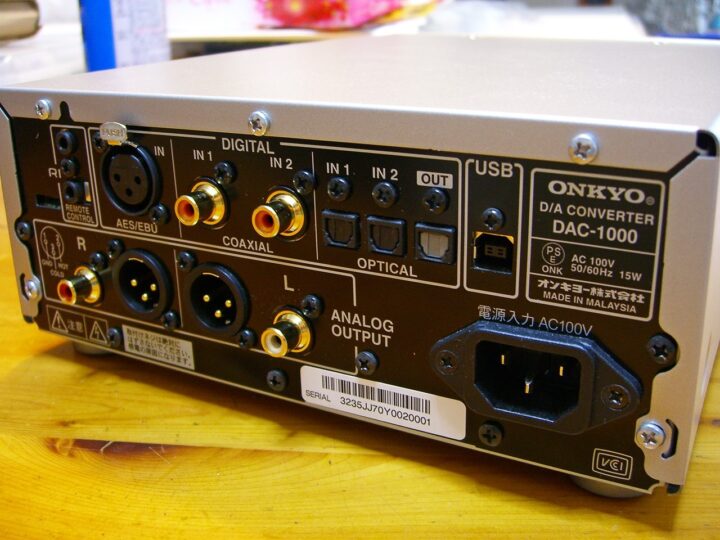
Where things became rather awkward was with sources like terrestrial digital or BS digital broadcasts — low bitrate, nakedly compressed, cheap-sounding material — because the DAC-1000 exposes the weaknesses with a merciless thoroughness. When the DVD/HDD recorder Pioneer DVR-DT100 was connected via optical digital output, the sound was — to put it charitably — crisp, bright, and snappy, but the wide frequency range worked against it, making dialogue and vocals come across dry and sibilant.
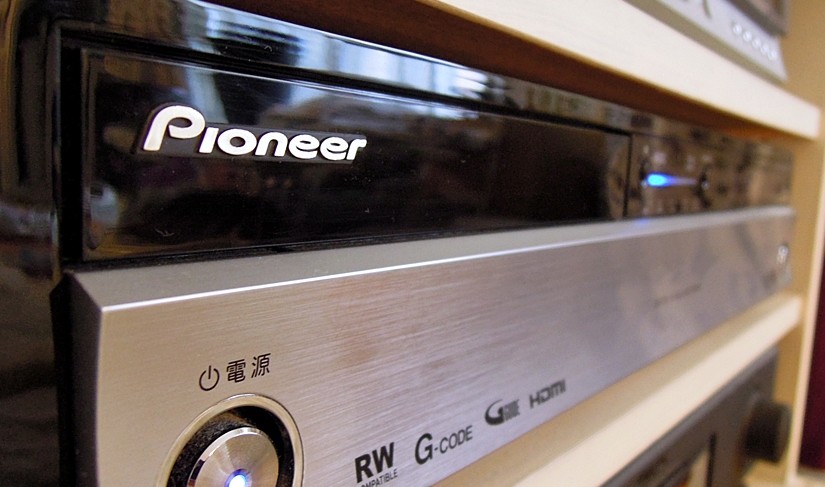
Things might be different with a high-end Blu-ray recorder of the sort introduced in a recent entry, but the DAC-1000 amplifies the DVR-DT100’s inherently dry sound to the fullest extent, and honestly it reached a level that was unpleasant to listen to… The same would likely apply to low-bitrate internet radio stations as well — when connecting a low-quality source, if the DAC does not also deformalise the frequency response and keep the information density down, you end up with a paradoxical situation where the DAC sounds oddly too good and that itself makes for difficult listening.
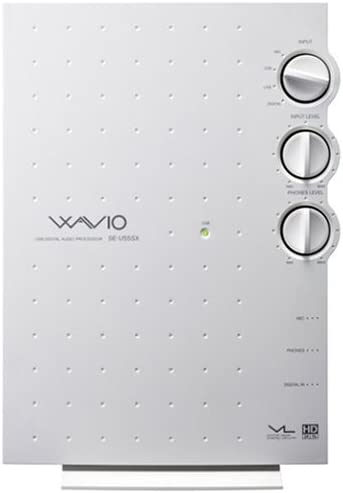
It actually made me understand, somewhat paradoxically from what the DAC-1000 revealed, why a dedicated USB DAC for internet radio exists in the first place. Though in a sense, is this perhaps a welcome surprise? … The DAC-1000 is also unforgiving towards external noise — with PC audio where countermeasures are insufficient, or noisy sources and transports, the results can sometimes be alarming. So perhaps this is not really something I would want in the hands of someone who lacks the will to confront Hi-Fi properly and take the necessary steps.

This should make it clear that, turning it around, compatibility with high-quality sources is excellent. Even with CDs, the quality of the recording comes through straight, and with high-quality HD distribution material exceeding CD’s bitrate — sources at 24bit/96kHz and above — the DAC-1000 truly comes into its own, like a fish returned to water. One might wish it also supported DSD data input from a PC or SACD… and while the DAC’s performance ought to be more than capable of handling it, copyright considerations probably make that impossible for a major manufacturer at this stage. Still, once you have grown accustomed to the sound of high-quality HD sources or uncompressed LPCM through the DAC-1000, there is a real possibility you may find yourself unable to go back to MP3 or AAC compressed audio thereafter.

As for compatibility with musical genres — the wide frequency range and clean, undiffused decay means it is exceptionally strong with instruments that have a dry sound. With sources like drums, percussion, guitar, and bass, you can experience a startling realism and rhythmic energy from the lowest to the highest frequencies. There is also warmth in vocals, and it is equally adept at rendering the recording-time realism of rock, pop, anime songs, jazz, and more in a straight and direct manner. Compared to the C-S5VL, where vocals image in a pinpoint, needle-thin way, the DAC-1000 gives a slightly fuller impression — vocals image with what feels more like the actual size of a human mouth.
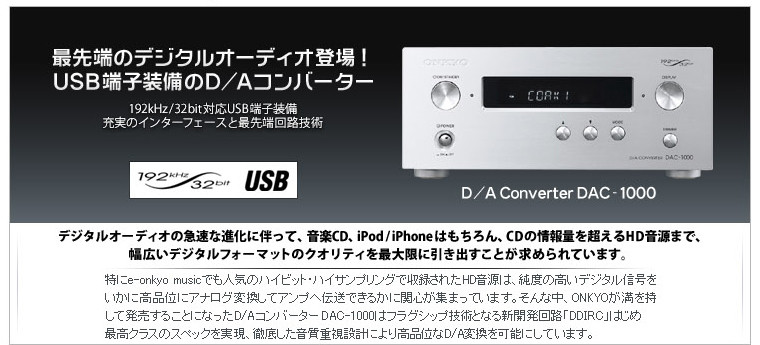
If there is a compatibility issue, it would be with certain classical music sources. The DAC-1000’s resolving character is fundamentally weighted towards information density in the mid and lower frequencies, and towards fine, high-density textural rendering of the sound image — the direct sound — which means the sonority of hall tone spreading upward into the high frequencies is somewhat restrained. In this respect the SACD player ONKYO C-S5VL offers incomparably more beautiful rendering. With classical sources — choral works, chamber music, and the like — depending on the recording, one may find oneself wanting just a little more of that exaggerated sweetness and richness of resonance. On the whole, with recordings that have a strong indirect-sound component with the microphones placed far away, one cannot quite shake the impression that the compatibility is a little lacking.
 ポチップ
ポチップ
That is more or less where the subjective poetic impressions of the sound end for now. Continuing in ONKYO D/A Converter DAC-1000 Review|Part 4.
【ONKYO DAC-1000 D/A Converter Review】
Part 1|Part 2 |Part 3|Part 4|Transport (First Half)|Transport (Second Half)

Auto Translated by CS4.6