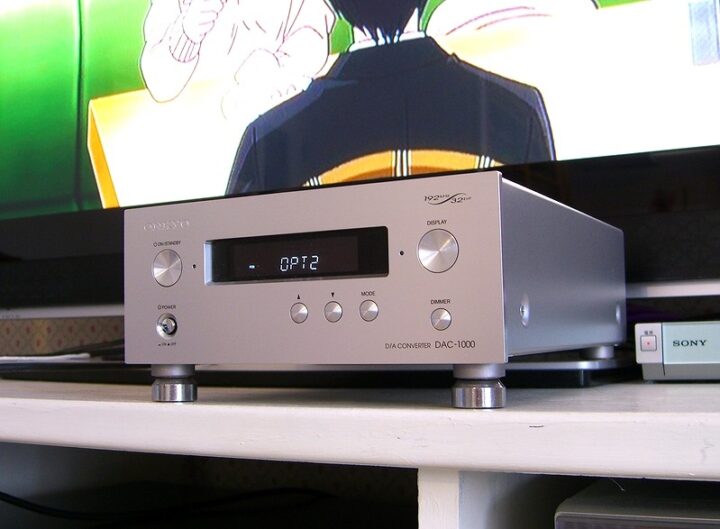
【ONKYO DAC-1000 D/A Converter Review】
Part 1|Part 2 |Part 3|Part 4|Transport (First Half)|Transport (Second Half)
As mentioned previously, the ONKYO DAC-1000 performs well beyond its price as a D/A converter, but having connected a variety of devices on the digital source side for testing, what struck me was just how much the transport’s sonic character cannot be ignored. One of the DAC-1000’s defining traits is that it deliberately avoids adding its own colouration, aiming instead to raise overall quality in a more neutral sense — which means the resulting sound, for better or worse, ends up depending on the transport (digital source) side to a greater degree than one might expect.
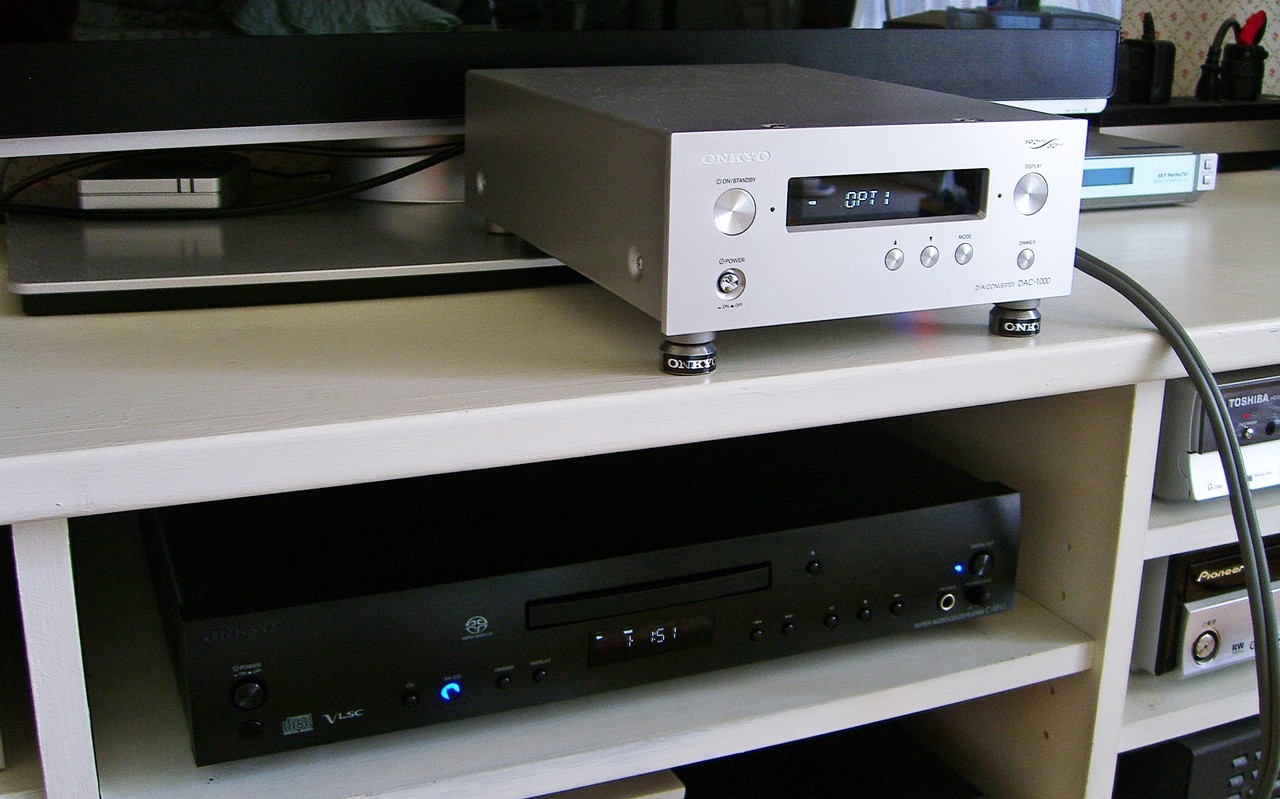
In other words, because the transport’s character is reflected more faithfully than any sonic shaping on the DAC side, in terms of tonal dominance over the overall system, the listening impression is that the transport’s tendencies come through more strongly than the DAC-1000’s own character… It feels as though roughly 70% of the transport’s personality is retained intact, whilst stability, resolution, and information density are all raised — a kind of quality uplift at the sonic level.


Because the sonic character shifts so dramatically depending on the transport, I honestly found it quite difficult at first to write a review along the lines of “this is what the DAC-1000 sounds like.” The earlier Review Part 2 and Review Part 3 were based primarily on evaluations made with the C-S5VL as transport, with other transports swapped in afterwards, the aim being to draw out the impressions that remained consistent regardless — the things that didn’t change much. What follows is a closer look at compatibility with each CD transport in turn.
ONKYO CD/SACD Player C-S5VL
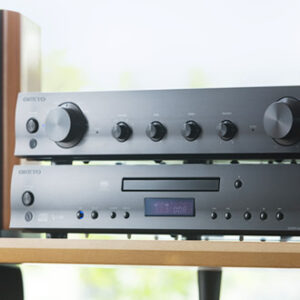
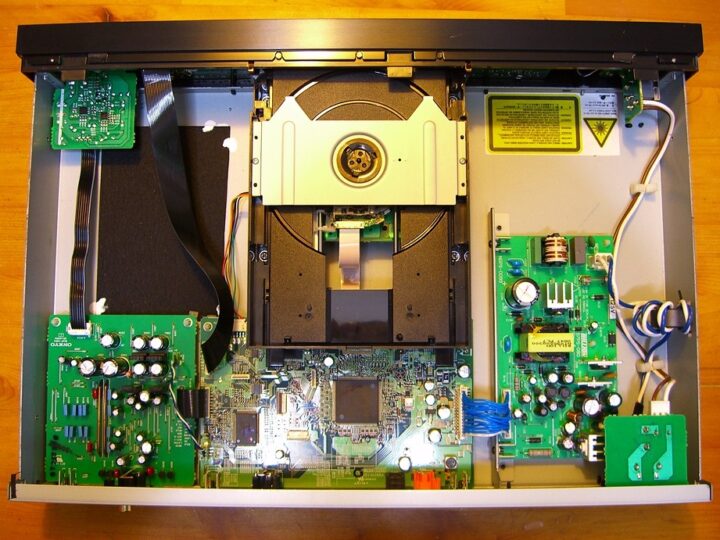
Compatibility when using the C-S5VL as a transport is excellent — hardly surprising given they share the same manufacturer. The slightly top-heavy, high-transparency digital output of the ONKYO C-S5VL is tempered in just the right measure by the DAC-1000’s stability, giving firmer support in the mid-to-low range whilst also adding the C-S5VL’s characteristic fresh, vivid presence. The C-S5VL’s digital output is free of any odd colouration, and yet it carries a richness of musical presence as well. The result is a sound quality that is unmistakably two grades above what the C-S5VL delivers on its own. You cannot listen to SACD’s DSD audio through the DAC-1000, but you can hear SACD’s DSD data converted in real time to 44.1kHz/16-bit LPCM — and that sound is quite different from the CD layer of a Hybrid disc. It should also be noted that whilst the C-S5VL allows you to change various digital filters for both PCM and DSD, this feature does not apply to the digital output sent to the DAC-1000. Together these two units come to around 100,000–120,000 yen at street prices, yet the sound they produce may well be able to hold its own against a contemporary CD player in the 200,000-yen class.
CEC Belt-Drive CD Player TL5100Z
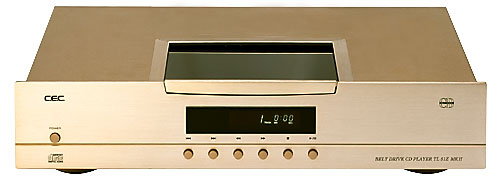
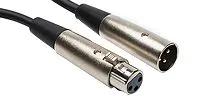
They didn’t get on at all — spectacularly so… The high frequencies are crushed, producing a dreadful sound reminiscent of a bad analogue turntable. Completely and utterly trounced by the analogue output of the TL5100Z, which uses the PCM1702 — an ancestor of the Burr-Brown (Texas Instruments) PCM1795 fitted in the DAC-1000… What a sorry state of affairs. Via coaxial digital the sound went blurry and was simply unlistenable. AES/EBU (XLR) connection brought it into just about acceptable territory. I didn’t have a high-quality balanced digital cable to hand, so I suspect I wasn’t getting the best out of it — but even so, an inexpensive professional-grade AES/EBU cable costing a few thousand yen sounded far more respectable than a mediocre coaxial digital cable.

 ポチップ
ポチップ
When the sound goes this thoroughly soft and woolly, you’d really need something like the Acoustic Revive DIGITAL-1.0R-TripleC-FM with its clear, extended high frequencies to stand any chance of rescuing it. In any case, what this tells us is that the belt-drive transport’s characteristic rich, soft sound — that thick, analogue-player-esque quality with its generous low end — simply does not sit well with the modern, straight-shooting sound of a state-of-the-art high-bit DAC. Whether the latest CEC CD5 might yield different results, I can’t say…
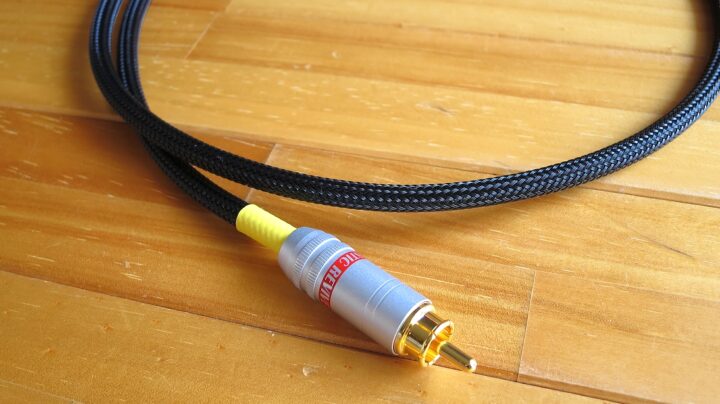
《Afterwards, I purchased the Acoustic Revive DIGITAL-1.0R-TripleC-FM — a standard RCA coaxial digital type rather than a balanced AES/EBU — and found it to have a tight, focused imaging with an exceptionally high S/N character, drawing out the DAC-1000’s strengths whilst appearing to cover its weaknesses.》
 ポチップ
ポチップ
That said, one useful takeaway was that the digital XLR balanced output clearly seems to sound considerably better than unbalanced coaxial. This was the first time I had actually used the AES/EBU connection on the CEC TL5100Z, and the difference in quality compared to an ordinary RCA coaxial digital cable was striking. This feels less like a matter of cable character and more something more fundamental — so if anyone is using an AES/EBU-capable digital connection but has it running unbalanced, I would strongly encourage trying the balanced connection as soon as possible.
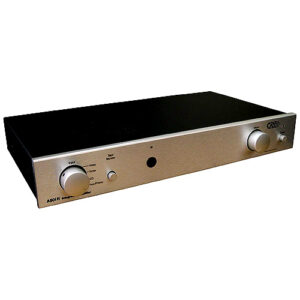
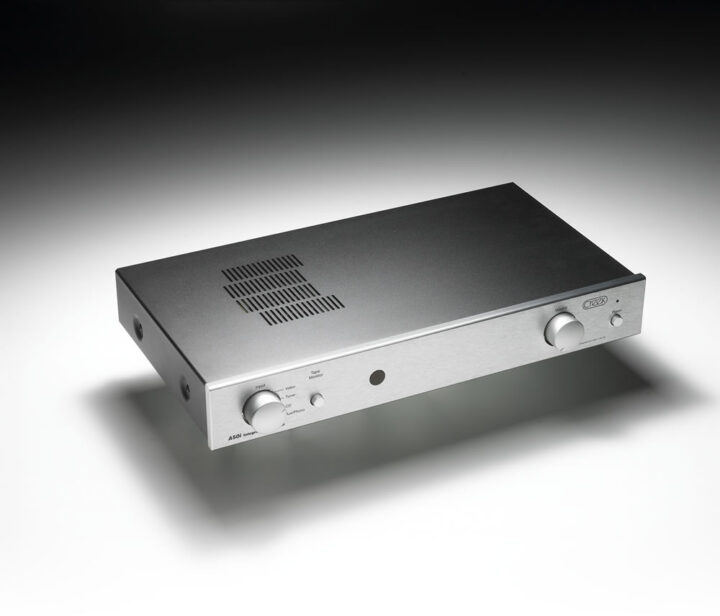
CREEK EVOLUTION CD Player
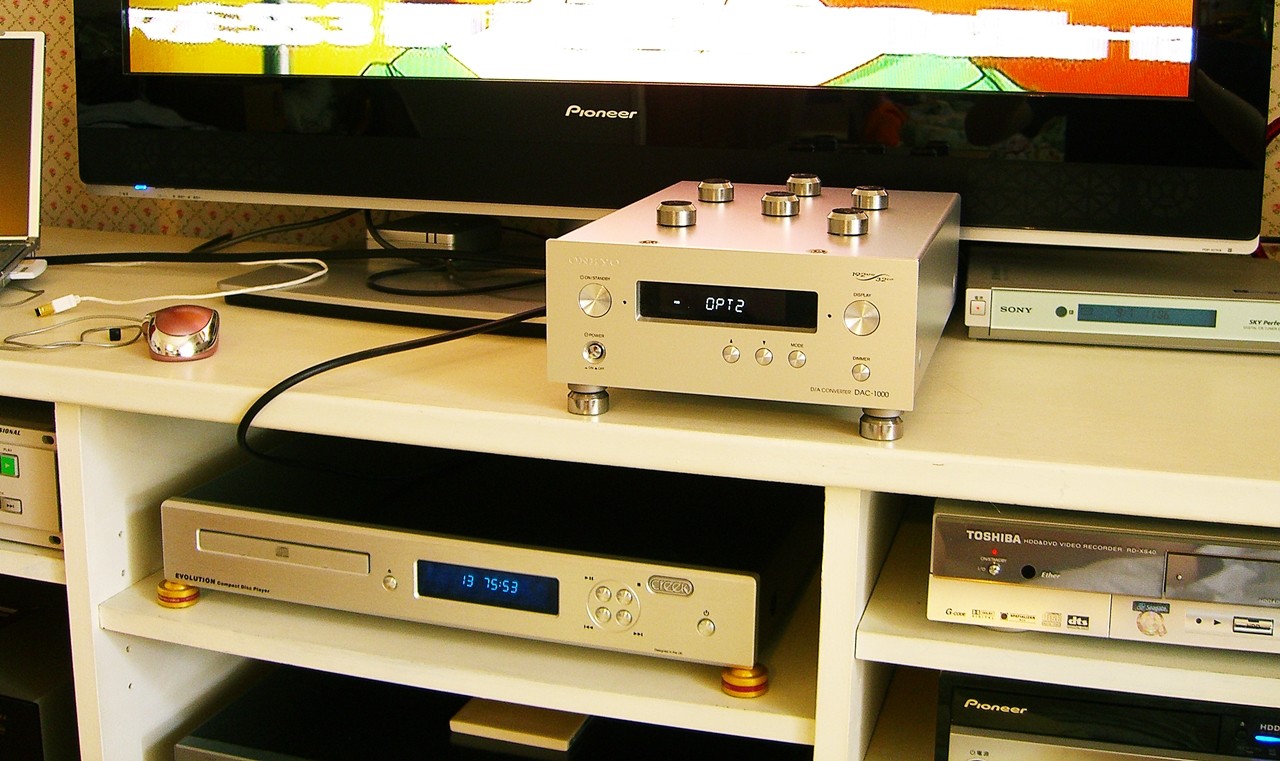
This was a surprise. In terms of compatibility — well, you can’t exactly say it doesn’t work (puzzling). Compared to the EVO-CD on its own, the low end is more solidly anchored. The EVO-CD’s biggest weakness — a certain vague, hard-to-pin-down distortion-like quality in the highs — is neatly swept away, and dynamic musical energy increases as well. The sound does become slightly fuller, as with the C-S5VL. But what is so surprising is that the sound — the tone, the overall character — is completely and unmistakably that of the EVO-CD. Even through the DAC-1000, it is almost entirely the EVO-CD’s sound. The transport’s dominance feels somewhere around 70 to 80 percent. For reference, the internal drive mechanism is a PHILIPS VAM1202/12. The VAM1202/CDM12-series mechanism does indeed have an excellent reputation among linear-tracking designs, but the EVO-CD’s tonal character is not the kind that simply reflects the raw personality of the mechanism either. I wonder if CREEK is doing something in the digital stage before the output…?
 ポチップ
ポチップ
The net result is that the DAC-1000’s strengths — its particular character — end up being cancelled out as well, so in this combination you get something slightly better, but not something different. The trap being that there is absolutely no point in connecting both the CDP direct and the DAC path in parallel to the amplifier to enjoy a contrast in sound quality. Still, thinking about it again, the Hi-Fi equipment I own really does have strong personalities… Comparing the CREEK Evolution CD to the C-S5VL, the degree of colouration is extraordinary — like getting a headache from cheap imitation Scotch whisky, it makes you wonder just how much of a deviant sound I actually prefer.
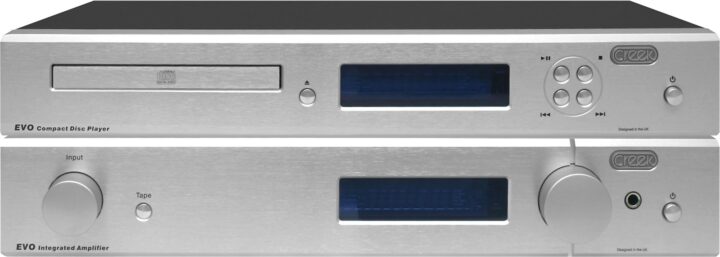
CREEK CLASSIC CD Player
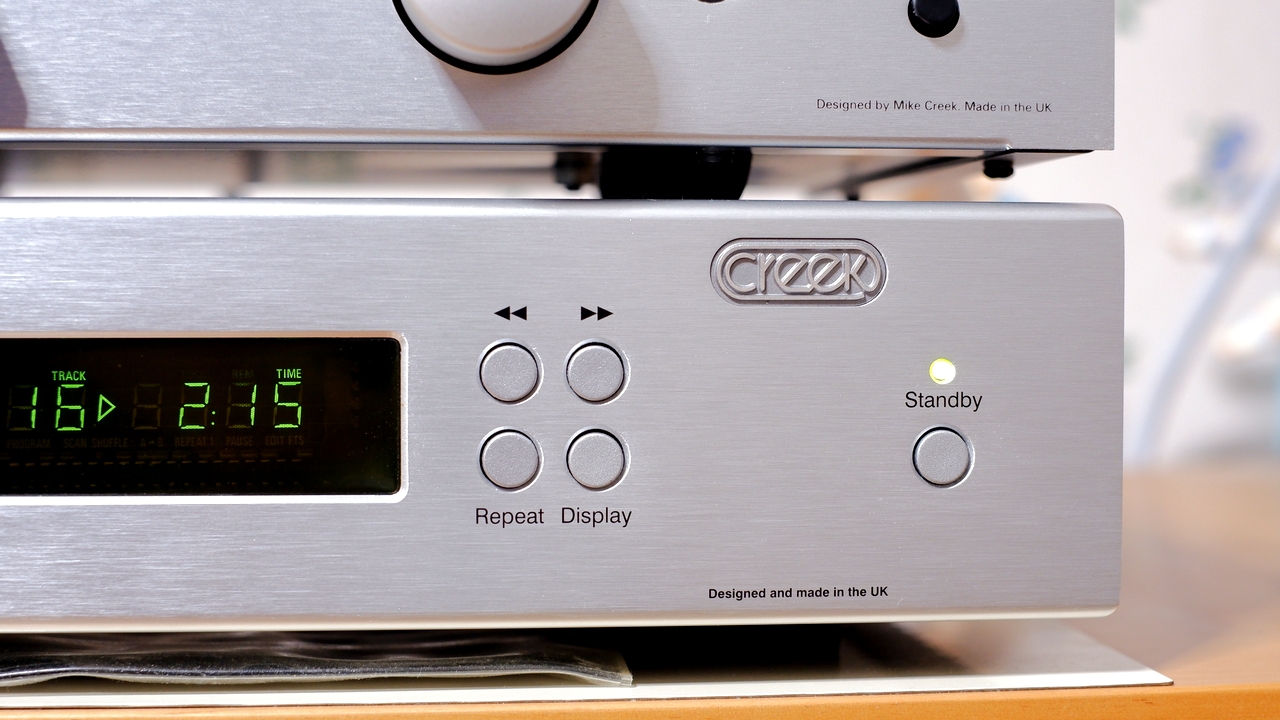
The CLASSIC CD has no optical digital output to begin with, so this was a coaxial digital connection. Here too, the CLASSIC CD’s warm, acoustic European sound dominates at roughly 80 percent. The low end does have more body through the DAC-1000, but the CLASSIC CD’s peculiar sense of enhanced resonance and its strangely well-defined pitch — that curious quality unique to this player — is diminished, and overall quality feels like a step down rather than up. Neither unit brings out the best in the other, making it a pointless combination… and it was dismantled after thirty minutes.
MARANTZ CD Recorder CDR630
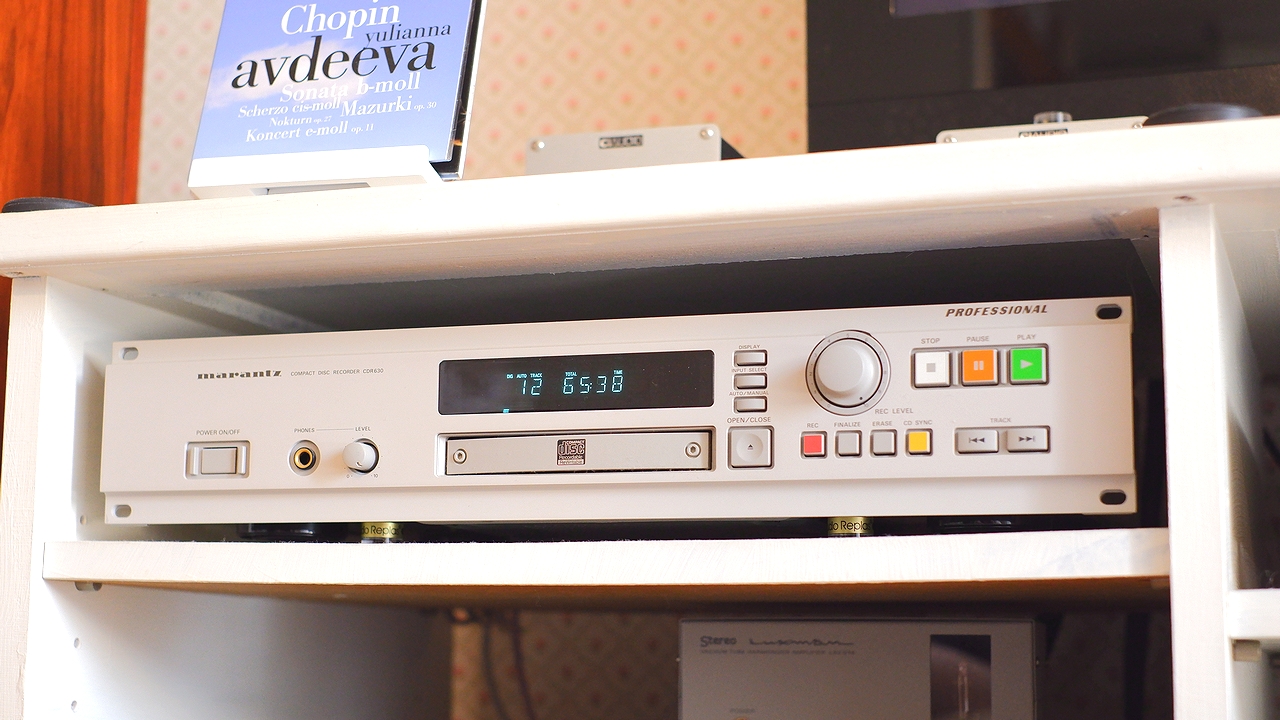
Oh — this works rather well! The drive mechanism is the same PHILIPS CDM-12.4 used in the CREEK Evolution CD. It is a similar design to the all-plastic VAM1202/CDM-12 linear-tracking mechanism, but this is a die-cast version also capable of writing CD-R. The analogue output of the MARANTZ CDR630 — professional-use CD recorder with a list price of 165,000 yen though it may have been — is, by today’s standards, essentially at entry-level CD player quality under the skin, but passing it through the DAC-1000 transforms it completely into something sounding like a higher-class machine altogether. It is bright, forward, and warm, and if anything I may personally prefer this combination over the C-S5VL pairing.
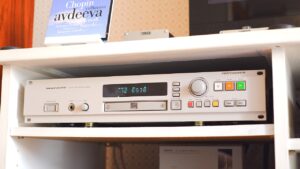
What is also remarkable is that pairing the MARANTZ CDR630 with the DAC-1000 brings out a richly musical quality with a distinctly PHILIPS-toned character… Since this is via the digital output, the bitstream DAC (TDA1305T) is not in the signal path — and yet, curiously, the result is a sound that is thoroughly reminiscent of a bitstream DAC in both musical character and tone. A strange phenomenon indeed. I once came across a comment on some forum claiming that a CD player’s sound quality is determined not by the DAC but by the transport mechanism, and whilst I found it intriguing at the time, it no longer seems entirely absurd. There are other things I could try — the Arcam CD72T with its Sony mechanism, or any of the four PIONEER DVD players I own, or indeed the several PHILIPS/MARANTZ units sitting in storage — so there are actually quite a few more transports available to connect. But I have a rough sense of how things would go at this point, and frankly it’s getting rather tedious, so I’ll stop here for today. Ranking the five CD players tested via digital connection in order of personal preference:
CDR630 > C-S5VL > EVO-CD > CLASSIC CD > TL5100Z
That’s how it turned out. It may just be coincidence, but as it happens, this is almost perfectly the reverse of how I would rank the same players as standalone CD players… Next time: DAC-1000 — Sound Quality Differences by Transport (Second Half): Connecting to a PC.
【ONKYO DAC-1000 D/A Converter Review】
Part 1|Part 2 |Part 3|Part 4|Transport (First Half)|Transport (Second Half)

Auto Translated by CS4.6
List of comments (2)
DDCなどのPCオーディオが気になるところですね。今になってAirmac Expressである必要はないかとは思いますが。廉価なDDCにはなかなかAES/EBYがないのが悩みどころ。うちはAirmac Expressの光出力をCO3でAES/EBUに変換していますがこれはクチが足りないためなので。
D/Dコンバータですかぁ・・・。手持ちのUD10.1ではデジタルケーブルを交換した程度未満?にしかこれ自体での変化はそんなに大きく無さそう。でもUSB入力からTOSと同軸とXLRケーブルの出力へ変換して使えるようになりますので、ケーブルによる変化は大きいかも。あくまでどんなケーブルを使うかで全然違ってしまいますけれども。あとTOSを使うことでPCとオーディオを電気的に完全に分離できるのが大きいかな?なんか気になったので繋げてみよ~w