【ONKYO DAC-1000 D/A Converter Review】
Part 1|Part 2 |Part 3|Part 4|Transport (First Half)| Transport (Second Half)
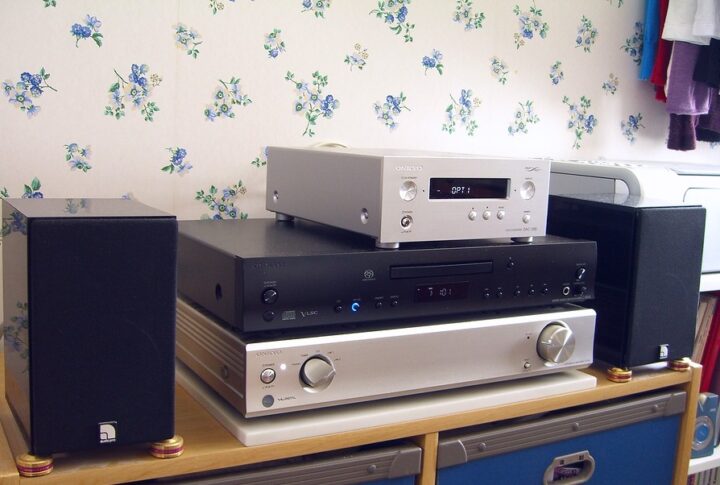
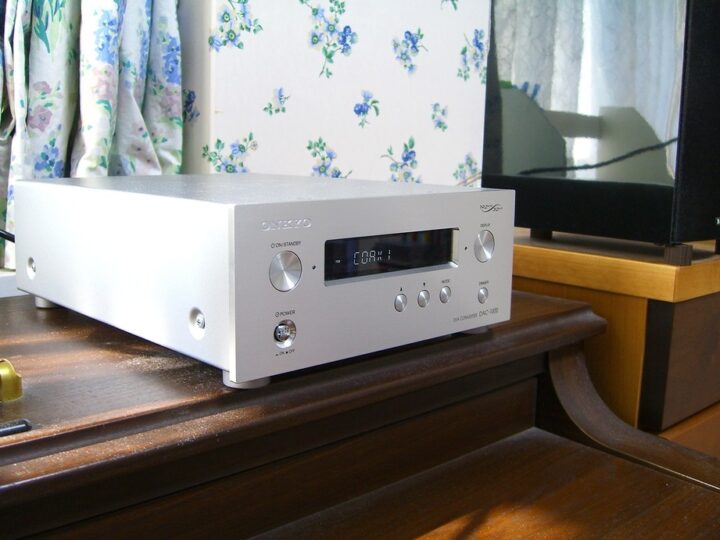
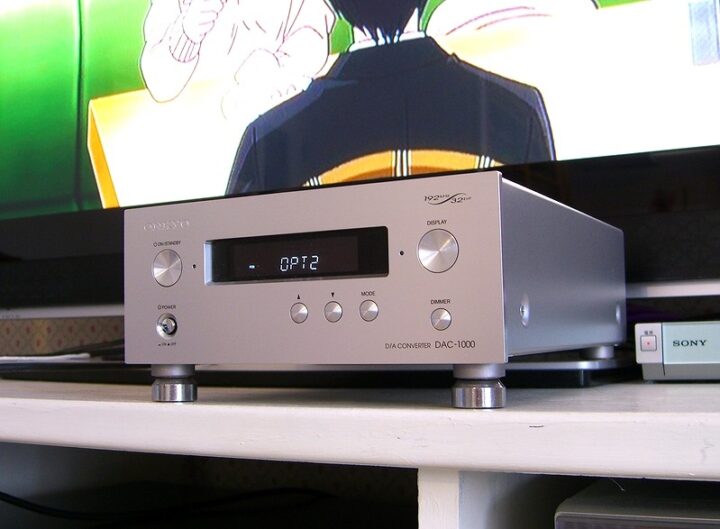
The DAC-1000 is generously equipped with inputs and outputs. I think this is one of the main reasons the unit sells so well. Many budget DACs are compact and lack sufficient connectivity, which makes them awkward to use in mixed AV systems — but in the case of the DAC-1000, the digital inputs alone come to six in total: optical ×2, coaxial ×2, AES/EBU ×1, USB ×1. Once you actually wire everything up, it turns out to be remarkably convenient.
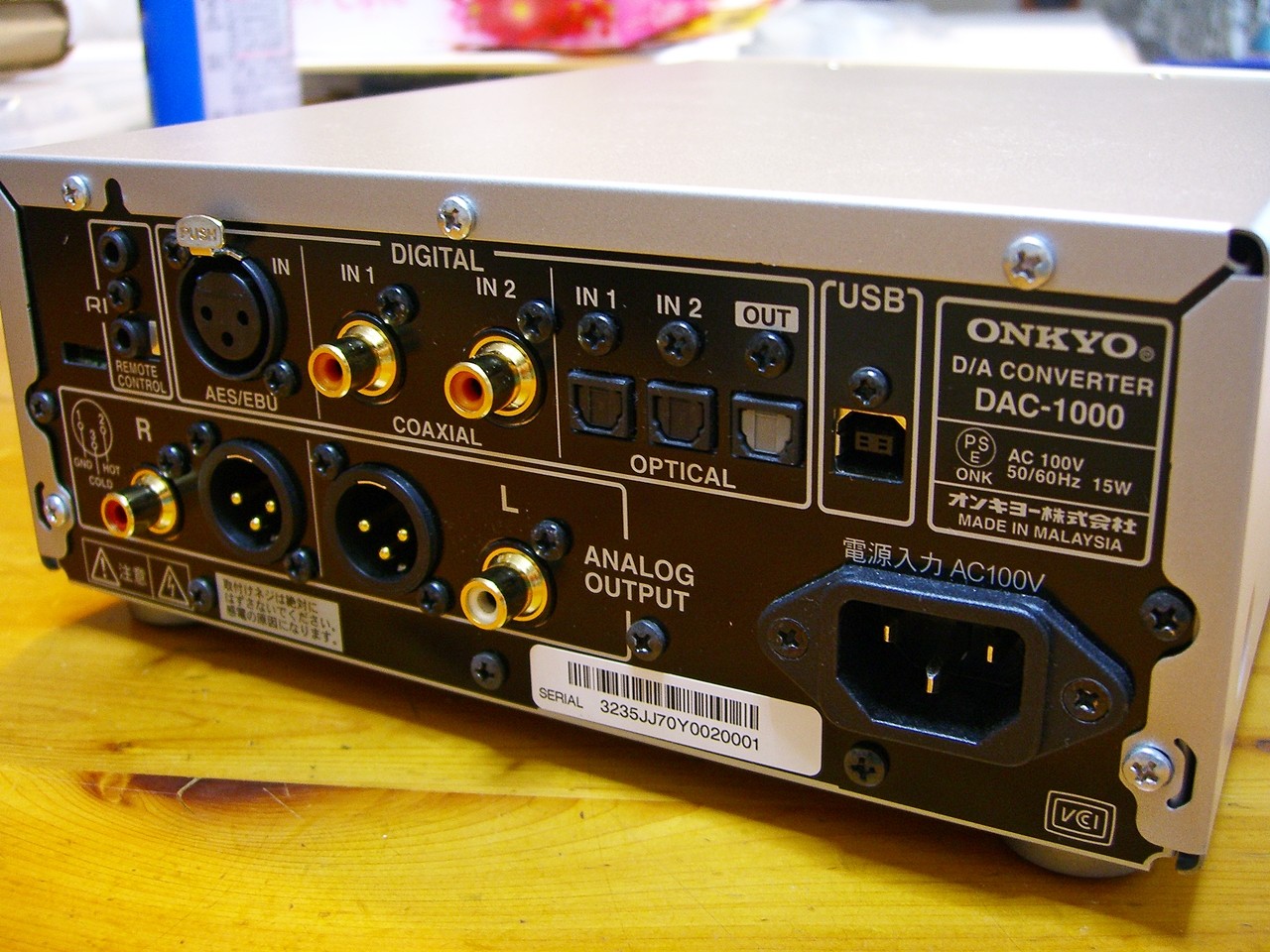
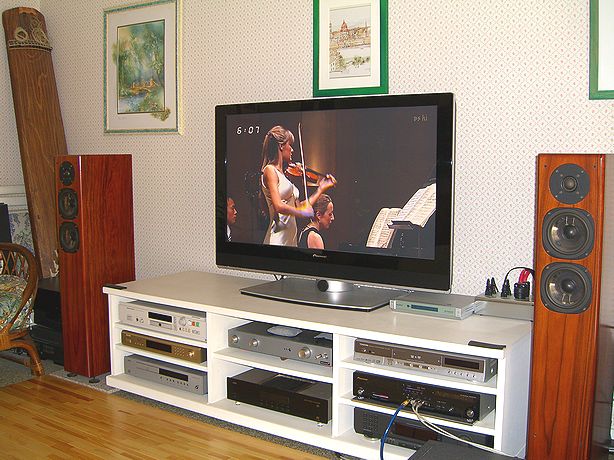
For instance, when installed in my main system in the living room,
1) HDD/DVD Recorder PIONEER DVR-DT100 (optical)
2) Plasma Display PIONEER PDP-427HX (optical)
3) CD Recorder MARANTZ MARANTZ CDR630 (coaxial)
4) CD Player CEC TL5100Z (AES/EBU)
5) SACD Player ONKYO C-S5VL (coaxial)
6) Let’s note CF-T2 (music server for PC audio) (USB)
With a single DAC-1000, all six of these units — essentially every digital device in the living room — can be consolidated into one via digital connections.
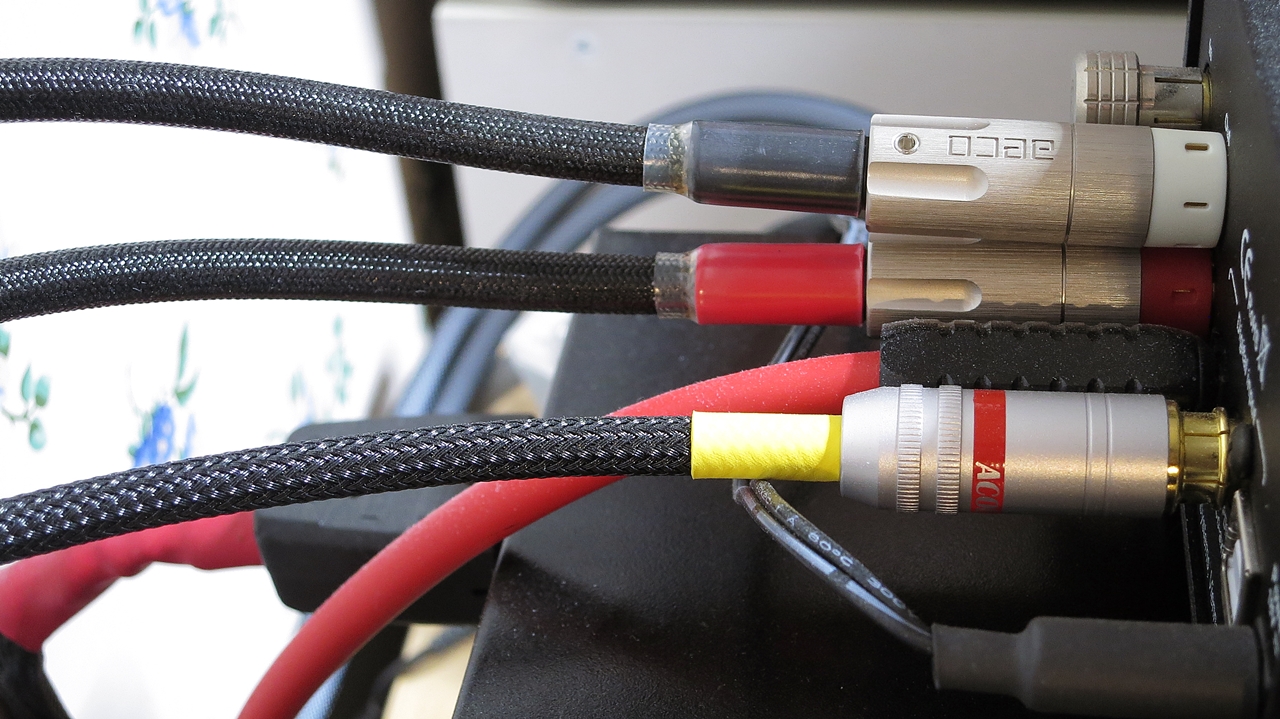
Furthermore, by connecting the best-sounding analogue RCA cable I own to the DAC-1000, there is only one input going into the integrated amplifier. With the same budget, rather than buying six sets of, say, 5,000-yen RCA cables, you could consolidate everything through the DAC-1000 and instead use a single 30,000-yen RCA cable — better value and better sound. As for any remaining unused inputs on the pre-amplifier or integrated amplifier, fitting short-circuit pins would make things even better. Pre-amplifiers and integrated amplifiers, for some reason, tend to sound worse when many sources are connected in parallel, so ideally the analogue input really ought to be limited to a single source.


 ポチップ
ポチップ
Oh — only as I was writing this did I realise… you do still need to have six separate digital cables ready. When purchasing from the ONKYO DIRECT online shop, a Monster Cable USB cable DL USB AS-3F was included as a purchase bonus (note: at the time of writing) — but when it comes to coaxial digital cables, products that actually measure a proper 75Ω are surprisingly few regardless of price, so you do need to choose carefully. And for TOS-link/optical digital cables, I would at least recommend going for a glass-fibre or quartz-core type, such as the AUDIOTRACK GLASS Black.

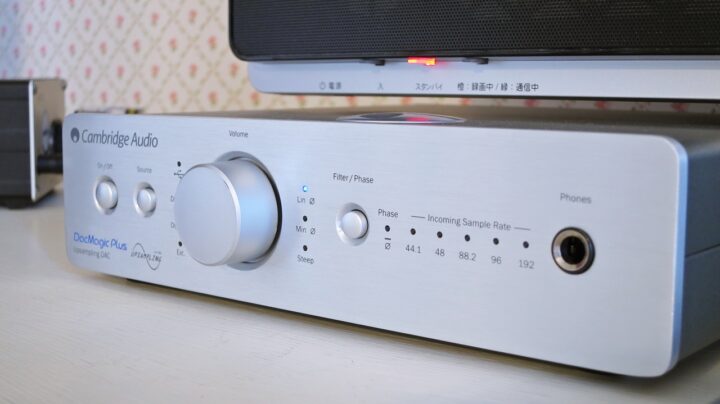
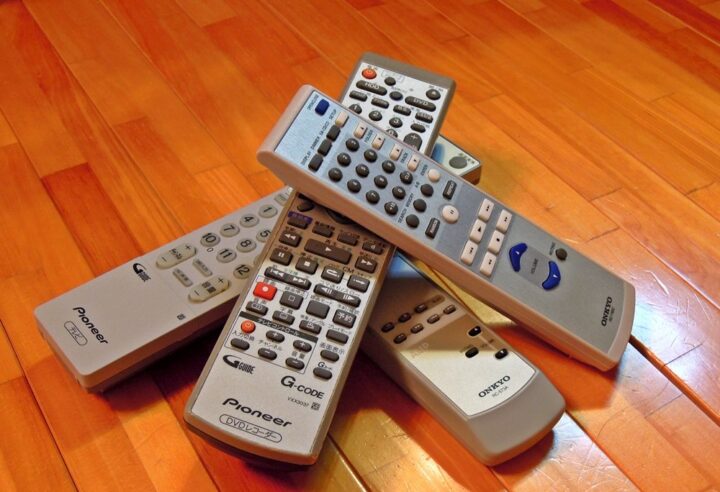
That said, if I were to point out one weakness of consolidating everything this way, it would be that you have to switch inputs manually on the DAC-1000 each time. I actually only discovered there was no remote control after opening the box, which came as quite a shock. I had somehow convinced myself that a remote was included… If ONKYO were ever to release a successor to the DAC-1000, I think it would really be worth adding a remote control and a headphone output. New rival units — including those due to be released in October — have all come equipped with headphone outputs as a matter of course, and in the PC audio world, many of the users who want a serious, high-quality DAC like this also use headphones. I suspect there are quite a few people out there who were otherwise satisfied with the DAC-1000’s sound but ended up ruling it out simply because it lacks a headphone socket.

Come to think of it, ONKYO has never really been what you’d call enthusiastic about headphones, has it — even now they don’t develop their own headphone amplifiers or headphones or earphones in-house (note: this refers to the situation in 2011). I myself do about 95% of my listening through speakers, so I’m hardly in a position to complain… Still, the fact that they were even selling other manufacturers’ headphone-related products through their own official shop does say something. Well — one way to look at it is that precisely because they’re not fixated on compatibility with their own headphone products, the headphone outputs on their various components are designed to be broadly versatile, which I suppose is a positive way of seeing it.
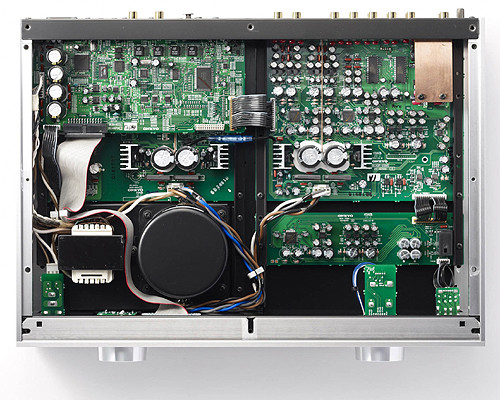
 On this point — if you have the pre-amplifier P-3000R to hand, it can also function as a passive pre-amplifier at the volume levels I normally use, it has a remote control for convenient operation, and it has a headphone output as well. For those with a more generous budget, I think the P-3000R is actually the better choice over the DAC-1000 when future expandability is taken into account. The DAC circuitry in both units is essentially the same, but the routing of the power supply — the transformer and surrounding components — and the chassis construction differ, and the electrical interference from the pre-amplifier section on the DAC’s sound quality is not something to be taken lightly. So it seems the P-3000R does in fact achieve a higher sound quality than the DAC-1000, circuit similarities notwithstanding.
There is also something I would like to warn readers about when auditioning the DAC-1000 in a shop: this DAC (and probably the P-3000R and the power amplifier ONKYO M-5000R as well) is frankly slow to wake up. For roughly the first hour after switch-on, the sound has a poor S/N ratio and a noisy quality, as though the stage floor had been dusted with powder. It does gradually settle as the unit remains powered, but honestly, leaving it on continuously — power consumption aside — seems to be the only way to enjoy it at its best. Which means it tends to be at a disadvantage when compared against other units immediately after being switched on, and that is a bit of a shame. Next time: DAC-1000 Sound Quality Differences by Connected Transport (Part 1).
【ONKYO DAC-1000 D/A Converter Review】
Part 1|Part 2 |Part 3|Part 4|Transport (First Half)|Transport (Second Half)


Auto Translated by CS4.6
List of comments (2)
ちなみにうちのST2は同軸×2、AES/EBU×1の3系統という漢仕様です。Airmac Express付きません。
しかも選択はトグルスイッチという漢仕様。
次のエントリで丁度書いてみたところですが、デジタルはアンバランスよりもAES/EBUで接続した方が良いみたい・・・。個々のケーブルの性能によって前後はしますけど、概ね XLR>同軸>TOS>USB どうやらこんな感じっぽいです。