【USB Sound Device vs. Mark Levinson — A Sound Quality Showdown】
Blind Listening Test|First Harf|Second Harf
This is a follow-up to yesterday’s entry, to avoid any misunderstanding. This article by でくのぼうぷれす examines how the sound quality of the 24bit/48kHz format compares to the CD’s 16bit/44.1kHz format.


 ポチップ
ポチップ
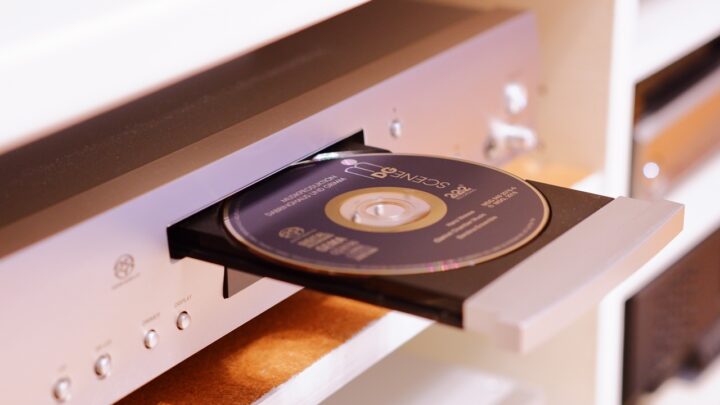
Whether through a high-quality PC sound card or a DVD Audio player, when comparing sources at different bit rates under the same conditions and with the same recording, I think 24bit/96kHz will clearly be perceived as the better-sounding format. Of course, the superiority of a DSD-recorded SACD player is similarly at a level where any dedicated enthusiast should be able to hear the difference quite readily. However, this is strictly a matter of comparing within the same playback environment — and what I wanted to say is this: when there are differences in hardware performance, the format’s theoretical advantage can in practice be undermined, and it is quite common for the perceptible sound quality to end up reversed relative to the format hierarchy, isn’t it?
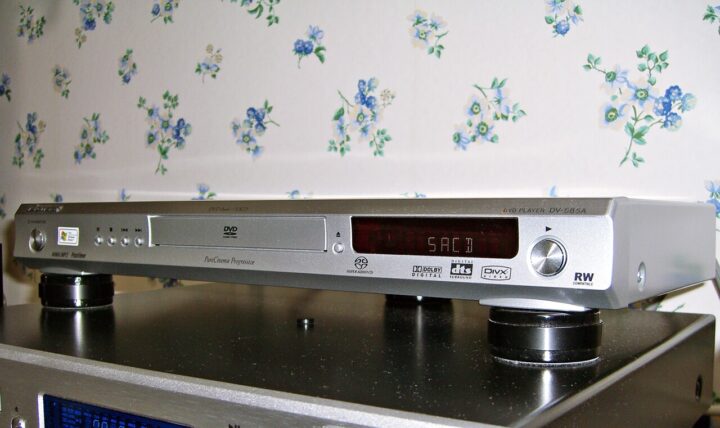
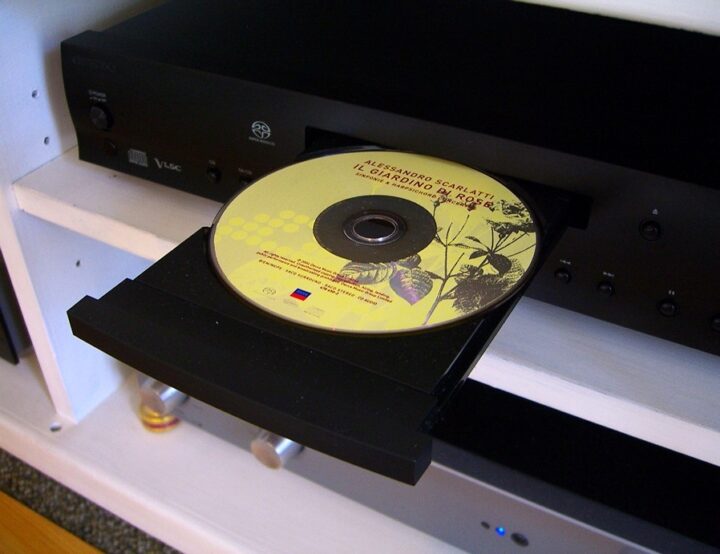
The reason I say this is that, at least in my own environment, playing higher formats on an inexpensive DVD multi-player with SACD/DVD Audio support (for example, the PIONEER DV-585A) simply cannot hold a candle — frankly, not even close — to the sound quality of the CD layer played back on a pure-audio CD player in a completely different price bracket, such as my own CEC TL5100Z/TL51Z. Even on a budget universal player, you can still appreciate to some degree the reduced high-frequency distortion and the fine-grained nuance that SACD and DVD Audio offer. But when it comes to overall sound quality — the energy density, the sense of power, the breadth of the soundstage, the realism of the image — the sonic refinement of a higher-grade machine is, in a pure-audio sense, simply in a different class altogether. On this subject, I would like to introduce some reviews by CD92, who owns multiple entry-level SACD playback devices.
 ポチップ
ポチップ
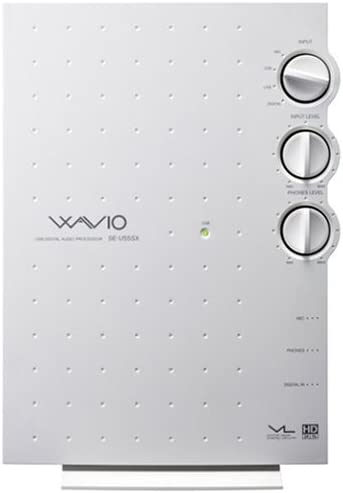
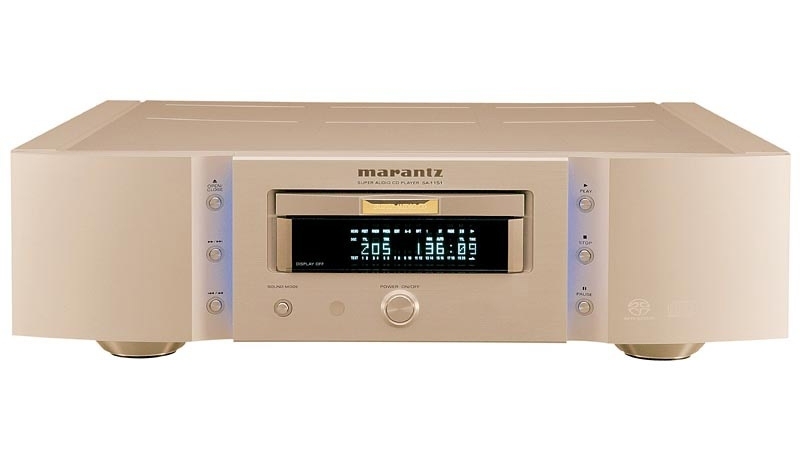
From that perspective, even granting that the ONKYO WAVIO SE-U55GX is, as noted in this article, quite impressively capable for a PC audio device, I find myself wondering: could 24bit/96kHz audio reproduced via the internal DAC and analogue stage of an inexpensive USB sound device really and truly surpass a ¥1,400,000 high-end CD player comprehensively? I do not think it is absolutely impossible, and it is entirely plausible that subjective preferences could reverse the outcome. Nor can one entirely rule out the possibility that the Mark Levinson No.390SL does not quite live up to the sonic expectations its price tag implies. (In my memory, the MARANTZ SA-11S1 was an exceptionally fine-sounding machine, so the fact that it is reportedly bested here does go some way towards countering that argument, at least partially…)
That said, having read through a number of user reviews and comments on the ONKYO SE-U55GX, the picture that emerges is broadly positive within the context of PC use, yet there are recurring criticisms of susceptibility to noise and a thinness or lightness to the sound, and many of the comparisons are made against mini systems or budget CD players — at which level the consensus seems to be something like “pretty decent”. Am I alone in feeling that claims of it matching or surpassing mid-to-high-end pure-audio components start to sound a little overstated?
 ポチップ
ポチップ
The ONKYO SE-U55SX, the successor model with further improved sound quality. Worth keeping an eye on the Amazon.co.jp customer reviews — it seems to be holding its own rather better than expected.
· It beats a mid-range CD player I have on hand (model unknown)
· Sound quality-wise, I’d say it’s on a par with a CD player in the ¥50,000 range.
· It sounds better than my PIONEER universal player, which was around ¥70,000.
On top of all this, when comparing CD against DVD Audio, or the SACD layer against the CD layer on an SACD Hybrid disc, it is often the case that the mastering approach and tonal balance differ quite dramatically, quite apart from any difference in bit rate. There are instances where the CD layer sounds noticeably worse than the SACD layer, raising the suspicion that the gap has been deliberately engineered to exceed what the format difference alone would account for — and conversely, there are puzzling cases where the SACD layer somehow sounds worse than the CD layer. So at the level of individual releases, the format hierarchy does not always map cleanly onto the listening experience, and reversals are not uncommon.
From the 1990s onwards, classical and jazz CD production (SONY SBM / Victor K2 / EMI Art / Deutsche Grammophon 4D / OIBP, and so on) largely moved towards recording and A/D conversion at 48–96kHz/20–24bit, then compressing the data down to 44.1kHz/16bit for the final CD. The sonic character introduced by this compression process is quite pronounced, and there are plenty of cases where high-bit remastered reissues ended up sounding uniformly unnatural (note: this is purely a subjective impression on my part) — to the point where classical and jazz enthusiasts troubled by this kind of perceptible degradation from remastered editions have been known to actively hunt down early pressings that were recorded in native 16bit. Given all of this, I would argue that in comparisons such as the Nikkei article cited earlier, unless the source material used is the same digital master with nothing done beyond simple bit truncation, it cannot truly be said to isolate the effect of bit rate alone.
Having said all that, I am not personally dismissing the sonic advantages of increased bit depth and extended frequency range in digital audio, nor the genuine improvements in sound quality they can bring. I consider this a fundamental premise and a basic principle in the pursuit of better sound.
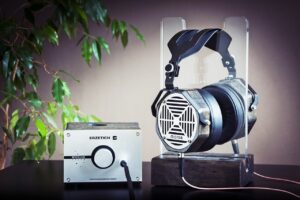
The biggest concern I have with today’s portable music players, PC audio, and digital broadcasting is that, in the pursuit of convenience and in the face of storage limitations, heavy lossy compression has become the norm — and this comes at the cost of sound quality. Beyond that, even where uncompressed digital data at the original bit depth is available, there are fundamental problems with the sound quality of the audio drivers and playback software commonly used for PC playback — Windows Media Player, QuickTime, and the like — not to mention the heavy-handed equaliser compression that tends to be applied, and then the quality of the digital-to-analogue conversion circuitry used to turn all of that into an analogue signal. Within the range that most people can realistically get to grips with, it feels to me as though the perceptible quality has still not quite reached what one would call pure-audio level.
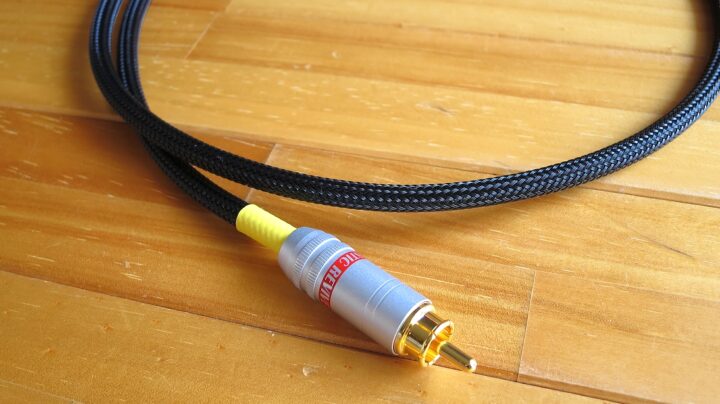
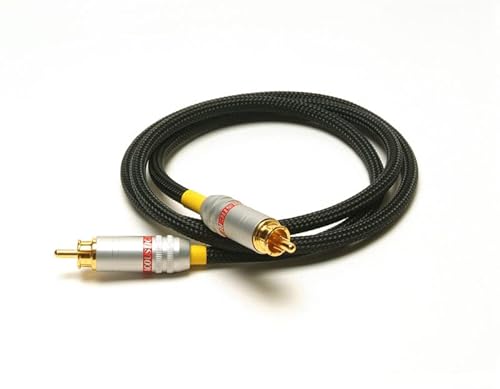
The Acoustic Revive DIGITAL1.0R-TRIPLE-C-FM is one of the coaxial digital cables I use and find to be particularly good-sounding.
 ポチップ
ポチップ
An acquaintance of mine who is something of a mentor on PC audio matters runs a large, high-spec, custom-built PC, feeding a coaxial digital cable costing several tens of thousands of yen — with properly matched impedance (apparently many commercially available cables do not actually achieve a strict 75Ω) — into an Accuphase high-end SACD player, the DP-85 (which features an external DAC input and a digital volume control), which cost close to ¥1,000,000 when it was released — or alternatively a standalone D/A converter — and that is how he listens to music. True to form for a technically minded PC enthusiast, he has ripped a large collection of CD WAV files to hard drive and owns very little in the way of physical software. He uses ASIO as the audio driver, and at that level of implementation, I genuinely feel that even via a PC hard drive the sound quality reaches a point where one can speak of it in pure-audio terms without any embarrassment.
For now, memory capacity and network transfer speeds mean we are still in an era where compressed audio reigns, but I believe that in the not-too-distant future these constraints will be resolved, and we will be within reach of an age where one can pursue digital formats with virtually no upper limit. When that happens, the era of optical discs will become a thing of the past — like cassette tapes and vinyl — and pure-audio reproduction will eventually be taken over by large-scale music distribution over the internet and by high-capacity silicon storage devices free from the noise disadvantages of spinning mechanisms. Once data is liberated from the constraints of compression and the CD format in this way, new possibilities should open up even within the pure-audio world, and the path to a dramatic improvement in sound quality ought to follow — and it is a future I personally find rather exciting. ※I believe the boundary between portable music players and pure-audio systems will, as a result, gradually become blurred.
However, if such a future does arrive, one concern — and it is something that was said repeatedly when CDs replaced vinyl — is whether the act of owning music, of collecting it like a personal library, and the ritual of listening to music enjoyed through the tactile and visual pleasures of a human interface, might be lost in the name of the rationality of digital data. If that emotional and spiritual dimension were to disappear, there is something about that which feels, on a human level, rather lonely — and perhaps that feeling is simply unavoidable. But then, this is really a separate matter from the essence of music itself. Music is an art form that is inherently without physical form, and there may be something fundamentally contradictory about the very idea of confining it within a tangible vessel — so whatever shape pure-audio takes in the future, I simply hope it continues to move in the direction of better and better sound.
【USB Sound Device vs. Mark Levinson — A Sound Quality Showdown】
Blind Listening Test|First Harf|Second Harf


Auto Translated by CS4.6
List of comments (8)
エディロールのドライバーはASIO対応の物です。
(24/96動作時)
MacのCore AudioはASIO準拠になっているはずです。
PCオーディオでもDACをピュアオーディオクラスにしてやらないと、対等には語れないと感じます。
もちろんマークレビンソンなんて話は、無理ですけど^^;
Quicktimeの音に関しては、私が感じた感触では、マークレビンソンの音作りに近い特性なのかな?
↑素人が聴いた感触で。
ですので、70年代ロックが好きな人には好印象に感じたのでは??
私は、バンゲルダーサウンドとかカールベームのウイーンフィルとかが好みです。
出来れば同席したかったですねw
Mark Levinsonの音ですが、今のMark Levinson(本人不在)のブランドの音と、本人のブランド(レッドローズミュージック)って全然違うんですよねぇ。Red Rose Music製品の音は異様なほど繊細でポータブル機ではちょっと真似できないと思います。それくらい独特。まぁ同ブランドの小さい方のコンポは中国のDUSSUNエレクトロニクス社製で、素性を調べると口があんぐりなのですが、音はとっても良いのです。心底欲しいです。
pastel pianoさん、お久しぶりです。
以前にこちらの記事を参考にCECのTL-51XZを購入したくま蔵と申します。その後ChordのDAC64を加えて満足しておりましたが、最近PCオーディオを試したところ、そちらに乗り換えることになりました。デバイスはAirMac Express(AME)という11800円の廉価品です。CEC単体はもちろんのこと、CECからAES/EBUでDACに出力したものと比較しましたが、AMEから光ケーブルでDACに出力したものが勝りました。歪みが少なく、自然な音調だと思います。ぜひ一度お試し下さい。
くま蔵さん、こちらこそお久しぶりです(^^)♪
AirMac Expressはアメリカで話題になってますね。丁度昨日来たPS audioのニュースレターにも書かれていました。
デジタルトランスポートとして、CECよりAMEの方が良好ってのはある意味当然だと思います。
少し前にここへ書きましたが、
https://www.audiostyle.net/archives/51241031.html
ベルトドライブCDプレーヤーの音質は、敢えてデジタル精度を揺らがせて落とすことによって生まれる、聴感上のアナログテイストが種明かしなのかと思います。更にCEC機は概ねDACの微少信号の変換精度も良くないですし、真っ当な情報量と精度ではうちの2台(5100Z/51Z)でも、最近の10万円以下のCDプレーヤーに聴感上で負けています。ただ、音質を忘れてまったりしたいときは敢えてC.E.C、実は先日TL5100Zのメカのメンテナンス部品交換をしたのですが、音質が大幅に良くなって戻ってきてびっくりしました。今まで何聴いてたんだろ?って位。
それはともかく、AirMac Expressは面白いですね。アナログ出力の音質は如何でしょうか?うちは既に無線LAN環境なのですが、手持ちのオンキヨーのUWL-1はLet’s noteとモロ干渉します。チャンネル変えても駄目です。ちなみに音質も…アナログは微妙。デジタルアウトも使ってみましたが、デジタルなので十分なクオリティとは云え、付属光ケーブルがしょぼかったのか、どうでもイイ感じの音でした。iTunes側のデジタルイコライジングに聴感上の高音質の秘密があったりはしないのでしょうか?
AMEのアナログ出力も悪くありませんが、デジタル出力→DACと比べると、やや音の厚み、生々しさに欠け、少しデジタル臭く(?)感じられました。
iTunesがデジタルイコライジングをかけているのかどうか分からないのですが(設定上はオフにしてあります)、CDPと比べて、いわゆる情報量は明らかに多いように感じられました。
この生々しさは、iPodを夜中に静かな部屋で聴いた時に感じたものと同質と思われましたので、CDPの再生に含まれる何らかの歪みがiPod(iTunes/AME)では少ないのではないかと想像しています。
こんばんは。
CHORDのDAC64の様に大きなバッファを積んだDACでも、デジタルトランスポートの影響を受けるんですね。AMEの高音質の秘密は自分でも確かめなくてはいけないと思っています。といっても、私は推測以上の技術的な考察は出来ませんけれど…。例えば、記事の冒頭でリンクしているようなオンキヨーなどのPC用の高音質サウンドボードから光デジタルでDACに入力した音よりも、AMEの方がずっと高音質になると考えて良いのでしょうか。となると、PCとデジタルデータ中継送信部の電源が電気的に切り離されていること関係があるのかも。
私の想像と聞きかじりの知識ですが、CD(およびそのデータ)の再生の課程は以下の三段階であると思います。
①CDのデータの読み出し
②データをSPDIFに打ち直す
③SPDIFデータのアナログ変換
CDトランスポートは、①と②を担当していますが、少なくとも①の部分についてはハードディスクからパソコンがベリファイしながら読み出す方が正確なデータになるように思います。②の部分がAMEの担当する部分だと思います(ベリファイもAMEの機能であるとの意見もありますが)。…・続く
続き…
SPDIFへの打ち直しの部分にトランスポートと差があるかどうかは分かりません。どうもメカニズム的には同じように思われるのです。したがって、私はAMEを使った再生がCDトランスポートに勝るとすると、①の部分ではないかと思っています。これがジッタというものなのか、データの欠落、補完の結果なのかはよく分かりません。高価なCDトランスポートが振動に気を遣っていることを考えると、やはり読み出しの部分に問題があるのではないでしょうか?
100万円のトランスポートとパソコン/ハードディスク/AME(総額20万円程度)が良い戦いをするとなると、メーカーは大変だと思います。LinnのKlimax DSはAMEと同じ発想ですので、Linnもトランスポートに勝るものを見出したのではないでしょうか。