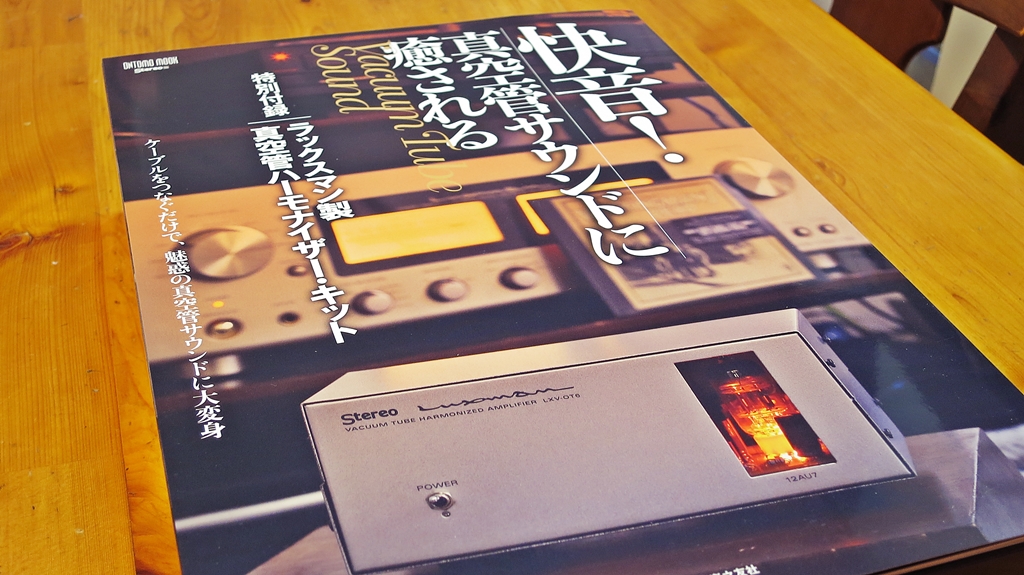
At the end of May, on the recommendation of a record shop manager at Disk Union whom I follow on a certain social network, I pre-ordered the Stereo × LUXMAN ONTOMO supplement mook with its valve harmoniser kit, and when it arrived I immediately set about assembling it. As it happens, this is actually the first LUXMAN product I have ever owned.
You might well be wondering what on earth a valve harmoniser is — well, it belongs to the same family as the line transformers for CD players that were fashionable in the eighties and nineties, and valve line buffer amplifiers that provide no more than unity gain. Speaking of valve line buffers, Musical Fidelity of England used to make them back in the day, including the X-10D. On the domestic garage-maker front, there was also the cdb40/cdb41 from Musica. The idea is to deliberately insert one of these into the analogue line between your source and amplifier, using it as a kind of effects unit to colour the sound in a way the ear finds pleasing — which, from a purist hi-fi standpoint, could perhaps be considered slightly unorthodox.


 ポチップ
ポチップ
Assembling the Valve Harmoniser LXV-OT6
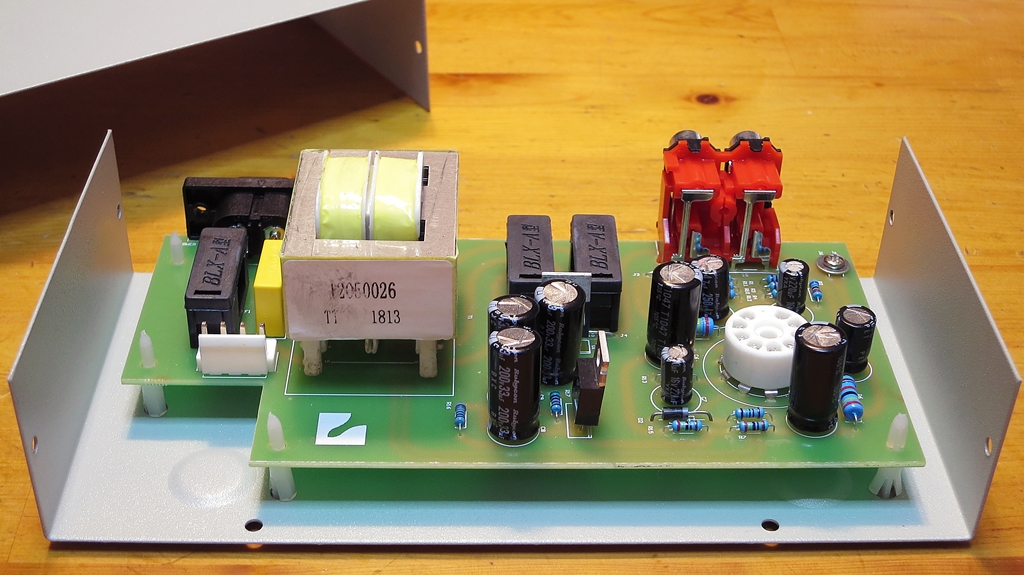
Opening it up, I was genuinely surprised — despite the simple design, the chassis, circuit board, and components are emphatically not the kind of rushed job you might expect from a magazine supplement, and you can sense that LUXMAN have put in an extraordinary degree of effort. Although it is brand new, it already has the scent of vintage about it, something familiar and endearing. Within the cost constraints of a supplement, choosing a valve harmoniser rather than a DAC was a rather inspired decision. And while it is sold as a kit, there is no soldering or electrical knowledge required — it is simply a matter of fitting the pre-built circuit board into the enclosure and tightening a few screws.
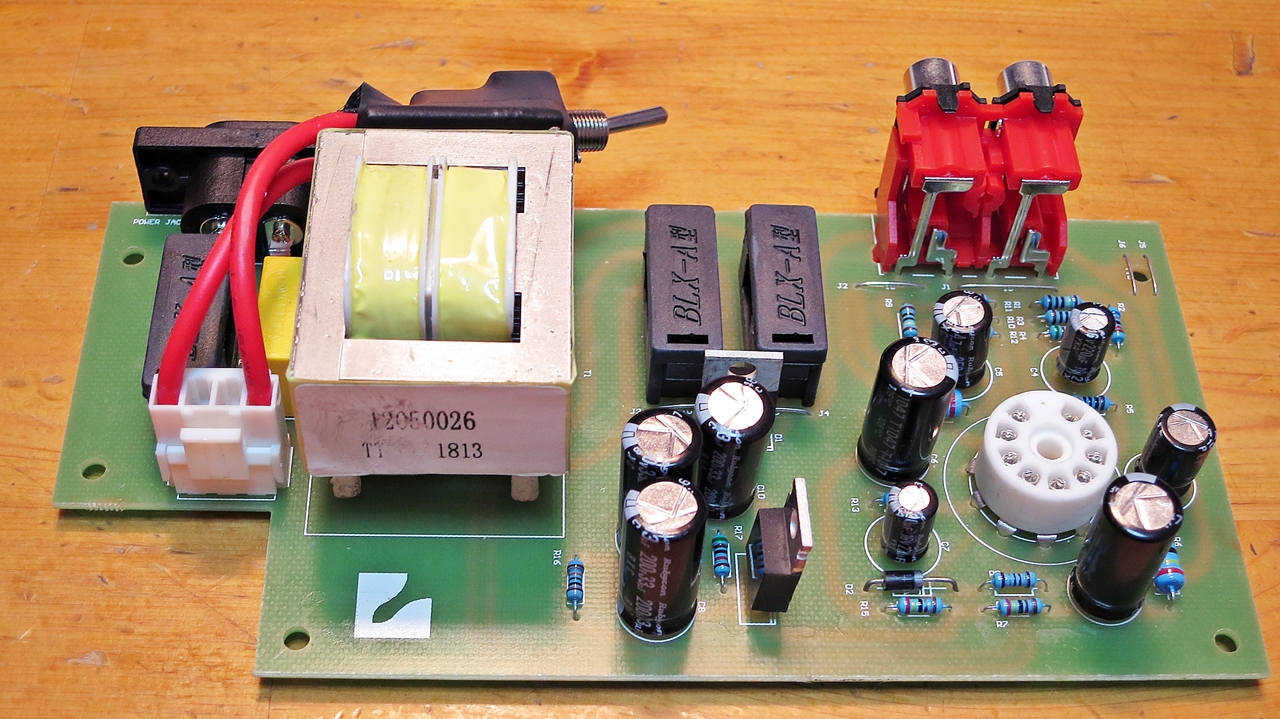
The only tools needed are a Phillips screwdriver and, if you have one, an 8mm spanner or hex key (※ which lets you fit the power switch properly.) The painted chassis is made from thin steel sheeting, and the design and feel carry a certain vaguely Showa-era quality. The machining is precise, but the sheet steel is thin and prone to warping during assembly, and the screw holes are tight, so a degree of care is needed when driving in the first screws. I thought I was being quite careful, but I still managed to strip one of the twelve chassis screws.
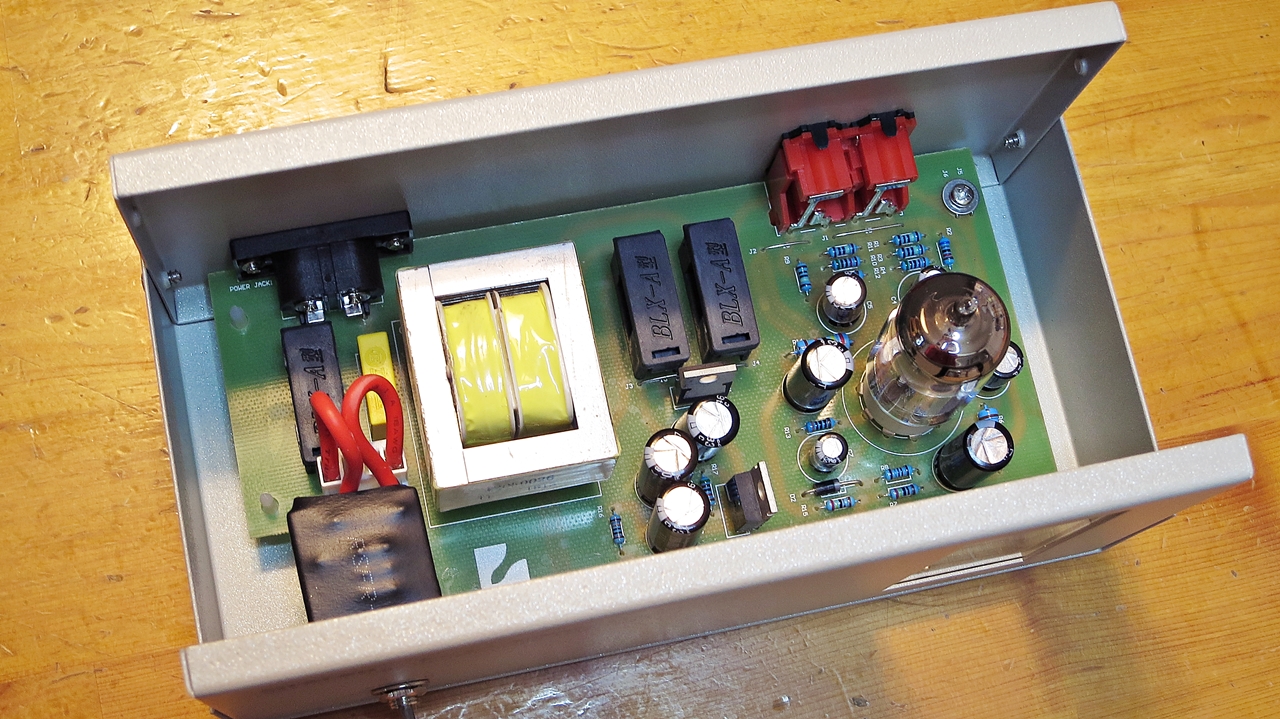
Incidentally, the included screws are non-magnetic — whether they are nickel-plated brass or stainless steel I cannot say. I suspect quite a few people will either lose a screw or make the same mistake I did, so it would have been nice if they had included a few spares. Looking more closely, the prototype used in the mook’s cover photograph has screws of a different colour, and they are not even properly inserted — which is rather telling. The booklet itself does mention that the tightness of the screws and the degree of chassis flex can vary the sound in various ways, and encourages each builder to adjust accordingly.
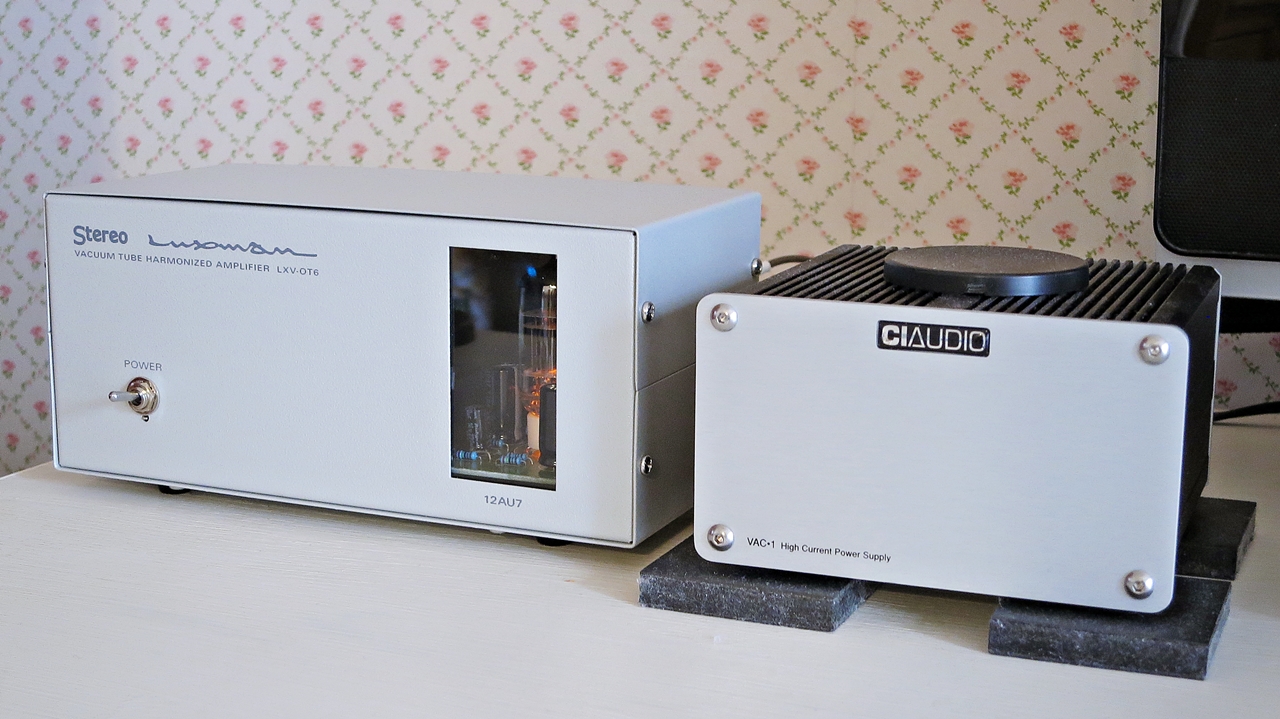
Sound Review of the LXV-OT6
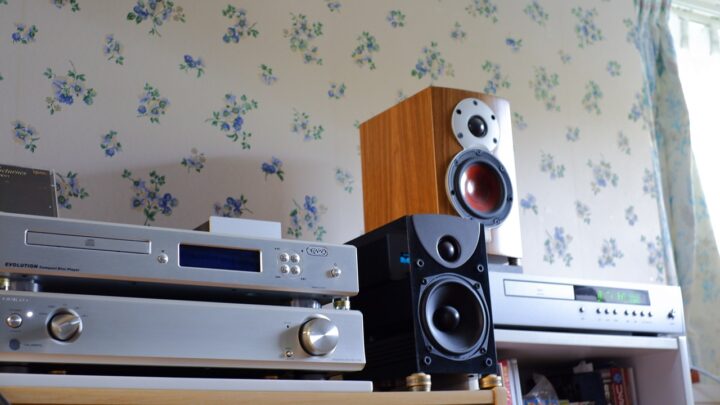
For the time being I added the LUXMAN Valve Harmoniser to the analogue output of the CEC TL5100Z CD player in my main system. These are first impressions, but the sound is sweet, gentle, feather-light in touch, deeply nourishing, nostalgic, and simply happy-sounding. For late-night low-volume listening, this is ideal. Even from such an inexpensive kit, you can clearly hear what is commonly called the Luxman tone. Not the thick, melting, rich variety of Luxman tone, but rather a gentle, moderate suggestion of Luxman lustre — pleasant rather than cloying. The overall frequency response feels like a softly relaxed mid-forward hump, but the soundstage spreads well, with particularly generous reverberation and reflected sound, the bass is soft and gentle in character, with a musical sense of spring and a relaxed, easy-going quality — though how much of that generous low-end weight is down to the source CD player rather than the harmoniser itself, I am not entirely sure.
The midrange is organic and musical. In the upper frequencies, images are slim and sharp with a glinting clarity of outline (※ that is the MIT Terminator 4’s influence showing through) — so taken as a whole, the impression is less of old-school Luxman richness and more of something clean and refreshingly well-composed. (The overall character will shift to some degree depending on the cables used before and after.) The gently hump-shaped frequency response that keeps things from sounding entirely flat also suggests that there is room to play — swapping the valve for a different type could push things towards a more modern, wide-range character, or alternatively towards something narrower and more richly nuanced, depending on personal taste. The booklet covers various DIY modifications including valve rolling and circuit tweaks, so those with the inclination might well enjoy exploring that side of things.
Experimenting with Input/Output RCA Cables and the Power Cable
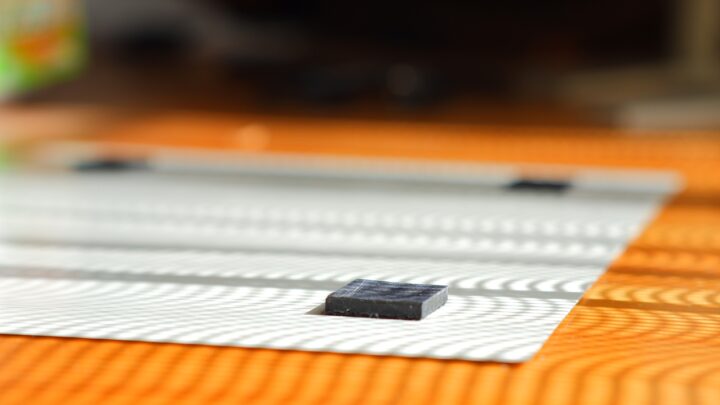
The softness in the bass owes much to the belt-drive CD player acting as the source, but the included 3M rubber feet seem to be a significant factor as well. I have a feeling that swapping those for some kind of hybrid Hi-Fi insulators incorporating metal elements could improve resolution in the bass region.
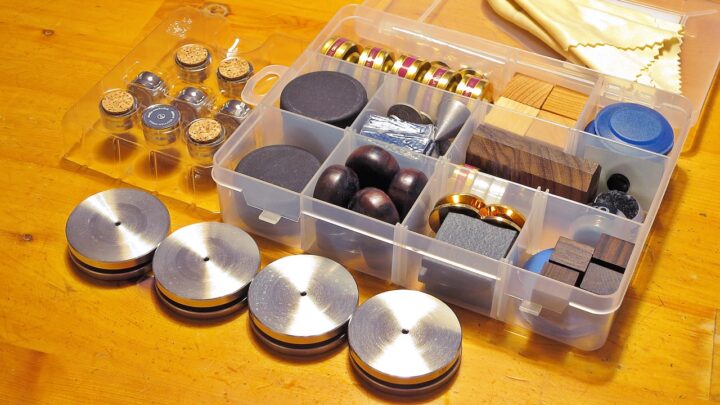
It being late at night, a family member came in and complained about the noise, so playback was stopped. Using the PCM1702 analogue output of the belt-drive CDP, the C.E.C TL5100Z, it is a combination of two components both tending towards a soft tonal character — yet the valve harmoniser’s lustre and sense of resolution nicely compensate for the belt-drive’s slightly understated, analogue-ish high frequencies and softened treble definition. The pairing works rather well.
· RCA cable (input stage): MIT Terminator 4 (under review)
· RCA cable (output stage): Stereovox HDSE
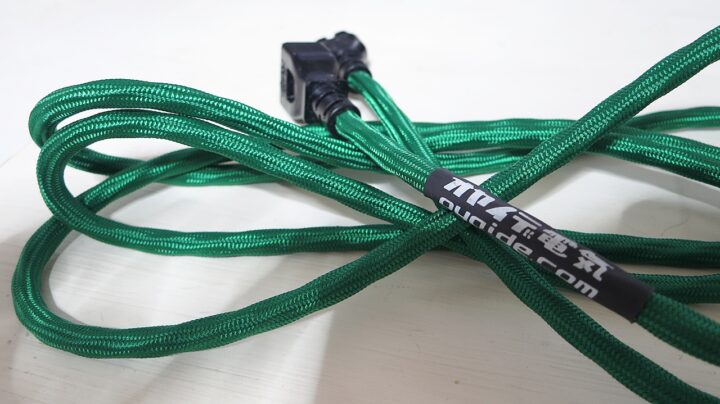
· Power cable: Oyaide L/i15dpc ※ Polarity confirmed with a multimeter [chassis potential: 0.26V or 0.3V]
Please bear in mind that at minimum an additional input-stage cable will be needed on top of the valve harmoniser kit itself, and that this review is of the overall combination including the cables before and after the unit.
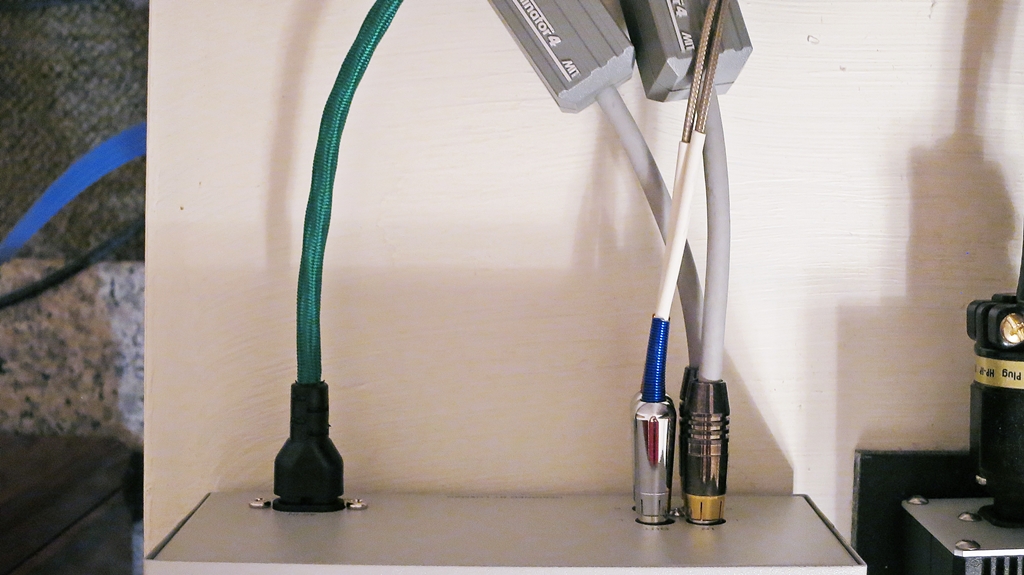
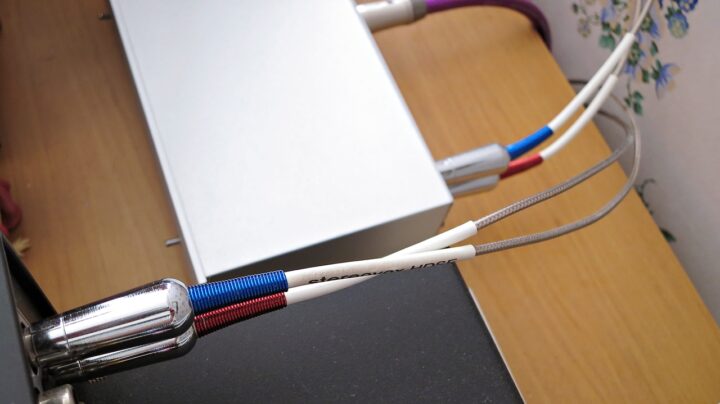
This cable combination is only a provisional makeshift arrangement, so once burn-in is complete I plan to explore compatibility and try different options. A LUXMAN-branded RCA cable such as the JPR-100 would almost certainly be a natural match.

As ever, it is a slightly absurd situation where the cables connected to the kit cost more than the kit itself — but unlike cable-swapping, the change here is to a more fundamental aspect of the sound, and adding the harmoniser seems to bring about a more meaningful improvement than any cable costing tens of thousands of yen.
Adding an extra device to the chain does move me away from my personal preference for simplicity, but the tonal shaping here is skillfully done, and so long as the compatibility is right, I get the impression that with this unit the merits outweigh the drawbacks. LUXMAN’s reputation is well deserved. An ageing CD player or other inexpensive digital source feels as though it comes back to life with just this one addition. Supplement mooks from Stereo or Digi-Fi can sometimes sit unsold for years depending on what they contain — but this LUXMAN valve harmoniser feels like it will sell out almost immediately. For me personally, it is the most exciting release since the Oyaide DIY power cable kit.
 ポチップ
ポチップ
Since it was late at night I switched to headphone listening, and this too was rather good. I rarely use headphones because I dislike the sensation of pressure on the ears, but with the harmoniser in circuit, the added sense of space and ambience means that tape splices and background noise in recordings become more naturally audible. More than anything, the sound becomes easier on the ear, and the usual discomfort I associate with headphone listening largely disappears. One might worry about residual noise given that valves are involved, but through my headphone setup — the AIZER AZ C700 — within the range audible to me, the S/N ratio in the audible band actually sounds perfectly good. Later note: after a few months, residual noise attributable to valve deterioration became audible.
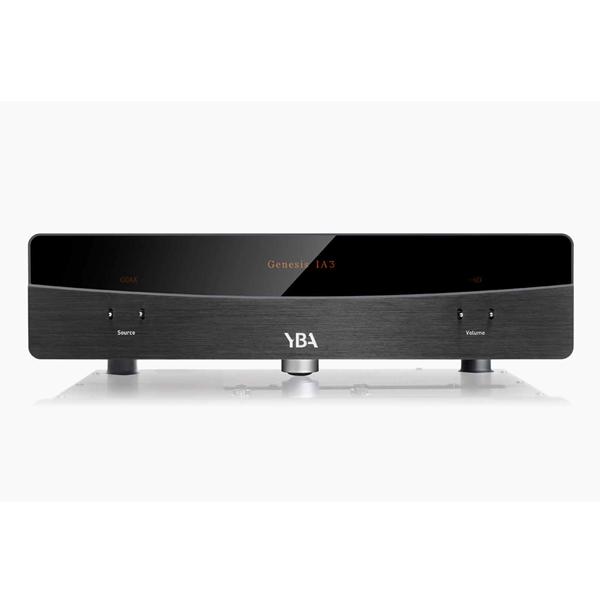
The greatest benefit of using a valve harmoniser lies not simply in the fact that the addition of even-order harmonics by the valve colours and beautifies the sound — it is, I feel, the substantial improvement in musicality and expressive power that matters most. The touch is soft without becoming bloated, there is a refinement to the listening experience, the portrayal of music is careful and attentive, and a distinctive lustre and brightness is added to everything — at which point I thought, this reminds me of something, and it struck me that it bears a faint resemblance to the sound of old YBA equipment. Specifically, the tonal character you get when pairing a belt-drive CD player with a YBA integrated amplifier. That seductive, lustrous quality available at this price — something rather remarkable in terms of value.
Products that achieve sound quality beyond their price class by incorporating a valve buffer into a mass-market CD player or DAC — such as the AH! Njoe Tjoeb 4000 CD player — have been seen from time to time over the years, particularly among foreign-made equipment. And indeed, simply adding this valve harmoniser clearly elevates the perceived sound quality by what feels like one or two class levels, transforming everything into a pleasingly beautiful sound. It may be a forbidden technique from a strict purist hi-fi perspective, but in a modest-budget system where high-precision, high-cost component choices are simply not on the table, raising the practical musicality of the system by such means seems entirely reasonable, does it not? Above all, when music is being listened to with genuine enjoyment, there seems little reason to avoid the valve harmoniser on principle.
 ポチップ
ポチップ
Early Burn-In Changes
After running it continuously for anywhere from a few hours to a full day, the slightly subdued quality I noticed at first gradually disappeared, the sound took on a sense of life, and freshness and resolution began to improve. As a result, the volume from the CD player with the harmoniser in circuit somehow sounds very slightly louder than without it. There is an added lustre from higher-order harmonics, and a vague sense that a small amount of energy has been added.
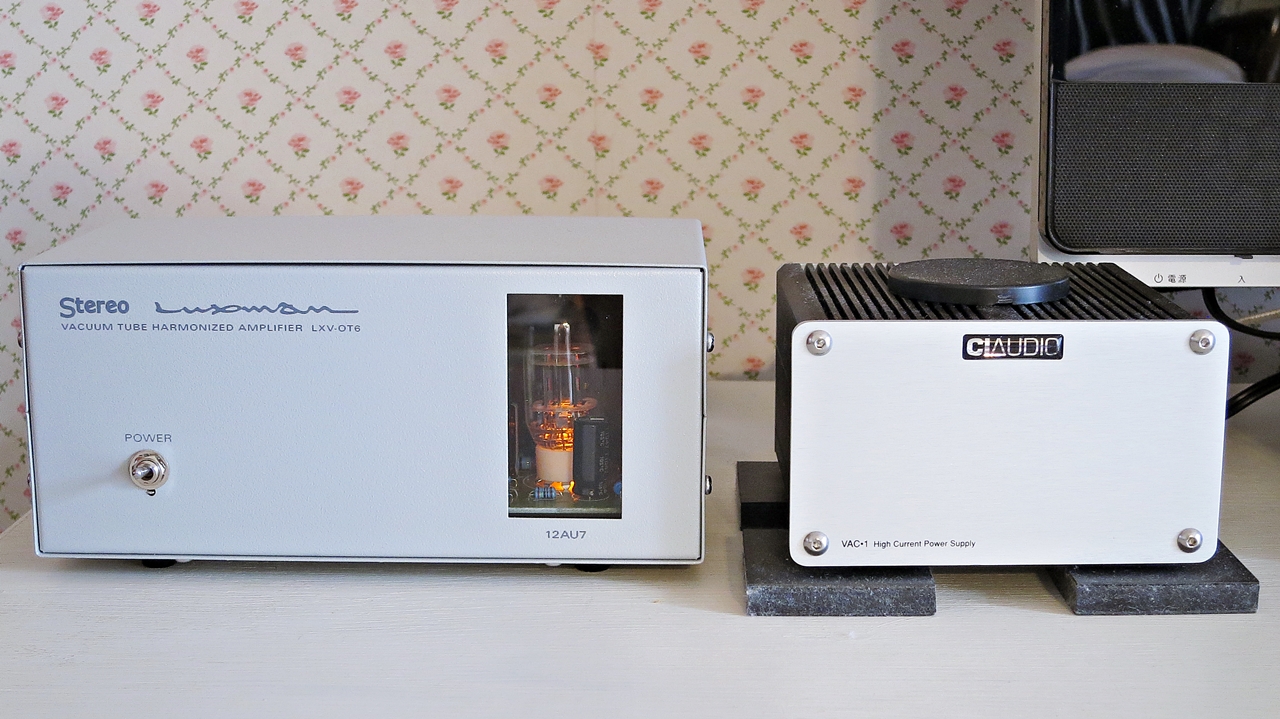
At this point I decided to try deliberately swapping the L and R connections. There will be individual variation between valves, but even in a stereo-designed audio product the left and right channels are rarely truly identical in character — differences in component tolerances, and the inherent asymmetry of the circuit and enclosure, mean that when you compare channels in mono, strictly speaking the left and right often sound subtly different. So by trying a reversed connection, you can hear the tonal difference arising from either the system side, the kit side, or both — at the level of individual unit variation, the sound does differ between the two orientations. Normally, reversing the connections would simply swap left and right, but in this kit’s case, if you reverse both input and output simultaneously, the signal arrives at the amplifier correctly orientated — so left and right are not swapped, and you can instead hear how the left-right tonal asymmetry of the circuit interacts with your particular system.
 ポチップ
ポチップ
Having tried this, I found that with the L/R connections reversed the sound became flatter, faster, livelier, and more conventionally hi-fi in character. The gentle mid-forward hump described in the review above was resolved, but in exchange the vertical extent of the soundstage narrowed somewhat, images snapped crisply forward and took on a brighter, cooler quality, and the golden Luxman-esque tonal colouring and the sense of music floating in deep space were both roughly halved. This is, I think, the kind of difference where it genuinely comes down to personal preference rather than any objective right or wrong. I switched back to the normal orientation fairly quickly. It is all relative, of course, and within the same range of sound quality — but had I tried the reversed connection first, the review passage above would have read rather differently, which is slightly unsettling to reflect on.
 ポチップ
ポチップ
The resemblance to YBA’s sound that I mentioned holds in the normal orientation, but with the connections reversed it would be quite an overstatement. It should also be noted that this kind of variation depends not only on unit-to-unit differences in the product itself, but also on the cumulative left-right asymmetry inherent in a given audio system and its environment — so the results will differ entirely from one listener’s setup to another. Please do try both orientations and see which you prefer.
Progress Report
After several weeks of continuous use, the initial burn-in has settled and the sound has stabilised. The real strength of the valve harmoniser is, as I had come to feel, the way it adds resonance, warmth, and the bright lustre of the Luxman tone. Recordings that are dry or acoustically dead and difficult to listen to for any length of time are coaxed into something far more agreeable to the ear. If there is a weakness to name, it is that inserting an additional component into the chain does tend to cause a slight loss of immediacy and fine detail. The colouring effect and deliberate addition of even-order harmonics inevitably come with a degree of trade-off, and in a system optimised for extremely high S/N ratios — the kind where you can hear tape splices in a recording — this might become problematic. However, relatively few people own audio systems of that calibre, and for hi-fi enthusiasts at mid-range level and below, and especially for music lovers who prioritise the pleasure of listening over measured specifications, this is a kit I can recommend with genuine confidence.
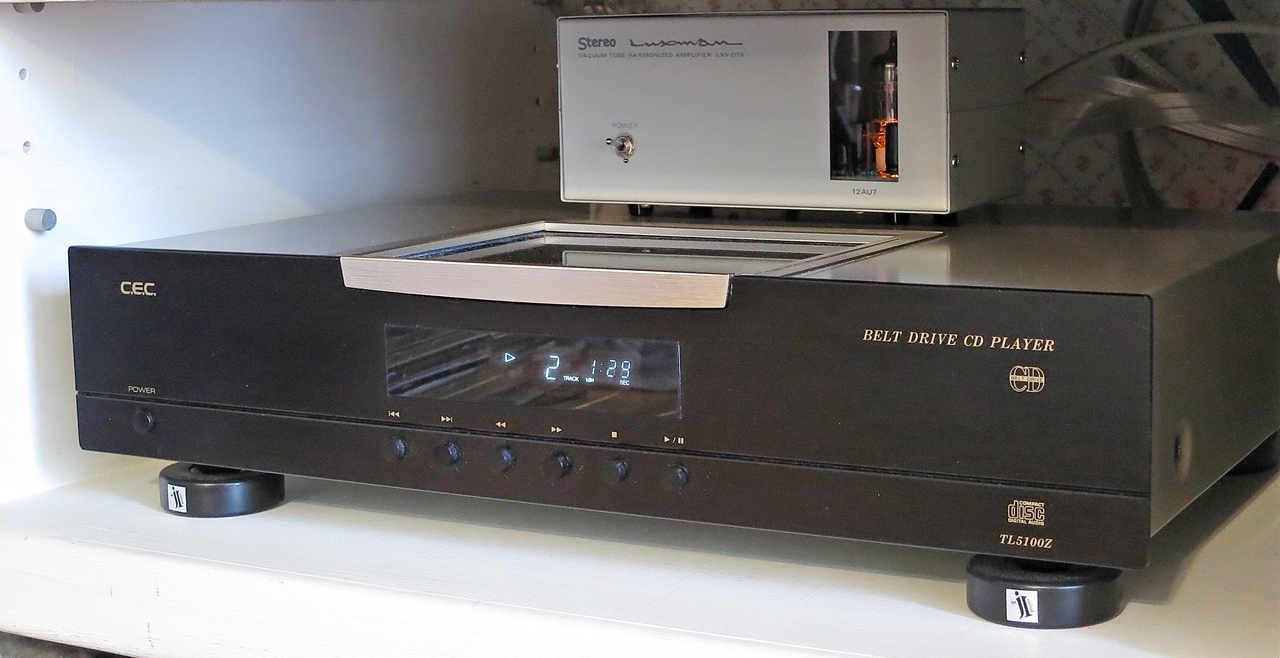
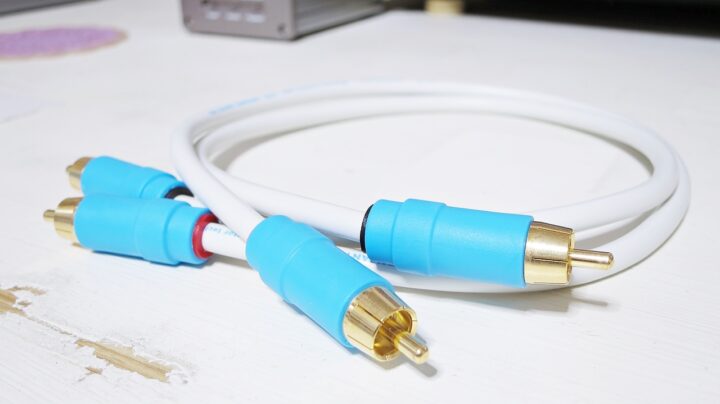
At present, rather than placing it on the audio rack, I have deliberately set it directly on the steel top panel of the belt-drive CD player, and for the input and output RCA cables I am using CHORD C-line on the input side and Red Dawn on the output side. The compatibility is better than the initial combination. I am also considering removing the CHORD C-line on the input side and trying the NORDOST Blue Heaven in its place. For the power cable, I have been thinking of swapping out the Oyaide L/i15dpc in favour of the NORDOST SHIVA, but the fiddly business of replacing the inlet plug with a figure-of-eight C7 type has left that plan on hold. The valve supplied with the kit appears to be a Chinese-made example of the most basic quality, and I have already sourced a replacement, so at some point I shall write up a review of the sound changes from valve-rolling and other modifications.


Auto Translated by CS4.6


List of comments (3)
イイですねぇ~、ハーモナイザー!
各所のレビューを見てきましたが、ネガティブな意見に当たったことがないです。私の「ご近所のオーディオ先輩」も、一瞬だけ購入を考えたって言ってました。買ってくれてれば、そのまま私の家にお持ち帰りして、我が家でも試せてたのに…(何という他力本願!)
以前、私のブログにも書きましたが、ハーモナイザーを試せない腹いせに(全くノーマークだったのです)、真空管HPAをハーモナイザー代わりに、今も使ってます。ラックスマンのハーモナイザーに比べ、明らかにコスパの悪いことをしています。ぜひラックスマンのハーモナイザーと鳴らし比べたかったです。
音の変化は、ぱすてるぴあのさんが記事中で仰っている内容と同じ傾向をと示しているなぁと感じています。細部の解像度は多少甘くなりますが、付加される艶っぽい響きによって、単なる音としてではなく、音楽として楽しめる、大変に美味しくいただける音になるなと感じてます。(プリアンプ機能を使ってますが、お美味しいところでボリュームを固定し、上流で音量調節してます)
また、我が家のそれは純粋にHPAなので、ヘッドホンを直接鳴らせる訳ですが、この音が力感と甘さが混然一体としたもので、捨てがたい捨てがたい。
という訳で、我が家では真空管HPAが24時間走りっぱなしです。いつでも鳴らせるようにと言う目的と、スイッチを切ったり入れたりしない方が、真空管が長持ちしてくれるかなぁ、という期待で。出力管がお気にのビンテージで、入手性が極端に悪いんです。片方はゲッターも白くなってきてますし、ヒヤヒヤものです。
この酷暑が落ち着いてくれたら、いつでも退院できるんですが…アァ、お家で音楽を聴きたいです!
あらら、最近の書き込みは入院先からでしたのね(≧◇≦)うちの真空管はこれと、以前に書いたmiuaudio MKTP-2(CarotOne ERNESTOLOの製造元)で、これと真空管ハーモナイザーは両方とも12AU7管シングルです。現代管からビンテージまでミニ管1本の差し替えで色々な音が楽しめますので、真空管のテイストを味わうにしても、主にコストの面で自分にはこれくらいが身分相応かな~と。
https://www.audiostyle.net/archives/52023577.html
以前は東京サウンドValve300というそこそこ大きな真空管アンプを使っていたのですけれども、音質はともかく、プリ/パワー段各4本は、毎年の球のコストが高すぎ、うんざりしてドナドナしました(滝汗)
今回のLUXMANの真空管ハーモナイザーは、ボリュームも無くなるべく最小限のパーツ構成で組まれていますので、真空管プリアンプを挟んだ時みたいにがっつり妖艶な音になる訳ではありませんが、その分サッパリアッサリしていて、大抵のシステムで組み合わせやすく、余計な副作用が少ないのがメリットになると思います。
ナルホド~、そうした差があるんですねぇ。これはとても参考になるご意見!ありがとうございます。