This is, as usual, a matter of rule of thumb. It is a rather loose formula derived from the personal experience of the author of “AUDIO STYLE — High Fidelity for Real Living Spaces”, so it will not necessarily apply across the board elsewhere — please bear that in mind.
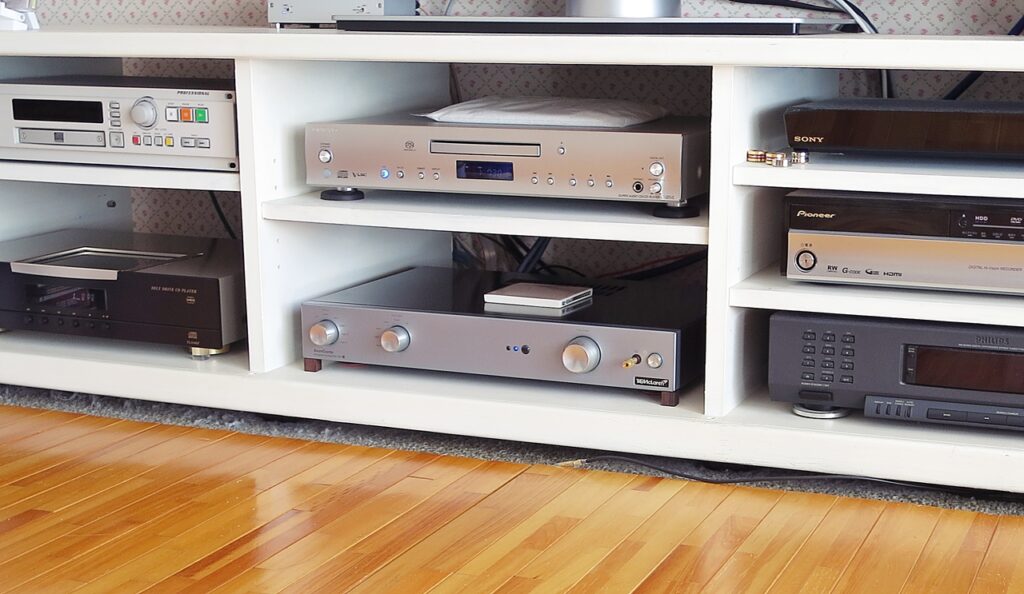
Among audio equipment and audio accessories (parts), there is a wide range of options — from those that make a large and unmistakable difference to the sound quality, all the way down to small factors where the change is so subtle that only an audio enthusiast with hyper-sensitive hearing like mine would even notice, and for the average person it might as well be imaginary.
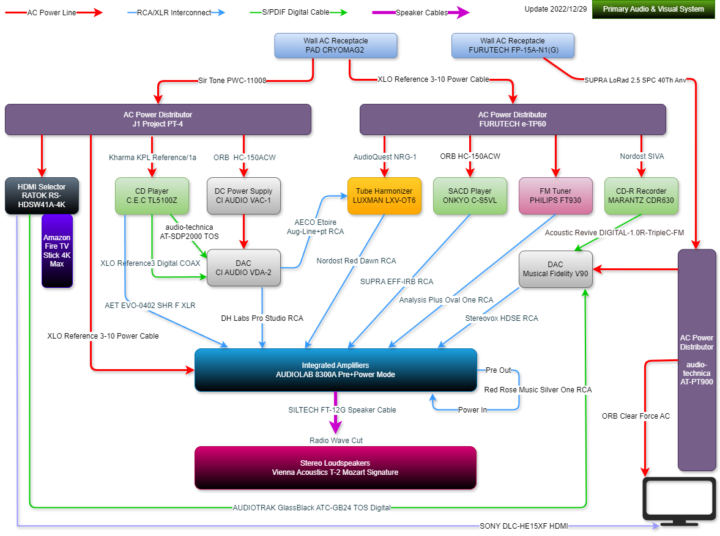
The Dominance Share of Each Component
Here, setting aside individual variation between specific models, is a very rough, greatest-common-denominator sort of sense of how much each type of audio component contributes to the overall sound — approximate figures, written out for what they are worth.
※ Room acoustics are excluded, as including them would make things considerably more complicated.
Taking speakers as roughly two-thirds, that leaves the remaining components together making up one third — with the amplifier at 20%, the (digital) player at 10%, and all audio cables, insulators, and other accessories combined adding up to 5%. This is, however, no more than a rough guideline for explaining things to beginners new to audio; and the more deeply one gets into the hobby, the more exceptions tend to emerge, and the less neatly this breakdown tends to apply.
Speakers
Generally speaking, speakers are where the greatest change occurs and where the influence over the entire system is strongest. There are audio enthusiasts who have long declared that speakers account for eighty percent of everything — which says quite a lot about how important they are. It does depend to some extent on the particular model, but I think this is broadly accepted as common understanding among enthusiasts. Personally, I feel that at least two-thirds to three-quarters of the sonic character produced by an audio system as a whole is governed by the speakers.
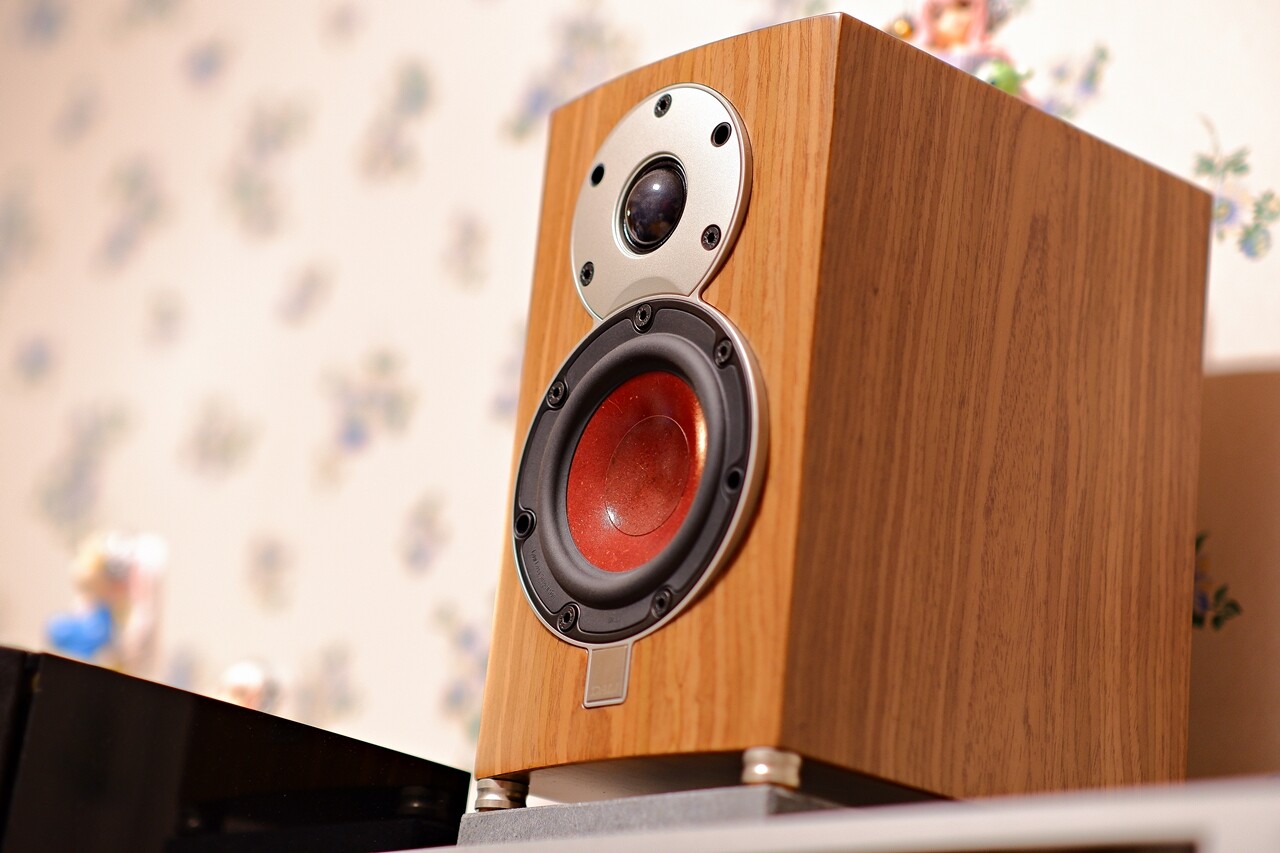
In the author’s case, as you can see, this is a site run by an enthusiast of compact soundstage-type speakers under 30 cm in height — so the tendency here may be to underestimate the dominance of speakers somewhat. Generally speaking, floor-standing speakers of the larger size and mass that become the norm in mid-high to high-end systems naturally exert a far greater presence and a far stronger hold over the sound than compact speakers do.
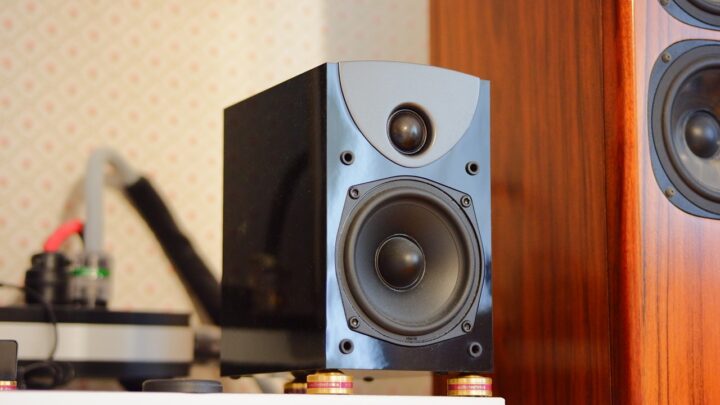
As a fundamental principle of audio, the quality of the speakers is above all else what matters most. It is the speakers that absolutely govern the sonic character and the direction of the sound. There is simply no escaping the inherent nature of a speaker, the unevenness of its frequency response, and the limits of its reproduction — and as long as you get this right from the start, improvements in sound quality can be addressed later. Conversely, the frightening thing about choosing audio equipment is that if you get it wrong at the outset — if the speaker’s sound doesn’t suit your taste, or if there is a mismatch with the music genres you listen to or with your room — there is very little you can do afterwards to recover.
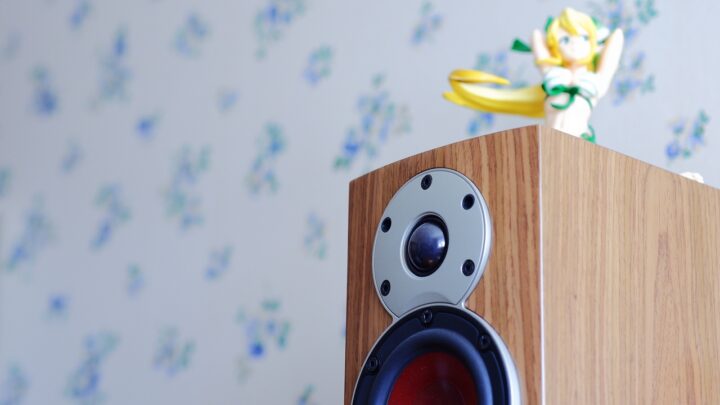
The compact speakers introduced here on Hakoniwa Pure Audio span a wide range, from relatively affordable to high-end, drawing on choices from all eras and all corners of the world. One notable advantage of speakers is that, due to how manufacturers structure their product lines, there is a marked tendency for the price to drop dramatically simply by virtue of smaller size, even when the drivers, cabinet, and crossover network are of exactly the same quality. It depends entirely on the model, but when you look at how the budget is distributed across a system, it is quite possible for the speakers to come in at a cost comparable to an integrated amplifier — or in some cases considerably less than the amplifier and other components.
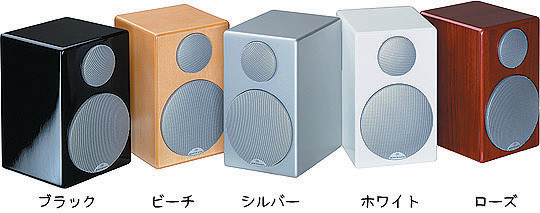
That said, a smaller cabinet does mean you cannot achieve the same volume or sonic density, and the frequency response in the bass region — broadly speaking, below 100 Hz — will be shallower, so compact speakers do have their weaknesses in that sense. On the other hand, high-frequency characteristics and soundstage reproduction (which in principle approximates a point source), transient response and speed, and linearity at low listening levels are all areas where compact speakers are in many cases actually at an advantage over larger ones. It is therefore my view that, given Japan’s cramped housing conditions, for enjoying music at the modest low-to-medium volumes that are realistic within the home, compact speakers are relatively easier to work with and tend to yield good results more readily.
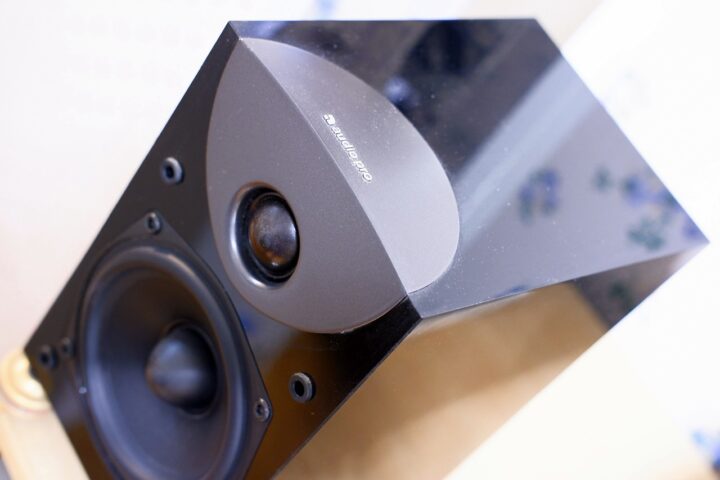
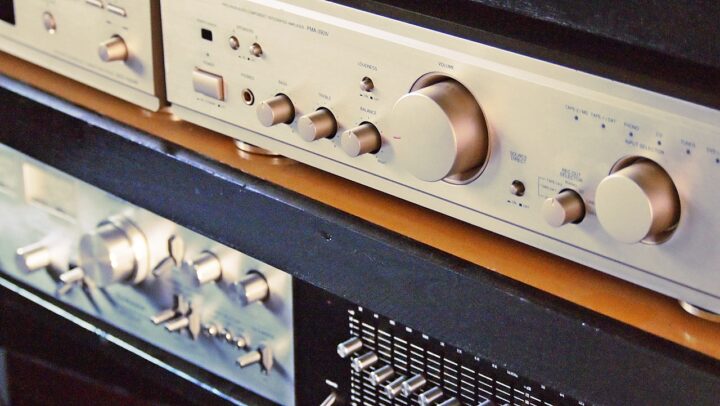
Integrated Amplifiers
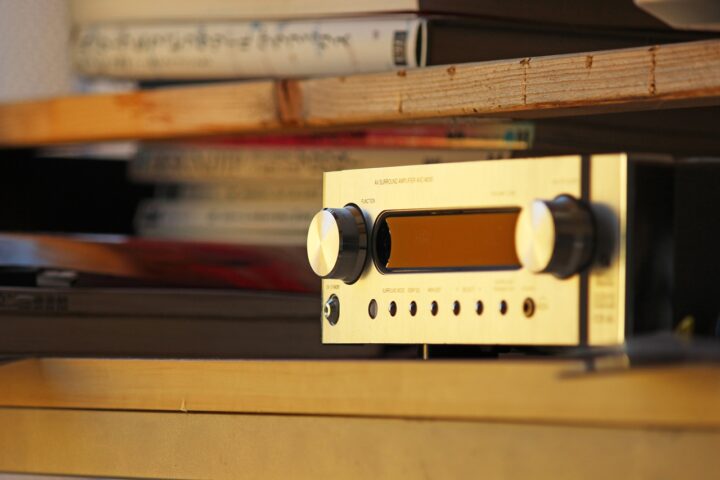
If the speakers are good, then surely that’s enough — but audio is rarely so straightforward. This is a personal impression, but the way I see it, speakers create the skeletal structure of the sound and the texture of its surface. The more essential, inner quality of the sound, on the other hand, is shaped by the audio electronics themselves. And among those components, the sound quality and performance of the amplifier in particular is the factor that most profoundly influences the fundamental character of the sound.
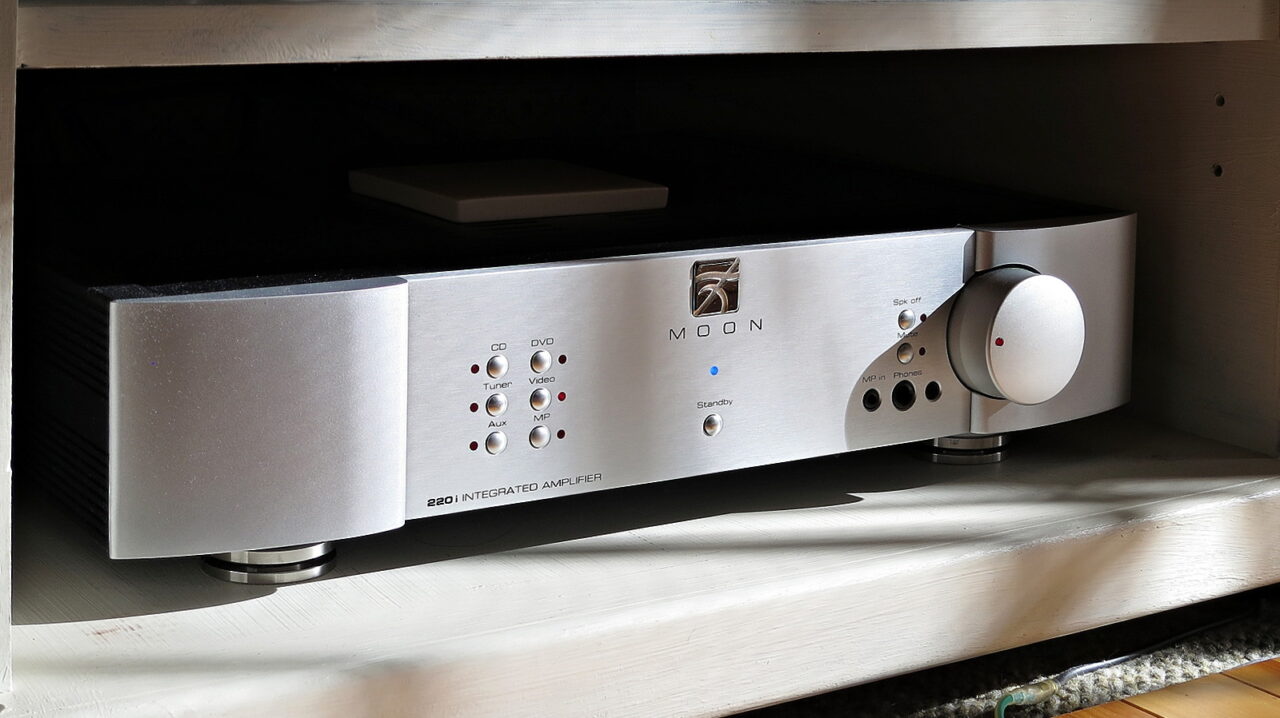
Inside an amplifier, there are two distinct stages: the preamplifier section at the front, which conditions the small signals coming in from each source component and handles volume control, and the power amplifier section at the back, which drives the speakers. When both of these are housed together in a single chassis, the result is what is commonly known in Japan as a “puriampu” — a word that has become firmly established in the Japanese audio industry over many years, though internationally the correct term is “integrated amplifier.”
As “箱庭的 AUDIO STYLE” is a blog aimed at entry-level to mid-range audio, the focus here will be on integrated amplifiers — where the preamplifier and power amplifier sections are combined in one unit — rather than on separate preamplifier/power amplifier systems.
For reference, once you move into the more serious mid-range to high-end territory, separate amplifier systems — where the preamplifier and power amplifier are housed in entirely distinct chassis — become the norm. With a separate amplifier setup, it is the power amplifier that tends to be larger, heavier, and more power-hungry, which can give the impression that the power amplifier is the more important of the two. But (the power amplifier determines the speaker-driving capability ≒ the sense of energy, headroom, and stability in the sound) more fundamentally important than the power amplifier is the quality of the preamplifier, (which governs the inner quality of the sound itself). It is the preamplifier that has the stronger grip over the “quality” of the sound. The power amplifier is certainly what underpins the sheer ability to drive the speakers, but at the listening levels most of us actually use, more driving power does not simply mean better sound — and above all, compatibility with the specific speakers in question is what matters most.

Digital Players
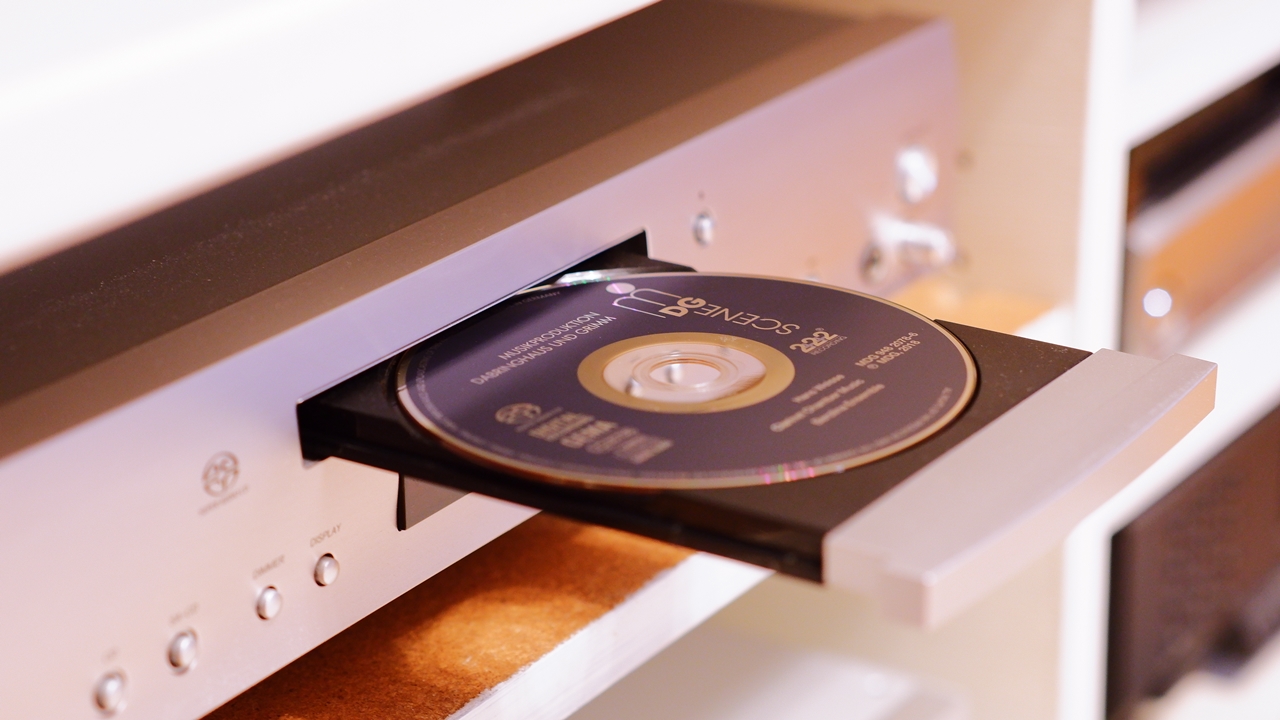
When it comes to the source side — CD players, network audio players, PC + external DAC (standalone D/A converters), and so on — the relative influence on overall sound quality is smaller compared to speakers and amplifiers. Because the baseline specifications of CD, SACD, and digital players in general have all been raised to a certain level across the board, the gap in quality and sound between ultra-budget portables and high-end machines costing over a million yen is actually the smallest of any component category. That said, for the audio enthusiast, the differences are still far too significant to simply ignore, so it would be wrong to say any player will do. However, particularly when the budget is severely limited, you are more likely to end up happy if you put off investing in digital sources for the time being and compromise with a mid-range player, while spending as much as possible on better-quality speakers and amplifier.
Digital Transports
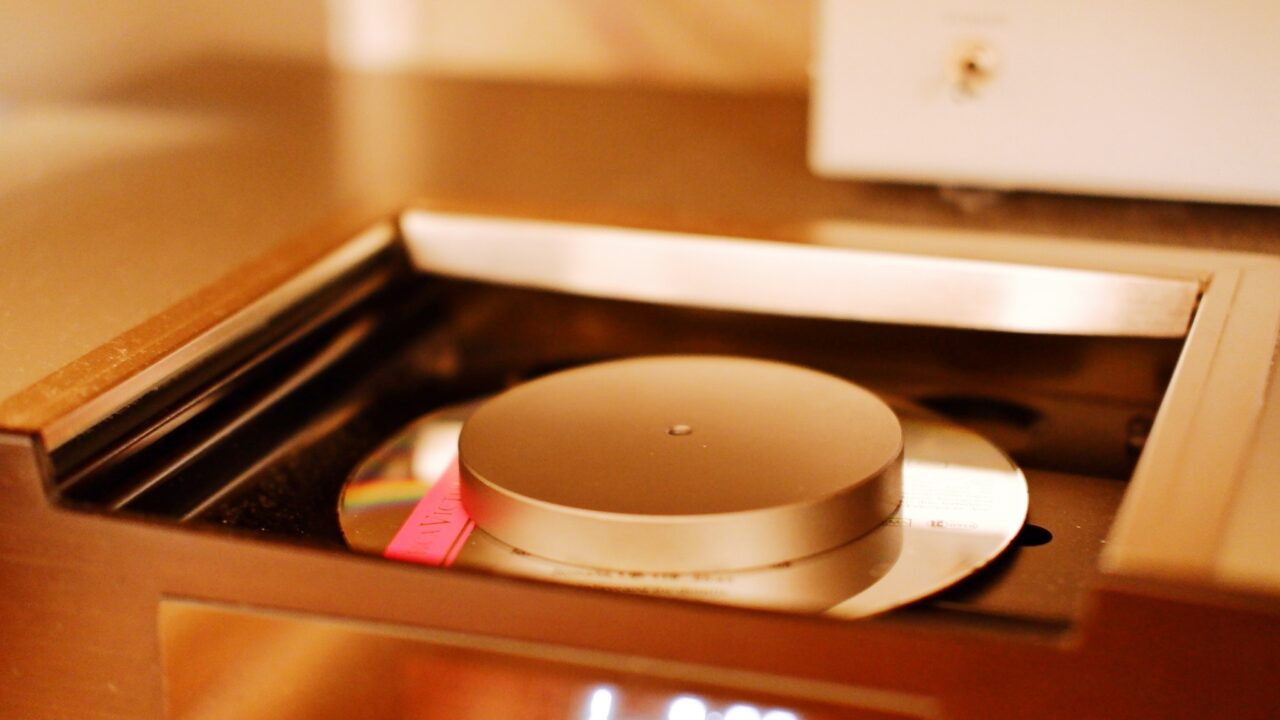
Optical discs have been around for a long time — those Φ12cm round platters with a hole in the centre — and CD, SACD, DVD, Blu-ray, and all the rest are built on a common set of digital audio standards, sharing the same fundamental structure and operating principles. Today there are various higher-tier formats offering improved audio and video quality, but by way of backward compatibility, virtually every player is capable of playing back at least standard music CDs (the CD-DA format). Inside the chassis of these optical digital players, you will find:
This is what you get when you combine “transport → DAC” into a single unit. MD, DCC, DAT, and other formats used in the past follow the same basic principle — the only difference is the storage media standard used for the digital data.
PC audio is an approach where the optical drive mechanism that reads the digital data described above is replaced by a PC and HDD/SSD storage.

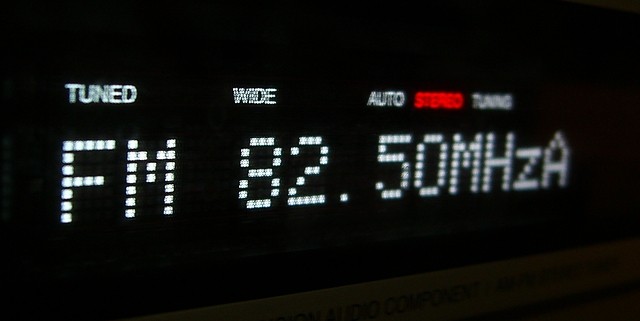
Network audio refers collectively to players that retrieve digital data — such as streaming services — from a network and play it back via download, all without relying on a general-purpose computer. These are known as network audio players, or streamers.
CD/SACD/DVD/Blu-ray players
PC used for PC audio
Network audio players and streamers
All three of these read data from a storage area containing digital music data (WAV, DSD, FLAC, MP3, etc.), convert it to analogue, and output it — so fundamentally, what they are doing is exactly the same.
D/A Converter (DAC)
The conversion circuit responsible for taking that digital data, converting it into an analogue signal, and shaping it into a small signal ready to be sent to an analogue amplifier is called a “D/A converter” — known in the audio world by its abbreviation, “DAC” (※ DAC is a shared term used internationally). DAC, short for D/A converter, means digital-to-analogue converter.
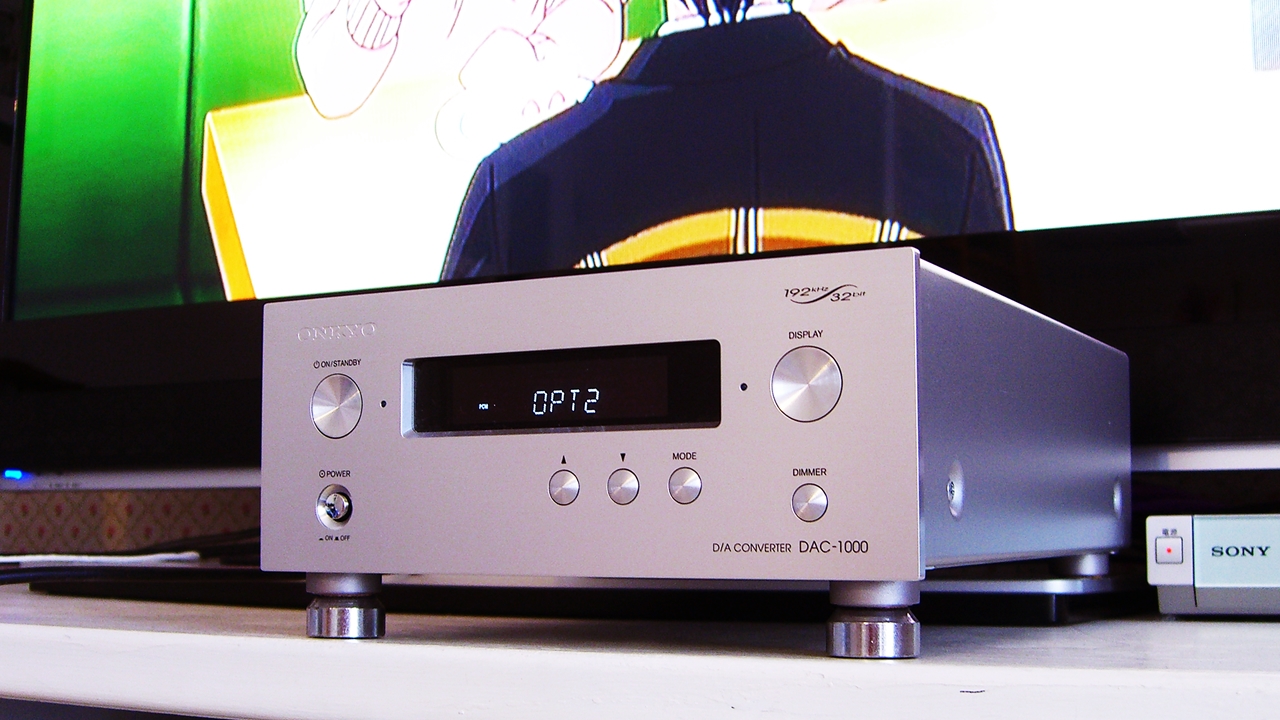
In the era when CD players were the mainstream, integrated players combining disc readout and digital conversion were the norm, except for some high-end models and professional equipment. From the late 1990s onwards, however, demand grew — particularly overseas — for small, low-cost DACs, and in response a great many separate DAC units came to be produced. Originally this was a niche pursuit for enthusiasts who sought to improve sound quality by adding a DAC to an existing CD or DVD player without replacing the player itself, but now that PC audio — which generally does not include a high-quality built-in DAC — has become the mainstream, demand for affordable standalone external DACs has grown, and the options available range from ultra-compact and low-cost all the way up to high-end.
The Curious Nature of Digital Audio
Here I would like to set out something I have long felt about the S/PDIF real-time digital audio data transfer system. This is a phenomenon that many audio enthusiasts either have not noticed, or perhaps because it has a slightly occult air to it, are reluctant to accept as fact — namely, the question of which side actually exerts the greater influence on sound quality in audio playback: the digital readout device, the “transport,” or the D/A converter (DAC).
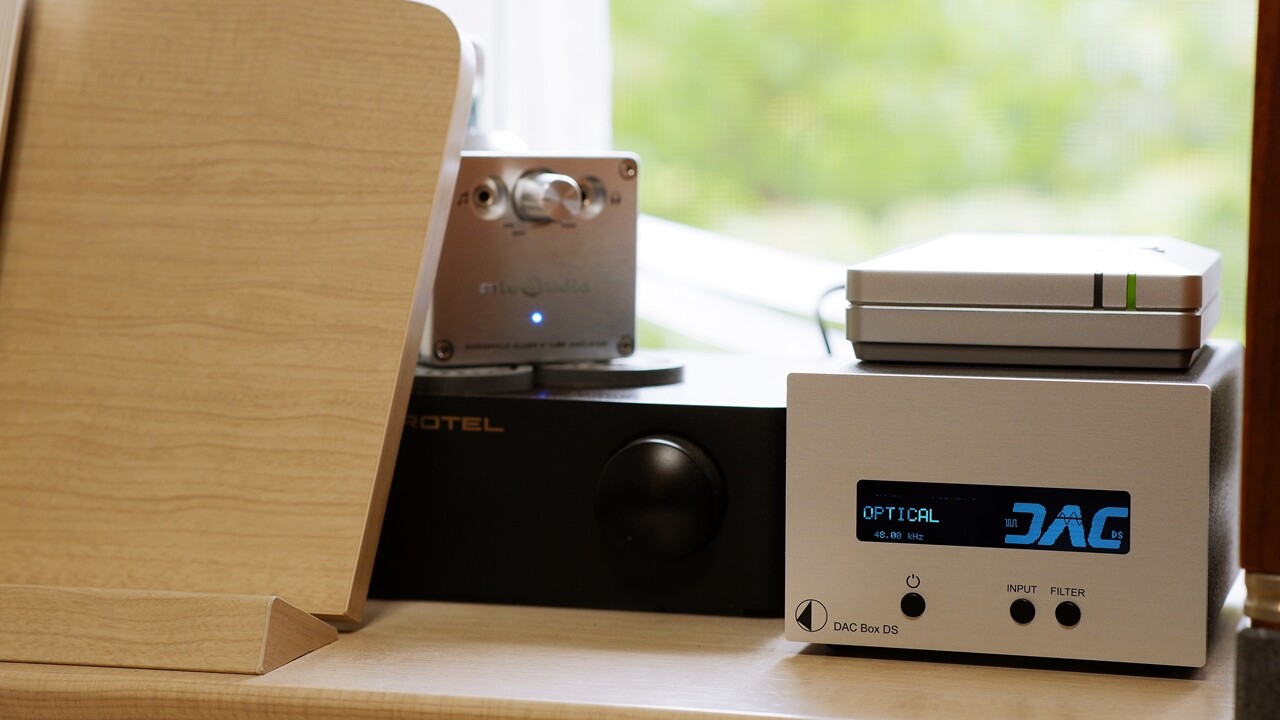
There will no doubt be objections, but at the risk of being misunderstood, my personal experience leads me to feel that it is in fact the “transport” — the opposite of what one might generally assume — that exerts the stronger influence. This is something that becomes apparent of its own accord through repeated trial and error combining multiple DACs with multiple transports, and the conclusion I keep arriving at is this: in digital audio, the sending side tends to be the “master” in terms of sonic influence, with the DAC playing the role of “servant.”
It is easy to assume without thinking that the quality of a digital transport hardly matters beyond convenience, and that the DAC accounts for ninety percent or more of the sound. Since logic would suggest that the DAC circuit must be the more important element, there is no small number of people who dismiss the whole question without even bothering to verify it through experience — which is a shame. But if one sets aside theory and goes by actual listening experience, one ought to be able to observe that, for some reason, this relationship is reversed.
Of course, the degree of influence varies from model to model, so depending on the combination there are certainly cases where the positions of transport and DAC are reversed. On average, though, I would picture it as something like 70% sonic dominance on the drive/transport side to 30% on the DAC side — not even close to fifty-fifty. In particular, the further one moves towards mid-range and budget-priced, simple compact DACs, the safer it is to assume that the influence such units exert on sound quality is, perhaps surprisingly, rather modest compared to the source side (CD drive mechanism / PC / network player / streamer). ※ Conversely, in the case of DACs with substantial internal hardware investment, the positions may be reversed depending on what transport is paired with them.
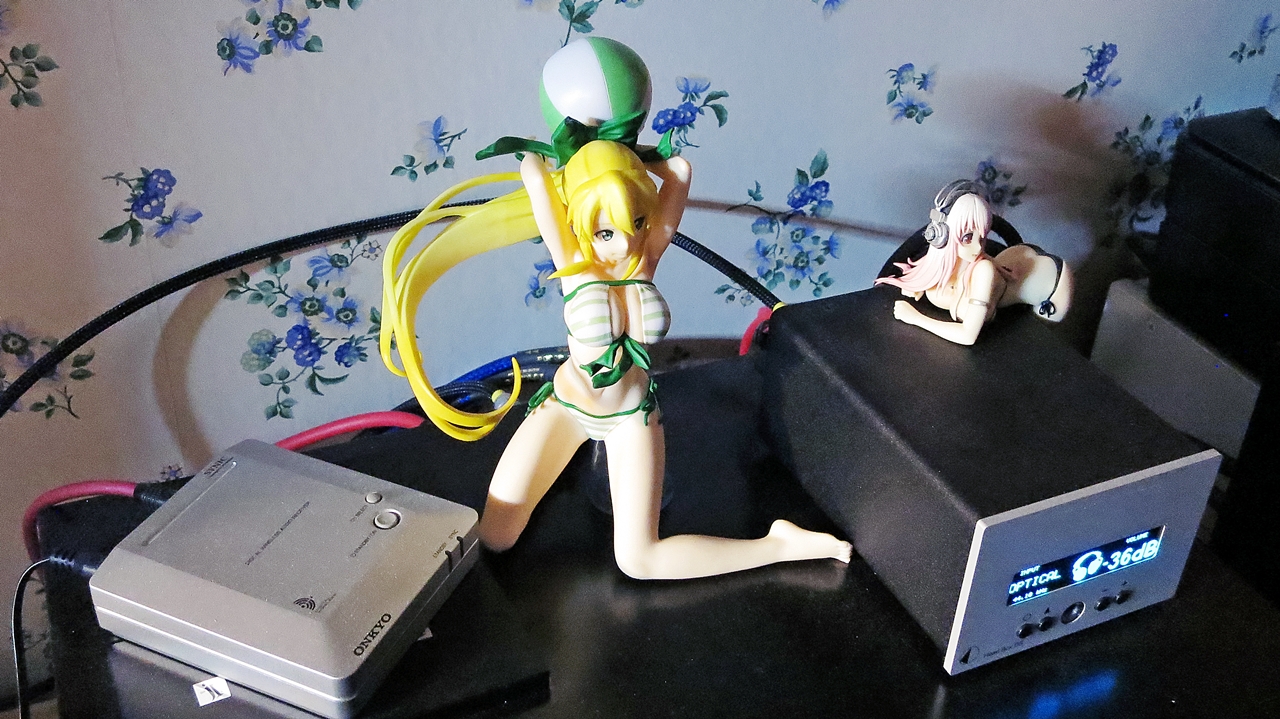
It is the considered view of I, the author of this modest little corner of audio — AUDIO STYLE — that if one truly cares about the actual, real-world sound quality of digital equipment rather than its theoretical merits, the quality of the transport on the source side is in fact more important than the DAC. In particular, optical drive mechanisms of genuinely high quality were found in CD players manufactured mostly in the early 2000s and before, and I believe it is advantageous for music playback to invest one’s budget in obtaining a superior drive mechanism, whether new or second-hand. Conversely, to achieve via a general-purpose PC’s USB output a sound quality equal to or better than the digital output of a reasonably decent standalone CD player, the technical and financial hurdles are considerable — higher, I feel, than those of conventional pure audio. ※ In the end, one inevitably arrives at a PC dedicated solely to music playback.
The Dominance of Speakers × Amplifier × Digital Player, and How to Allocate Your Budget
At the outset I described, in broad terms, the relative degree of influence each component has on sound quality — but should the budget allocation follow exactly the same proportions? The bottleneck in pure audio, when one sets out to achieve what is called budget hi-fi — high-quality sound on a limited outlay — is the unavoidable fact that, owing to manufacturing costs, there are certain components for which producing an extremely cheap version is simply not feasible.
Compact speakers, which are the common choice at entry level, are essentially the smallest sibling in each manufacturer’s lineup within the same design family, and it is not uncommon for them to be built with the same quality of parts as the higher-ranking models, despite their relatively low price. In such cases, the price is low simply because the size is small — it does not mean the quality is fundamentally inferior. There are of course playback limitations that come with small size (chiefly in the bass region), but there are equally many advantages that come with small size. All things considered, compact speakers tend to offer relatively good value for money in the world of audio, provided one does not make the wrong choice of model.
What about amplifiers? The amplifier is the heart of any audio system, and it is a component in which the quality of the power supply and the standard of the parts tend to be reflected directly in the sound. Building a good analogue amplifier inevitably incurs a certain amount of cost in circuitry and components, and so in order to maintain quality that does not embarrass itself in the world of pure audio, (the smaller the total budget of the system becomes) the more one is forced to weight the integrated amplifier more heavily in terms of cost.
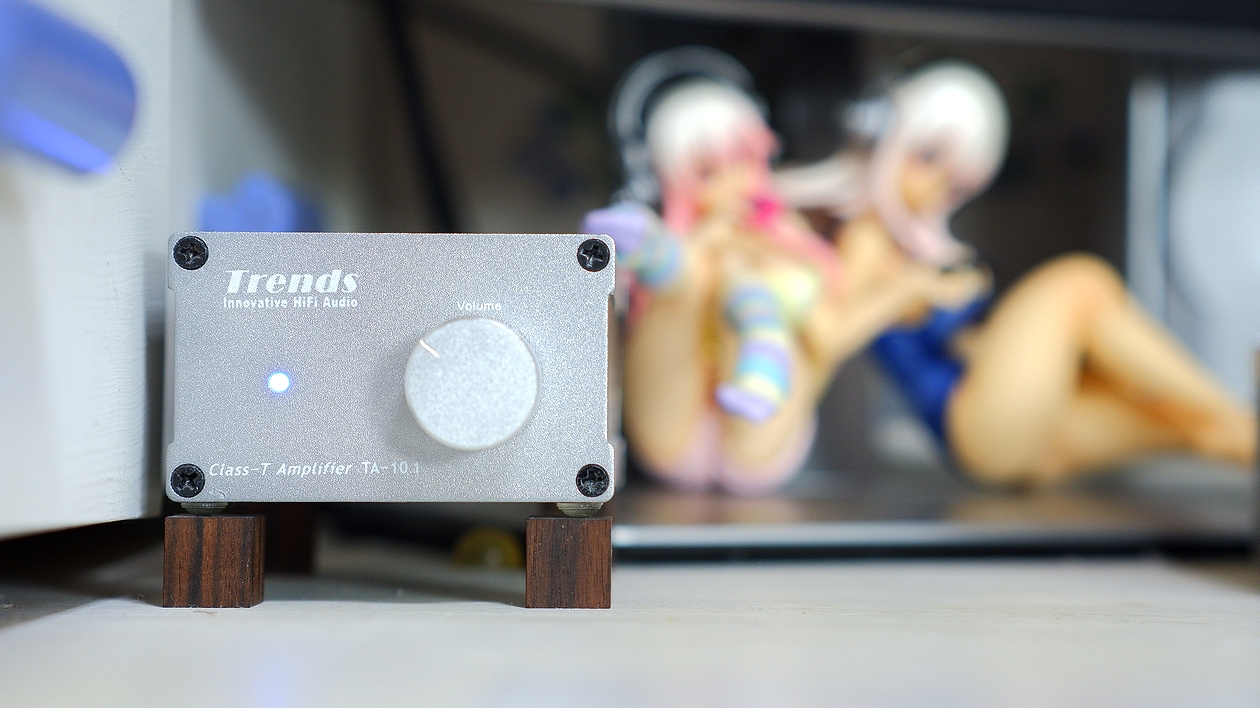
Since the 2010s, when high-performance digital amplifier chips and modules began appearing in various forms, small and inexpensive amplifiers have become increasingly available. Compact digital amplifiers have the advantage of being affordable and small in size. They are well suited for desktop PC use where setting space is limited, and I personally enjoy experimenting with them, though I must honestly say there are still areas where one has to accept certain compromises in terms of quality.
In particular, the quality of inexpensive Chinese-made compact digital amplifiers — setting aside sound quality entirely — still shows, not infrequently, cause for concern as industrial products in terms of manufacturing precision and safety. Online user reviews also tend toward overvaluation from users who have never experienced serious pure audio. The reality is that quality is roughly commensurate with price, plus a little, and in roughly nine cases out of ten one should not expect them to stand shoulder to shoulder with — let alone actually surpass — the sound quality of entry-level integrated amplifiers from well-known and trusted Japanese or Western audio manufacturers. ※ Looked at the other way, there is a certain pleasure in hunting down that one-in-ten exceptional product, and I myself own a few Chinese digital amplifiers.
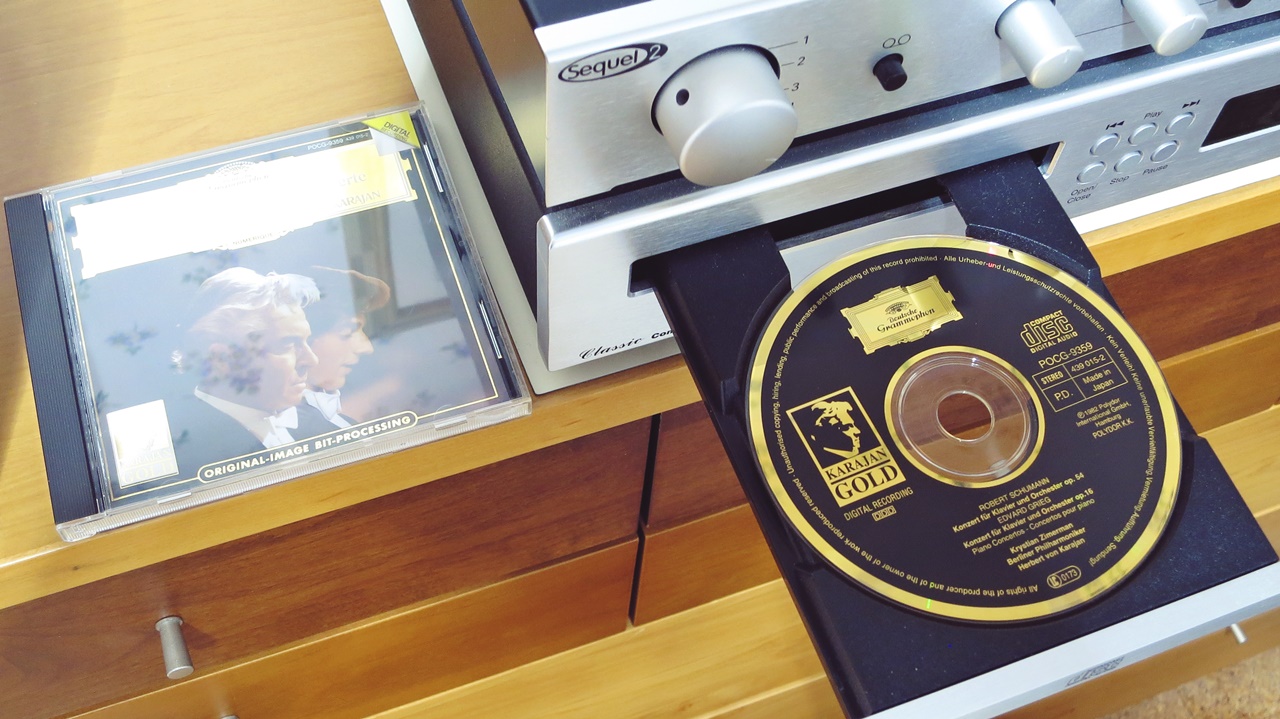
On the digital side, PC transports and network streamers have now become the mainstream options, and a separately purchased, high-priced CD player has become less and less essential to the audio hobby. That said, as an audio enthusiast of the old school, I would very much like as many people as possible to discover the deep satisfactions of pure audio — the transparent, smooth, and organic sound quality that a dedicated CD/SACD player with its optical drive mechanism and physical disc somehow produces, a quality that PC or network audio curiously cannot replicate, as well as the particular pleasure that comes with collecting and personally owning physical recordings — and I hope people will not abandon these things but continue to use them.

Analogue @ Record Players
The above has been about digital players, but what of analogue sources? The cassette tape recorder — once found in virtually every home — has a higher noise floor and tends toward a somewhat narrow frequency range, yet on the whole I would say its hold over a system is not so very different from that of a CD player. Much the same could be said of FM tuners.
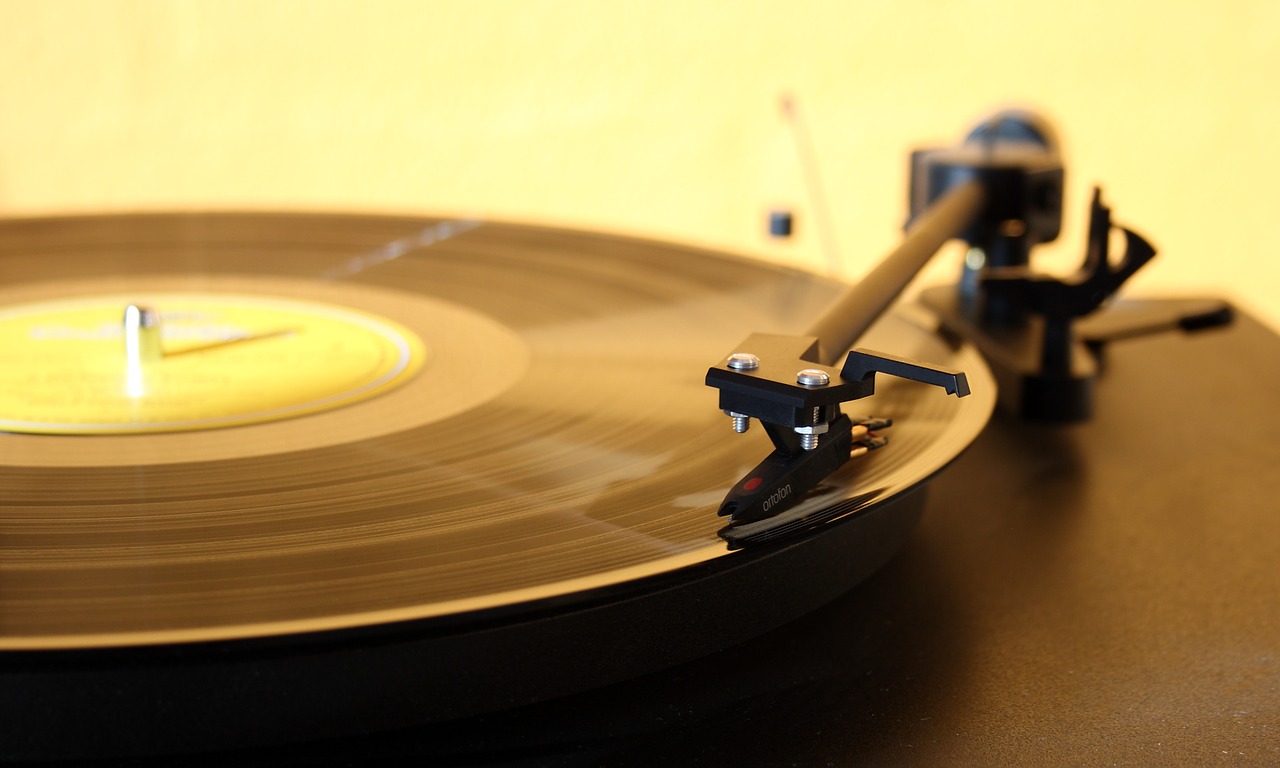
Setting that aside, analogue LP players — which pick up sound by tracing grooves with a stylus — generate considerably greater physical energy by their very nature, and as a result they tend to produce a richer, more tangible sound than digital players, with a far stronger and more significant influence on the overall sound quality of the system.

Audio Accessories
Next up: audio accessories. Which naturally raises the question of what they are actually for. Say you have set up the three core components mentioned earlier, each in whatever position you have chosen — and the sound that comes out, its tonal quality, its character, its frequency balance and sense of energy and soundstage and so on, simply does not match the image you had in mind. Audio accessories are the collective name for all those fine-tuning parts you combine through trial and error in an attempt to nudge the sound closer to what you were hoping for.
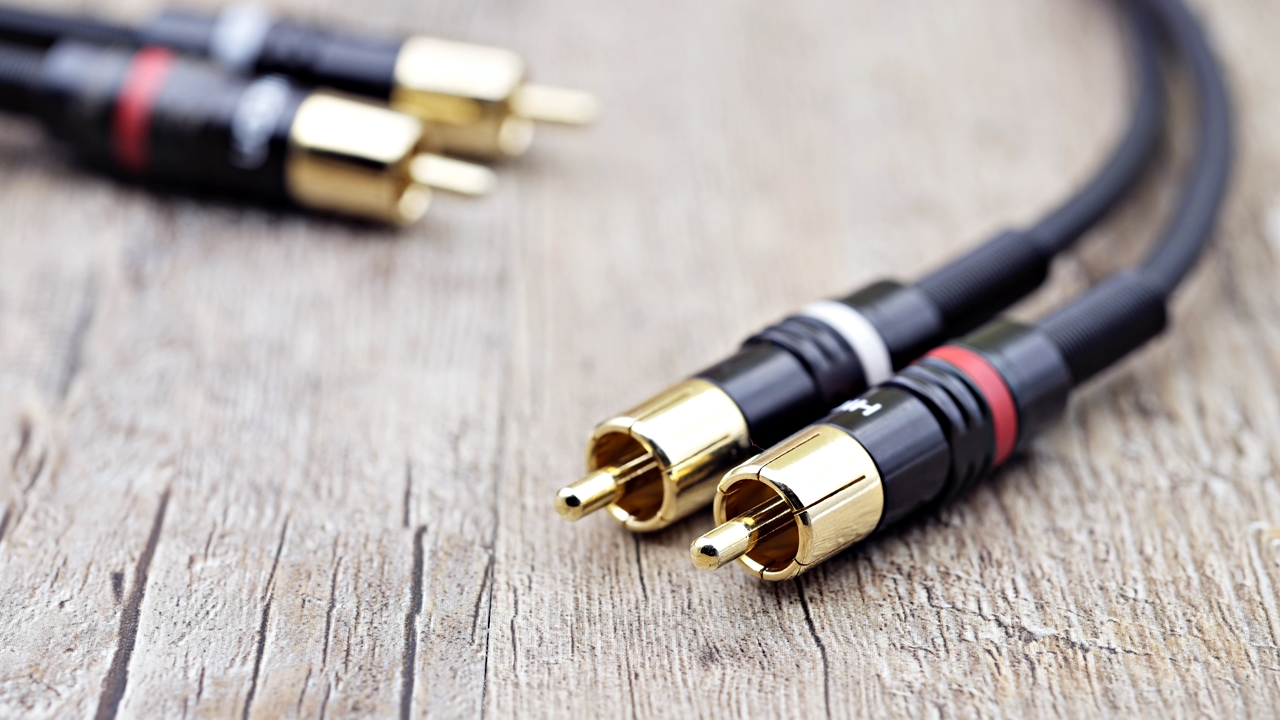
Despite being dismissed as occultism in some quarters, why are audio accessories out there in such vast numbers? I think it is because there is a certain portion of dedicated audiophiles and music lovers who can, through fine-tuning with accessories and the process of trial and error, meaningfully perceive changes in reproduced sound — large or small. I count myself among them, of course.
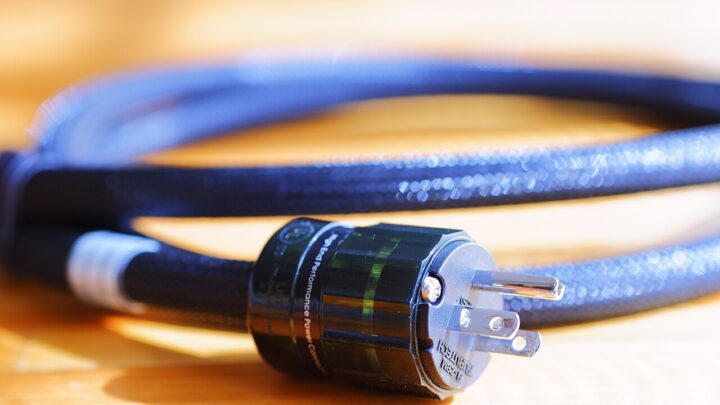
Now, as for the actual effect of audio accessories — honestly, the degree of influence any single one of them has is, by feel, perhaps a few percent at best, and there are plenty of accessories where you might be looking at less than one percent, if that. Even with the same accessory, how much effect it has varies enormously depending on where you use it, and beyond that it all becomes a matter of acclimatisation. Sometimes the differences you are trying to detect are so minute they could easily be put down to imagination — bordering on the obsessive, really — yet it is precisely because you are listening to your own system in your own room every day, with source material you know intimately, that such tiny differences catch your ear or register at all.
And yet — by patiently accumulating any number of these small adjustments, these individually minute differences, you can sometimes arrive at a genuinely remarkable experience: the overall sound, without any change to the equipment itself, has transformed into something incomparably better than before. Of course, there are equally many times when you cannot achieve the sound you had in mind and find yourself sinking into a swamp of frustration — in fact that outcome may well be the more likely one. But surely this business of honing your skill and judgement around sound tuning is itself one of the great pleasures of modern pure audio.
One word of caution for beginners, though: compared with investing in actual components and equipment, pouring too much money into accessories tends to give poor value for money — do bear that in mind. And with accessories as with everything else, the right tool in the right place and compatibility are what matter most. The idea that you cannot get good sound without expensive accessories is simply a myth.
Among the vast array of audio accessories, it has to be said that quite a few can only be described as daylight robbery — or rather, it is unfortunate that extortionate pricing has, in recent years, almost become the norm. Since much of this category involves hand-finished machining and small-production runs, there are unavoidable circumstances where the price naturally rises to a certain level depending on materials. However, with extreme cases such as single cables costing hundreds of thousands to millions of yen, it is not that the raw material cost is high — one cannot deny that what is at work is simply a brand business operating on extraordinarily high margins, sustained by a certain type of high-end audio enthusiast who finds prestige in paying more, the whole thing steeped in a rather unhealthy money-worship. For those of you who put music listening first, it would be wise to keep your distance from audio accessories in this extreme price bracket.
Insulators, Audio Boards, and Audio Racks
The obvious place is under the speakers, and it is also where the effect is most pronounced. Since the vibrations of the cone and cabinet are transmitted directly, it is only natural that this point has a direct influence — for better or worse — on the vibration modes. As a variant of the insulator, when speakers or equipment have spike-type feet, various audio spike receptors are used.
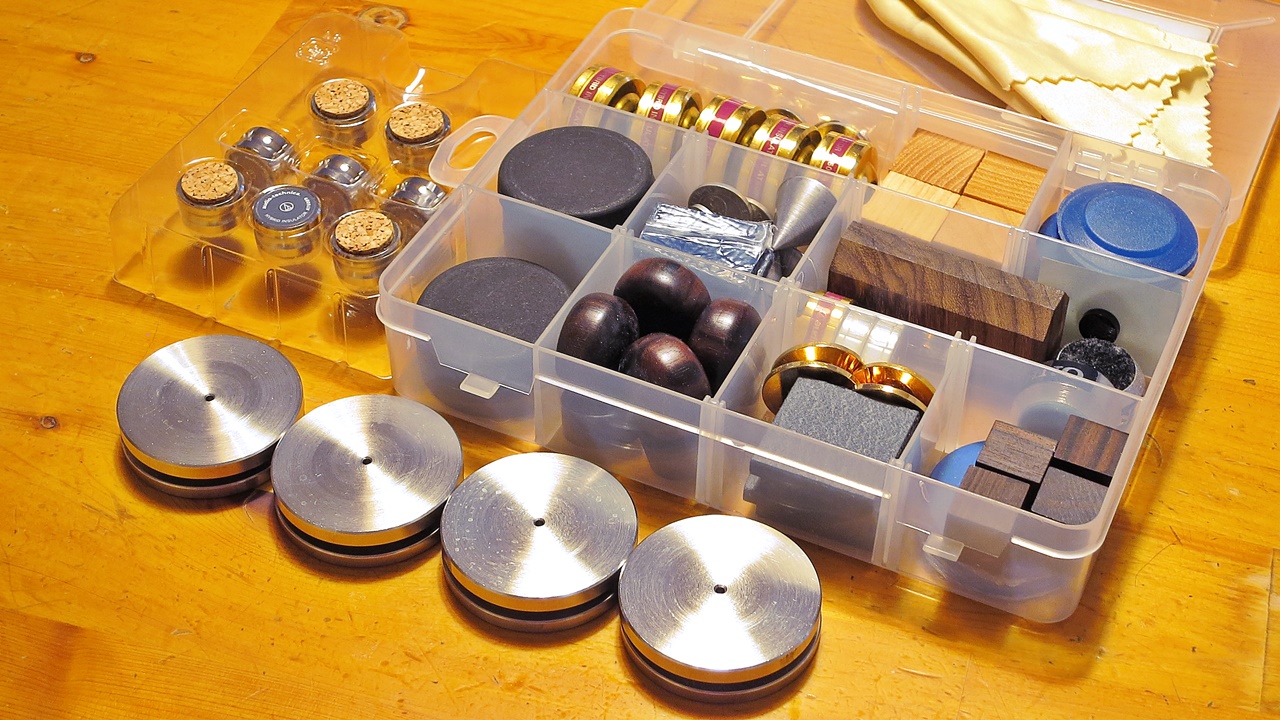
Next comes the amplifier. The change is smaller than with speaker feet, but personally I think it is at a level one would do well not to ignore. And while digital equipment often shows less change than an amplifier, I believe that if you have ears trained to hear the differences an amplifier makes, you will ultimately hear differences with a digital player as well. As for an analogue record player, which picks up vibration directly from the groove of an LP — that it would be affected even more goes without saying.
Incidentally, the sonic influence of the audio rack (including general AV racks, the top of a chest of drawers, and so on) on which the speakers or equipment actually stand is, in fact, considerably greater than that of small insulators. In the case of speakers, it is the floor material, or the material of any floor board used. Insulators are among the more accessible audio accessories to try, and it is all too easy to reach for them — but relative to the importance of the floor material at the point of installation, the change they bring about is actually quite modest. So if you are genuinely serious about improving sound quality, it is better to fundamentally reconsider the audio rack or the floor material rather than the insulators. That said, as a practical matter, replacing the flooring or large furniture in a room is often simply not an option. In such cases, insulators serve as a quick fix — or rather, as a way of papering over the cracks.
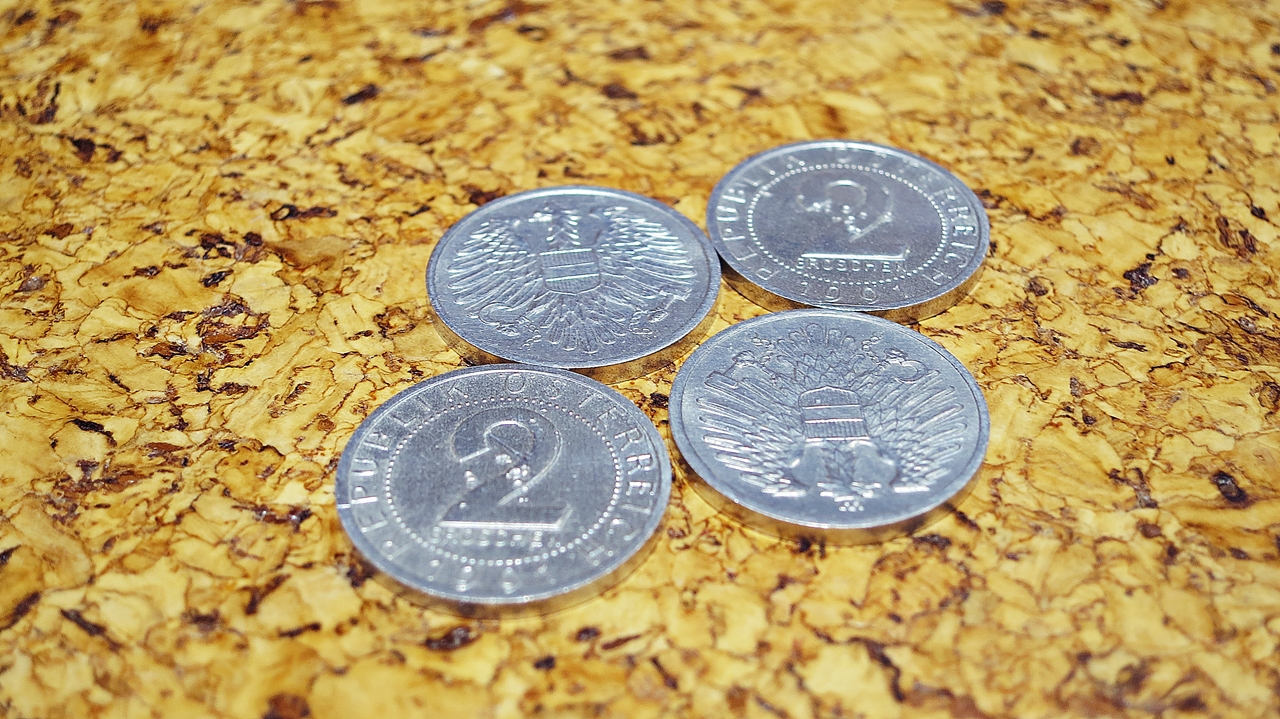
Incidentally, even when you cannot change your rack or floor, an audio board will have a greater influence than insulators. With a board, you do not need to replace the rack itself or the floor material, and you can achieve an effect closer to doing exactly that. Among affordable options, granite, marble, Corian boards, or wooden boards (made from instrument-grade materials such as ebony or maple laminate, available at home improvement stores) can deliver a significant change relatively cheaply and without too much fuss. For insulators, I would recommend starting with pure-copper 10-yen coins or old and new 500-yen coins. It is quite common to find that coins simply suit the equipment better than expensive dedicated insulators, and personally I would also suggest trying African ebony square offcuts or round cut cubes, which can be found at Tokyu Hands or home improvement stores.
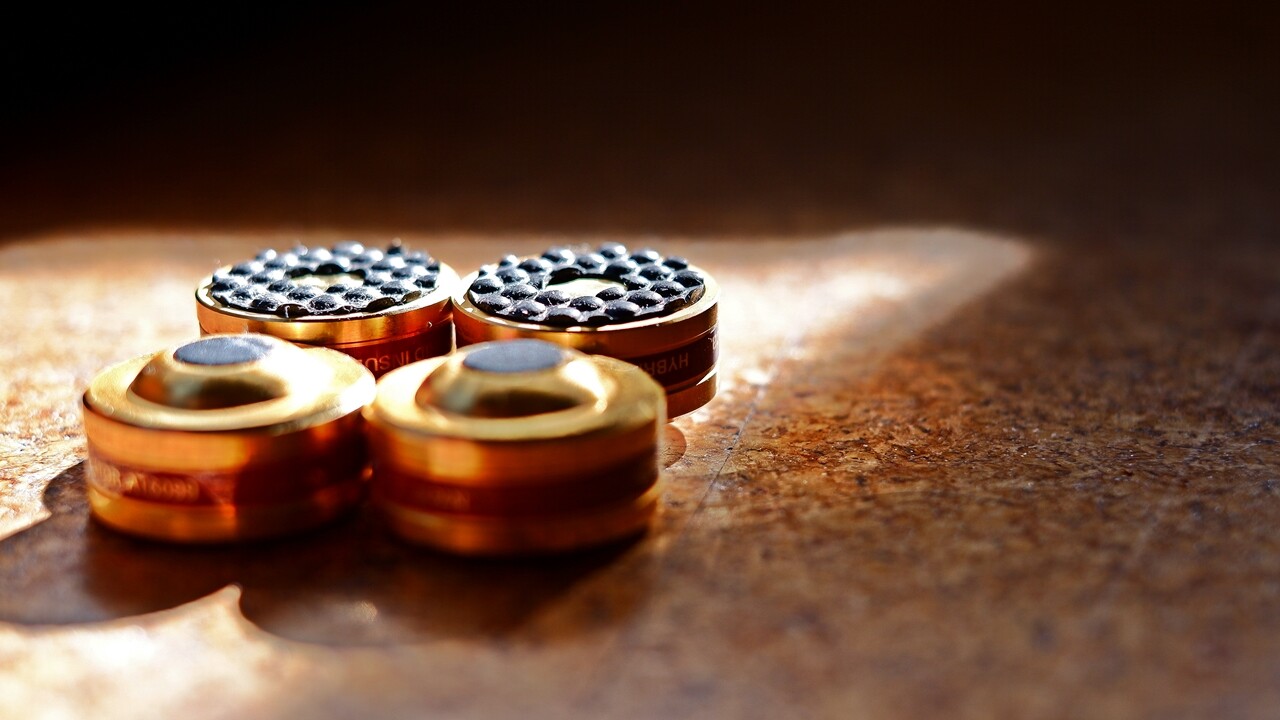
One point of caution: audio boards and audio racks, being highly influential, exert such a strong hold over the sound and produce such a large degree of change that if things do not go in the desired direction, the investment and effort involved can make for a rather unhappy outcome. Insulators, by contrast, are easy to swap in and out, and the experience you gain from each attempt — failures included — gradually accumulates. In that sense, I think the steady accumulation of fine adjustments through insulators is, in its own way, quite an effective shortcut to developing a feel for the subtleties of audio setup and a sense for how to coordinate components.
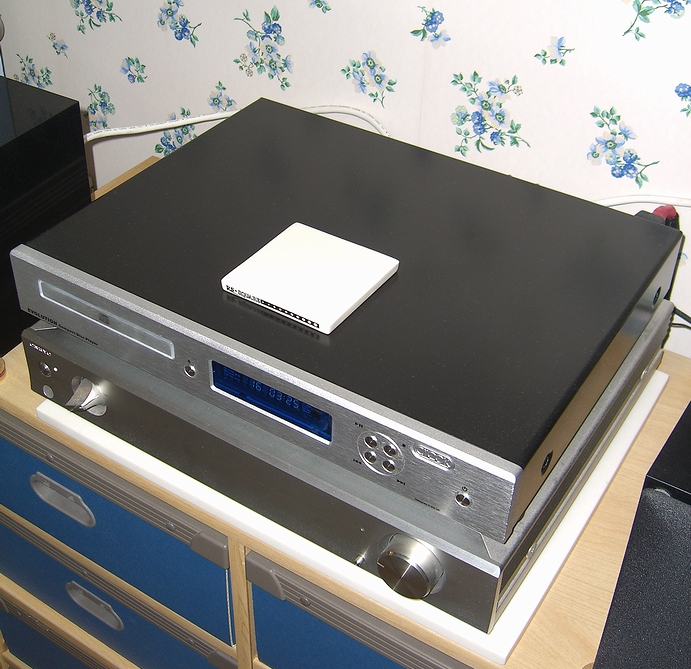
Beyond insulators and various underboards, there are also more unusual accessories — ones that wrap around cables, stick onto equipment, or simply sit on top of a component. Apart from those that intervene directly in the signal path or power supply, most of these are designed to influence sound quality by controlling vibration. There are also accessories intended to control room acoustics themselves — managing absorption and reflection within the listening room — but I will leave those aside for now.
Tips for choosing insulators and getting the most out of them.
Rather than thinking primarily in terms of absorbing or suppressing vibration entirely, I would recommend approaching insulators with the image of tuning and ordering the vibration mode, and then, on that basis, adding just a touch of natural resonance — using them to balance these elements and to harmonise tonal differences between components.
Speaker Cables, Interconnect Cables, Digital Cables
Insulators are accessories that control vibration and affect sound quality, but when it comes to the real core of audio accessories, it would have to be the various types of audio cables. There is, of course, absolutely no problem producing sound with the thin red-and-white cables bundled with AV equipment from the start, or the simple, thin speaker cables through which you can practically see the wire inside. Even so, the reason so many audio cables exist is that there are countless audio enthusiasts around the world who, having listened and distinguished the sonic differences between cables to one degree or another, cannot ignore from their own experience the influence those cables have on a system.
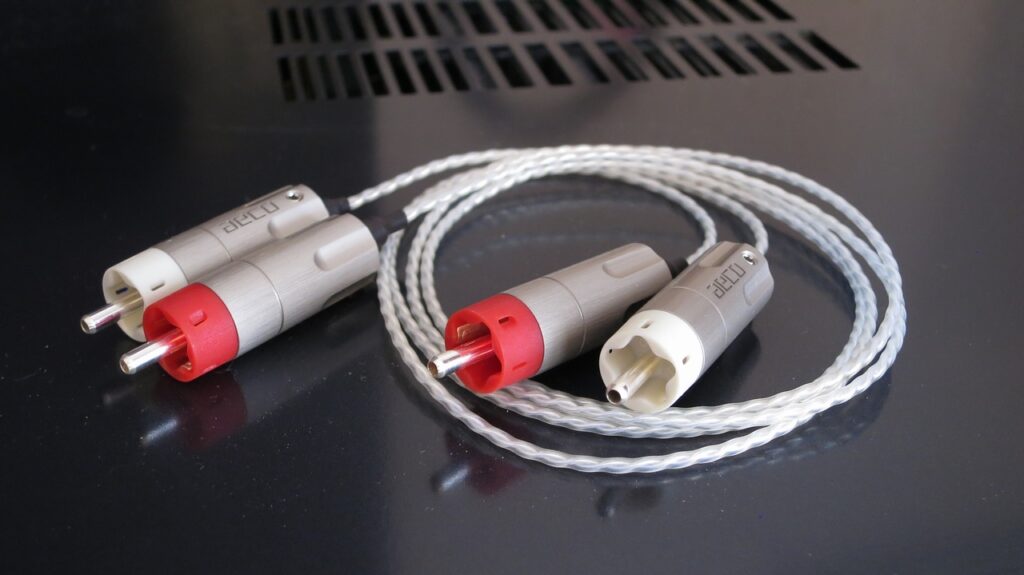
Among general audio enthusiasts, I think the order of influence tends to run something like: speaker cables > analogue signal cables > digital signal cables — though this is really a theory that only holds (with many exceptions) within the relatively affordable entry-level cable range. The basic approach is to invest in speaker cables first, then analogue signal cables — but where the digital source and the DAC are separate units, the digital cable connecting the two can surprisingly have just as much influence as an analogue signal cable, making it a factor that cannot be ignored when the digital side is a separate arrangement.
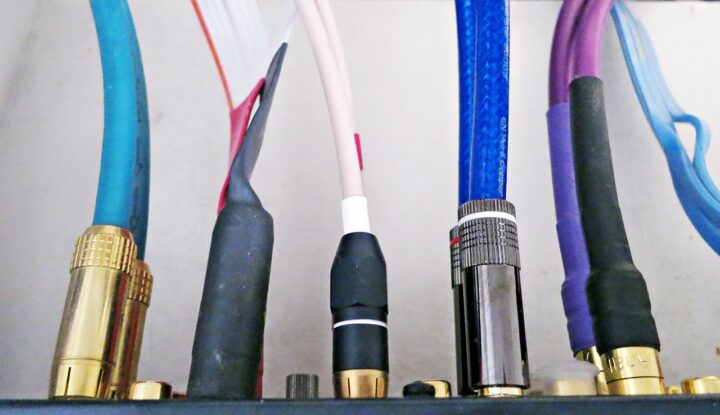
The hold that cables can have is surprisingly varied, and in the world of high-end cables it is not uncommon for the degree of change they bring to the sound to be quite startling — and there has been no shortage, in any era or part of the world, of enthusiasts who venture into such cables, are struck by the conspicuous transformation, and promptly fall headlong into what one might call the cable abyss. Truth be told, I may or may not have been one of them.
Power cables and the like — the power supply side brings large changes
And particularly from the late 1990s onward, one thing that came to the fore in the audio world was the changing of power cables. You might find it puzzling — while it makes logical sense that signal cables such as speaker cables would affect the sound, why on earth should a power cable make any difference? And yet, the degree of sonic change that the power supply side — power cables included — can bring to the whole system is in fact far greater than that of the signal cables mentioned above. Because the degree of change is so large, you can significantly alter the sound your system produces without resorting to relatively expensive cable materials, which is what makes the power supply side so interesting to explore. For those who are reasonably capable of DIY cable assembly in particular, refining the power supply is, compared to other accessories, arguably the area where you can enjoy the biggest difference for the least outlay.
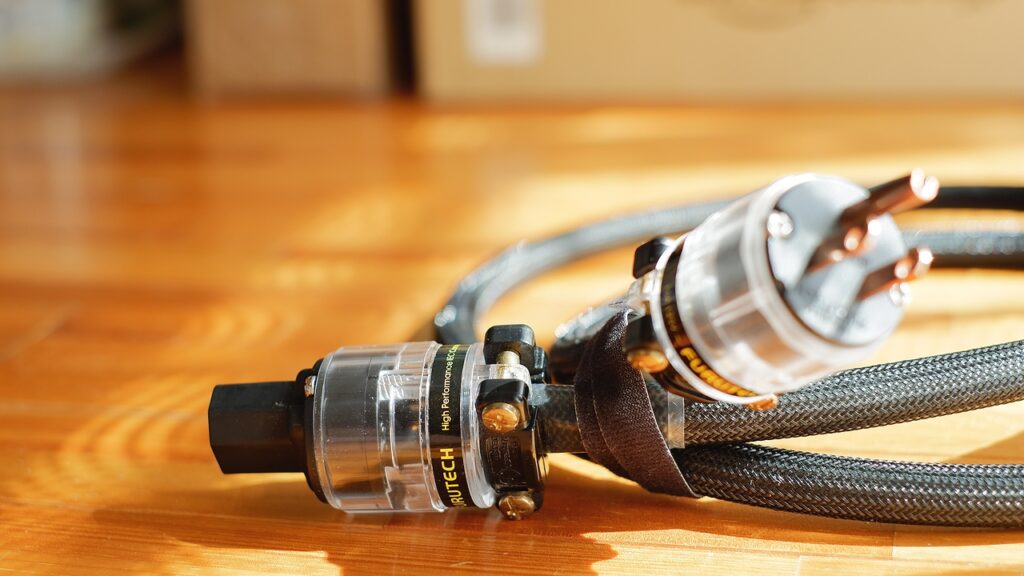
Typically, the journey goes: power cable replacement → power strip → wall socket replacement, and eventually leads to the introduction of a clean power conditioner for generating a low-noise sine wave, then swapping out the distribution board and circuit breakers, replacing the indoor wiring, and finally — the ultimate act of madness — replacing the very utility pole and transformer, what enthusiasts call a “My Denchu” (personal utility pole). These days, you do occasionally see such extreme cases featured in audio magazines. I live in a flat, so the utility pole business is someone else’s problem, but mixed up with the recent deregulation of the electricity market, there is another issue that has been quietly terrifying me: the replacement of the electricity meter at the front door (smart meter), which (the contracted power company carries out free of charge) turns out to be a real minefield. I have personally witnessed, on more than one occasion, fellow audio enthusiasts thrown into complete disarray after a smart meter swap changed the sound of their systems so dramatically that everything had to be reconsidered from scratch — and so the thought of the routine meter replacement that will inevitably arrive at my own door fills me with no small amount of dread and anxiety.
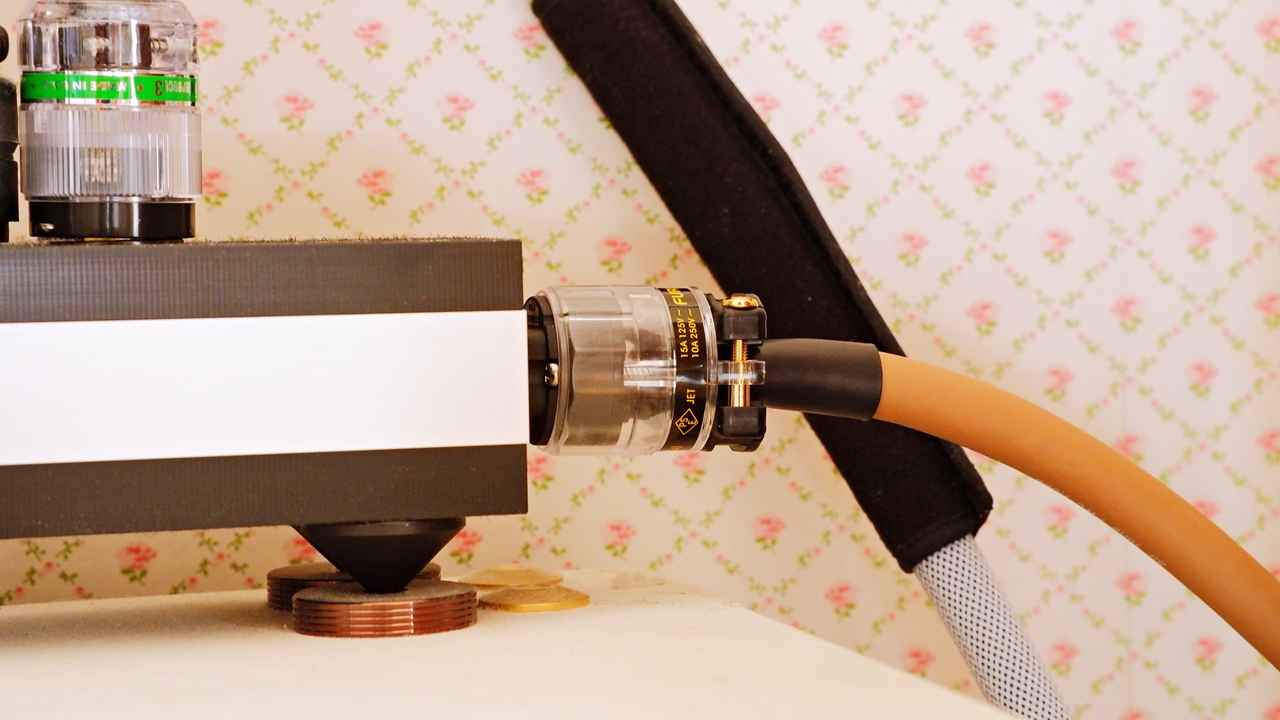
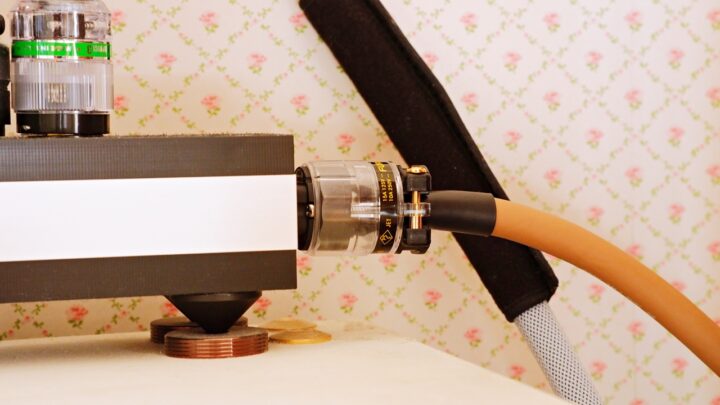
In truth, what is often assumed to be the acoustic character of a room — the constraints of room acoustics, or rather, the room’s own particular sound — is quite frequently nothing more than the characteristics of that home’s power supply. As for how one might gauge whether a given environment’s power supply is good or bad, even partially — well, short of using some specialist noise measurement device, there is really no easy way to know. But in an environment with a poor power supply, whether you are swapping out audio accessories or changing equipment, nothing seems to make much of a discernible difference, and all you ever get is a muffled, woolly sort of sound. It is entirely plausible that there are quite a few people out there who, having listened to muddied sound in such a room, have simply concluded that no matter what you do with audio, nothing changes — without ever realising why. You can sometimes get a taste of this at the audio equipment sections of large consumer electronics shops, where mains noise from surrounding appliances is rife. But it suggests that when it comes to getting the most out of an audio system, the power supply may well be the single most important factor to address. I think it is, in fact, the most rewarding area to tackle in the current mainstream world of pure audio accessories.
How to Choose Audio Accessories
The tricky thing about audio accessories is not so much that you cannot hear any difference, but rather that when you actually try them, they often do not suit your particular system — the sound seems to get worse, or it does change, but in entirely the wrong direction, nowhere near what you were hoping for. What lies in wait is a swamp of trial and error: this does not work, that does not work either. Even among reasonably experienced audio enthusiasts, the honest reality is that the odds of something actually matching well with your system are, if anything, rather low.
I suspect the most common outcome is something like: “It doesn’t quite feel right, but there are some aspects that have improved, and since I’ve already spent the money, I’ll make do with this for now.” Then, after failing to find the right accessory and spending some time feeling stressed and dispirited, one eventually gives up entirely, reverts to the previous setup, and either puts the thing in a drawer or sells it off secondhand — and then the whole cycle of expenditure repeats itself endlessly.
It would be nice if things improved in proportion to the money invested and the expectations placed on them, but that rarely goes so smoothly — and that is both the difficulty and the pleasure of audio. …Come to think of it, the same is essentially true when choosing equipment. With audio components themselves, you can in most cases somehow manage to audition them before buying, taking your time to think it over. With audio accessories, however, auditioning opportunities and loan services are limited, so when all is said and done, perhaps eight out of ten purchases are a gamble made without any prior listening.
Also, for those of you who are dexterous with your hands and have some knowledge of electronics: if you buy wire and plugs as parts and build your own cables, you can use components equivalent to those found in commercially sold cables that cost far more, and make them for a fraction of the price. And by going through that trial and error of DIY construction, you come to understand the difficulty of cable compatibility and the time and effort that goes into making them — and through that, I think you will develop a deeper insight into the audio hobby, along with a more grounded sense of what things are actually worth financially.
~ Summary ~ Back to basics, for beginners
The degree to which each component in an audio system governs the sound is roughly like this — or so it feels as a rough guide for entry-level audio, as a starting point. That said, please do bear in mind that as the audio hobby becomes increasingly obsessive, these proportions tend to lose much of their meaning.
Find a speaker you like at an audio shop. Or narrow things down to some degree online first, then head to a shop with a listening room, bringing along CDs or USB drives containing music you regularly listen to. ⇒ Once you have narrowed it down to two or three speakers you could see yourself loving, search relentlessly for an amplifier that suits them well. ※ Large consumer electronics retailers have the advantage of letting you compare many products side by side with instant switching, while smaller specialist shops may carry fewer items but the owner often knows which combinations sound good. For a CD player, a model from the same manufacturer sharing the same design philosophy as your amplifier is a safe choice in terms of compatibility — though there is nothing wrong with deliberately choosing a standalone player or streamer known for good sound, or, depending on your budget, compromising with an inexpensive DAC for the time being.
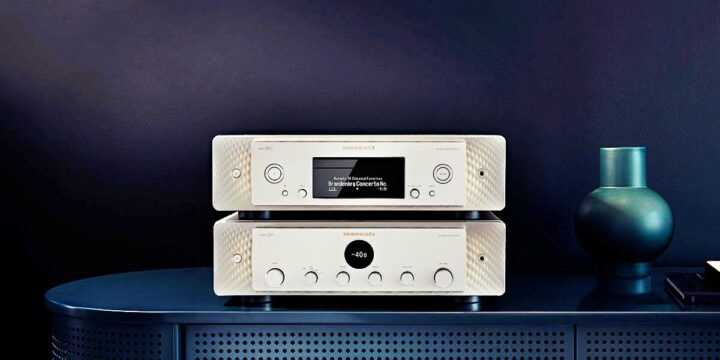
Having written all this, I should say that what matters most in audio is not price itself, but the “compatibility” of the system as a whole — starting above all with the combination of speakers and amplifier. Find a well-matched combination and you may well achieve a sound quality that surpasses what the price of the components would suggest; conversely, no matter how expensive the components, get the compatibility wrong and you can end up with a genuinely hopeless sound — and that is both the difficulty and the pleasure of audio.
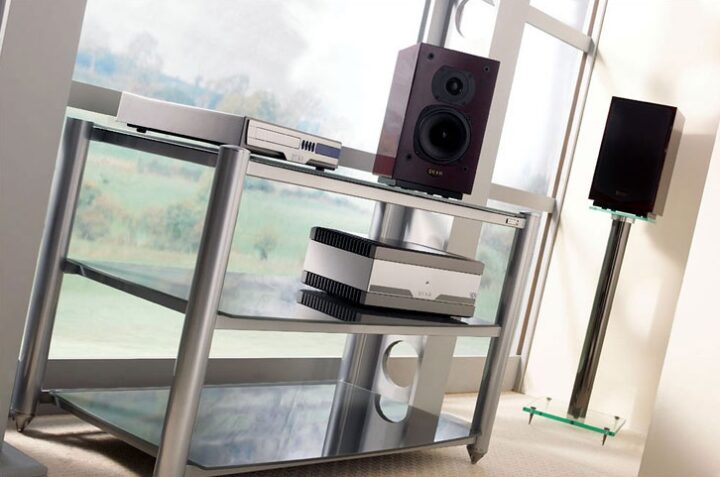
In the world of separates audio, compatibility is more often than not mediocre — neither good nor bad — and the reality for most audio enthusiasts may be that they continue groping in the dark, stuck with combinations that never quite bring out the full potential of their equipment. I would strongly recommend building up as much in-store listening experience as possible before purchasing equipment, and when you do, please try not to be fixated solely on the sound quality of each individual model, but always lend an ear to how well the components work together. Much like coordinating an outfit — accessories included — finding and encountering combinations that are genuinely well-matched is the invisible knack, the real point of discernment, in choosing audio products. And the trial and error through which one sharpens that intuitive sense, by accumulating such realisations, is precisely what becomes an audio enthusiast’s accumulated experience — their true asset.


Auto Translated by CS4.6