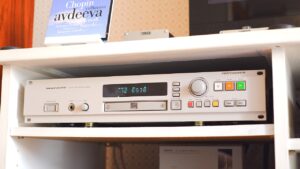
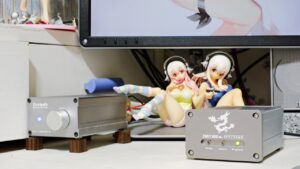
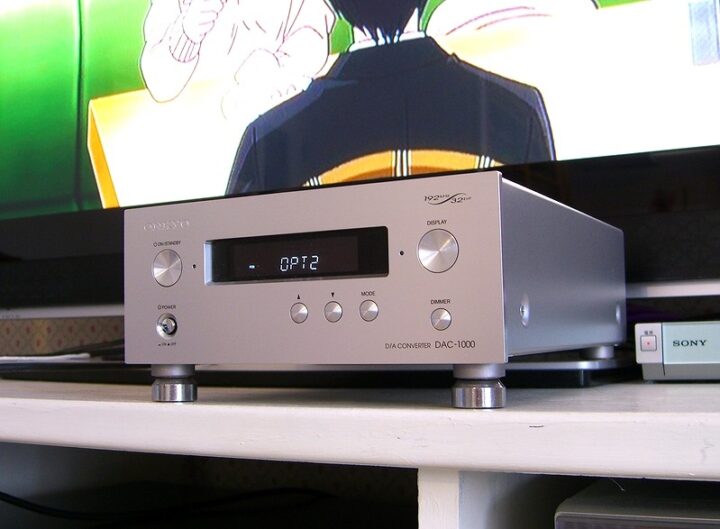
Before all that, I really ought to be reviewing the D/A converter itself — the CI AUDIO “CHANNEL ISLANDS AUDIO” VDA-2 — but as is my habit, I’m going to write about the outboard power supply VAC-1 first, as a personal record. Starting from what is almost certainly the least in-demand topic is, as ever, entirely typical of me. That said, this time around it’s less an introduction to the power supply itself, and more a story about a quick DIY repair and some thoughts on fuses.
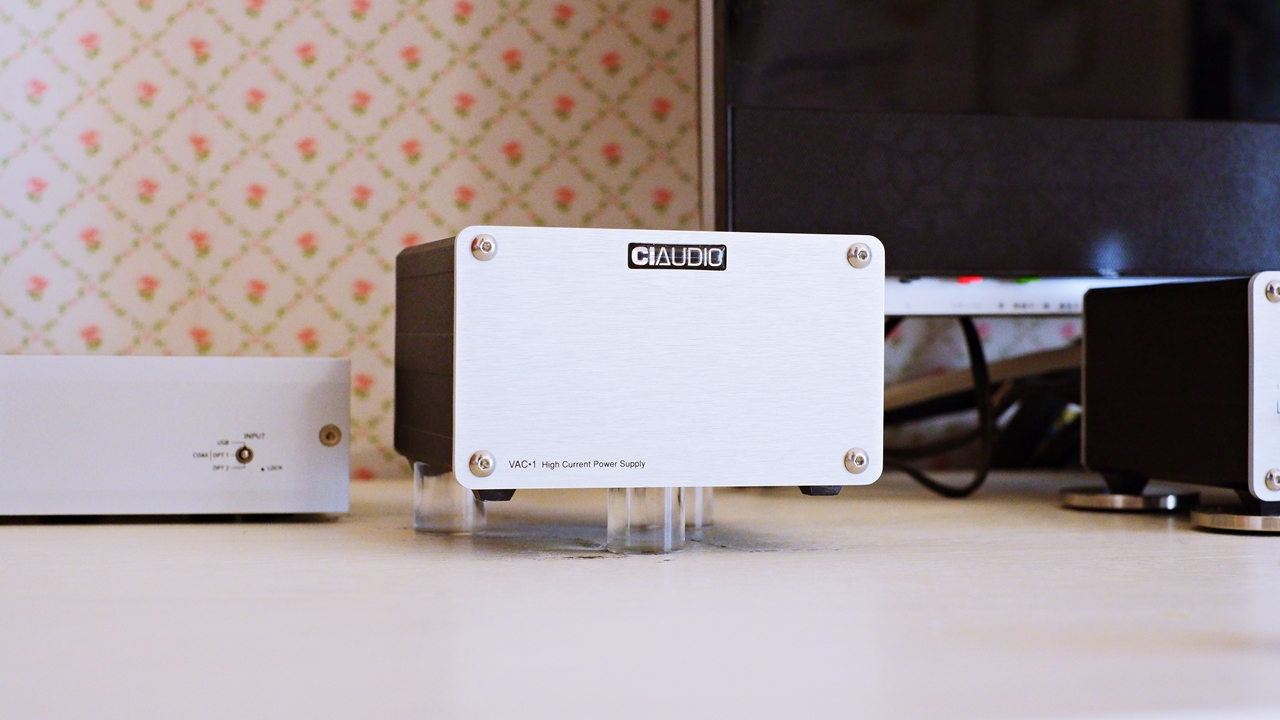
This morning, I was swapping various coaxial cables in and out — trying to compare the sound quality of digital cables and take some photos — with the CI AUDIO VDA-2, the DAC in my main system. I must have plugged the Ø5.5×2.1mm AC cable connecting the VAC-1 outboard power supply to the DAC in and out for the nth time, when — with a small snap — the blue power indicator on the VDA-2 (DAC) side went dark.
Repairing a Cracked AC Mini-Plug Socket with Adhesive
Ah — though actually, this is the second time this has happened (so I wasn’t quite as panicked as I might have been). I detached the VAC-1 outboard power supply from the system, and something rattled around inside. Nervously opening it up with a T8 Torx wrench (hex lobe wrench), I found that the Ø5.5×2.1mm AC cable socket had shattered into fragments inside. The small black plastic part had apparently developed cracks from age-related deterioration, and the rattling sound was the broken pieces. I’d been thinking lately that the connector felt oddly loose when I plugged things in — so that was why. ※ It had always been on the loose side to begin with, so I hadn’t been forcing the plug in.
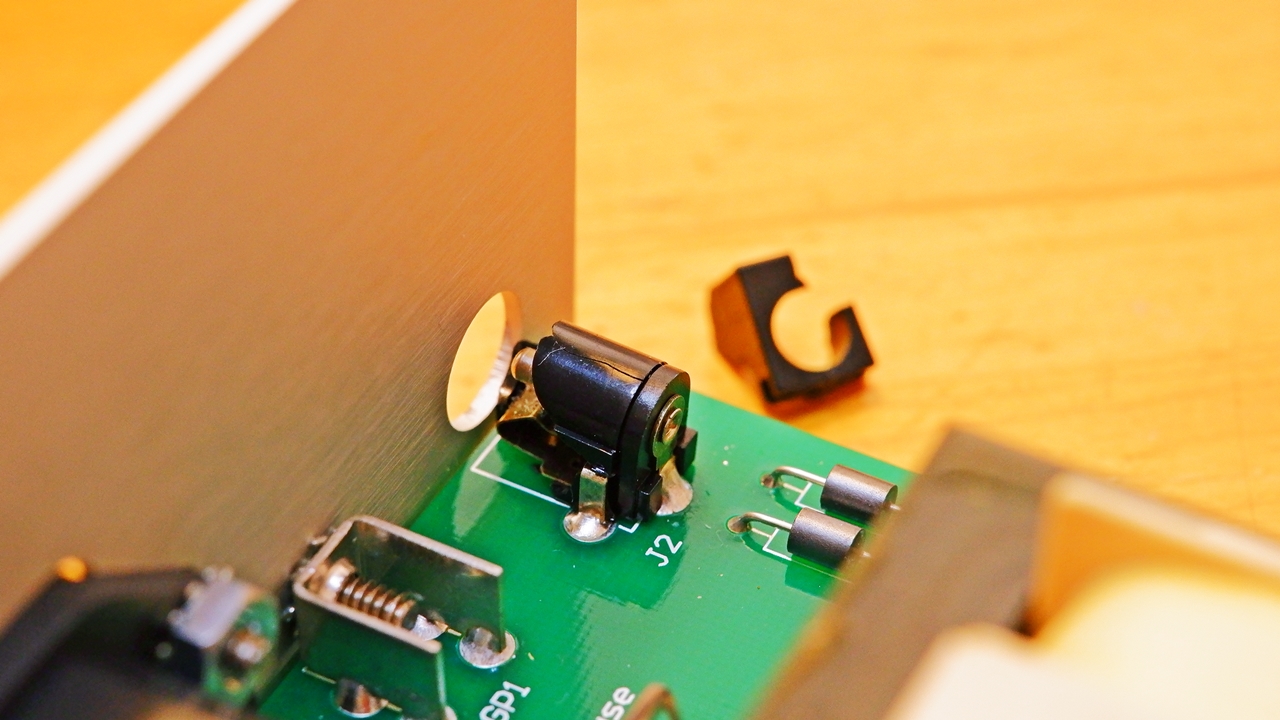
Ideally, I’d simply replace the Ø5.5×2.1mm mini AC inlet terminal altogether, but since it’s soldered to the PCB inside, and I have no soldering skills to speak of, the sensible thing would be to ask a semi-pro friend of mine who’s good at this sort of repair. That said, what actually broke was only the plastic cover — not the conducting parts themselves. The problem is that this plastic cover holds the plug in place while a spring mechanism on the cold side prevents the plug from coming loose, so without it, the mini AC cable plug simply falls out if you’re not holding it in by hand.
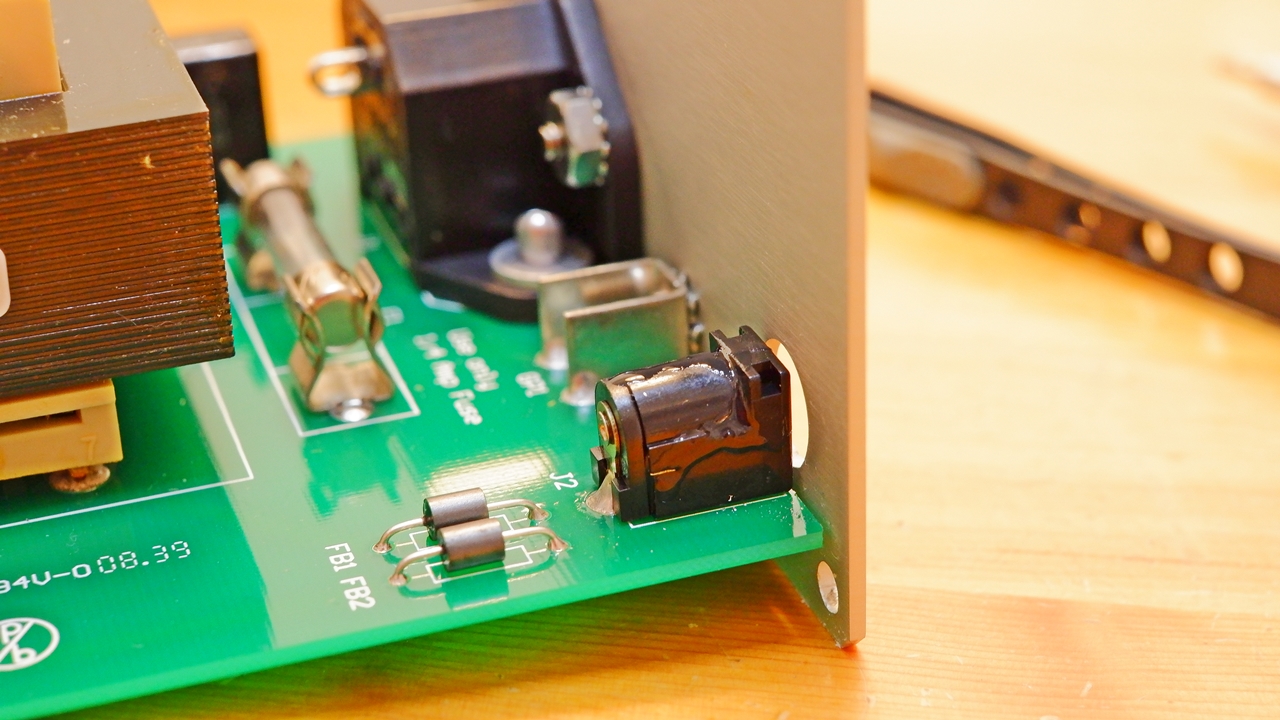
Four fragments of black plastic, each only a few millimetres in size… I pondered for a moment what to do, and then decided to try bonding them back together with some super glue I had to hand — specifically, “Konishi Aron Alpha EXTRA Impact Resistant“. First I stuck the two broken-off pieces together, waited for them to mostly set, then carefully used tweezers to press them back onto the part still attached to the board, and gently worked the glue in. The cracks are still visible, but it’s more or less back to its original shape. Looking back, I’d actually replaced the fuse in this unit about three years ago, and when I blew up a photo I took at the time, I could already make out a faint crack in the AC socket. Three years later, it finally gave way entirely.


The inside of the power supply enclosure runs at a fairly constant elevated temperature (estimated somewhere in the 40s°C), and low-viscosity super glue alone doesn’t inspire much confidence in terms of long-term durability. So at some point I’m planning to come back and reinforce the outside of the terminal properly with a heat-resistant (up to 80°C) two-part epoxy adhesive — “Konishi 16023 Bond E-Set“. Epoxy takes roughly a full day to cure, but once set it becomes less an adhesive and more a solid transparent plastic in its own right. For now I wanted to check the audio first, so I’ve left that for later.

 ポチップ
ポチップ
Fuse Replacement: German Hi-Fi Tuning Silver Star Series ⇒ ELPA
So, I’d managed to get the Ø5.5×2.1mm mini AC cable to stay in without falling out — but when I connected everything up, the power indicator still wouldn’t light. Hmm… could it be…?
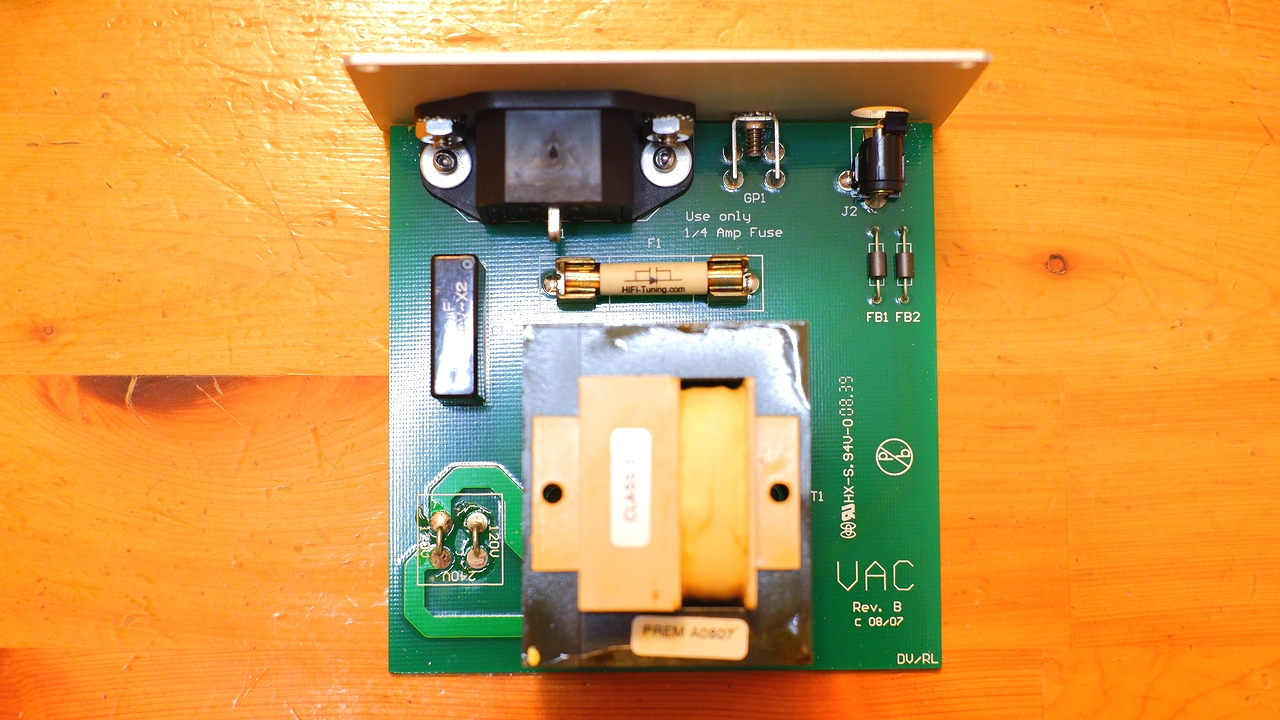
I opened it up again and this time removed the fuse sitting in the centre. It’s a ceramic fuse from German Hi-Fi Tuning — the Silver Star Series, and not cheap. 6moons’ review is here. Being a ceramic type, you can’t see whether it’s blown just by looking from the outside, but when I took it out and examined it closely, both ends looked faintly scorched. Actually, the fuse in the VAC-1 had blown once before — also at the moment of plugging in the mini AC cable — and I’d ordered quite a few spares on that occasion. ※ Fuse brand does affect the sound, so I ordered various types to try.
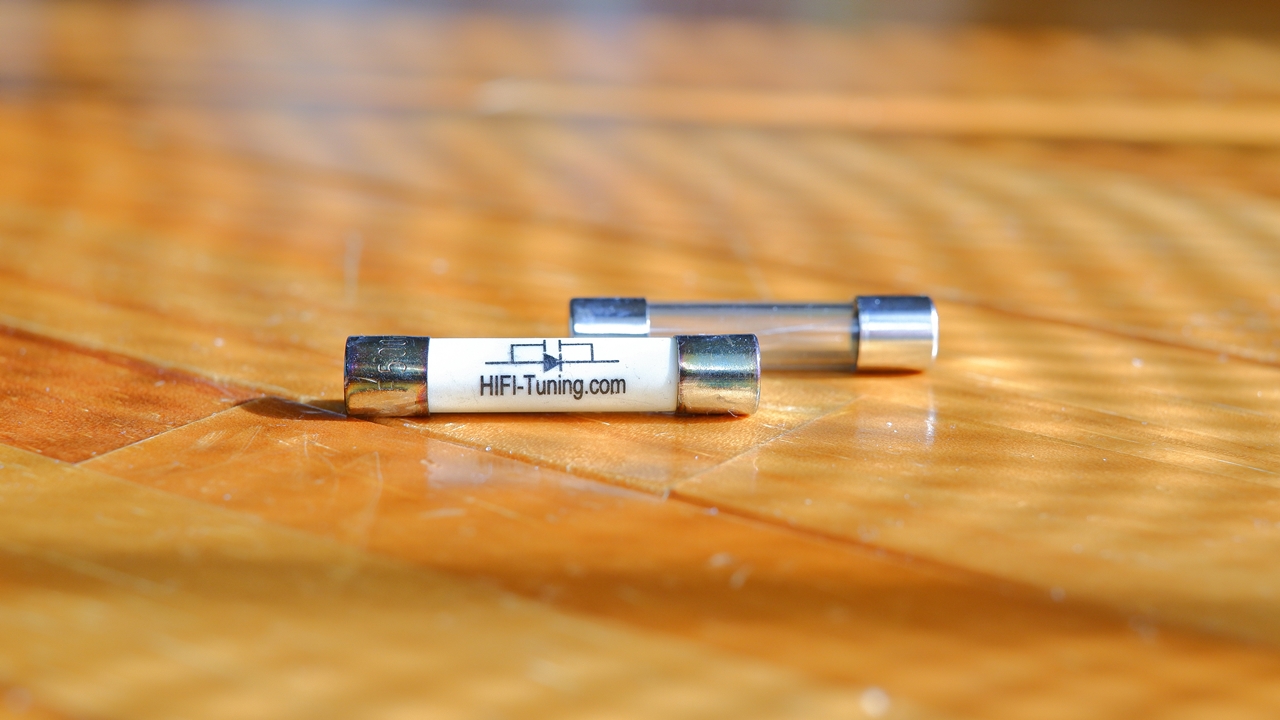
As a temporary replacement, I fitted an ELPA silver-plated fuse I’d bought at the local home centre some time ago, reconnected everything, and — the power indicator on the VDA-2 DAC side lit up. Sound came through as well.
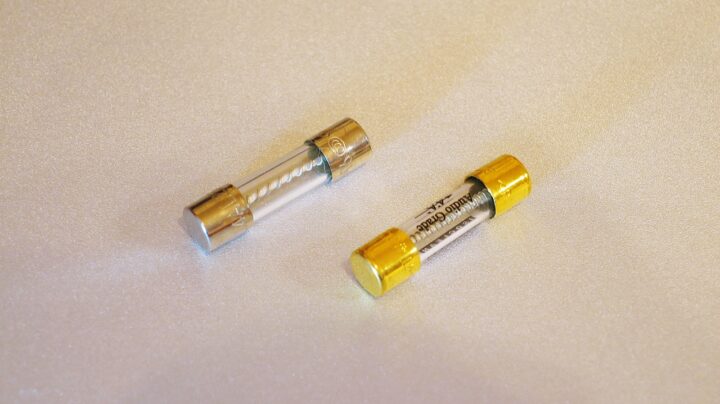
The ELPA glass tube fuse TF-2006H — readily available cheaply at home centres — has nickel-plated end caps and a silver-plated copper wire inside, giving it a rather silver-wire-like, clean sonic character; if anything, it has a faint whiff of high-end about it in a certain sense. On the other hand, sibilants on vocals are more prominent, the sound image becomes somewhat leaner, and the most noticeable difference is that the sheer amount of detail is considerably reduced compared to the Hi-Fi Tuning Fuse. It’s a pleasing, beautiful-sounding option, and certainly worth considering as one choice among many — but having grown accustomed to the Hi-Fi Tuning Fuse Silver Star Series, I had little choice but to reorder the same blown fuse in the same spec. This time I ordered two, including a spare… they’re not exactly budget-priced as fuses go, so the wallet took a bit of a hit.
 ポチップ
ポチップ
Until the new Hi-Fi Tuning Fuse arrives, I’ll be using the ELPA TF-2006H as a stand-in, which means the sound of my main system has changed for the time being — so CD sound quality evaluations on the main system will unfortunately be on hold for a while. What I find interesting is that while the ELPA silver-plated fuse can’t match the Hi-Fi Tuning Fuse when it comes to musical detail in CD playback, when playing back recorded anime via my HDD/Blu-ray recorder, sibilants in dialogue are more noticeable, yet for some reason it becomes easier to focus on the voices themselves. This is very much a matter of the subtle balance within my own setup and isn’t something I’d expect to reproduce in other systems — but from experience, when things tip towards the bright side the sound usually becomes unsettled and dialogue harder to follow, so this was a bit of a surprise.
AC-to-AC Outboard Power Supply Unit vs. the Standard AC Adaptor
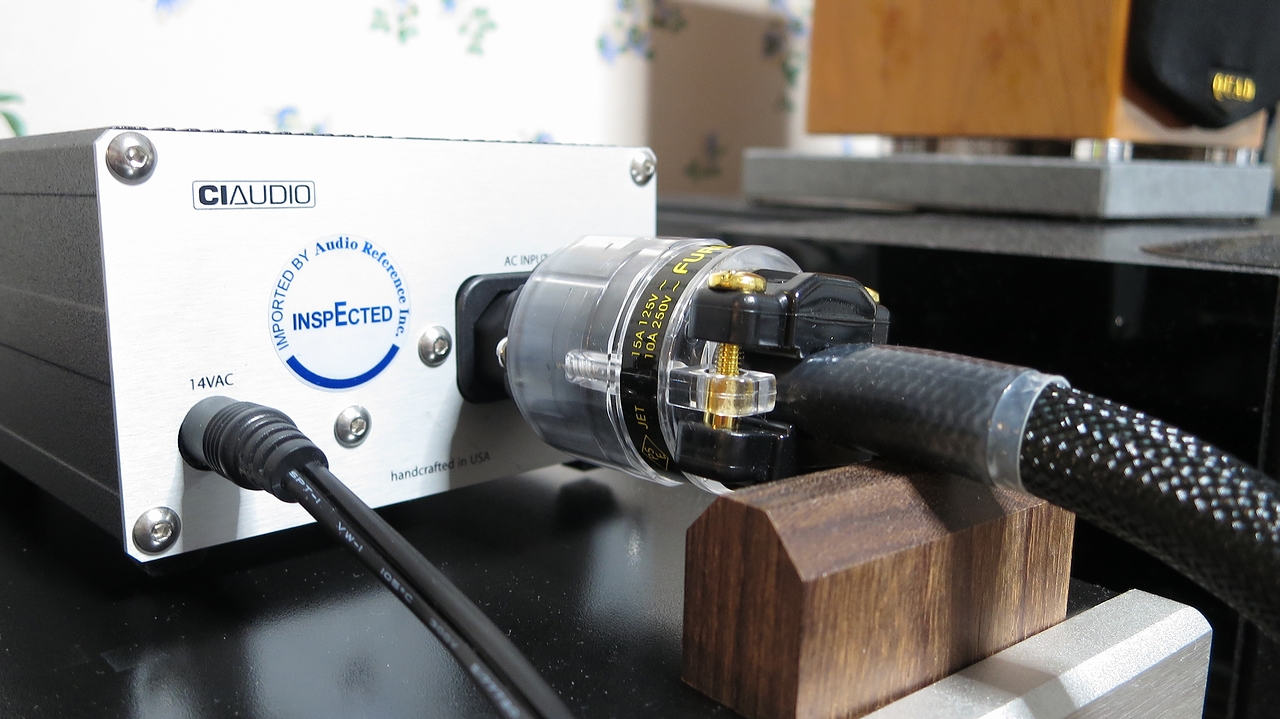
The CI AUDIO VDA-2 DAC / VAC-1 system has no master power switch — it’s an always-on design where the only way to power it up or down is to plug or unplug the 100V AC input cable or the mini AC output cable. In fact, once before, I fitted a certain DC noise filter intended for audio use, and the fuse blew the moment I plugged in the mini AC cable — so the circuit does seem rather prone to blowing fuses over relatively minor things. Though that particular time, it may simply have been because I’d plugged a DC noise filter into an AC line — (at that point I hadn’t realised it was AC-to-AC).
This time too, I’m not entirely sure whether the root cause was winter static electricity, or whether the cracked mini AC inlet had caused a short inside the terminal. Honestly — with a round plug like that, it’s hard to imagine how a short would even occur — but there we are. This winter the static has been particularly bad, and I had been touching a metal object (a large spoon I keep nearby) before handling anything, to discharge myself — but perhaps that wasn’t enough.
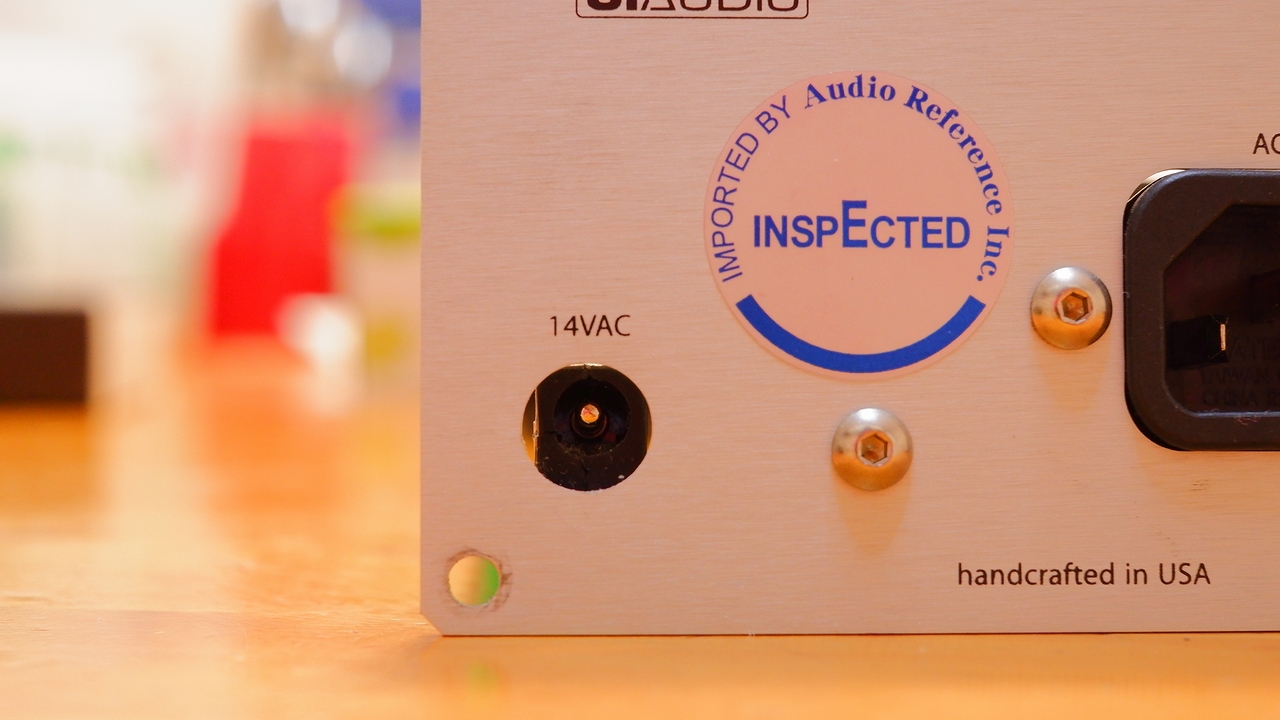
Incidentally, this outboard power supply VAC-1 is a separately purchased optional extra. The CI AUDIO VDA-2 DAC itself comes bundled with a dedicated AC-to-AC adaptor — the Taiwanese TDC Power DJ-20-12 (12V, 1.67A). The VAC-1 outputs 14V, so the bundled AC adaptor runs at a slightly lower voltage — but it’s not some flimsy switching supply; it’s a transformer-type AC-to-AC adaptor, measuring a fairly substantial 492g on the scales. The body has PSE markings and Japanese text printed on it, so this particular adaptor may in fact be included only with the Japanese market version.
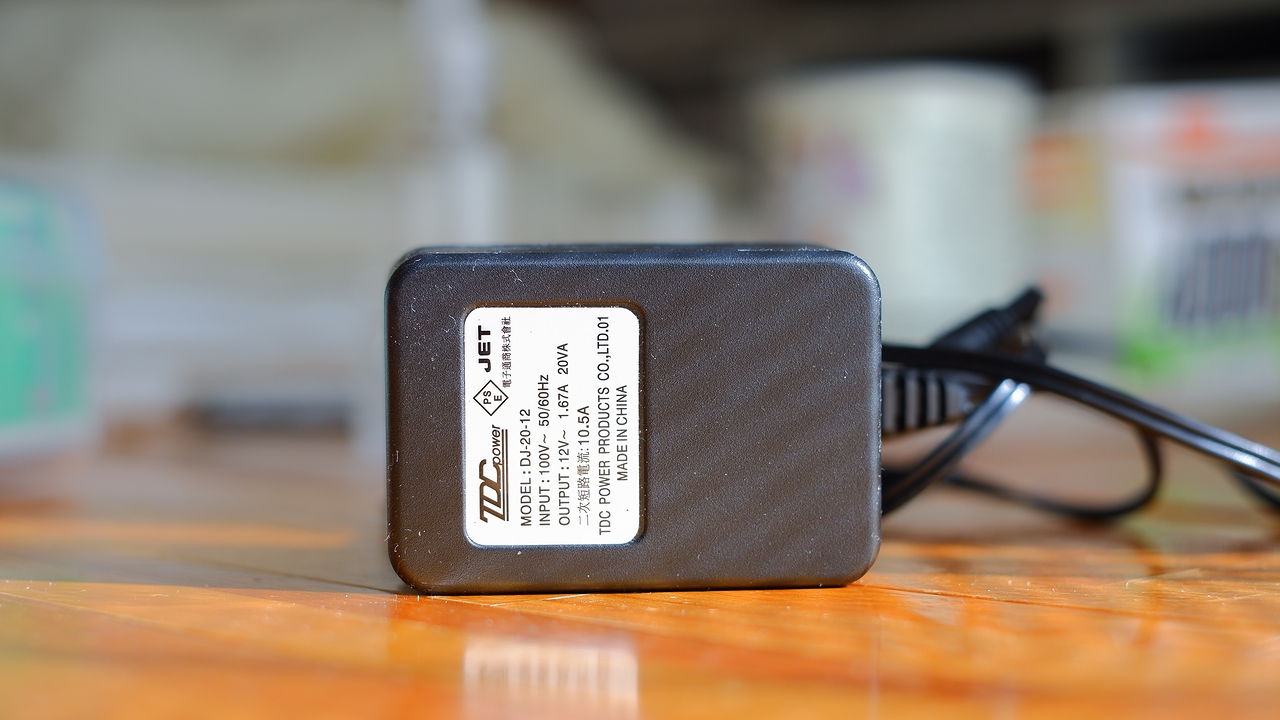
The sound quality of this bundled AC adaptor is actually not bad at all — and while it does fall somewhat short of the VAC-1 sonically, in terms of musicality it almost gives the impression of surpassing the separately sold VAC-1 (recommended retail price ¥48,384). That said, the standalone VAC-1 does allow you to fit a quality power cable, which gives it a leg up, so when you factor in the power cable, the quality difference does become apparent. And if the VAC-1 were to break down properly and need to go in for repair, having the original bundled AC adaptor as a backup means the VDA-2 DAC can keep running — which is a reassuring thought.
 ポチップ
ポチップ
 Category: D/A Converters (DACs)

Auto Translated by CS4.6